

Basic information
- Standard SMILES
c1ccc2c(c1)Cc1ccccc1-2- InChIKey
NIHNNTQXNPWCJQ-UHFFFAOYSA-N- Molecular formula
- C13H10
- Average molar mass
- 166.22 g/mol
- Monoisotopic mass
- 166.07825032
Names & identifiers
- Preferred name
- Fluorene
- IUPAC
- 9H-fluorene
- English name
- Fluorene
- Molecular formula
- C13H10
- Molecular weight
- 166.22
Names & synonyms
FLUORENE9H-Fluorene86-73-7Diphenylenemethaneo-Biphenylenemethane2,3-Benzindene2,2'-Methylenebiphenylo-BiphenylmethaneMethane, diphenylene-FluorenDTXSID8024105alpha-diphenylenemethane-9H-fluorene
Show more names
FLUOCINONIDEFluorene 98%uoreneNSC 6787Fluorene>Fluorene,98%Fluorene 98%
AI3-090743Q2UY0968ANSC-6787DTXCID604105CHEBI:282669H-fluorene;fluoreneRefChem:5833201-695-5
Database identifiers
- CAS
86-73-7- PubChem CID
- 6853
- DTXSID
DTXSID8024105- ChEMBL
CHEMBL16236- ChEBI
CHEBI:28266- UNII
- 3Q2UY0968A
- EC Number
- 201-695-5
- Nikkaji
- J3.895D
Properties
Computed structural properties
- XLogP
- 4.2
- Topological polar surface area
- 0 Ų
- Hydrogen bond donors
- 0
- Hydrogen bond acceptors
- 0
- Rotatable bonds
- 0
- Heavy atoms
- 13
- Formal charge
- 0
- Complexity
- 164
Physicochemical properties
- Melting point
- 111 · 111-114 °C (lit.)
- Boiling point
- 298 °C · 298 °C (lit.)
- Density
- 1.2 · 1.2
- vapor pressure
- 13 hPa · 13 hPa (146 °C)
- refractive index
- 1.647 · 1.6470
- Flash point
- 151 °C · 151 °C
- storage temp.
- room temp
- solubility
- 0.002 g/l · 0.002g/l insoluble
- form
- Crystalline Powder
- pka
- 15 · >15 (Christensen et al., 1975)
- color
- Almost white to light brown
- Water Solubility
- insoluble
- Specific Heat Capacity
- 1.22 J/ · Cp(crystal): 1.22 J/(g·K); Cp(gas): 1.04 J/(g·K), at 25℃
- Merck
- 14 · 14,4155
- BRN
- 1363491 · 1363491
- Henry's Law Constant
- 1.89 · 1.89(x 10-5 atmm3/mol) at 4 °C, 12.5 at 25 °C (dynamic equilibrium method, Bamford et al., 1999)
- Stability
- Stable. Combustible. Incompatible with strong oxidizing agents.
- Major Application
- environmental
- InChI
- 1S/C13H10/c1-3-7-12-10(5-1)9-11-6-2-4-8-13(11)12/h1-8H,9H2
- InChIKey
- NIHNNTQXNPWCJQ-UHFFFAOYSA-N
- SMILES
- C1c2ccccc2-c3ccccc13
- LogP
- 4.164 · 4.164
- REACH Annex XVII Substances List
- Fluorene (86-73-7)
- CAS DataBase Reference
- 86 · 86-73-7(CAS DataBase Reference)
- EWG's Food Scores
- 2 · 2
- FDA UNII
- 3 Q2UY0968A · 3Q2UY0968A
- NIST Chemistry Reference
- Fluorene(86-73-7)
- IARC
- 3 · 3 (Vol. Sup 7, 92) 2010
- EPA Substance Registry System
- Fluorene (86-73-7)
- UNSPSC Code
- 41116107 · 41116107
- NACRES
- 24 · NA.24
- Symbol(GHS)
- 9 · GHS09
- Signal word
- Warning
- Hazard statements
- 410 · H410
- Precautionary statements
- 273 · P273-P391-P501
- PPE
- 95 · Eyeshields, Gloves, type N95 (US)
- Hazard Codes
- N,T,F,Xn,Xi
- Risk Statements
- 50 · 50/53-39/23/24/25-23/24/25-11-67-65-38-36/38-36/37/38-52/53-20
- Safety Statements
- 60 · 60-61-24/25-45-36/37-16-7-62-33-24-22-36/37/39-27-26-25-9
- RIDADR
- 3077 · UN 3077 9/PG 3
- WGK Germany
- 3 · 3
- RTECS
- 5670000 · LL5670000
- Hazard Note
- Harmful
- TSCA
- TSCA listed
- HazardClass
- 9 · 9
- PackingGroup
- III
- HS Code
- 29029080 · 29029080
- Storage Class
- 11 · 11 - Combustible Solids
- Hazard Classifications
- 1 Aquatic · Aquatic Acute 1Aquatic Chronic 1
- Hazardous Substances Data
- 86 · 86-73-7(Hazardous Substances Data)
- Toxicity
- 1 mg/L · Drinking water standard: No MCLGs or MCLs have been proposed, however, a DWEL of 1 mg/L was recommended (U.S. EPA, 2000).
- REACH Registrations
- Active
- Limited Quantities
- 5 kg · 5.0 kg (11 lbs) (solid)
- Excepted Quantities
- Max Inner Pack (30g or 30ml) and Max Outer Pack (1Kg or 1L)
Safety & regulation
Safety data
- PPE
- Eyeshields, Gloves, type N95 (US)
- wgk
- 3
- tsca
- TSCA listed
- rtecs
- LL5670000
- ridadr
- UN 3077 9/PG 3
- hs_code
- 29029080
- Toxicity
- Drinking water standard: No MCLGs or MCLs have been proposed, however, a DWEL of 1 mg/L was recommended (U.S. EPA, 2000).
- risk_code
- 50/53-39/23/24/25-23/24/25-11-67-65-38-36/38-36/37/38-52/53-20
- Signal word
- Warning
- Symbol(GHS)
- GHS09
- hazard_code
- N,T,F,Xn,Xi
- hazard_note
- Harmful
- safety_code
- 60-61-24/25-45-36/37-16-7-62-33-24-22-36/37/39-27-26-25-9
- hazard_class
- 9
- Storage Class
- 11 - Combustible Solids
- packing_group
- III
- Hazard statements
- H410
- Limited Quantities
- 5.0 kg (11 lbs) (solid)
- Excepted Quantities
- Max Inner Pack (30g or 30ml) and Max Outer Pack (1Kg or 1L)
- REACH Registrations
- Active
- Hazard Classifications
- Aquatic Acute 1Aquatic Chronic 1
- Precautionary statements
- P273-P391-P501
- Hazardous Substances Data
- 86-73-7(Hazardous Substances Data)
Chemistry & industry
Applications
DescriptionFluorene, when pure, is found as dazzlingwhite flakes or small, crystalline plates. It is fluorescentwhen impure. Polynuclear aromatic hydrocarbons (PAHs)are compounds containing multiple benzene rings and arealso called polycyclic aromatic hydrocarbons. Molecularweight=166.23; Boiling point=293C (decomposes);Freezing/Melting point=116-117C; Flash point=151C. Hazard Identification (based on NFPA-704 MRating System): Health 1, Flammability 1, Reactivity 0.Insoluble in water.
UsesFluorene was used study the extraction of specific, semiconducting single-wall carbon nanotubes (SWCNTs).
UsesPolycyclic aromatic hydrocarbons as micropollutants.
General DescriptionWhite leaflets. Sublimes easily under a vacuum. Fluorescent when impure.
Upstream & downstream products
Upstream raw materials
Downstream products
Additional notes
DefinitionChEBI: An ortho-fused tricyclic hydrocarbon that is a major component of fossil fuels and their derivatives
Related reactions
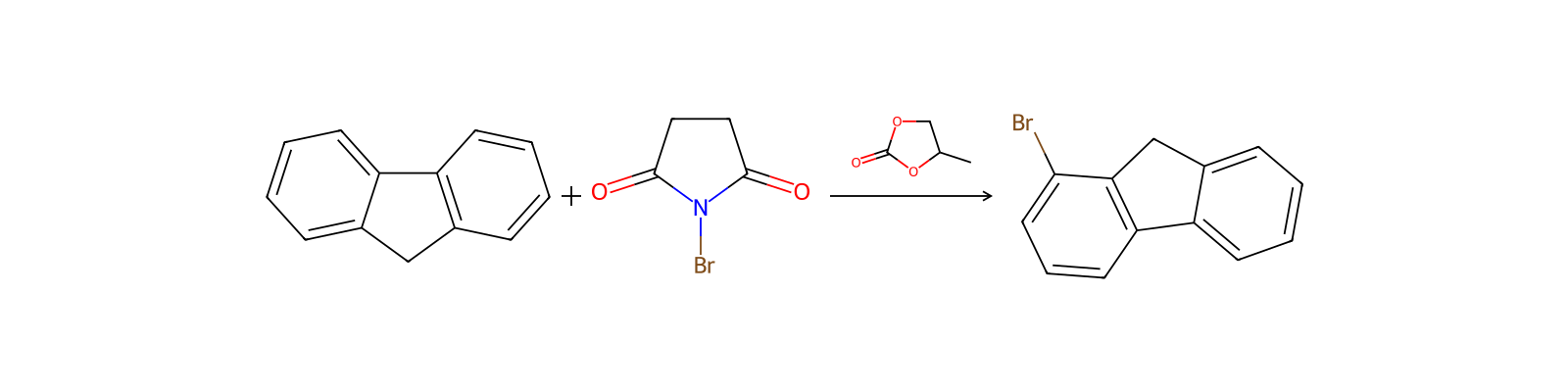
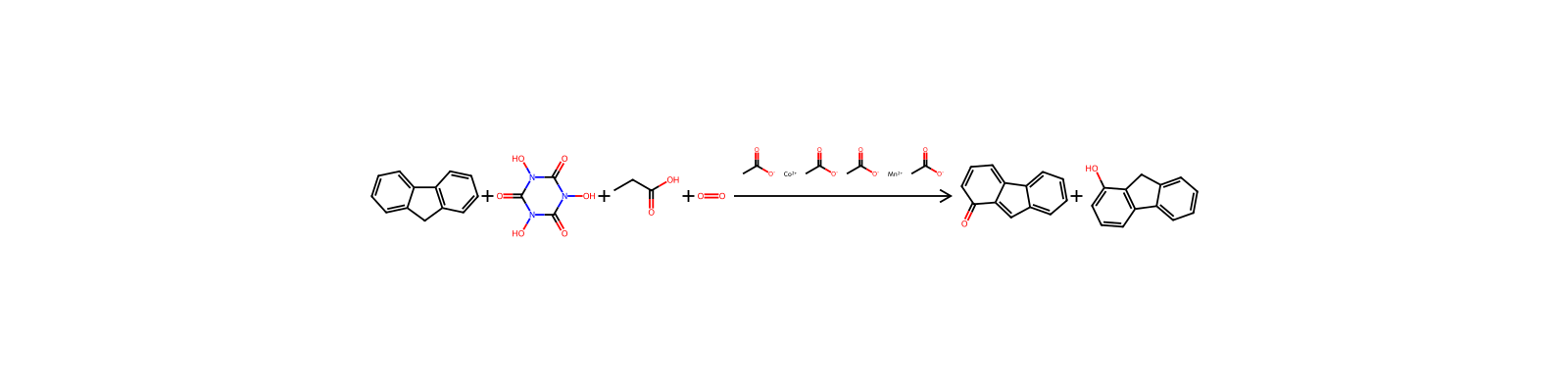
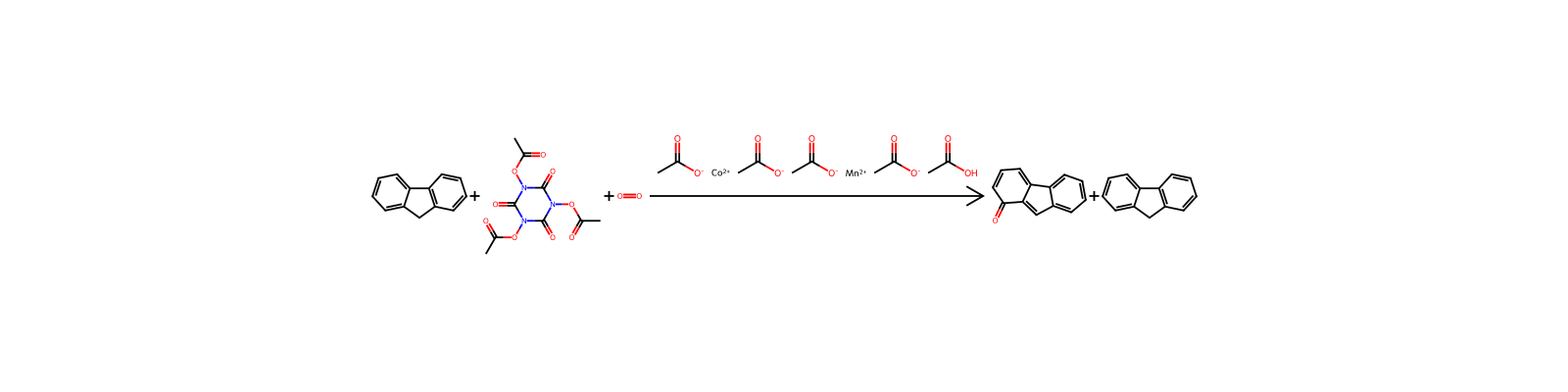
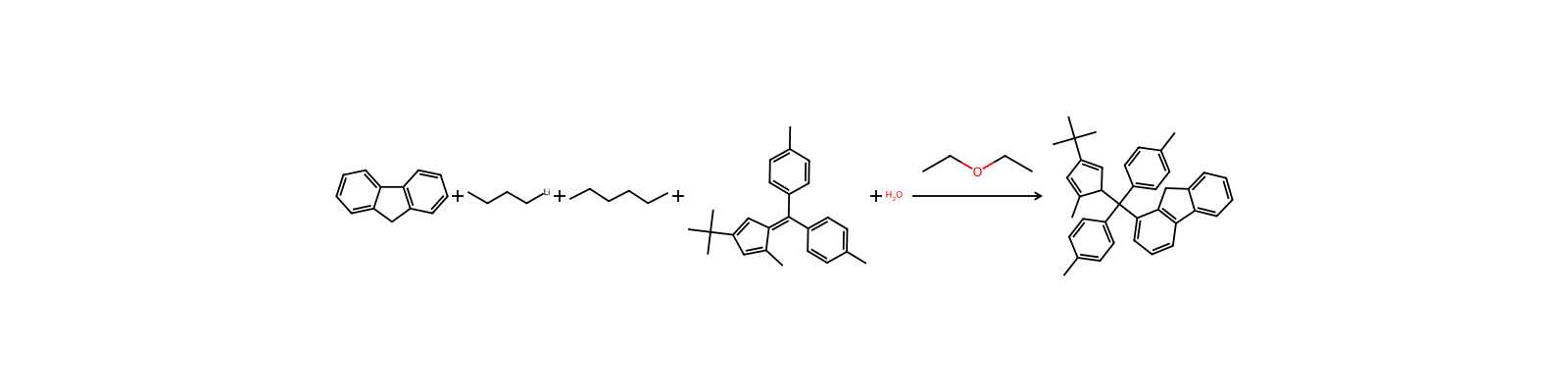
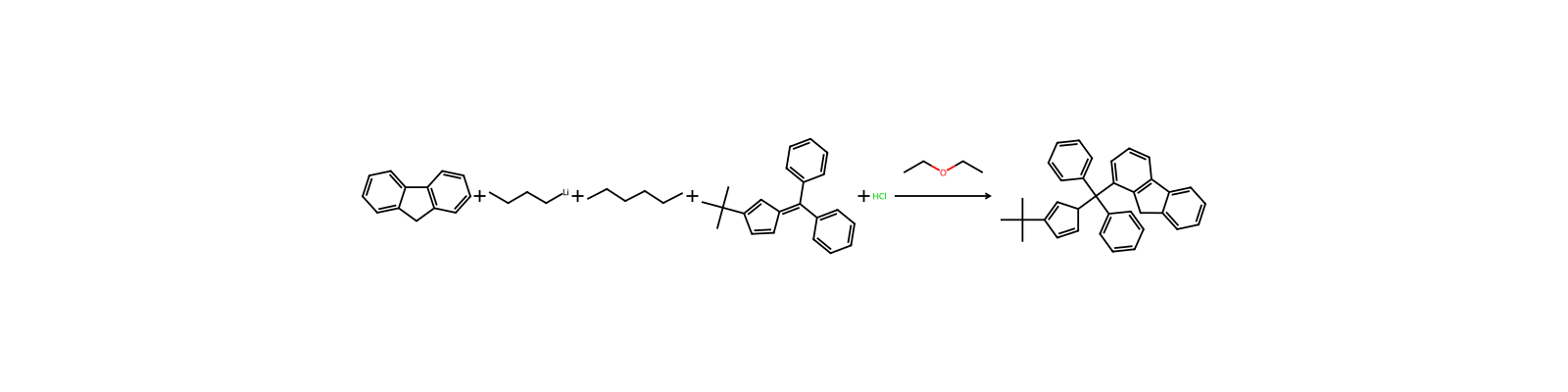
294 records


Linked notes
Loading…