
2-Acetylthiophene
Completing data — refresh the page later to see the latest

Basic information
- CAS
88-15-3- Standard SMILES
CC(=O)c1cccs1- InChIKey
WYJOVVXUZNRJQY-UHFFFAOYSA-N- Molecular formula
- C6H6OS
- Average molar mass
- 126.18 g/mol
- Monoisotopic mass
- 126.01393581
Overview
2-Acetylthiophene is an aromatic ketone.
Names & identifiers
- Preferred name
- 2-Acetylthiophene
- IUPAC
- 1-thiophen-2-ylethanone
- English name
- 2-Acetylthiophene
- Molecular formula
- C6H6OS
- Molecular weight
- 126.18
Names & synonyms
2-ACETYLTHIOPHENE88-15-31-(2-Thienyl)ethanoneMethyl 2-thienyl ketone2-Acetothienone2-AcetothiopheneEthanone, 1-(2-thienyl)-Ketone, methyl 2-thienyl2-Thienyl methyl ketone1-(thiophen-2-yl)ethan-1-onealpha-Acetylthiophene5ASO208T20
Show more names
AKOS 919362-Acetylthioph2-ACETYLTHIOLE2-Acetylthiophen1-(2-Thienyl)-1-ethanone2-Acylthiophene
NSC-2345DTXSID2058960RefChem:462874DTXCID8048608201-804-61-thiophen-2-yl-ethanone1-(thiophen-2-yl)ethanone1-thiophen-2-ylethanone
Database identifiers
- CAS
88-15-3- PubChem CID
- 6920
- DTXSID
DTXSID2058960- ChEMBL
CHEMBL401911- ChEBI
CHEBI:179841- UNII
- 5ASO208T20
- EC Number
- 201-804-6
- Nikkaji
- J2.842.079J、J4.289G
Properties
Computed structural propertiesFilling in
- XLogP
- 1.2
- Topological polar surface area
- 45.3 Ų
- Hydrogen bond donors
- 0
- Hydrogen bond acceptors
- 2
- Rotatable bonds
- 1
- Heavy atoms
- 8
- Formal charge
- 0
- Complexity
- 101
Experimental & physicochemical properties
Chemical ClassesOther Classes -> Thiophenes
SpringerMaterials PropertiesChemical shift
FragrancesFragrance Ingredient (2-Acetylthiophene) -> IFRA transparency List
LogP
1.25
1.27
Flavoring AgentsEU Flavoring substances
Solubility14 mg/mL at 30 °C
Boiling Point213.00 °C. @ 760.00 mm Hg
Melting Point9 °C
Vapor Pressure0.36 [mmHg]
Physical Description
Pale yellow liquid with a slightly sweet odor; [Alfa Aesar MSDS]
Liquid
Safety & regulation
Safety information is for reference only and does not replace the supplier’s Safety Data Sheet (SDS), applicable regulations, or professional assessment.
GHS classification
GHS Classification
Danger
H302 (87.6%): Harmful if swallowed [Warning Acute toxicity, oral]
P261, P262, P264, P270, P271, P280, P301+P317, P302+P352, P304+P340, P316, P317, P321, P330, P361+P364, P362+P364, P405, and P501 (click each P-code to see the statement)
Aggregated GHS information provided per 1479 reports by companies from 14 notifications to the ECHA C&L Inventory. Each notification may be associated with multiple companies.
Hazard information
Regulatory Information
Chemical: Ethanone, 1-(2-thienyl)-
Commission Regulation (EC) No 1565/2000 (Repealed by Com. Implementing Reg. (EU) No 872/2012)
Ethanone, 1-(2-thienyl)-: Does not have an individual approval but may be used under an appropriate group standard
Hazards SummaryIntraperitoneal LD50 (mouse) = 40 mg/kg; [RTECS] May cause irritation; Toxic by ingestion, inhalation, and skin absorption; [Alfa Aesar MSDS] See Thiophene.
Hazard Classes and CategoriesAcute Tox. 4 (87.6%)
Toxicology
Toxicity DataLC50 (rat) = 730 mg/m3/4hr
Safety data
- F
- 13
- PPE
- Eyeshields, Faceshields, Gloves, type ABEK (EN14387) respirator filter
- wgk
- 3
- tsca
- TSCA listed
- rtecs
Chemistry & industry
Pharmacology
Cellular LocationsCytoplasm
Uses & manufacturing
Use ClassificationFragrance Ingredients
General Manufacturing InformationEthanone, 1-(2-thienyl)-: ACTIVE
Applications
Description2-Acetylthiophene occurs naturally in kohlrabi. It has a sulfurous nutty hazelnut odor. It can be used as a food additive. It is also used as an intermediate to produce drugs, such as Tiamonium Iodide, Suprofan, Stepronin, Tenonitrozole, Namirotene, etc.
Uses2-Acetylthiophene(2AT) is used as an intermediate in the manufacturing of drugs like Tiamonium Iodide, Suprofan, Stepronin, Tenonitrozole, Namirotene, etc. 2AT is used as an important precursor to thiophene-2-acetic acid (T2AA) or its acid chloride (Cl) and thiophene-2-carboxylic acid (T2CA) (Cl). It is important that the process used to synthesize 2AT yields the lowest amount of 3- acetylthiophene isomer.
Upstream & downstream products
Upstream raw materials
Downstream products
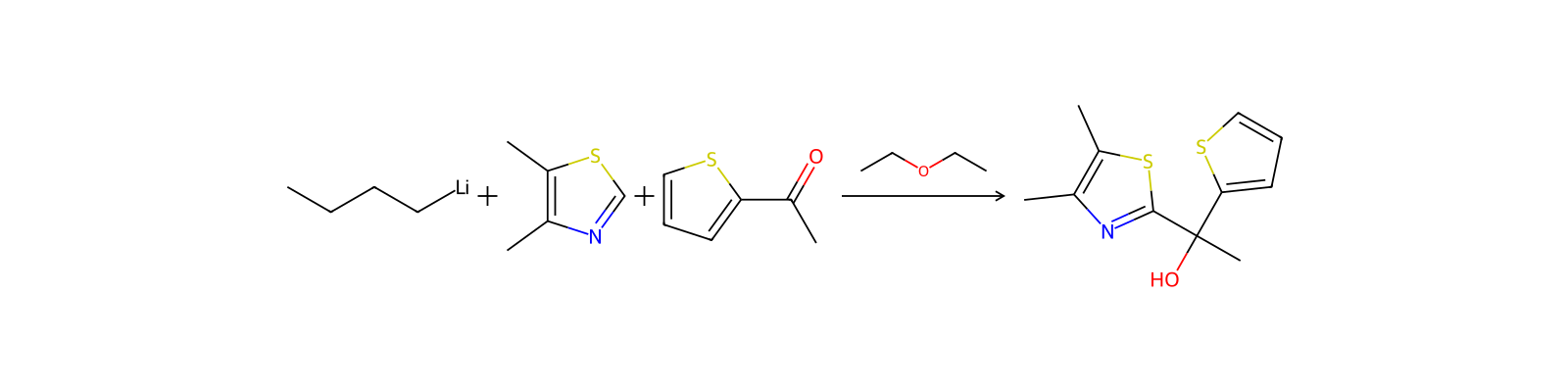
Related reactions
113 records




Compound notes
Loading…