
Ethyl 4-chloroacetoacetate

Basic information
- CAS
638-07-3- Standard SMILES
CCOC(=O)CC(=O)CCl- InChIKey
OHLRLMWUFVDREV-UHFFFAOYSA-N- Molecular formula
- C6H9ClO3
- Average molar mass
- 164.59 g/mol
- Monoisotopic mass
- 164.02402183
Names & identifiers
- Preferred name
- Ethyl 4-chloroacetoacetate
- IUPAC
- ethyl 4-chloro-3-oxobutanoate
- English name
- Ethyl 4-chloroacetoacetate
- Molecular formula
- C6H9ClO3
- Molecular weight
- 164.59
Names & synonyms
Ethyl 4-chloroacetoacetate638-07-3Ethyl 4-chloro-3-oxobutanoateButanoic acid, 4-chloro-3-oxo-, ethyl esterEthyl gamma-chloroacetoacetateDTXSID4044454Acetoacetic acid, 4-chloro-, ethyl ester5AE82250CMDTXCID2024454COBE cpdECA cpdRefChem:595395
Show more names
oroacetoacetateAKOS BBS-00004336Ethyl 4-chloroacetoa4-Chloro-acetoaceticAmlodipine Impurity 66Oxiracetam Impurity 15
211-317-04-Chloroacetoacetic acid ethyl esterMFCD00000939Ethyl (Chloroacetyl)acetateEthyl 4-Chloro-3-oxobutyrate4-chloro-3-oxobutanoic acid ethyl esterAmlodipine Impurity Rethyl 4-chloro-3-oxo-butanoate
Database identifiers
- CAS
638-07-3- PubChem CID
- 69484
- DTXSID
DTXSID4044454- ChEMBL
CHEMBL3187729- UNII
- 5AE82250CM
- EC Number
- 211-317-0
- Nikkaji
- J24.754E
Properties
Computed structural properties
- XLogP
- 0.9
- Topological polar surface area
- 43.4 Ų
- Hydrogen bond donors
- 0
- Hydrogen bond acceptors
- 3
- Rotatable bonds
- 5
- Heavy atoms
- 10
- Formal charge
- 0
- Complexity
- 133
Experimental & physicochemical properties
SpringerMaterials PropertiesOptical coefficient
Physicochemical properties
- Melting point
- -8 °C · -8 °C
- Boiling point
- 120 °C/15 · 120 °C/15 mmHg
- Density
- 1.21 · 1.21
- vapor pressure
- 7 hPa · 7hPa at 20℃
- refractive index
- 1.45 · 1.45
- Flash point
- 96 °C · 96 °C
- storage temp.
- 2 · 2-8°C
- solubility
- 47 g/l · 47.0g/l
- pka
- 9.56 · 9.56±0.46(Predicted)
- form
- clear liquid
- color
- Colorless to Light orange to Yellow
- PH
- 2.9 · 2.9 (10g/l, H2O, 20℃)
- explosive limit
- 1.8 % · 1.8%(V)
- Water Solubility
Safety & regulation
Safety information is for reference only and does not replace the supplier’s Safety Data Sheet (SDS), applicable regulations, or professional assessment.
GHS classification
GHS Classification
Danger
H301 (100%): Toxic if swallowed [Danger Acute toxicity, oral]
P260, P261, P262, P264, P264+P265, P270, P272, P273, P280, P301+P316, P301+P330+P331, P302+P352, P302+P361+P354, P304+P340, P305+P354+P338, P316, P317, P321, P330, P333+P317, P361+P364, P362+P364, P363, P391, P405, and P501 (click each P-code to see the statement)
Aggregated GHS information provided per 77 reports by companies from 12 notifications to the ECHA C&L Inventory. Each notification may be associated with multiple companies.
Hazard information
Regulatory Information
Chemical: Butanoic acid, 4-chloro-3-oxo-, ethyl ester
Status: Active Update: 24-11-2017 https://echa.europa.eu/registration-dossier/-/registered-dossier/21272
Ethyl 4-chloroacetoacetate: Does not have an individual approval but may be used under an appropriate group standard
Hazard Classes and CategoriesAcute Tox. 3 (100%)
Safety data
- F
- 8-10-19-21
- PPE
- Faceshields, Gloves, Goggles, type ABEK (EN14387) respirator filter
- wgk
- 3
- tsca
- TSCA listed
- rtecs
- AK5110000
- ridadr
- UN 2922 8/PG 2
- hs_code
- 2918300090
- risk_code
- 25-34-51/53-24/25-36
- Signal word
- Danger
- Symbol(GHS)
- GHS05,GHS06,GHS09
Chemistry & industry
Uses & manufacturing
General Manufacturing InformationButanoic acid, 4-chloro-3-oxo-, ethyl ester: ACTIVE
Applications
DescriptionEthyl 4-chloroacetoacetate is a chemical compound, which for the ethyl esters of acetoacetic acid belongs. It is a starting material in various syntheses.
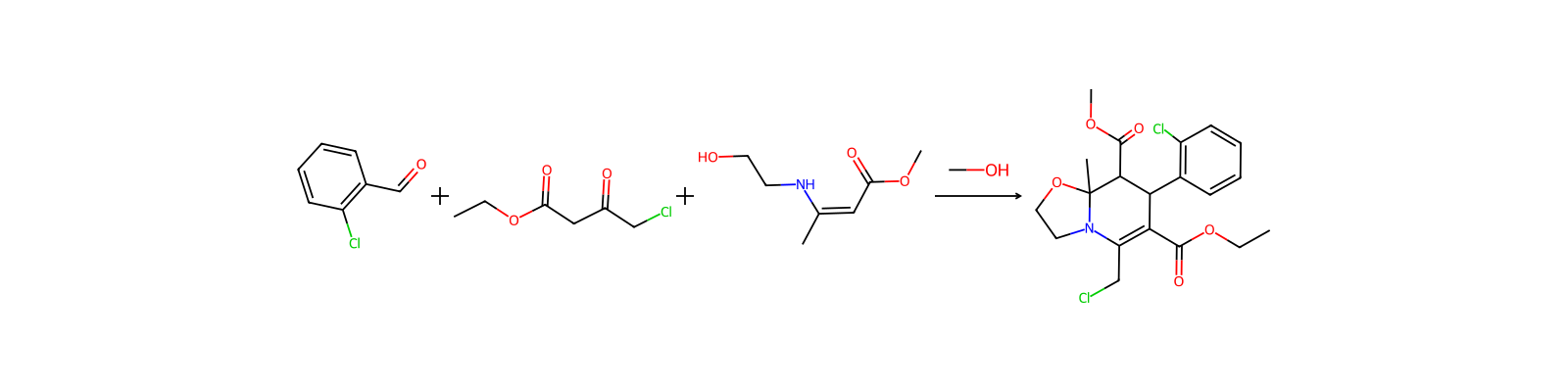
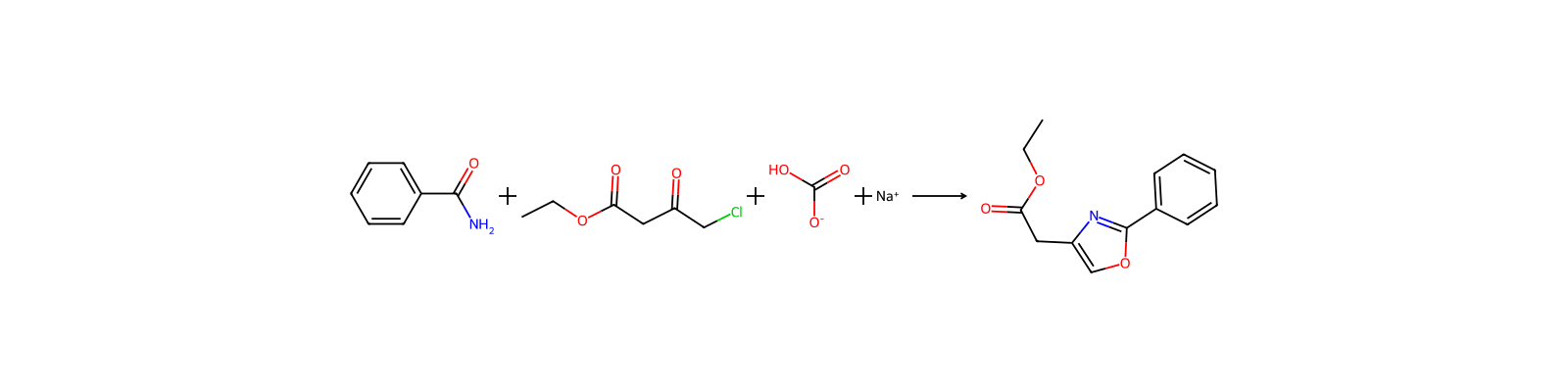
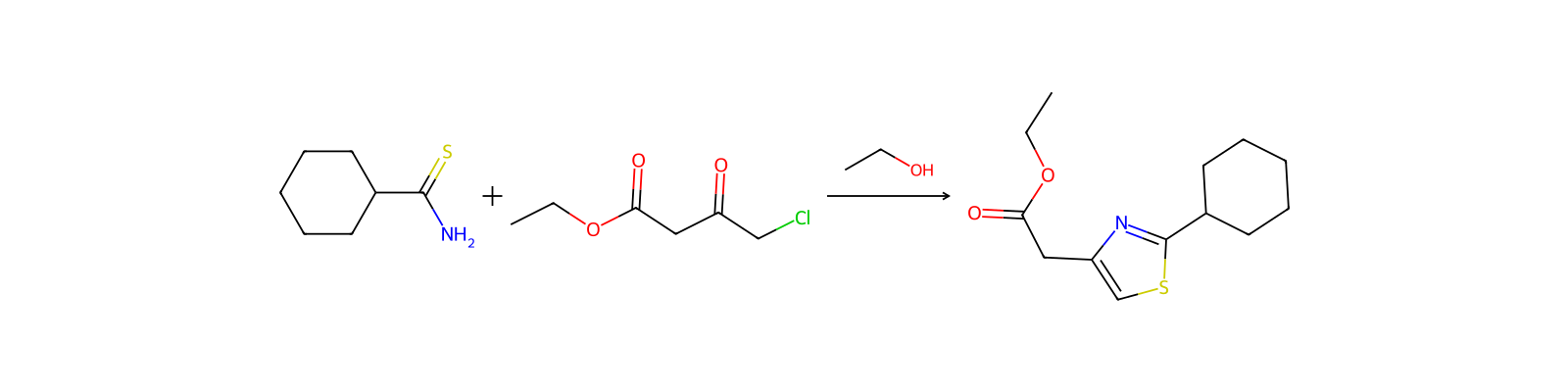
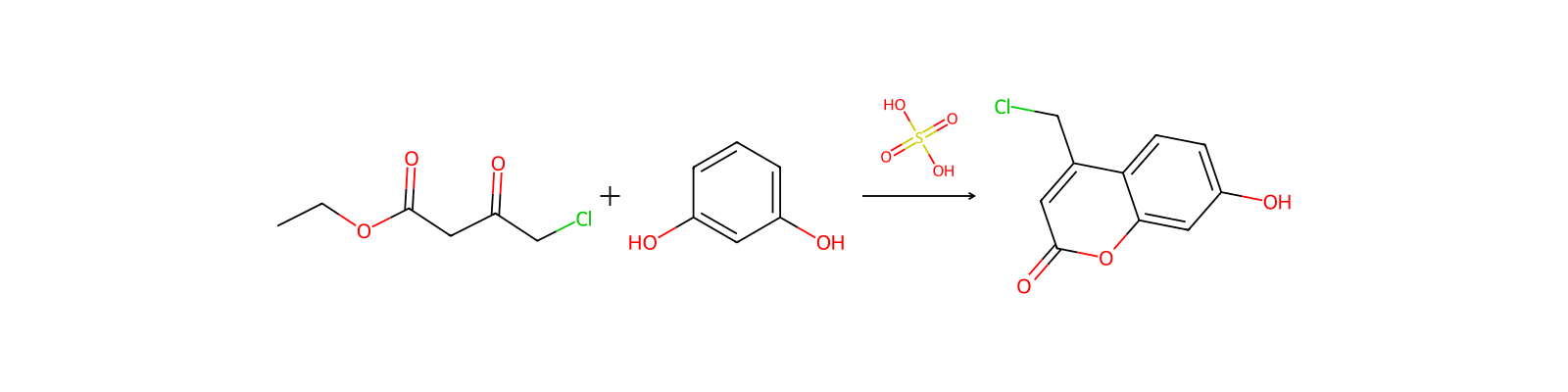
UsesEthyl-4-chloracetoacetate (CAAEt) is used as intermediate for organic syntheses, e.g. ethyl 4-chloro-3-arylaminocrotonates, diethyl succinylsuccinate, 2-alkyl-4-hydroxy-6-chloromethylpyrimidines, 4- chloromethylcoumarines. Product Data Sheet
UsesEthyl 4-chloroacetoacetate is used as a precursor in the preparation of phosphorous ylides. It finds application in regular film coating, pharmaceutical coating and formulation.
Preparation methods
PreparationPreparative Methods of Ethyl 4-chloroacetoacetate: the industrial production of the esters is made exclusively by chlorination of diketene followed by reaction of the intermediate acid chloride with the corresponding alcohol.[2]
Upstream & downstream products
Upstream raw materials
Related reactions
384 records



Compound notes
Loading…