Reaction equation

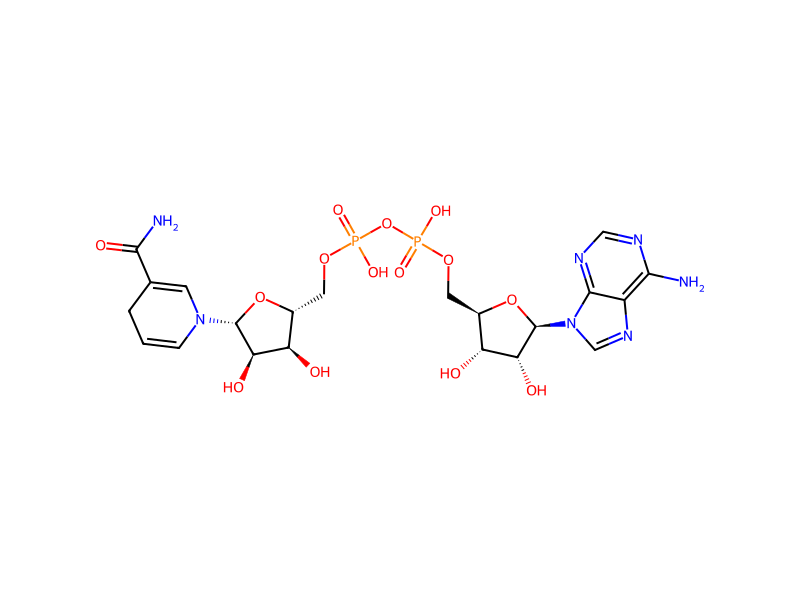
P([O-])([O-])([O-])=O.[K+].[K+].[K+].C1N=C(N)C2N=CN([C@@H]3O[C@H](COP(OP(OC[C@H]4O[C@@H](N5C=C(C(N)=O)CC=C5)[C@H](O)[C@@H]4O)(O)=O)(O)=O)[C@@H](O)[C@H]3O)C=2N=1.C[C@@H](O)CCCCCC.[CH2:62]([O:64][C:65](=[O:71])[CH2:66][C:67]([CH2:69][Cl:70])=[O:68])[CH3:63]>>[CH2:62]([O:64][C:65](=[O:71])[CH2:66][CH:67]([OH:68])[CH2:69][Cl:70])[CH3:63]Participants
5




Procedure
100 mM potassium phosphate buffer (pH 6.5), 139.8 mg NADH, 0.06 U (R)-2-octanol dehydrogenase from Candida utilis, and 0.5% 4-chloroacetoacetic acid ethyl ester were reacted overnight at 30° C. The optical purity of the 4-chloro-3-hydroxybutyric acid ethyl ester produced was determined in the same way as Example 32. As a result, 4-chloro-3-hydroxybutyric acid ethyl ester produced by this invention was more than 97% ee of S form.
Sources & evidence
- ORD record
- ord-2b07d62153c34136b1cec522d67e3f89
- Source dataset
- uspto-grants-2004_03
- Patent number
- US06706507B2
Linked notes
Loading…