N-Acetyl-L-leucine
Completing data — refresh the page later to see the latest
Basic information
- CAS
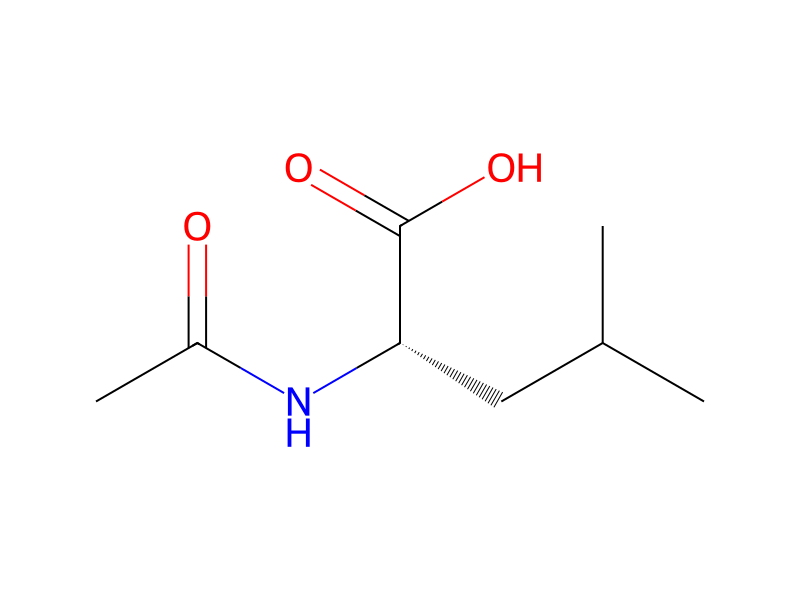
1188-21-2- Standard SMILES
CC(=O)N[C@@H](CC(C)C)C(=O)O- InChIKey
WXNXCEHXYPACJF-ZETCQYMHSA-N- Molecular formula
- C8H15NO3
- Average molar mass
- 173.21 g/mol
- Monoisotopic mass
- 173.10519334
Overview
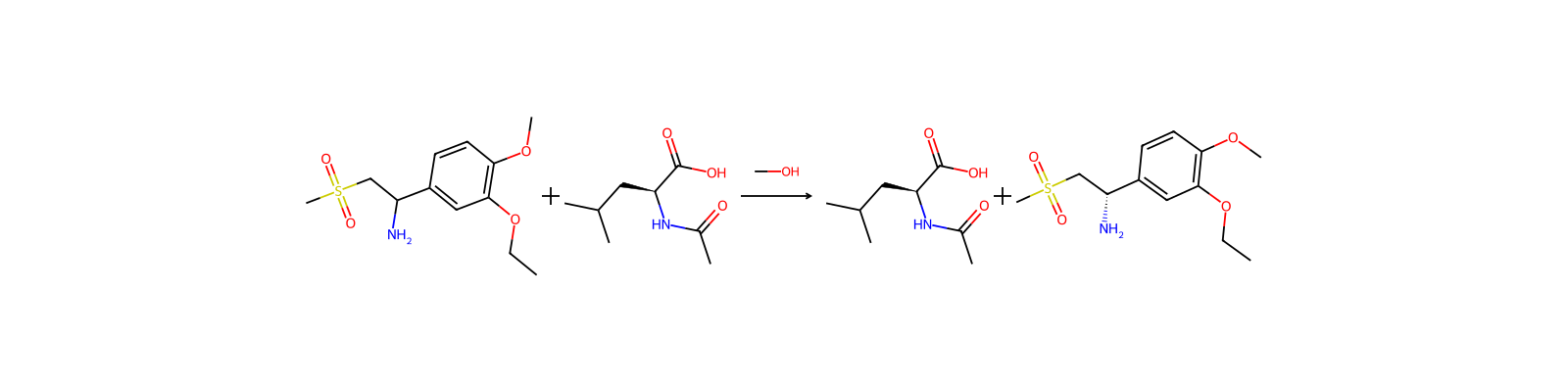
N-acetyl-L-leucine is the N-acetyl derivative of L-leucine. It has a role as a metabolite. It is a N-acetyl-L-amino acid and a L-leucine derivative. It is a conjugate acid of a N-acetyl-L-leucinate. It is an enantiomer of a N-acetyl-D-leucine.
Names & identifiers
- Preferred name
- N-Acetyl-L-leucine
- IUPAC
- (2S)-2-acetamido-4-methylpentanoic acid
- English name
- N-Acetyl-L-leucine
- Molecular formula
- C8H15NO3
- Molecular weight
- 173.21
Names & synonyms
N-Acetyl-L-leucine1188-21-2N-AcetylleucineL-Acetylleucine(S)-2-Acetamido-4-methylpentanoic acidN-acetyl-leucineLevacetylleucine(2S)-2-acetamido-4-methylpentanoic acidLeucine, N-acetyl-, L-N-ACETYL-L-(-)-LEUCINEn-acetyl leucineAQNEURSA
Show more names
AC-LEU-OHACETYL-L-LEUCINEACETYL-DL-LEUCINEAC-DL-LEU-OHN-Ac-L-Leu-OHAc-L-Leu-OHn-acetyl-l-leucin(S)-N-Acetylleucine
E915HL7K2ONSC-206316ACETYLLEUCINE, (S)-CHEBI:17786RefChem:927004DTXCID00209990214-706-3DTXSID40859594
Database identifiers
- CAS
1188-21-2、99-15-0- PubChem CID
- 70912
- DTXSID
DTXSID6045870- ChEMBL
CHEMBL56021- ChEBI
CHEBI:17786
Properties
Computed structural propertiesFilling in
- XLogP
- 0.5
- Topological polar surface area
- 66.4 Ų
- Hydrogen bond donors
- 2
- Hydrogen bond acceptors
- 3
- Rotatable bonds
- 4
- Heavy atoms
- 12
- Formal charge
- 0
- Complexity
- 177
Experimental & physicochemical properties
LogP0.79
Solubility8.1 mg/mL at 25 °C
Human Drugs
FDA approved drugs -> Active ingredient
EMA approved medicines: Human medicine (Orphan designations)
FDA approved drugs -> Active ingredient
Physical DescriptionSolid
Collision Cross Section
140.5 Ų [M-H]- [CCS Type: DT; Method: single field calibrated with ESI Low Concentration Tuning Mix (Agilent)]
160.24 Ų [M+K]+ [CCS Type: TW; Method: calibrated with polyalanine and drug standards]
150.1 Ų [M+Na]+
Physicochemical properties
- Melting point
- 187 · 187-190 °C(lit.)
- alpha
- -24.5 · -24.5 º (c=4, MeOH)
- Boiling point
- 303.86 °C · 303.86°C (rough estimate)
- Density
- 1.1599 · 1.1599 (rough estimate)
Safety & regulation
Safety information is for reference only and does not replace the supplier’s Safety Data Sheet (SDS), applicable regulations, or professional assessment.
GHS classification
GHS Classification
This chemical does not meet GHS hazard criteria for 5.4% (2 of 37) of reports.
Warning
H315 (91.9%): Causes skin irritation [Warning Skin corrosion/irritation]
P261, P264, P264+P265, P271, P280, P302+P352, P304+P340, P305+P351+P338, P319, P321, P332+P317, P337+P317, P362+P364, P403+P233, P405, and P501 (click each P-code to see the statement)
Aggregated GHS information provided per 37 reports by companies from 8 notifications to the ECHA C&L Inventory. Each notification may be associated with multiple companies.
Hazard information
Hazard Classes and CategoriesSkin Irrit. 2 (91.9%)
Safety data
- wgk
- 3
- tsca
- TSCA listed
- hs_code
- 29241900
- risk_code
- 36/37/38
- Signal word
- Warning
- Symbol(GHS)
- GHS07
- hazard_code
- Xi
- safety_code
- 24/25-36-26
- hazard_class
- IRRITANT
- Storage Class
- 11 - Combustible Solids
- Hazard statements
- H319-H315-H335
- Precautionary statements
- P271-P261-P280
Chemistry & industry
Pharmacology
ATC CodeN - Nervous system
PharmacodynamicsThe pharmacodynamics of levacetylleucine are not well characterized. There does not appear to be a relationship between increasing levacetylleucine exposure and clinical efficacy.
Mechanism of Action
Following oral administration, levacetylleucine is taken up via ubiquitously expressed monocarboxylate transporters and distributed to all body tissues. It enters enzyme-controlled pathways that correct metabolic dysfunction and improves adenosine triphosphate (ATP) energy production. The normalization of energy metabolism ameliorates mitochondrial and lysosomal dysfunction and leads to a reduction in the storage of unesterified cholesterol and sphingolipids. Levacetylleucine has also been shown to normalize neuronal membrane potentials in a guinea pig model, thereby improving cellular signaling processes and restoring and protecting neuronal circuits. The specific molecular target of levacetylleucine in the context of Niemann-Pick disease type C (NPC) is unknown.
Biological Half-LifeThe half-life of levacetylleucine is approximately 1 hour.
Metabolism/MetabolitesLevacetylleucine is metabolized into acetate and L-leucine by ubiquitously expressed enzymes.
FDA Pharmacological Classification
E915HL7K2O
LEVACETYLLEUCINE
Mechanisms of Action [MoA] - P-Glycoprotein Inhibitors
Mechanisms of Action [MoA] - Breast Cancer Resistance Protein Inhibitors
Mechanisms of Action [MoA] - Bile Salt Export Pump Inhibitors
Mechanisms of Action [MoA] - Organic Anion Transporter 1 Inhibitors
Absorption, Distribution and Excretion
The Cmaxand AUC0-24h of levacetylleucine following oral administration were 8.3 μg/mL and 33.2 h*μg/mL, respectively. The time to maximum concentration (Tmax) is approximately 1 hour.
The apparent volume of distribution following oral administration of levacetylleucine is 253 liters.
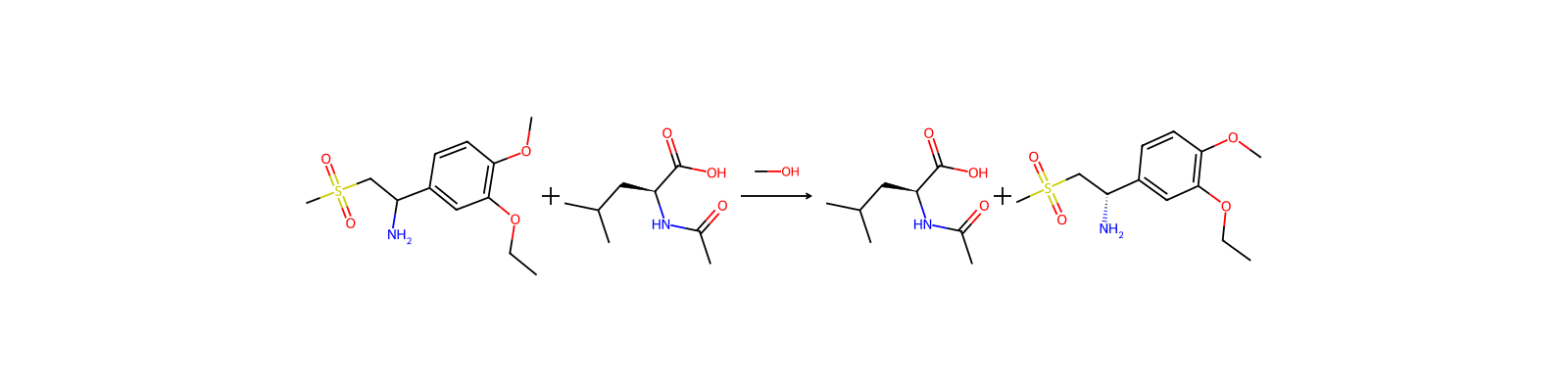
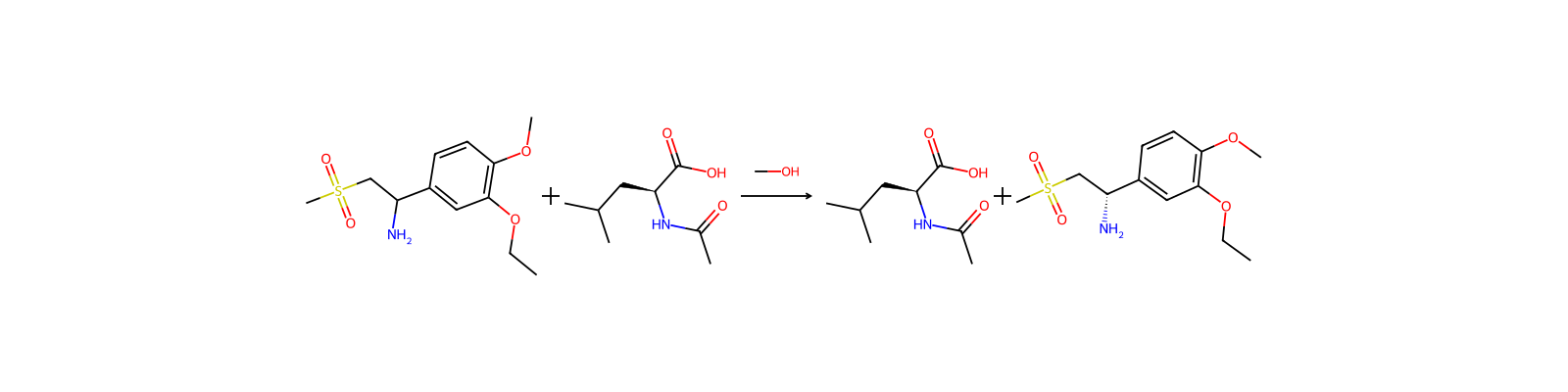
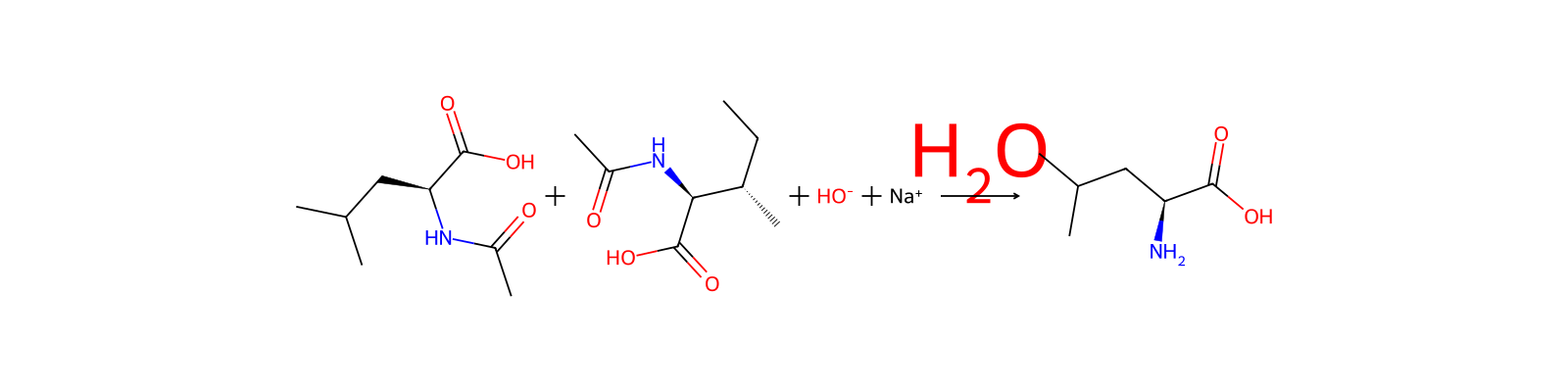
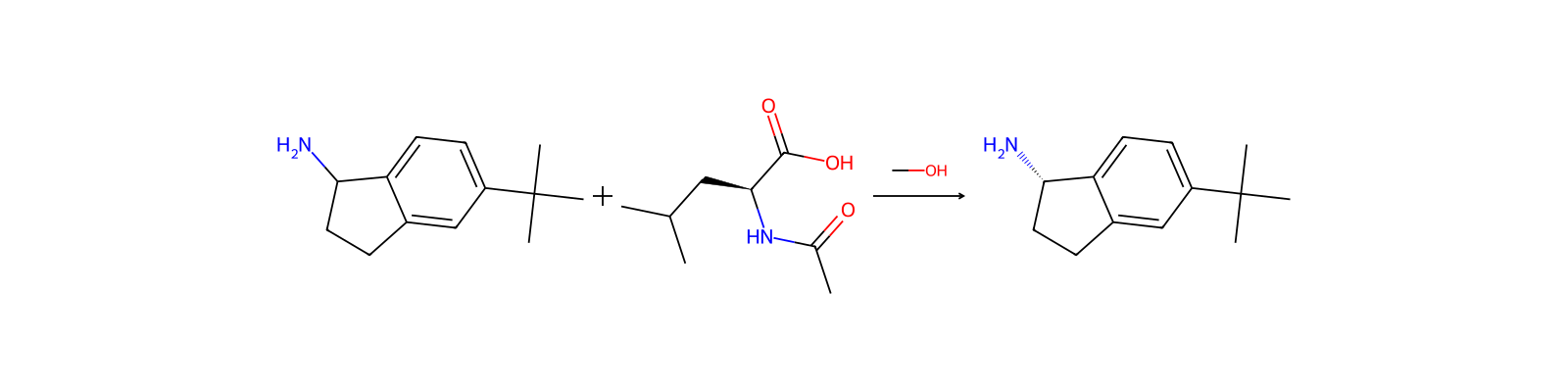
Related reactions
29 records



Compound notes
Loading…