

Basic information
- Standard SMILES
c1ccc(-c2ccccc2)cc1- InChIKey
ZUOUZKKEUPVFJK-UHFFFAOYSA-N- Molecular formula
- C12H10
- Average molar mass
- 154.21 g/mol
- Monoisotopic mass
- 154.07825032
Overview
Biphenyl appears as a clear colorless liquid with a pleasant odor. Flash point 180 °F. Insoluble in water. Vapors are heavier than air. Used to manufacture other chemicals and as a fungicide.
Names & identifiers
- Preferred name
- Biphenyl
- IUPAC
- 1,1'-biphenyl
- English name
- Biphenyl
- Molecular formula
- C12H10
- Molecular weight
- 154.21
Names & synonyms
Biphenyl1,1'-Biphenyl92-52-4PhenylbenzeneDIPHENYLBibenzeneLemoneneXenene1,1'-DiphenylPhenador-XTetrosin LYCarolid AL
Show more names
FEMA 3129BiphenylylDiphenyl MixtureBIPHENYL PESTANALcp390
PHPHFEMA No. 3129DTXSID40201612L9GJK6MGNMCS 1572CP 390E230NSC-14916
Database identifiers
- CAS
92-52-4- PubChem CID
- 7095
- DTXSID
DTXSID4020161- ChEMBL
CHEMBL1231413、CHEMBL14092- ChEBI
CHEBI:17097- UNII
- 2L9GJK6MGN
- EC Number
- 202-163-5
- Nikkaji
- J3.929B
Properties
Computed structural properties
- XLogP
- 4
- Topological polar surface area
- 0 Ų
- Hydrogen bond donors
- 0
- Hydrogen bond acceptors
- 0
- Rotatable bonds
- 1
- Heavy atoms
- 12
- Formal charge
- 0
- Complexity
- 100
Experimental & physicochemical properties
Chemical Classes
Hazardous Air Pollutants (HAPs)
Other Classes -> Aromatic Hydrocarbons
Carcinogens
DrugsPharmaceuticals
PolymersPolycyclic aromatic hydrocarbon
SpringerMaterials Properties13C nuclear magnetic resonance spectrum
FragrancesFragrance Ingredient (Biphenyl) -> IFRA transparency List
Pesticides
Pesticide -> EPA IRIS
Agrochemicals -> Pesticide active substances
Active substance -> EU Pesticides database: Not approved
Pesticide (Biphenyl) -> USDA PDB
LogP
log Kow = 4.01
4.01
3.16/4.09
4.05
Odor
Pleasant, peculiar odor
... Pleasant, characteristic odor.
Pleasant, butter-like
Food AdditivesFLAVOR ENHANCER, FLAVORING AGENT OR ADJUVANT -> FDA Substance added to food
Density
0.992 at 68 °F (USCG, 1999) - Less dense than water; will float
1.041 at 20 °C/4 °C
Sp gr: 1.04 (water= 1)
Relative density (water = 1): 1.04
1.04
1.04 @ 20°C
Viscosity0.98 cSt at 100 °C
Color/Form
White scales
Colorless leaflets
Pure biphenyl is a white crystalline solid that separates from solvents as plates or monoclinic prismatic crystals. Commercial samples are often slightly yellow or tan in color.
Physicochemical properties
- Melting point
- 68 · 68-70 °C (lit.)
- Boiling point
- 255 °C · 255 °C (lit.)
- Density
- 0.992 · 0.992
- bulk density
- 600 kg/m3 · 600kg/m3
- vapor density
- 5.31 · 5.31 (vs air)
- vapor pressure
- 9.46 mm · 9.46 mm Hg ( 115 °C)
- refractive index
- 1.475 · 1.475
- FEMA
- 3129 · 3129 | BIPHENYL
- Flash point
- 113 °C · 113 °C
- storage temp.
- 30 °C · Store below +30°C.
- solubility
- Soluble in alcohol and ether
- form
- Crystalline Powder, Crystals or Flakes
- color
- White to faint yellow
- Specific Gravity
- 0.992 · 0.992
- Odor
- pleasant odor
- Odor Type
- green
- biological source
- synthetic
- explosive limit
- 0.6 %, · 0.6%, 111°F
- Water Solubility
- insoluble
- Specific Heat Capacity
- 1.29 J/ · Cp(crystal): 1.29 J/(g·K), at 25℃
- JECFA Number
- 1332 · 1332
- Merck
- 14 · 14,3314
- BRN
- 1634058 · 1634058
- Henry's Law Constant
- 2.92 at · 2.92 at 25 °C (air stripping-GC, Destaillats and Charles, 2002)
- Dielectric constant
- 20 · 20.0(Ambient)
- Exposure limits
- 0.2 ppm · ACGIH:TLV-TWA 0.2 ppm (1.3 mg/m3)OSHA:PEL-TWA 0.2 ppm (1 mg/m3)NIOSH:REL-TWA 0.2 ppm
- Stability
- Stable. Combustible. Incompatible with strong oxidising agents.
- Major Application
- agriculturecleaning productscosmeticsenvironmentalfood and beveragespersonal care
- InChI
- 1S/C12H10/c1-3-7-11(8-4-1)12-9-5-2-6-10-12/h1-10H
- InChIKey
- ZUOUZKKEUPVFJK-UHFFFAOYSA-N
- SMILES
- c1ccc(cc1)-c2ccccc2
- LogP
- 4.008 at · 4.008 at 25℃
- CAS DataBase Reference
- 92 · 92-52-4(CAS DataBase Reference)
- Substances Added to Food (formerly EAFUS)
- BIPHENYL
- FDA 21 CFR
- 178.201 · 178.2010
- EWG's Food Scores
- 3 · 3
- FDA UNII
- 2 L9GJK6MGN · 2L9GJK6MGN
- NIST Chemistry Reference
- Biphenyl(92-52-4)
- Pesticides Freedom of Information Act (FOIA)
- Biphenyl
- EPA Substance Registry System
- Biphenyl (92-52-4)
- UNSPSC Code
- 41116107 · 41116107
- NACRES
- 24 · NA.24
- Symbol(GHS)
- 7 · GHS07,GHS08,GHS09
- Signal word
- Danger
- Hazard statements
- 303 · H303+H313-H315-H319-H372-H373-H335-H410
- Precautionary statements
- 501 · P501-P273-P260-P270-P271-P264-P280-P302+P352-P312-P391-P337+P313-P305+P351+P338-P362+P364-P332+P313-P304+P340+P312-P403+P233-P405
- target organs
- Respiratory system
- PPE
- 95 · dust mask type N95 (US), Eyeshields, Gloves
- Hazard Codes
- Xi,N,Xn,F,T
- Risk Statements
- 36 · 36/37/38-50/53-67-65-62-48/20-11-39/23/24/25-23/24/25-52/53
- Safety Statements
- 23 · 23-60-61-62-36/37-33-29-16-9-45
- OEB
- C
- OEL
- 1 mg/m3 · TWA: 1 mg/m3 (0.2 ppm)
- RIDADR
- 3077 · UN 3077 9/PG 3
- WGK Germany
- 2 · 2
- RTECS
- 8050000 · DU8050000
- Autoignition Temperature
- 570 °C · 570 °C
- TSCA
- TSCA listed
- HazardClass
- 9 · 9
- PackingGroup
- III
- HS Code
- 29029030 · 29029030
- Storage Class
- 13 · 13 - Non Combustible Solids
- Hazard Classifications
- 1 Aquatic · Aquatic Acute 1Aquatic Chronic 1Eye Irrit. 2Skin Irrit. 2STOT SE 3
- Hazardous Substances Data
- 92 · 92-52-4(Hazardous Substances Data)
- Toxicity
- 50 orally · LD50 orally in rats: 3280 mg/kg (Deichmann)
- IDLA
- 100 mg/m3 · 100 mg/m3
- REACH Registrations
- Active
- Limited Quantities
- 5 kg · 5.0 kg (11 lbs) (solid)
- Excepted Quantities
- Max Inner Pack (30g or 30ml) and Max Outer Pack (1Kg or 1L)
Safety & regulation
GHS classification
GHS Classification
Warning
H315: Causes skin irritation [Warning Skin corrosion/irritation]
P261, P264, P264+P265, P271, P273, P280, P302+P352, P304+P340, P305+P351+P338, P319, P321, P332+P317, P337+P317, P362+P364, P391, P403+P233, P405, and P501 (click each P-code to see the statement)
This chemical does not meet GHS hazard criteria for 0.9% (11 of 1263) of reports.
Danger
H315 (99%): Causes skin irritation [Warning Skin corrosion/irritation]
Hazard information
Regulatory Information
Chemical: 1,1'-Biphenyl
Hazard Traits - Hazard Trait Undefined
Commission Regulation (EC) No 1565/2000 (Repealed by Com. Implementing Reg. (EU) No 872/2012)
1,1'-Biphenyl is listed on the EPA's Chemical Data Reporting (CDR) system. Manufacturers and importers of 1,1'-Biphenyl are required to report information about their production and use of this chemical to the EPA under the Toxic Substances Control Act (TSCA). (40 eCFR Part 711)
2004/129/EC
Status: Active Update: 15-11-2022 https://echa.europa.eu/registration-dossier/-/registered-dossier/14948
DOT LabelClass 9
Fire Hazards
Combustible. Emits toxic fumes under fire conditions. (USCG, 1999)
Combustible. Finely dispersed particles form explosive mixtures in air.
Fire PotentialSlight when exposed to heat or flame; can react with oxidizing materials.
Health Hazards
CALL FOR MEDICAL AID. VAPOR, MIST OR DUST: Irritating to eyes, nose, throat and skin. Flush affected area with plenty of water. IF IN EYES, hold eyelids open and flush with plenty of water. SOLID OR LIQUID: Irritating to skin and eyes, nose and throat. Remove contaminated clothing and shoes. Flush affected areas with plenty water. IF IN EYES, hold eyelids open and flush with plenty of water. If swallowed, do not induce vomiting. Harmful if inhaled or swallowed. Causes irritation to eyes, skin and mucous membrane and upper respiratory tract. Causes central nervous system depression, paralysis and convulsion in animals. May cause headache, diffuse gastrointestinal pain, nausea, indigestion, numbness and aching of limbs, and general fatigue. Liver function test may show abnormalities. Chronic exposure is mostly characterized by central nervous system symptoms, fatigue, headache, tremor, insomnia, sensory impairment, and mood changes. Such symptoms are rare however. (USCG, 1999)
Hazards Summary
Biphenyl is used in organic syntheses, heat transfer fluids, dye carriers, food preservatives, as an intermediate for polychlorinated biphenyls, and as a fungistat in the packaging of citrus fruits. In workers, acute (short-term) exposure to high levels of biphenyl has been observed to cause eye and skin irritation and toxic effects on the liver, kidneys, and central and peripheral nervous systems. Kidney effects have been observed in chronically (long-term) exposed animals. EPA has classified biphenyl as a Group D, not classifiable as to human carcinogenicity.
After one worker died, studies in a Finnish paper mill showed air levels of 4.4 to 128 mg/m3 in 1959 and 0.6 to 123 mg/m3 in 1970. Nine case of poisoning were investigated and summarized as central and peripheral nerve damage and liver injury. [ACGIH] Causes convulsions and paralysis in high-dose animal studies; [CAMEO]
Reactive GroupHydrocarbons, Aromatic
EC ClassificationSymbol: Xi, N; R: 36/37/38-50/53; S: (2)-23-60-61
UN ClassificationUN Hazard Class: 9; UN Pack Group: III
Special Reports
International Programme on Chemical Safety's Concise International Chemical Assessment Documents. Available from http://www.inchem.org/pages/cicads.html Number 6: Biphenyl as of November 1, 2004.
The U.S. high production volume (HPV) chemicals are those which are manufactured in or imported into the United States in amounts equal to or greater than one million pounds per year. Robust Summaries include health effects, ecotoxicity data, and environmental fate information for selected chemicals. EPA/Office of Pollution Prevention and Toxics; High Production Volume (HPV) Challenge Program's Robust Summaries and Test Plans. Available from: http://www.epa.gov/chemrtk/viewsrch.htm on Biphenyl as of October 28, 2004.
TSCA Requirements
Pursuant to section 8(d) of TSCA, EPA promulgated a model Health and Safety Data Reporting Rule. The section 8(d) model rule requires manufacturers, importers, and processors of listed chemical substances and mixtures to submit to EPA copies and lists of unpublished health and safety studies. Biphenyl is included on this list.
Section 8(a) of TSCA requires manufacturers of this chemical substance to report preliminary assessment information concerned with production, exposure, and use to EPA as cited in the preamble in 51 FR 41329.
Substances and mixtures that have been the subjects of TSCA section 4 testing actions and for which the testing reimbursement period has terminated (sunset) include 1,1-biphenyl; sunset date: 3/15/1994.
FIFRA Requirements
As the federal pesticide law FIFRA directs, EPA is conducting a comprehensive review of older pesticides to consider their health and environmental effects and make decisions about their future use. Under this pesticide reregistration program, EPA examines health and safety data for pesticide active ingredients initially registered before November 1, 1984, and determines whether they are eligible for reregistration. In addition, all pesticides must meet the new safety standard of the Food Quality Protection Act of 1996. Pesticides for which EPA had not issued Registration Standards prior to the effective date of FIFRA, as amended in 1988, were divided into three lists based upon their potential for human exposure and other factors, with List B containing pesticides of greater concern and List D pesticides of less concern. Biphenyl is found on List B. Case No: 2050; Pesticide type: Fungicide, antimicrobial; Case Status: No products containing the pesticide are actively registered ... The case /is characterized/ as "cancelled." Under FIFRA, pesticide producers may voluntarily cancel their registered products. EPA also may cancel pesticide registrations if registrants fail to pay required fees or make/meet certain reregistration commitments, or if EPA reaches findings of unreasonable adverse effects.; Active ingredient (AI): Biphenyl; AI Status: The active ingredient is no longer contained in any registered pesticide products ... "cancelled."
Tolerances are established for residues of the fungicide biphenyl (also known as diphenyl) from postharvest use on the following raw agricultural commodities: fruits, citrus (and hybrids thereof).
Safety & protection
Fire Fighting
Excerpt from ERG Guide 171 [Substances (Low to Moderate Hazard)]:
Use water spray, foam, powder, carbon dioxide.
First Aid Measures
Fresh air, rest. Refer for medical attention.
Remove contaminated clothes. Rinse and then wash skin with water and soap.
Rinse with plenty of water for several minutes (remove contact lenses if easily possible).
Rinse mouth. Refer for medical attention .
First Aid
EYES: First check the victim for contact lenses and remove if present. Flush victim's eyes with water or normal saline solution for 20 to 30 minutes while simultaneously calling a hospital or poison control center. Do not put any ointments, oils, or medication in the victim's eyes without specific instructions from a physician. IMMEDIATELY transport the victim after flushing eyes to a hospital even if no symptoms (such as redness or irritation) develop.
(General first aid procedures)
Safe StorageSeparated from food and feedstuffs and oxidants. Provision to contain effluent from fire extinguishing. Store in an area without drain or sewer access.
Fire Fighting Procedures
Carbon dioxide, dry chemical, water spray, mist, fog.
If material on fire or involved in fire: Do not extinguish fire unless flow can be stopped or safely confined. Use water in flooding quantities as fog. Solid streams of water may spread fire. Cool all affected containers with flooding quantities of water. Apply water from as far a distance as possible. Use foam, dry chemical, or carbon dioxide.
Storage Conditions
Materials... toxic as stored or which can decompose into toxic components... should be stored in a cool... ventilated place, out of... sun, away from fire hazard... /and/ be periodically inspected. ...Incompatible materials should be isolated...
Cleanup Methods
Environmental considerations: Air spill: Apply water spray or mist to knock down vapors.
Environmental considerations: Land spill: Dig a pit, pond, lagoon, holding area to contain liquid or solid material. /SRP: If time permits, pits, ponds, lagoons, soak holes, or holding areas should be sealed with an impermeable flexible membrane liner./ Dike surface flow using soil, sand bags, foamed polyurethane, or foamed concrete. Absorb bulk liquid with fly ash, cement powder, or commercial sorbents.
Remove all ignition sources. Ventilate area of spill. For small quant, sweep onto paper or other suitable material, place in an appropriate container and burn in a safe place (such as a fume hood). Large quant may be reclaimed; however, if this is not practical, use a procedure similar to that for small quant.
Environmental considerations: Water spill: Use natural barriers or oil spill control booms to limit spill travel. Remove trapped material with suction hoses.
For more Cleanup Methods (Complete) data for BIPHENYL (6 total), please visit the HSDB record page.
Nonfire Spill ResponseExcerpt from ERG Guide 171 [Substances (Low to Moderate Hazard)]:
Disposal Methods
SRP: The most favorable course of action is to use an alternative chemical product with less inherent propensity for occupational exposure or environmental contamination. Recycle any unused portion of the material for its approved use or return it to the manufacturer or supplier. Ultimate disposal of the chemical must consider: the material's impact on air quality; potential migration in soil or water; effects on animal, aquatic, and plant life; and conformance with environmental and public health regulations.
The following wastewater treatment technologies have been investigated for biphenyl: concentration process: Activated carbon.
The following wastewater treatment technologies have been investigated for biphenyl: Concentration process: Resin adsorption.
Incineration: Package in paper cartons or dissolve in a flammable solvent (waste alcohols) and burn in an approved incinerator.
By making package of diphenyl in paper or other flammable material and burning in a suitable combustion chamber. By dissolving diphenyl in a flammable solvent (such as alc) and atomizing in a suitable combustion chamber.
Spillage Disposal
Personal protection: filter respirator for organic gases and particulates adapted to the airborne concentration of the substance. Do NOT let this chemical enter the environment. Sweep spilled substance into covered containers. If appropriate, moisten first to prevent dusting. Carefully collect remainder. Then store and dispose of according to local regulations.
Preventive Measures
SRP: Contaminated protective clothing should be segregated in such a manner so that there is no direct personal contact by personnel who handle, dispose, or clean the clothing. Quality assurance to ascertain the completeness of the cleaning procedures should be implemented before the decontaminated protective clothing is returned for reuse by the workers. Contaminated clothing should not be taken home at end of shift, but should remain at employee's place of work for cleaning.
SRP: The scientific literature for the use of contact lenses in industry is conflicting. The benefit or detrimental effects of wearing contact lenses depend not only upon the substance, but also on factors including the form of the substance, characteristics and duration of the exposure, the uses of other eye protection equipment, and the hygiene of the lenses. However, there may be individual substances whose irritating or corrosive properties are such that the wearing of contact lenses would be harmful to the eye. In those specific cases, contact lenses should not be worn. In any event, the usual eye protection equipment should be worn even when contact lenses are in place.
SRP: Local exhaust ventilation should be applied wherever there is an incidence of point source emissions or dispersion of regulated contaminants in the work area. Ventilation control of the contaminant as close to its point of generation is both the most economical and safest method to minimize personnel exposure to airborne contaminants.
Avoid prolonged skin contact. Keep away from eyes. Do not inhale spray mist.
For more Preventive Measures (Complete) data for BIPHENYL (11 total), please visit the HSDB record page.
Isolation and EvacuationExcerpt from ERG Guide 171 [Substances (Low to Moderate Hazard)]:
Toxicology
Body BurdenIn a study of 387 expired air samples from 54 normal, healthy, non-smoking urban U.S. subjects, biphenyl was detected in 28.7% of the samples at a mean concn of 0.032 ng/l(1).
Treatment
Consider gastric lavage, after ingestion of a potentially life-threatening amount of poison if it can be performed soon after ingestion. In case of inhalation exposure, move patient to fresh air and monitor for respiratory distress. If cough or difficulty breathing develops, evaluate for respiratory tract irritation, bronchitis, or pneumonitis. Administer oxygen and assist ventilation as required. Treat bronchospasm with inhaled beta2 agonist and oral or parenteral corticosteroids. In case of eye exposure, irrigate exposed eyes with copious amounts of room temperature water for at least 15 minutes. I f the exposure occurred through dermal contact, remove contaminated clothing and wash exposed area thoroughly with soap and water. (T36)
Cancer SitesHepatic
Interactions
Coadministration of biphenyl and KHCO3 in the diet of male rats for 13 weeks produced urine crystals... composed of the potassium salt of 4-hydroxy-biphenyl-O-sulfate (4-HBPOSK). Biphenyl alone or biphenyl with KCl or NaHCO3 in the diet did not produce urine crystals.
Target Organs
Urinary
Eyes, respiratory system, liver, central nervous system
Health Effects
Exposure to diphenyl can cause necrosis in the liver and kidney, with regions of cirrhosis in liver; also, degenerative changes in heart muscle, damage to the central and peripheral nervous systems, as well as death can result from diphenyl poisoning (T48).
Ecotoxicity Values
LC50 Cyprinodon variegatus (Sheepshead minnow) 4.6 mg/L/96 hr (95% confidence interval: 4-5 mg/L); static
LC50 Lepomis macrochirus (Bluegill) 4.7 mg/L/96 hr (95% confidence interval: 4.3-5.1 mg/L); static
LC50 Oncorhynchus mykiss (Rainbow trout, donaldson troutl) 1.5 mg/L/96 hr (95% confidence interval: 1.4-1.6 mg/L); static
LC50 Artemia salina (Brine shrimp) 26 mmol/cu m/24 hr; static
For more Ecotoxicity Values (Complete) data for BIPHENYL (9 total), please visit the HSDB record page.
Environmental Fate
TERRESTRIAL FATE: Based on a classification scheme(1), Koc values of 870-3,300(2), indicate that biphenyl is expected to have low to slight mobility in soil(SRC). Volatilization of biphenyl from moist soil surfaces is expected to be an important fate process(SRC) given a Henry's Law constant of 3.08X10⁻⁴ atm-cu m/mole(3); however the importance of this process decreases with increasing soil depth(5). Biphenyl is not expected to volatilize from dry soil surfaces(SRC) based upon a vapor pressure of 8.93X10⁻³ mm Hg(4). However, adsorption to soil is expected to attenuate volatilization(SRC). As biphenyl absorbs very little light at wavelengths greater than 290 nm(5), direct photolysis should not be important(SRC). Test results indicate that biodegradation in soil is variable with 86% mineralized to carbon dioxide in 98 days using a Flanagan silt loam soil, and in an Altamont soil, 81% of biphenyl initially applied mineralized after 24 days(6). Acclimation plays a role in the rate as biodegradation amounted to 36% in 2 weeks in a diesel oil contaminated soil containing 31 mg/k biphenyl(7).
AQUATIC FATE: Based on a classification scheme(1), Koc values of 870 to 3,300(2), indicate that biphenyl is expected to adsorb to suspended solids and sediment(SRC). Volatilization from water surfaces is expected(3) based upon a Henry's Law constant of 3.08X10⁻⁴ atm-cu m/mole(4). Using this Henry's Law constant and an estimation method(3), volatilization half-lives for a model river and model lake are 4 hrs and 6 days, respectively(SRC). However, volatilization from water surfaces is expected to be attenuated by adsorption to suspended solids and sediment in the water column. The estimated volatilization half-life from a model pond is 41 days if adsorption is considered(5). According to a classification scheme(6), a BCF range of 280-4,500(7-10) suggests the potential for bioconcentration in aquatic organisms is high to very high(SRC). Biodegradation may be an important environmental fate process under aerobic conditions, as indicated by a reported half-life of 2-3 days in a river die-away test(11); however, the compound may be resistant to biodegradation under anaerobic conditions(12). Biodegradation of biphenyl may be very slow in unpolluted seawater(13).
ATMOSPHERIC FATE: According to a model of gas/particle partitioning of semivolatile organic compounds in the atmosphere(1), biphenyl, which has a vapor pressure of 8.93X10⁻³ mm Hg at 25 °C(2), is expected to exist as a vapor in the ambient atmosphere. Vapor-phase biphenyl is degraded in the atmosphere by reaction with photochemically-produced hydroxyl radicals(SRC); the half-life for this reaction in air is estimated to be 2 days(SRC), calculated from its rate constant of 7.20X10⁻¹² cu cm/molecule-sec at 25 °C(3). Biphenyl has been found partly in the particle-sorbed phase in the atmosphere(4); therefore, particulate-phase biphenyl may be physically removed from the air by dry deposition(SRC). As biphenyl absorbs very little light at wavelengths above 290 nm(5) direct photolysis in air may not be an important process(SRC).
Food Survey Values
Biphenyl has been identified as a volatile component of baked potatoes(1), cassava(2) and roasted filberts(4). The max concn of biphenyl in fat from Finnish margarine, butter and vegetable oils was 97 ug/kg(3). It was found at concns exceeding 70 mg/kg in Florida grapefruits treated with this fungistat(5). Biphenyl was qualitatively detected as a residue in foods during the fiscal year 1978-1982 pesticide residue monitoring by the FDA(6). The volatile components of fresh, tree-ripened apricots contained biphenyl at concns from 2-15 ug/kg fruit tissue(7). Of 109 imported food samples (into Japan) tested, biphenyl was detected in 2 orange/lemon samples at concns of less than 0.1 ug/g and in 2 orange/lemon samples at concns of 0.05 ug/g(8). It was not detected in Japanese domestic food samples collected in the Hyogo Prefecture(8).
Adverse EffectsNeurotoxin - Other CNS neurotoxin
Exposure Routes
The substance can be absorbed into the body by inhalation, through the skin and by ingestion.
inhalation, skin absorption, ingestion, skin and/or eye contact
Inhalation (A587) ; dermal (A587) ; eye contact (A587)
Toxicity Summary
IDENTIFICATION: Biphenyl is an aromatic hydrocarbon and it is a colorless solid at room temperature. It is used as an intermediate in the production of a variety of compounds such as: emulsifiers, optical brighteners, crop protection products and plastics, as a dyestuff carrier in textiles and copying paper, as a solvent in pharmaceutical production and in the preservation of citrus fruits. Biphenyl occurs naturally in coal tar, crude oil and natural gas. HUMAN EXPOSURE: Exposure to high levels of biphenyl vapors or dusts in the workplace results in the irritation of the eyes and inflammation of the respiratory tract. Long-term exposure for several years to high level biphenyl concentrations caused damage to the liver and persistent neuronal changes. Direct skin contact may have played a part, in addition to uptake through the respiratory tract. ANIMAL/PLANT STUDIES: Biphenyl was well absorbed through the gastrointestinal tract. In those species examined, the metabolites of biphenyl, mainly 4-hydroxybiphenyl, are excreted rapidly and almost exclusively in the urine. Acute oral toxicity is moderate. It is non-irritating to the skin and only slightly irritating to the eyes. There is no evidence of dermal sensitization. Subchronic exposure by inhalation caused bronchopulmonary changes, whereas long term toxicity studies following inhalation were not identified in literature. In toxicological studies in which rodents have been administered diets containing biphenyl for various periods of time, effects on the urinary system have often been reported. A marked increase of formation of calculi, hyperplasia and desquamation effects have been observed in the urinary tract of male rats administered diets containing biphenyl. An increase in the occurrence of calculi and squamous metaplasia within the urinary bladder of female rats has also been observed, but at lower incidence than males. In male mice fed a diet containing biphenyl developed simple hyperplasia and popular or nodular dysplasia of the urinary bladder. Effects on blood chemistry and hematological parameters have also been observed in animals administered biphenyl orally; these effects occur in male and female rats and mice at intakes over those associated with the development of effects in the urinary bladder of male rats administered biphenyl. For non-neoplastic effects the lowest observed level (LOEL) was based on the development of alterations in hematological parameters (i.e. decreased hemoglobin concentration and hematocrit) in rats fed diets containing biphenyl. In vitro studies with bacteria provided no evidence of mutagenic potential for biphenyl with Saccharomyces cerevisiae D7, gene mutation and mitotic recombination were observed with or without metabolic activation. However, genetic toxicology testing in mammalian cells produced positive results in the presence of metabolic activation and negative results in the absence of metabolic activation. In female mice there were slight increased incidences of benign and malignant liver tumors in animals receiving biphenyl in the diet for 2 yr. An increased incidence of bladder tumors was observed in male rats, but not in female rats or male or female mice, administered high levels of biphenyl. However, observations of an increased incidence of histopathological effects and the formation of calculi within the urinary bladder, in absence of bladder tumors in female rats administered biphenyl for 2 yr, lack of data identifying a direct association between calculi formation, regenerative hyperplasia of the urothelium, and the development of bladder tumors within individual male animals and (3) the potential genotoxicity of biphenyl could suggest that the development of bladder tumors in the male rats may not have been entirely due to the effects associated with the formation of calculi within the urinary bladder. This observation and the hepatocarcinogenicity in female mice raises some concerns with respect to the carcinogenicity of biphenyl. Available data on the reproductive toxicity of biphenyl are limited. Results from a 3 generation study in rats, in which adverse effects such as decreased fertility, litter size, growth rate were noted, there was no evidence that biphenyl induced reproductive or developmental effects. Biphenyl has weak bactericidal and fungistatic properties. In toxicity studies on organisms of four trophic levels, the lowest no observed effect concentration (NOEC) was reported for the most sensitive species, Daphnia magna.
Biphenyl alters the permeability properties of mitochondrial membranes (A279).
Regulatory information
TSCA Requirements
Pursuant to section 8(d) of TSCA, EPA promulgated a model Health and Safety Data Reporting Rule. The section 8(d) model rule requires manufacturers, importers, and processors of listed chemical substances and mixtures to submit to EPA copies and lists of unpublished health and safety studies. Biphenyl is included on this list.
Section 8(a) of TSCA requires manufacturers of this chemical substance to report preliminary assessment information concerned with production, exposure, and use to EPA as cited in the preamble in 51 FR 41329.
Substances and mixtures that have been the subjects of TSCA section 4 testing actions and for which the testing reimbursement period has terminated (sunset) include 1,1-biphenyl; sunset date: 3/15/1994.
FIFRA Requirements
As the federal pesticide law FIFRA directs, EPA is conducting a comprehensive review of older pesticides to consider their health and environmental effects and make decisions about their future use. Under this pesticide reregistration program, EPA examines health and safety data for pesticide active ingredients initially registered before November 1, 1984, and determines whether they are eligible for reregistration. In addition, all pesticides must meet the new safety standard of the Food Quality Protection Act of 1996. Pesticides for which EPA had not issued Registration Standards prior to the effective date of FIFRA, as amended in 1988, were divided into three lists based upon their potential for human exposure and other factors, with List B containing pesticides of greater concern and List D pesticides of less concern. Biphenyl is found on List B. Case No: 2050; Pesticide type: Fungicide, antimicrobial; Case Status: No products containing the pesticide are actively registered ... The case /is characterized/ as "cancelled." Under FIFRA, pesticide producers may voluntarily cancel their registered products. EPA also may cancel pesticide registrations if registrants fail to pay required fees or make/meet certain reregistration commitments, or if EPA reaches findings of unreasonable adverse effects.; Active ingredient (AI): Biphenyl; AI Status: The active ingredient is no longer contained in any registered pesticide products ... "cancelled."
Tolerances are established for residues of the fungicide biphenyl (also known as diphenyl) from postharvest use on the following raw agricultural commodities: fruits, citrus (and hybrids thereof).
Atmospheric Standards
This action promulgates standards of performance for equipment leaks of Volatile Organic Compounds (VOC) in the Synthetic Organic Chemical Manufacturing Industry (SOCMI). The intended effect of these standards is to require all newly constructed, modified, and reconstructed SOCMI process units to use the best demonstrated system of continuous emission reduction for equipment leaks of VOC, considering costs, non air quality health and environmental impact and energy requirements. Biphenyl is produced, as an intermediate or a final product, by process units covered under this subpart.
Listed as a hazardous air pollutant (HAP) generally known or suspected to cause serious health problems. The Clean Air Act, as amended in 1990, directs EPA to set standards requiring major sources to sharply reduce routine emissions of toxic pollutants. EPA is required to establish and phase in specific performance based standards for all air emission sources that emit one or more of the listed pollutants. Diphenyl is included on this list.
CERCLA Reportable Quantities
Persons in charge of vessels or facilities are required to notify the National Response Center (NRC) immediately, when there is a release of this designated hazardous substance, in an amount equal to or greater than its reportable quantity of 100 lb or 45.4 kg. The toll free number of the NRC is (800) 424-8802; In the Washington D.C. metropolitan area (202) 426-2675. The rule for determining when notification is required is stated in 40 CFR 302.4 (section IV. D.3.b).
State Drinking Water Guidelines
(MN) MINNESOTA 300 ug/l
(FL) FLORIDA 0.5 ug/l
Safety data
- OEB
- C
- OEL
- TWA: 1 mg/m3 (0.2 ppm)
- PPE
- dust mask type N95 (US), Eyeshields, Gloves
- wgk
- 2
- IDLA
- 100 mg/m3
- tsca
- TSCA listed
- rtecs
- DU8050000
- ridadr
- UN 3077 9/PG 3
- hs_code
- 29029030
- Toxicity
- LD50 orally in rats: 3280 mg/kg (Deichmann)
- risk_code
- 36/37/38-50/53-67-65-62-48/20-11-39/23/24/25-23/24/25-52/53
- Signal word
- Danger
- Symbol(GHS)
- GHS07,GHS08,GHS09
- hazard_code
- Xi,N,Xn,F,T
- safety_code
- 23-60-61-62-36/37-33-29-16-9-45
- hazard_class
- 9
- Storage Class
- 13 - Non Combustible Solids
- packing_group
- III
- target organs
- Respiratory system
- Hazard statements
- H303+H313-H315-H319-H372-H373-H335-H410
- Limited Quantities
- 5.0 kg (11 lbs) (solid)
- Excepted Quantities
- Max Inner Pack (30g or 30ml) and Max Outer Pack (1Kg or 1L)
- REACH Registrations
- Active
- Hazard Classifications
- Aquatic Acute 1Aquatic Chronic 1Eye Irrit. 2Skin Irrit. 2STOT SE 3
- Autoignition Temperature
- 570 °C
- Precautionary statements
- P501-P273-P260-P270-P271-P264-P280-P302+P352-P312-P391-P337+P313-P305+P351+P338-P362+P364-P332+P313-P304+P340+P312-P403+P233-P405
- Hazardous Substances Data
- 92-52-4(Hazardous Substances Data)
Chemistry & industry
Pharmacology
Mechanism of Action
...The inhibition of state 3 respiration with succinate by biphenyl was less than that observed with alpha-ketoglutarate/malate. ...Biphenyl also instantaneously stimulated state 4 respiration. The extent of stimulation with succinate by biphenyl was larger than with alpha-ketoglutarate-malate. ...Biphenyl and KC-400 dissipated the membrane potential across the mitochondrial membranes. The dissipation of membrane potential by biphenyl was instantaneous... . Biphenyl and KC-400 altered the permeability properties of mitochondrial membranes as evidenced by the release of endogenous K+. The release of K+ due to biphenyl was instantaneous... .
Metabolism/Metabolites
After rabbits ingested biphenyl... 64%... was accounted for in the urine primarily as the corresponding glucosiduronic acid and smaller amt of phenols and ether sulfates. From the urine, 4-hydroxybiphenyl, and 4-biphenyl glucosiduronic acid were isolated. ...Liver microsomal preparations from New Zealand White rabbits converted biphenyl into 2- and 4-hydroxybiphenyl. ...Other studies... /noted/ that the 4-isomer and practically no 2-isomer were found. ...The extent of 4-hydroxylation varies with species being poor in cat and trout high in mouse and coypus /(nutria)/. Ability to form 2-hydroxybiphenyl is almost absent in livers of adult rabbits and rats, guinea pigs, hens, trout and fox. Livers of mice, hamsters, cats, coypus, frogs, and young rabbits and rats form measurable amount of the 2-isomer ... .
Biphenyl ... was monohydroxylated by hamster-liver microsomes at positions 2 (minor) & 4; small quantities of 2,2'- & 4,4'-dihydroxybiphenyl were also tentatively identified.
It is metabolized in rat to 4-hydroxybiphenyl (30% of dose) & its glucuronide (20%), 4,4'- & 3,4-dihydroxybiphenyls (5% & 3% respectively) & 4-phenylphenylmercapturic acid (1.3%). Principal metabolite in rabbit, dog & mouse is also 4-hydroxybiphenyl, but mouse also excretes 2-hydroxybiphenyl in urine.
Phenobarbital type inducers increase 4-hydroxy biphenyl formation & 3-methylcholanthrene type inducers increase 2-hydroxy biphenyl formation.
For more Metabolism/Metabolites (Complete) data for BIPHENYL (15 total), please visit the HSDB record page.
Diphenyl is well absorbed through the gastrointestinal tract. It is rapidly metabolized to 4-hydroxybiphenyl, 4-phenyl-catechol and 4,4'-dihydroxyphenyl, which are excreted in urine and bile as glucuronide and mercapturic conjugates. The metabolites of diphenyl, mainly 4-hydroxybiphenyl, are excreted rapidly and almost exclusively in the urine. Acute oral toxicity is moderate. (T48, A588).
MeSH Pharmacological ClassificationChemicals that kill or inhibit the growth of fungi in agricultural applications, on wood, plastics, or other materials, in swimming pools, etc.
Absorption, Distribution and Excretion
Diphenyl is absorbed through the skin, the mucous membranes, and pulmonary system. It is metabolized in the liver to water-soluble hydroxy derivatives. Diphenyl is excreted unchanged by the biliary system of the rat when stimulated with phenobarbital intraperitoneally at 70 mg/kg for 4 days.
(14)C-Biphenyl was orally administered to rats and urine was collected. After 96 hours 92% of the radioactivity had been excreted. Urinary excretion accounted for more than 84% of the administered label (75.8% within 24 hours) and fecal excretion for 7.3% (5.8% within 24 hours) of the radioactivity.
The biliary excretion of metabolites of biphenyl ... was shown ... to be increased by pre-treatment with hepatic-microsomal-enzyme inducers and to be decreased by enzyme inhibitors after dosing with parent compounds, but no effect was observed after dosing with metabolites.
In rats, rabbits, and pigs, most biphenyl metabolites are excreted in the urine. Following an oral dose of 100 mg (14C)biphenyl/kg body weight, rats excreted 82% of the administered radioactivity (76% in urine) within 24 h. The recovery rate after 4 days was 92%, with 7% of the administered radioactivity detected in the feces and traces in the exhaled air. Eight days after administration, radioactivity in the tissues was 0.6% of the applied dose. In none of the species examined was unmetabolized biphenyl found in the urine.
Cellular LocationsMembrane
Uses & manufacturing
Uses
Biphenyl is used in organic syntheses, heat transfer fluids, dye carriers, food preservatives, as an intermediate for polychlorinated biphenyls, and as a fungistat in the packaging of citrus fruits.
Used as a heat transfer fluid, intermediate for organic chemicals, and fungicide; [ACGIH] Also used as a dye carrier and a mold retardant in food; Low levels present in creosote and coal tar; [CHEMINFO]
Pulp and Paper Processing [Category: Industry]
The active ingredient is no longer contained in any registered pesticide products ... "cancelled."
For diphenyl (USEPA/OPP Pesticide Code: 017002) there are 0 labels match. /SRP: Not registered for current use in the U.S., but approved pesticide uses may change periodically and so federal, state and local authorities must be consulted for currently approved uses./
INT FOR POLYCHLORINATED BIPHENYLS
ImpuritiesTerphenyls are byproducts in the production of biphenyl by dehydrocondensation of benzene; they are found in the high-boiling fraction of the pyrolysis products.
U.S. Production
2023: 25,000,000 - <40,000,000 lb
1,1'-Biphenyl is listed as a High Production Volume (HPV) chemical (65FR81686). Chemicals listed as HPV were produced in or imported into the U.S. in >1 million pounds in 1990 and/or 1994. The HPV list is based on the 1990 Inventory Update Rule. (IUR) (40 CFR part 710 subpart B; 51FR21438).
(1988) No data provided
The 1990 figure is probably on the order of 16 million kg/yr.
Consumer UsesNot Known or Reasonably Ascertainable
Industry UsesIntermediate
Methods of Manufacturing
... By heating bromobenzene and sodium, with subsequent distillation. /As well as/ by slowly passing benzene through a red-hot iron tube
/Produced/ by passing benzene vapors over ferroso-ferric or lead oxide at high temp, in small quantities.
... Suppliers recover biphenyl from high boiler fractions that accompany the hydrodealkylation of toluene to benzene. Numerous hydrodealkylation processes have been developed. Most have the common feature that toluene or other alkylbenzene plus hydrogen is passed under pressure through a tubular reactor at high temperature. Methane and benzene are the principal products formed. Dealkylation conditions are sufficiently severe to cause some dehydrocondensation of benzene and toluene molecules. Approximately 1 kg of biphenyl per 100 kg of benzene is produced.
High purity biphenyl is currently produced ... by direct dehydrocondensation of benzene.
For more Methods of Manufacturing (Complete) data for BIPHENYL (7 total), please visit the HSDB record page.
Formulations/Preparations
PHPH
XENENE
LEMONENE
PHENADOR-X
For more Formulations/Preparations (Complete) data for BIPHENYL (8 total), please visit the HSDB record page.
Household ProductsInformation on 1 consumer products that contain Biphenyl in the following categories is provided:
Use Classification
Fragrance Ingredients
Flavouring Agent -> FLAVOURING_AGENT -> JECFA Functional Classes
Food Additives -> PRESERVATIVE -> JECFA Functional Classes
Flavoring Agents -> JECFA Flavorings Index
Flavouring Agent -> FLAVOURING_AGENT -> JECFA Functional Classes
General Manufacturing Information
All Other Basic Organic Chemical Manufacturing
1,1'-Biphenyl: ACTIVE
By-product biphenyl is usually sold as a dye carrier in the molten state in tank truck or tank car lots. Grades of higher purity are also sold in the molten state or as flakes in 22.7 kg bags.
Applications
UsesBiphenyl is used in organic syntheses, heat transfer fluids, dye carriers, food preservatives, as an intermediate for polychlorinated biphenyls, and as a fungistat in the packaging of citrus fruits. Biphenyl with high thermal stability and low vapor pressure, long often alone or with diphenyl ether and blend to used as heating medium. Component of biphenyl and terphenyl (including Biphenyl 13%, terphenyl 61%) can effectively absorb radiation, can be used as a heating medium for nuclear power plant. And three terphenyl([91-94-4]) is the byproduct of benzene pyrolysis to produce Biphenyl, according to the different reaction conditions, the proportion of the reaction product of biphenyl and terphenyl within a certain range of change, in general, Biphenyl: terphenyl=78:1. Biphenyl is used as a carrier, and its derivatives of ethyl biphenyl, diethyl biphenyl and triethyl biphenyl senior can be used as solvents, used in pressure sensitive dye solvent of carbon paper.
DescriptionBiphenyl is an organic compound with chemical formula of C12H10. It is a white crystalline powder, insoluble in water, soluble in ether, ethanol, carbon tetrachloride, dioxane, aromatic hydrocarbons, etc. it is mainly used as solvent, heat transfer agent, fruit mildew inhibitor and organic synthesis.
DescriptionBiphenyl, also called diphenyl, consists of two benzene rings joined by a single bond. It exists as colorless to yellowish crystals, has a distinctive odor, and occurs naturally in oil, natural gas, and coal tar.
OccurrenceReported found in coal tar, bilberry, carrots, peas, potato, bell pepper, rum, cocoa, tomato, coffee, roasted peanuts, olive (Olea europae), buckwheat and tamarind (Tamarindus indica L).
UsesBiphenyl is used to prevent fungal attack on stored citrus fruit. It is impregnated into fruit wraps.
UsesAs heat transfer agent; fungistat for oranges (applied to inside of shipping container or wrappers); in organic syntheses.
UsesBiphenyl is used as an antifungal agent to preserve citrus fruit, in citrus wrappers to retard mold growth, in heat transfer fluids, in dye carriers for textiles and copying paper, as a solvent in pharmaceutical production, in optical brighteners, and as an intermediate for the production of a wide range of organic compounds.
General DescriptionA clear colorless liquid with a pleasant odor. Flash point 180°F. Insoluble in water. Vapors are heavier than air. Used to manufacture other chemicals and as a fungicide.
Preparation methods
Production MethodBiphenyl occurs naturally in coal tar, crude oil, and natural gas and can be isolated from these sources via distillation. It can also be synthesized synthetically by using a Grignard reagent such as phenylmagnesium bromide and reacting it with bromobenzene, reacting fluorobenzene with phenyl lithium or reacting benzyne with phenyl lithium as follows. Ullmann et al. (1904), discovered that heating iodobenzene with a copper powder catalyst leads to the formation of biphenyl with high purity. Meanwhile, this reaction has become a textbook case and it is widely used in synthetic chemistry due to its versatility in the association of substituted phenyls to complex biphenyl derivatives. The synthesis of biphenyl out of iodobenzene on copper essentially consists of three steps: dissociation of iodobenzene (C6H5I) to phenyl (C6H5) and iodine, diffusion of phenyl to find another phenyl as a reaction partner, and association to form biphenyl (C12H10). The dissociation of iodobenzene by thermal activation takes place at 180 K and biphenyl is formed at 210 K for multilayer (Weiss et al., 1998) and 300 K for submonolayer iodobenzene on Cu(III) [Yang et al., 1995; Xi and Bent, 1992].
PreparationHigh temperature coal tar contains about 3.0% biphenyl, which can be recovered from washing oil fraction. In 1926, Dow Chemical Company of the United States began to produce biphenyl by pyrolysis of benzene. Another source of biphenyl is the by-product of thermal dealkylation of toluene to benzene. With the development of this process, the byproduct biphenyl of this process has gradually become the main source of biphenyl. In the laboratory, the diazonium salt obtained by diazotization of aniline is added to benzene, and then the mixture is slowly added to sodium hydroxide solution, stirred for reaction, and the temperature slowly rises from below 5 ℃ to 30-35 ℃. Biphenyl is formed after reaction for 8 hours.
PreparationBy thermal dehydrogenation of benzene.
Upstream & downstream products
Upstream raw materials
Downstream products
Suppliers50 total
国药集团化学试剂有限公司86-21-63210123 · [email protected]
梯希爱(上海)化成工业发展有限公司021-67121386 · [email protected]
上海阿拉丁生化科技股份有限公司400-6206333 13167063860 · [email protected]
爱斯特(成都)生物制药股份有限公司+86-28-85122536 85324413 · [email protected]
Baoji Guokang Healthchem co.,ltd+8615604608665 15604608665 · [email protected]
上海如吉生物科技发展有限公司+86-21-65211385-8001 36031160 · [email protected]
Dayang Chem (Hangzhou) Co.,Ltd.+86-0571-88938639 17705817739 · [email protected]
Hebei Yanxi Chemical Co., Ltd.+86-17531190177 · [email protected]
常州凯瑞化学科技有限公司+86 (519) 8689-6136 · [email protected]
Syntechem Co.,Ltd[email protected]
上海迈瑞尔生化科技有限公司4006356688 18621169109 · [email protected]
武汉易泰科技有限公司上海分公司18930552037 · [email protected]
阿法埃莎(中国)化学有限公司400-6106006 · [email protected]
安耐吉化学&3A(安徽泽升科技股份有限公司)400-0056266 · [email protected]
上海瀚鸿科技股份有限公司021-54306202 13764082696 · [email protected]
上海景颜化工科技有限公司13817811078 · [email protected]
济南瑞朗化工有限公司0531-80993178 15621249788
山东西亚化学有限公司13355009207 13355009207 · [email protected]
玛雅试剂+86 (573) 82222445 (0)18006601000 452520369 · [email protected]
四川库利南科技有限公司400-1166-196 18981987031 · [email protected]
天津希恩思生化科技有限公司400 638 7771 · [email protected]
斯百全化学(上海)有限公司021-021-021-67601398-809-809-809 15221380277 · [email protected]
艾科试剂4008-755-333 18080918076 · [email protected]
上海思域化工科技有限公司86-21-34053660 · [email protected]
赛默飞世尔科技(中国)有限公司800-810-5118 · [email protected]
北京伊诺凯科技有限公司400-810-7969 010-59572699 · [email protected]
上海遐瑞医药科技有限公司+86 21 61551611
TCI AMERICA800-4238616 · [email protected]
TOKYO CHEMICAL INDUSTRY CO., LTD.03-36680489 · [email protected]
TCI Europe320-37350700 · [email protected]
Yangzhou Model Electronic Materials Co., Ltd.+8613761402923 · [email protected]
北京环宇世纪化学科技有限公司hysj_bj.com
上海将来实业股份有限公司021-61552785 · [email protected]
HBCChem, Inc.+1-510-219-6317 · [email protected]
日照力德士化工有限公司010-51268198 · [email protected]
江苏汇鸿国际集团鸿金贸易有限公司+86-025-84522992 84524602 13805186390 · [email protected]
美岚实业(上海)有限公司021-58958189 · [email protected]
上海石洋化工有限公司021-56795766 · [email protected]
上海爱蝶实业有限公司021-58957966 18930537195 · [email protected]
成都零六生物科技有限公司400-1166-196 13458535857 · [email protected]
上海麦克林生化科技股份有限公司15221275939 15221275939 · [email protected]
杭州杰恒化工有限公司0571-87396432 · [email protected]
上海有朋化工有限公司021-69005955 13701776567 · [email protected]
上海凯赛化工有限公司021-33516722 13701817765 · [email protected]
上海彤源化工有限公司021-021-69182866 13701855675 · [email protected]
成都润泽本土化工有限公司13096311329 028-88469284 616445927 · [email protected]
上海蓝润化学有限公司021-69515658 ; 69515628 13701998368 · [email protected]
上海容立化学科技有限公司021-69992220 13701886816 · [email protected]
上海康拓化工有限公司021-69185552 13701777608 · [email protected]
池州凯隆进出口贸易有限公司[email protected]
Additional notes
DefinitionChEBI: A benzenoid aromatic compound that consists of two benzene rings connected by a single covalent bond. Biphenyl occurs naturally in coal tar, crude oil, and natural gas. Formerly used as a fungicide for citrus crops.
DefinitionAn organic compound having a structure in which two phenyl groups are joined by a C–C bond.
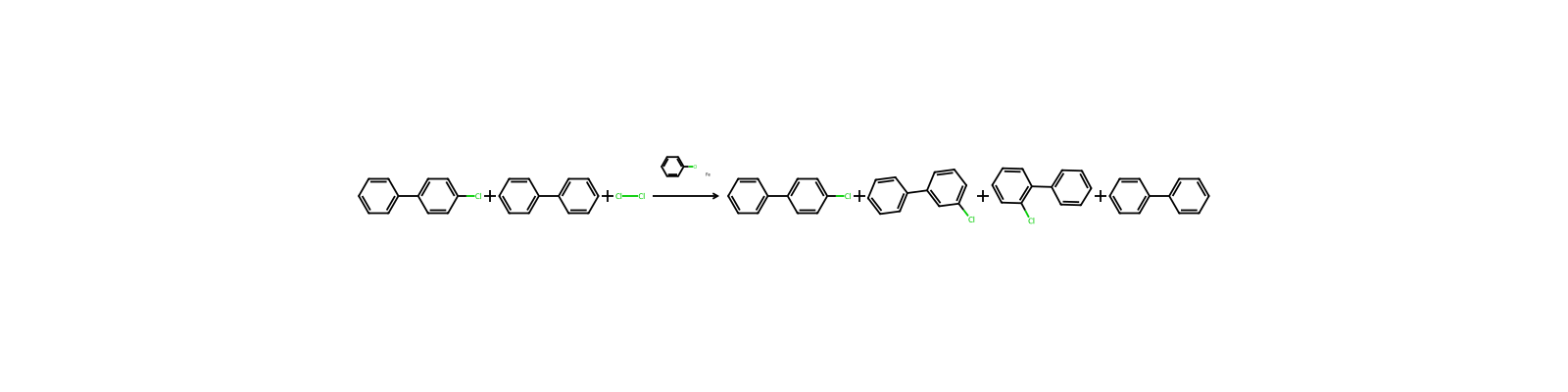
Related reactions
4,165 records




Linked notes
Loading…