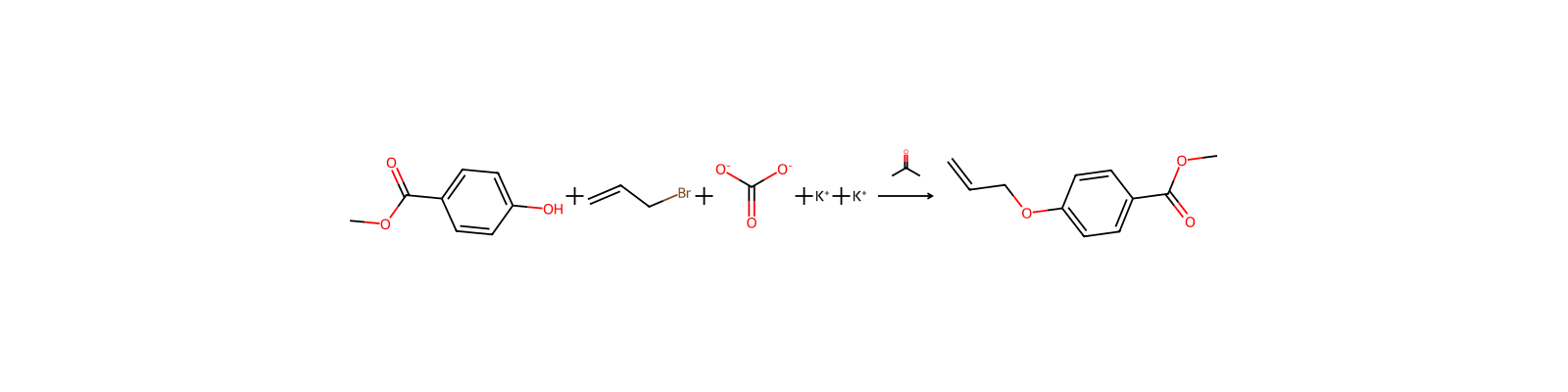
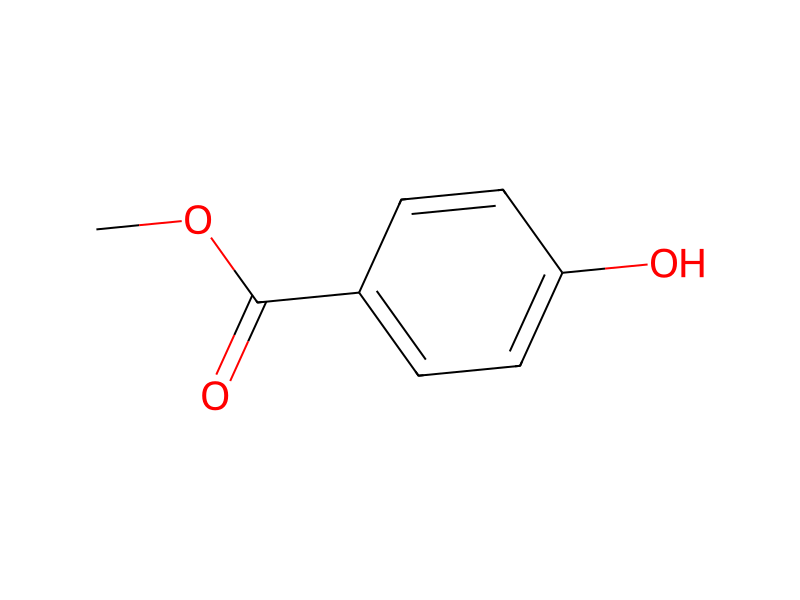
Basic information
- Standard SMILES
COC(=O)c1ccc(O)cc1- InChIKey
LXCFILQKKLGQFO-UHFFFAOYSA-N- Molecular formula
- C8H8O3
- Average molar mass
- 152.15 g/mol
- Monoisotopic mass
- 152.04734412
Overview
Methylparaben is a 4-hydroxybenzoate ester resulting from the formal condensation of the carboxy group of 4-hydroxybenzoic acid with methanol. It is the most frequently used antimicrobial preservative in cosmetics. It occurs naturally in several fruits, particularly in blueberries. It has a role as an antifungal agent, a neuroprotective agent, an antimicrobial food preservative and a plant metabolite.
Names & identifiers
- Preferred name
- Methylparaben
- IUPAC
- methyl 4-hydroxybenzoate
- English name
- Methylparaben
- Molecular formula
- C8H8O3
- Molecular weight
- 152.15
Names & synonyms
Methyl 4-hydroxybenzoateMETHYLPARABEN99-76-3Methyl parabenMethyl p-hydroxybenzoateNipaginTegosept MMoldexMaseptolMethyl parahydroxybenzoatep-Hydroxybenzoic acid methyl esterPreserval M
Show more names
Paraben4-HYDROXYBENZOIC ACID METHYL ESTERNipagin MNigaginSolbrol M
PreservalMetabenMethabenMetoxydeParidolSolbrolSeptosMethyl parasept
Database identifiers
- CAS
99-76-3- PubChem CID
- 7456
- DTXSID
DTXSID4022529- ChEMBL
CHEMBL325372- ChEBI
CHEBI:31835- UNII
- A2I8C7HI9T
- EC Number
- 202-785-7
- Nikkaji
- J3.996I
Properties
Computed structural properties
- XLogP
- 2
- Topological polar surface area
- 46.5 Ų
- Hydrogen bond donors
- 1
- Hydrogen bond acceptors
- 3
- Rotatable bonds
- 2
- Heavy atoms
- 11
- Formal charge
- 0
- Complexity
- 136
Experimental & physicochemical properties
Chemical ClassesOther Uses -> Preservatives
Cosmetics
Cosmetics ingredient -> Colorant; Fragrance; Preservative/Stabilizer
Cosmetic ingredients (Methylparaben) -> CIR (Cosmetic Ingredient Review)
Preservative
SpringerMaterials PropertiesBoiling point
FragrancesFragrance Ingredient (Methyl p-hydroxybenzoate) -> IFRA transparency List
Pesticides
Agrochemicals -> Pesticide active substances
Active substance -> EU Pesticides database: Not approved
Biocide
LogP
log Kow = 1.96
1.96
OdorOdorless or has faint characteristic odor
TasteSlight burning taste
Food AdditivesANTIMICROBIAL AGENT, FLAVORING AGENT OR ADJUVANT -> FDA Substance added to food
Color/Form
White needles
Colorless crystals or white crystalline powder
Needles from dil alcohol
Solubility
In water, 2.50X10+3 mg/L at 25 °C
Solubility in water (w/w): 0.25% at 20 °C; 0.30% at 25 °C
Solubilities in various solvents[Table#2967]
Slightyl soluble in water; very soluble in ethanol, ether, acetone; soluble in trfluoroacetic acid
For more Solubility (Complete) data for METHYLPARABEN (6 total), please visit the HSDB record page.
2.5 mg/mL at 25 °C
Animal DrugsPharmaceuticals -> UK Veterinary Medicines Directorate List
Physicochemical properties
- Melting point
- 125 · 125-128 °C (lit.)
- Boiling point
- 298.6 °C · 298.6 °C
- Density
- 1 · 1,46g/cm
- vapor pressure
- 0.000005 hPa · 0.000005 hPa (20 °C)
- FEMA
- 2710 · 2710 | METHYL P-HYDROXYBENZOATE
- refractive index
- 1.4447 · 1.4447 (estimate)
- Flash point
- 280 °C · 280°C
- storage temp.
- room temp
- solubility
- 0.1 M, · ethanol: soluble0.1M, clear, colorless
- pka
- 8.15 · pKa 8.15(H2O,t =20.0) (Uncertain)
- form
- Crystalline Powder
- color
- White to almost white
- Odor
- odorless or faint char. odor, sl. burning taste
- PH
- 5.8 · 5.8 (H2O, 20°C) (saturated solution)
- biological source
- synthetic
- Water Solubility
- Slightly soluble in water.
- FreezingPoint
- 131 ℃ · 131℃
- Merck
- 14 · 14,6107
- BRN
- 509801 · 509801
- Henry's Law Constant
- 4.5 · 4.5×103 mol/(m3Pa) at 25℃, HSDB (2015)
- Stability
- Stable. Incompatible with strong oxidizing agents, strong bases.
- Major Application
- flavors and fragrances
- Cosmetics Ingredients Functions
- PRESERVATIVEFRAGRANCE
- Cosmetic Ingredient Review (CIR)
- Methylparaben (99-76-3)
- InChI
- 1S/C8H8O3/c1-11-8(10)6-2-4-7(9)5-3-6/h2-5,9H,1H3
- InChIKey
- LXCFILQKKLGQFO-UHFFFAOYSA-N
- SMILES
- COC(=O)c1ccc(O)cc1
- LogP
- 1.98 at · 1.98 at 20℃
- SCOGS (Select Committee on GRAS Substances)
- Methyl Paraben
- CAS DataBase Reference
- 99 · 99-76-3(CAS DataBase Reference)
- Substances Added to Food (formerly EAFUS)
- METHYL P-HYDROXYBENZOATE
- FDA 21 CFR
- 172.515 · 172.515; 184.1490; 201.327;310.545; 352.70; 582.3490
- EWG's Food Scores
- 4 · 4
- FDA UNII
- 2 I8C7HI9T · A2I8C7HI9T
- NIST Chemistry Reference
- 4 · Benzoic acid, 4-hydroxy-, methyl ester(99-76-3)
- EPA Substance Registry System
- Methylparaben (99-76-3)
- UNSPSC Code
- 51452201 · 51452201
- NACRES
- 77 · NA.77
- Symbol(GHS)
- 9 · GHS09
- Signal word
- Warning
- Hazard statements
- 411 · H411
- Precautionary statements
- 273 · P273-P391-P501
- PPE
- 95 · dust mask type N95 (US), Eyeshields, Gloves
- Hazard Codes
- Xi,Xn
- Risk Statements
- 36 · 36/37/38-20/21/22-36
- Safety Statements
- 26 · 26-36-24/25-39
- RIDADR
- 2769 · UN 2769
- WGK Germany
- 1 · 1
- RTECS
- 2450000 · DH2450000
- Autoignition Temperature
- 600 °C · >600 °C
- TSCA
- TSCA listed
- HS Code
- 29182930 · 29182930
- Storage Class
- 11 · 11 - Combustible Solids
- Hazard Classifications
- 2 · Aquatic Chronic 2
- Hazardous Substances Data
- 99 · 99-76-3(Hazardous Substances Data)
- Toxicity
- 50 orally · LD50 orally in Rabbit: 2100 mg/kg
- REACH Registrations
- Active
Safety & regulation
GHS classification
GHS Classification
This chemical does not meet GHS hazard criteria for 31.5% (1035 of 3282) of reports.
Warning
H315 (53.8%): Causes skin irritation [Warning Skin corrosion/irritation]
P261, P264, P264+P265, P271, P280, P302+P352, P304+P340, P305+P351+P338, P319, P321, P332+P317, P337+P317, P362+P364, P403+P233, P405, and P501 (click each P-code to see the statement)
Aggregated GHS information provided per 3282 reports by companies from 32 notifications to the ECHA C&L Inventory. Each notification may be associated with multiple companies.
Warning
Hazard information
Regulatory Information
Chemical: Benzoic acid, 4-hydroxy-, methyl ester
Hazard Traits - Endocrine Toxicity; Reproductive Toxicity
Directive (EC) No 114/2003
Benzoic acid, 4-hydroxy-, methyl ester is listed on the EPA's Chemical Data Reporting (CDR) system. Manufacturers and importers of Benzoic acid, 4-hydroxy-, methyl ester are required to report information about their production and use of this chemical to the EPA under the Toxic Substances Control Act (TSCA). (40 eCFR Part 711)
2007/442
Status: Active Update: 19-12-2022 https://echa.europa.eu/registration-dossier/-/registered-dossier/14310
Other Safety InformationIMAP assessments - Parabens: Human health tier II assessment
Hazards Summary
Parabens are an uncommon cause of allergic contact dermatitis; [Marks, p. 115] Food use limited to 0.1%; [Hawley] Observations from animal studies include mild skin and eye irritation and a low order of toxicity in high-dose oral studies; Skin sensitization has been reported from cosmetics and topical medications; A moderate eye irritant (saturated aqueous solution); Practically non-toxic in animal studies: Oral LD50 (mouse) >8000 mg/kg (Effects included flaccid paralysis and ataxia.); [HSDB] An eye and mild skin irritant; May cause skin sensitization; [eChemPortal: ERMA] Parabens can induce allergic contact dermatitis, mainly in chronic dermatitis and wounded skin. [Kanerva, p. 1822-3] An irritant; [MSDSonline]
FDA Requirements
Methylparaben is a food additive permitted for direct addition to food for human consumption as a synthetic flavoring substance and adjuvant in accordance with the following conditions: a) they are used in the minimum quantity required to produce their intended effect, and otherwise in accordance with all the principles of good manufacturing practice, and 2) they consist of one or more of the following, used alone or in combination with flavoring substances and adjuvants generally recognized as safe in food, prior-sanctioned for such use, or regulated by an appropriate section in this part.
Substances classified as antimycotics, when migrating from food-packaging material shall include: methylparaben.
Substance added directly to human food affirmed as generally recognized as safe (GRAS). The ingredient is used in food at levels not to exceed good manufacturing practices. Current good manufacturing practice results in a maximum level of 0.1 percent in food.
Drug products containing certain active ingredients offered over-the-counter (OTC) for certain uses. A number of active ingredients have been present in OTC drug products for various uses, as described below. However, based on evidence currently available, there are inadequate data to establish general recognition of the safety and effectiveness of these ingredients for the specified uses: methylparaben is included in topical antifungal drug products.
This substance is generally recognized as safe for use at a level not exceeding 0.1 percent in accordance with good manufacturing or feeding practice.
Special Reports
Cosmetic Ingredient Review; Final Amended Report on the Safety Assessment of Methylparaben, Ethylparaben, Propylparaben, Isopropylparaben, Butylparaben, Isobutylparaben, and Benzylparaben as used in Cosmetic Products. Int J Toxicol 27 Suppl 4: 1-82 (2008)[Available from, as of November 21, 2016: http://online.personalcarecouncil.org/ctfa-static/online/lists/cir-pdfs/PR427.pdf]
FIFRA Requirements
Residues of methyl p-hydroxybenzoate are exempted from the requirement of a tolerance when used in accordance with good agricultural practice as inert (or occasionally active) ingredients in pesticide formulations applied to growing crops only. Use: Preservative for formulations.
Residues of methyl p-hydroxybenzoate are exempted from the requirement of a tolerance when used in accordance with good agricultural practice as inert (or occasionally active) ingredients in pesticide formulations applied to animals. Use: Preservative. Limit: Meets specifications of Food Chemicals Codex; not to exceed 0.1% in formulations.
As the federal pesticide law FIFRA directs, EPA is conducting a comprehensive review of older pesticides to consider their health and environmental effects and make decisions about their future use. Under this pesticide reregistration program, EPA examines health and safety data for pesticide active ingredients initially registered before November 1, 1984, and determines whether they are eligible for reregistration. In addition, all pesticides must meet the new safety standard of the Food Quality Protection Act of 1996. Pesticides for which EPA had not issued Registration Standards prior to the effective date of FIFRA, as amended in 1988, were divided into three lists based upon their potential for human exposure and other factors, with List B containing pesticides of greater concern and List D pesticides of less concern. Butyl 4-hydroxybenzoate is found on List D. Case No: 4071; Case Status: No products containing the pesticide are actively registered ... The case /is characterized/ as "cancelled." Under FIFRA, pesticide producers may voluntarily cancel their registered products. EPA also may cancel pesticide registrations if registrants fail to pay required fees or make/meet certain reregistration commitments, or if EPA reaches findings of unreasonable adverse effects.; Active ingredient (AI): Methyl 4-hydroxybenzoate; AI Status: The active ingredient is no longer contained in any registered pesticide products ... "cancelled."
Toxic Combustion ProductsSpecial hazards arising from the substance or mixture: Carbon oxides
Hazard Classes and Categories
Skin Irrit. 2 (53.8%)
Specific target organ toxicity - Single exposure - Category 3 (Narcotic effects)
Hazardous to the aquatic environment (Acute) - Category 3
Skin, Eye, and Respiratory IrritationsMethylparaben ... as saturated aq soln ... noted to be moderately irritating to eye ... .
Hazardous Reactivities and IncompatibilitiesIncompatible materials: Strong oxidizing agents, strong bases
Safety & protection
Fire Fighting Procedures
Suitable extinguishing media: Use water spray, alcohol-resistant foam, dry chemical or carbon dioxide.
Advice for firefighters: Wear self-contained breathing apparatus for firefighting if necessary.
Storage ConditionsKeep container tightly closed in a dry and well-ventilated place.
Cleanup Methods
ACCIDENTAL RELEASE MEASURES: Personal precautions, protective equipment and emergency procedures: Use personal protective equipment. Avoid dust formation. Avoid breathing vapors, mist or gas. Ensure adequate ventilation. Avoid breathing dust. Environmental precautions: Prevent further leakage or spillage if safe to do so. Do not let product enter drains. Discharge into the environment must be avoided. Methods and materials for containment and cleaning up: Pick up and arrange disposal without creating dust. Sweep up and shovel. Keep in suitable, closed containers for disposal.
Disposal Methods
SRP: Recycle any unused portion of the material for its approved use or return it to the manufacturer or supplier. Ultimate disposal of the chemical must consider: the material's impact on air quality; potential migration in air, soil or water; effects on animal, aquatic and plant life; and conformance with environmental and public health regulations. If it is possible or reasonable use an alternative chemical product with less inherent propensity for occupational harm/injury/toxicity or environmental contamination.
Product: Offer surplus and non-recyclable solutions to a licensed disposal company; Contaminated packaging: Dispose of as unused product.
Preventive Measures
ACCIDENTAL RELEASE MEASURES: Personal precautions, protective equipment and emergency procedures: Use personal protective equipment. Avoid dust formation. Avoid breathing vapors, mist or gas. Ensure adequate ventilation. Avoid breathing dust. Environmental precautions: Prevent further leakage or spillage if safe to do so. Do not let product enter drains. Discharge into the environment must be avoided.
Precautions for safe handling: Avoid contact with skin and eyes. Avoid formation of dust and aerosols. Further processing of solid materials may result in the formation of combustible dusts. The potential for combustible dust formation should be taken into consideration before additional processing occurs. Provide appropriate exhaust ventilation at places where dust is formed.
Appropriate engineering controls: Handle in accordance with good industrial hygiene and safety practice. Wash hands before breaks and at the end of workday.
Gloves must be inspected prior to use. Use proper glove removal technique (without touching glove's outer surface) to avoid skin contact with this product. Dispose of contaminated gloves after use in accordance with applicable laws and good laboratory practices. Wash and dry hands.
For more Preventive Measures (Complete) data for METHYLPARABEN (6 total), please visit the HSDB record page.
Allowable Tolerances
Residues of methyl p-hydroxybenzoate are exempted from the requirement of a tolerance when used in accordance with good agricultural practice as inert (or occasionally active) ingredients in pesticide formulations applied to growing crops only. Use: Preservative for formulations.
Residues of methyl p-hydroxybenzoate are exempted from the requirement of a tolerance when used in accordance with good agricultural practice as inert (or occasionally active) ingredients in pesticide formulations applied to animals. Use: Preservative. Limit: Meets specifications of Food Chemicals Codex; not to exceed 0.1% in formulations.
Personal Protective Equipment (PPE)
Eye/face protection: Safety glasses with side-shields conforming to EN166. Use equipment for eye protection tested and approved under appropriate government standards such as NIOSH (US) or EN 166(EU).
Skin protection: Handle with gloves.
Body Protection: Impervious clothing. The type of protective equipment must be selected according to the concentration and amount of the dangerous substance at the specific workplace.
Respiratory protection: For nuisance exposures use type P95 (US) or type P1 (EU EN 143) particle respirator. For higher level protection use type OV/AG/P99 (US) or type ABEK-P2 (EU EN 143) respirator cartridges. Use respirators and components tested and approved under appropriate government standards such as NIOSH (US) or CEN (EU).
Toxicology
Body Burden
Methylparaben had a frequency of detection of 99% in urine samples from a group of US male and female adults sampled from 2003 to 2005(1).
Concentration of urinary p-hydroxybenzoic acid and methylparaben in children and adults from the United States and China(1).[Table#2963]
Interactions
... Using human intestinal (Caco-2) cells, it was observed that hydrolysis of parabens to p-hydroxybenzoic acid is reduced markedly by ethanol concentrations that can occur in the human intestine, 0.25-0.5% (v/v). Ethanol concentrations of 1.0-2.5% (v/v) were optimal for transesterification to ethylparaben in Caco-2 cell homogenates. The kinetics of the transesterification reaction with regard to ethanol concentration (0-20%), time, pH (3-9), protein concentration (1-5 mg/mL) and substrate concentration (6.25-200 uM) as well as the effects of different alcohols were studied. The Km and Vmax values for transesterification with ethanol for methyl, propyl, butyl, heptyl and octyl parabens were 449.7, 165.7, 86.1, 24.2 and 45.9 uM and 114.4, 37.5, 19.5, 7.5 and 7.6 umol/hr/mg Caco-2 cell protein, respectively. The Vmax values for transesterification of methylparaben with ethanol, propan-1-ol, butan-1-ol were 114.4, 5.1 and 4.9 umol/hr/mg, respectively. ... The clinical or toxicological implication is that, following co-ingestion of ester compounds with ethanol, transesterification could provide the basis for a previously unrecognized drug-alcohol interaction.
... /The authors/ investigated the effects of ultraviolet-B (UVB) exposure on methylbaraben (MP)-treated human skin keratinocytes. HaCaT keratinocyte was cultured in MP-containing medium for 24 hr, exposed to UVB (15 or 30 mJ/cm2) and further cultured for another 24 hr. Subsequent cellular viability was quantified by MTT-based assay and cell death was qualified by fluorescent microscopy and flow cytometry. ... Practical concentrations of MP (0.003%) had a little or no effect on cellular viability, oxidative stress, nitric oxide (NO) production, lipid peroxidation and activation of nuclear transcription factors in HaCaT keratinocytes. Low-dose UVB also had little or no effect on these parameters in HaCaT keratinocytes. However, UVB exposure significantly increased cell death, oxidative stress, NO production, lipid peroxidation and activation of transcription factors in MP-treated HaCaT keratinocytes. These results indicate that MP, which has been considered a safe preservative in cosmetics, may have harmful effects on human skin when exposed to sunlight.
It has been hypothesized recently that succinylcholine-associated increases in intracranial pressure (ICP) are caused by the paraben preservatives contained in multidose vials. /The authors/ tested that hypothesis in a standard feline model to determine the effects on ICP of equal-volume injections of preservative-free succinylcholine, succinylcholine with preservatives from multi-dose vials that contain both propylparaben and methylparaben, these preservatives alone at five times the dose contained in the succinylcholine, and normal saline. The preservatives alone increased ICP by 0.08 +/- 0.08 mm Hg (+/- standard error; not significant). Normal saline had no effect on ICP. Preservative-free succinylcholine and succinylcholine with preservatives increased ICP by 4.2 +/- 0.10 and 3.8 +/- 0.07 mm Hg respectively (P less than 0.01 compared to the preservatives alone and normal saline). The 99% upper confidence limit for the increase in ICP induced by the preservatives alone was 0.42 mm Hg. This result suggests /, to the authors/ that parabens do not cause or substantially augment the ICP increase associated with succinylcholine administration.
To evaluate the influence of an extract of Genista tinctoria L. herba (GT) or methylparaben (MP) on histopathological changes and 2 biomarkers of oxidative stress in rats subchronicly exposed to bisphenol A (BPA). Adult female Wistar rats were orally exposed for 90 d to BPA (50 mg/kg), BPA+GT (35 mg isoflavones/kg) or BPA+MP (250 mg/kg). Plasma and tissue samples were taken from liver, kidney, thyroid, uterus, ovary, and mammary gland after 30, 60, and 90 d of exposure respectively. Lipid peroxidation and in vivo hydroxyl radical production were evaluated by histological analysis along with malondialdehyde and 2,3-dihydroxybenzoic acid detection. The severity of histopathological changes in liver and kidneys was lower after GT treatment than after BPA or BPA+MP treatment. A minimal thyroid receptor antagonist effect was only observed after BPA+MP treatment. The abnormal folliculogenesis increased in a time-dependent manner, and the number of corpus luteum decreased. No significant histological alterations were found in the uterus. The mammary gland displayed specific estrogen stimulation changes at all periods. Both MP and GT revealed antioxidant properties reducing lipid peroxidation and BPA-induced hydroxyl radical generation. GT L. extract ameliorates the toxic effects of BPA and is proved to have antioxidant potential and antitoxic effect. MP has antioxidant properties, but has either no effect or exacerbates the BPA-induced histopathological changes.
For more Interactions (Complete) data for METHYLPARABEN (7 total), please visit the HSDB record page.
Ecotoxicity Values
EC50; Species: Daphnia magna (Water Flea); Conditions: freshwater, static, pH 7.6-8.0, dissolved oxygen 100% saturated; Concentration: 11400 ug/L for 24 hr (95% confidence interval: 10600-47600 ug/L); Effect: intoxication, immobilization /formulation/
EC50; Species: Daphnia magna (Water Flea); Conditions: freshwater, static, pH 7.6-8.0, dissolved oxygen 100% saturated; Concentration: 11200 ug/L for 24 hr (95% confidence interval: 5730-22000 ug/L); Effect: intoxication, immobilization /formulation/
EC50; Species: Daphnia magna (Water Flea)age <24 hr neonate; Conditions: freshwater, static, 21 °C, pH 7.45, hardness 100 mg/L CaCO3; Concentration: 70000 ug/L for 24 hr; Effect: intoxication, immobilization /99% purity/
EC50; Species: Daphnia magna (Water Flea)age <24 hr neonate; Conditions: freshwater, static, 21 °C, pH 7.45, hardness 100 mg/L CaCO3; Concentration: 41100 ug/L for 48 hr; Effect: intoxication, immobilization /99% purity/
For more Ecotoxicity Values (Complete) data for METHYLPARABEN (7 total), please visit the HSDB record page.
Environmental Fate
TERRESTRIAL FATE: Based on a classification scheme(1), an estimated Koc value of 87(SRC), determined from a structure estimation method(2), indicates that methylparaben is expected to have high mobility in soil(SRC). The estimated pKa of methylparaben is 8.5(3), indicating that this compound will exist partially in the anion form in the environment and anions generally do not adsorb more strongly to soils containing organic carbon and clay than their neutral counterparts(4). Volatilization of methylparaben from moist soil surfaces is not expected to be an important fate process(SRC) given an estimated Henry's Law constant of 2.2X10⁻⁹ atm-cu m/mole(SRC), using a fragment constant estimation method(5). Methylparaben is not expected to volatilize from dry soil surfaces(SRC) based upon an estimated vapor pressure of 2.4X10⁻⁴ mm Hg at 25 °C(SRC), determined from a fragment constant method(2). Using the Zahn-Wellens test, 100% biodegradation was observed in 6 days following a 2-day acclimation period(6) suggesting that biodegradation may be an important environmental fate process in soil(SRC).
AQUATIC FATE: Based on a classification scheme(1), an estimated Koc value of 87(SRC), determined from a structure estimation method(2), indicates that methylparaben is not expected to adsorb to suspended solids and sediment(SRC). Volatilization from water surfaces is not expected(3) based upon an estimated Henry's Law constant of 2.2X10⁻⁹ atm-cu m/mole(SRC), developed using a fragment constant estimation method(4). According to a classification scheme(5), an estimated BCF of 9(SRC), from its log Kow of 1.96(6) and a regression-derived equation(2), suggests the potential for bioconcentration in aquatic organisms is low(SRC). Using the Zahn-Wellens test, 100% biodegradation was observed in 6 days following a 2-day acclimation period(7) suggesting that biodegradation may be an important environmental fate process in water(SRC).
ATMOSPHERIC FATE: According to a model of gas/particle partitioning of semivolatile organic compounds in the atmosphere(1), methylparaben, which has an estimated vapor pressure of 2.4X10⁻⁴ mm Hg at 25 °C(SRC), determined from a fragment constant method(2), will exist in both the vapor and particulate phases in the ambient atmosphere. Vapor-phase methylparaben is degraded in the atmosphere by reaction with photochemically-produced hydroxyl radicals(SRC); the half-life for this reaction in air is estimated to be one day(SRC), calculated from its rate constant of 1.1X10⁻¹¹ cu cm/molecule-sec at 25 °C(SRC) that was derived using a structure estimation method(3). Particulate-phase methylparaben may be removed from the air by wet and dry deposition(SRC). Methylparaben contains chromophores that absorb at wavelengths >290 nm(4) and, therefore, may be susceptible to direct photolysis by sunlight(SRC).
Adverse EffectsNeurotoxin - Other CNS neurotoxin
Toxicity Summary
The CIR Expert Panel concluded that the following 20 parabens are safe in cosmetics in the present practices of use and concentration described in the safety assessment when the sum of the combined concentration of parabens in any given formulation does not exceed 0.8 %...Methylparaben...
Safe for use in cosmetics, with qualifications
IDENTIFICATION AND USE: Methylparaben is a methyl ester of p-hydroxybenzoic acid. It is a stable, non-volatile compound used as an antimicrobial preservative in foods, drugs and cosmetics. HUMAN EXPOSURE AND TOXICITY: Parabens are reported to cause contact dermatitis reactions in some individuals on cutaneous exposure. Parabens have been implicated in numerous cases of contact sensitivity associated with cutaneous exposure; however, the mechanism of this sensitivity is unknown. Sensitization has occurred when medications containing parabens have been applied to damaged or broken skin. Allergic reactions to ingested parabens have been reported, although rigorous evidence of the allergenicity of ingested paraben is lacking. ANIMAL STUDIES: Acute toxicity studies in animals indicate that methylparaben is practically non-toxic by both oral and parenteral routes. In a population with normal skin, methylparaben is practically non-irritating and non-sensitizing. In chronic administration studies, no-observed-effect levels (NOEL) as high as 1050 mg/kg have been reported and a no-observed-adverse-effect level (NOAEL) in the rat of 5700 mg/kg is posited. Methylparaben did increase chromosomal aberrations in a Chinese Hamster ovary cell assay. Methylparaben was noncarcinogenic when injected subcutaneously in mice or rats, or when administered intravaginally in rats. Methylparaben was nonteratogenic in rabbits, rats, mice, and hamsters. It is not embryotoxic. Methylparaben failed to produce any effect in uterotrophic assays in two laboratories, but did produce an effect in other studies from another laboratory. In one in vitro study, sperm were not viable at concentrations as low as 6 mg/mL methylparaben, but an in vivo study of 0.1% or 1.0% methylparaben in the diet of mice reported no spermatotoxic effects. Methylparaben was studied using rats at levels in the diet up to an estimated mean dose of 1141.1 mg/kg per day with no adverse testicular effects. ECOTOXICITY STUDIES: Medaka vitellogenin assays and DNA microarray analysis were carried out for methylparaben and found induction of significant vitellogenin in male medaka at 630 ug/L of methylparaben, while the expression levels of genes encoding proteins such as choriogenin and vitellogenin increased for concentrations at 10ug/L of methylparaben.
Average Daily IntakeEstimated daily intakes of methylparaben from indoor dust (13 cities, 4 countries) from the United States, China, Korea and Japan (all ng/kg bw/day)(1).[Table#2962]
Ecotoxicity Excerpts
/AQUATIC SPECIES/ The acute toxicity of 21 parabens and their chlorinated derivatives was investigated by means of two toxicity bioassays: Daphnia magna immobilization test and the inhibition of bioluminescence of Vibrio fischeri. The median effective concentration (EC(50)) values of the tested parabens ranged from 2.2 to 62 mg/L in the D. magna test and from 0.0038 to 5.9 mg/L in the V. fischeri test at 15 min after exposure. The toxicity of dichlorinated methyl- and n-propylparaben, the most commonly used preservatives in cosmetics, toward D. magna was 3.9- and 2.8-fold that of their corresponding parent compounds. Toxicity toward D. magna showed a linear relationship with log P, indicating that toxicity increases with increasing hydrophobicity. On the other hand, the correlations of toxicity toward V. fischeri with hydrophobicity and with the degree of chlorination were poor. In addition, the results of the present study indicated that the V. fischeri test was more sensitive than the D. magna test for the determination of the acute toxicity of parabens. A complete assessment of the ecological and toxicological risks of parabens may require the examination of chlorinated parabens as well as the parent pollutants, as described in the present study.
/AQUATIC SPECIES/ The chronic toxicity of 12 compounds of parabens and their chlorinated by-products was investigated using 7-day Ceriodaphnia dubia test under static renewal condition in order to generate information on how to disinfect by-products of preservatives that are discharged in aquatic systems. The mortality and inhibition of reproduction tended to increase with increasing hydrophobicity and decreased with the degree of chlorination of parabens. The EC50 values for mortality, offspring number, and first brood production ranged between 0.30-3.1, 0.047-12, and 1.3-6.3 mg/L, respectively. For the number of neonates, the most sensitive endpoint, the no-observed-effect concentration (NOEC) and lowest-observed-effect concentration (LOEC) values ranged from 0.63 to 10 mg/L and from 1.2 to 19 mg/L, respectively. Methylparaben (MP), benzylparaben (BnP), and dichlorinated BnP (Cl2BnP) elicited a significant decrease in offspring numbers even at their lowest concentration tested; the NOEC for these compounds was determined to be less than the lowest test concentration (1.3, 0.04, and 0.63 mg/L for MP, BnP, and Cl2BnP, respectively). Propylparaben (PP), chlorinated PP, isopropylparaben (iPP), and chlorinated iPP exhibited nonmonotonic concentration-dependent response; their NOEC and LOEC values could not be determined. The multivariate approach involving principal component analysis and hierarchical cluster analysis revealed four groups that corresponded to the toxicological profiles of parabens. Our results suggested that disinfection of parabens by chlorination could reduce aquatic toxicity of original compounds. The findings obtained in our study together with the data available on paraben concentrations in aquatic systems can be used to perform preliminary risk assessment by comparing the predicted environmental concentration (PEC) with the predicted no-effect concentration (PNEC) for the marine aquatic environment. The calculated PEC/PNEC ratios ranged from 0.0012 to 0.2, with the highest value observed in MP. This suggested that there are negligible environmental risks for aquatic organisms at current use levels.
/AQUATIC SPECIES/ In the present study, aquatic concentrations of seven parabens were determined in urban streams highly affected by treated or untreated domestic sewage in Tokushima and Osaka, Japan. The detected highest concentrations were 670, 207, and 163ng/L for methylparaben, n-propylparaben, and n-butylparaben, respectively in sampling sites with watershed area of no sewer system in Tokushima. Conventional acute/chronic toxicity tests were conducted using medaka (Oryzias latipes), Daphnia magna, and Psuedokirchneriella subcapitata for four parabens, which was consistent with our previous study on three parabens, n-butylparaben, i-butylparaben, and benzylparaben. The aquatic toxicity on fish, daphnia, and algae was weaker for the parabens with a shorter alkyl chain than those with a longer alkyl chain as predicted by their hydrophobicity. Medaka vitellogenin assays and DNA microarray analysis were carried out for methylparaben and found induction of significant vitellogenin in male medaka at 630ug/L of methylparaben, while the expression levels of genes encoding proteins such as choriogenin and vitellogenin increased for concentrations at 10ug/L of methylparaben. Measured environmental concentrations (MECs) of seven parabens in Tokushima and Osaka were divided by predicted no effect concentrations (PNECs) and hazard quotient (MEC/PNEC) was determined for individual parabens. The MEC/PNEC was highest for n-propylparaben and was 0.010 followed by n-butylparaben (max. of 0.0086) and methylparaben (max. of 0.0042). The sum of the MEC/PNEC for the seven parabens was 0.0049. Equivalence factors were assigned for each paraben on the basis of the toxicity of n-butylparabenfor each species, and n-butylparaben equivalence was calculated for the measured environmental concentrations. The MEC/PNEC approach was also conducted for the n-butylparaben-based equivalence values. The maximum MEC/PNEC was 0.018, which is lower than the trigger level for further detailed study such as large-scale monitoring for chronic toxicity tests including full-life cycle tests for fish.
Ongoing Test Status
EPA has released the Interactive Chemical Safety for Sustainability (iCSS) Dashboard. The iCSS Dashboard provides an interactive tool to explore rapid, automated (or in vitro high-throughput) chemical screening data generated by the Toxicity Forecaster (ToxCast) project and the federal Toxicity Testing in the 21st century (Tox21) collaboration. /The title compound was tested by ToxCast and/or Tox21 assays/[USEPA; ICSS Dashboard Application; Available from, as of September 8, 2016: http://actor.epa.gov/dashboard/]
Effluent Concentrations
The average concentration of methylparaben in 21 influent and effluent samples from wastewater treatment plants on the Turia River, Valencia, Spain were 334 ng/L (21 samples positive) and 11 ng/L (21 samples positive), respectively. Sampling was conducted in October, 2012; limit of quantitation effluent = 1.0(1). The compound was detected at a range of 2642-11,601, <3-50 and <0.3-68 ng/L in influent, final effluent and surface waters, respectively, in the UK(2).
Soil Adsorption/Mobility
Using a structure estimation method based on molecular connectivity indices(1), the Koc of methylparaben can be estimated to be 87(SRC). According to a classification scheme(2), this estimated Koc value suggests that methylparaben is expected to have high mobility in soil. The estimated pKa of methylparaben is 8.5(3), indicating that this compound will exist partially in the anion form in the environment and anions generally do not adsorb more strongly to soils containing organic carbon and clay than their neutral counterparts(4).
Human Toxicity Excerpts
/HUMAN EXPOSURE STUDIES/ In vitro studies suggest that the preservatives methylparaben and propylparaben included in some multidose vials of succinylcholine are the cerebral vasodilators responsible for the increases in intracranial pressure (ICP) documented after succinylcholine administration. To test this hypothesis, ... cerebral blood flow (CBF) and cerebral blood flow velocity (CBFV) with inhaled 133-Xenon and transcranial Doppler /were measured/ respectively in healthy humans before and after the intravenous administration of methylparaben and propylparaben. ... No change /was found/ in either CBF or CBFV after the paraben injections and therefore /it was/ concluded that it is unlikely that the rise in ICP seen with succinylcholine is caused by cerebral arterial vasodilatation from the preservatives methylparaben and propylparaben.
/HUMAN EXPOSURE STUDIES/ ... Methylparaben, ethylparaben, propylparaben, and butylparaben were each applied to the backs of 50 humans at concentrations of 5, 7, 10, 12, and 15 percent in propylene glycol. Test compounds were applied daily for 5 days, and patches were then removed and the sites scored. The concentrations of individual parabens that produced no irritation were methylparaben, 5 %; ethylparaben, 7 %; propylparaben, 12 5% and butylparaben, 5%. Higher concentrations produced some evidence of irritation. In a repeated insult patch test (RIPT), each paraben at the "no effect" concentration above was applied to the skin of 50 subjects (25M/25F) for 4 to 8 hr every other day for 3 weeks (10 applications). Following a 3-week rest, the materials were reapplied at induction concentrations for 24 to 48 hr. No sensitization was reported.
/HUMAN EXPOSURE STUDIES/ Methylparaben and ethylparaben, in increasing concentrations, were studied for their effect on the oral mucous membrane of 39 subjects. They described toxic limit concentrations for methylparaben and ethylparaben of 5 and 10%, respectively. One subject had a reaction of the oral mucous membrane to methylparaben.
/SIGNS AND SYMPTOMS/ ... used in region of eyes ... occasionally cause redness & swelling of eyelids from allergic contact dermatitis.
For more Human Toxicity Excerpts (Complete) data for METHYLPARABEN (27 total), please visit the HSDB record page.
Regulatory information
FDA Requirements
Methylparaben is a food additive permitted for direct addition to food for human consumption as a synthetic flavoring substance and adjuvant in accordance with the following conditions: a) they are used in the minimum quantity required to produce their intended effect, and otherwise in accordance with all the principles of good manufacturing practice, and 2) they consist of one or more of the following, used alone or in combination with flavoring substances and adjuvants generally recognized as safe in food, prior-sanctioned for such use, or regulated by an appropriate section in this part.
Substances classified as antimycotics, when migrating from food-packaging material shall include: methylparaben.
Substance added directly to human food affirmed as generally recognized as safe (GRAS). The ingredient is used in food at levels not to exceed good manufacturing practices. Current good manufacturing practice results in a maximum level of 0.1 percent in food.
Drug products containing certain active ingredients offered over-the-counter (OTC) for certain uses. A number of active ingredients have been present in OTC drug products for various uses, as described below. However, based on evidence currently available, there are inadequate data to establish general recognition of the safety and effectiveness of these ingredients for the specified uses: methylparaben is included in topical antifungal drug products.
This substance is generally recognized as safe for use at a level not exceeding 0.1 percent in accordance with good manufacturing or feeding practice.
FIFRA Requirements
Residues of methyl p-hydroxybenzoate are exempted from the requirement of a tolerance when used in accordance with good agricultural practice as inert (or occasionally active) ingredients in pesticide formulations applied to growing crops only. Use: Preservative for formulations.
Residues of methyl p-hydroxybenzoate are exempted from the requirement of a tolerance when used in accordance with good agricultural practice as inert (or occasionally active) ingredients in pesticide formulations applied to animals. Use: Preservative. Limit: Meets specifications of Food Chemicals Codex; not to exceed 0.1% in formulations.
As the federal pesticide law FIFRA directs, EPA is conducting a comprehensive review of older pesticides to consider their health and environmental effects and make decisions about their future use. Under this pesticide reregistration program, EPA examines health and safety data for pesticide active ingredients initially registered before November 1, 1984, and determines whether they are eligible for reregistration. In addition, all pesticides must meet the new safety standard of the Food Quality Protection Act of 1996. Pesticides for which EPA had not issued Registration Standards prior to the effective date of FIFRA, as amended in 1988, were divided into three lists based upon their potential for human exposure and other factors, with List B containing pesticides of greater concern and List D pesticides of less concern. Butyl 4-hydroxybenzoate is found on List D. Case No: 4071; Case Status: No products containing the pesticide are actively registered ... The case /is characterized/ as "cancelled." Under FIFRA, pesticide producers may voluntarily cancel their registered products. EPA also may cancel pesticide registrations if registrants fail to pay required fees or make/meet certain reregistration commitments, or if EPA reaches findings of unreasonable adverse effects.; Active ingredient (AI): Methyl 4-hydroxybenzoate; AI Status: The active ingredient is no longer contained in any registered pesticide products ... "cancelled."
Safety data
- PPE
- dust mask type N95 (US), Eyeshields, Gloves
- wgk
- 1
- tsca
- TSCA listed
- rtecs
- DH2450000
- ridadr
- UN 2769
- hs_code
- 29182930
- Toxicity
- LD50 orally in Rabbit: 2100 mg/kg
- risk_code
- 36/37/38-20/21/22-36
- Signal word
- Warning
- Symbol(GHS)
- GHS09
- hazard_code
- Xi,Xn
- safety_code
- 26-36-24/25-39
- Storage Class
- 11 - Combustible Solids
- Hazard statements
- H411
- REACH Registrations
- Active
- Hazard Classifications
- Aquatic Chronic 2
- Autoignition Temperature
- >600 °C
- Precautionary statements
- P273-P391-P501
- Hazardous Substances Data
- 99-76-3(Hazardous Substances Data)
Chemistry & industry
Pharmacology
Mechanism of Action
...The mechanism of cytotoxic action of parabens may be linked to mitochondrial failure dependent on induction of membrane permeability transition accompanied by the mitochondrial depolarization and depletion of cellular ATP through uncoupling of oxidative phosphorylation.
Metabolism/Metabolites
In mice, rats, rabbits, or dogs methylparaben is excreted in the urine as unchanged benzoate, p-hydroxybenzoic acid, p-hydroxyhippuric acid (p-hydroxybenzoylglycine), ester glucuronides, ether glucuronides, or ether sulfates.
By the oral route, parabens are rapidly absorbed, metabolized, and excreted. The metabolic reactions and conversions in mammals vary with the chain length of the ester, the animal species, route of administration, and quantity tested. The metabolism of parabens in humans appears to be most closely related to that of dogs. The rate of metabolite excretion appears to decrease with increasing molecular weight of the ester. /4-Hydroxybenzoates (Parabens)/
/This study examined/ the metabolic fate of methylparaben in rabbits. The compound was given by gastric intubation, and urine was analyzed by paper chromatography. Three major metabolites, p-hydroxybenzoic acid, p-hydroxyhippuric acid, and p-carboxyphenyl glucuronide, as well as two minor metabolites, p-hydroxybenzoyl glucuronide and p-carboxyphenyl sulfate, were identified. Rabbits given orally 0.4 or 0.8 g/kg methylparaben, ethylparaben, propylparaben, or butylparaben excreted only 0.2 to 0.9% of the unchanged ester by 24 hr. Urinary excretion of p-hydroxybenzoic acid was slower with increasing carbon chain length of the paraben alkyl group. Excretion of the conjugated acid was approximately that of the free acid. At 24 hr following paraben administration, 25 to 39% was recovered as p-hydroxybenzoic acid, 15 to 29% as the glycine conjugate, 5 to 8% as the ester glucuronide, 10 to 18% as the ether glucuronide, and 7 to 12% as the sulfate.
The metabolism of methylparaben, ethylparaben, and propylparaben was studied in rats. Animals were given orally 100 mg of ester. Blood and urine were collected regularly and analyzed by paper chromatography. Paraben metabolites were identified in the urine 30 minutes after dosing. No unchanged paraben was detected. Ninety minutes after dosing, excretion of metabolites was maximum; thereafter, excretion decreased. p-Hydroxyhippuric acid appeared in the urine after 30 minutes; its concentration then increased evenly during the next 4 hr. The glucuronide and ethereal sulfate metabolites appeared only between 30 and 75 minutes postingestion. After 90 minutes, 67 to 75% of the total paraben dose was excreted as p-hydroxybenzoic acid, 10 to 12.5% as p-hydroxyhippuric acid, and 8 to 10% as glucuronyl derivatives. The concentration of free p-hydroxybenzoic acid in the blood remained extremely low. A continuous rise occurred within the first hour, but the concentration thereafter decreased and leveled off 1 to 2 hr after ingestion. The authors concluded that there were two stages of paraben detoxification: (1) absorption of paraben and excretion in urine of p-hydroxybenzoic acid, and (2) metabolic detoxification by glucuronic-, sulfo-, and glycino-conjugation.
For more Metabolism/Metabolites (Complete) data for METHYLPARABEN (10 total), please visit the HSDB record page.
FDA Pharmacological Classification
A2I8C7HI9T
METHYLPARABEN
Established Pharmacologic Class [EPC] - Standardized Chemical Allergen
Physiologic Effects [PE] - Increased Histamine Release
Physiologic Effects [PE] - Cell-mediated Immunity
Chemical Structure [CS] - Allergens
MeSH Pharmacological ClassificationSubstances added to pharmaceutical preparations to protect them from chemical change or microbial action. They include ANTI-BACTERIAL AGENTS and antioxidants.
Absorption, Distribution and Excretion
By the oral route, parabens are rapidly absorbed, metabolized, and excreted. The metabolic reactions and conversions in mammals vary with the chain length of the ester, the animal species, route of administration, and quantity tested. The metabolism of parabens in humans appears to be most closely related to that of dogs. The rate of metabolite excretion appears to decrease with increasing molecular weight of the ester. /4-Hydroxybenzoates (Parabens)/
After methyl paraben is intravenously infused into the dog, nonhydrolyzed methyl paraben is found in brain, spleen, and pancreas. In liver, kidney, and muscle, it is immediately hydrolyzed to p-hydroxybenzoic acid ... Six hours after oral administration of 1.0 g/kg to dogs, the peak plasma concentration of free and total methyl paraben (630 and 867 ug/cu cm) is reached. After 48 hr, the vast majority was eliminated.
The excretion and metabolism of methylparaben were monitored in 6 preterm infants after they had received multiple doses of a gentamicin formulation containing paraben preservatives. The recovery of the paraben from urine averaged 82.6%. The urinary excretion ranged from 13.2 to 88.1%.
... a study /was conducted/ using human volunteers in which the levels of methylparaben in the stratum corneum were measured. Cosmetic emulsions containing 0.15, 0.25, and 0.5% (w/v) methylparaben were applied one time to the forearm (42 sq cm) of one male and one female subject. At 1, 2, 5, and 12 hr after application, a small area was cleaned of emulsion using wet cotton and methylparaben was extracted by application of a glass cylinder (3.1 sq cm) with 0.5 mL ethanol for 25 min. Methylparaben concentrations were determined in the ethanol solvent using HPLC (for the 1, 2, and 5 hr durations) and GC/MS for other treatments. ... For the single application, methylparaben reached its peak 1 - 2 hr after application (peak was slightly higher for each higher use concentration) and returned to baseline after 12 hr. /In another study,/ healthy Japanese adults (one male, eleven female) applied a lotion only (6 subjects) or a lotion and an emulsion (6 subjects) containing Methylparaben (concentration not stated) twice a day for 1 month. Concentrations of methylparaben in the stratum corneum were determined as above using GC/MS before the first application, at 1, 2, 3, and 4 weeks, and 2 days after stopping. ... Repeated applications resulted in an increase in methylparaben concentration in the stratum corneum over time for both the lotion application and the lotion plus emulsion application. After 2 days, methylparaben had returned to pretreatment levels.
For more Absorption, Distribution and Excretion (Complete) data for METHYLPARABEN (7 total), please visit the HSDB record page.
Cellular LocationsCytoplasm
Uses & manufacturing
Uses
CIR ingredient: Methylparaben
Used as a preservative in foods, cosmetics, and medicines; [HSDB] The parabens (methyl, ethyl, propyl, and butyl) were the most widely used preservatives in cosmetics (0.1% to 0.8%) until their sensitizing potential was recognized; [Marks, p. 115]
For methylparaben (USEPA/OPP Pesticide Code: 061201) there are 0 labels match. /SRP: Not registered for current use in the U.S., but approved pesticide uses may change periodically and so federal, state and local authorities must be consulted for currently approved uses./
The active ingredient is no longer contained in any registered pesticide products ... "cancelled."
Reported uses (ppm):
As preservative in foods, beverages and cosmetics.
U.S. Production
2023: 100,000 - <250,000 lb
(1972) 4.17X10+8 GRAMS
(1975) 2.21X10+8 GRAMS
This chemical is listed as a High Production Volume (HPV) (65FR81686). Chemicals listed as HPV were produced in or imported into the U.S. in >1 million pounds in 1990 and/or 1994. The HPV list is based on the 1990 Inventory Update Rule. (IUR) (40 CFR part 710 subpart B; 51FR21438).
Production volumes for non-confidential chemicals reported under the Inventory Update Rule. [Table#2966]
Non-confidential 2012 Chemical Data Reporting (CDR) information on the production and use of chemicals manufactured or imported into the United States. Chemical: Benzoic acid, 4-hydroxy-, methyl ester. National Production Volume: Withheld.
Consumption PatternsESSENTIALLY 100% AS AN ANTIMICROBIAL AGENT IN FOODS & COSMETICS (1976)
Consumer UsesPigment
Industry UsesNot Known or Reasonably Ascertainable
Methods of Manufacturing
Produced by the methanol esterification of p-hydroxybenzoic acid in the presence of sulfuric acid. The materials are heated for distillation in a glass-lined reactor under reflux. The acid is then neutralized with caustic soda and the product is crystallized by cooling. The crystallized product is centrifuged, washed, dried under vacuum, milled and blended, all in corrosion-resistant equipment to avoid metallic contamination.
It is produced by the methanol esterification of p-hydroxybenzoic acid in the presence of sulfuric acid, with subsequent distillation.
Parabens are prepared by esterifying PHBA /parahydroxybenzoic acid/ with the corresponding alcohol in the presence of an acid catalyst, such as sulfuric acid, and an excess of the specific alcohol. The acid is then neutralized with caustic soda, and the product is crystallized by cooling, centrifuged, washed, dried under vacuum, milled, and blended. /Parabens/
Formulations/Preparations
Grade: United States Pharmacopeia, FCC /Food Chemical Codex/
Trade Names: Abiol, Aseptoform, Maseptol, Metaben, Methaben, Methyl butex, Methyl chemosept, Methyl parasept, Methylben, Metoxyde, Moldex, Nipagin, Nipagin M, Paridol, Preserval, Septos, Solbrol, Solbrol M, and Tegosept M.
Household Products
Cosmetics product ingredient: Methylparaben (Methyl p-Hydroxybenzoate)
Information on 857 consumer products that contain Methylparaben in the following categories is provided:
Use Classification
Food additives
Fragrance Ingredients
Food Additives -> PRESERVATIVE -> JECFA Functional Classes
Food Additives -> PRESERVATIVE -> JECFA Functional Classes
Food Additives -> PRESERVATIVE -> JECFA Functional Classes
Cosmetics -> Preservative
General Manufacturing Information
Not Known or Reasonably Ascertainable
Benzoic acid, 4-hydroxy-, methyl ester: ACTIVE
The parabens are most active against molds and yeasts. They are less effective against bacteria, especially gram-negative bacteria. /Parabens/
Applications
UsesMethylparaben is the ester of methyl alcohol and p-hydroxybenzoic acid, It is a bacteriostatic agent and preservative that was added to local anesthetic agents without vasoconstrictors before 1984 to prevent bacterial growth. Allergic reactions developed from repeated exposures to parabens led to the removal of this agent from dental anesthetic solutions. Similar products produced by similar production methods, like ethyl p-hydroxybenzoate (paraben B) and propyl p-hydroxybenzoate (Nepalese c), are also disinfectant preservatives. The products are irritating to the skin.
OccurrenceReported present in cloudberry, yellow passion fruit juice, white wine, botrytised wine and Bourbon vanilla.
UsesMethyl 4-hydroxybenzoate is used as an anti-fungal agent. It is also used as a preservative in foods, beverages and cosmetics. It acts as an inhibitor of growth of molds and to lesser extent bacteria and as a vehicle for ophthalmic solution.
UsesMethylparaben is an antimicrobial agent which is a white free-flowing powder. it is active against yeast and molds over a wide ph range. see parabens.
UsesMethylparaben and propylparaben are the most common of these. parabens is one of the most commonly used group of preservatives in the cosmetic, pharmaceutical, and food industries. Parabens provide bacteriostatic and fungistatic activity against a diverse number of organisms, and are considered safe for use in cosmetics, particularly in light of their low sensitizing potential. An evaluation of preservatives for use in leave-on cosmetic preparations lists parabens among the least sensitizing. The range of concentrations used in cosmetics varies between 0.03 and 0.30 percent, depending on the conditions for use and the product to which the paraben is added.Methylparaben is one of the most popular preservatives in beauty products and food items. According to the National Library of Medicine, the ingredient occurs naturally in a handful of fruits—like blueberries—though it can also be created synthetically.It's found in everything from cream cleansers and moisturizers to primers and foundations and helps these products maintain their effectiveness. Rabach says that it's chock-full of anti-fungal and antibacterial properties, which work wonders to extend the shelf life of skincare, haircare, and cosmetic products.
General DescriptionMethyl paraben is basically a methyl ester of p-hydroxybenzoic acid. It is non-toxic, and non-carcinogenic in nature. It is a stable, non-volatile compound and finds application as an anti-microbial preservative in foods, drugs and cosmetics. It is readily absorbed through the skin and gastrointestinal tract. Upon hydrolyzation, it is hydrolyzed to p-hydroxybenzoic acid, and the conjugates formed get rapidly excreted in the urine.
Preparation methods
PreparationTo prepare the drug, p-hydroxybenzoic acid, and methanol were esterified. First, excess methanol was added to p-hydroxybenzoic acid and stirred to dissolve. Concentrated sulfuric acid was then slowly added while stirring. The mixture was heated and refluxed for 10 hours, before being poured into water to precipitate crystallization. The crude product was then washed with water, sodium carbonate solution, and water, and recrystallized from water or 25% ethanol to obtain the finished product. The yield of the drug was 85%. Raw material consumption for each tonne of product included 1200 kg of p-hydroxybenzoic acid and 1000 kg of methanol.
PreparationMethylparaben is produced through the methanol esterification of p-hydroxybenzoic acid in the presence of sulfuric acid. The materials are heated in a glass-lined reactor and distilled under reflux. The resulting acid is neutralized with caustic soda, then crystallized through cooling. The crystallized product is centrifuged, washed, dried under vacuum, milled and blended, all in corrosion-resistant equipment to avoid metallic contamination.
Upstream & downstream products
Upstream raw materials
Downstream products
Suppliers50 total
国药集团化学试剂有限公司86-21-63210123 · [email protected]
北京华美互利生物化工010-56205725 · [email protected]
梯希爱(上海)化成工业发展有限公司021-67121386 · [email protected]
上海阿拉丁生化科技股份有限公司400-6206333 13167063860 · [email protected]
INTATRADE GmbH+49 3493/605464 · [email protected]
上海如吉生物科技发展有限公司+86-21-65211385-8001 36031160 · [email protected]
南京兰亚化工贸易有限公司+86-25-8331-5620 · [email protected]
韶远科技(上海)有限公司021-50795510 4000665055 · [email protected]
科瑞迪化学400-821-5857 021-64326257 · [email protected]
Syntechem Co.,Ltd[email protected]
上海迈瑞尔生化科技有限公司4006356688 18621169109 · [email protected]
武汉易泰科技有限公司上海分公司18930552037 · [email protected]
天津中信凯泰化工有限公司022-66880623 · [email protected]
大连美仑生物技术有限公司0411-62910999 13889544652 · [email protected]
阿法埃莎(中国)化学有限公司400-6106006 · [email protected]
安耐吉化学&3A(安徽泽升科技股份有限公司)400-0056266 · [email protected]
石家庄斯迪亚诺精细化工有限公司0311-89250318 13582355795 · [email protected]
上海瀚鸿科技股份有限公司021-54306202 13764082696 · [email protected]
成都普菲德生物技术有限公司028-82610909 13388174823 · [email protected]
上海景颜化工科技有限公司13817811078 · [email protected]
嘉兴市艾森化工有限公司0573-85285100 18627885956 · [email protected]
孝感深远化工有限公司15527621225; 15527621225 · [email protected]
西安拉维亚生物科技有限公司13022827400 18629620162 · [email protected]
云南西力生物技术股份有限公司0871-65217109 · [email protected]
苏州施亚生物科技有限公司86(512)5235 8471 17715136450 · [email protected]
山东西亚化学有限公司13355009207 13355009207 · [email protected]
玛雅试剂+86 (573) 82222445 (0)18006601000 452520369 · [email protected]
四川库利南科技有限公司400-1166-196 18981987031 · [email protected]
天津希恩思生化科技有限公司400 638 7771 · [email protected]
湖南汇百侍生物科技有限公司0731-85526065 13308475853 · [email protected]
Connect Chemicals GmbH+49 2102 2077 19 · [email protected]
上海乔木化学科技有限公司021-60451683 15021268886 · [email protected]
河南多贝化工有限公司0370-2785118 17550508557 · [email protected]
斯百全化学(上海)有限公司021-021-021-67601398-809-809-809 15221380277 · [email protected]
北京泰亚杰科技有限公司021-33690831-8001 13552411790;18616022633 · [email protected]
上海源叶生物科技有限公司13636370518 · [email protected]
艾科试剂4008-755-333 18080918076 · [email protected]
上海思域化工科技有限公司86-21-34053660 · [email protected]
赛默飞世尔科技(中国)有限公司800-810-5118 · [email protected]
北京伊诺凯科技有限公司400-810-7969 010-59572699 · [email protected]
江苏艾康生物医药研发有限公司025-66113011 13913916777 · [email protected]
上海健超生物科技有限公司150-2103-5486 18017383231 · [email protected]
TCI AMERICA800-4238616 · [email protected]
TOKYO CHEMICAL INDUSTRY CO., LTD.03-36680489 · [email protected]
TCI Europe320-37350700 · [email protected]
上海贤鼎生物科技有限公司4009209199 · [email protected]
深圳振强药物研发有限公司0755-66853366 13670046396 · [email protected]
南京杜莱生物技术有限公司025-84699383-8003;025-846993838003-8003 18013301590 · [email protected]
深圳市石金谷科技有限公司(0086)755-61930359 (0086)18038192047 · [email protected]
上海倍卓生物科技有限公司021-61119791,13386096464 · [email protected]
Additional notes
DefinitionChEBI: Methylparaben is a 4-hydroxybenzoate ester resulting from the formal condensation of the carboxy group of 4-hydroxybenzoic acid with methanol. It is the most frequently used antimicrobial preservative in cosmetics. It occurs naturally in several fruits, particularly in blueberries. It has a role as a plant metabolite, an antimicrobial food preservative, a neuroprotective agent and an antifungal agent.
Related reactions
732 records



Linked notes
Loading…