
p-Bromoacetophenone
Completing data — refresh the page later to see the latest
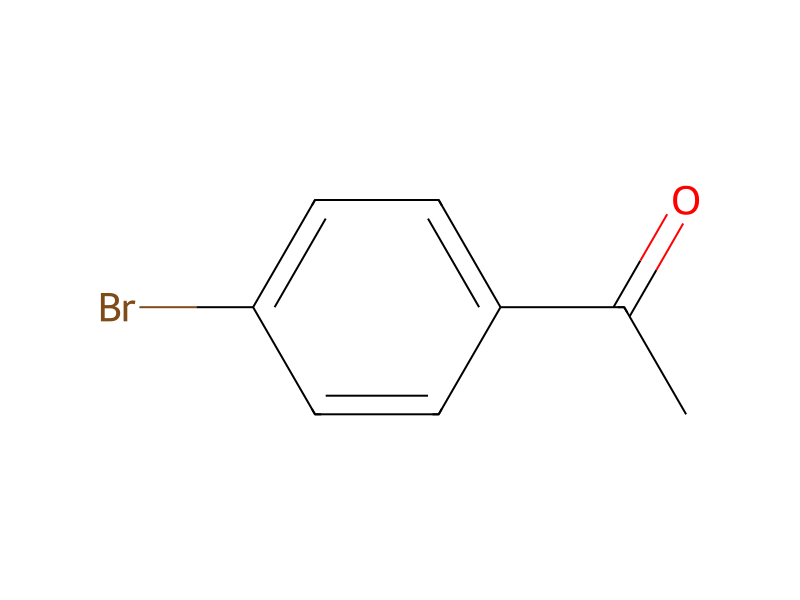
Basic information
- CAS
99-90-1- Standard SMILES
CC(=O)c1ccc(Br)cc1- InChIKey
WYECURVXVYPVAT-UHFFFAOYSA-N- Molecular formula
- C8H7BrO
- Average molar mass
- 199.04 g/mol
- Monoisotopic mass
- 197.96802694
Names & identifiers
- Preferred name
- p-Bromoacetophenone
- IUPAC
- 1-(4-bromophenyl)ethanone
- English name
- 4'-Bromoacetophenone
- Molecular formula
- C8H7BrO
- Molecular weight
- 199.04
Names & synonyms
4'-Bromoacetophenone99-90-11-(4-Bromophenyl)ethanonep-Bromoacetophenone4-BROMOACETOPHENONEEthanone, 1-(4-bromophenyl)-Methyl p-bromophenyl ketoneAcetophenone, 4'-bromo-7NB3XRY0C6DTXSID4059203NSC-17541RefChem:95935
Show more names
2-BROMO-1-(4-BROMOPHENYL)ETHAN-1-ONEPBPBP-BROMOPHENACYL BROMIDEpara-BROMOACETOPHENONEp-BROMOACETOPHENONE pure4′-Bromoacetophenone, CAS 99-90-14-BroMobenz
DTXCID4049113202-799-31-(4-bromophenyl)ethan-1-one1-Acetyl-4-bromobenzeneMFCD00000105p-Bromophenyl methyl ketone1-(4-BROMO-PHENYL)-ETHANONE1-bromo-4-acetylbenzene
Database identifiers
- CAS
99-90-1- PubChem CID
- 7466
- DTXSID
DTXSID4059203- ChEMBL
CHEMBL401928- UNII
- 7NB3XRY0C6
- EC Number
- 202-799-3
- Nikkaji
- J47.715J
Properties
Computed structural propertiesFilling in
- XLogP
- 2.4
- Topological polar surface area
- 17.1 Ų
- Hydrogen bond donors
- 0
- Hydrogen bond acceptors
- 1
- Rotatable bonds
- 1
- Heavy atoms
- 10
- Formal charge
- 0
- Complexity
- 125
Experimental & physicochemical properties
SpringerMaterials PropertiesChemical shift
Physicochemical properties
- Melting point
- 108 · 108-110 °C(lit.)
- Boiling point
- 255 °C · 255 °C(lit.)
- Density
- 1.64 · 1.64
- refractive index
- 1.554 · 1.5540 (estimate)
- Flash point
- 230 °F · >230 °F
- storage temp.
- 30 °C · Store below +30°C.
- solubility
- 0.1 g/mL, · methanol: 0.1 g/mL, clear
- form
- Crystals or Crystalline Flakes
- color
- White to light yellow
- Water Solubility
- Soluble in Chloroform. Insoluble in water.
- Merck
- 14 · 14,1403
- BRN
- 386015 · 386015
Safety & regulation
Safety information is for reference only and does not replace the supplier’s Safety Data Sheet (SDS), applicable regulations, or professional assessment.
GHS classification
GHS Classification
Danger
H302 (82.4%): Harmful if swallowed [Warning Acute toxicity, oral]
P233, P260, P261, P264, P264+P265, P270, P271, P280, P284, P301+P317, P302+P352, P304+P340, P305+P351+P338, P319, P321, P330, P332+P317, P337+P317, P342+P316, P362+P364, P403, P403+P233, P405, and P501 (click each P-code to see the statement)
Aggregated GHS information provided per 51 reports by companies from 11 notifications to the ECHA C&L Inventory. Each notification may be associated with multiple companies.
Hazard information
Regulatory Information
Chemical: Ethanone, 1-(4-bromophenyl)-
4'-Bromoacetophenone: Does not have an individual approval but may be used under an appropriate group standard
Hazard Classes and CategoriesAcute Tox. 4 (82.4%)
Safety data
- F
- 19-21
- PPE
- dust mask type N95 (US), Eyeshields, Faceshields, Gloves
- wgk
- 2
- tsca
- TSCA listed
- rtecs
- AM6950000
- ridadr
- UN 3261 8/PG 2
- hs_code
- 29147090
- risk_code
- 34-36/38-42/43-36/37/38-22
- Signal word
- Warning
- Symbol(GHS)
- GHS07
- hazard_code
- C,Xi,Xn
- hazard_note
- Irritant
Chemistry & industry
Uses & manufacturing
General Manufacturing InformationEthanone, 1-(4-bromophenyl)-: ACTIVE
Applications
Uses4'-Bromoacetophenone is an important organic synthesis intermediate, widely used in synthetic medicine, pesticides, dyes, flavors and fragrances, perfumes, Intermediates of Liquid Crystals etc.
UsesLabeled 4-Bromoacetophenone possess activity against positive phototaxis of Chlamydomonas cells. A fundamental starting material for organic synthesis.
Preparation methods
Preparation4'-Bromoacetophenone is synthesized by the reaction of bromobenzene and acetic anhydride in the presence of aluminum trichloride. Add bromobenzene and dry carbon disulfide into the reactor, put in powdered anhydrous aluminum trichloride, heat until it starts to reflux, stop heating, add acetic anhydride dropwise, and then reflux for 1 hour after adding, steam out carbon disulfide, and put it while it is still hot. The reactant was poured into the hydrochloric acid ice-water mixture, filtered to dryness, and distilled under reduced pressure to obtain p-bromoacetophenone.
Upstream & downstream products
Upstream raw materials
Downstream products
Related reactions
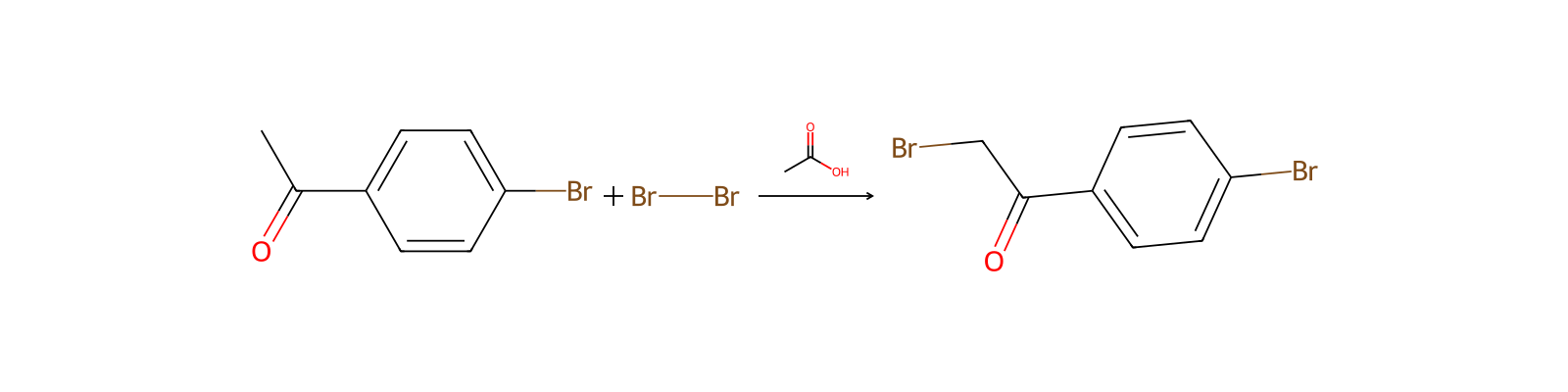
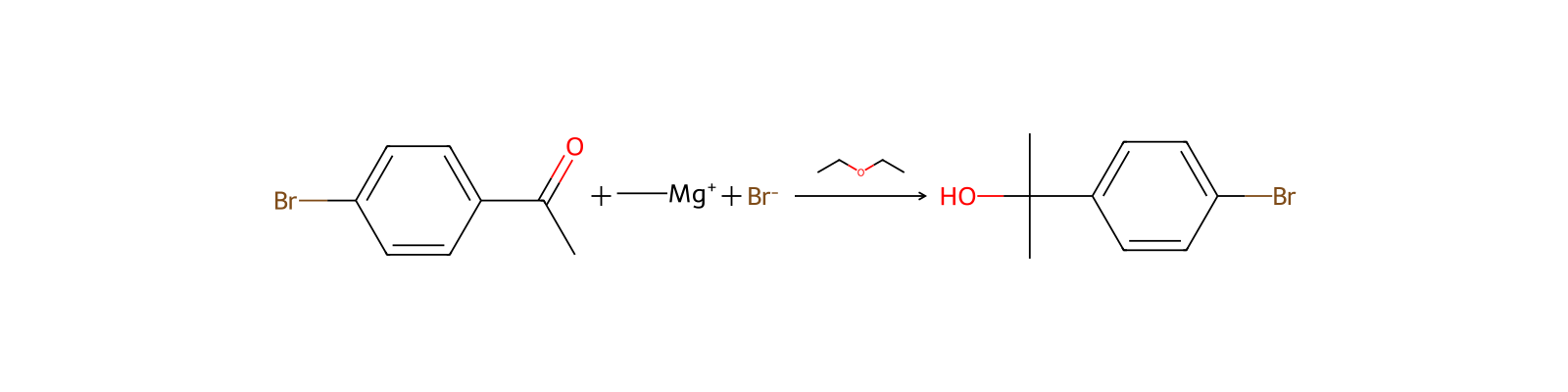
279 records





Compound notes
Loading…