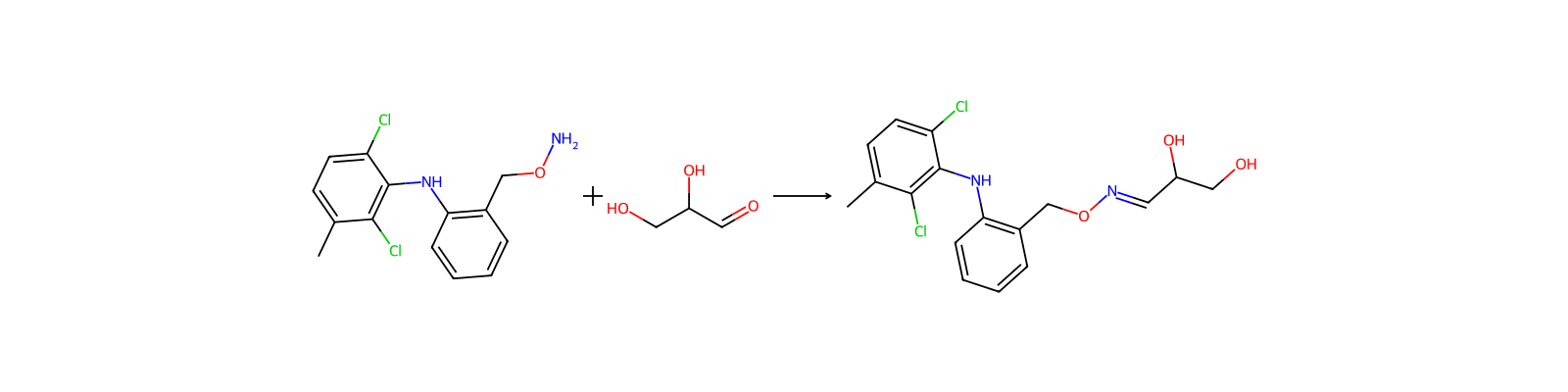
Glyceraldehyde
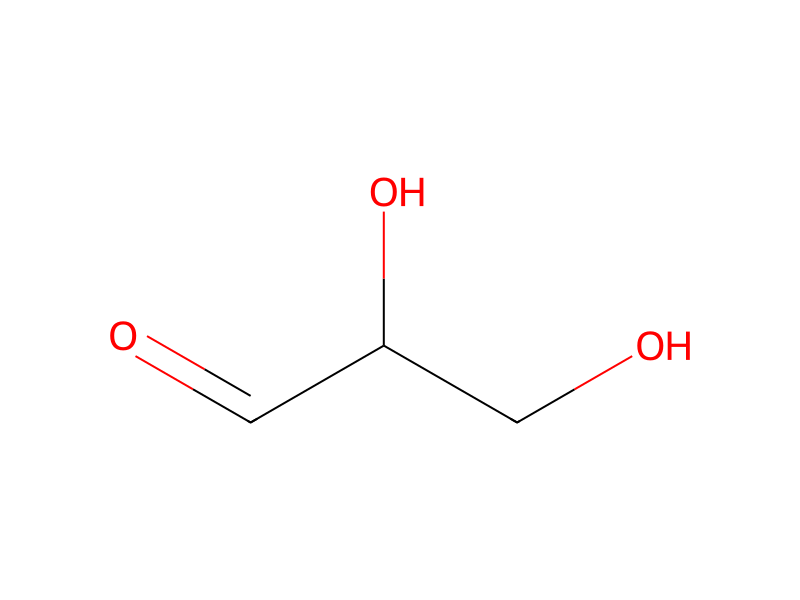
Basic information
- CAS
367-47-5- Standard SMILES
O=CC(O)CO- InChIKey
MNQZXJOMYWMBOU-UHFFFAOYSA-N- Molecular formula
- C3H6O3
- Average molar mass
- 90.08 g/mol
- Monoisotopic mass
- 90.03169405
Overview
Glyceraldehyde is an aldotriose comprising propanal having hydroxy groups at the 2- and 3-positions. It plays role in the formation of advanced glycation end-products (AGEs), a deleterious accompaniment to ageing. It has a role as a fundamental metabolite.
Names & identifiers
- Preferred name
- Glyceraldehyde
- IUPAC
- 2,3-dihydroxypropanal
- English name
- DL-GLYCERALDEHYDE
- Molecular formula
- C3H6O3
- Molecular weight
- 90.08
Names & synonyms
glyceraldehyde2,3-DihydroxypropanalGlyceric aldehydeGlyceroseGlycerinaldehydeGlycerinformal2,3-Dihydroxypropionaldehyde367-47-5alpha,beta-dihydroxypropionaldehydeU 1188CHEBI:5445RefChem:143771
Show more names
NSC 67934-PRO-ASN-OHdl-glyceraldehyd(+-)-glyceraldehyddl-glycericaldehyde
GlyTouCan:G99103VBG99103VB206-695-9DL-Glyceraldehyde56-82-6Propanal, 2,3-dihydroxy-DL-GLYCAldotriose
Database identifiers
- CAS
367-47-5、56-82-6- PubChem CID
- 751
- DTXSID
DTXSID90861586- ChEMBL
CHEMBL173813- ChEBI
CHEBI:5445- UNII
- DI19XSG16H
- EC Number
- 200-290-0、206-695-9
- Nikkaji
- J5.790H
Properties
Computed structural properties
- XLogP
- -1.6
- Topological polar surface area
- 57.5 Ų
- Hydrogen bond donors
- 2
- Hydrogen bond acceptors
- 3
- Rotatable bonds
- 2
- Heavy atoms
- 6
- Formal charge
- 0
- Complexity
- 43.3
Experimental & physicochemical properties
Chemical ClassesBiological Agents -> Monosaccharides and Derivatives
Solubility17 mg/mL
Melting Point145 °C
Physical Description
Solid; [Merck Index] Off-white solid; [Acros Organics MSDS]
Solid
Physicochemical properties
- Melting point
- 144 · 144-145 °C(lit.)
- Boiling point
- 107.25 °C · 107.25°C (rough estimate)
- alpha
- 20 · [α]D20 -0.3~+0.3゜ (c=2.5, H2O)
- Density
- 1.593 g/cm3 · 1.593 g/cm3 (-5℃)
- refractive index
- 1.454 · 1.4540 (estimate)
- storage temp.
- 2 · 2-8°C
- solubility
- Methanol (Slightly), Water (Slightly, Sonicated))
- form
- Solid
Safety & regulation
Safety information is for reference only and does not replace the supplier’s Safety Data Sheet (SDS), applicable regulations, or professional assessment.
Hazard information
Regulatory Information
Chemical: Propanal, 2,3-dihydroxy-
Propanal, 2,3-dihydroxy-: Does not have an individual approval but may be used under an appropriate group standard
Hazards SummaryIntraperitoneal LD50 (rat) = 2,000 mg/kg; [RTECS] May cause irritation; [Acros Organics MSDS]
Toxicology
Carcinogen ClassificationNo indication of carcinogenicity to humans (not listed by IARC).
Safety data
- F
- 10-23
- PPE
- Eyeshields, Gloves, type N95 (US)
- wgk
- 3
- tsca
- TSCA listed
- rtecs
- MA6475000
- hs_code
- 29124990
- safety_code
- 24/25
- Storage Class
- 11 - Combustible Solids
Chemistry & industry
Pharmacology
Tissue LocationsNeuron
Cellular LocationsCytoplasm
Metabolite PathwaysD-glyceric acidura
Uses & manufacturing
General Manufacturing InformationPropanal, 2,3-dihydroxy-: ACTIVE
Applications
UsesDL-Glyceraldehyde has been used:as modifying reagent in the preparation of crystallization solution as a substrate to measure aldose reductase activityin the preparation of d/l-glyceraldehyde stock to determine the specific activity of GAPDH (glyceraldehyde 3-phosphate dehydrogenase)
UsesIsotope labelled Glyceraldehyde is the simplest of all aldoses and have been shown to be the one of the carbonyl metabolite of dietary fructose.
General DescriptionGlyceraldehyde is a simple monosaccharide. Based on the number of carbon atoms and the type of carbonyl group present, glyceraldehyde belongs to subgroup triose. It is a colourless and sweet compound.
Upstream & downstream products
Upstream raw materials
Downstream products
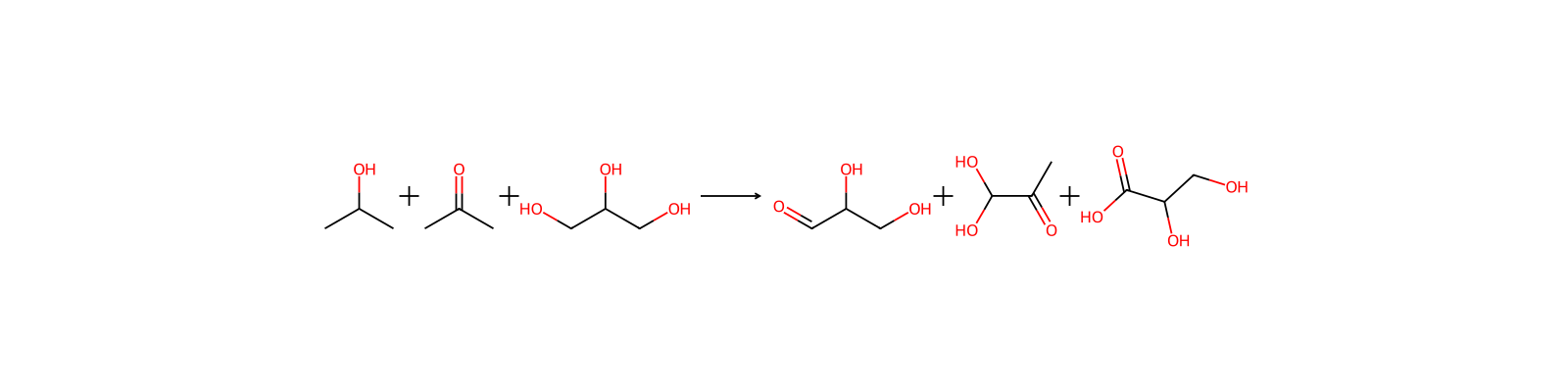
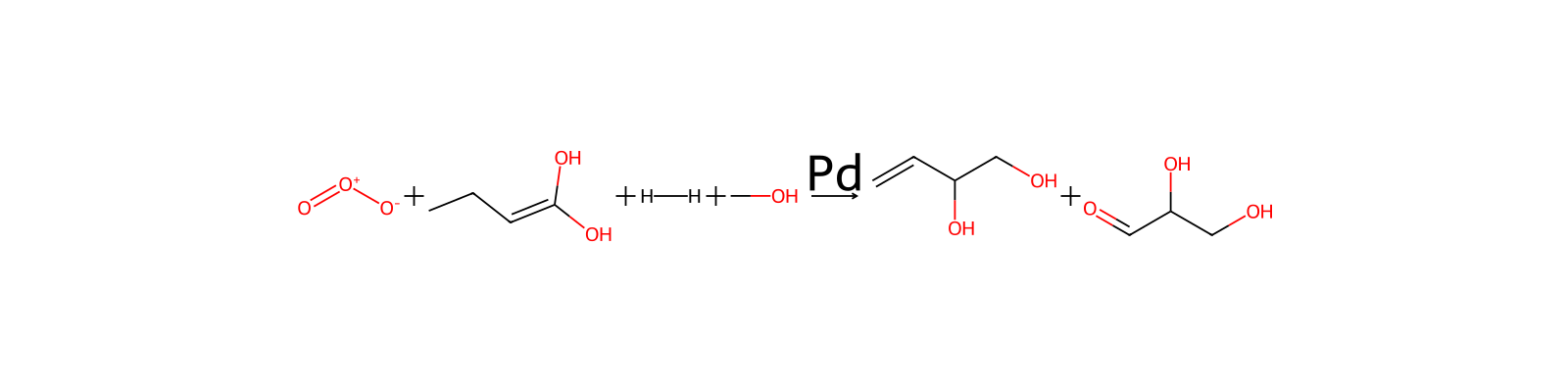
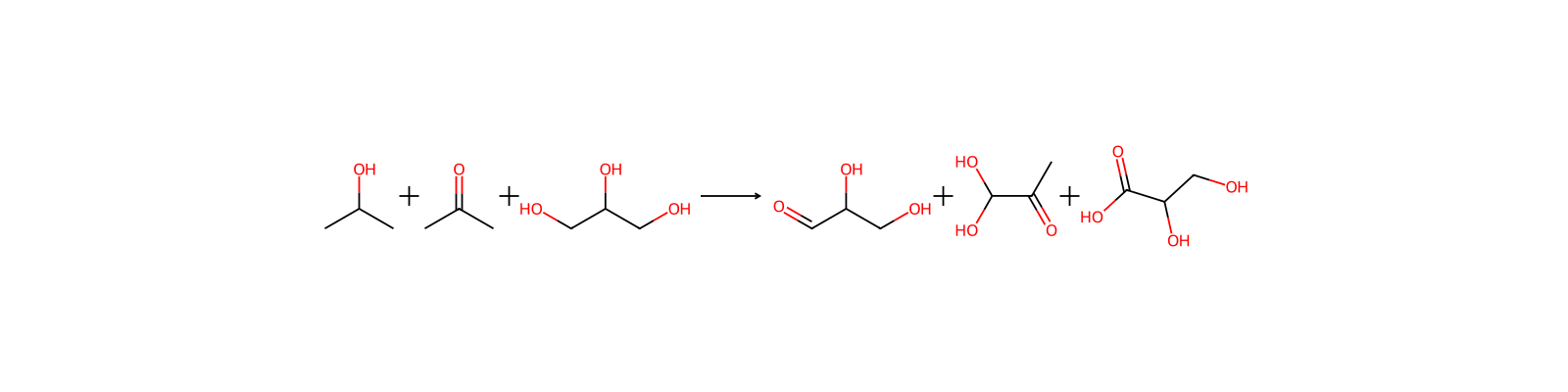
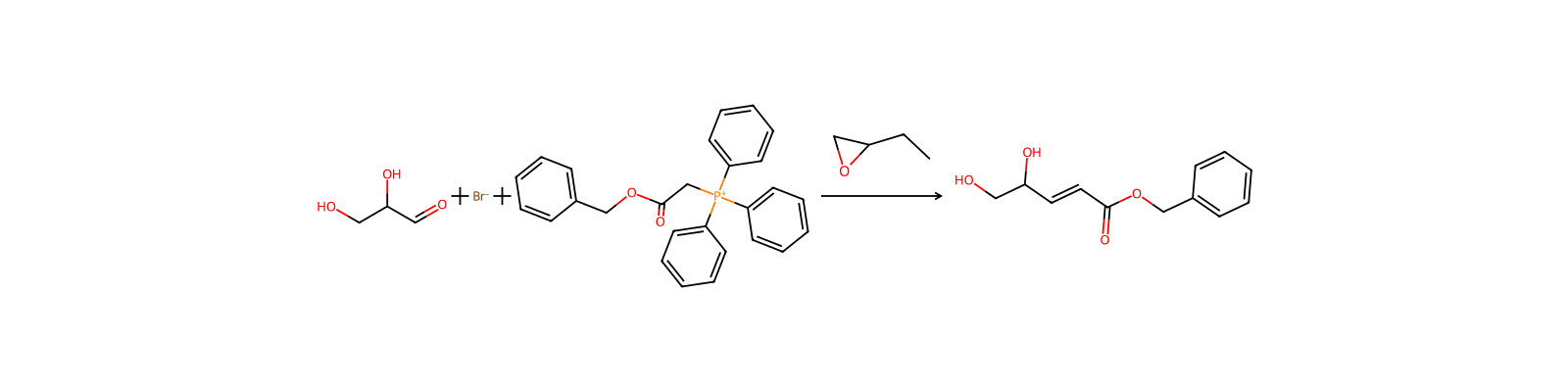
Related reactions
39 records



Compound notes
Loading…