Basic information
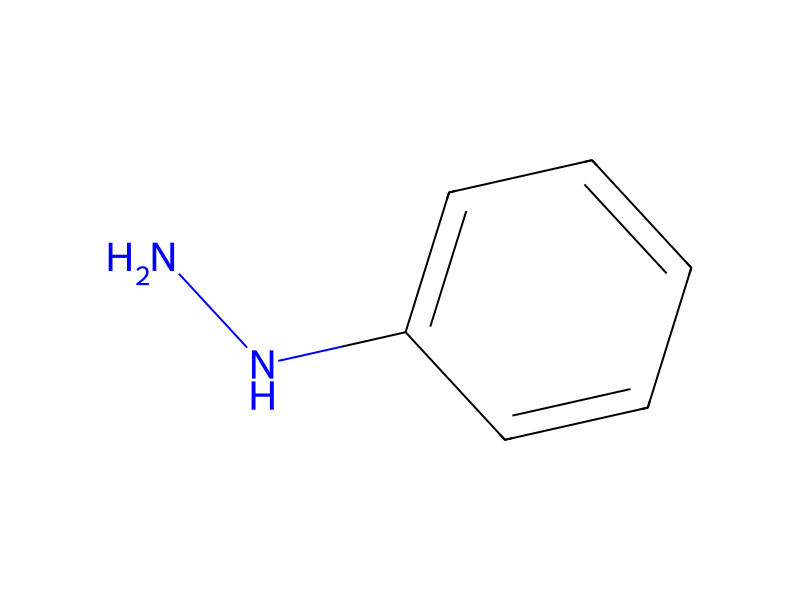
- Standard SMILES
NNc1ccccc1- InChIKey
HKOOXMFOFWEVGF-UHFFFAOYSA-N- Molecular formula
- C6H8N2
- Average molar mass
- 108.14 g/mol
- Monoisotopic mass
- 108.06874826
Overview
Phenylhydrazine and its salts can cause cancer according to The National Institute for Occupational Safety and Health (NIOSH).
Names & identifiers
- Preferred name
- Phenylhydrazine
- IUPAC
- phenylhydrazine
- English name
- Phenylhydrazine
- Molecular formula
- C6H8N2
- Molecular weight
- 108.14
Names & synonyms
PHENYLHYDRAZINE100-63-0HydrazinobenzeneHydrazine, phenyl-PhenylhydrazinMonophenylhydrazineHydrazine-benzeneFenilidrazinaFenylhydrazinePhenyldiazaneDTXSID8021147CHEBI:27924
Show more names
Phenyl hydrazidephenyl-hydrazinPhenylhydrazine,95%JACS-100-63-0
064F424C9KDTXCID301147phenylhydrazideRefChem:173073202-873-51-Phenylhydrazinephenyl hydrazinephenyl-hydrazine
Database identifiers
- CAS
100-63-0- PubChem CID
- 7516
- DTXSID
DTXSID8021147- ChEMBL
CHEMBL456807- ChEBI
CHEBI:27924- UNII
- 064F424C9K
- EC Number
- 202-873-5
- Nikkaji
- J38.250G
Properties
Computed structural properties
- XLogP
- 1.2
- Topological polar surface area
- 38.1 Ų
- Hydrogen bond donors
- 2
- Hydrogen bond acceptors
- 2
- Rotatable bonds
- 1
- Heavy atoms
- 8
- Formal charge
- 0
- Complexity
- 57.5
Experimental & physicochemical properties
Chemical Classes
Nitrogen Compounds -> Hydrazines
Flammable agents - 2nd degree
SpringerMaterials Properties13C nuclear magnetic resonance spectrum
LogP
log Kow= 1.25
1.25
OdorFaint, aromatic odor.
Density
1.0978 (USCG, 1999) - Denser than water; will sink
1.0978 at 20 °C/4 °C
Relative density (water = 1): 1.1
1.1
1.0978 @ 20°C
1.10
Color/Form
Monoclinic prisms or oil
Colorless to pale yellow liquid or solid (below 67 degrees F).
Solubility
Slight (NIOSH, 2024)
Sparingly sol petroleum ether, sol in dil acids. Miscible in alcohol, ether, chloroform, and benzene
Soluble in oxygenated, chlorinated, and aromatic solvents.
Very soluble in acetone.
In water, 1.27X10+5 mg/L at 25 °C
Solubility in water, g/100ml at 25 °C: 14.5
Flash Point
190 °F (USCG, 1999)
88 °C
190 °F, 88 °C (closed cup)
88 °C c.c.
190 °F
190 °F
Boiling Point
471 °F at 760 mmHg (with decomposition) (USCG, 1999)
243.5 °C, decomp (760 mm Hg); 173.5 °C at 100 mm Hg; 148.2 °C at 40 mm Hg; 131.5 °C at 20 mm Hg; 115.8 °C at 10 mm Hg; 101.6 °C at 5 mm Hg; 71.8 °C at 1 mm Hg
470 °F (decomposes)
243.5 °C @760 [mm Hg]
470 °F (Decomposes)
Decomposition
When heated to decomposition it emits highly toxic fumes of /nitrogen oxides/.
243.5 °C
Melting Point
68 °F (USCG, 1999)
19.5 °C
MP: 243-6 °C, decomposes; molecular wt 144.60 /Phenylhydrazine hydrochloride/
Liquid Molar Volume= 0.098820 cu m/kmol; IG Heat of Formation= 2.0350X10+8 J/kmol; Heat of Fusion at the Melting Point= 1.6429X10+7 J/kmol.
19.5 °C
67 °F
Vapor Density
3.7 (air= 1)
Relative vapor density (air = 1): 3.7
Physicochemical properties
- Melting point
- 18 · 18-21 °C (lit.)
- Boiling point
- 238 · 238-241 °C (lit.)
- Density
- 1.098 g/mL · 1.098 g/mL at 25 °C (lit.)
- vapor density
- 4.3 · 4.3 (vs air)
- vapor pressure
- 0.1 mm · <0.1 mm Hg ( 20 °C)
- refractive index
- 20 · n20/D 1.607(lit.)
- Flash point
- 192 °F · 192 °F
- storage temp.
- 30 °C · Store below +30°C.
- solubility
- Soluble in dilute acids.
- form
- Powder
- pka
- 8.79 · 8.79(at 15℃)
- color
- White to slightly blue or light beige
- explosive limit
- 1.1 % · 1.1%(V)
- Water Solubility
- 145 g/L · 145 g/L (20 ºC)
- Specific Heat Capacity
- 2.01 J/ · Cp(liquid): 2.01 J/(g·K), at 25℃
- Sensitive
- Air & Light Sensitive
- Merck
- 14 · 14,7293
- BRN
- 606080 · 606080
- Henry's Law Constant
- 2.2 · 2.2×103 mol/(m3Pa) at 25℃, Duchowicz et al. (2020)
- Exposure limits
- 0.1 ppm · ACGIH:TLV-TWA 0.1 ppm (0.44 mg/m3)OSHA:PEL-TWA 5 ppm (22 mg/m3)NIOSH:REL-Ceiling 0.14 ppm [2-hr]
- Dielectric constant
- 7.2 · 7.2(23℃)
- Stability
- Stable, but may decompose in sunlight. May be air or light sensitive. Incompatible with strong oxidizing agents, metal oxides.
- InChI
- 1S/C6H8N2/c7-8-6-4-2-1-3-5-6/h1-5,8H,7H2
- InChIKey
- HKOOXMFOFWEVGF-UHFFFAOYSA-N
- SMILES
- NNc1ccccc1
- CAS DataBase Reference
- 100 · 100-63-0(CAS DataBase Reference)
- FDA UNII
- 64 F424C9K · 064F424C9K
- NIST Chemistry Reference
- Hydrazine, phenyl-(100-63-0)
- EPA Substance Registry System
- Phenylhydrazine (100-63-0)
- UNSPSC Code
- 12352127 · 12352127
- NACRES
- 22 · NA.22
- Symbol(GHS)
- 6 · GHS06,GHS08,GHS09
- Signal word
- Danger
- Hazard statements
- 310 · H310-H301+H331-H315-H319-H370-H372-H317-H341-H350-H400-H227
- Precautionary statements
- 501 · P501-P273-P272-P270-P262-P202-P260-P210-P201-P271-P264-P280-P370+P378-P391-P337+P313-P305+P351+P338-P308+P311-P361+P364-P333+P313-P301+P310+P330-P302+P352+P310-P304+P340+P311-P403+P233-P403+P235-P405
- PPE
- Eyeshields, Faceshields, Gloves, type ABEK (EN14387) respirator filter
- Hazard Codes
- T,N
- Risk Statements
- 45 · 45-23/24/25-36/38-43-48/23/24/25-50-68
- Safety Statements
- 53 · 53-45-61
- OEL
- 0.14 ppm · Ceiling: 0.14 ppm (0.6 mg/m3) [2-hr] [skin]
- RIDADR
- 2572 · UN 2572
- WGK Germany
- 3 · 3
- RTECS
- 8925000 · MV8925000
- F
- 8 · 8-10-23
- Autoignition Temperature
- 345 °F · 345 °F
- TSCA
- TSCA listed
- HS Code
- 2928 · 2928 00 90
- HazardClass
- 6.1 · 6.1
- PackingGroup
- II
- Storage Class
- 6.1 A · 6.1A - Combustible, acute toxic Cat. 1 and 2very toxic hazardous materials
- Hazard Classifications
- 3 DermalAcute · Acute Tox. 3 DermalAcute Tox. 3 InhalationAcute Tox. 3 OralAquatic Acute 1Carc. 1BEye Irrit. 2Muta. 2Skin Irrit. 2Skin Sens. 1STOT RE 1
- Hazardous Substances Data
- 100 · 100-63-0(Hazardous Substances Data)
- Toxicity
- 50 orally · LD50 orally in Rabbit: 188 mg/kg
- IDLA
- 15 ppm · 15 ppm
- REACH Registrations
- Active
- Limited Quantities
- 0.5 Kg · 0.5 Kg (solid)
- Excepted Quantities
- Max Inner Pack (1g or 1ml) and Max Outer Pack (500g or 500ml)
Safety & regulation
GHS classification
GHS Classification
Danger
H301: Toxic if swallowed [Danger Acute toxicity, oral]
P203, P260, P261, P262, P264, P264+P265, P270, P271, P272, P273, P280, P301+P316, P302+P352, P304+P340, P305+P351+P338, P316, P318, P319, P321, P330, P332+P317, P333+P317, P337+P317, P361+P364, P362+P364, P391, P403+P233, P405, and P501 (click each P-code to see the statement)
Danger
H301 (100%): Toxic if swallowed [Danger Acute toxicity, oral]
P203, P260, P261, P262, P264, P264+P265, P270, P271, P272, P273, P280, P301+P316, P302+P352, P304+P340, P305+P351+P338, P316, P318, P319, P321, P330, P332+P317, P333+P317, P337+P317, P361+P364, P362+P364, P391, P403+P233, P405, and P501 (click each P-code to see the statement)
Hazard information
Regulatory Information
Chemical: Hydrazine, phenyl-
Hydrazine, phenyl- is listed on the EPA's Chemical Data Reporting (CDR) system. Manufacturers and importers of Hydrazine, phenyl- are required to report information about their production and use of this chemical to the EPA under the Toxic Substances Control Act (TSCA). (40 eCFR Part 711)
Status: Active Update: 01-04-2022 https://echa.europa.eu/registration-dossier/-/registered-dossier/14149
Phenylhydrazine: HSNO Approval: HSR003056 Approved with controls
The New Jersey Worker and Community Right to Know Act requires public and private employers to provide information about hazardous substances at their workplaces. (N.J.S.A. 34:5A-1 et. seq.)
Other Safety InformationIMAP assessments - Phenylhydrazine and its monohydrochloride: Human health tier II assessment
DOT LabelPoison
Fire Hazards
Special Hazards of Combustion Products: Irritating vapors and toxic gases, such as nitrogen oxides and carbon monoxide, may be formed when involved in fire.
· Combustible material: may burn but does not ignite readily.
Combustible. Gives off irritating or toxic fumes (or gases) in a fire. Above 88 °C explosive vapour/air mixtures may be formed.
Fire PotentialFlammable when exposed to heat, flame, or oxidizers.
Health Hazards
Material is corrosive to tissue. Exposure can cause vomiting, diarrhea, fatigue, headache, and irritation and itchiness of the eyes and skin. (USCG, 1999)
· TOXIC and/or CORROSIVE; inhalation, ingestion or skin contact with material may cause severe injury or death.
Hazards Summary
Hemolytic anemia has been observed in workers after inhalation and dermal exposures. [ACGIH] Phenylhydrazine is a potent skin sensitizer and can cause hemolytic anemia by all routes of exposure. Toxic effects were observed in patients treated for polycythemia with doses of 0.2 G/day for 3 or 4 doses, then 0.1 G/day. Adverse effects included hemolytic anemia, liver injury, and methemoglobinemia. [HSDB] Can cause hemolytic anemia and skin sensitization; [ICSC] Causes first-degree burns on short exposure and second-degree burns on prolonged exposure; [CHRIS]
DOT ID and Guide
2572 153
2572 153
Reactive GroupAzo, Diazo, Azido, Hydrazine, and Azide Compounds
EC ClassificationSymbol: T, N; R: 45-23/24/25-36/38-43-48/23/24/25-68-50; S: 53-45-61; Note: E
UN ClassificationUN Hazard Class: 6.1; UN Pack Group: II
Special ReportsInternational Programme on Chemical Safety's Concise International Chemical Assessment Documents. Available from http://www.inchem.org/pages/cicads.html Number 19: Phenyl hydrazine as of April 16, 2004.
Safety & protection
Fire Fighting
Excerpt from ERG Guide 153 [Substances - Toxic and/or Corrosive (Combustible)]:
Use water spray, alcohol-resistant foam, powder, carbon dioxide. In case of fire: keep drums, etc., cool by spraying with water.
First Aid Measures
Fresh air, rest. Refer for medical attention.
Remove contaminated clothes. Rinse skin with plenty of water or shower. Refer for medical attention .
First rinse with plenty of water for several minutes (remove contact lenses if easily possible), then refer for medical attention.
Rinse mouth. Give a slurry of activated charcoal in water to drink. Refer for medical attention .
Accidental Release Measures
· CALL 911. Then call emergency response telephone number on shipping paper. If shipping paper not available or no answer, refer to appropriate telephone number listed on the inside back cover.
· ELIMINATE all ignition sources (no smoking, flares, sparks or flames) from immediate area.
First Aid
Excerpt from NIOSH Pocket Guide for Phenylhydrazine:
General First Aid:
(General first aid procedures)
Safe StorageSeparated from strong oxidants and food and feedstuffs. Store in an area without drain or sewer access.
Exposure Control and Personal Protection· Wear positive pressure self-contained breathing apparatus (SCBA).
Storage Conditions
Keep well closed and protected from light
Since they are strong reducing agents, they are hypergolic when in contact with strong oxidizers ... /Hydrazine derivatives/
All hydrazines should be stored at temperatures well below their boiling points. Hydrazines that are ignitable shall be stored in electrically grounded containers and isolated from ignition sources and oxidants. All containers of hydrazines shall be kept tightly closed when not in use and stored in a cool ventilated room or sheltered outside space. In the containers, a blanket of nitrogen or other inert gas should be placed over the hydrazines.
Nonfire Spill ResponseExcerpt from ERG Guide 153 [Substances - Toxic and/or Corrosive (Combustible)]:
Disposal Methods
SRP: The most favorable course of action is to use an alternative chemical product with less inherent propensity for occupational exposure or environmental contamination. Recycle any unused portion of the material for its approved use or return it to the manufacturer or supplier. Ultimate disposal of the chemical must consider: the material's impact on air quality; potential migration in soil or water; effects on animal, aquatic, and plant life; and conformance with environmental and public health regulations.
Spillage Disposal
Evacuate danger area! Personal protection: complete protective clothing including self-contained breathing apparatus. Do NOT let this chemical enter the environment. If liquid: collect leaking liquid in sealable containers. Absorb remaining liquid in sand or inert absorbent. If solid: sweep spilled substance into containers. Carefully collect remainder. Then store and dispose of according to local regulations.
Preventive Measures
SRP: The scientific literature for the use of contact lenses in industry is conflicting. The benefit or detrimental effects of wearing contact lenses depend not only upon the substance, but also on factors including the form of the substance, characteristics and duration of the exposure, the uses of other eye protection equipment, and the hygiene of the lenses. However, there may be individual substances whose irritating or corrosive properties are such that the wearing of contact lenses would be harmful to the eye. In those specific cases, contact lenses should not be worn. In any event, the usual eye protection equipment should be worn even when contact lenses are in place.
SRP: Contaminated protective clothing should be segregated in such a manner so that there is no direct personal contact by personnel who handle, dispose, or clean the clothing. Quality assurance to ascertain the completeness of the cleaning procedures should be implemented before the decontaminated protective clothing is returned for reuse by the workers. Contaminated clothing should not be taken home at end of shift, but should remain at employee's place of work for cleaning.
... Should be used only in well ventilated premises and cumulative action of repeated small doses should be avoided.
Inhalation of salt dusts should be avoided. /Hydrazine & derivatives/
For more Preventive Measures (Complete) data for PHENYLHYDRAZINE (9 total), please visit the HSDB record page.
Isolation and Evacuation
Excerpt from ERG Guide 153 [Substances - Toxic and/or Corrosive (Combustible)]:
Immediate precautionary measure
Toxicology
Cancer Sites[in animals: tumors of the lungs, liver, blood vessels & intestine]
Interactions
Erythrocytes (RBC) from phenylhydrazine treated mice are protective when injected into syngenic mice before x-ray irradiation. Evidence suggested that repair of hemopoietic stem cells was enhanced in mice injected with phenylhydrazine red blood cells before x-ray irradiation.
The protective effect of phenylhydrazine hydrochloride (PHCL) against acute deaths resulting from whole body irradiation was examined in mice. Male (C3H/C57Bl)F1 mice received sc 1 mg PHCL in 0.1 mL water for 3 days. Controls received injections of water. Mice were injected ip with (59)iron as citrate 1 to 10 days after 3rd PHCL injection. Some mice were exposed to 800 roentgens at various intervals after 3rd injection. During the 1st five days, PHCL caused increases in spleen wt and (59)iron uptake in erthyrocytes and spleen, but a reduction in (59)iron uptake in femurs. All values returned to those of controls by 10 days after 3rd injection. Thirty-day survival of water injected control was 10%. Pretreatment with PHCL improved 30-day survival to almost 100% when mice were irradiated between 4 and 8 days after 3rd injection. Apparently the improved survival resulted from an increase in the number of hemopoietic stem cells at time of irradiation. /Phenylhydrazine hydrochloride/
The peroxidation induced by phenylhydrazine in rats chronically exposed to lead was evaluated. Wistar-rats were exposed to lead in-utero and up to four months after birth via administration of distilled drinking water containing ...lead-acetate. The animals were then maintained in a closed desiccator system for analysis of exhaled hydrocarbons before or immediately after injection of phenylhydrazine. The effect of chronic lead pretreatment was assessed by measuring the production of the four main volatile hydrocarbons: ethane and pentane as indices of lipid peroxidation; propane as a marker of protein peroxidation; and ethylene as an index of both lipid and protein peroxidations. Lead alone did not increase the physiological formation of alkanes. After phenylhydrazine injection, lipid peroxidation markers were not modified except for pentane in male lead treated rats. Ethylene and propane exhalation, on the other hand, were increased 45 minutes after phenylhydrazine injection in lead treated rats, indicating lead induced potentiation of the oxidative effect of phenylhydrazine.
Target OrgansBlood, respiratory system, liver, kidneys, skin
Ecotoxicity Values
LC50 Brachydanio rerio (Zebrafish) 0.16-0.26 mg/L/96 hr /Conditions of bioassay not specified in source examined/
EC50 Daphnia sp. (Water flea; intoxication, immobilization) <1200 ug/L 24 hr; static
LC50 Oryzias latipes (Medaka) 21,400 ug/L/24 hr, 15,700 ug/L/48 hr; static
Environmental Fate
TERRESTRIAL FATE: Based on a recommended classification scheme(1), an estimated Koc value of 110(SRC), determined from a measured log Kow of 1.25(2) and a recommended regression-derived equation(3), indicates that phenylhydrazine will have high mobility in soil(SRC). Phenylhydrazine is a weak base with a pKa of 5.21(4), suggesting it will partially exist as a cation in moist soil, and the cationic form may adsorb to soil more than the free base(SRC). Phenylhydrazine is not expected to volatilize from moist soil surfaces(SRC)because cations do not volatilize and the Henry's Law constant of the free base is estimated as 2.9X10⁻⁸ atm-cu m/mole(SRC), calculated from experimental values for vapor pressure, 0.026 mm Hg(5), and water solubility, 1.27X10+5 mg/L(6). In the Zahn-Wellens aqueous screening test, 85% of this compound was biodegraded in 9-13 days(7). Phenylhydrazine may be susceptible to photolysis upon exposure to sunlight on soil surfaces as it strongly absorbs UV light in the environmentally significant range (wavelengths >290 nm)(8).
AQUATIC FATE: Based on a recommended classification scheme(1), an estimated Koc value of 110(SRC), determined from a measured log Kow of 1.25(2) and a recommended regression-derived equation(3), indicates that phenylhydrazine should not adsorb to suspended solids and sediment in water(SRC). Phenylhydrazine is a weak base with a pKa of 5.21(4), suggesting it will partially exist as a cation in water, and the cationic form may adsorb to sediment more than the free base(SRC). Phenylhydrazine is not expected to volatilize from water surfaces(3)because cations do not volatilize and the Henry's Law constant of the free base is estimated as 2.9X10⁻⁸ atm-cu m/mole(SRC), calculated from experimental values for vapor pressure, 0.026 mm Hg(5), and water solubility, 1.27X10+5 mg/L(6). According to a classification scheme(7), an estimated BCF value of 2(SRC), from a measured log Kow(2) and regression derived equation(8), suggests the potential for bioconcentration in aquatic organisms is low(SRC). Based on limited data, phenylhydrazine may biodegrade under aerobic conditions in natural water environments(SRC). In the Zahn-Wellens aqueous screening test, 85% of this compound was biodegraded in 9-13 days(9). Phenylhydrazine is not expected to undergo hydrolysis as it lacks hydrolyzable functional groups, but may be susceptible to photolysis upon exposure to sunlight in natural waters because it strongly absorbs UV light in the environmental UV spectrum (wavelengths >290 nm)(10).
ATMOSPHERIC FATE: According to a model of gas/particle partitioning of semivolatile organic compounds in the atmosphere(1), phenylhydrazine, which has a measured vapor pressure of 0.026 mm Hg at 25 °C(2), will exist solely as a vapor in the ambient atmosphere. Vapor-phase phenylhydrazine is degraded in the atmosphere by reaction with photochemically-produced hydroxyl radicals(SRC); the half-life for this reaction in air is estimated to be about 9 hours(SRC), calculated from its rate constant of 4.3X10⁻¹¹ cu cm/molecule-sec at 25 °C(SRC) estimated with a structure estimation method(3).
Adverse EffectsOccupational hepatotoxin - Secondary hepatotoxins: the potential for toxic effect in the occupational setting is based on cases of poisoning by human ingestion or animal experimentation.
Exposure Routes
The substance can be absorbed into the body by inhalation of its aerosol, through the skin and by ingestion.
inhalation, skin absorption, ingestion, skin and/or eye contact
Toxicity Summary
IDENTIFICATION: Phenylhydrazine exists as yellow to brown crystals or as a yellowish oily liquid. This chemical is used world wide mainly as a chemical intermediate in the pharmaceutical, agrochemical and chemical industries. HUMAN EXPOSURE: The number of persons potentially exposed to phenylhydrazine or its hydrochloride salt is unknown, but is expected to be small. No personal exposure data were available. There is evidence that phenylhydrazine has skin sensitizing properties in humans. There are no adequate data available regarding the reproductive or developmental effects, hence, it is not possible to evaluate the risk to human health for these endpoints. The level of risk in occupational settings is uncertain; as a result, there is a continuing requirement to reduce exposure levels with the technology currently available. The lack of available data to serve as a basis for estimation of indirect exposure of individuals to phenylhydrazine from the general environment precludes the characterization of potential cancer risks for the general population. ANIMAL/PLANT STUDIES: The limited data on the toxicokinetics indicate that phenylhydrazine is well absorbed by inhalation, oral and dermal routes and binds readily with hemoglobin in red blood cells. Metabolism seems to occur via ring hydroxylation and conjugation, probably with glucuronic acid. Excretion is primarily via the urine. Phenylhydrazine is toxic by single exposure via the oral route (LD50 80-188 mg/kg body weight) and is expected to be toxic by inhalation and dermal routes (data from these routes are less clear). Phenylhydrazine has potential for skin and eye irritation. Exposure to this chemical may cause damage to red blood cells, potentially resulting in anemia and consequential secondary involvement of other tissues such as the spleen and liver. Phenylhydrazine is mutagenic in vitro, and there is some evidence to indicate that it may express genotoxic activity in vivo. The substance is clearly carcinogenic in mice following oral dosing, inducing tumors of the vascular system. Phenylhydrazine is readily biodegradable. Phenylhydrazine is toxic to aquatic organisms, with the lowest reported no observed effect concentration (NOEC) in standard acute fish tests at 0.01 mg/l; fish are generally more sensitive than either daphnids or bacteria. A NOEC of 0.49 ug/l has been reported for embryo larval stages of the zebra fish (Brachydanio rerio).
Ecotoxicity Excerpts
/AQUATIC SPECIES/ The toxicities of hydrazine and phenylhydrazine to embryos and larvae of zebrafish, Brachydanio rerio, were studied under standardized conditions. Exposures to the chemicals started at the blastula stage and the effect on hatching and survival were monitored for 15 days. The results showed that toxicities of phenylhydrazine to both embryos and larvae were more than those of hydrazine. The Lowest Observed Effect Concentration for hatching was 0.049 mg/L for hydrazine and 0.0078 mg/L for phenylhydrazine, the Lowest Observed Effects Concentration for survival of larvae was 0.0035 mg/L for hydrazine and 0.00098 mg/L for phenylhydrazine, respectively. The No Observed Effect Concentration for hatching was 0.0245 mg/L for hydrazine and 0.0039 mg/L for phenylhydrazine and the No Observed Effect Concentration for survival of larvae was 0.00175 mg/L for hydrazine and 0.00049 mg/L for phenylhydrazine, respectively.
/AQUATIC SPECIES/ In a study on the goldfish (Carassius auratus), 40% of fish died when exposed to phenylhydrazine at a nominal concentration of 1 mg/L for 48 h. Signs of toxicity included erratic swimming, sinking to the bottom of the test tank, and slowed and erratic respiration. No gross lesions were found following dissection, although all viscera showed focal hemorrhaging.
/AQUATIC SPECIES/ Effects on blood cells and the hematopoietic system, comparable to those found in mammals, were seen in fish injected with phenylhydrazine. Chinook salmon (Oncorhynchus tshawytscha) juveniles were injected with 12.5 mg phenylhydrazine/kg body weight. Red cell count, hemoglobin, and hematocrit fell to 1-5% of their normal values within 10 days of treatment; a slight improvement was reported 15 days following injection, and values had returned to normal 95 days after treatment.
Signs and Symptoms
Cough. Sore throat. Weakness. Dizziness.
MAY BE ABSORBED! Dry skin. Redness. Pain.
Redness. Pain. Blurred vision.
Abdominal pain. Diarrhoea. Dizziness. Nausea. Vomiting. Weakness.
Skin sensitization, hemolytic anemia, dyspnea (breathing difficulty), cyanosis; jaundice; kidney damage; vascular thrombosis; [potential occupational carcinogen]
ICSC Environmental DataThe substance is toxic to aquatic organisms.
Medical Surveillance
... Situations in which air concentration ... approach 5 ppm and particularly where there is additional possibility of skin contact, workers should be under careful medical observation.
It is essential that alcoholics or persons suffering from liver ailments or blood disorders are ... /protected/ from work with phenylhydrazine. Complete periodic medical exam should including blood tests, as well as biochemical tests (glycemia, cholesterolemia, bilirubinemia). Urine should be exam ... for the degradation products of phenylhydrazine.
Regulatory information
TSCA Requirements
Section 8(a) of TSCA requires manufacturers of this chemical substance to report preliminary assessment information concerned with production, exposure, and use to EPA as cited in the preamble in 51 FR 41329.
Pursuant to section 8(d) of TSCA, EPA promulgated a model Health and Safety Data Reporting Rule. The section 8(d) model rule requires manufacturers, importers, and processors of listed chemical substances and mixtures to submit to EPA copies and lists of unpublished health and safety studies. Phenylhydrazine is included on this list.
Safety data
- F
- 8-10-23
- OEL
- Ceiling: 0.14 ppm (0.6 mg/m3) [2-hr] [skin]
- PPE
- Eyeshields, Faceshields, Gloves, type ABEK (EN14387) respirator filter
- wgk
- 3
- IDLA
- 15 ppm
- tsca
- TSCA listed
- rtecs
- MV8925000
- ridadr
- UN 2572
- hs_code
- 2928 00 90
- Toxicity
- LD50 orally in Rabbit: 188 mg/kg
- risk_code
- 45-23/24/25-36/38-43-48/23/24/25-50-68
- Signal word
- Danger
- Symbol(GHS)
- GHS06,GHS08,GHS09
- hazard_code
- T,N
- safety_code
- 53-45-61
- hazard_class
- 6.1
- Storage Class
- 6.1A - Combustible, acute toxic Cat. 1 and 2very toxic hazardous materials
- packing_group
- II
- Hazard statements
- H310-H301+H331-H315-H319-H370-H372-H317-H341-H350-H400-H227
- Limited Quantities
- 0.5 Kg (solid)
- Excepted Quantities
- Max Inner Pack (1g or 1ml) and Max Outer Pack (500g or 500ml)
- REACH Registrations
- Active
- Hazard Classifications
- Acute Tox. 3 DermalAcute Tox. 3 InhalationAcute Tox. 3 OralAquatic Acute 1Carc. 1BEye Irrit. 2Muta. 2Skin Irrit. 2Skin Sens. 1STOT RE 1
- Autoignition Temperature
- 345 °F
- Precautionary statements
- P501-P273-P272-P270-P262-P202-P260-P210-P201-P271-P264-P280-P370+P378-P391-P337+P313-P305+P351+P338-P308+P311-P361+P364-P333+P313-P301+P310+P330-P302+P352+P310-P304+P340+P311-P403+P233-P403+P235-P405
- Hazardous Substances Data
- 100-63-0(Hazardous Substances Data)
Chemistry & industry
Pharmacology
Mechanism of Action
Superoxide anion was unimportant in phenylhydrazine induced hemolysis and destruction of human oxyhemoglobin. Phenyldiazene, presumably produced by 2-electron oxidation of phenylhydrazine by oxyhemoglobin, hemolyzed red cells rapidly and converted oxyhemoglobin into methemoglobin, hemichromes, and other hemoglobin breakdown products. Induction of hemolysis by phenyldiazene requires the presence of oxygen. The hemolysis produced in presence of phenyldiazene and oxygen was related to lipid peroxidation. It is concluded that the active hemolytic agent produced by phenylhydrazine in red cells is a phenyldiazene-derived free radical produced by reaction of phenyldiazene with oxygen, and is most probably the phenyl free radical.
The enzyme systems in rat liver and lung responsible for the oxidative metabolism of hydrazine derivatives were studied to determine whether these enzymes, cytochrome p450 and monoamine oxidase, were responsible for metabolically activating hydrazines to carcinogenic/toxic metabolites. Cytochrome p450 preferentially oxidized the nitrogen to nitrogen bond of 1,2-disubstituted hydrazines and hydrazides, while monoamine oxidase oxidized the nitrogen to nitrogen bond of all the classes of hydrazine derivatives that were tested. Oxidation of the nitrogen to nitrogen bond led to the formation of stable azo intemediates in the case of 1,2-disubstituted hydrazines and to unstable monoazo (diazene) metabolites in the case of monosubstituted hydrazines and hydrazides. /Substituted hydrazines/
The mechanism of action has been postulated to include indirect alkylation of DNA, an observation which is also closely connected to the toxic endpoint.
Iron transfer from duodenum to blood was increased significantly /in rats/ 5 days after treatment with phenylhydrazine. Autoradiography showed that most brush border iron uptake occurred at the upper villus region and the maximal rate was increased fourfold by phenylhydrazine; Duodenal villus length was increased in phenylhydrazine-treated rats. Phenylhydrazine treatment did not influence mucosal reducing activity but Vm, measured using duodenal sheets, increased from -50 to -57 mV (p<0.001) and this was due to a reduced brush border sodium permeability. Thus, an expanded absorptive surface and an enhanced electrical driving force for iron uptake across the duodenal brush border are important adaptations for increased iron absorption in phenylhydrazine-induced hemolytic anemia.
Inhibition of electron transport system by phenylhydrazine was studied with mitochondria and submitochondrial particles of rat liver and beef heart. The inhibition of the electron transport system required oxygen and depended on temperature and occurred at a site between cytochrome b and cytochrome c1.
Metabolism/Metabolites
In rabbits, ...urinary metabolites, p-hydroxyphenylhydrazine and the phenylhydrazines of pyruvic and oxoglutaric acid, were excreted for 10 days following /oral/ dosing.
Phenylhydrazine is extensively metabolized following oral administration, although the complete metabolic pathway has not been characterized. The main reactions identified in this study were hydroxylation of the aromatic ring to p-hydroxyphenylhydrazine, followed by conjugation, probably with glucuronic acid, and production of phenylhydrazones, by reaction with natural keto acids.
Evidence from a number of studies in vitro and in vivo suggests that phenylhydrazine interacts with hemoglobin and cytochrome P-450 in an oxidation reaction, resulting in the generation of destructive free radicals, which are responsible for subsequent hemolysis.
MeSH Pharmacological ClassificationElectron-accepting molecules in chemical reactions in which electrons are transferred from one molecule to another (OXIDATION-REDUCTION).
Absorption, Distribution and Excretion
Evidence from toxicokinetic and toxicity studies and from human experience indicates that phenylhydrazine is well absorbed by the inhalation, oral, and dermal routes in animals and humans.
In rabbits, 30-60% of an oral dose of phenylhydrazine was excreted in the urine in 48 hr and (40-60% in 4 days). 5-10% of the radioactivity was found in erythrocytes 4 days postdosing.
Uses & manufacturing
Uses
Used in the synthesis of dyes and pharmaceuticals; [ACGIH]
Manufacture dyes, antipyrine, nitron (a stabilizer for explosives); reagent for sugars, aldehydes, ketones.
Reducing agent /Phenylhydrazine hydrochloride/
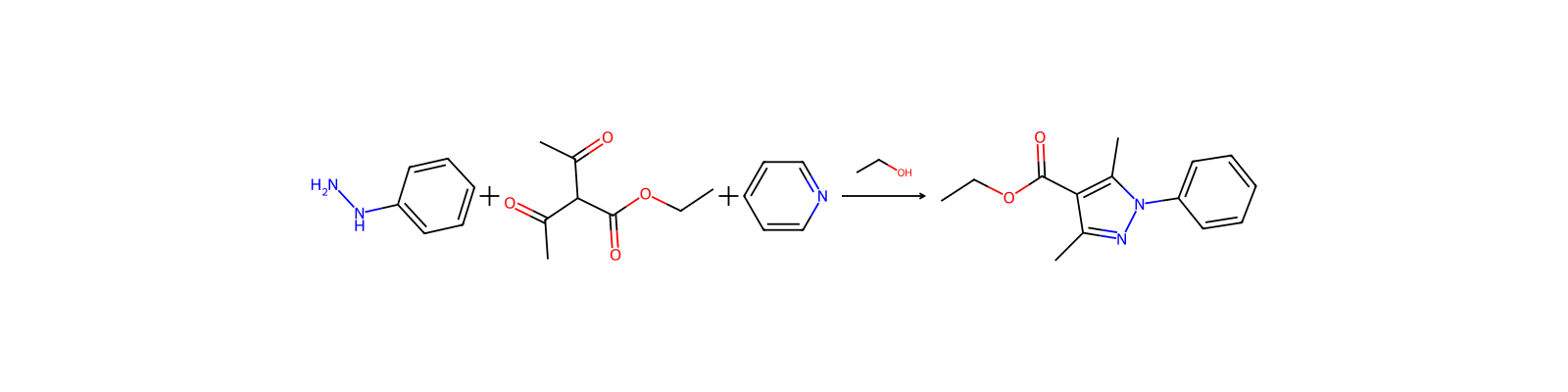
Used as a chemical intermediate for the synthesis of 3-amino-1-phenyl-5-pyrazolone; chloridazon; 4,4-dimethyl-1-phenyl-3-pyrazolidinone; ethyl 1-phenylpyrazolone-3-carboxylate; 2-methylindole; 3-methyl-1-phenyl-5-pyrazolone; N-methyl-2-p-tolylindole; 2-phenylindole; 1-phenyl-3-pyrazolidone; sulfaphenazole; triazophos; L-tryptophan.
Organic synthesis (intermediates, dyestuffs, pharmaceuticals)
U.S. Imports
(1972) 3.02X10+8 G (PRINCPL CUSTMS DISTS)
(1975) 1.70X10+8 G
U.S. Production
2023: 20,282 lb
(1972) PROBABLY GREATER THAN 4.54X10+5 G
(1975) PROBABLY GREATER THAN 4.54X10+5 G
Industry UsesIntermediate
Methods of Manufacturing
Prepared by diazotizing aniline with sodium nitrite and hydrochloric acid, then treating solution with sodium sulfite followed by sodium hydroxide.
Benzenediazonium chloride (reduction)
A general synthesis for arylhydrazines is via diazotization of aromatic amines, followed by reduction of the resulting diazonium salt. In the industrial synthesis of phenylhydrazine, the reducing agent is sodium bisulfite.
Formulations/PreparationsGrades: Commercial, CP, reagent
General Manufacturing Information
Pesticide, Fertilizer, and Other Agricultural Chemical Manufacturing
Hydrazine, phenyl-: ACTIVE
Applications
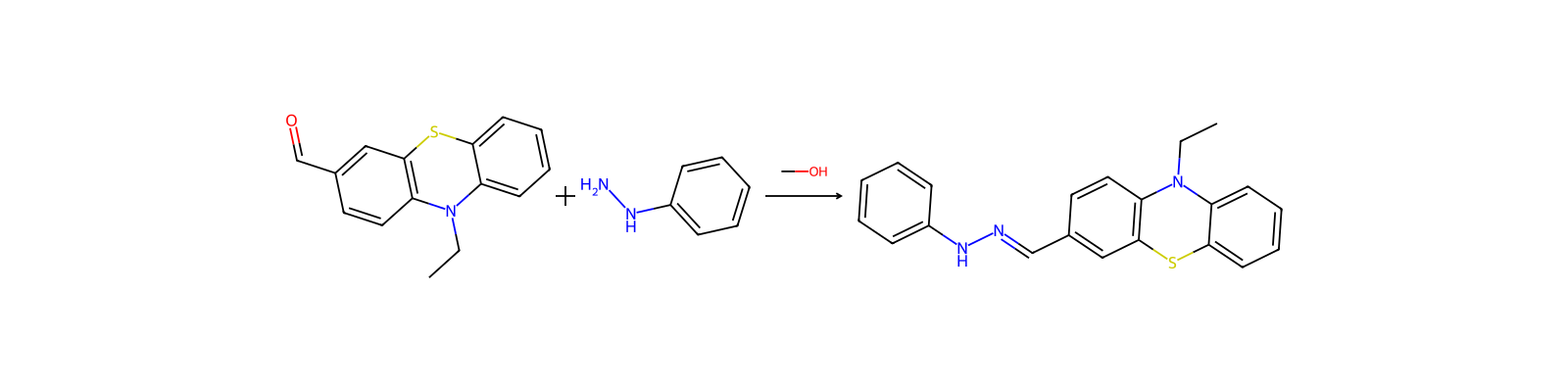
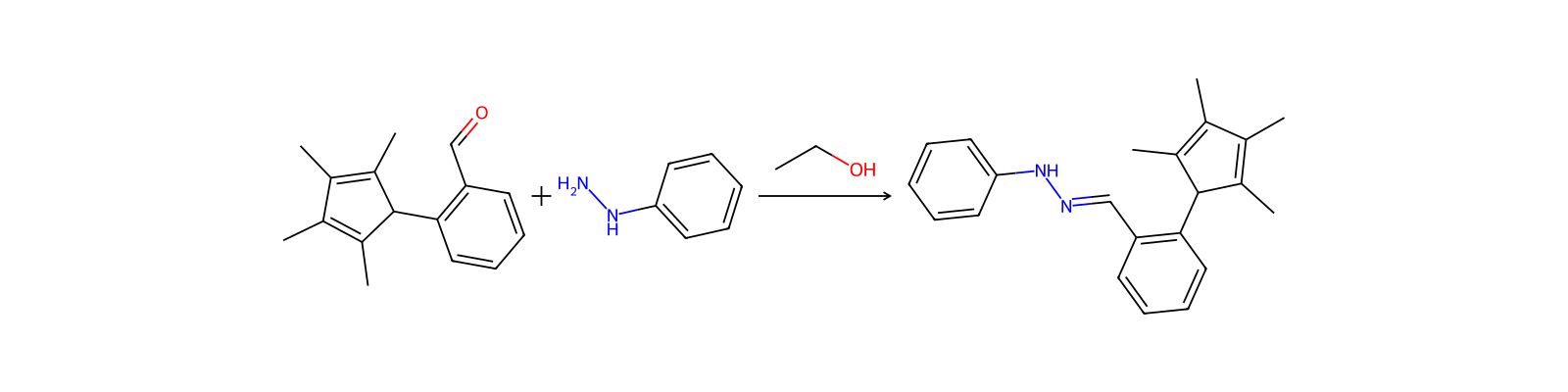
UsesIn the field of pesticide production, phenylhydrazine can be used for synthesizing the intermediate 1-phenyl-semicarbazide of the organophosphorus pesticides, triazophos as well as the intermediate 1-phenyl-3, 6-hydroxy pyridazine of pyridaphenthione. It is also the intermediates of the novel bactericidal varieties, famoxadone and fenamidone. In addition, hydrazine benzene, as a raw material for organic synthesis, can also be used as the intermediates of dye and pharmaceutical industry as well as being used as an analytical reagent. The product is the intermediate of dye, pharmaceuticals and pesticides. It can be used for the production of Naphthol AS-G, drugs such as antipyrine and so on. Dissolving the phenylhydrazine in 95% ethanol and following by addition of benzaldehyde and reflux for 1 h can obtain the phenylhydrazone. Phenylhydrazone can also be used as the intermediate of organic synthesis. Phenylhydrazine is also used as an analytical reagent. As a weak base, it can be used to precipitate lead, chromium and other trivalent, tetravalent element in the form of hydroxide. It can also be used for photometric determination of aluminum, chromium, copper, molybdenum, titanium, and zirconium. It can also be used for verification of gold, iridium, molybdenum, palladium, platinum, and silver. It can be used as the reducing agent for colorimetric assay of phosphorus acid. It can also react with aldehydes, ketones and sugars to get phenylhydrazone with different melting points according which we will be able to identify these substances.
UsesPhenylhydrazine, as hydrochloride solution plus sodium acetate, reacts with polyhydroxy aldehydes or ketones yielding osazones or diphenylhydrazones, yellow solids, of definite melting point and utilized in identification of sugars, e.g., phenyl-d-glucosazone, CH2OH (CHOH)3C: (NNHC6H5)CH:(NNHC6H5) plus aniline C6H5NH2 plus NH3.
UsesPhenylhydrazine is used in the manufactureof dyes and pharmaceuticals; as a stabilizerfor explosive; as a reagent for aldehydes,ketones, and sugars in chemical analysis; andin organic synthesis.
UsesAn aryl hydrazine used in the preparation of various dyes and pharmaceutical compounds. It is used in the investigation of oligosaccharides as well as the structure of photosystem II.
General DescriptionPale yellow crystals. Melting point 66°F. Becomes an oily liquid. Toxic by ingestion, inhalation and skin absorption. Flash point 192°F. Autoignition temperature 345°F. Soluble in alcohol.
Upstream & downstream products
Upstream raw materials
Downstream products
Suppliers50 total
国药集团化学试剂有限公司86-21-63210123 · [email protected]
梯希爱(上海)化成工业发展有限公司021-67121386 · [email protected]
衢州润东化工有限公司0570-8789886 18892685668 · [email protected]
上海阿拉丁生化科技股份有限公司400-6206333 13167063860 · [email protected]
Shandong chuangyingchemical Co., Ltd.18853181302 · [email protected]
河北创海生物科技有限公司+86-86-13131129325 · [email protected]
河北展药生物科技有限公司15369953316 +8615369953316 · [email protected]
T&W GROUP021-61551611 13296011611 · [email protected]
Baoji Guokang Healthchem co.,ltd+8615604608665 15604608665 · [email protected]
Dayang Chem (Hangzhou) Co.,Ltd.+86-0571-88938639 17705817739 · [email protected]
Syntechem Co.,Ltd[email protected]
上海迈瑞尔生化科技有限公司4006356688 18621169109 · [email protected]
阿法埃莎(中国)化学有限公司400-6106006 · [email protected]
安耐吉化学&3A(安徽泽升科技股份有限公司)400-0056266 · [email protected]
石家庄斯迪亚诺精细化工有限公司0311-89250318 13582355795 · [email protected]
上海泰坦科技股份有限公司400-6009262 15618770481 · [email protected]
凯试(上海)科技有限公司021-50135380 · [email protected]
合肥天健化工有限公司551-65418679 15856988503;15837135945 · [email protected]
山东信恒化工有限公司152-15269160605-0605 15269160605 · [email protected]
山东西亚化学有限公司13355009207 13355009207 · [email protected]
玛雅试剂+86 (573) 82222445 (0)18006601000 452520369 · [email protected]
四川库利南科技有限公司400-1166-196 18981987031 · [email protected]
南京一化生物科技有限公司13236563309 · [email protected]
斯百全化学(上海)有限公司021-021-021-67601398-809-809-809 15221380277 · [email protected]
艾科试剂4008-755-333 18080918076 · [email protected]
上海思域化工科技有限公司86-21-34053660 · [email protected]
赛默飞世尔科技(中国)有限公司800-810-5118 · [email protected]
TCI AMERICA800-4238616 · [email protected]
TOKYO CHEMICAL INDUSTRY CO., LTD.03-36680489 · [email protected]
TCI Europe320-37350700 · [email protected]
安徽科迪达化工有限公司0554-2106669 · [email protected]
HBCChem, Inc.+1-510-219-6317 · [email protected]
日照力德士化工有限公司010-51268198 · [email protected]
美岚实业(上海)有限公司021-58958189 · [email protected]
上海爱蝶实业有限公司021-58957966 18930537195 · [email protected]
成都零六生物科技有限公司400-1166-196 13458535857 · [email protected]
广拓化学(上海)有限公司021-60899189-8001 18918189673 · [email protected]
雷丁试剂0510-85629785 18013409632 · [email protected]
上海麦克林生化科技股份有限公司15221275939 15221275939 · [email protected]
杭州杰恒化工有限公司0571-87396432 · [email protected]
上海有朋化工有限公司021-69005955 13701776567 · [email protected]
上海凯赛化工有限公司021-33516722 13701817765 · [email protected]
上海彤源化工有限公司021-021-69182866 13701855675 · [email protected]
成都润泽本土化工有限公司13096311329 028-88469284 616445927 · [email protected]
上海蓝润化学有限公司021-69515658 ; 69515628 13701998368 · [email protected]
上海容立化学科技有限公司021-69992220 13701886816 · [email protected]
上海康拓化工有限公司021-69185552 13701777608 · [email protected]
池州凯隆进出口贸易有限公司[email protected]
Sigma-Aldrich西格玛奥德里奇(上海)贸易有限公司021-61415566 800-8193336 · [email protected]
AN PharmaTech Co Ltd86(21)68097365 · [email protected]
Additional notes
DefinitionChEBI: A phenylhydrazine that is the monophenyl derivative of hydrazine.
Related reactions
945 records




Linked notes
Loading…