
Triphenyl phosphite

Basic information
- CAS
101-02-0- Standard SMILES
c1ccc(OP(Oc2ccccc2)Oc2ccccc2)cc1- InChIKey
HVLLSGMXQDNUAL-UHFFFAOYSA-N- Molecular formula
- C18H15O3P
- Average molar mass
- 310.3 g/mol
- Monoisotopic mass
- 310.07588097
Overview
Triphenyl phosphite is a clear, pale yellow liquid with a clean, pleasant odor. (NTP, 1992)
Names & identifiers
- Preferred name
- Triphenyl phosphite
- IUPAC
- triphenyl phosphite
- English name
- Triphenyl phosphite
- Molecular formula
- C18H15O3P
- Molecular weight
- 310.28
Names & synonyms
TRIPHENYL PHOSPHITE101-02-0Phosphorous acid, triphenyl esterTriphenoxyphosphinePhenyl phosphiteAdvance TPPTris(phenoxy)phosphineSumilizer TPP-RTrifenoxyfosfinTrifenylfosfitStabilizer P 36Phosclere T 36
Show more names
TPOP(OPh)3(PhO)3Pp36P 36SK28jp360
EFEDMellite 310P 36 (stabilizer)Sumilizer TTP-RWeston TPPTPP (plasticizer)ADK Stab TPPTP 1 (plasticizer)
Database identifiers
- CAS
101-02-0- PubChem CID
- 7540
- DTXSID
DTXSID0026252- ChEMBL
CHEMBL1875503- UNII
- 9P45GRD24X
- EC Number
- 202-908-4
- Nikkaji
- J3.594G
Properties
Computed structural properties
- XLogP
- 5.5
- Topological polar surface area
- 27.7 Ų
- Hydrogen bond donors
- 0
- Hydrogen bond acceptors
- 3
- Rotatable bonds
- 6
- Heavy atoms
- 22
- Formal charge
- 0
- Complexity
- 247
Experimental & physicochemical properties
Chemical ClassesOther Classes -> Phosphite Compounds
Polymers
Plastics -> PVC (soft); PVC (rigid)
Plastics -> Heat stabilisers
Plastics -> Other functions -> Other stabiliser
SpringerMaterials PropertiesChemical shift
OdorPleasant odor
Density
1.1844 at 68 °F (NTP, 1992) - Denser than water; will sink
1.1842 @ 20 °C
Relative density (water = 1): 1.18
1.184 @25 °C
Color/FormWater-white to pale yellow solid or oily liquid
Solubility
less than 0.1 mg/mL at 68 °F (NTP, 1992)
Insoluble in water. Very soluble in ethanol, organic solvents.
Solubility in water: none
Flash Point
425 °F (NTP, 1992)
425 °F (218 °C) (OPEN CUP)
218 °C o.c.
Boiling Point
680 °F at 760 mmHg (NTP, 1992)
360 °C
360 °C
DecompositionWhen heated to decomp ... emits toxic fumes of /phosphorus oxides/.
Melting Point
72 to 75 °F (NTP, 1992)
25 °C
22-25 °C
Vapor Density>1 (air = 1)
Physicochemical properties
- Melting point
- 22 · 22-24 °C (lit.)
- Boiling point
- 360 °C · 360 °C (lit.)
- Density
- 1.184 g/mL · 1.184 g/mL at 25 °C (lit.)
- vapor density
- 10.7 · 10.7 (vs air)
- vapor pressure
- 5 mm · 5 mm Hg ( 205 °C)
- refractive index
- 20 · n20/D 1.59(lit.)
- Flash point
- 425 °F · 425 °F
- storage temp.
- 30 °C · Store below +30°C.
- solubility
- 25 mg/mL, · methanol: 25 mg/mL, clear
- form
- Liquid
- color
- Clear colorless to pale yellow
- PH
- 1 · 1 (200g/l, H2O, 20℃)
- Water Solubility
- insoluble
- Sensitive
- Air & Moisture Sensitive
- BRN
- 1079456 · 1079456
- Henry's Law Constant
- 1.8 · 1.8×101 mol/(m3Pa) at 25℃, Zhang et al. (2010)
- Dielectric constant
- 3.2 · 3.2(24℃)
- Stability
- Stable. Combustible. Incompatible with strong oxidizing agents.
- InChI
- 1S/C18H15O3P/c1-4-10-16(11-5-1)19-22(20-17-12-6-2-7-13-17)21-18-14-8-3-9-15-18/h1-15H
- InChIKey
- HVLLSGMXQDNUAL-UHFFFAOYSA-N
- SMILES
- O(P(Oc1ccccc1)Oc2ccccc2)c3ccccc3
- Indirect Additives used in Food Contact Substances
- TRIPHENYL PHOSPHITE
- CAS DataBase Reference
- 101 · 101-02-0(CAS DataBase Reference)
- EWG's Food Scores
- 1 · 1
- NCI Dictionary of Cancer Terms
- TPO
- FDA UNII
- 9 P45GRD24X · 9P45GRD24X
- NIST Chemistry Reference
- Phosphorous acid, triphenyl ester(101-02-0)
- EPA Substance Registry System
- Triphenyl phosphite (101-02-0)
- UNSPSC Code
- 12352108 · 12352108
- NACRES
- 22 · NA.22
- Symbol(GHS)
- 7 · GHS07,GHS09
- Signal word
- Warning
- Hazard statements
- 302 · H302-H315-H319-H410
- Precautionary statements
- 501 · P501-P273-P270-P264-P280-P302+P352-P391-P337+P313-P305+P351+P338-P362+P364-P332+P313-P301+P312+P330
- target organs
- Nervous system
- Hazard Codes
- Xn,N,Xi
- Risk Statements
- 36 · 36/38-50/53
- Safety Statements
- 28 · 28-60-61-28A-26
- RIDADR
- 3077 · UN 3077 9/PG 3
- WGK Germany
- 2 · 2
- RTECS
- 1575000 · TH1575000
- TSCA
- TSCA listed
- HazardClass
- 9 · 9
- PackingGroup
- III
- HS Code
- 29209085 · 29209085
- Storage Class
- 10 · 10 - Combustible liquids
- Hazard Classifications
- 4 OralAquatic · Acute Tox. 4 OralAquatic Acute 1Aquatic Chronic 1Eye Irrit. 2Skin Irrit. 2Skin Sens. 1STOT RE 2
- Hazardous Substances Data
- 101 · 101-02-0(Hazardous Substances Data)
- Toxicity
- 50 oral · LD50 oral in rat: 444mg/kg
- REACH Registrations
- Active
- Limited Quantities
- 5 L · 5.0 L (1.3 gallons) (liquid) or 5.0 kg (11 lbs) (solid)
- Excepted Quantities
- Max Inner Pack (30g or 30ml) and Max Outer Pack (1Kg or 1L)
Safety & regulation
Safety information is for reference only and does not replace the supplier’s Safety Data Sheet (SDS), applicable regulations, or professional assessment.
GHS classification
GHS Classification
Warning
H315: Causes skin irritation [Warning Skin corrosion/irritation]
P264, P264+P265, P273, P280, P302+P352, P305+P351+P338, P321, P332+P317, P337+P317, P362+P364, P391, and P501 (click each P-code to see the statement)
Warning
H302 (43.6%): Harmful if swallowed [Warning Acute toxicity, oral]
P260, P261, P264, P264+P265, P270, P272, P273, P280, P301+P317, P302+P352, P305+P351+P338, P319, P321, P330, P332+P317, P333+P317, P337+P317, P362+P364, P391, and P501 (click each P-code to see the statement)
Hazard information
Regulatory Information
Chemical: Phosphorous acid, triphenyl ester
Phosphorous acid, triphenyl ester is listed on the EPA's Chemical Data Reporting (CDR) system. Manufacturers and importers of Phosphorous acid, triphenyl ester are required to report information about their production and use of this chemical to the EPA under the Toxic Substances Control Act (TSCA). (40 eCFR Part 711)
Status: Active Update: 28-03-2023 https://echa.europa.eu/registration-dossier/-/registered-dossier/14793
Triphenyl phosphite: Does not have an individual approval but may be used under an appropriate group standard
DOT LabelPoison
Fire Hazards
This chemical is combustible. (NTP, 1992)
Combustible. Gives off irritating or toxic fumes (or gases) in a fire.
Fire Potential
COMBUSTIBLE
COMBUSTIBLE WHEN EXPOSED TO HEAT OR FLAME
Health Hazards
SYMPTOMS: This compound exhibits symptoms similar to those caused by phenols: dizziness muscle weakness; dimness of vision; ringing in the ears; irregular and rapid breathing; weak pulse; shortness of breath. All these may be followed by loss of consciousness, collapse and death.
Hazards Summary
Reacts with water; A skin, eye, and respiratory tract irritant; May cause skin sensitization; High concentrations may cause nervous system effects; [ICSC] An eye and severe skin irritant; A mild sensitizer; Emergency treatment: TOCP and related agents; Following exposure to >6-7 mg/kg of TOCP, patients have acute GI symptoms of vomiting, diarrhea and abdominal pain; After a delay of 8-35 days, patients develop peripheral neuropathy (flaccid paralysis) that resolves over the next 2-3 months in some patients; Some patients remain permanently paralyzed; [HSDB] Causes flaccid paralysis in rats after subcutaneous doses >2000 mg/kg; [RTECS] A skin irritant; [CAMEO] A skin and eye irritant; [eChemPortal: ESIS] An irritant; Harmful if swallowed; Toxic to aquatic organisms; [MSDSonline] See Triorthocresyl phosphate.
Reactive GroupSulfonates, Phosphonates, and Thiophosphonates, Organic
EC ClassificationSymbol: Xi, N; R: 36/38-50/53; S: (2)-28-60-61
Reactivity Profile
Organophosphates, such as TRIPHENYL PHOSPHITE, are susceptible to formation of highly toxic and flammable phosphine gas in the presence of strong reducing agents such as hydrides. Partial oxidation by oxidizing agents may result in the release of toxic phosphorus oxides.
Chemical DangersDecomposes on burning. This produces toxic fumes including phosphorus oxides. Reacts with strong oxidants. Reacts with water.
Air and Water ReactionsInsoluble in water.
NFPA Hazard Classification
0 - Materials that, under emergency conditions, would offer no hazard beyond that of ordinary combustible materials.
1 - Materials that must be preheated before ignition can occur. Materials require considerable preheating, under all ambient temperature conditions, before ignition and combustion can occur.
0 - Materials that in themselves are normally stable, even under fire conditions.
Safety & protection
Fire Fighting
Fires involving this compound should be controlled with a dry chemical, carbon dioxide or Halon extinguisher. (NTP, 1992)
Use water spray, powder, foam, carbon dioxide.
First Aid Measures
Fresh air, rest. Refer for medical attention.
Remove contaminated clothes. Rinse and then wash skin with water and soap. Refer for medical attention .
First rinse with plenty of water for several minutes (remove contact lenses if easily possible), then refer for medical attention.
Rinse mouth. Refer for medical attention .
First Aid
EYES: First check the victim for contact lenses and remove if present. Flush victim's eyes with water or normal saline solution for 20 to 30 minutes while simultaneously calling a hospital or poison control center. Do not put any ointments, oils, or medication in the victim's eyes without specific instructions from a physician. IMMEDIATELY transport the victim after flushing eyes to a hospital even if no symptoms (such as redness or irritation) develop.
Safe StorageSeparated from strong oxidants. Well closed.
Fire Fighting Procedures
To fight fire use, use /carbon dioxide/, mist, dry chemical.
WATER OR FOAM MAY CAUSE FROTHING.
Nonfire Spill Response
SMALL SPILLS AND LEAKAGE: If you spill this chemical, FIRST REMOVE ALL SOURCES OF IGNITION. Then, use absorbent paper to pick up all liquid spill material. Your contaminated clothing and absorbent paper should be sealed in a vapor-tight plastic bag for eventual disposal. Solvent wash all contaminated surfaces with 60-70% ethanol followed by washing with a soap and water solution. Do not reenter the contaminated area until the Safety Officer (or other responsible person) has verified that the area has been properly cleaned.
Disposal Methods
SRP: At the time of review, criteria for land treatment or burial (sanitary landfill) disposal practices are subject to significant revision. Prior to implementing land disposal of waste residue (including waste sludge), consult with environmental regulatory agencies for guidance on acceptable disposal practices.
Spillage Disposal
Collect leaking and spilled liquid in sealable containers as far as possible. Absorb remaining liquid in sand or inert absorbent. Then store and dispose of according to local regulations. Personal protection: particulate filter respirator adapted to the airborne concentration of the substance.
Isolation and EvacuationExcerpt from ERG Guide 154 [Substances - Toxic and/or Corrosive (Non-Combustible)]:
Eye PreventionWear safety goggles or face shield.
Fire PreventionNO open flames.
Inhalation RiskNo indication can be given about the rate at which a harmful concentration of this substance in the air is reached on evaporation at 20 °C.
Toxicology
Adverse EffectsNeurotoxin - Other CNS neurotoxin
Exposure RoutesThe substance can be absorbed into the body by inhalation of its aerosol and by ingestion.
Signs and Symptoms
Cough. Sore throat.
Redness. Pain.
Redness. Pain.
TSCA Test Submissions
The ability of triphenyl phosphite to increase the incidence of micronucleated polychromatic erythrocytes was evaluated in the bone marrow of CD-1 mice. Based on preliminary toxicity determinations, three groups of mice (5/sex/group) were treated with total doses of 1250, 2500 and 5000mg/kg of test material as two equal oral administrations separated by an interval of 24 hours. Animals at the highest dose level experienced tremors and 5 mortalities. The incidence of micronucleated cells were analyzed in 1000 polychromatic erythrocytes per animal. The incidence of micronucleated polychromatic erythrocytes and the ratio of normochromatic to polychromatic erythrocytes were comparable to the vehicle control (corn oil).
Human Toxicity Excerpts
...TRIPHENYLPHOSPHITE IS STRONG IRRITANT SUBSTANCE & MILD SENSITIZER.
...TRIPHENYL...PHOSPHITE ARE DELAYED NEUROTOXINS LACKING POTENT ANTI-CHOLINESTERASE PROPERTIES.
NONE OF THESE COMPD /PHOSPHATE & PHOSPHITE ESTERS/ PRODUCES TYPICAL SYMPTOMS ASSOCIATED WITH CHOLINESTERASE INHIBITION...
Non-Human Toxicity Excerpts
...TRIPHENYL PHOSPHITE...PRODUCE/S/ TYPICAL FLACCID PARALYSIS IN CATS, DOGS, & MONKEYS
TREMORS, DIARRHEA, VASODILATATION BY ALL ROUTES; NO PARALYSIS IN SURVIVORS. INHIBITION OF CHOLINESTERASE IN WHOLE BLOOD IN MICE. SKIN & EYE IRRITANT. /FROM TABLE/
TRIPHENYL PHOSPHITE DID NOT SHOW IRRITATING OR RESORPTIVE EFFECTS WHEN APPLIED TO SKIN OF MICE, BUT CAUSED DERMATITIS WHEN APPLIED TO SKIN OF GUINEA PIGS; ALSO HAD SENSITIZING ACTION.
THRESHOLD DOSES CAUSING CHANGES IN FUNCTION OF RABBIT NERVOUS SYSTEM WAS 17 MG/KG FOR TRIPHENYL PHOSPHATE.
For more Non-Human Toxicity Excerpts (Complete) data for TRIPHENYL PHOSPHITE (7 total), please visit the HSDB record page.
Antidote and Emergency Treatment
/SRP:/ Basic treatment: Establish a patent airway. Suction if necessary. Watch for signs of respiratory insufficiency and assist ventilations if necessary. Administer oxygen by nonrebreather mask at 10 to 15 L/min. Monitor for pulmonary edema and treat if necessary ... . Monitor for shock and treat if necessary ... . Anticipate seizures and treat if necessary ... . For eye contamination, flush eyes immediately with water. Irrigate each eye continuously with normal saline during transport ... . Do not use emetics. For ingestion, rinse mouth and administer 5 m1/kg up to 200 ml of water for dilution if the patient can swallow, has a strong gag reflex, and does not drool ... . Administer activated charcoal ... . If product was ingested, protect yourself from contact with vomitus as it may cause burns. /Phosphorus and related compounds/
/SRP:/ Advanced treatment: Consider orotracheal or nasotracheal intubation for airway control in the patient who is unconscious or in respiratory arrest. Positive pressure ventilation techniques with a bag valve mask device may be beneficial. Monitor cardiac rhythm and treat arrhythmias if necessary ... . Start an IV with D5W /SRP: "To keep open", minimal flow rate/. Use lactated Ringer's if signs of hypovolemia are present. Watch for signs of fluid overload. Consider drug therapy for pulmonary edema ... . For hypotension with signs of hypovolemia, administer fluid cautiously. Watch for signs of fluid overload. Treat seizures with diazepam ... . Monitor for signs of hypoglycemia and administer 50% dextrose if necessary. Draw blood sample before administration ... . Use proparacaine hydrochloride to assist eye irrigation ... . /Phosphorus and related compounds/
Toxicity DataLC (rat) > 6,700 mg/m3/4h
Non-Human Toxicity Values
LD50 MICE ORAL 1330 MG/KG
LD50 Rat oral 1600 mg/kg
LD50 Mouse ip 1167 mg/kg
Safety data
- wgk
- 2
- tsca
- TSCA listed
- rtecs
- TH1575000
- ridadr
- UN 3077 9/PG 3
- hs_code
- 29209085
- Toxicity
- LD50 oral in rat: 444mg/kg
- risk_code
- 36/38-50/53
- Signal word
- Warning
- Symbol(GHS)
- GHS07,GHS09
- hazard_code
- Xn,N,Xi
- safety_code
- 28-60-61-28A-26
- hazard_class
- 9
- Storage Class
- 10 - Combustible liquids
- packing_group
- III
- target organs
- Nervous system
- Hazard statements
- H302-H315-H319-H410
- Limited Quantities
- 5.0 L (1.3 gallons) (liquid) or 5.0 kg (11 lbs) (solid)
- Excepted Quantities
- Max Inner Pack (30g or 30ml) and Max Outer Pack (1Kg or 1L)
- REACH Registrations
- Active
- Hazard Classifications
- Acute Tox. 4 OralAquatic Acute 1Aquatic Chronic 1Eye Irrit. 2Skin Irrit. 2Skin Sens. 1STOT RE 2
- Precautionary statements
- P501-P273-P270-P264-P280-P302+P352-P391-P337+P313-P305+P351+P338-P362+P364-P332+P313-P301+P312+P330
- Hazardous Substances Data
- 101-02-0(Hazardous Substances Data)
Chemistry & industry
Pharmacology
Metabolism/Metabolites...LIKELY THAT.../TRIPHENYL PHOSPHITE/ MAY BE HYDROLYZED READILY.
Absorption, Distribution and Excretion
...(32)P-LABELED TRIPHENYL PHOSPHITE (0.3 ML/KG) IP IN CATS, INDICATED CONSIDERABLE HYDROLYSIS & ONLY SMALL AMT OF LABELED PHOSPHORUS IN CNS. ... PRESENCE OF SMALL CONCN OF PHOSPHOROUS ACID IN NERVOUS TISSUE MAY BE RELATED TO DEGENERATIVE CHANGES...
ABSORBED THROUGH GUINEA PIG SKIN. /FROM TABLE/
Uses & manufacturing
Uses
Used as a stabilizer/antioxidant (rubber and plastics industries), metal scavenger, epoxy resin diluent, and insecticide synergist; [HSDB] Used as a reducing agent and in paints, lacquers, and varnishes; [IUCLID]
Painting (Pigments, Binders, and Biocides) [Category: Paint]
Chemical intermediate, stabilizer systems for resins, metal scavenger, diluent for epoxy resins.
ANTIOXIDANT FOR SYN RUBBERS
STABILIZER IN RUBBER & PLASTICS INDUSTRY
COLOR STABILIZER IN ALKYD RESINS
U.S. Production2023: 10,000,000 - <25,000,000 lb
Consumer UsesNot Known or Reasonably Ascertainable
Industry UsesStabilizing agent
Methods of Manufacturing
REACTION OF PHOSPHORUS TRICHLORIDE & PHENOL IN THE PRESENCE OF A TERTIARY AMINE
The commercial production method for triphenyl phosphite is believed to be based on the reaction of phenol and phosphorus trichloride in a moisture-free atmosphere.
Use Classification
Plastics -> Polymer Type -> PVC (soft); PVC (rigid)
Plastics -> Heat stabilisers
Plastics -> Other functions -> Other stabiliser
General Manufacturing Information
Synthetic Rubber Manufacturing
Phosphorous acid, triphenyl ester: ACTIVE
TRIPHENYL PHOSPHITE USED TO SYNTHESIZE HERBICIDE N-(O,O-DIPHENYLPHOSPHONOMETHYL)GLYCINE ETHYL ESTER.
TRIPHENYL PHOSPHITE DID NOT REACT WITH FERROUS CYTOCHROME P 450 & ITS DENATURED FORM, CYTOCHROME P 420, TO PRODUCE COMPLEXES HAVING 2 PEAKS IN SORET REGION OF OPTICAL DIFFERENCE SPECTRA.
TPP STRONGLY SYNERGIZED TOXICITY OF MALATHION & DIMETHOATE AGAINST RESISTANT GREEN LEAFHOPPER.
Applications
Uses(1) Triphenyl phosphite is used as chelating agents, plastics antioxidant, alkyd resin and pesticide intermediate raw material. (2) It is used for synthetic rubber and resin stabilizer, PVC antioxidant, alkyd resin and pesticide intermediate raw material. (3) Triphenyl phosphite is used as secondary antioxidants, it has effect of light stability, it is suitable for polyvinyl chloride, polypropylene, polystyrene, polyester, ABS resin, and epoxy resin. (4) It is used as chelating agent in PVC products, it can enable products to maintain transparency, and suppresse color change. It can also be used for the production of trimethyl phosphite. (5) Antioxidants, stabilizers TPPi is mainly applied to polyvinyl chloride, polyethylene, polypropylene, polystyrene, polyester, ABS resin, epoxy resin, synthetic rubber antioxidant stabilizer for PVC vinyl products as chelating agent, when the metal is as based stabilizer, coordinating with the product can reduce the harm of metal chloride (6) Chelating agent. Plastic products antioxidant. The synthesis of alkyd resins and polyester resins. (7) Chelating agent. Plastic products antioxidant. The synthesis of alkyd resins and polyester resins. (8) Chelating agent, it is widely used in all kinds of PVC products, it can enable products to maintain its transparency and suppress color change, and it can increase the antioxidant and light and heat stability of the primary stabilizer. In addition, the product is also used for PE, PP, ABS, SBS and other products, and it can be used for pesticide intermediates. It can be used for synthetic alkyd resins and polyester materials and polyester resins.
UsesTriphenyl phosphite (TPP) is the chemical compound with the formula P(OC6H5)3. This colourless viscous liquid is the ester of phosphorous acid and phenol. It is used as a ligand in organometallic chemistry. Nickel complexes of this ligand are homogeneous catalysts for the hydrocyanation of alkenes.
UsesStabilizer/antioxidant for vinyl plastics and polyethylene, polypropylene, styrene copolymers, and rubber.
UsesTriphenyl phosphite can be used:As a source of phosphorus and as a ligand for the synthesis of transition metal phosphide nanoparticles via heating-up process.To convert alcohols to alkyl halides.As a peptide coupling agent.As a low-temperature source of singlet oxygen after forming an adduct with ozone.To synthesize bromotriphenoxyphosphonium bromide, a brominating agent, by reacting with bromine.
UsesChemical intermediate, stabilizer systems for resins, metal scavenger, diluent for epoxy resins.
Upstream & downstream products
Upstream raw materials
Downstream products
Related reactions
321 records

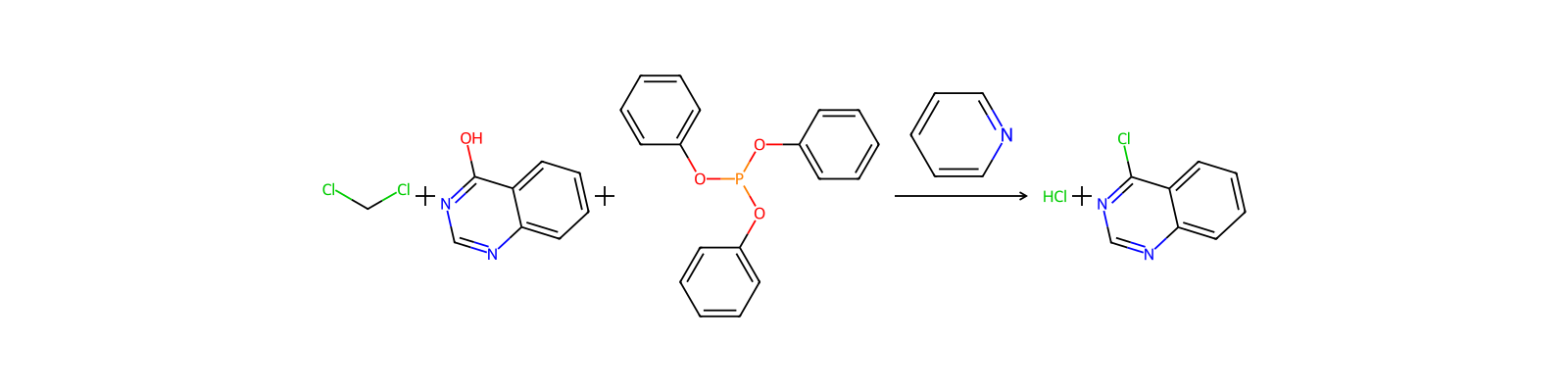

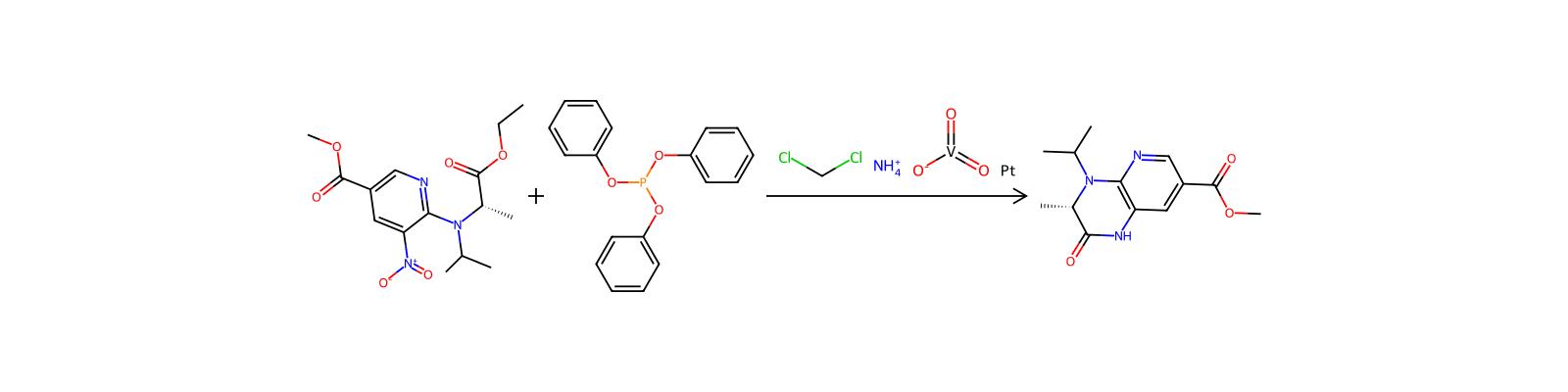

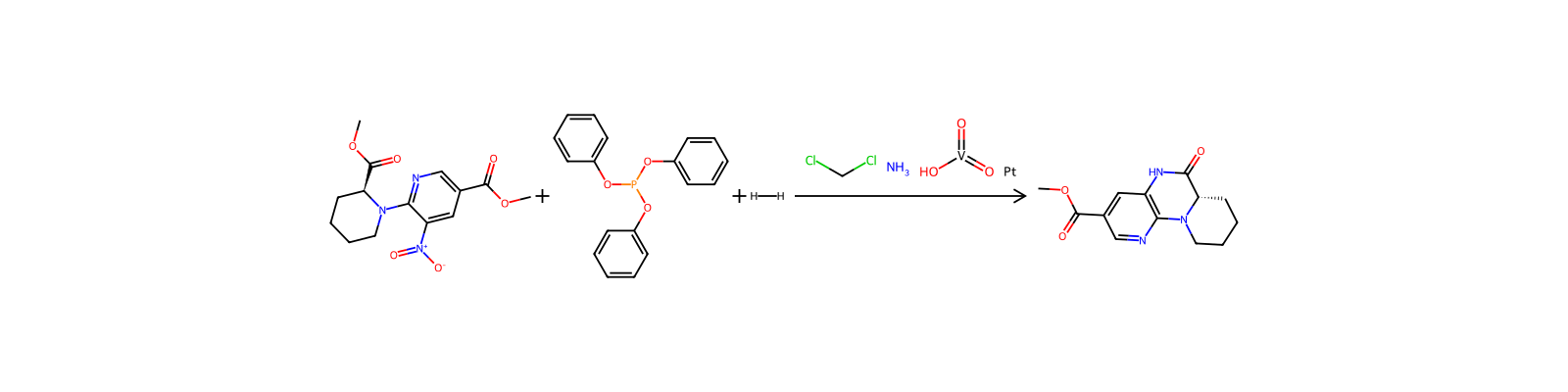
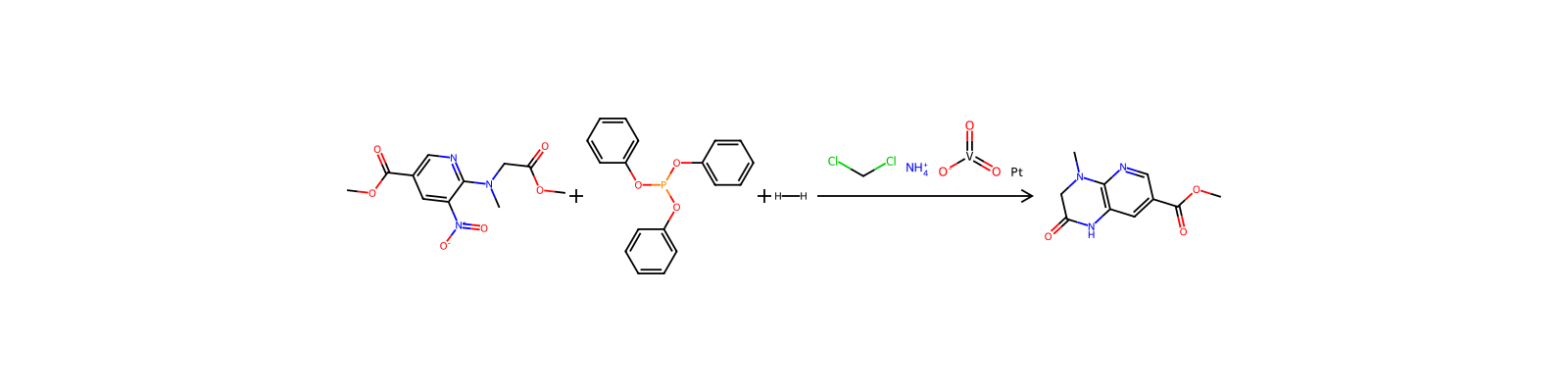
Compound notes
Loading…