
4-Hydroxybutyl acrylate
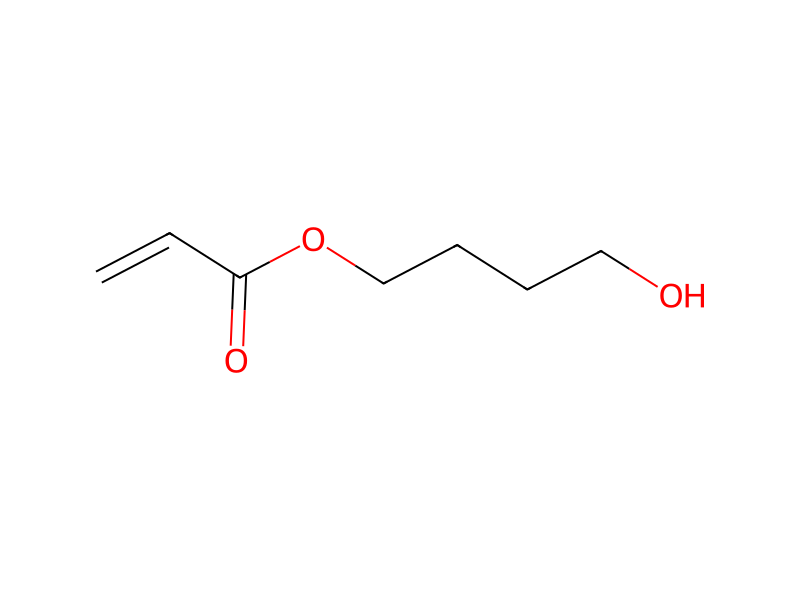
Basic information
- CAS
2478-10-6- Standard SMILES
C=CC(=O)OCCCCO- InChIKey
NDWUBGAGUCISDV-UHFFFAOYSA-N- Molecular formula
- C7H12O3
- Average molar mass
- 144.17 g/mol
- Monoisotopic mass
- 144.07864424
Names & identifiers
- Preferred name
- 4-Hydroxybutyl acrylate
- IUPAC
- 4-hydroxybutyl prop-2-enoate
- English name
- 4-Hydroxybutyl acrylate
- Molecular formula
- C7H12O3
- Molecular weight
- 144.17
Names & synonyms
4-Hydroxybutyl acrylate2478-10-64-hydroxybutyl prop-2-enoate2-Propenoic acid, 4-hydroxybutyl esterVISCOAT 4HBADTXSID30446234O2A4HET1XDTXCID1024623RefChem:99294219-606-3Hydroxybutyl acrylateAcrylic Acid 4-Hydroxybutyl Ester
Show more names
4-HydroxybutyL4-Hydroxybutyl2-propenoate0/6/781,4-Butanediol 1-acrylate1,4-ButanediolmonoacrylateAcrylic acid 4-hydroxybutyl4HBA4-Hydroxybutyl acrylate4-Hydroxybutyl acrylate ,98%
1,4-Butanediol monoacrylateBUTANEDIOL MONOACRYLATE1,4-butanediol acrylate51309-28-5MFCD000102614-hydroxybutylacrylate29086-87-14-Hydroxybutyl Acrylate (stabilized with MEHQ)
Database identifiers
- CAS
2478-10-6、51309-28-5- PubChem CID
- 75588
- DTXSID
DTXSID3044623- ChEMBL
CHEMBL3189040- UNII
- 4O2A4HET1X
- EC Number
- 219-606-3、257-130-8
- Nikkaji
- J25.101A
Properties
Computed structural properties
- XLogP
- 1.1
- Topological polar surface area
- 46.5 Ų
- Hydrogen bond donors
- 1
- Hydrogen bond acceptors
- 3
- Rotatable bonds
- 6
- Heavy atoms
- 10
- Formal charge
- 0
- Complexity
- 109
Physicochemical properties
- Melting point
- -112 °C · -112°C
- Boiling point
- 95 °C/0.1 · 95 °C/0.1 mmHg
- Density
- 1.04 · 1.04
- vapor pressure
- 0.5 Pa · 0.5Pa at 20℃
- refractive index
- 1.45 · 1.45
- Flash point
- 113 °C · 113 °C - closed cup
- storage temp.
- 2 · 2-8°C
- pka
- 14.99 · 14.99±0.10(Predicted)
- form
- clear liquid
- color
- Colorless to Almost colorless
- Viscosity
- 20 cp · 20cp (25C)
- Water Solubility
- soluble
- FreezingPoint
- -112 · -112
- BRN
- 1756545 · 1756545
- Exposure limits
- 5 mg/m3NIOSH: · ACGIH: TWA 5 mg/m3NIOSH: TWA 5 mg/m3
- InChI
- 1S/C7H12O3/c1-2-7(9)10-6-4-3-5-8/h2,8H,1,3-6H2
Safety & regulation
Safety information is for reference only and does not replace the supplier’s Safety Data Sheet (SDS), applicable regulations, or professional assessment.
GHS classification
GHS Classification
This chemical does not meet GHS hazard criteria for 2.6% (9 of 350) of reports.
Danger
H302 (95.7%): Harmful if swallowed [Warning Acute toxicity, oral]
P261, P264, P264+P265, P270, P271, P272, P280, P301+P317, P302+P352, P304+P340, P305+P351+P338, P305+P354+P338, P317, P319, P321, P330, P332+P317, P333+P317, P337+P317, P362+P364, P403+P233, P405, and P501 (click each P-code to see the statement)
Aggregated GHS information provided per 350 reports by companies from 11 notifications to the ECHA C&L Inventory. Each notification may be associated with multiple companies.
Hazard information
Regulatory Information
Chemical: 2-Propenoic acid, 4-hydroxybutyl ester
REACH registered substance: 4-hydroxybutyl acrylate (EC: 219-606-3)
2-Propenoic acid, 4-hydroxybutyl ester: Does not have an individual approval but may be used under an appropriate group standard
Hazard Classes and CategoriesAcute Tox. 4 (95.7%)
Safety data
- F
- 10
- PPE
- Eyeshields, Faceshields, Gloves, type ABEK (EN14387) respirator filter
- wgk
- 3
- tsca
- TSCA listed
- ridadr
- 2922
- hs_code
- 2916129000
- risk_code
- 20/21/22-36/37/38-51/53
- Signal word
- Danger
- Symbol(GHS)
- GHS05,GHS07
- hazard_code
Chemistry & industry
Uses & manufacturing
General Manufacturing Information2-Propenoic acid, 4-hydroxybutyl ester: ACTIVE
Applications
UsesHydroxybutyl acrylate was one of the monomers utilized in the preparation of poly(2-hydroxy-3-phenoxypropylacrylate, 4-hydroxybutyl acrylate, dibutyl maleate) membranes.
General Description4-Hydroxybutyl acrylate (HBA) can be synthesized by the esterification of acrylic acid with 1, 4 butanediol over a catalyst such as Amberlyst 15. 4-Hydroxybutyl acrylate (HBA) exhibits properties such as luster, chemical and scratch resistance. HBA monomers may be used as one of the constituents for the fabrication of a membrane system for controlled release of transdermal drug delivery system.
Preparation methods
Preparation4-Hydroxybutylacrylate can be prepared by a condensation reaction of acryloyl chloride and butanediol compounds. It should be noted that this reaction requires strict control of the stoichiometric ratio to prevent the diacylation side reaction of butanediol.
Upstream & downstream products
Upstream raw materials
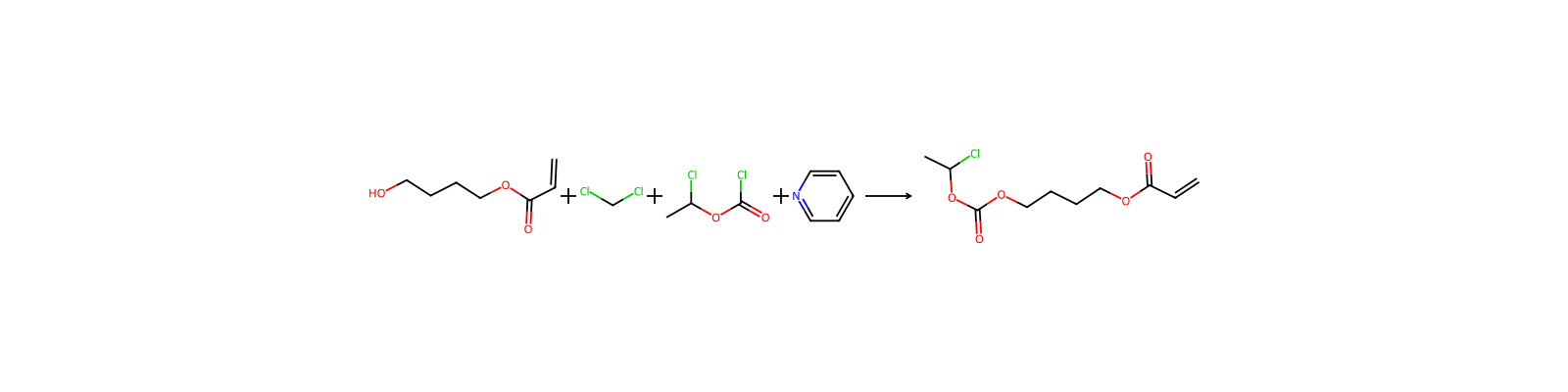
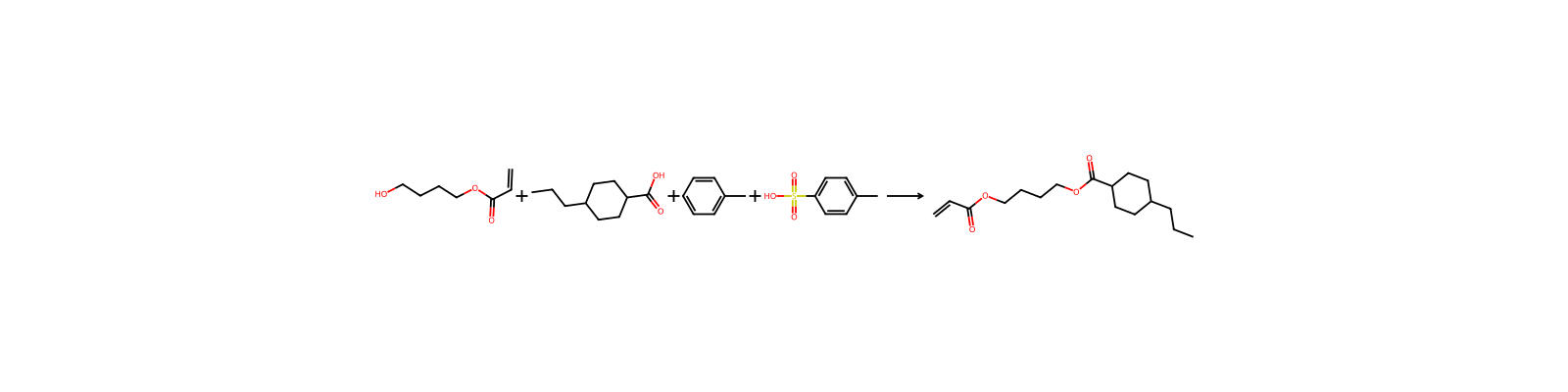
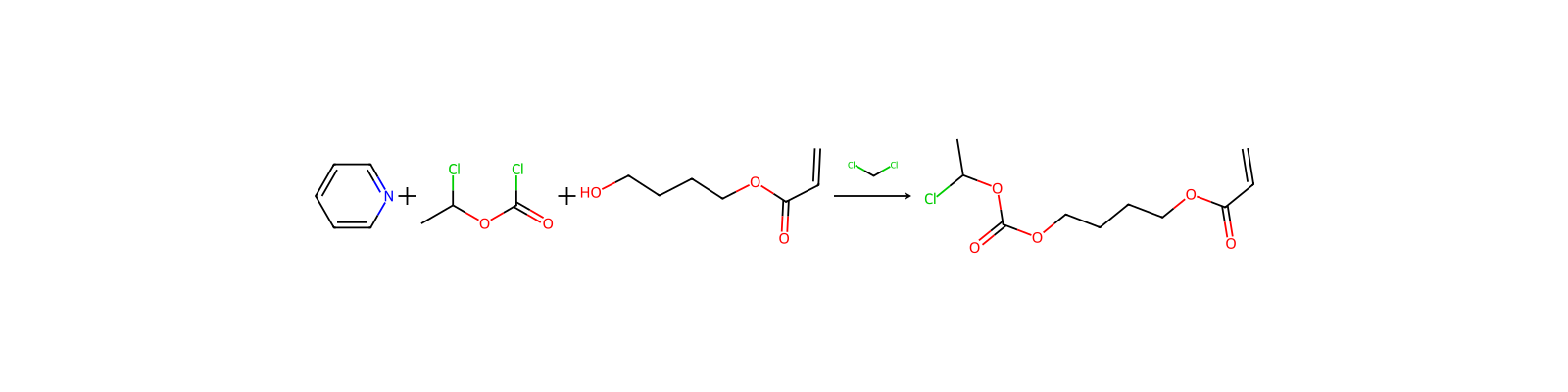
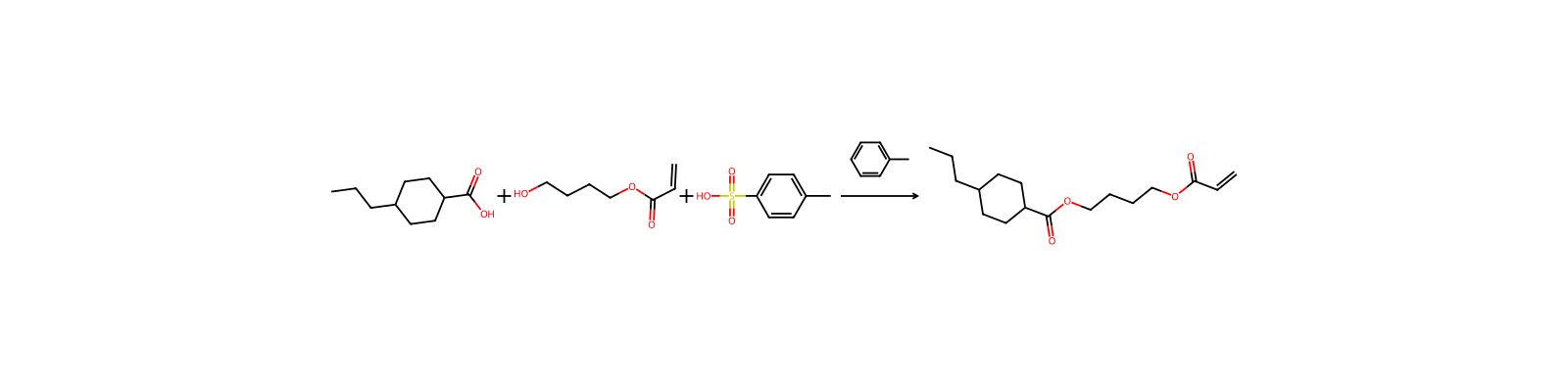
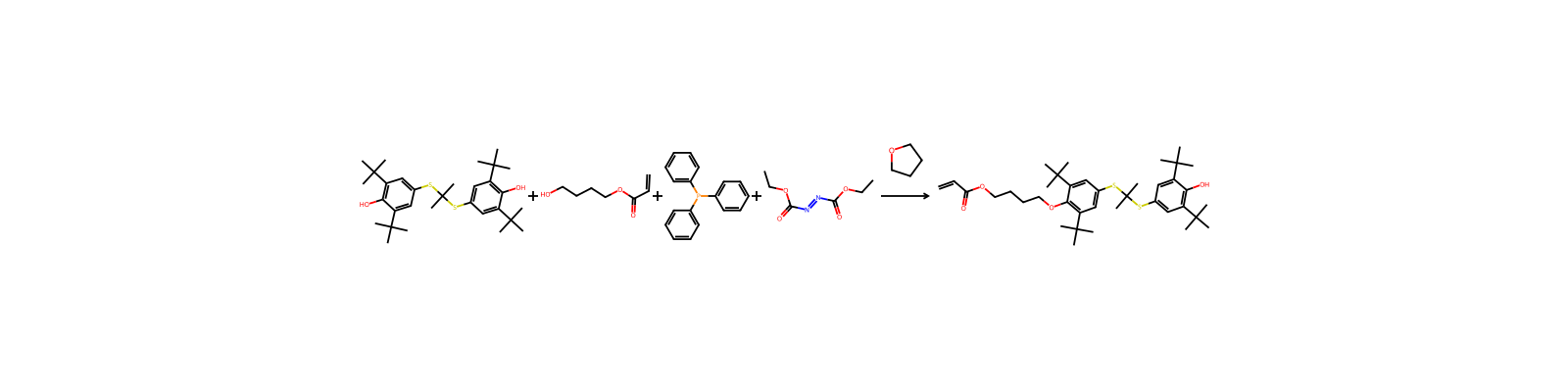
Related reactions
38 records


Compound notes
Loading…