
Phenylmalonic acid
Completing data — refresh the page later to see the latest

Basic information
- CAS
2613-89-0- Standard SMILES
O=C(O)C(C(=O)O)c1ccccc1- InChIKey
WWYDYZMNFQIYPT-UHFFFAOYSA-N- Molecular formula
- C9H8O4
- Average molar mass
- 180.16 g/mol
- Monoisotopic mass
- 180.04225874
Names & identifiers
- Preferred name
- Phenylmalonic acid
- IUPAC
- 2-phenylpropanedioic acid
- English name
- Phenylmalonic acid
- Molecular formula
- C9H8O4
- Molecular weight
- 180.16
Names & synonyms
Phenylmalonic acid2613-89-02-Phenylmalonic acidPropanedioic acid, 2-phenyl-RU7819192EX195E1GNSC-27164NSC-41697RU-78191RefChem:861757220-044-62-phenylpropanedioic acid
Show more names
PhenylmalonicPhenylMalonic aciRARECHEM AL BE 1370PhenylmalonicAcid>PHENYLPROPANEDIOC ACIDphenyl-propanedioicaciPhenylmalonic acid,99%
Propanedioic acid, phenyl-Malonic acid, phenyl-phenylpropanedioic acidMFCD00004253alpha-Carboxyphenylacetic acid.alpha.-Carboxyphenylacetic acidNSC 41697Phenylmalonicacid
Database identifiers
- CAS
2613-89-0- PubChem CID
- 75791
- DTXSID
DTXSID5062552- ChEMBL
CHEMBL78794- UNII
- 92EX195E1G
- EC Number
- 220-044-6
- Nikkaji
- J153H
Properties
Computed structural propertiesFilling in
- XLogP
- 1.2
- Topological polar surface area
- 74.6 Ų
- Hydrogen bond donors
- 2
- Hydrogen bond acceptors
- 4
- Rotatable bonds
- 3
- Heavy atoms
- 13
- Formal charge
- 0
- Complexity
- 192
Experimental & physicochemical properties
Chemical ClassesOther Classes -> Organic Acids
DrugsPharmaceuticals -> Listed in ZINC15
Physical DescriptionWhite odorless powder; [Alfa Aesar MSDS]
Physicochemical properties
- Melting point
- 149 · 149-152 °C (dec.)(lit.)
- Boiling point
- 272.96 °C · 272.96°C (rough estimate)
- Density
- 1.2933 · 1.2933 (rough estimate)
- refractive index
- 1.45 · 1.4500 (estimate)
- storage temp.
- Sealed in dry,Room Temperature
- form
- powder to crystal
- pka
- 1 · pK1:2.58;pK2:5.03 (25°C)
- color
- White to Almost white
- Water Solubility
- soluble
- BRN
Safety & regulation
Safety information is for reference only and does not replace the supplier’s Safety Data Sheet (SDS), applicable regulations, or professional assessment.
GHS classification
GHS Classification
Warning
H315 (100%): Causes skin irritation [Warning Skin corrosion/irritation]
P261, P264, P264+P265, P271, P280, P302+P352, P304+P340, P305+P351+P338, P319, P321, P332+P317, P337+P317, P362+P364, P403+P233, P405, and P501 (click each P-code to see the statement)
Aggregated GHS information provided per 46 reports by companies from 6 notifications to the ECHA C&L Inventory. Each notification may be associated with multiple companies.
Hazard information
Hazards SummaryA skin and strong eye irritant; [Alfa Aesar MSDS] See Mandelic acid and Phenylacetic acid.
Hazard Classes and CategoriesSkin Irrit. 2 (100%)
Safety data
- PPE
- dust mask type N95 (US), Eyeshields, Gloves
- wgk
- 3
- tsca
- TSCA listed
- hs_code
- 2917399090
- risk_code
- 36/37/38-41-22
- Signal word
- Warning
- Symbol(GHS)
- GHS07
- hazard_code
- Xi,Xn
- safety_code
- 26-36-24/25
- Storage Class
- 11 - Combustible Solids
- target organs
- Respiratory system
- Hazard statements
- H315-H319-H335
- Hazard Classifications
Chemistry & industry
Uses & manufacturing
General Manufacturing InformationPropanedioic acid, 2-phenyl-: ACTIVE
Applications
UsesPhenylmalonic Acid is used as the starting material in the synthesis of Sodium Indanylcarbinicillin (S635000); a compound which has been shown to reduce blood pressure in mammals and also has been used as a β-lactam antibiotic.
Upstream & downstream products
Upstream raw materials
Downstream products
Related reactions
45 records

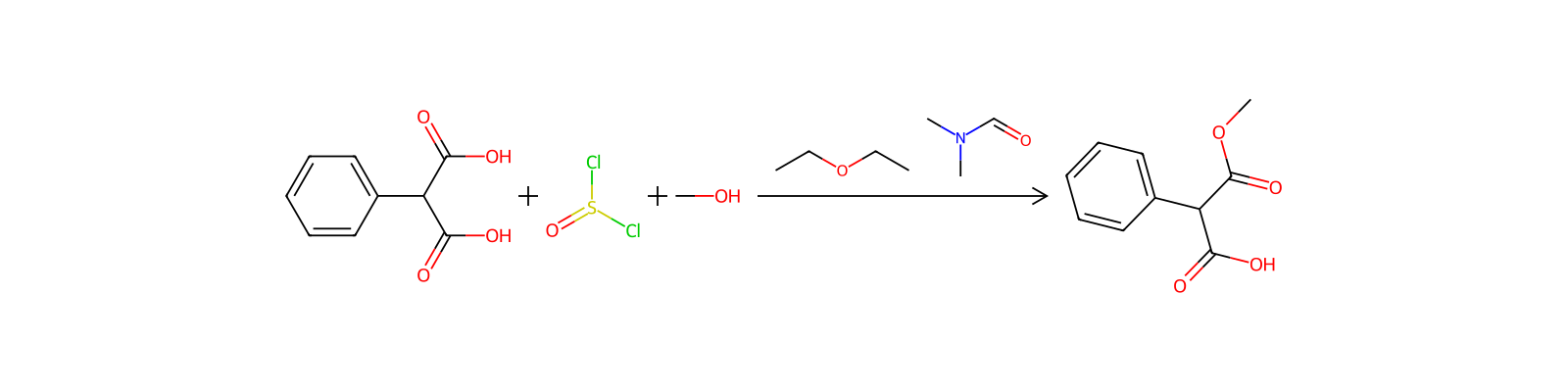
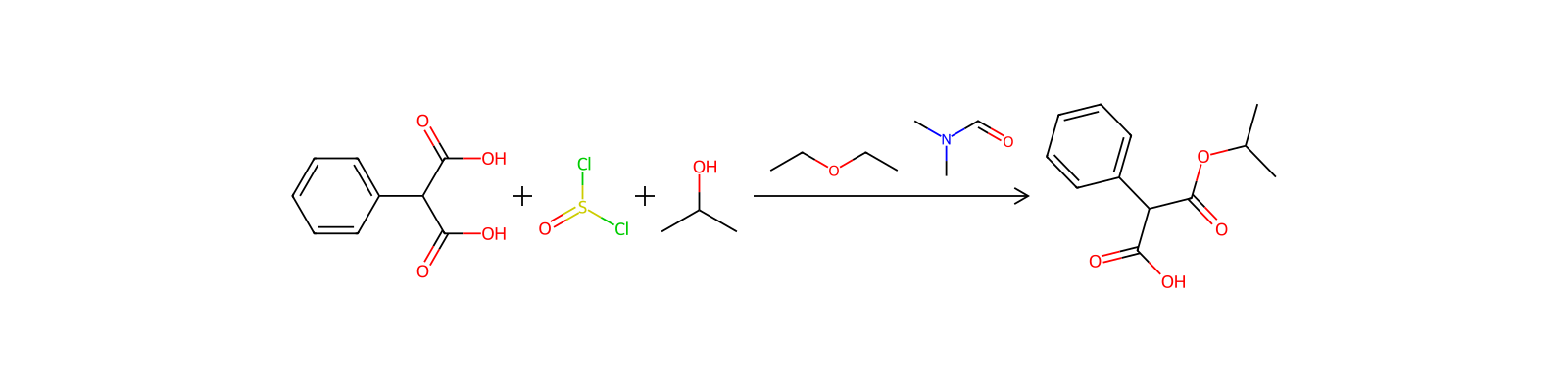
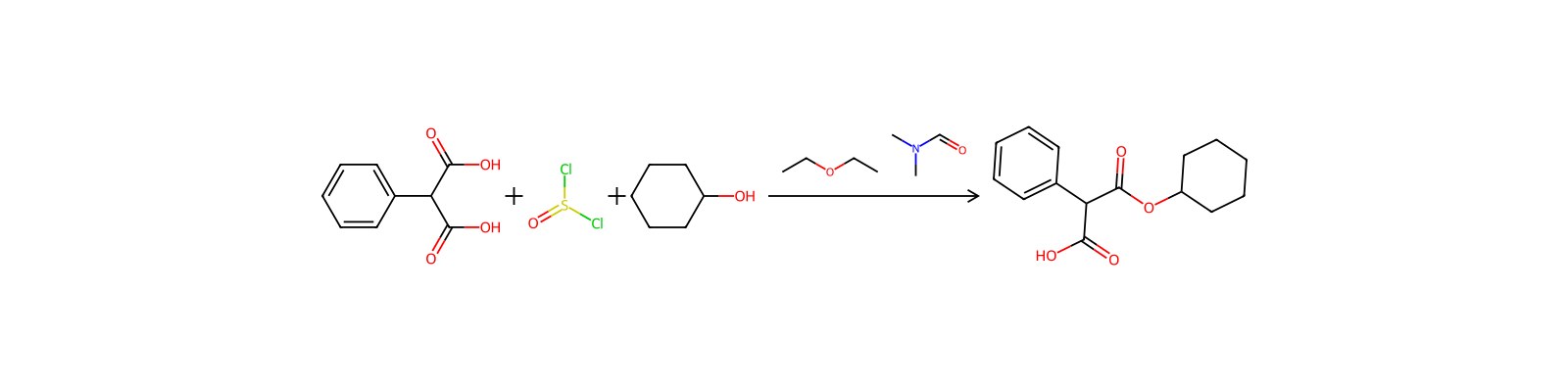


Compound notes
Loading…