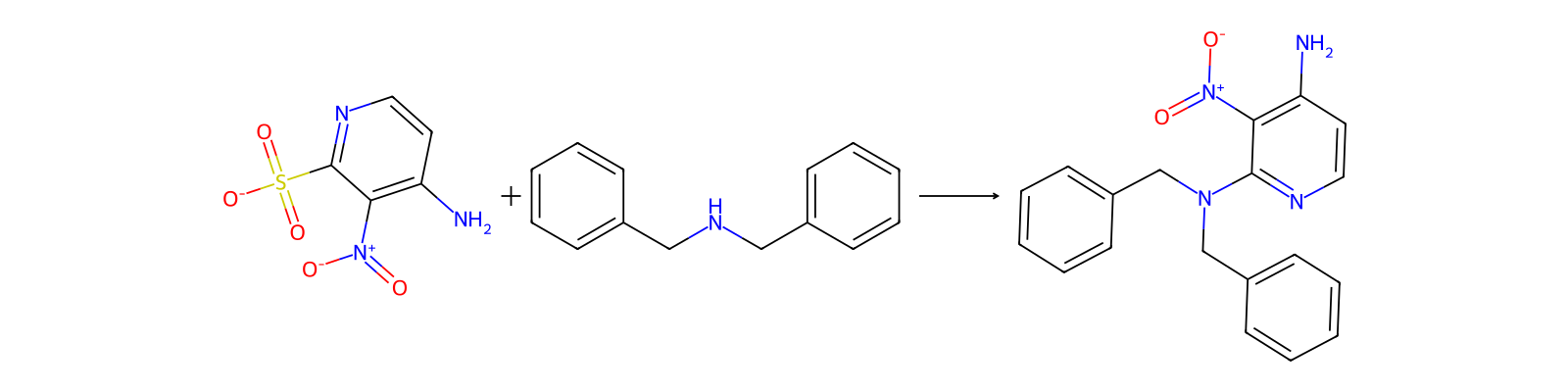
Dibenzylamine
Completing data — refresh the page later to see the latest

Basic information
- CAS
103-49-1- Standard SMILES
c1ccc(CNCc2ccccc2)cc1- InChIKey
BWLUMTFWVZZZND-UHFFFAOYSA-N- Molecular formula
- C14H15N
- Average molar mass
- 197.27 g/mol
- Monoisotopic mass
- 197.12044948
Names & identifiers
- Preferred name
- Dibenzylamine
- IUPAC
- N-benzyl-1-phenylmethanamine
- English name
- Dibenzylamine
- Molecular formula
- C14H15N
- Molecular weight
- 197.28
Names & synonyms
Dibenzylamine103-49-1Benzenemethanamine, N-(phenylmethyl)-BibenzylamineN-(Phenylmethyl)benzenemethanamineDTXSID60443553G0YFX01C6NSC-4811DTXCID4024355RefChem:132868203-117-7N-benzyl-1-phenylmethanamine
Show more names
Accelerator DBADBZADIBAMVulcaid 28forLabetalol
N,N-DibenzylamineN-BenzylbenzylaminebisbenzylamineDIBENZYL-AMINE(N-Benzylaminomethyl)benzeneMFCD00004770NSC 4811N,N-Dibenylamine
Database identifiers
- CAS
103-49-1- PubChem CID
- 7656
- DTXSID
DTXSID6044355- ChEMBL
CHEMBL3182419- ChEBI
CHEBI:189125- UNII
- 3G0YFX01C6
- EC Number
- 203-117-7
- Nikkaji
- J37.741D
Properties
Computed structural propertiesFilling in
- XLogP
- 2.7
- Topological polar surface area
- 12 Ų
- Hydrogen bond donors
- 1
- Hydrogen bond acceptors
- 1
- Rotatable bonds
- 4
- Heavy atoms
- 15
- Formal charge
- 0
- Complexity
- 137
Experimental & physicochemical properties
Vapor Pressure0.00026 [mmHg]
Physical DescriptionLiquid with an ammoniacal odor; [Merck Index] Colorless liquid with a weak odor; [Alfa Aesar MSDS]
Ionization Efficiency
Positive
5
2.7
Agilent XCT
Electrospray ionization
formic acid (5.3nM)
Kovats Retention Index
1688.9;1670
2427;2473;2473
Collision Cross Section149.6 Ų [M+H]+ [CCS Type: DT; Buffer gas: N2; Ionization: ESI+; Dataset: TOXCAST; Source Identifier: DTXSID6044355];150.8 Ų [M+H]+ [CCS Type: DT; Buffer gas: N2; Ionization: APCI+; Dataset: TOXCAST; Source Identifier: DTXSID6044355]
Physicochemical properties
- Melting point
- -26 °C · -26 °C (lit.)
- Boiling point
- 300 °C · 300 °C (lit.)
- Density
Safety & regulation
Safety information is for reference only and does not replace the supplier’s Safety Data Sheet (SDS), applicable regulations, or professional assessment.
GHS classification
GHS Classification
Danger
H302 (99.6%): Harmful if swallowed [Warning Acute toxicity, oral];H314 (75.4%): Causes severe skin burns and eye damage [Danger Skin corrosion/irritation];H315 (24.6%): Causes skin irritation [Warning Skin corrosion/irritation];H318 (42.2%): Causes serious eye damage [Danger Serious eye damage/eye irritation];H319 (24.6%): Causes serious eye irritation [Warning Serious eye damage/eye irritation];H410 (44.1%): Very toxic to aquatic life with long lasting effects [Warning Hazardous to the aquatic environment, long-term hazard];H412 (18.8%): Harmful to aquatic life with long lasting effects [Hazardous to the aquatic environment, long-term hazard]
P260, P264, P264+P265, P270, P273, P280, P301+P317, P301+P330+P331, P302+P352, P302+P361+P354, P304+P340, P305+P351+P338, P305+P354+P338, P316, P317, P321, P330, P332+P317, P337+P317, P362+P364, P363, P391, P405, and P501 (click each P-code to see the statement)
Aggregated GHS information provided per 256 reports by companies from 12 notifications to the ECHA C&L Inventory. Each notification may be associated with multiple companies.;Information may vary between notifications depending on impurities, additives, and other factors. The percentage value in parenthesis indicates the notified classification ratio from companies that provide hazard codes. Only hazard codes with percentage values above 10% are shown. For more detailed information, please visit ECHA C&L website.
Hazard information
Regulatory Information
Chemical: Benzenemethanamine, N-(phenylmethyl)-
Benzenemethanamine, N-(phenylmethyl)- is listed on the EPA's Chemical Data Reporting (CDR) system. Manufacturers and importers of Benzenemethanamine, N-(phenylmethyl)- are required to report information about their production and use of this chemical to the EPA under the Toxic Substances Control Act (TSCA). (40 eCFR Part 711)
Status: Active Update: 14-02-2022 https://echa.europa.eu/registration-dossier/-/registered-dossier/11844;Status: Cease Manufacture Update: 06-02-2019 https://echa.europa.eu/registration-dossier/-/registered-dossier/24936;Status: Cease Manufacture Update: 14-03-2013 https://echa.europa.eu/registration-dossier/-/registered-dossier/7229
Chemistry & industry
Uses & manufacturing
UsesUsed in the detection of cobalt, cyanate, and iron; [Merck Index] Used to make fine chemicals; [ExPub: ECHA REACH Registrations]
U.S. Production2022: 339,051 lb;2020: 523,600 lb
General Manufacturing InformationBenzenemethanamine, N-(phenylmethyl)-: ACTIVE
Applications
DescriptionDibenzyl amine (Dibenzylamine), molecular formula C14H15N, molecular weight 197.28, specific density 1.026, fusing point-26 ℃, 300 ℃ of boiling points, specific refractory power 1.574-1.576,143 ℃ of flash-points, water-soluble 0.05G/L (20 ℃). Dibenzyl amine is a colourless oil liquid, is smelly of ammonia, is soluble in ethanol and ether, and is water insoluble. Skin and mucous membranes have a stronger pungency. Dibenzyl amine is an important organic synthesis intermediate. Because dibenzylamine can not derive any carcinogenic nitrosamine and be widely used in the building-up process of medicine such as penicillin, and Linezolid, simultaneously, dibenzylamine can be used for producing the vulcanization accelerator zinc dibenzyldithiocarbamate (ZBEC) of high effect nontoxic and tetra-benzyl thiram disulfide (TBZTD) and can be used for the mensuration of cobalt, iron, cyanate etc.
UsesDibenzylamine is used to prepare rubber accelerator for the vulcanization process and reaction-stoppers. Dibenzylamine type accelerators reduce nitrosamine production in the compounding process. It is also used to produce dibenzyl-nitroso-amine.
Preparation methods
PreparationDibenzylamine is obtained by the reaction of benzyl chloride and liquid ammonia in ethanol.
Upstream & downstream products
Upstream raw materials
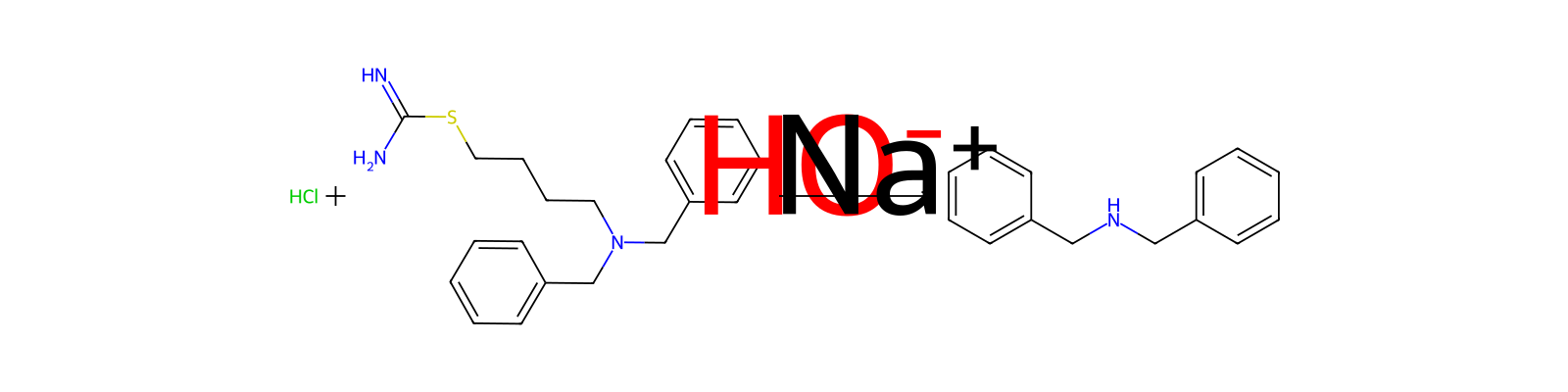
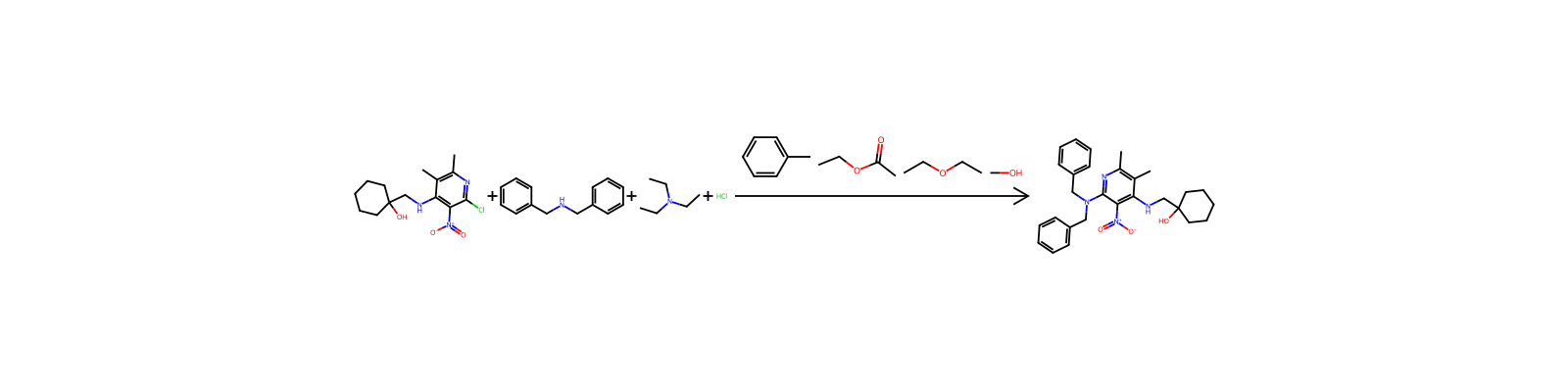
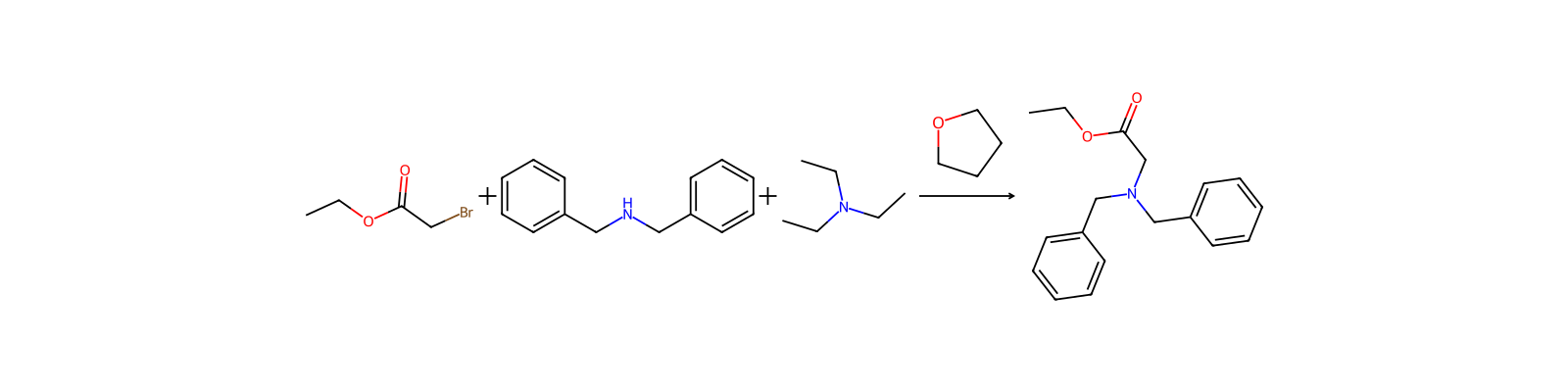
Related reactions
338 records



Compound notes
Loading…