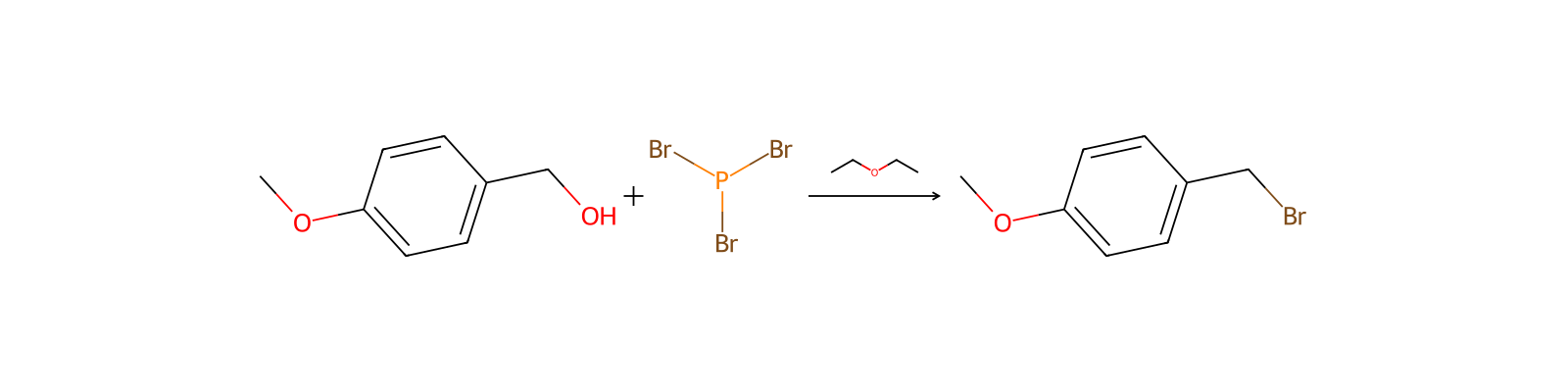
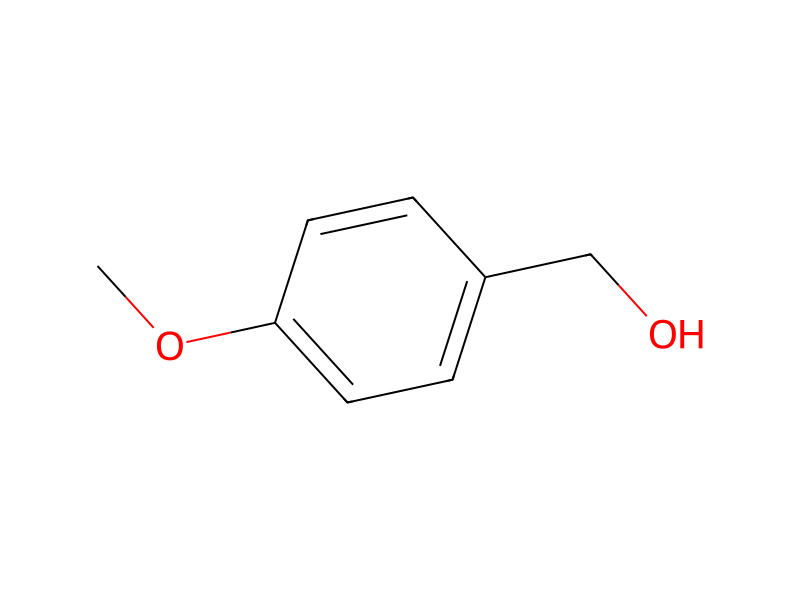
Basic information
- Standard SMILES
COc1ccc(CO)cc1- InChIKey
MSHFRERJPWKJFX-UHFFFAOYSA-N- Molecular formula
- C8H10O2
- Average molar mass
- 138.16 g/mol
- Monoisotopic mass
- 138.06807956
Names & identifiers
- Preferred name
- 4-Methoxybenzyl alcohol
- IUPAC
- (4-methoxyphenyl)methanol
- English name
- 4-Methoxybenzyl alcohol
- Molecular formula
- C8H10O2
- Molecular weight
- 138.16
Names & synonyms
4-METHOXYBENZYL ALCOHOL105-13-5(4-Methoxyphenyl)methanolAnise alcoholAnisyl alcoholp-Methoxybenzyl alcoholBenzenemethanol, 4-methoxy-4-MethoxybenzenemethanolBenzyl alcohol, p-methoxy-FEMA No. 2099DTXSID60443577N6XGV3U49
Show more names
PMBOHFEMA 2099P-ANISIC ALCOHOLANISALKOHOLMETHOXYBENZYL ALCOHOL
NSC-2151para-methoxybenzyl alcoholDTXCID4024357RefChem:558133203-273-6NT090XT6TEp-Anisyl alcoholAnisic alcohol
Database identifiers
- CAS
105-13-5、1331-81-3- PubChem CID
- 7738
- DTXSID
DTXSID6044357- ChEMBL
CHEMBL294431- ChEBI
CHEBI:193647- UNII
- 7N6XGV3U49
- EC Number
- 203-273-6
- Nikkaji
- J4.028B
Properties
Computed structural properties
- XLogP
- 1.1
- Topological polar surface area
- 29.5 Ų
- Hydrogen bond donors
- 1
- Hydrogen bond acceptors
- 2
- Rotatable bonds
- 2
- Heavy atoms
- 10
- Formal charge
- 0
- Complexity
- 85
Experimental & physicochemical properties
LogP1.10
Density
1.107-1.115
1.108 @25 °C
Solubility
2 mg/mL at 20 °C
insoluble in water; poorly soluble in glycols, glycerol; soluble in organic solvents, oils
miscible above 20� (in ethanol)
Boiling Point
259.00 to 260.00 °C. @ 760.00 mm Hg
259 °C
259.1 °C @760 [mm Hg]
Melting Point
24 - 25 °C
25 °C
Vapor Pressure0.0038 [mmHg]
Refractive Index1.540-1.547
Physical Description
Liquid
Liquid; mp = 24-25 deg C; [Merck Index] White liquid or low-melting solid; mp = 22-25 deg C; [Alfa Aesar MSDS]
Solid
colourless to slightly yellow liquid or opaque crystalline mass with a mild, sweet, floral odour
Kovats Retention Index
1246.8;1270;1242;1242;1244;1244;1267;1249;1267
1273;1279;1278;1295;1277;1279;1279;1279;1282;1303;1304;1304;1307;1308;1312;1284;1290;1290;1295;1275
2290;2268;2305;2302
Physicochemical properties
- Melting point
- 22 · 22-25 °C (lit.)
- Boiling point
- 259 °C · 259 °C (lit.)
- Density
- 1.113 g/mL · 1.113 g/mL at 25 °C (lit.)
- vapor pressure
- 0.24 · 0.24-0.53Pa at 25℃
- FEMA
- 2099 · 2099 | ANISYL ALCOHOL
- refractive index
- 20 · n20/D 1.544(lit.)
- FLAVIS Number
- 2.128 · 02.128 | p-Anisyl alcohol
- Flash point
- 230 °F · 230 °F
- storage temp.
- -20 °C · -20°C
- solubility
- alcohol: freely soluble
- form
- Liquid After Melting
- pka
- 14.43 · 14.43±0.10(Predicted)
- Specific Gravity
- 1.108 · 1.108
- color
- Clear colorless to yellow
- PH
- 6.3 · 6.3 (10g/l, H2O, 20℃)
- Odor
- 100 % · at 100.00 %. sweet powdery hawthorn lilac rose floral hyacinth
- Odor Type
- powdery
- biological source
- synthetic
- Viscosity
- 19.02 mm2/s · 19.02mm2/s
- explosive limit
- 0.9 · 0.9-7.3%(V)
- Water Solubility
- insoluble
- Merck
- 14 · 14,665
- JECFA Number
- 871 · 871
- BRN
- 636654 · 636654
- Major Application
- cleaning productscosmeticsenvironmentalflavors and fragrancesfood and beveragespersonal care
- Cosmetics Ingredients Functions
- PERFUMING
- InChI
- 1S/C8H10O2/c1-10-8-4-2-7(6-9)3-5-8/h2-5,9H,6H2,1H3
- InChIKey
- MSHFRERJPWKJFX-UHFFFAOYSA-N
- SMILES
- COc1ccc(CO)cc1
- LogP
- -0.08 · -0.08-1.05 at 24-27℃
- CAS DataBase Reference
- 105 · 105-13-5(CAS DataBase Reference)
- Substances Added to Food (formerly EAFUS)
- ANISYL ALCOHOL
- EWG's Food Scores
- 2 · 2-5
- FDA UNII
- 7 N6XGV3U49 · 7N6XGV3U49
- NIST Chemistry Reference
- 4 · Benzenemethanol, 4-methoxy-(105-13-5)
- EPA Substance Registry System
- 4 · 4-Methoxybenzenemethanol (105-13-5)
- UNSPSC Code
- 85151701 · 85151701
- NACRES
- 24 · NA.24
- Symbol(GHS)
- 7 · GHS07
- Signal word
- Warning
- Hazard statements
- 315 · H315-H317-H319
- Precautionary statements
- 261 · P261-P264-P272-P280-P302+P352-P305+P351+P338
- PPE
- Eyeshields, Faceshields, Gloves, type ABEK (EN14387) respirator filter
- Hazard Codes
- Xn,Xi
- Risk Statements
- 22 · 22-36/37/38-63-62-41-37/38-20/21/22
- Safety Statements
- 26 · 26-36-45-36/37/39
- RIDADR
- 1230 · UN1230 - class 3 - PG 2 - Methanol, solution
- WGK Germany
- 1 · 1
- RTECS
- 8925000 · DO8925000
- Hazard Note
- Irritant
- TSCA
- TSCA listed
- HS Code
- 29094990 · 29094990
- Storage Class
- 10 · 10 - Combustible liquids
- Hazard Classifications
- 2 Skin · Eye Irrit. 2Skin Irrit. 2Skin Sens. 1B
- Toxicity
- 50 orally · LD50 orally in rats: 1.2 ml/kg (Woodart)
- REACH Registrations
- Active
Safety & regulation
GHS classification
GHS Classification
Danger
H302 (97.3%): Harmful if swallowed [Warning Acute toxicity, oral];H317 (95.5%): May cause an allergic skin reaction [Warning Sensitization, Skin];H318 (91.5%): Causes serious eye damage [Danger Serious eye damage/eye irritation]
P261, P264, P264+P265, P270, P272, P280, P301+P317, P302+P352, P305+P354+P338, P317, P321, P330, P333+P317, P362+P364, and P501 (click each P-code to see the statement)
Aggregated GHS information provided per 2001 reports by companies from 21 notifications to the ECHA C&L Inventory. Each notification may be associated with multiple companies.;Information may vary between notifications depending on impurities, additives, and other factors. The percentage value in parenthesis indicates the notified classification ratio from companies that provide hazard codes. Only hazard codes with percentage values above 10% are shown. For more detailed information, please visit ECHA C&L website.
Hazard information
Regulatory Information
Chemical: Benzenemethanol, 4-methoxy-
Hazard Traits - Fragrance Allergen;Authoritative List - Annex III of the EU Cosmetics Regulation No. 1223/2009 - Fragrance Allergens;Report - if present in a rinse-off cosmetic product at a concentration at or above 0.01 percent (100 parts per million) or in a leave-on cosmetic product at a concentration at or above 0.001 percent (10 parts per million)
Commission Regulation (EC) No 1565/2000 (Repealed by Com. Implementing Reg. (EU) No 872/2012)
Benzenemethanol, 4-methoxy- is listed on the EPA's Chemical Data Reporting (CDR) system. Manufacturers and importers of Benzenemethanol, 4-methoxy- are required to report information about their production and use of this chemical to the EPA under the Toxic Substances Control Act (TSCA). (40 eCFR Part 711)
Status: Active Update: 03-01-2018 https://echa.europa.eu/registration-dossier/-/registered-dossier/16802;Status: Active Update: 25-12-2018 https://echa.europa.eu/registration-dossier/-/registered-dossier/12125
4-Methoxybenzyl alcohol: Does not have an individual approval but may be used under an appropriate group standard
Other Safety InformationIMAP assessments - Benzenemethanol, 4-methoxy-: Human health tier II assessment;IMAP assessments - Benzenemethanol, 4-methoxy-: Environment tier I assessment
Hazards Summary
A moderate skin irritant; Oral LD50 (rat) = 1,200 uL/kg; [RTECS] Included in list of established contact allergens in humans; [EC: Scientific Committee on Consumer Safety: Fragrance allergens in cosmetic products (2011)] Safe when used as a flavoring agent in food; [JECFA] May cause serious eye injury; Harmful by ingestion; [ECHA REACH Registrations] A skin and strong eye irritant; Toxic by ingestion; [Alfa Aesar MSDS]
Hazard Classes and Categories
Acute Tox. 4 (97.3%);Skin Sens. 1B (95.5%);Eye Dam. 1 (91.5%)
Acute toxicity - category 4;Eye irritation - category 2A;Skin sensitisation - category 1
Safety & protection
Protective Action Criteria (PAC)
4.0 [mg/m3]
44 [mg/m3]
260 [mg/m3]
Toxicology
Adverse EffectsSkin Sensitizer - An agent that can induce an allergic reaction in the skin.
Regulatory information
Regulatory Information
Chemical: Benzenemethanol, 4-methoxy-
Hazard Traits - Fragrance Allergen;Authoritative List - Annex III of the EU Cosmetics Regulation No. 1223/2009 - Fragrance Allergens;Report - if present in a rinse-off cosmetic product at a concentration at or above 0.01 percent (100 parts per million) or in a leave-on cosmetic product at a concentration at or above 0.001 percent (10 parts per million)
Commission Regulation (EC) No 1565/2000 (Repealed by Com. Implementing Reg. (EU) No 872/2012)
Benzenemethanol, 4-methoxy- is listed on the EPA's Chemical Data Reporting (CDR) system. Manufacturers and importers of Benzenemethanol, 4-methoxy- are required to report information about their production and use of this chemical to the EPA under the Toxic Substances Control Act (TSCA). (40 eCFR Part 711)
Status: Active Update: 03-01-2018 https://echa.europa.eu/registration-dossier/-/registered-dossier/16802;Status: Active Update: 25-12-2018 https://echa.europa.eu/registration-dossier/-/registered-dossier/12125
4-Methoxybenzyl alcohol: Does not have an individual approval but may be used under an appropriate group standard
Safety data
- PPE
- Eyeshields, Faceshields, Gloves, type ABEK (EN14387) respirator filter
- wgk
- 1
- tsca
- TSCA listed
- rtecs
- DO8925000
- ridadr
- UN1230 - class 3 - PG 2 - Methanol, solution
- hs_code
- 29094990
- Toxicity
- LD50 orally in rats: 1.2 ml/kg (Woodart)
- risk_code
- 22-36/37/38-63-62-41-37/38-20/21/22
- Signal word
- Warning
- Symbol(GHS)
- GHS07
- hazard_code
- Xn,Xi
- hazard_note
- Irritant
- safety_code
- 26-36-45-36/37/39
- Storage Class
- 10 - Combustible liquids
- Hazard statements
- H315-H317-H319
- REACH Registrations
- Active
- Hazard Classifications
- Eye Irrit. 2Skin Irrit. 2Skin Sens. 1B
- Precautionary statements
- P261-P264-P272-P280-P302+P352-P305+P351+P338
Chemistry & industry
Pharmacology
Cellular LocationsCytoplasm;Extracellular
Uses & manufacturing
UsesUsed as a flavoring agent; [FDA] Used to make perfumes, fragrances, fine chemicals, pharmaceuticals, photo-chemicals, cosmetics, and personal care products; [ECHA REACH Registrations]
U.S. Production2023: 14,881 lb;2022: 4,960 lb;2021: 3,968 lb;2020: 67,956 lb
Consumer UsesNot Known or Reasonably Ascertainable
Industry UsesNot Known or Reasonably Ascertainable
IFRA Fragrance Standards
Anisyl alcohol
Anisalcohol; Anise alcohol; Anisic alcohol; Benzyl alcohol, p-methoxy; p-Methoxybenzyl alcohol
IFRA_STD_006.pdf
49
IFRA 51st Amendment - Guidance for the use of IFRA Standards
Restriction: This material should be used only in the limited quantity as stated in the Standard
Household Products
Cosmetics product ingredient: 4-Methoxybenzyl alcohol (ANISE ALCOHOL);Anise alcohol is a fragrance allergen. Fragrance allergens are hazardous only to individuals who suffer from fragrance allergies. The Cosmetic Fragrance and Flavor Ingredient Right to Know Act of 2020 requires fragrance allergens included in Annex III of the EU Cosmetics Regulation No. 1223/2009 be reported to the California Department of Public Health. Fragrance allergens are only required to be reported if present in a rinse-off cosmetic product at a concentration at or above 0.01 percent (100 parts per million) or in a leave-on cosmetic product at a concentration at or above 0.001 percent (10 parts per million).;For more information, you can visit the fragrance allergens webpage on the California Safe Cosmetics Program website:;https://www.cdph.ca.gov/Programs/CCDPHP/DEODC/OHB/CSCP/Pages/FragranceAllergens.aspx;Product count: 1313
Information on 44 consumer products that contain Anisyl alcohol in the following categories is provided:;• Auto Products;• Commercial / Institutional;• Inside the Home;• Personal Care
Information on 1 consumer products that contain Anisyl alcohol in the following categories is provided:;• Auto Products
Use Classification
Fragrance Ingredients
Flavoring Agents -> JECFA Flavorings Index
Flavouring Agent -> FLAVOURING_AGENT -> JECFA Functional Classes
Flavouring Agent -> FLAVOURING_AGENT -> JECFA Functional Classes
Flavouring Agent -> FLAVOURING_AGENT -> JECFA Functional Classes
General Manufacturing Information
All Other Basic Organic Chemical Manufacturing
Benzenemethanol, 4-methoxy-: ACTIVE
Restriction Limits in the Finished Product (%)
0.0028 [Products applied to the lips]
0.039 [Products applied to the axillae]
0.025 [Products applied to the face/body using fingertips]
0.21 [Products related to fine fragrances]
0.041 [Products applied to the body using the hands (palms), primarily leave-on (Body lotion)]
0.0055 [Products applied to the face using the hands (palms), primarily leave-on (Face moisturizer)]
Applications
Uses1. 4-Methoxybenzyl alcohol mainly used in floral flavor with fragrance flavor, such as hawthorn flowers, jasmine, acacia, shy flowers, acacia, lilac, lily of the valley, violet, magnolia, sunflower, daffodils and so on. It can also be used for the need for chypre spices with vanilla flavor to coordinate the aroma and increase the aroma of beans. It can also be used for chocolate, cocoa and fresh fruit flavor. 2. GB 2760-1996 provides as allowable food flavors. It is mainly used for the preparation of vanilla, chocolate, cocoa, almonds, peaches and other flavor. 3. It is used for the preparation of drugs and spices. 4. It is used as pharmaceutical intermediates. 5. 4-Methoxybenzyl alcohol has a slightly sweet aroma of anise, commonly used in the preparation of jasmine, lilac and other flavors, suitable for deployment of perfume. The goods are allowable food spices provided in China's GB2760-86. It is mainly used to formulate the flavor of vanilla, chocolate, cocoa, almonds and peaches. It can also be used in organic synthesis and as a solvent. 6. It is used as moxonidine intermediates. 7. It is alcohol synthesis spices. It is mainly used as the blending spices of jasmine, cloves, fragrant peas, gardenia and other flavors for perfume and other cosmetics. 8. It can provide the temporary protection for the carbohydrate anti-OH-group.
OccurrenceReported found in anise (Pimpinella anisum L.), honey, Bourbon vanilla (Vanilla planifolia Andrews), Tahiti vanilla (Vanilla tahitensis Moore), Illicium verum and tomato.
Uses4-Methoxybenzyl Alcohol is used in the preparation of semiconductors, nanosheets and nanocrystals. Also is used as a reagent for various chemical organic reactions such as in the synthesis of quinolines. It is used as a fragrance and flavorant. It is used to study the photo catalytic oxidation of 4-methoxybenzyl alcohol to p-anisaldehyde.
Uses4-Methoxybenzyl alcohol was used to study the photocatalytic oxidation of 4-methoxybenzyl alcohol to p-anisaldehyde.
General DescriptionAnisyl alcohol is a volatile aromatic compound mainly found in vanilla extracts and anise oil. It is used as a flavoring agent and fragrance ingredient.
Preparation methods
PreparationBy reduction from anisic aldehyde
Upstream & downstream products
Upstream raw materials
Downstream products
Suppliers50 total
梯希爱(上海)化成工业发展有限公司021-67121386 · [email protected]
衢州润东化工有限公司0570-8789886 18892685668 · [email protected]
上海阿拉丁生化科技股份有限公司400-6206333 13167063860 · [email protected]
上海泰矶林实业有限公司02150630626 17717886015 · [email protected]
爱斯特(成都)生物制药股份有限公司+86-28-85122536 85324413 · [email protected]
扬州时利和诚科技有限公司15312801805 · [email protected]
北京安司莫森技术有限公司010-82954736 13391601435 · [email protected]
韶远科技(上海)有限公司021-50795510 4000665055 · [email protected]
江阴市宝源化工有限公司0510-86326538 13915249541 · [email protected]
科瑞迪化学400-821-5857 021-64326257 · [email protected]
Syntechem Co.,Ltd[email protected]
上海迈瑞尔生化科技有限公司4006356688 18621169109 · [email protected]
阿法埃莎(中国)化学有限公司400-6106006 · [email protected]
安耐吉化学&3A(安徽泽升科技股份有限公司)400-0056266 · [email protected]
上海瀚鸿科技股份有限公司021-54306202 13764082696 · [email protected]
吉良化学21-62165282 · [email protected]
上海景颜化工科技有限公司13817811078 · [email protected]
嘉兴市艾森化工有限公司0573-85285100 18627885956 · [email protected]
上海隆盛化工有限公司58099637 13585536065 · [email protected]
合肥天健化工有限公司551-65418679 15856988503;15837135945 · [email protected]
孝感深远化工有限公司15527621225; 15527621225 · [email protected]
山东西亚化学有限公司13355009207 13355009207 · [email protected]
玛雅试剂+86 (573) 82222445 (0)18006601000 452520369 · [email protected]
四川库利南科技有限公司400-1166-196 18981987031 · [email protected]
天津希恩思生化科技有限公司400 638 7771 · [email protected]
南京维奥化工有限公司Please Send Email 18652950785 · [email protected]
艾科试剂4008-755-333 18080918076 · [email protected]
青岛保税区鲁联国际贸易有限公司0532-83893697 18561902820 · [email protected]
上海思域化工科技有限公司86-21-34053660 · [email protected]
赛默飞世尔科技(中国)有限公司800-810-5118 · [email protected]
北京伊诺凯科技有限公司400-810-7969 010-59572699 · [email protected]
上海纳谦化学科技有限公司13598610367 0373-7129549 · [email protected]
江苏艾康生物医药研发有限公司025-66113011 13913916777 · [email protected]
TCI AMERICA800-4238616 · [email protected]
TOKYO CHEMICAL INDUSTRY CO., LTD.03-36680489 · [email protected]
TCI Europe320-37350700 · [email protected]
深圳康特腾科技有限公司86-0755-86635001 · [email protected]
上海汇凯化学科技有限公司021-61995394 18916691159 · [email protected]
上海洪创医药科技有限公司18151128828 · [email protected]
北京环宇世纪化学科技有限公司hysj_bj.com
上海将来实业股份有限公司400-0066400 13621662912 · [email protected]
上海将来实业股份有限公司021-61552785 · [email protected]
安徽科迪达化工有限公司0554-2106669 · [email protected]
HBCChem, Inc.+1-510-219-6317 · [email protected]
日照力德士化工有限公司010-51268198 · [email protected]
美岚实业(上海)有限公司021-58958189 · [email protected]
上海爱蝶实业有限公司021-58957966 18930537195 · [email protected]
成都零六生物科技有限公司400-1166-196 13458535857 · [email protected]
广拓化学(上海)有限公司021-60899189-8001 18918189673 · [email protected]
上海御略医药科技有限公司021-60345187 13671753212 · [email protected]
Additional notes
DefinitionChEBI: 4-Methoxybenzyl alcohol is a member of benzyl alcohols.
Related reactions
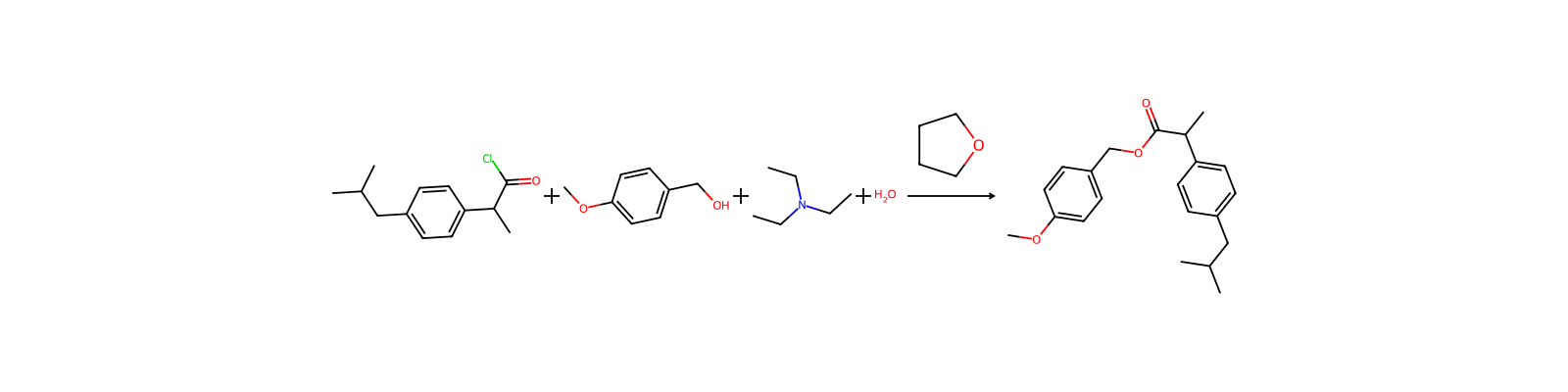
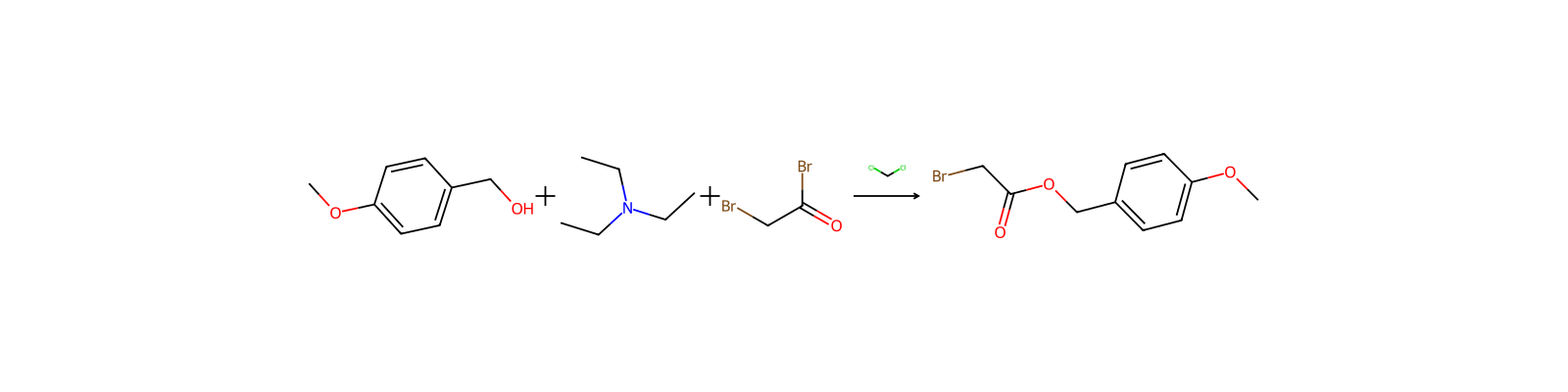
323 records




Linked notes
Loading…