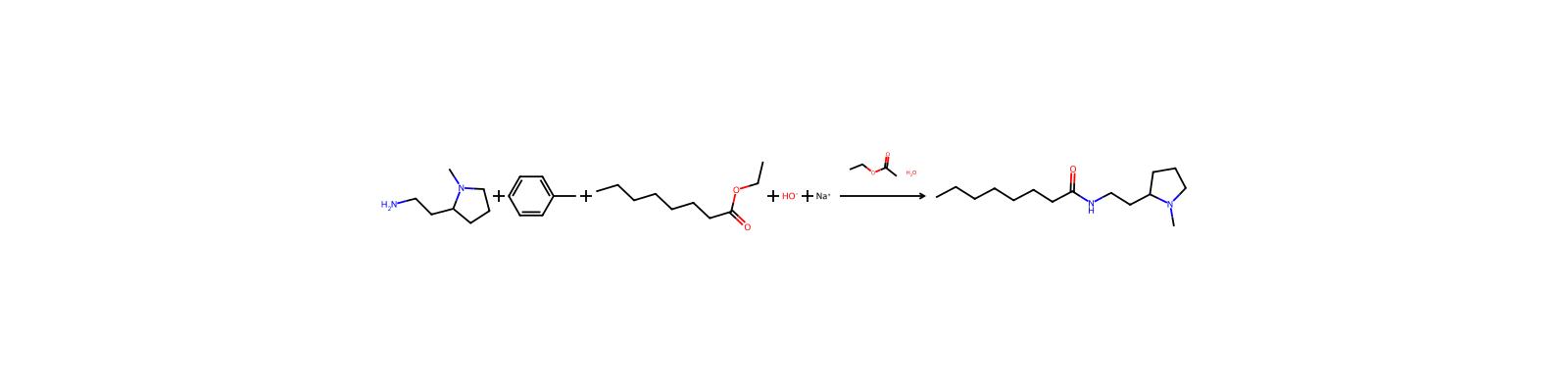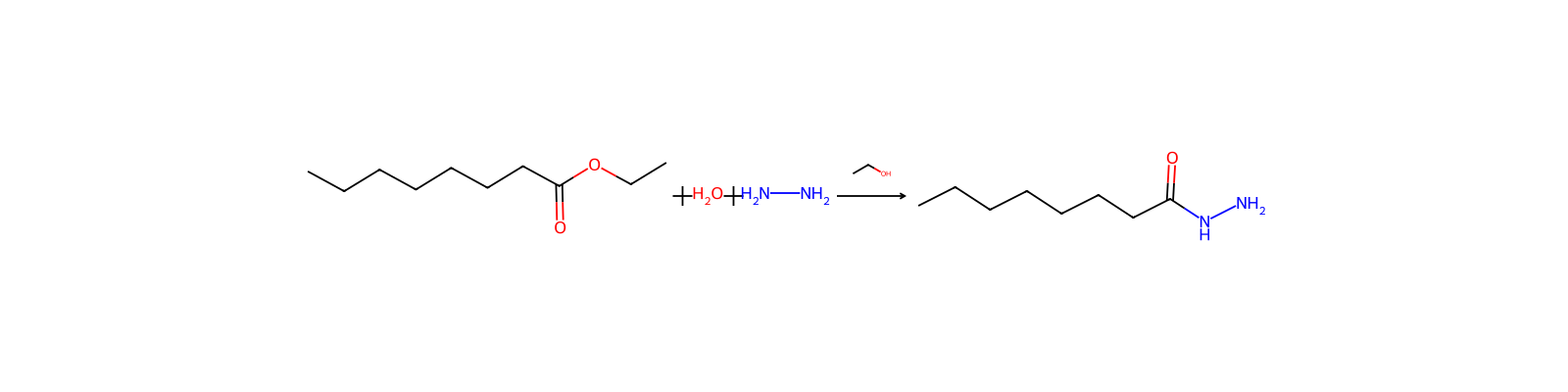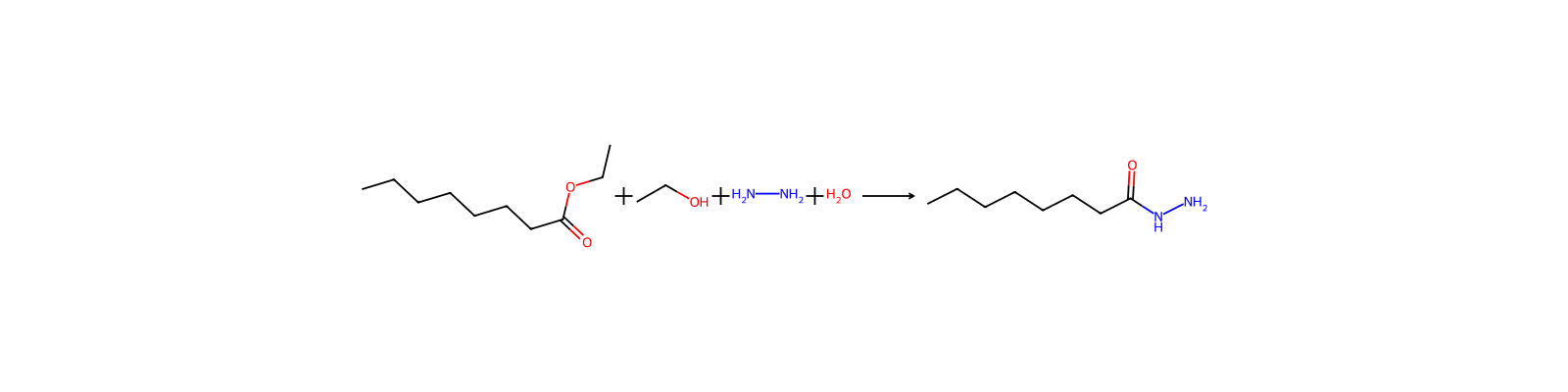
HRID 110936As reactant
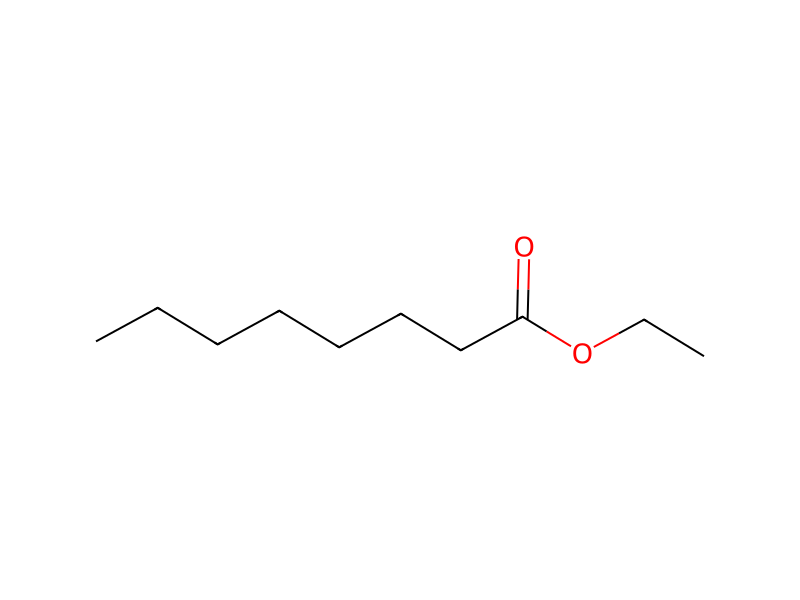
106-32-1CCCCCCCC(=O)OCCYYZUSRORWSJGET-UHFFFAOYSA-NEthyl octanoate is a fatty acid ethyl ester resulting from the formal condensation of octanoic acid with ethanol. It has a role as a metabolite. It is a fatty acid ethyl ester and an octanoate ester.
106-32-1DTXSID8051542CHEMBL4633100CHEBI:874260.0701 mg/mL at 25 °C
Soluble in most fixed oils, slightly soluble in propylene glycol, insoluble in water and glycerol
1ml in 4ml 70% ethanol (in ethanol)
206.00 to 208.00 °C. @ 760.00 mm Hg
209 °C
Liquid
Colourless liquid with a wine, brandy, fruity floral odour
Safety information is for reference only and does not replace the supplier’s Safety Data Sheet (SDS), applicable regulations, or professional assessment.
This chemical does not meet GHS hazard criteria for 91.9% (1639 of 1784) of all reports.
Not Classified
Aggregated GHS information provided per 1784 reports by companies from 3 notifications to the ECHA C&L Inventory.
Chemical: Octanoic acid, ethyl ester
REACH registered substance: Ethyl octanoate (EC: 203-385-5)
Ethyl caprylate: Does not have an individual approval but may be used under an appropriate group standard
Fragrance Ingredients
Flavouring Agent -> FLAVOURING_AGENT -> JECFA Functional Classes
Flavoring Agents -> JECFA Flavorings Index
Flavouring Agent -> FLAVOURING_AGENT -> JECFA Functional Classes
DescriptionEthyl caprylate (also known as ethyl octanoate) is a fatty acid ester formed from caprylic acid and ethanol. It is a natural fruit flavoring agent. It is usually included in the alcohol beverage. Among the main flavoring components of None-flavor liquor, the absolute content of ethyl caprylate is not high but its flavoring contributions is higher than ethyl acetate, ethyl lactate, and ethyl butyrate, only lower than ethyl caproate. Only small amount of ethyl caprylate could produce obvious fruit aroma in Nong-flavor liquor. However, excessive content of ethyl caprylate would inhibit the performance of other flavoring components.
OccurrenceReported found in apple, apricot, orange juice, grapefruit juice, guava, pineapple, cheddar cheese, other cheeses, butter, beer, cognac, rum, whiskey, cider, grape wines, cocoa, coconut meat, passion fruit, mango, pawpaw and mastic gum leaf oil.
Usesmanufacture of fruit ethers; constituent of enanthic, cocoic, and cognac ethers.
UsesEthyl octanoate, found in Burgundy wine, was used to study its partition co-efficient in water in model wine using the headspace method.
General DescriptionEthyl octanoate is a powerful odourant found in mead (a traditional drink that contains alcohol).
PreparationUsually prepared by esterification of caprylic acid with ethyl alcohol and sulfuric acid as catalyst; also by alcoholysis of coconut oil in the presence of HCl.
DefinitionChEBI: Ethyl caprylate is a fatty acid ethyl ester resulting from the formal condensation of octanoic acid with ethanol.