HomeMCPWorkbenchSkills
HomeWorkbenchNotificationsMe
llms.txt · MCP GuidePrivacy Policy · Terms of Service · Supportv1.8.0
  1. Home
  2. /Compound

4-Bromophenol

HCID 7808
New noteNew reactionRequest quotes
Print preview

Completing data — refresh the page later to see the latest

Basic informationOverviewNames & identifiersPropertiesSafety & regulationChemistry & industryRelated reactionsCompound notes
Substructure searchFind similar structures

Basic information

CAS
106-41-2
Standard SMILES
Oc1ccc(Br)cc1
InChIKey
GZFGOTFRPZRKDS-UHFFFAOYSA-N
Molecular formula
C6H5BrO
Average molar mass
173.01 g/mol
Monoisotopic mass
171.95237688

Overview

4-bromophenol is a bromophenol containing only hydroxy and bromo substituents that are para to one another. It has a role as a mouse metabolite, a marine metabolite, a human xenobiotic metabolite, a persistent organic pollutant, a human urinary metabolite and a rat metabolite.

Names & identifiers

Preferred name
4-Bromophenol
IUPAC
4-bromophenol
English name
4-Bromophenol
Molecular formula
C6H5BrO
Molecular weight
173.01

Names & synonyms

4-BROMOPHENOL106-41-2p-BromophenolPhenol, 4-bromo-p-Bromohydroxybenzenepara-bromophenolLAO4J0183INSC-4970DTXSID3051543CHEBI:47248RefChem:98212DTXCID4030095
Show more names
Para Bromo PhenolNSC 4970p-BromphenolBROMOPHENOL-4P-Bromophenlo4-bromo-pheno
203-394-44-Bromo-phenolPhenol, p-bromo-4-bromphenolMFCD00002313CHEMBL57284p-Bromophenic acid4-Bromophbenol

Database identifiers

CAS
106-41-2
PubChem CID
7808
DTXSID
DTXSID3051543
ChEMBL
CHEMBL57284
ChEBI
CHEBI:47248
UNII
LAO4J0183I
EC Number
203-394-4
Nikkaji
J3.608K

Properties

Computed structural propertiesFilling in

XLogP
2.6
Topological polar surface area
20.2 Ų
Hydrogen bond donors
1
Hydrogen bond acceptors
1
Rotatable bonds
0
Heavy atoms
8
Formal charge
0
Complexity
66.9

Experimental & physicochemical properties

Chemical ClassesOther Classes -> Phenols
SpringerMaterials Properties13C nuclear magnetic resonance spectrum
PesticidesBiocide
LogP · 2 items

log Kow = 2.59

2.74

Density · 2 items

1.840 g/cu cm at 15 °C

Density: 1.5875 at 80 °C

Color/FormTetragonal bipyramidal crystals from chloroform or ether
Solubility · 2 items

Freely soluble in alcohol, chloroform, ether, glacial acetic acid

In water, 1.4X10+4 mg/L at 25 °C

Boiling Point238 °C
Melting Point66.4 °C
Vapor Pressure · 2 items

Safety & regulation

Safety information is for reference only and does not replace the supplier’s Safety Data Sheet (SDS), applicable regulations, or professional assessment.

GHS classification

GHS Classification · 6 items

Warning

H302 (91.8%): Harmful if swallowed [Warning Acute toxicity, oral]

P261, P264, P264+P265, P270, P271, P280, P301+P317, P302+P352, P304+P340, P305+P351+P338, P317, P319, P321, P330, P332+P317, P337+P317, P362+P364, P403+P233, P405, and P501 (click each P-code to see the statement)

Aggregated GHS information provided per 61 reports by companies from 13 notifications to the ECHA C&L Inventory. Each notification may be associated with multiple companies.

H401: Toxic to aquatic life [Hazardous to the aquatic environment, acute hazard]

P273, P391, and P501 (click each P-code to see the statement)

Hazard information

Regulatory Information · 2 items

Chemical: Phenol, 4-bromo-

Phenol, 4-bromo-: Does not have an individual approval but may be used under an appropriate group standard

Hazards SummaryNo nephrotoxicity observed in rats; [INCHEM CICADS] A skin and strong eye irritant; Harmful by skin absorption; Toxic by ingestion; [Alfa Aesar MSDS] See o-Bromophenol and 4-Chlorophenol.
Special ReportsWHO; Concise International Chemical Assessment Document No 66, 2,4,6 Tribromophenol and other simple brominated phenols. Available at http://www.inchem.org/documents/cicads/cicads/cicad66.htm as of September 24, 2008.
Hazard Classes and Categories · 3 items

Acute Tox. 4 (91.8%)

Acute toxicity (Oral) - Category 4

Hazardous to the aquatic environment (Acute) - Category 2

Skin, Eye, and Respiratory IrritationsCauses respiratory tract irritation. Causes skin irritation.Causes eye irritation.

Chemistry & industry

Pharmacology

Metabolism/Metabolites · 6 items

Bromobenzene causes hepatic and extrahepatic toxicity in rats. Toxicity is related to the presence of covalently bound material in these tissues. A major bromobenzene metabolite, p-bromophenol, has been shown to give rise to covalently bound material in liver, lung and kidney in vivo, but is not toxic. p-Bromophenol is formed from bromobenzene in liver, lung and kidney microsomes and is subsequently metabolized to 4-bromocatechol and covalently bound material. Bromobenzene-3,4-oxide generated in situ by liver microsomes, is detoxified by kidney, liver and lung cytosol. The results suggest that the kidney toxicity caused by bromobenzene is probably not mediated by either bromobenzene-3,4-oxide or the reactive metabolites of p-bromophenol. In contrast, bromobenzene-3, 4-oxide may play a role in the lung toxicity observed after bromobenzene administration. However, the covalently bound material found in extrahepatic tissues may be derived from both bromobenzene-3,4-oxide or the reactive metabolites of p-bromophenol, which may be formed directly by these tissues or transported there from the liver.

4-Bromophenol and 4-bromocatechol are formed as metabolites of bromobenzene in vivo and in isolated rat hepatocytes. Both of these metabolites may potentially contribute to the hepatotoxicity of bromobenzene. Bromobenzene metabolism in hepatocytes isolated from phenobarbital-treated rats forms 0.12 to 0.17 mM 4-bromophenol and 4-bromocatechol in 2 hr, with 1 to 3 mM bromobenzene.

A microsomal metabolite of p-bromophenol was isolated and identified as 6-(glutathion-S-yl)-4-bromocatechol. p-Bromophenol is metabolized in rat liver microsomes in part to 4-bromocatechol. The catechol undergoes autooxidation to the corresponding quinone or semiquinone, which can either covalently bind to microsomal protein or, in the presence of glutathione, form a glutathione conjugate. Superoxide dismutase inhibited these reactions by preventing the superoxide anion-mediated oxidation of 4-bromocatechol. Thus, in the presence of glutathione, superoxide dismutase caused a decrease in conjugate formation with a corresponding increase in 4-bromocatechol levels. Conditions which increased the in vitro covalent binding of p-bromophenol (namely, phenobarbital treatment and the absence of glutathione) did not cause toxicity in vivo. Thus, chemically reactive metabolite(s) of p-bromophenol do not play a role in bromobenzene-mediated hepatotoxicity.

The metabolism of bromobenzene has been examined in isolated hepatocytes and liver microsomes from phenobarbital-induced rats and in phenobarbital-induced rats in vivo. The metabolite profile produced upon incubation of isolated rat hepatocytes with bromobenzene differed with the hepatocyte concentration. At a low hepatocyte concentration (0.5 x 10+6 cells/mL), 4-bromophenol was the major metabolite, while at higher hepatocyte concentrations (2.0 and 5.0 x 10+6 cells/mL) bromobenzene-3,4-dihydrodiol was the major metabolite. 4-Bromophenol was the primary metabolite in incubations with rat liver microsomes. In vivo, 3- and 4-bromophenol were more predominant, with very little dihydrodiol formed. 4-Bromocatechol, a potentially toxic metabolite of bromobenzene, was formed in vivo as well as in isolated hepatocytes and microsomes. However, the mechanism of catechol formation differed, as determined by the retention of a deuterium label at the para position of bromobenzene. In microsomes, 4-bromophenol was the predominant precursor metabolite of 4-bromocatechol. In isolated hepatocytes, although the relative contribution of 4-bromophenol as the bromocatechol precursor differed with hepatocyte concentration, bromobenzene-3,4-dihydrodiol was the predominant precursor at all concentrations. In vivo, as in isolated hepatocytes, 4-bromocatechol was formed primarily via bromobenzene-3,4-dihydrodiol.

Related reactions

999 records
New reaction record
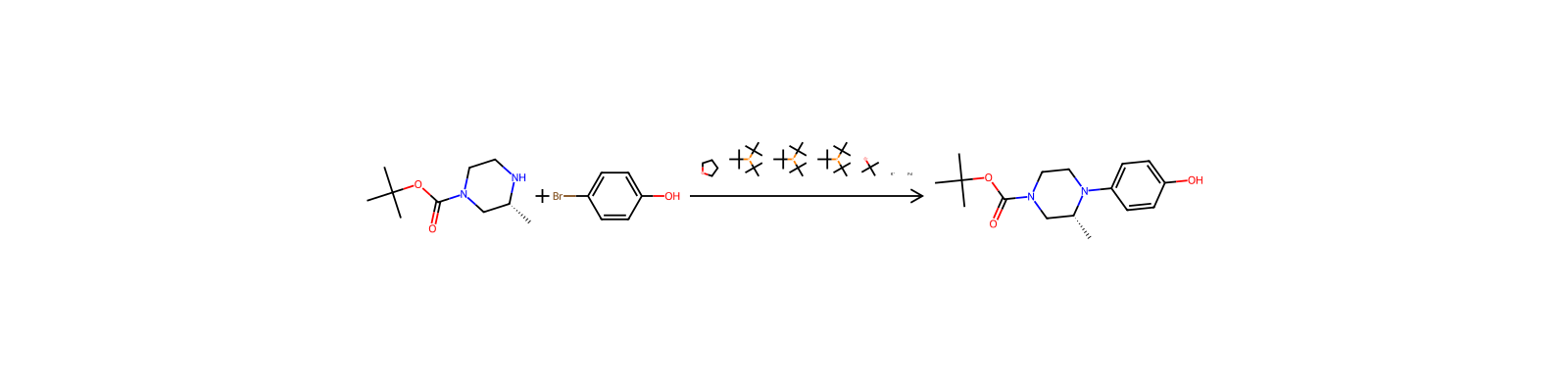
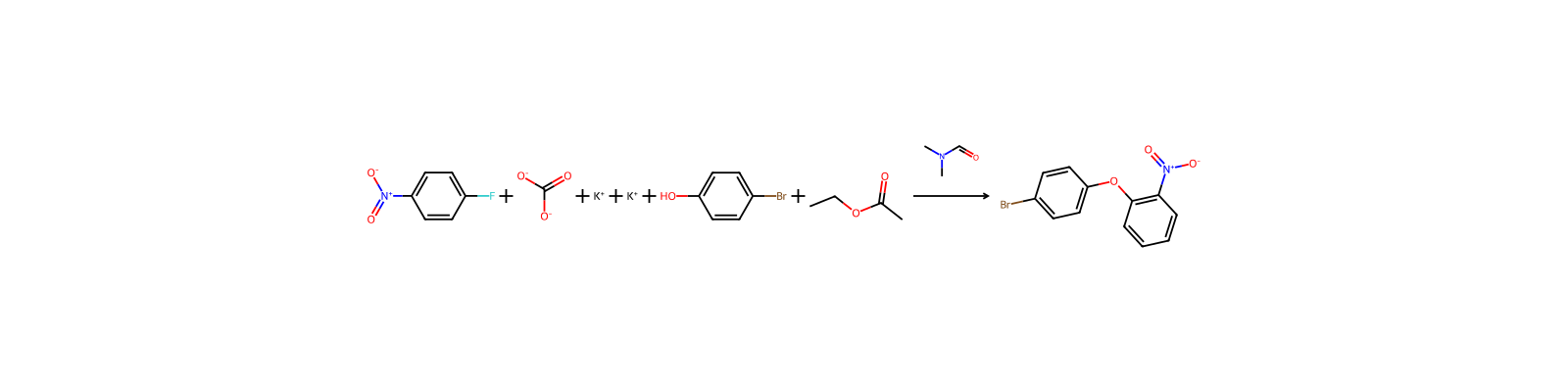
HRID 243 reaction equation
HRID 243As reactant750 AstraZeneca ELN dataset
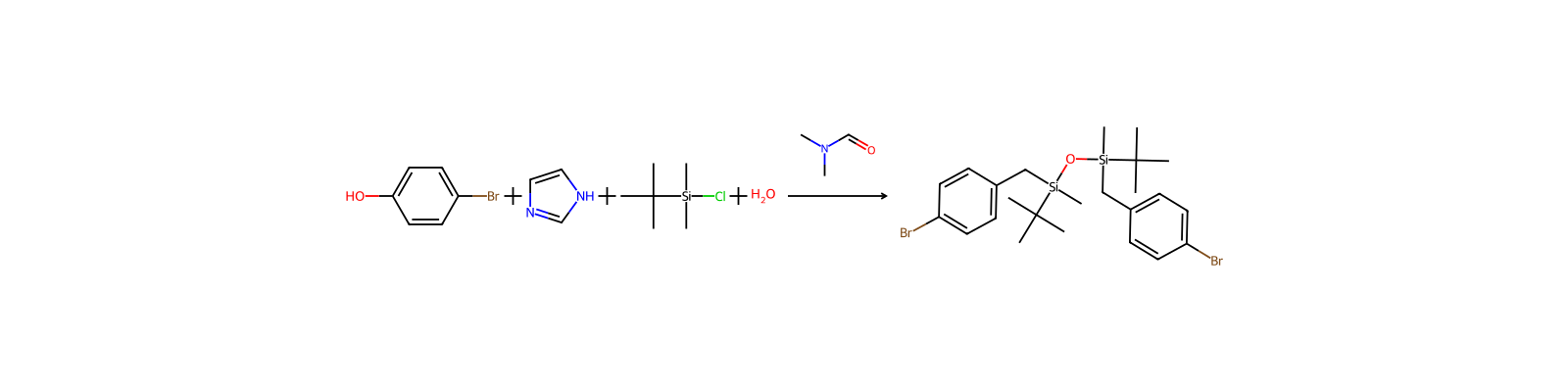
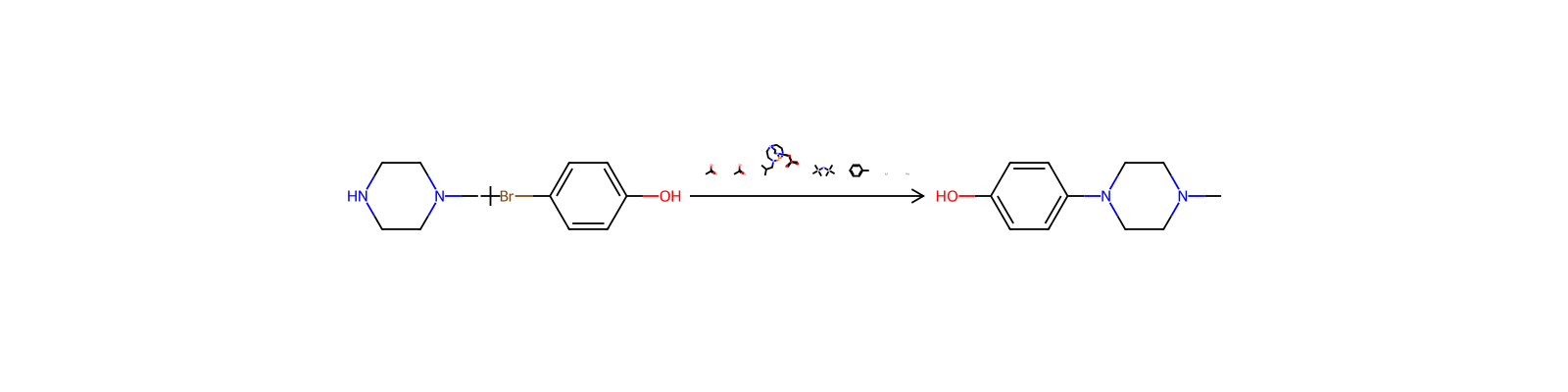
HRID 279 reaction equation
HRID 279As reactant750 AstraZeneca ELN dataset
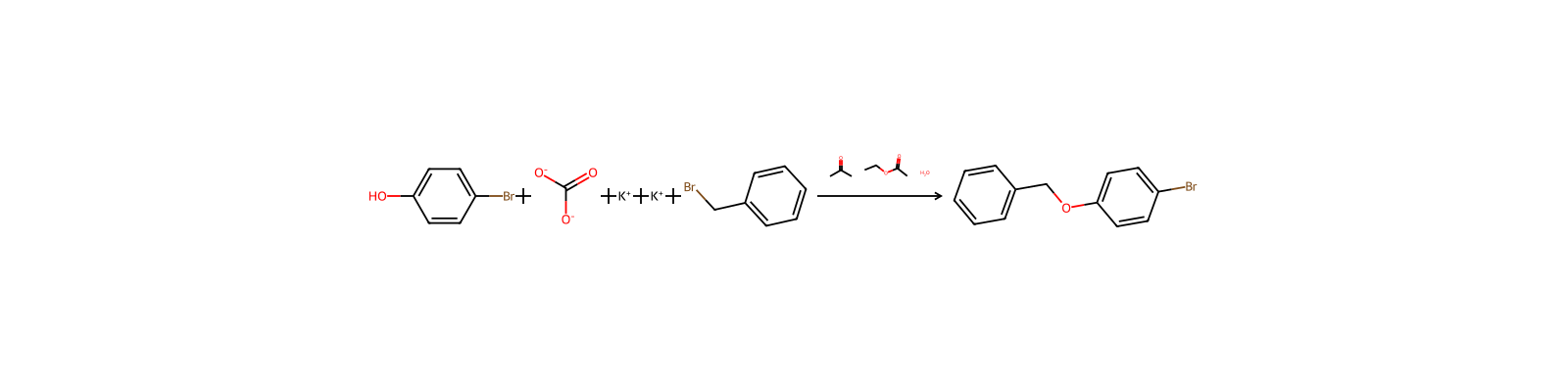
HRID 664 reaction equation
HRID 664As reactant750 AstraZeneca ELN dataset
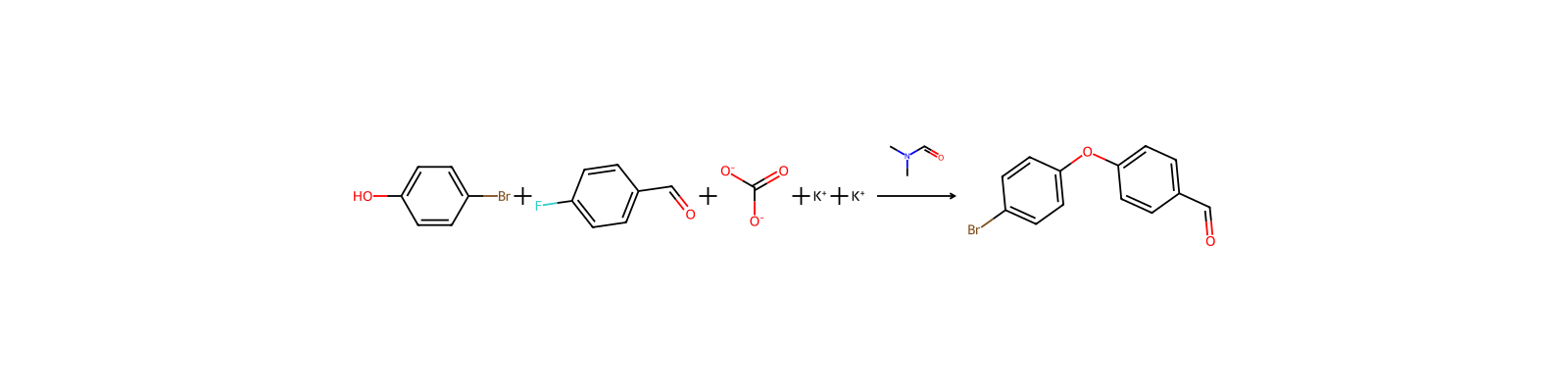
HRID 1037 reaction equation
HRID 1037As reactantuspto-grants-1998_03
HRID 5339 reaction equation
HRID 5339As reactantuspto-grants-1993_09
HRID 11201 reaction equation
HRID 11201As reactantuspto-grants-2006_08
HRID 16475 reaction equation
HRID 16475As reactantuspto-grants-2010_06
HRID 17732 reaction equation
HRID 17732As reactantuspto-grants-2010_06
Page 1 of 125

Compound notes

Loading…

On this pageBasic informationOverviewNames & identifiersPropertiesSafety & regulationChemistry & industryRelated reactionsCompound notes
More actions
New noteNew reactionRequest quotes

0.01 [mmHg]

1.17X10⁻² mm Hg at 25 °C

Henry's Law ConstantHenry's Law constant = 1.51X10⁻⁷ atm-cu m/mol at 25 °C
Physical DescriptionSolid; [Merck Index] Off-white crystalline powder with a phenolic odor; [Alfa Aesar MSDS]

Physicochemical properties

Melting point
61 · 61-64 °C (lit.)
Boiling point
235 · 235-236 °C (lit.)
Density
1.84 · 1.84
refractive index
1.5085 · 1.5085 (estimate)
Flash point
235 · 235-238°C
storage temp.
room temp
solubility
14 g/l · 14g/l
form
Crystalline Solid
pka
9.37 · 9.37(at 25℃)
color
Pinkish-brown
Water Solubility
5 %ethanol · It is insoluble in water. It is soluble in 5%ethanol.
λmax
282 nm · 282nm(EtOH)(lit.)
Merck
14 · 14,1428
BRN
1680024 · 1680024
Henry's Law Constant
6.7 · 6.7×101 mol/(m3Pa) at 25℃, Abraham et al. (1994)
InChI
1S/C6H5BrO/c7-5-1-3-6(8)4-2-5/h1-4,8H
InChIKey
GZFGOTFRPZRKDS-UHFFFAOYSA-N
SMILES
Oc1ccc(Br)cc1
CAS DataBase Reference
106 · 106-41-2(CAS DataBase Reference)
EWG's Food Scores
1 · 1
FDA UNII
4 J0183I · LAO4J0183I
NIST Chemistry Reference
4 · 4-Bromophenol(106-41-2)
EPA Substance Registry System
4 · Phenol, 4-bromo- (106-41-2)
UNSPSC Code
12352100 · 12352100
NACRES
22 · NA.22
Symbol(GHS)
7 · GHS07,GHS08,GHS09
Signal word
Warning
Hazard statements
302 · H302-H315-H319-H361-H411
Precautionary statements
501 · P501-P273-P270-P202-P201-P264-P280-P302+P352-P391-P308+P313-P337+P313-P305+P351+P338-P362+P364-P332+P313-P301+P312+P330-P405
PPE
95 · dust mask type N95 (US), Eyeshields, Gloves
Hazard Codes
Xn,Xi
Risk Statements
22 · 22-36/37/38-20/21/22
Safety Statements
26 · 26-37/39-36
RIDADR
2811 · 2811
WGK Germany
2 · 2
RTECS
7960000 · SJ7960000
F
8 · 8-10-23
Hazard Note
Irritant
TSCA
TSCA listed
HazardClass
6.1 · 6.1(b)
PackingGroup
III
HS Code
29081000 · 29081000
Storage Class
11 · 11 - Combustible Solids
Hazard Classifications
4 OralSkin · Acute Tox. 4 OralSkin Irrit. 2
Hazardous Substances Data
106 · 106-41-2(Hazardous Substances Data)
Toxicity
50 · mouse,LD50,intraperitoneal,411mg/kg (411mg/kg),Gigiena i Sanitariya. For English translation, see HYSAAV. Vol. 44(12), Pg. 19, 1979.

Safety & protection

Firefighting HazardsHazardous decomposition products formed under fire conditions. - Hydrogen bromide gas
Fire Fighting Procedures · 2 items

Wear self contained breathing apparatus for fire fighting if necessary.

Use water spray, alcohol-resistant foam, dry chemical or carbon dioxide.

Cleanup Methods · 2 items

Pick up and arrange disposal without creating dust. Keep in suitable, closed containers for disposal.

A comparative study of the adsorbents prepared from several industrial wastes for the removal of 2-bromophenol, 4-bromophenol and 2,4-dibromophenol has been carried out. The results show that maximum adsorption on carbonaceous adsorbent prepared from fertilizer industry waste has been found to be 40.7, 170.4 and 190.2 mg/g for 4-bromophenol 2-bromophenol and 2,4-dibromophenol, respectively. As compared to carbonaceous adsorbent, the other three adsorbents (viz., blast furnace sludge, dust, and slag) adsorb bromophenols to a much smaller extent. ... To test the practical utility of this adsorbent, column operations were also carried out. The results were found satisfactory in removing bromophenols by column operations. Therefore, the ... investigations recommend the use of carbon slurry waste as inexpensive adsorbent for small scale industries of developing/poor countries where disposal of solid waste of various industries and proper treatment of polluted wastewater is a serious problem.

Disposal Methods · 2 items

SRP: The most favorable course of action is to use an alternative chemical product with less inherent propensity for occupational exposure or environmental contamination. Recycle any unused portion of the material for its approved use or return it to the manufacturer or supplier. Ultimate disposal of the chemical must consider: the material's impact on air quality; potential migration in soil or water; effects on animal, aquatic, and plant life; and conformance with environmental and public health regulations.

Observe all federal, state, and local environmental regulations. Contact a licensed professional waste disposal service to dispose of this material.

Preventive Measures · 5 items

SRP: The scientific literature for the use of contact lenses in industry is conflicting. The benefit or detrimental effects of wearing contact lenses depend not only upon the substance, but also on factors including the form of the substance, characteristics and duration of the exposure, the uses of other eye protection equipment, and the hygiene of the lenses. However, there may be individual substances whose irritating or corrosive properties are such that the wearing of contact lenses would be harmful to the eye. In those specific cases, contact lenses should not be worn. In any event, the usual eye protection equipment should be worn even when contact lenses are in place.

SRP: Local exhaust ventilation should be applied wherever there is an incidence of point source emissions or dispersion of regulated contaminants in the work area. Ventilation control of the contaminant as close to its point of generation is both the most economical and safest method to minimize personnel exposure to airborne contaminants.

Handle with gloves. Wear safety glasses for eye protection. Choose body protection according to the amount and concentration of the dangerous substance at the work place.

Handle in accordance with good industrial hygiene and safety practice. Wash hands before breaks and at the end of workday.

For more Preventive Measures (Complete) data for 4-BROMOPHENOL (8 total), please visit the HSDB record page.

Personal Protective Equipment (PPE) · 2 items

Where risk assessment shows air-purifying respirators are appropriate use a dust mask type N95 (US) or type P1 (EN 143) respirator. Use respirators and components tested and approved under appropriate government standards such as NIOSH (US) or CEN (EU).

ENGINEERING CONTROLS: Use only in a chemical fume hood. Safety shower and eye bath.

Toxicology

Ecotoxicity ValuesEC50; Species: Daphnia magna (Water flea, age 12 hr); Conditions: freshwater, static, 18 °C; Concentration: 5950 ug/L for 48 hr; Effect: intoxication, immobilization /formulated product/
Environmental Fate · 3 items

TERRESTRIAL FATE: Based on a classification scheme(1), an estimated Koc value of 610(SRC), determined from a log Kow of 2.59(2) and a regression-derived equation(3), indicates that 4-bromophenol is expected to have low mobility in soil(SRC). The pKa of 4-bromophenol is 9.17(4), indicating that this compound will exist partially in the anion form in the environment and anions generally do not adsorb more strongly to soils containing organic carbon and clay than their neutral counterparts(5). Volatilization of 4-bromophenol from moist soil surfaces is not expected to be an important fate process(SRC) given a Henry's Law constant of 1.51X10⁻⁷ atm-cu m/mole(6). 4-Bromophenol is not expected to volatilize from dry soil surfaces(SRC) based upon an estimated vapor pressure of 1.2X10⁻² mm Hg(SRC), determined from a fragment constant method(7). A theoretical BOD of 0% using activated sludge in the Japanese MITI test(8) suggests that biodegradation is not an important fate process in soil(SRC).

AQUATIC FATE: Based on a classification scheme(1), an estimated Koc value of 610(SRC), determined from a log Kow of 2.59(2) and a regression-derived equation(3), indicates that 4-bromophenol is expected to adsorb to suspended solids and sediment(SRC). Volatilization from water surfaces is not expected(3) based upon a Henry's Law constant of 1.5X10⁻⁷ atm-cu m/mole(4). According to a classification scheme(5), an experimental BCF of 8.0 to 12(6) suggests the potential for bioconcentration in aquatic organisms is low(SRC). A theoretical BOD of 0% using activated sludge in the Japanese MITI test(6) suggests that biodegradation is not an important fate process in water(SRC).

ATMOSPHERIC FATE: According to a model of gas/particle partitioning of semivolatile organic compounds in the atmosphere(1), 4-bromophenol, which has an estimated vapor pressure of 1.17X10⁻² mm Hg at 25 °C(2), is expected to exist solely as a vapor in the ambient atmosphere. Vapor-phase 4-bromophenol is degraded in the atmosphere by reaction with photochemically-produced hydroxyl radicals(SRC); the half-life for this reaction in air is estimated to be 1.7 days(SRC), calculated from its rate constant of 9.7X10⁻¹² cu cm/molecule-sec at 25 °C(SRC) that was derived using a structure estimation method(3). 4-Bromophenol does not contain chromophores that absorb at wavelengths >290 nm(4) and therefore is not expected to be susceptible to direct photolysis by sunlight(SRC).

Plant ConcentrationsConcentrations of 4-bromophenol were measured in brown algae (0 to 13 ug/kg wet weight), red algae (0 to 0.84 ug/kg), bryozoa (2.3 and 18 ug/kg) and a hydroid (4.9 ug/kg) collected from Exmouth Gulf, Australia, in October 1990(1).
Animal ConcentrationsConcentrations of 4-bromophenol were measured in sponges (0.42 to 62 ug/kg) collected from Exmouth Gulf, Australia, in October 1990(1).
Effluent Concentrations · 1 item

4-Bromophenol was identified in automotive emissions in the range of 0.1 to 0.3 ug/cu m(1). 4-Bromophenol was identified in industrial wastewater samples from photographic industries at 187 ng/uL(2). The raw flue gas from a Swedish hazardous waste incinerator, located at Norrtorp, and fed chlorinated (mainly solvents) and brominated waste (tetrabutylammonium bromide) contained 3-/4-bromophenol at 24, 230, and 31 ng/cu m over three tests, respectively; bromides were present initially at 32, 1100, and 530 mg/cu m, respectively(3).

Soil Adsorption/Mobility · 1 item

The Koc of 4-bromophenol is estimated as 610(SRC), using a log Kow of 2.59(1) and a regression-derived equation(2). According to a classification scheme(3), this estimated Koc value suggests that 4-bromophenol is expected to have low mobility in soil. The pKa of 4-bromophenol is 9.17(4), indicating that this compound will exist partially in the anion form in the environment and anions generally do not adsorb more strongly to soils containing organic carbon and clay than their neutral counterparts(5).

Natural Pollution SourcesStudies indicate that there is a wide occurrence of bromophenols, including 4-bromophenol, in marine algae which provides a possible source of such compounds in fish that feed predominantly on ocean plants(1).
Human Toxicity Excerpts · 3 items

/ENDOCRINE MODULATION/ ... The estrogen-like activity of phenol, 4-bromophenol (4-BP), 2,4-dibromophenol (2,4-DBP), 2,4,6-tribromophenol (2,4,6-TBP) and 4-tert-butylphenol (tert-BP) /was characterized/ using the estrogen-dependent human breast cancer cell line MCF-7. 4-BP, 2,4-DBP and 4-tert-BP all bind to the estrogen receptor (ER) with approximately 10,000-fold less affinity than 17 beta-estradiol (17 beta-E). 2,4,6-TBP was only able to displace 43% of radiolabelled estrogen when tested at concentrations up to 1 uM, whereas phenol had no affinity for the ER. 4-tert-BP stimulated cell growth and induced estrogen-regulated proteins such as the progesterone receptor (PgR) and pS2. The brominated phenols, however, although binding to the ER, did not stimulate cell growth or increase the levels of the PgR or pS2, or reduce the level of 17 beta-E induced pS2. On the contrary, 4-BP, 2,4-DBP and partly 4-tert-BP reduced 17 beta-E-stimulated cell growth apparently by an ER independent mechanism.

/ALTERNATIVE and IN VITRO TESTS/ /The/ study assessed the potential effects of nineteen polybrominated diphenyl ethers (BDEs), five hydroxylated BDEs (OH-BDEs), one methoxylated BDE (CH(3)O-BDE), tetrabromobisphenol-A (TBBPA), its dibromopropane ether derivative (TBBPA-DBPE), and the brominated phenols/anisols 2,4,6-tribromophenol (TBP), 4-bromophenol (4BP) and 2,4,6-tribromoanisole (TBA) on the catalytic activity of the steroidogenic enzyme aromatase (CYP19) in H295R human adrenocortical carcinoma cells. Effects were studied in the concentration range from 0.5 to 7.5 uM; exposures were for 24 hr. Both 6-OH-BDE47 and 6-OH-BDE99 showed an inhibitory effect on aromatase activity at concentrations >2.5 uM and >5 uM, respectively. However, 6-OH-BDE47 also caused a statistically significant increase in cytotoxicity (based on mitochondrial MTT reduction and lactate dehydrogenase-leakage [LDH]) at concentrations >2.5 uM that could explain in part the apparent inhibitory effect on aromatase activity. Compared to 6-OH-BDE47, the methoxy analog (6-CH(3)O-BDE47) did not elicit a cytotoxic effect, whereas significant inhibition of aromatase remained. TBP caused a concentration-dependent induction of aromatase activity between 0.5 and 7.5 uM (with a maximum of 3.8-fold induction at 7.5 uM). This induction was not observed when a OH- group replaced the CH(3)O- group or when bromine atoms adjacent to this OH- group were absent...

/ALTERNATIVE and IN VITRO TESTS/ /The/ study assessed the potential effects of nineteen polybrominated diphenyl ethers (BDEs), five hydroxylated BDEs (OH-BDEs), one methoxylated BDE (CH(3)O-BDE), tetrabromobisphenol-A (TBBPA), its dibromopropane ether derivative (TBBPA-DBPE), and the brominated phenols/anisols 2,4,6-tribromophenol (TBP), 4-bromophenol (4BP) and 2,4,6-tribromoanisole (TBA) on the catalytic activity of the steroidogenic enzyme aromatase (CYP19) in H295R human adrenocortical carcinoma cells. Effects were studied in the concentration range from 0.5 to 7.5 uM; exposures were for 24 hr. Both 6-OH-BDE47 and 6-OH-BDE99 showed an inhibitory effect on aromatase activity at concentrations >2.5 uM and >5 uM, respectively. However, 6-OH-BDE47 also caused a statistically significant increase in cytotoxicity (based on mitochondrial MTT reduction and lactate dehydrogenase-leakage [LDH]) at concentrations >2.5 uM that could explain in part the apparent inhibitory effect on aromatase activity. Compared to 6-OH-BDE47, the methoxy analog (6-CH(3)O-BDE47) did not elicit a cytotoxic effect, whereas significant inhibition of aromatase remained. TBP caused a concentration-dependent induction of aromatase activity between 0.5 and 7.5 uM (with a maximum of 3.8-fold induction at 7.5 uM). This induction was not observed when a OH- group replaced the CH(3)O- group or when bromine atoms adjacent to this OH- group were absent...

Fish/Seafood Concentrations · 1 item

Endeavour prawns from Exmouth Gulf, Shark Bay, and Groote Elylandt, Australia, contained 4-bromophenol at concentrations of 61 to 410, 370, and 370 ug/kg, respectively(1). Ten different species of fish, collected in August 1992 from the eastern coast of Australia, contained 4-bromophenol at concentrations of <0.05 to 0.2 ng/g for the carcass and <0.05 to 100 ng/g for the whole gut (analysis of single fish from each species)(2). Ocean fish were separated by species into pelagic carnivores, benthic carnivores, diverse omnivores and restricted omnivores; concentrations in the flesh ranged from <0.01 to 1.6 ng/g, <0.01 to 46 ng/g, <0.01 to 1.2, and <0.01 to 0.1 ng/g, respectively, while concentrations in the gut ranged from <0.01 to 1.1 ng/g, <0.01 to 2300 ng/g, <0.01 to 56 ng/g, and <0.01 to 0.8 ng/g, respectively(3). Thirty samples of 9 species of prawns, collected from the eastern coast of Australia from 1993 to 1996, contained 4-bromophenol at concentrations of <0.01 to 850 ng/g(4). 4-Bromophenol concentrations in cultivated prawns ranged from <0.01 to 0.56 ng/g in the head and <0.01 to 0.06 ng/g in the tail(4). 4-Bromophenol was detected in marine fish, mollusks, and crustaceans obtained from a seafood shop in Hong Kong. Seasonal concentrations in the flesh of rabbitfish (Siganus canaliculatus) and brown-spotted grouper (Epinepheus areolatus) was 0 ng/g (not detected) for each; in the gut, concentrations ranged from 0 to 206 ng/g and 0 ng/g, respectively. In the mullusks, including clams (Tapes philippinarum) and oysters (Ostrea rivularis), seasonal concentrations ranged from 0 to 55.6 ng/g and 0 ng/g, respectively. For crustaceans, seasonal concentrations in the cephalothorax and tail of the shrimp (Penaeus japonicus) ranged from 0 to 9.47 ng/g and 0 to 5.39 ng/g, respectively; in crab (Charybdis feriatus), concentrations ranged from 0 to 47.9 ng/g(5).

Artificial Pollution Sources4-Bromophenol's production and use as a disinfectant(1) may result in its release to the environment through various waste streams(SRC).
Environmental Biodegradation · 1 item

AEROBIC: 4-Bromophenol, present at 100 mg/L, reached 0% of its theoretical BOD in 14 days using an activated sludge inoculum at 30 mg/L in the Japanese MITI test(1). A 93% ring degradation was reported for 4-bromophenol, present at 100 mg/L, over a 1-day incubation period measured with UV absorption in sludge from aerated soil where glucose and peptone were added in mineral salts(2). A first order rate constant of 4.47X10⁻⁴ 1/hours was determined for 4-bromophenol in unacclimated activated sludge(3). A first order rate constant of 1.57X10⁻³ was calculated for 4-bromophenol, present at 50 ppm, in cresol activated sludge at a pH of 7.2 in a 5-day period. This corresponds to a half life of 18.4 days(4). 4-Bromophenol, present at 400 mg/L degraded by <20% in 28 days in activated sludge as measured by DOC analysis, where DOC was present at 1000 COD-mg/L and the concentration of microbial population was 1 g/L(5). 4-Bromophenol, present at 50 ppm, reached 100% UV disappearance in 16 days using a Dunkirk soil inoculum with a microbial population of 4 g soil/L mineral salts media(6). Grab samples, which contained 10+7 to 10+9 organisms per liter were obtained from 5 ponds or rivers within 10 km from Athens, GA. 4-Bromophenol, present at 1 ppm, was found to degrade by 9.6, 9.6, 7.9, 9.9, and 8.2 E-11 liter/organisms per hour(7).

Environmental Bioconcentration · 1 item

An experimental BCF of 8.0 to 12 was calculated in fish for 4-bromophenol using carp (Cyprinus carpio) which were exposed over a 6-week period(1). According to a classification scheme(2), this BCF suggests the potential for bioconcentration in aquatic organisms is low(SRC).

Safety data

F
8-10-23
PPE
dust mask type N95 (US), Eyeshields, Gloves
wgk
2
tsca
TSCA listed
rtecs
SJ7960000
ridadr
2811
hs_code
29081000
Toxicity
mouse,LD50,intraperitoneal,411mg/kg (411mg/kg),Gigiena i Sanitariya. For English translation, see HYSAAV. Vol. 44(12), Pg. 19, 1979.
risk_code
22-36/37/38-20/21/22
Signal word
Warning
Symbol(GHS)
GHS07,GHS08,GHS09
hazard_code
Xn,Xi
hazard_note
Irritant
safety_code
26-37/39-36
hazard_class
6.1(b)
Storage Class
11 - Combustible Solids
packing_group
III
Hazard statements
H302-H315-H319-H361-H411
Hazard Classifications
Acute Tox. 4 OralSkin Irrit. 2
Precautionary statements
P501-P273-P270-P202-P201-P264-P280-P302+P352-P391-P308+P313-P337+P313-P305+P351+P338-P362+P364-P332+P313-P301+P312+P330-P405
Hazardous Substances Data
106-41-2(Hazardous Substances Data)

For more Metabolism/Metabolites (Complete) data for 4-BROMOPHENOL (6 total), please visit the HSDB record page.

4-Bromophenol has known human metabolites that include (2S,3S,4S,5R)-6-(4-bromophenoxy)-3,4,5-trihydroxyoxane-2-carboxylic acid.

Uses & manufacturing

Uses · 3 items

Used as a disinfectant; [Merck Index] Naturally occurs in the marine environment; [INCHEM CICADS]

Using Disinfectants or Biocides [Category: Clean]

Disinfectant

Methods of ManufacturingOrganic bromine compounds can be produced by a number of different chemical reactions; however, addition and substitution reactions are the methods most commonly employed in industrial processes. /Organic bromine compounds/
General Manufacturing InformationPhenol, 4-bromo-: ACTIVE

Applications

Uses4-Bromophenol is used as an intermediate in medicine grade. It is also used as a phenol that is used in Stille reactions. It is used in the intermediate of organic synthesis, flame retardant and pharmaceutical industry.

Preparation methods · 1 item

Preparation4-Bromophenol is synthesized by bromination of phenol. The bromine and carbon disulfide solution was added to the phenolic carbon disulfide solution, and the addition was started below 5°C, and the addition was completed under stirring for 2 hours. Phenol and bromine are approximately equimolar ingredients. Distill the reactant to remove carbon disulfide, and then conduct fractional distillation under reduced pressure to collect fractions at 145-150°C (3.32-3.99kPa) to obtain the product. Yield 80-84%.

Upstream & downstream products

Upstream raw materials

Carbon disulfideBromine

Downstream products

1-Benzofuran-5-carbonitrileBenzofuran-5-boronic acid5-Bromo-2(3H)-benzoxazolone4-Bromoanisole6-Bromo-2,3-dihydro-4H-chromen-4-one1-Benzofuran-5-carbaldehydeN-[2-(4-Bromophenoxy)ethyl]pyrrolidine4-Benzyloxybenzeneboronic acid4-Isobutoxyphenylboronic acid4-Bromo-2-nitrophenol5-Bromo-2-benzoxazolinone 974-Hydroxyphenylboronic acid6-Bromo-2H-1,4-benzoxazin-3(4H)-one4-Bromo-2-chlorophenolTamoxifen citrateO,O-Di(4-bromophenyl)thiophosphoryl chloride2-Amino-4-bromophenol5-Bromo-1-benzofuran3-(4-Bromophenoxy)propanoic acidDisperse Red 2076-bromo-3,4-dihydro-2H-chromen-4-ol
Additional notes · 1 item

DefinitionChEBI: 4-bromophenol is a bromophenol containing only hydroxy and bromo substituents that are para to one another. It has a role as a mouse metabolite, a persistent organic pollutant, a human xenobiotic metabolite, a rat metabolite, a human urinary metabolite and a marine metabolite.