
Basic information
- Standard SMILES
Cc1ccc(N)cc1- InChIKey
RZXMPPFPUUCRFN-UHFFFAOYSA-N- Molecular formula
- C7H9N
- Average molar mass
- 107.15 g/mol
- Monoisotopic mass
- 107.07349929
Overview
P-toluidine is a colorless solid. Melting point 44 °C (111 °F). Specific gravity 1.046. Vapor heavier than air. Produces toxic oxides of nitrogen during combustion. May be absorbed through the skin. Used in dyes, and in organic chemical manufacturing.
Names & identifiers
- Preferred name
- p-Toluidine
- IUPAC
- 4-methylaniline
- English name
- toluidine
- Molecular formula
- C7H9N
- Molecular weight
- 107.15306
Names & synonyms
p-Toluidine4-Methylaniline106-49-04-Toluidine4-Methylbenzenaminep-Tolylamine4-AMINOTOLUENEp-MethylanilineBenzenamine, 4-methyl-p-Toluidinp-Aminotoluenep-Methylbenzenamine
Show more names
toluidine
1-Amino-4-methylbenzeneNaphtol AS-KGNaphtol AS-KGLLAniline, p-methyl-4-Aminotoluen4-methylphenylamine4-Amino-1-methylbenzene12221-03-3
Database identifiers
- CAS
106-49-0、26915-12-8- PubChem CID
- 7813
- DTXSID
DTXSID6021872- ChEMBL
CHEMBL58521- ChEBI
CHEBI:37825- UNII
- I1D0KL7I4U
- EC Number
- 203-403-1
- Nikkaji
- J3.612I
Properties
Computed structural properties
- XLogP
- 1.4
- Topological polar surface area
- 26 Ų
- Hydrogen bond donors
- 1
- Hydrogen bond acceptors
- 1
- Rotatable bonds
- 0
- Heavy atoms
- 8
- Formal charge
- 0
- Complexity
- 62.8
Experimental & physicochemical properties
Chemical Classes
Nitrogen Compounds -> Amines, Aromatic
Flammable agents - 2nd degree
SpringerMaterials Properties13C nuclear magnetic resonance spectrum
LogP
log Kow = 1.39
1.39
1.56
OdorAromatic, wine-like odor
TasteBurning taste
Density
1 at 68 °F (USCG, 1999)
0.9619 g/cu cm at 20 °C
Relative density (water = 1): 1.05
1.05
1.046 @ 20°C
1.05
Color/Form
Lustrous plates or leaflets
White solid
Colorless leaflets
Solubility
0.7 % (NIOSH, 2024)
Very soluble in ethanol, pyridine; soluble in diethyl ether, acetone, carbon tetrachloride
Freely soluble in alcohol, ether, acetone, methanol, carbon disulfide, oils, dilute acids
In water, 6.50 g/L (6.50X10+3 mg/L) at 15 °C
Solubility in water, g/100ml at 20 °C: 0.75 (poor)
0.7%
Flash Point
188 °F (USCG, 1999)
87 °C
190 °F (88 °C) (closed cup)
87 °C c.c.
188 °F
188 °F
Boiling Point
393 °F at 760 mmHg (USCG, 1999)
200.4 °C
200 °C
393 °F
200.4 °C @760 [mm Hg]
393 °F
DecompositionWhen heated to decomposition it emits highly toxic fumes of /nitroxides/.
Melting Point
112.1 °F (USCG, 1999)
43.6 °C
44-45 °C
112 °F
42 °C
111 °F
Physicochemical properties
- Dielectric constant
- 2.4 · 2.4(30℃)
- EPA Substance Registry System
- Toluidine (26915-12-8)
- RIDADR
- 1708 · UN 1708 6.1/PG II (TOLUIDINES, LIQUID)
- TSCA
- TSCA listed
Safety & regulation
GHS classification
GHS Classification
Danger
H301: Toxic if swallowed [Danger Acute toxicity, oral]
P203, P261, P262, P264, P264+P265, P270, P271, P272, P273, P280, P301+P316, P302+P352, P304+P340, P305+P351+P338, P316, P318, P321, P330, P333+P317, P337+P317, P361+P364, P362+P364, P391, P403+P233, P405, and P501 (click each P-code to see the statement)
Danger
H301 (99.8%): Toxic if swallowed [Danger Acute toxicity, oral]
P203, P261, P262, P264, P264+P265, P270, P271, P272, P273, P280, P301+P316, P302+P352, P304+P340, P305+P351+P338, P316, P318, P321, P330, P333+P317, P337+P317, P361+P364, P362+P364, P391, P403+P233, P405, and P501 (click each P-code to see the statement)
Hazard information
Regulatory Information
Chemical: Benzenamine, 4-methyl-
Benzenamine, 4-methyl- is listed on the EPA's Chemical Data Reporting (CDR) system. Manufacturers and importers of Benzenamine, 4-methyl- are required to report information about their production and use of this chemical to the EPA under the Toxic Substances Control Act (TSCA). (40 eCFR Part 711)
Status: Active Update: 13-09-2022 https://echa.europa.eu/registration-dossier/-/registered-dossier/14581
4-Toluidine: Does not have an individual approval but may be used under an appropriate group standard
The New Jersey Worker and Community Right to Know Act requires public and private employers to provide information about hazardous substances at their workplaces. (N.J.S.A. 34:5A-1 et. seq.)
Other Safety InformationIMAP assessments - p-Toluidine and its salts: Human health tier II assessment
DOT Label
Poison
Poison
Fire Hazards
Special Hazards of Combustion Products: Toxic and flammable vapors may form in fire. (USCG, 1999)
Excerpt from ERG Guide 153 [Substances - Toxic and/or Corrosive (Combustible)]:
Combustible. Gives off irritating or toxic fumes (or gases) in a fire. Above 87 °C explosive vapour/air mixtures may be formed.
Fire PotentialFlammable when exposed to heat, flame, or oxidizers.
Health Hazards
Absorption of toxic quantities by any route causes cyanosis (blue discoloration of lips, nails, skin); nausea, vomiting, and coma may follow. Repeated inhalation of low concentrations may cause pallor, low-grade secondary anemia, fatigability, and loss of appetite. Contact with eyes causes irritation. (USCG, 1999)
Excerpt from ERG Guide 153 [Substances - Toxic and/or Corrosive (Combustible)]:
Hazards Summary
Solid form causes first degree burns on short exposure; [CHRIS] In the United Kingdom between 1961 and 1980, chloroaniline, p-toluidine, nitrobenzene, and nitrochlorobenzene were the most common industrial causes of methemoglobinemia. Dermal exposure was a more frequent route of toxicity than inhalation with these compounds. [Ellenhorn, M.J. and D.G. Barceloux. Medical Toxicology - Diagnosis and Treatment of Human Poisoning. New York, NY: Elsevier Science Publishing Co., Inc. 1988.] Listed in the table Examples of Industrial Chemicals for Which Methemoglobin Formation is NOT the Principal Cause of Toxicity; [ACGIH] May cause methemoglobinemia and kidney injury; A potential skin sensitizer; [ICSC]
DOT ID and Guide1708 153
Reactive Group
Amines, Aromatic
Amines, Aromatic
EC ClassificationSymbol: T, N; R: 23/24/25-36-40-43-50; S: (1/2)-28-36/37-45-61
UN ClassificationUN Hazard Class: 6.1; UN Pack Group: II
Special Reports
European Commission, ESIS; IUCLID Dataset, p-Toluidine (106-49-0) (2000 CD-ROM edition) contains information on use, toxicology, and environmental effects of this chemical as supplied to the European Union by industry.[Available from, as of May 19, 2010: http://esis.jrc.ec.europa.eu/]
Organization for Economic Cooperation and Development; Screening Information Data Set for p-Toluidine, CAS #106-49-0 (October, 2005). This OECD Initial Assessment of HPV Chemicals is part of a series of OECD SIDS documents published by UNEP Chemicals to facilitate the access to information needed for health and environmental risk assessments of chemicals.[Available from, as of May 19, 2010: http://www.chem.unep.ch/irptc/sids/OECDSIDS/sidspub.html]
Safety & protection
Fire Fighting
Excerpt from ERG Guide 153 [Substances - Toxic and/or Corrosive (Combustible)]:
Excerpt from ERG Guide 153 [Substances - Toxic and/or Corrosive (Combustible)]:
Use water spray, foam, powder, carbon dioxide. In case of fire: keep drums, etc., cool by spraying with water.
First Aid Measures
Fresh air, rest. Artificial respiration may be needed. Refer immediately for medical attention.
Remove contaminated clothes. Rinse and then wash skin with water and soap. Refer immediately for medical attention.
Rinse with plenty of water (remove contact lenses if easily possible). Refer immediately for medical attention.
Rinse mouth. Refer immediately for medical attention.
First Aid
Excerpt from NIOSH Pocket Guide for p-Toluidine:
Excerpt from ERG Guide 153 [Substances - Toxic and/or Corrosive (Combustible)]:
(General first aid procedures)
Safe StorageProvision to contain effluent from fire extinguishing. Separated from strong oxidants, strong acids and food and feedstuffs. Well closed. Ventilation along the floor. Keep in the dark. Store in an area without drain or sewer access.
Exposure Control and Personal ProtectionBiological Exposure Indices (BEI) [ACGIH] - Methemoglobin in blood = 1.5% of hemoglobin during or at end of shift. [ACGIH]
Fire Fighting Procedures
Use fine spray or fog to control fire by preventing its spread and absorbing some of its heat. Use water spray, dry chemical, foam, or carbon dioxide. Use water spray to keep fire-exposed containers cool.
If material on fire or involved in fire: Use water in flooding quantities as fog. Solid streams of water may spread fire. Cool all affected containers with flooding quantities of water. Apply water from as far a distance as possible. Use foam, dry chemical, or carbon dioxide. /Toluidines, liquid or solid/
Wear positive pressure self-contained breathing apparatus when fighting fires involving this material. /Toluidines, liquid or solid/
Storage Conditions
Store in cool, dry, well-ventilated location. Store away from heat, oxidizers, and sunlight.
/Store/ separated from strong oxidants, strong acids, food and feedstuffs. Cool. Dry. Well closed. Ventilation along the floor.
Cleanup Methods
Approach release from upwind. Stop or control the leak, if this can be done without undue risk. Use water spray to cool and disperse vapors and protect personnel. Control runoff and isolate discharged material for proper disposal.
Sweep spilled substance into sealable containers. Carefully collect remainder, then remove to safe place.
Nonfire Spill Response
Excerpt from ERG Guide 153 [Substances - Toxic and/or Corrosive (Combustible)]:
Excerpt from ERG Guide 153 [Substances - Toxic and/or Corrosive (Combustible)]:
Disposal Methods
Generators of waste (equal to or greater than 100 kg/mo) containing this contaminant, EPA hazardous waste number U353, must conform with USEPA regulations in storage, transportation, treatment and disposal of waste.
Toluidine is a waste chemical stream constituent which may be subjected to ultimate disposal by controlled incineration. Controlled incineration (oxides of nitrogen are removed from the effluent gas by scrubbers and/or thermal devices. /Toluidine/
The following wastewater treatment technologies have been investigated for p-aminotoluene: concentration process: biological treatment.
Spillage Disposal
Personal protection: complete protective clothing including self-contained breathing apparatus. Do NOT let this chemical enter the environment. Sweep spilled substance into sealable containers. If appropriate, moisten first to prevent dusting. Carefully collect remainder. Then store and dispose of according to local regulations.
Preventive Measures
The worker should immediately wash the skin when it becomes contaminated.
The worker should wash daily at the end of each work shift, and prior to eating, drinking, smoking, etc.
Work clothing that becomes wet or significantly contaminated should be removed and replaced.
Workers whose clothing may have become contaminated should change into uncontaminated clothing before leaving the work premises.
For more Preventive Measures (Complete) data for 4-Aminotoluene (10 total), please visit the HSDB record page.
Toxicology
Cancer Sites[in animals: liver tumors]
Target OrgansEyes, skin, blood, cardiovascular system
Ecotoxicity Values
LD50 Quail oral 237 mg/kg
LD50 Starling oral 42.2 mg/kg
LC50; Species: Brachydanio rerio (zebrafish); Conditions: static, 21.2-22.8 °C, pH 7.8-8.3, oxygen content 7.5-8.5 mg/L, 12 hr daily illumination; Concentration: 115 mg/L for 96 hr
LC50; Species: Cyprinodon variegatus (sheepshead minnow); Conditions: static, guideline study; Concentration: 60 mg/L for 96 hr
For more Ecotoxicity Values (Complete) data for 4-Aminotoluene (30 total), please visit the HSDB record page.
Environmental Fate
TERRESTRIAL FATE: Based on a classification scheme(1), measured Koc values ranging from 79 to 508(2-4), indicate that 4-aminotoluene is expected to have high to moderate mobility in soil(SRC). The pKa of 4-aminotoluene is 5.10(5), indicating that this compound will partially exist in cation form in the environment and cations generally adsorb more strongly to soils containing organic carbon and clay than their neutral counterparts(6). Volatilization of 4-aminotoluene from moist soil surfaces is expected to be an important fate process for the neutral species(SRC) given a Henry's Law constant of 2.02X10⁻⁶ atm-cu m/mole(7). 4-Aminotoluene is not expected to volatilize from dry soil surfaces(SRC) based upon a vapor pressure of 0.286 mm Hg at 25 °C(8). 4-Aminotoluene reached 97.7% degradation in activated sludge in 5 days(9) and in another test complete degradation was obtained in 4 days with a soil inoculum(10). These results suggest that 4-aminotoluene will be readily biodegradable in the terrestrial environment. Additionally, aromatic amines undergo soil- and clay-catalyzed free radical oxidations, reactions that are facilitated by electron-donating groups such as the methyl group on 4-aminotoluene(11,12). They are also readily oxidized by metal ions that may occur in soil(13).
AQUATIC FATE: Based on a classification scheme(1), measured Koc values ranging from 79 to 508(2-4), indicate that 4-aminotoluene is not expected to adsorb to suspended solids and sediment(SRC). Volatilization of the neutral species from water surfaces is expected(5) based upon a Henry's Law constant of 2.02X10⁻⁶ atm-cu m/mole(6). Using this Henry's Law constant and an estimation method(5), volatilization half-lives for a model river and model lake are 19 and 140 days, respectively(SRC). According to a classification scheme(7), a BCF of <1.3(8) suggests bioconcentration in aquatic organisms is low(SRC). Biodegradation results are contradictory, ranging from 0% Theoretical BOD in the Japanese MITI test(8) to 64% Theoretical BOD in activated sludge acclimated to aniline(9). 4-Aminotoluene reached 46% of its theoretical BOD in 5 days using a benzene-substituted-polluted river water inoculum(10). Aromatic amines are readily oxidized by metal ions that may occur in natural waters(11).
ATMOSPHERIC FATE: According to a model of gas/particle partitioning of semivolatile organic compounds in the atmosphere(1), 4-aminotoluene, which has a vapor pressure of 0.286 mm Hg at 25 °C(2), is expected to exist solely as a vapor in the ambient atmosphere. Vapor-phase 4-aminotoluene is degraded in the atmosphere by reaction with photochemically-produced hydroxyl radicals(SRC); the half-life for this reaction in air is estimated to be 2.9 hours(SRC), calculated from its rate constant of 2.02X10⁻⁶ cu cm/molecule-sec at 25 °C(3). 4-Aminotoluene has UV absorption which extends beyond 290 nm(4), and therefore may be susceptible to direct photolysis by sunlight(SRC).
Food Survey Values
In a German survey of primary and secondary amines in the human environment, no 4-aminotoluene was reported in samples of preserved vegetables, maize, salad, rhubarb, and apples, pickles, fish, cheese, bread, coffee, tea, cocoa, wine, malt, hops, barley, or animal feed(1).
Adverse EffectsMethemoglobinemia - The presence of increased methemoglobin in the blood; the compound is classified as secondary toxic effect
Exposure Routes
The substance can be absorbed into the body by inhalation, through the skin and by ingestion.
inhalation, skin absorption, ingestion, skin and/or eye contact
Signs and Symptoms
Blue lips, fingernails and skin. Confusion. Dizziness. Headache. Shortness of breath. Weakness. Convulsions. Nausea. Unconsciousness.
MAY BE ABSORBED! Redness. Blue lips, fingernails and skin. Further see Inhalation.
Redness. Pain.
Blue lips, fingernails and skin. Dizziness. Headache. Laboured breathing. Further see Inhalation.
irritation eyes, skin; dermatitis; hematuria (blood in the urine), methemoglobinemia; cyanosis, nausea, vomiting, low blood pressure, convulsions; anemia, lassitude (weakness, exhaustion); [potential occupational carcinogen]
Effluent Concentrations
In a comprehensive survey of wastewater from 4000 industrial and publicly owned treatment works (POTWs) sponsored by the Effluent Guidelines Division of the U.S. EPA, 4-aminotoluene was identified in discharges of the following industrial category (frequency of occurrence, median concentration in ppb): organic chemicals (12; 30.2)(1). The highest effluent concentration was 254 ppb in this industry(1). 3- and 4-Aminotoluene (combined) were detected in oil-shale retort waste waters at 5.2 mg/L(2).
4-Aminototluene may be formed during the combustion of plastics(1). Aromatic amines are emitted during the thermal degradation of polyurethane and could result from the use of polyurethane core binder materials in foundries, welding polyurethane foam insulated heat piping, producing polyurethane-coated wire, machining polyurethane materials, and fires(2). Laboratory studies show that about 3-4 and 10-20 mg of 4-aminotoluene per kg of core material are emitted from polyurethane foundry mold binders during aluminum and grey iron casting, respectively(2).
ICSC Environmental DataThe substance is very toxic to aquatic organisms. It is strongly advised not to let the chemical enter into the environment.
Soil Adsorption/Mobility
The mean Koc of 4-aminotoluene to 4 silt loam soils was 79 at a pH range of 6.1 to 7.5 where 4-aminotoluene is predominantly un-ionized(1). At lower pH, electrostatic forces should play a larger role. Three other soils had Koc values of 323, 496, and 508 where the pH was 4.0, 4.3, and 5.9, respectively(2). In this case appreciable concentrations of 4-aminotoluene would be present in both the neutral and protonated forms. The isotherms were linear and the adsorption constant was highly correlated with the clay content of the soil(2). The mean Koc of 4-aminotoluene in 3 soils (silt, silt loam, loam) was 141 over a pH range of 5.2 to 7.4(3). According to a classification scheme(4), these Koc values suggest that 4-aminotoluene is expected to have high to moderate mobility in soil. The pKa of 4-aminotoluene is 5.10(5), indicating that this compound will partially exist in cation form in the environment and cations generally adsorb more strongly to soils containing organic carbon and clay than their neutral counterparts(6). Aromatic amines are expected to bind strongly to humus or organic matter in soils due to the high reactivity of the aromatic amino group(7,8), suggesting that mobility may be much lower in some soils(SRC).
The binding of 4-aminotoluene by 3 soils was studied by incubating soils amended with the aromatic amine and then sequentially extracting it with 60:40 (vol/ vol) ethylacetate:methanol, ammonium acetate and sodium hydroxide as a function of time. These extractants are increasingly more powerful extractants that initially remove weakly bound amines, then recover amines bound to soil colloids by electrostatic forces, and finally solubilize soil organic material. The procedure demonstrated the reversible nature of the interaction with montmorillonite and kaolinite clay(1). Binding to soil was shown to initially involve a rapid reversible equilibrium which may involve electrostatic interactions, hydrophobic bonding or irreversible imine linkages followed by covalent bonding of the amine to the soil organic matter through 1,4-nucleophilic addition and slow oxidation to nitrogen-substituted quinoid rings(1,3). Initially 68-73% of the amine was extractable with solvent and sodium hydroxide but this decreased to 46-52% by the end of the experiment indicating that the 4-aminotoluene was probably incorporated into the alkali-insoluble fraction of the soil(1). For 4-aminotoluene, binding is mainly to the fulvic acid fraction of the soil(1). These retention mechanisms may explain why 4-aminotoluene resist decomposition in soils(1). The oxidative coupling reaction may be enzymatically-mediated(2).
Tests performed on 31 compounds /including p-toluidine/ clearly demonstrate that the molecular connectivity model accurately predicts the soils sorption coefficients for the above classes of compounds.
Human Toxicity Excerpts
/HUMAN EXPOSURE STUDIES/ 58 dermatitis patients, known to be hypersensitive to p-phenylene diamine, were patch tested with 2% p-toluidine in yellow paraffin. 63.8% (37) of the patients showed positive reactions. The study is not assignable because only patients with dermatitis and already sensitized to p-phenylene diamine were included in the test.
/HUMAN EXPOSURE STUDIES/ An exposure to 40 ppm (all isomers ... ) in the air for 60 min produced severe intoxication. Prolonged exposure to as little as 10 ppm was reported to cause symptoms of illness. /Toluidine/
/SIGNS AND SYMPTOMS/ Inhalation: Blue lips or finger nails. Blue skin. Dizziness. Headache. Labored breathing. Shortness of breath. Weakness. Skin: May be absorbed. Redness. Blue lips or fingernails. Blue skin. Eyes: Redness. Pain. Ingestion: Blue lips or fingernails. Blue skin. Dizziness. Headache. Labored breathing ... The substance may have effects on the blood, resulting in formation of methemoglobin.
/SIGNS AND SYMPTOMS/ The compound forms methemoglobin, thus causing anoxia. It also causes hematuria. Its toxicity is similar to that of aniline.
For more Human Toxicity Excerpts (Complete) data for 4-Aminotoluene (16 total), please visit the HSDB record page.
Regulatory information
RCRA Requirements
U353; As stipulated in 40 CFR 261.33, when p-toluidine, as a commercial chemical product or manufacturing chemical intermediate or an off-specification commercial chemical product or a manufacturing chemical intermediate, becomes a waste, it must be managed according to Federal and/or State hazardous waste regulations. Also defined as a hazardous waste is any residue, contaminated soil, water, or other debris resulting from the cleanup of a spill, into water or on dry land, of this waste. Generators of small quantities of this waste may qualify for partial exclusion from hazardous waste regulations (40 CFR 261.5).
TSCA Requirements
Section 8(a) of TSCA requires manufacturers of this chemical substance to report preliminary assessment information concerned with production, use, and exposure to EPA as cited in the preamble in 51 FR 41329.
Pursuant to section 8(d) of TSCA, EPA promulgated a model Health and Safety Data Reporting Rule. The section 8(d) model rule requires manufacturers, importers, and processors of listed chemical substances and mixtures to submit to EPA copies and lists of unpublished health and safety studies. Benzenamine, 4-methyl- is included on this list. Effective date 3/7/86; Sunset date: 3/7/96.
Atmospheric Standards
This action promulgates standards of performance for equipment leaks of Volatile Organic Compounds (VOC) in the Synthetic Organic Chemical Manufacturing Industry (SOCMI). The intended effect of these standards is to require all newly constructed, modified, and reconstructed SOCMI process units to use the best demonstrated system of continuous emission reduction for equipment leaks of VOC, considering costs, non air quality health and environmental impact and energy requirements. Toluidines are produced, as an intermediate or a final product, by process units covered under this subpart. /Toluidines/
CERCLA Reportable Quantities
Persons in charge of vessels or facilities are required to notify the National Response Center (NRC) immediately, when there is a release of this designated hazardous substance, in an amount equal to or greater than its reportable quantity of 100 lb or 45.4 kg. The toll free number of the NRC is (800) 424-8802. The rule for determining when notification is required is stated in 40 CFR 302.4 (section IV. D.3.b).
State Drinking Water Guidelines(FL) FLORIDA 150 ug/l
Safety data
- tsca
- TSCA listed
- ridadr
- UN 3451 6.1/PG II (TOLUIDINES, SOLID)
Chemistry & industry
Pharmacology
Mechanism of Action
The in vivo covalent binding of o- and p-toluidine to rat hepatic macromolecules was investigated to determine if a relationship exists between the degree of binding for each isomer and its carcinogenic potency. The ortho-isomer has been shown to be a more potent hepatocarcinogen than the para-isomer. In addition to the macromolecular binding, the tissue distribution of each isomer was also measured. The degree of binding to hepatic macromolecules appeared to be at maximum for both at 24-28 hr following dosing. At 24 hr following dosing, the level of DNA binding of o-toluene was approximately 1.2-fold lower than that of p-toluene. The binding to RNA and protein was also lower for o-toluene than p-toluene, although the differences were not as great as that observed for DNA binding. There were subtle differences in tissue distribution for each isomer. However, in contrast to the macromolecular binding data, the area under the plasma concentration curve for o-toluene was approximately 1.8-fold greater than that for p-toluene. Based on the results of these studies, there was no direct correlation between the degree of macromolecular binding and carcinogenic potency.
Biological Half-Life
Following oral application of 500 mg p-toluidine/kg bw to 4 rats (strain not given), peak blood level after 12 and 24 hr was observed. A half-life time of plasma elimination of 12 to 15 hr was derived; i.v. application to 4 dogs yielded a half-life time of plasma elimination of 1 hr.
Metabolism/Metabolites
Metabolism of p-toluidine in 4 rats (500 mg/kg bw) proceeds through ring hydroxylation with subsequent conjugation. /Metabolites were identified as/ 2-amino-5-methylphenol (quantification not given) and unchanged p-toluidine (2.5 % of the dose in 24 hr urine).
The N-hydroxylation of p-toluidine which forms the nitroso derivative of the aromatic amine is paralleled by methemoglobin production in the cat.
p-Toluidine was N-acetylated by recombinant human NAT1 and polymorphic NAT2 acetyltransferases.
YIELDS P-AMINOBENZYL ALCOHOL IN RABBIT. YIELDS P-NITROSOTOLUENE IN DOG. YIELDS P-TOLUIDINE-N-BETA-D-GLUCURONIDE IN RABBIT. /FROM TABLE/
For more Metabolism/Metabolites (Complete) data for 4-Aminotoluene (7 total), please visit the HSDB record page.
P-Toluidine has known human metabolites that include 4'-Methylacetanilide.
Absorption, Distribution and Excretion
72 hr following oral application of labeled p-toluidine to 4 rats, radioactivity was detected in decreasing range: abdominal fat > liver > abdominal skin > kidney > whole blood > spleen > urinary bladder > lung > gastrointestinal tract > heart > bone marrow > muscle > brain > testes.
Groups of female Wistar rats (n = 8) received 0, 40, 80, and 160 mg/kg bw/day p-toluidine together with protein-rich (24%) or ... protein-low (8%) diet over 6 or 12 months (160 mg/kg bw/day only), respectively ... At the end of the 6 months treatment time, p-toluidine content was dose-relatedly increased in blood and urine not only when given together with protein-rich diet but also when given with protein-low diet, although the respective values were lower. Additionally, prolongation of treatment time up to 12 months did not result in further increased p-toluidine content in blood and urine.
EFFECT OF DRUG PKA & GASTRIC PH ON ABSORPTION OF DRUGS FROM RAT STOMACH. FIVE ML OF A SOLN WAS PLACED IN STOMACH, WHICH WAS LIGATED @ BOTH ENDS, & DEG OF ABSORPTION MEASURED AFTER 1 HR. P-TOLUIDINE PKA 5.3% ABSORBED IN 1 HOUR: (0.1 N HYDROCHLORIC ACID): NONE; SODIUM BICARBONATE, PH 8: 47%. /FROM TABLE/
... READILY ABSORBED THROUGH THE SKIN, OR INHALED AS DUST, FUME OR VAPOR.
For more Absorption, Distribution and Excretion (Complete) data for 4-Aminotoluene (6 total), please visit the HSDB record page.
Uses & manufacturing
Uses
Intermediate used in the organic synthesis of dyes, reagents, and other chemicals; [ACGIH]
Smoking cigarettes [Category: Food & Drugs]
p-Toluidine is used exclusively as an intermediate in chemical processes. The largest subsequent product of p-toluidine is 4B acid (4-toluidine-3-sulfonic acid, an intermediate for pigment production) which amounts to about 2/3 of world p-toluidine demand. p-Toluidine is also used in minor amounts for the manufacturing of : m-nitro-p-toluidine, acetoacetate-p-toluidine, di-p-toluidinoterephthalic acid, which all are intermediates in the production of pigments; dehydro-p-toluidine, an intermediate in the production of dyestuff; pesticides and pharmaceutical intermediates, and other intermediates.
Manufacture of various dyes and other organic chemicals. Reagent for lignin, nitrite, chloroglucinol
Dyes: Basic Red 9, Acid Green 25
Preparation of ion exchange resins
Impuritiesm-Toluidine < 0.5% w/w, o-Toluidine < 0.5% w/w, water 0.1 - 0.2% w/w
U.S. Imports
(1972) 1.2X10+7 GRAMS
(1975) 4.5X10+6 GRAMS (PRINCPL CUSTMS DISTS)
U.S. Production
2023: 1,000,000 - <8,500,000 lb
(1972) PROBABLY GREATER THAN 4.54X10+5 GRAMS
(1975) PROBABLY GREATER THAN 4.54X10+5 GRAMS
(2000) 3,000 tons (est.)
Benzenamine, 4-methyl- is listed as a High Production Volume (HPV) chemical (65FR81686). Chemicals listed as HPV were produced in or imported into the U.S. in >1 million pounds in 1990 and/or 1994. The HPV list is based on the 1990 Inventory Update Rule. (IUR) (40 CFR part 710 subpart B; 51FR21438).
For more U.S. Production (Complete) data for 4-Aminotoluene (6 total), please visit the HSDB record page.
Consumption Patterns
In Western Europe the total demand of p-toluidine (5700 tons/yr) is exclusively used as an intermediate in chemical synthesis. Its use pattern is well-known: for the production of different azo-pigments, quinacridone-pigments and paper dyes. 4100 tons/yr of p-toluidine are processed by multi-step synthesis followed by purification procedures. Therefore it can be assumed that the concentration of p-toluidine is negligible in these pigments. With respect to the chemical structure of those products, e.g. pigment red 57, pigment yellow 1, pigment red 3, pigment orange 34 and others, no p-toluidine can be released by metabolization. About 1000 tons/yr of p-toluidine is used as an intermediate for pesticides, e.g. for the insecticide Fipronil and the fungicide Tolylfluanid. These pesticides are covered by special legal regulations. Another group of valuable chemical intermediates with an amount of about 600 tons/yr is synthesized by substitution of the amino group of p-toluidine. The most important substances of this group are p-fluorotoluene, p-fluorobenz-aldehyde, p-fluorobenzylchloride and p-bromotoluene. Based on the substitution of the amino group no p-toluidine can be released by metabolism. For the end products, in all cases, the residues of p-toluidine are assumed to be negligible. No consumer use is known for p-toluidine.
Consumer UsesPigment
Industry UsesPigment
Methods of Manufacturing
The manufacture of toluidines begins with a mixed-acid (nitric/sulfuric acid) mononitration of toluene, which produces all three isomers (ortho, meta, and para), usually in the ratio 15:1: 9, respectively. Since the isomeric toluidines themselves cannot be effectively separated by distillation, distillative separation of the isomers is achieved at the nitrotoluene stage. ... High-volume manufacture of toluidines utilizes the same type of continuous vapor-phase hydrogenation process used for aniline manufacture. The catalyst include various supported metals, Raney nickel, copper, molybdenum, tungsten, vanadium, and noble metals. The catalyst is suspended in a column or bed, and a gaseous mixture of the nitrotoluene and excess hydrogen is passed over it at about 250 °C. The gaseous products are condensed, the aqueous and organic layers are separated, excess hydrogen is recycled, and the final crude product is dried and distilled.
By the reduction of p-nitrotoluene with iron and hydrochloric acid.
Formulations/PreparationsGrades: Technical, flake, or cast.
General Manufacturing Information
Synthetic Dye and Pigment Manufacturing
Benzenamine, 4-methyl-: ACTIVE
TOLUIDINE EXISTS IN 3 ISOMERIC FORMS BUT ONLY THE O- AND P-ISOMERS ARE OF INDUSTRIAL IMPORTANCE.
Suppliers50 total
国药集团化学试剂有限公司86-21-63210123 · [email protected]
梯希爱(上海)化成工业发展有限公司021-67121386 · [email protected]
上海阿拉丁生化科技股份有限公司400-6206333 13167063860 · [email protected]
温州共赢化学有限公司+86-0086-577-64498589 +86-15355981851 · [email protected]
河北创海生物科技有限公司+86-86-13131129325 · [email protected]
T&W GROUP021-61551611 13296011611 · [email protected]
Baoji Guokang Healthchem co.,ltd+8615604608665 15604608665 · [email protected]
上海如吉生物科技发展有限公司+86-21-65211385-8001 36031160 · [email protected]
Dayang Chem (Hangzhou) Co.,Ltd.+86-0571-88938639 17705817739 · [email protected]
宜兴市文成化工有限公司13961572207 13961572207 · [email protected]
北京安司莫森技术有限公司010-82954736 13391601435 · [email protected]
上海迈瑞尔生化科技有限公司4006356688 18621169109 · [email protected]
天津中信凯泰化工有限公司022-66880623 · [email protected]
阿法埃莎(中国)化学有限公司400-6106006 · [email protected]
安耐吉化学&3A(安徽泽升科技股份有限公司)400-0056266 · [email protected]
上海瀚鸿科技股份有限公司021-54306202 13764082696 · [email protected]
山东洛克化工有限公司17653113209 13065062079 · [email protected]
嘉兴市艾森化工有限公司0573-85285100 18627885956 · [email protected]
西安瑞康医药技术有限公司(0)18629586220 +86-029-88499520 · [email protected]
山东西亚化学有限公司13355009207 13355009207 · [email protected]
玛雅试剂+86 (573) 82222445 (0)18006601000 452520369 · [email protected]
四川库利南科技有限公司400-1166-196 18981987031 · [email protected]
天津希恩思生化科技有限公司400 638 7771 · [email protected]
斯百全化学(上海)有限公司021-021-021-67601398-809-809-809 15221380277 · [email protected]
艾科试剂4008-755-333 18080918076 · [email protected]
上海思域化工科技有限公司86-21-34053660 · [email protected]
赛默飞世尔科技(中国)有限公司800-810-5118 · [email protected]
北京伊诺凯科技有限公司400-810-7969 010-59572699 · [email protected]
上海遐瑞医药科技有限公司+86 21 61551611
江苏艾康生物医药研发有限公司025-66113011 13913916777 · [email protected]
TOKYO CHEMICAL INDUSTRY CO., LTD.03-36680489 · [email protected]
安徽科迪达化工有限公司0554-2106669 · [email protected]
日照力德士化工有限公司010-51268198 · [email protected]
美岚实业(上海)有限公司021-58958189 · [email protected]
上海石洋化工有限公司021-56795766 · [email protected]
上海爱蝶实业有限公司021-58957966 18930537195 · [email protected]
成都零六生物科技有限公司400-1166-196 13458535857 · [email protected]
广拓化学(上海)有限公司021-60899189-8001 18918189673 · [email protected]
雷丁试剂0510-85629785 18013409632 · [email protected]
上海麦克林生化科技股份有限公司15221275939 15221275939 · [email protected]
杭州杰恒化工有限公司0571-87396432 · [email protected]
上海有朋化工有限公司021-69005955 13701776567 · [email protected]
上海凯赛化工有限公司021-33516722 13701817765 · [email protected]
上海彤源化工有限公司021-021-69182866 13701855675 · [email protected]
成都润泽本土化工有限公司13096311329 028-88469284 616445927 · [email protected]
凯试(上海)科技有限公司021-50135380 · [email protected]
上海蓝润化学有限公司021-69515658 ; 69515628 13701998368 · [email protected]
上海容立化学科技有限公司021-69992220 13701886816 · [email protected]
上海康拓化工有限公司021-69185552 13701777608 · [email protected]
池州凯隆进出口贸易有限公司[email protected]
Additional notes
DefinitionAn aromatic amine used in making dyestuffs and drugs. There are three isomers; the 1,2- (ortho-aminotoluene) and 1,3- (meta-) forms are liquids, the 1,4- (para-) isomer is a solid.
Related reactions
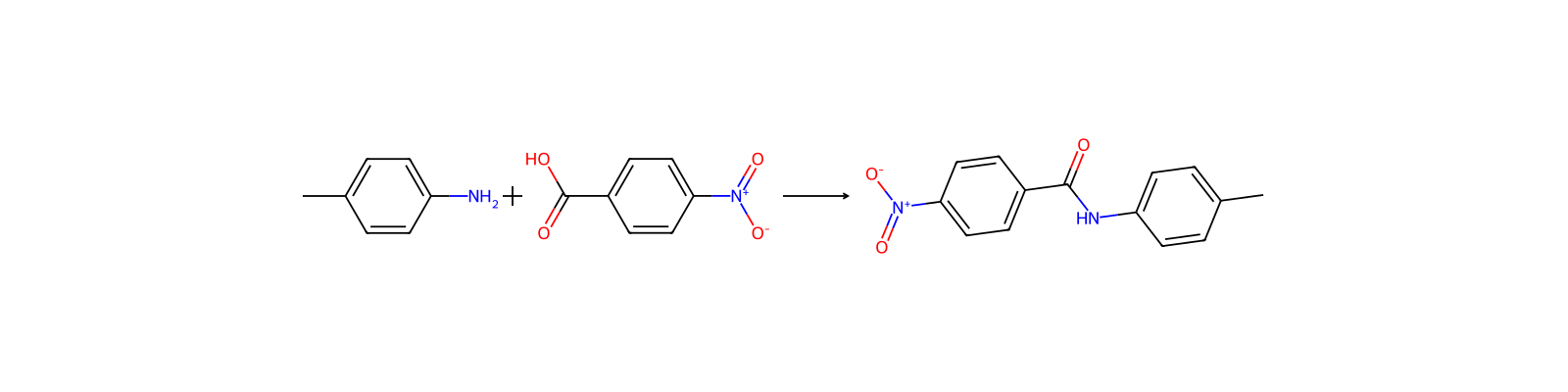
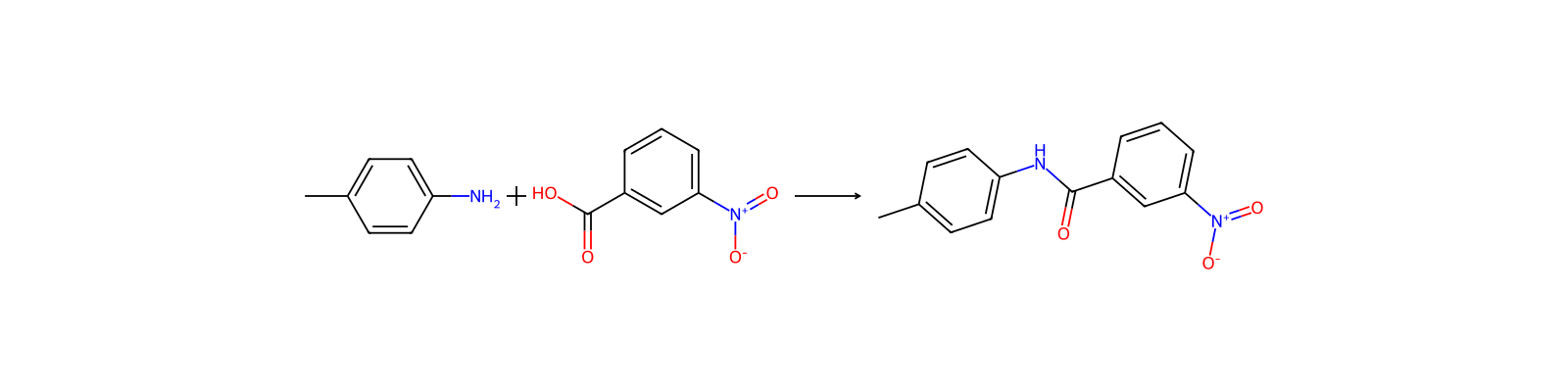
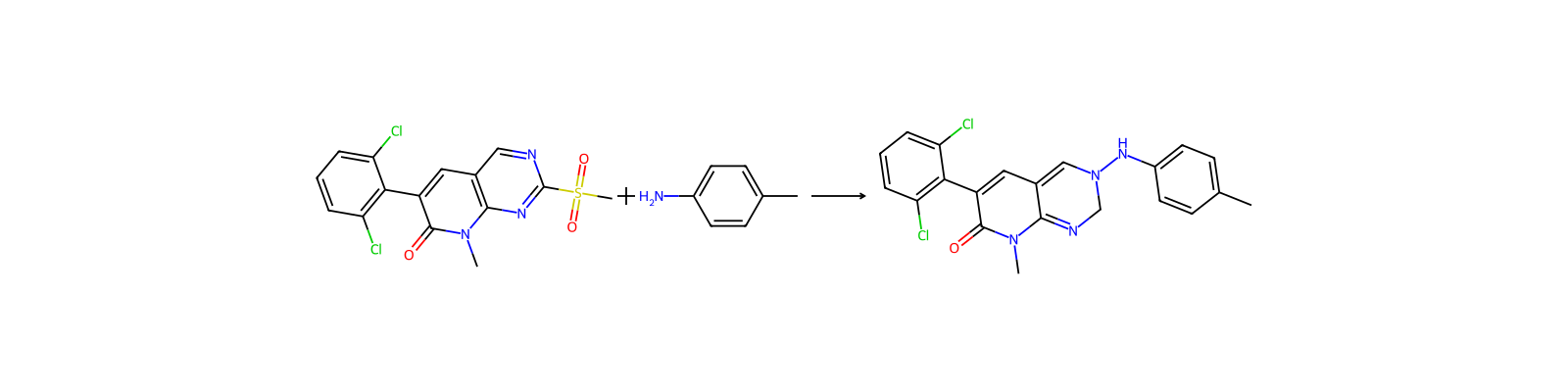
5,719 records


Linked notes
Loading…