Azidotrimethylsilane
Basic information
- CAS
4648-54-8- Standard SMILES
C[Si](C)(C)N=[N+]=[N-]- InChIKey
SEDZOYHHAIAQIW-UHFFFAOYSA-N- Molecular formula
- C3H9N3Si
- Average molar mass
- 115.21 g/mol
Overview
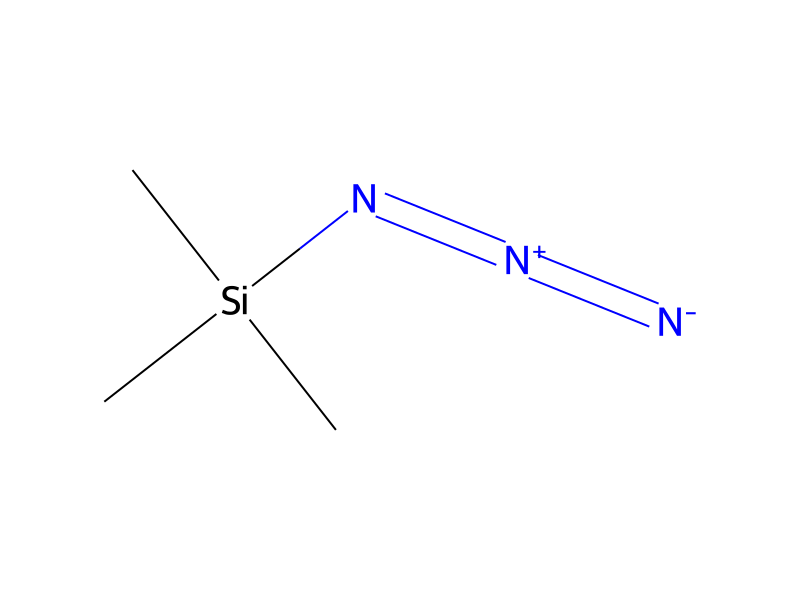
structure in first source
Names & identifiers
- Preferred name
- Azidotrimethylsilane
- IUPAC
- azido(trimethyl)silane
- English name
- Azidotrimethylsilane
- Molecular formula
- C3H9N3Si
- Molecular weight
- 115.21
Names & synonyms
azidotrimethylsilaneTrimethylsilyl azide4648-54-8Silane, azidotrimethyl-EM57JSM2Y9Me3SiN3DTXSID3063542RefChem:116112DTXCID7040493225-078-5Trimethylsilylazideazido(trimethyl)silane
Show more names
TMSN3TMSiAdecomposes(CH3)3SiN3AzidotrimethyLThree methyl azide silaneCFS-548Co-Formula CFS-548
MFCD00001986Trimethylazidosilane; Trimethylsilicon azide; Trimethylsilyl azideC3H9N3SitrimethylazidosilaneCCRIS 8048TMS azideTMS-azidetrimethyl silylazide
Database identifiers
- CAS
4648-54-8- PubChem CID
- 78378
- DTXSID
DTXSID3063542- UNII
- EM57JSM2Y9
- EC Number
- 225-078-5
- Nikkaji
- J80.870I
Properties
Computed structural properties
- Topological polar surface area
- 14.4 Ų
- Hydrogen bond donors
- 0
- Hydrogen bond acceptors
- 2
- Rotatable bonds
- 1
- Heavy atoms
- 7
- Formal charge
- 0
- Complexity
- 97.2
Experimental & physicochemical properties
Chemical ClassesMetals -> Metalloid Compounds (Silicon)
Physical DescriptionColorless liquid; [Alfa Aesar MSDS]
Physicochemical properties
- Melting point
- -95 °C · -95°C
- Boiling point
- 92 · 92-95 °C(lit.)
- Density
- 0.876 g/mL · 0.876 g/mL at 20 °C(lit.)
- refractive index
- 20 · n20/D 1.415(lit.)
- Flash point
- 74 °F · 74 °F
- storage temp.
- 2 · 2-8°C
- solubility
- Miscible with toluene, dichloromethane, diethyl ether and most organic solvents.
- form
- Liquid
- Specific Gravity
- 0.868 · 0.868
- color
- Clear colorless to slightly yellow
- Water Solubility
- decomposes
- Sensitive
- Moisture Sensitive
Safety & regulation
Safety information is for reference only and does not replace the supplier’s Safety Data Sheet (SDS), applicable regulations, or professional assessment.
GHS classification
GHS Classification
Danger
H225 (100%): Highly Flammable liquid and vapor [Danger Flammable liquids]
P210, P233, P240, P241, P242, P243, P261, P262, P264, P270, P271, P273, P280, P301+P316, P302+P352, P303+P361+P353, P304+P340, P316, P321, P330, P361+P364, P370+P378, P391, P403+P233, P403+P235, P405, and P501 (click each P-code to see the statement)
Aggregated GHS information provided per 52 reports by companies from 7 notifications to the ECHA C&L Inventory. Each notification may be associated with multiple companies.
Hazard information
Regulatory Information
Chemical: Silane, azidotrimethyl-
Status: Active Update: 09-04-2018 https://echa.europa.eu/registration-dossier/-/registered-dossier/23688
Trimethylsilyl azide: Does not have an individual approval but may be used under an appropriate group standard
Hazards SummaryReacts with water evolving toxic gases; May cause irritation; Toxic by ingestion, inhalation, and skin absorption; [Alfa Aesar MSDS] See Hexamethyldisilazane. See Sodium azide.
Hazard Classes and CategoriesFlam. Liq. 2 (100%)
CSL Reaction Information
CSL00010
BORON TRIFLUORIDE + AZIDOTRIMETHYLSILANE
Combinations of TMSN3 and Lewis acids can detonate, presumably due to formation of HN3 from residual water. Avoid Lewis acids.
Explosive
Cycloaddition
User-Reported
Safety data
- F
- 10-33
- PPE
- Eyeshields, Faceshields, Gloves, type ABEK (EN14387) respirator filter
Chemistry & industry
Uses & manufacturing
General Manufacturing InformationSilane, azidotrimethyl-: ACTIVE
Applications
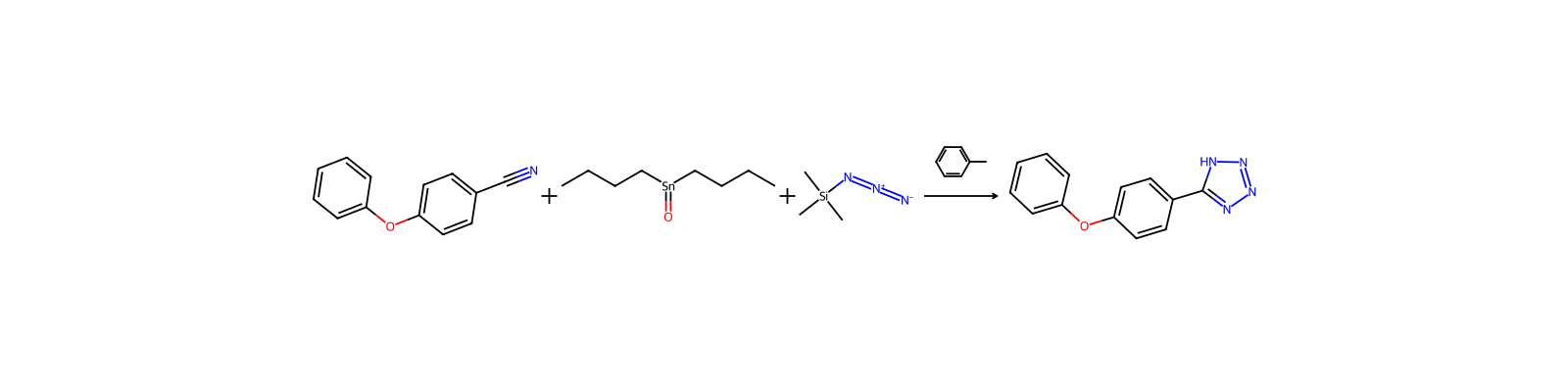
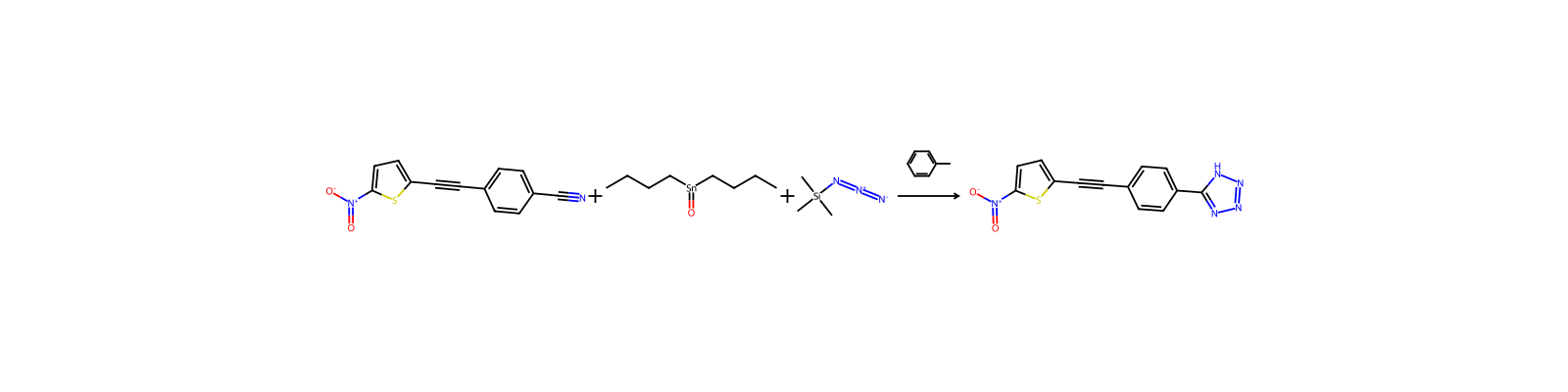
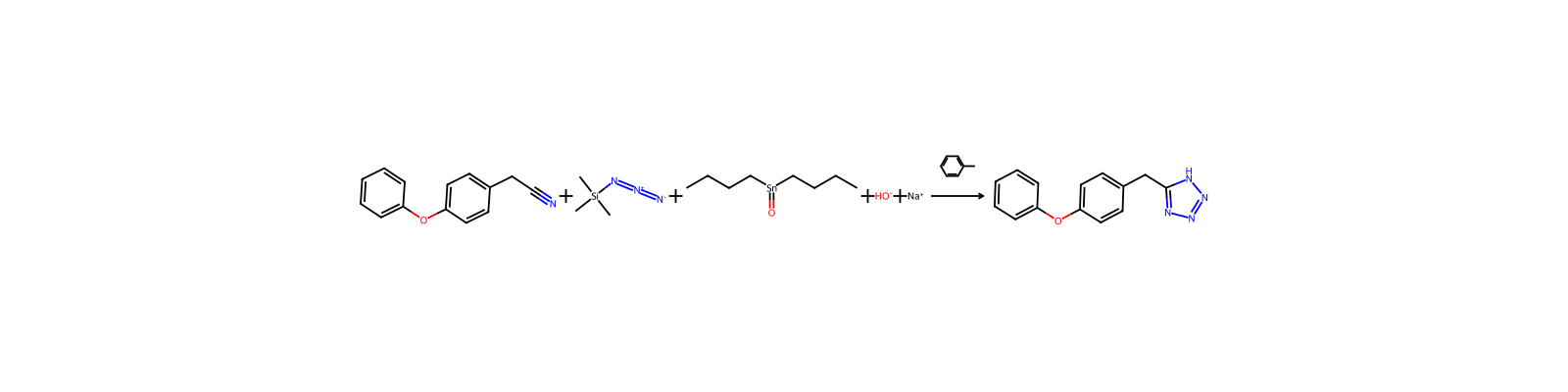
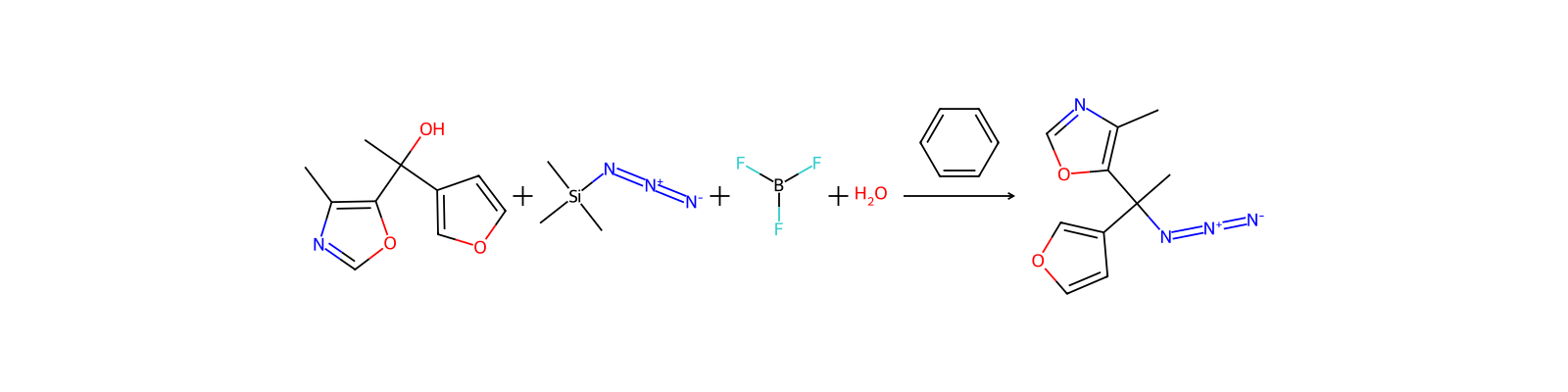
UsesTrimethylsilyl azide is used as an azidonation reagent for amines, amides, aldehydes and ketones. It is involved in the preparation of alfa- and beta-siloxy azides from carbonyl compounds and epoxides. It is also used in the preparation of heterocyclic compounds and also acts as an effective substitute for hydrazoic acid. Further, it is used in the Oseltamivir total synthesis.
UsesMany applications of TMSA in organic synthesis have been reported but only representative examples are described herein.Substitution Reactions. Benzyl,allyl,and substituted alkyl halides are converted to the corresponding azides in 60–100% yields via reactions with TMSA under neutral conditions in a nonaqueous solvent (eq 1).By using tin(IV) chloride as a catalyst, secondary and tertiary cyclic and polycyclic halides are similarly transformed into the corresponding azides in 50–92% yields (eq 1).
Preparation methods
PreparationAzidotrimethylsilane may be synthesised by reacting trimethylchlorosilane with sodium azide in hexamethylphosphoramidic triamide. several methods for the synthesis of this azide have been reported.The procedure involving aluminum chloride is not recommended, since an explosive product is formed.Azidotrimethylsilane is now commercially available, and a representative synthetic procedure is as follows. A mixture of sodium azide and chlorotrimethylsilane is refluxed in di-n-butyl ether for 2 days and the azide is safely distilled directly from the reaction vessel. Purer compound (99% content) is obtained by redistillation of the product. Several improved conditions have been reported for the preparation of this azide.In these procedures, trimethylsilyl chloride is reacted with sodium azide either neat or in a high boiling point solvent, such as a mixture of silicone oil and polyethylene glycol. Distillation of the crude product usually provides trimethylsilyl azide (TMSA) in high purity (97.9%) and yield (97%).
Related reactions
772 records



Compound notes
Loading…