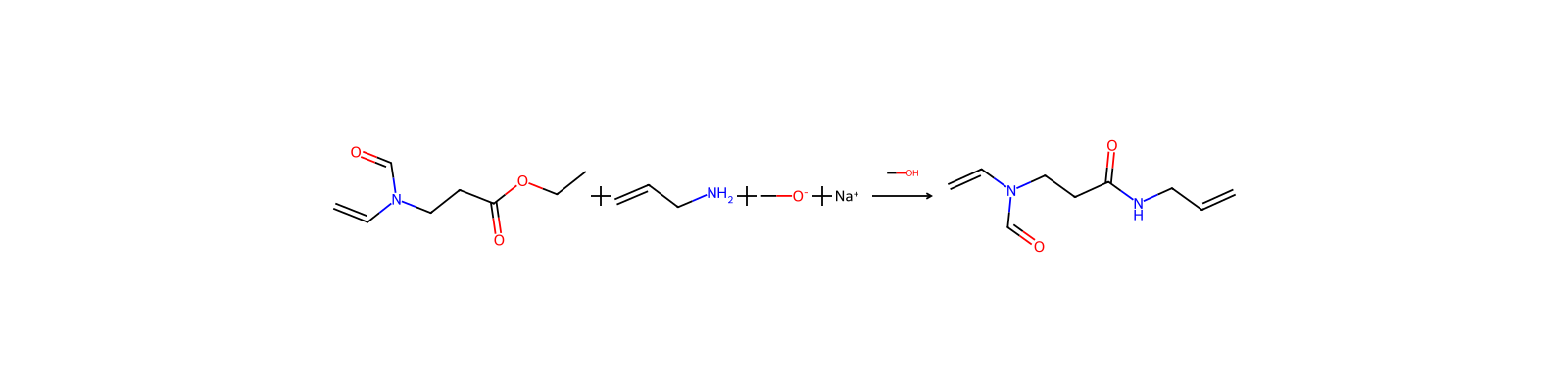
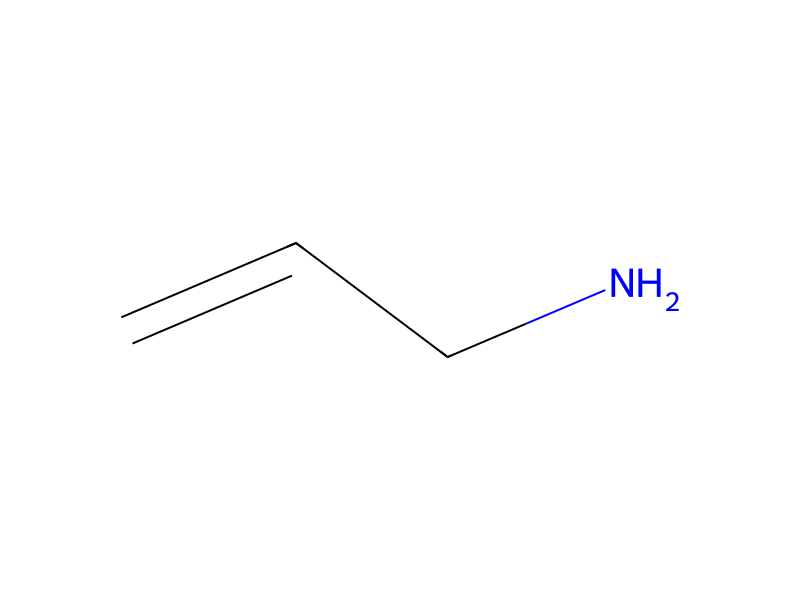
Allylamine
Completing data — refresh the page later to see the latest
Basic information
- CAS
107-11-9- Standard SMILES
C=CCN- InChIKey
VVJKKWFAADXIJK-UHFFFAOYSA-N- Molecular formula
- C3H7N
- Average molar mass
- 57.09 g/mol
- Monoisotopic mass
- 57.05784923
Overview
Allylamine appears as a colorless to light yellow colored liquid with a strong ammonia-like odor. Less dense than water. Vapors are heavier than air. Toxic by inhalation, ingestion and skin absorption. Irritates skin, eyes and mucous membranes. Flash point below 0 °F. Boiling point 130 °F. Used to make pharmaceuticals and other chemicals.
Names & identifiers
- Preferred name
- Allylamine
- IUPAC
- prop-2-en-1-amine
- English name
- Allylamine
- Molecular formula
- C3H7N
- Molecular weight
- 57.09
Names & synonyms
ALLYLAMINE107-11-92-Propen-1-amineMonoallylamine3-Aminopropene3-Aminopropylene2-Propenylamine2-Propenamine3-Amino-1-propeneAllyl AmineDTXSID8024440NSC-7600
Show more names
AAAllyaMineXBAAllylamin
48G762T0113 AminopropyleneRefChem:5527DTXCID404440203-463-9prop-2-en-1-amine2-Propen-1-ylamineNSC 7600
Database identifiers
- CAS
107-11-9- PubChem CID
- 7853
- DTXSID
DTXSID8024440- ChEMBL
CHEMBL57286- ChEBI
CHEBI:188938- UNII
- 48G762T011
- EC Number
- 203-463-9
- Nikkaji
- J4.053C
Properties
Computed structural propertiesFilling in
- XLogP
- 0.1
- Topological polar surface area
- 26 Ų
- Hydrogen bond donors
- 1
- Hydrogen bond acceptors
- 1
- Rotatable bonds
- 1
- Heavy atoms
- 4
- Formal charge
- 0
- Complexity
- 17.2
Experimental & physicochemical properties
Chemical Classes
Toxic Gases & Vapors -> Other Toxic Gases & Vapors
Flammable agents - 3rd degree
Drugs
Pharmaceuticals
Pharmaceuticals -> Used in Switzerland
SpringerMaterials PropertiesCoriolis coupling
LogP
log Kow = 0.03
0.03
0.03
OdorStrong ammonia odor causing sneezing and tears
TasteBurning taste
Density
0.76 at 68 °F (EPA, 1998) - Less dense than water; will float
0.760 at 20 °C/20 °C
Relative density (water = 1): 0.8
0.7589 @25 °C
Viscosity0.3745 Poise
Color/FormColorless to light yellow liquid
Solubility
Very soluble (NTP, 1992)
In water, 1X10+6 mg/L at 20 °C /miscible/
Miscible with water
Miscible with alcohol, chloroform, ether
Solubility in water: miscible
Flash Point
-20 °F (EPA, 1998)
-29 °C (-20 °F) - closed cup
10 °F (-12 °C) - closed cup
-29 °C c.c.
Boiling Point
131 to 136 °F at 760 mmHg (EPA, 1998)
53.5 °C
52-53 °C
53 °C @760 [mm Hg]
Physicochemical properties
- Melting point
- -88 °C · -88 °C (lit.)
- Boiling point
- 53 °C · 53 °C (lit.)
- Density
- 0.761 g/mL · 0.761 g/mL at 25 °C (lit.)
- vapor density
- 2 · 2 (vs air)
- vapor pressure
- 4.09 psi · 4.09 psi ( 20 °C)
- refractive index
- 20 · n20/D 1.420(lit.)
- Flash point
- 20 °F · −20 °F
- storage temp.
- Flammables area
- solubility
- miscible with water, alcohol, chloroform and ether
- form
- Crystalline or Granular Powder
- pka
- 9.49 · 9.49(at 25℃)
- color
- White or almost white
- Viscosity
- 0.509 mm2/s · 0.509mm2/s
- explosive limit
- 22 % · 22%
- Water Solubility
- miscible
- Sensitive
- Air Sensitive
- Merck
- 14 · 14,287
- BRN
- 635703 · 635703
- Henry's Law Constant
- 1 · 1.0×100 mol/(m3Pa) at 25℃, Leng et al. (2015)
- Dielectric constant
- 5.96 · 5.96
- Stability
- Stability Air sensitive. Serious fire hazard. Highly flammable - note low flash point. May be ignited at temperatures close to ambient.
- InChI
- 1S/C3H7N/c1-2-3-4/h2H,1,3-4H2
- InChIKey
- VVJKKWFAADXIJK-UHFFFAOYSA-N
- SMILES
- NCC=C
- LogP
- 0.13 at · 0.13 at 20℃
- CAS DataBase Reference
- 107 · 107-11-9(CAS DataBase Reference)
- EWG's Food Scores
- 1 · 1
- FDA UNII
- 48 G762T011 · 48G762T011
- NIST Chemistry Reference
- 2 · 2-Propen-1-amine(107-11-9)
- EPA Substance Registry System
- Allylamine (107-11-9)
- UNSPSC Code
- 12352100 · 12352100
- NACRES
- 22 · NA.22
- Symbol(GHS)
- 2 · GHS02,GHS06,GHS09
- Signal word
- Danger
- Hazard statements
- 225 · H225-H301-H311-H331-H411
- Precautionary statements
- 210 · P210-P261-P301+P310a-P303+P361+P353-P405-P501a
- PPE
- Eyeshields, Faceshields, Gloves
- Hazard Codes
- F,T,N
- Risk Statements
- 11 · 11-23/24/25-51/53
- Safety Statements
- 9 · 9-16-24/25-45-61
- RIDADR
- 2334 · UN 2334
- WGK Germany
- 2 · 2
- RTECS
- 5425000 · BA5425000
- F
- 10 · 10
- TSCA
- TSCA listed
- HazardClass
- 6.1 · 6.1
- PackingGroup
- I
- HS Code
- 29211980 · 29211980
- Storage Class
- 3 · 3 - Flammable liquids
- Hazard Classifications
- 1 DermalAcute · Acute Tox. 1 DermalAcute Tox. 1 InhalationAcute Tox. 3 OralAquatic Chronic 2Eye Dam. 1Flam. Liq. 2Skin Corr. 1A
- Hazardous Substances Data
- 107 · 107-11-9(Hazardous Substances Data)
- Toxicity
- 50 i.p · LD50 i.p. in mice: 49 mg/kg (Hine)
- REACH Registrations
- Active
- Excepted Quantities
- Forbidden
Safety & regulation
Safety information is for reference only and does not replace the supplier’s Safety Data Sheet (SDS), applicable regulations, or professional assessment.
GHS classification
GHS Classification
Danger
H225: Highly Flammable liquid and vapor [Danger Flammable liquids]
P210, P233, P240, P241, P242, P243, P261, P262, P264, P270, P271, P273, P280, P301+P316, P302+P352, P303+P361+P353, P304+P340, P316, P321, P330, P361+P364, P370+P378, P391, P403+P233, P403+P235, P405, and P501 (click each P-code to see the statement)
This chemical does not meet GHS hazard criteria for 3.6% (11 of 305) of reports.
Danger
H225 (96.4%): Highly Flammable liquid and vapor [Danger Flammable liquids]
Hazard information
Hazards IdentificationToxic/poison by inhalation (TIH/PIH)
Regulatory Information
Chemical: 2-Propen-1-amine
2-Propen-1-amine is listed on the EPA's Chemical Data Reporting (CDR) system. Manufacturers and importers of 2-Propen-1-amine are required to report information about their production and use of this chemical to the EPA under the Toxic Substances Control Act (TSCA). (40 eCFR Part 711)
REACH registered substance: Allylamine (EC: 203-463-9)
Allylamine: Does not have an individual approval but may be used under an appropriate group standard
The New Jersey Worker and Community Right to Know Act requires public and private employers to provide information about hazardous substances at their workplaces. (N.J.S.A. 34:5A-1 et. seq.)
DOT LabelPoison Inhalation Hazard Flammable Liquid
Fire Hazards
Flammable when exposed to heat, sparks, or flame. Vapor forms explosive mixtures with air over a wide range. Use caution when approaching fire and applying water. Vapor explosion and poison hazard indoors, outdoors or in sewers. Runoff to sewer may create fire or explosion hazard. Can react with oxidizing materials. When heated to decomposition, it emits toxic fumes. Avoid oxidizing materials. Stable, avoid heating to decomposition. May become unstable at elevated temperatures and pressures or may react with water with non-violent release of energy. (EPA, 1998)
· HIGHLY FLAMMABLE: Will be easily ignited by heat, sparks or flames.
Highly flammable. Gives off irritating or toxic fumes (or gases) in a fire. Vapour/air mixtures are explosive.
Fire Potential
Flammable liquid.
Dangerous fire and explosion hazard when exposed to heat, flame, or oxidizers.
Health Hazards
Acute: an eye, skin, and respiratory tract irritant, which is highly toxic if inhaled or ingested and moderately toxic if absorbed on skin. Ingestion or inhalation may cause death or permanent injury after very short exposure to small quantities. Skin absorption may cause irreversible and reversible changes. Toxic air concentration (TClo) in humans is 5 ppm over 5 minutes. Vapors are extremely unpleasant and may ensure voluntary avoidance of dangerous concentrations. Will irritate nose and throat at 2.5 ppm. (EPA, 1998)
· TOXIC; may be fatal if inhaled, ingested or absorbed through skin.
Hazards SummaryA lachrymator; Caustic to skin, eyes, respiratory tract; Inhalation can induce acute pulmonary edema; Causes halo vision at low concentrations; [CHEMINFO]
DOT ID and Guide2334 131
Reactive GroupAmines, Phosphines, and Pyridines
EC ClassificationSymbol: F, T, N; R: 11-23/24/25-51/53; S: (1/2)-9-16-24/25-45-61
UN ClassificationUN Hazard Class: 6.1; UN Subsidiary Risks: 3; UN Pack Group: I
Reactivity AlertsHighly Flammable
Safety & protection
Fire Fighting
Keep unnecessary people away and isolate hazard area. Stay upwind and keep away from low areas. Isolate for 1/2 mile in all directions if tank car or truck is involved. Wear self-contained breathing apparatus and full protective clothing.
Use water spray, foam, powder, carbon dioxide. In case of fire: keep drums, etc., cool by spraying with water.
First Aid Measures
Fresh air, rest. Half-upright position. Refer immediately for medical attention.
First rinse with plenty of water for at least 15 minutes, then remove contaminated clothes and rinse again. Refer immediately for medical attention.
Rinse with plenty of water (remove contact lenses if easily possible). Refer immediately for medical attention.
Rinse mouth. Do NOT induce vomiting. Refer immediately for medical attention.
Accidental Release Measures
· CALL 911. Then call emergency response telephone number on shipping paper. If shipping paper not available or no answer, refer to appropriate telephone number listed on the inside back cover.
· ELIMINATE all ignition sources (no smoking, flares, sparks or flames) from immediate area.
First Aid
Warning: Allylamine is highly irritating. Caution is advised.
General First Aid:
Safe StorageProvision to contain effluent from fire extinguishing. Fireproof. Separated from strong oxidants, strong acids and food and feedstuffs. Well closed. Store in an area without drain or sewer access.
Firefighting Hazards
Vapor/air mixtures are explosive.
Vapors are heavier than air and may travel to a source of ignition and flash back.
Exposure Control and Personal Protection
· Wear positive pressure self-contained breathing apparatus (SCBA).
TIH (Toxic Inhalation Hazard) - Term used to describe gases and volatile liquids that are toxic when inhaled. Some are TIH materials themselves, e.g., chlorine, and some release TIH gases when spilled in water, e.g., chlorosilanes. [ERG 2016].
Fire Fighting Procedures
Suitable extinguishing media: Use water spray, alcohol-resistant foam, dry chemical or carbon dioxide.
Advice for firefighters: Wear self-contained breathing apparatus for firefighting if necessary.
Use water spray to cool unopened containers.
Use water spray, dry chemical, "alcohol resistant" foam, or carbon dioxide. Use water spray to keep fire-exposed containers cool. Solid streams of water may be ineffective and spread material.
In case of fire: keep drums, etc., cool by spraying with water.
Storage Conditions
Keep container tightly closed in a dry and well-ventilated place. Containers which are opened must be carefully resealed and kept upright to prevent leakage. Store under inert gas. Storage class (TRGS 510): Flammable liquids.
Provision to contain effluent from fire extinguishing. Fireproof. Separated from strong oxidants, strong acids and food and feedstuffs. Well closed. Store in an area without drain or sewer access.
Separate from oxidizing materials, acids, and sources of halogen. Outside or detached storage is preferred. Store in a cool, dry, well-ventilated location.
Cleanup Methods
ACCIDENTAL RELEASE MEASURES: Personal precautions, protective equipment and emergency procedures: Wear respiratory protection. Avoid breathing vapors, mist or gas. Ensure adequate ventilation. Remove all sources of ignition. Evacuate personnel to safe areas. Beware of vapors accumulating to form explosive concentrations. Vapors can accumulate in low areas. Environmental precautions: Prevent further leakage or spillage if safe to do so. Do not let product enter drains. Discharge into the environment must be avoided. Methods and materials for containment and cleaning up: Contain spillage, and then collect with an electrically protected vacuum cleaner or by wet-brushing and place in container for disposal according to local regulations.
Remove all ignition sources. Evacuate danger area! Consult an expert! Personal protection: gas-tight chemical protection suit including self-contained breathing apparatus. Do not let this chemical enter the environment. Collect leaking liquid in sealable containers. Absorb remaining liquid in sand or inert absorbent. Then store and dispose of according to local regulations.
Releases may require isolation or evacuation. Stop or control the leak, if this can be done without undue risk. Eliminate all ignition sources. Use water spray to cool and disperse vapors, protect personnel, and dilute spills to form nonflammable mixtures. Approach release from upwind. Absorb in noncombustible material for proper disposal.
Nonfire Spill ResponseExcerpt from ERG Guide 131 [Flammable Liquids - Toxic]:
Disposal Methods
SRP: Recycle any unused portion of the material for its approved use or return it to the manufacturer or supplier. Ultimate disposal of the chemical must consider: the material's impact on air quality; potential migration in air, soil or water; effects on animal, aquatic and plant life; and conformance with environmental and public health regulations. If it is possible or reasonable use an alternative chemical product with less inherent propensity for occupational harm/injury/toxicity or environmental contamination.
Product: Burn in a chemical incinerator equipped with an afterburner and scrubber but exert extra care in igniting as this material is highly flammable. Offer surplus and non-recyclable solutions to a licensed disposal company. Contact a licensed professional waste disposal service to dispose of this material; Contaminated packaging: Dispose of as unused product.
Toxicology
Interactions
... Mercaptoethanesulphonate, a scavenger of reactive species that is known not to penetrate myocytes prevented the toxicity both of 100 uM allylamine and 100 uM acrolein to myocardial myocyte reaggregate cultures in serum-supplemented medium. In contrast when myocardial myocyte reaggregate cultures in serum-free medium were exposed to high concentrations of allylamine, mercaptoethanesulphonate had no moderating effect. These findings suggest that allylamine undergoes extracellular metabolism to acrolein in serum-supplemented medium because of the presence of benzylamine oxidase in serum. ... The toxicity of allylamine was also prevented by the iron chelator desferrioxamine at a concentration shown not to inhibit significantly the acitivity of benzylamine oxidase. Acrolein toxicity too was inhibited by desferrioxamine. This suggests a role for free radicals in the toxicity of allylamine to myocardial myocyte reaggregate cultures as desferrioxamine chelates iron thus preventing the catalysis of free radical reactions. Addition of alpha-tocopherol succinate an inhbitor of lipid peroxidation to the cultures also reduced the toxicity of allylamine which provides some evidence of the role of lipid peroxidation in the mechanism of allylamine toxicity of myocardial myocyte reaggregate cultures.
In the present study, /investigators/ describe changes in aorta at the protein level associated with allylamine (AA) and beta-aminopropionitrile (beta APN) induced vascular toxicity in a rat model. This model represents a remarkable synergistic, necrotizing toxic effect of these combined toxins, and our rationale was to examine protein expression in order to shed light on the mechanisms underlying this synergism. Rats were given AA (100 mg/kg body weight/day) and beta APN (1 g/kg body weight/day) by gavage for 10 d; this protocol has been shown to result in smooth-muscle necrosis, but no visible connective tissue changes. Soluble and insoluble fractions from AA + beta APN- or from beta APN-treated aorta showed enhanced expression of three high-molecular-weight protein bands (ranges between approximately 120 and 95 kD). The time course of induction of proteins showed the appearance of AA + beta APN-induced specific proteins at d 3 of AA + beta APN treatment. Partial purification and characterization suggested that AA + beta APN specific proteins are likely to be collagen proteins (type I). ...
/Investigators/ developed a model of aortic smooth muscle necrosis in adult Sprague Dawley rats by feeding them two vascular toxins (allylamine HCl, or AA, and beta-aminopropionitrile, or betaAPN) in concert for 10 days. Either toxin given alone does not cause aortic lesions. In order to shed light on the mechanism of the synergistic action of these two toxins, /the authors/ fed known modulators of AA or betaAPN toxicity to rats concurrently with the two toxins. As modulators, /the authors/ used (a) semicarbazide (98 mg/kg/day, given 4 h prior to toxins), a known inhibitor of the vascular enzyme SSAO which metabolizes AA; (b) L-cysteine (1.5% in rat chow, beginning 3 days prior to toxins), which has been shown to reduce the toxic effects of betaAPN; and (c) phenelzine sulphate (3 mg/kg/day, given 4 h prior to toxins), an inhibitor of SSAO and potentiator of betaAPN toxicity. Rats were fed various combinations of the toxins and modulators by gavage: water (n = 8); (AA, 100 mg/kg/day) AA + phenelzine (n = 8); AA + semicarbazide (n = 8); AA + L-cysteine (n = 11); (betaAPN, 1 g/kg/day) betaAPN + phenelzine (n = 8); betaAPN + semicarbazide (n = 8); betaAPN + L-cysteine (n = 8); (AA, 100 mg + betaAPN, 1 g/kg/day) AA + betaAPN + phenelzine (n = 9), AA + betaAPN + semicarbazide (n = 8); AA + betaAPN + L-cysteine (n = 12); phenelzine (3 mg/kg/day) (n = 4); semicarbazide (98 mg/kg/day) (n = 4) and L-cysteine (1.5% in rat chow) (n = 4). /The authors/ found that phenelzine sulphate (a drug previously used in the treatment of hypertension) when given with AA reproduced the AA + betaAPN induced aortic lesions. Phenelzine + betaAPN caused no lesions, but when combined with AA + betaAPN, aortic lesions were intensified and included marked secondary degeneration of the vascular wall. Semicarbazide was found to completely obviate the vascular toxicity of AA + betaAPN. L-Cysteine feeding markedly decreased the incidence and severity of vascular lesions in AA + betaAPN treated rats, but did not change the incidence or severity of heart lesions caused by AA alone. These data indicate that the synergistic necrotizing toxicity of AA + betaAPN is primarily an AA effect. /The authors/ postulate that some modulating influence of betaAPN (or phenelzine) on tissue distribution, metabolism, or detoxification pathways of AA increases AA's acute vascular toxicity, whereas semicarbazide offers protection by inhibiting the initial deamination of AA to a highly reactive aldehyde.
Hydralazine can inhibit induction of medial hyalinosis in coronary arteries and myocardial fibrosis by allylamine.
For more Interactions (Complete) data for Allylamine (7 total), please visit the HSDB record page.
Ecotoxicity Values
LC50; Species: Xenopus laevis (African Clawed Frog) age 3-4 wk; Conditions: freshwater, static, 20 °C; Concentration: 12400 ug/L for 48 hr /formulation/
LC50; Species: Daphnia magna (Water Flea) age < or =24 hr; Conditions: freshwater, static, 20-22 °C; Concentration: 110000 ug/L for 24 hr /formulation/
LC50; Species: Danio rerio (Zebra Danio); Conditions: static; Concentration: 22100 ug/L for 96 hr /formulation/
Environmental Fate
TERRESTRIAL FATE: Based on a classification scheme(1), an estimated Koc value of 8(SRC), determined from a log Kow of 0.03(2) and a regression-derived equation(3), indicates that allylamine is expected to have very mobility in soil(SRC). The pKa of allylamine is 9.70(4), indicating that this compound will exist almost entirely in cation form in the environment and cations generally adsorb more strongly to soils containing organic carbon and clay than their neutral counterparts(5). Volatilization of allylamine from moist soil surfaces is not expected to be an important fate process because this compound exists almost entirely in the cation form at pH values of 5 to 9 and cations do not volatilize. Allylamine is expected to volatilize from dry soil surfaces(SRC) based upon a vapor pressure of 242 mm Hg at 25 °C(6). A 41% of theoretical BOD(NH3) using activated sludge in the Japanese MITI test and an 89% TOC in an open system inherent test(7) suggest that biodegradation is an important environmental fate process in soil(SRC).
AQUATIC FATE: Based on a classification scheme(1), an estimated Koc value of 8(SRC), determined from a log Kow of 0.03(2) and a regression-derived equation(3), indicates that allylamine is not expected to adsorb to suspended solids and sediment(SRC). A pKa of 9.7(4) indicates allylamine will exist almost entirely in the cation form at pH values of 5 to 9 and, therefore, volatilization from water surfaces is not expected to be an important fate process(SRC). According to a classification scheme(5), an estimated BCF of 3(SRC), from its log Kow(2) and a regression-derived equation(3), suggests the potential for bioconcentration in aquatic organisms is low(SRC). A 41% of theoretical BOD(NH3) using activated sludge in the Japanese MITI test and an 89% TOC in an open system inherent test(6) suggest that biodegradation is an important environmental fate process in water(SRC).
ATMOSPHERIC FATE: According to a model of gas/particle partitioning of semivolatile organic compounds in the atmosphere(1), allylamine, which has a vapor pressure of 242 mm Hg at 25 °C(2), is expected to exist solely as a vapor in the ambient atmosphere. Vapor-phase allylamine is degraded in the atmosphere by reaction with photochemically-produced hydroxyl radicals(SRC); the half-life for this reaction in air is estimated to be 2.3 hours(SRC), calculated from its rate constant of 5.6X10⁻¹¹ cu cm/molecule-sec at 25 °C(SRC) (that was derived using a structure estimation method(3). Isopropylamine does not absorb UV light at wavelengths >290 nm(4) and, therefore, is not expected to be susceptible to direct photolysis since sunlight consists of wavelengths above 290 nm(SRC).
Adverse EffectsDermatotoxin - Skin burns.
Exposure RoutesThe substance can be absorbed into the body by inhalation of its vapour, through the skin and by ingestion. Serious local effects by all routes of exposure.
Toxicity Summary
IDENTIFICATION AND USE: Allylamine is a colorless to light yellow liquid. It is used as a corrosion inhibitor, in the manufacture of mercurial diuretics and in organic synthesis. HUMAN STUDIES: A potent irritant, allylamine is intolerable at 14 ppm, with recognizable odor and chest and mucous membrane discomfort at 2.5 ppm. This chemical irritates the skin. Cardiotoxicity was described following intradermal injection of allylamine. After 20 hr treatment of cultured human umbilical vein endothelial cells, 50 uM allylamine had no effect and 100 uM allylamine produced a modest reduction in cell viability. ANIMAL STUDIES: Allylamine is a specific cardiac toxicant that causes aortic, valvular and myocardial lesions in many species. Myocardial necrosis can be observed 24 hr after a single dose. Acute toxicity is believed to involve metabolism of allylamine to highly reactive acrolein (2-propenal). Allylamine has been shown to bind to mitochondria from aorta and heart, suggesting that the subcellular site of injury is at or near the mitochondrion. Mice exposed to allylamine died during the course of a 10 minute inhalation. Allylamine was extremely irritating when tested on rabbit eyes. Rats, rabbits, and dogs were exposed for 8 hr/day, 5 days/wk /for 1 yr/ to 5 or 20 ppm. No adverse effects on growth, behavioral reactions, or abnormal blood or urine changes were observed. Deaths from pneumonia occurred in 3 of 6 rabbits exposed to 20 ppm. Lung changes consistent with chronic irritation were found at both exposure levels. However, no myocardial damage was found in rabbits or dogs and only a few rats showed slight changes. Periodic liver and kidney function tests, transaminase determinations, and electrocardiographic examinations of dogs did not reveal any abnormalities. Congestive changes in the liver and kidneys were noted in dogs at both exposure levels. Myocardial fibrosis with cardiac hypertrophy was produced in rats after consuming allylamine hydrochloride for periods of 4-8 months. Focal edema and necrosis of smooth muscle cells in media of coronary arteries were also observed. Allylamine was evaluated for mutagenicity in the Salmonella typhimurium/microsome preincubation assay using the standard protocol. Allylamine was tested in four Salmonella typhimurium strains (TA 98, TA 100, TA 1535, and TA 1537) in the presence and absence of metabolic activation. Allylamine was negative in these tests.
Signs and Symptoms
Cough. Sore throat. Burning sensation. Headache. Nausea. Laboured breathing. Shortness of breath. Symptoms may be delayed.
MAY BE ABSORBED! Redness. Pain. Serious skin burns.
Watering of the eyes. Redness. Pain. Blurred vision. Severe burns. Loss of vision.
Burns in mouth and throat. Burning sensation in the throat and chest. Abdominal cramps. Further see Inhalation. Vomiting. Diarrhoea. Shock or collapse.
Ongoing Test Status
The following link will take the user to the National Toxicology Program (NTP) Test Status of Agents Search page, which tabulates the results and current status of tests such as "Short-Term Toxicity Studies", "Long-term Carcinogenicity Studies", "Developmental Studies", "Genetic Toxicology Studies", etc., performed with this chemical. Testing status for allylamine is available.[Available from, as of March 27, 2018: https://ntpsearch.niehs.nih.gov/?e=True&ContentType=Testing+Status]
ICSC Environmental DataThe substance is toxic to aquatic organisms. It is strongly advised not to let the chemical enter into the environment.
Soil Adsorption/Mobility
The Koc of allylamine is estimated as 8(SRC), using a log Kow of 0.03(1) and a regression-derived equation(2). According to a classification scheme(3), this estimated Koc value suggests that allylamine is expected to have very high mobility in soil. The pKa of allylamine is 9.7(4), indicating that this compound will exist almost entirely in cation form in the environment and cations generally adsorb more strongly to soils containing organic carbon and clay than their neutral counterparts(5).
Human Toxicity Excerpts
/SIGNS AND SYMPTOMS/ Cardiotoxicity was described ... /when/ localized arteritis /was observed/ following intradermal injection of allylamine.
/SIGNS AND SYMPTOMS/ After accidental exposure to an unspecified concentration of the vapor of allylamine, the investigators experienced transient irritation of the mucous membranes of the nose, eyes, and mouth, with lacrimation, coryza, and sneezing.
/SIGNS AND SYMPTOMS/ Tests of vapors on human subjects established that monoallyl amine at 14 ppm caused intolerable irritation of eyes and respiratory tract.
/ALTERNATIVE and IN VITRO TESTS/ /Investigators/ have assessed the cytotoxicity of allylamine (AA) and acrolein (ACR) towards cultured human umbilical vein endothelial cells (HUVEC). After 20 hr treatment, 50 uM AA alone had no effect and 100 uM AA produced a modest reduction in cell viability. However, both concentrations produced considerable cell death when incubated with HUVEC in the presence of human umbilical artery homogenate as a source of human vascular SSAO activity. The cytotoxic actions of 50 uM AA were not altered by coincubation with 100 uM pargyline (an inhibitor of monoamine oxidase, MAO) but were completely prevented by 100 uM semicarbazide (SSAO inhibitor) and propargylamine (MAO/SSAO inhibitor). ACR at 50 and 100 uM was considerably cytotoxic, but had little effect at 5 and 10 uM. ...
/ALTERNATIVE and IN VITRO TESTS/ Chronic oxidative injury by allylamine (AAM) induces proliferative vascular smooth muscle cell (vSMC) phenotypes in the rat aorta similar to those seen in rodent and human atherosclerotic lesions. The proliferative advantage of AAM vSMC compared to control cells is maintained with serial passage of the cells and the advantage is nullified when AAM cells are seeded on a collagen substrate. In this study, /investigators/ evaluate the potential role of cyclin dependent kinase inhibitors, p27 and p21, and mitogen activated protein (MAP) kinases, ERK1/2, in mediating the proliferative advantage of AAM stressed vSMC over control cells on plastic or collagen substrates. p27 levels in randomly cycling cells were comparable in both cell types irrespective of the substrate. In contrast, basal levels of p21 were 1.9 +/- 0.3 (P < 0.05)-fold higher in randomly cycling AAM cells seeded on plastic compared to controls, a difference that was lost on a collagen substrate. Following G0 synchronization, basal levels of both p27 and p21 were higher in AAM cells seeded on plastic compared to controls (1.7 +/- 0.2 and 2.0 +/- 0.3-fold, respectively, P < 0.05), but these differences were lost upon mitogenic stimulation. Pyrrolidine dithiocarbamate (PDTC) decreased p27 and p21 levels in cycling AAM cells relative to controls in a substrate-dependent manner. AAM cells seeded on plastic exhibited enhanced ERK1/2 activation upon mitogenic stimulation; seeding on collagen nullified this advantage. The duration of ERK1/2 activation was prolonged in AAM cells independently of the seeding substrate. /It was concluded/ that substrate-dependent acquisition of proliferative phenotypes following repeated cycles of AAM injury correlates with modulation of the cyclin dependent kinase inhibitors, p27 and p21.
Artificial Pollution Sources
Allylamine's production and use in organic synthesis, as a pharmaceutical intermediate, and as a corrosion inhibitor in steel pickling(1,2) may result in its release to the environment through various waste streams(SRC). Allyalmine has been identified as a constituent of tobacco smoke(3).
Regulatory information
CERCLA Reportable Quantities
Releases of CERCLA hazardous substances are subject to the release reporting requirement of CERCLA section 103, codified at 40 CFR part 302, in addition to the requirements of 40 CFR part 355. Allylamine is an extremely hazardous substance (EHS) subject to reporting requirements when stored in amounts in excess of its threshold planning quantity (TPQ) of 500 lbs.
DHS Chemicals of Interest (COI)
Allylamine
1
10000
Flammable chemical that can be released at a facility.
Safety data
- F
- 10
- PPE
- Eyeshields, Faceshields, Gloves
- wgk
- 2
- tsca
- TSCA listed
- rtecs
- BA5425000
- ridadr
- UN 2334
- hs_code
- 29211980
- Toxicity
- LD50 i.p. in mice: 49 mg/kg (Hine)
- risk_code
- 11-23/24/25-51/53
- Signal word
- Danger
- Symbol(GHS)
- GHS02,GHS06,GHS09
- hazard_code
- F,T,N
- safety_code
- 9-16-24/25-45-61
- hazard_class
- 6.1
- Storage Class
- 3 - Flammable liquids
- packing_group
- I
- Hazard statements
- H225-H301-H311-H331-H411
- Excepted Quantities
- Forbidden
- REACH Registrations
- Active
- Hazard Classifications
- Acute Tox. 1 DermalAcute Tox. 1 InhalationAcute Tox. 3 OralAquatic Chronic 2Eye Dam. 1Flam. Liq. 2Skin Corr. 1A
- Precautionary statements
- P210-P261-P301+P310a-P303+P361+P353-P405-P501a
- Hazardous Substances Data
- 107-11-9(Hazardous Substances Data)
Chemistry & industry
Pharmacology
Mechanism of Action
Aortic smooth muscle cells (SMC) modulate from a contractile to a proliferative phenotype upon subchronic exposure to allylamine. The present studies were designed to determine if this phenotypic modulation is associated with alterations in the metabolism of membrane phosphoinositides. (32)P incorporation into phosphatidylinositol 4-phosphate (PIP), phosphatidylinositol 4,5-bisphosphate (PIP2), and phosphatidic acid (PA) was lower by 31, 35, and 22%, respectively, in SMC from allylamine-treated animals relative to controls. In contrast, incorporation of (3)H-myoinositol into inositol phosphates did not differ in allylamine cells relative to control cells. Exposure to dibutyryl (db) cAMP (0.2 mM) and theophylline (0.1 mM) reduced (32)P incorporation into PIP and PIP2 in SMC from both experimental groups. Under these conditions, a decrease in (3)H-myoinositol incorporation into inositol 1-phosphate was only observed in allylamine cells. The effects of db cAMP and theophylline in allylamine and control SMC correlated with a marked decrease in cellular proliferation. These results suggest that alterations in phosphoinositide synthesis and/or degradation contribute to the enhanced proliferation of SMC induced by allylamine. To further examine this concept, the effects of agents which modulate protein kinase C (PKC) activity were evaluated. Sphingosine (125-500 ng/mL), a PKC inhibitor, decreased SMC proliferation in allylamine, but not control cells. 12-O-Tetradecanoylphorbol-13-acetate (1-100 ng/mL), a PKC agonist, stimulated proliferation in control cells, but inhibited proliferation in cells from allylamine-treated animals. /The authors/ conclude that allylamine-induced phenotypic modulation of SMC is associated with alterations in phosphoinositide metabolism.
Absorption spectra showed that allylamine formed a complex with pyridoxal phosphate in soln at ph 5.2, 7.4 and 8.0. At 1x10⁻² M, allylamine inhibited activity of serum glutamic-oxalacetic transaminase by 22.5%, and at 1x10⁻⁴ M it inhibited serum glutamic-pyruvic transaminase by 13.2%. It inhibited activity of serum enzymes in vitro at same concn as isonicotinic acid hydrazide. IV injection of 60 mg/kg into rats decreased activities of hepatic glutamic-oxalacetic transaminase and glutamic-pyruvic transaminase by about 50%, when these levels were determined about 5 min after injection.
Biological Half-Life
/Investigators/ studied the uptake, tissue distribution, toxicokinetics, and excretion of allylamine by giving rats (14)C-allylamine (1.5 uCi/kg; 150 mg/kg) by gavage. ... Toxicokinetic study showed a very rapid absorption rate and short half-lives (less than 1 hr) for those organs which reasonably fit a toxicokinetic one-compartment model. ...
Metabolism/Metabolites
... Allylamine, a known cardiovascular toxin, is metabolized in vitro to acrolein, /and/ has been hypothesized to act as a distal toxin. In this study, 3-hydroxypropylmercapturic acid was isolated and identified by MS, NMR, and 2D-NMR spectroscopy as the sole urinary metabolite of allylamine metabolism in vivo. Parallel experiments showed reduced glutathione (GSH) depletion in several organs (most marked in aorta, blood, and lung), which is consistent with GSH conjugation of the proposed acrolein intermediate. These findings indicate that allylamine was metabolized in vivo to a highly reactive aldehyde which was converted to a mercapturic acid through a GSH conjugation pathway. ...
Acrolein was detected in homogenates of rat aorta, lung, skeletal muscle and heart incubated with allylamine. ... Hydrogen peroxide, a product of oxidative deamination, was generated during allylamine oxidation. Acrolein was also produced by bovine plasma amine oxidase & porcine kidney diamine oxidase but not by rat liver or brain homogenates. ... Allylamine competitively inhibited benzylamine oxidation in rat aorta, but pargyline-sensitive monoamine oxidase was not involved in acrolein production. The high activity in aorta, the competition with benzylamine, and the sensitivity to benzylamine oxidase inhibitors indicate that benzylamine oxidase is the active enzyme in oxidizing allylamine. ...
... /Investigators/ tested whether allylamine (AA) or acrolein (1, 10, 100, and 1000 uM), a highly reactive product of AA metabolism by semicarbazide-sensitive amine oxidase (SSAO), could contract coronary artery (CA) or thoracic aorta (TA) in vitro and if the AA effects involved SSAO. AA or acrolein produced a similar pattern of responses in both CA and TA rings at 100 and 1000 uM, including (1) increased basal tension, (2) enhanced agonist-induced contraction (hypercontractility or vasospasm), (3) remarkable, agonist-induced slow wave vasomotion (vasospasm), and (4) irreversible reduction in vessel contractility after 1 mM exposure. Endothelium-dependent acetylcholine-induced relaxation was not altered during vasospasm in either vessel. Pretreatment with the SSAO inhibitor semicarbazide (1 mM; 10 min) prevented or significantly reduced the majority of AA's effects in both CA and TA rings and inhibited 100% of the SSAO activity present in rat TA and human CA and TA. A two-step model for AA induction of CA vasospasm and resultant myocardial necrosis /was proposed/: (1) metabolism of AA to acrolein by coronary arterial SSAO activity and (2) acrolein induction of CA vasospasm independent of endothelial injury-a novel path.
Absorption, Distribution and Excretion
/Investigators/ studied the uptake, tissue distribution, toxicokinetics, and excretion of allylamine by giving rats (14)C-allylamine (1.5 uCi/kg; 150 mg/kg) by gavage. Rats were killed at intervals up to 2 hr, and multiple tissues were sampled. Aorta showed the highest counts of (14)C-label at most times (5-10-fold higher than most other organs, 100-fold higher than blood), although a minority of aortas had very low counts. Coronary arteries dissected from the hearts showed consistently higher (14)C-label than myocardium. Liver counts, which were high at 5 min, decreased rapidly; kidney counts slowly increased until 45 min, then decreased rapidly, consistent with an excretory function for this organ. Counts of (14)C-label were lower in all other organs, including lung, skeletal muscle, brain, testes, pancreas, adrenal, spleen, fat, and blood. Toxicokinetic study showed a very rapid absorption rate and short half-lives (less than 1 hr) for those organs which reasonably fit a toxicokinetic one-compartment model. (14)C-label was rapidly excreted in the urine; approximately 60% of the dose given was recovered by 24 hr. No counts were found in feces. These studies indicate that allylamine--or its metabolite(s)--has a unique predilection for elastic and muscular arteries, such as aorta and coronary arteries. This relatively specific cardiovascular toxin acts as a highly polar, highly water soluble substance, which is rapidly absorbed from the gastrointestinal tract, has a short half-life in most tissues, and is rapidly excreted in the urine. ...
Uses & manufacturing
Uses
Used to vulcanize rubber and to manufacture other organic chemicals; [CHEMINFO]
In the manufacture of mercurial diuretics.
Pharmaceutical intermediate; organic synthesis
/Allylamine/ is used as a solvent and in organic synthesis, including the synthesis of rubber, mercurial diuretics, sedatives, and antiseptics. It is also used in the synthesis of ion-exchange resins.
Synthesis of ion-exchange resins and for water-dispersible copolymers useful for water purification and as flocculating agents.
Allylamine is useful as a corrosion inhibitor when pickling steel in acid.
U.S. Production
2023: 550,000 - <1,000,000 lb
(1972) PROBABLY GREATER THAN 4.54X10+5 GRAMS
(1975) PROBABLY GREATER THAN 9.08X10+5 GRAMS
Production volumes for non-confidential chemicals reported under the Inventory Update Rule.[Table#3825]
Production volume for non-confidential chemicals reported under the 2006 Inventory Update Rule. Chemical: 2-Propen-1-amine. Aggregated National Production Volume: 1 to < 10 million lbs.
Non-confidential 2016 Chemical Data Reporting (CDR) information on the production and use of chemicals manufactured or imported into the United States. Chemical: Allylamine:
Consumer UsesOther
Industry UsesOther
Methods of Manufacturing
Pure allylamine can be prepared by hydrolysis of allyl isothiocyanate, thermal cleavage of allyl dithiocarbamate, hydrolysis of diallyl cyanamide, or ammonolysis of triallylamine. Allylamine may be produced also by electroreduction of acrylonitrile on lead cathodes.
/Allylamine/ ... can be synthesized by reaction of allyl chloride with ammonia at the comparatively high temperature of 50-100 °C, or at lower temperatures using CuCl2 or CuCl as the catalyst. In all such methods, a mixture of monoallyl, diallyl, and triallyl amines is obtained. For selectively obtaining monoallylamine, AAm, hydrolysis of by hydrochloric acid is used.
The oldest technology for producing amines is the reaction of ammonia with an alkyl halide. This method is still of commercial importance for the manufacture of allylamines.
Manufactured from allyl chloride and ammonia: Ploetz, United States patent 2915385.
Allylamine is produced by reaction of allyl chloride with ammonia. The amine is also a natural constituent of foodstuffs and is present in wastewater from oil shale retorting.
Formulations/PreparationsGrade: CP /chemically pure/, technical.
General Manufacturing Information
Pharmaceutical and Medicine Manufacturing
2-Propen-1-amine: ACTIVE
Applications
DescriptionAllylamine is a primary unsaturated alkylamine and in this review refers to monoallylamine. Allylamine can also be used generically to describe the secondary (diallyl-) and tertiary (triallyl-) amine derivatives of monoallylamine, as well as other more complex alkylamines. Allylamine is a colorless, flammable liquid and is volatile and reactive with oxidizing materials. Allylamine has a strong ammonia odor, is acutely toxic by all routes of exposure, and produces cardiotoxicity in a manner that has been well characterized by in vivo and in vitro methods. In addition to its use as an industrial chemical, allylamine is utilized as a model compound for basic research investigations into mechanisms of cardiovascular disease based on the nature of the cardiac and vascular lesions observed following allylamine exposure.
UsesAllylamine ismanufactured fromallyl chloride andammonia. It is used as a solvent and in organic syntheses, including the synthesis of rubber, mercurial diuretics, sedatives, and antiseptics (238). It is also used in the synthesis of ion-exchange resins.
UsesAllylamine is used as an industrial solvent and in organic synthesis, including rubber vulcanization, synthesis of ionexchange resins, and as an intermediate in pharmaceutical synthesis. Derivatives of allylamine are utilized as both veterinary and human pharmaceuticals, including the antifungal agent terbinafine. Allylamine has been used since the 1940s as a research tool for investigations of cardiovascular disease, with the earliest studies using allylamine to induce initial vascular injury in animal models of atherogenesis. Additionally, allylamine has been used to model myocardial infarction and vascular injury in animal models of human cardiovascular disease.
UsesIn the manufacture of mercurial diuretics.
General DescriptionA colorless to light yellow colored liquid with a strong ammonia-like odor. Less dense than water. Vapors are heavier than air. Toxic by inhalation, ingestion and skin absorption. Irritates skin, eyes and mucous membranes. Flash point below 0°F. Boiling point 130°F. Used to make pharmaceuticals and other chemicals.
Upstream & downstream products
Upstream raw materials
Downstream products
Additional notes
DefinitionChEBI: Allylamine is an alkylamine.
Related reactions
925 records




Compound notes
Loading…