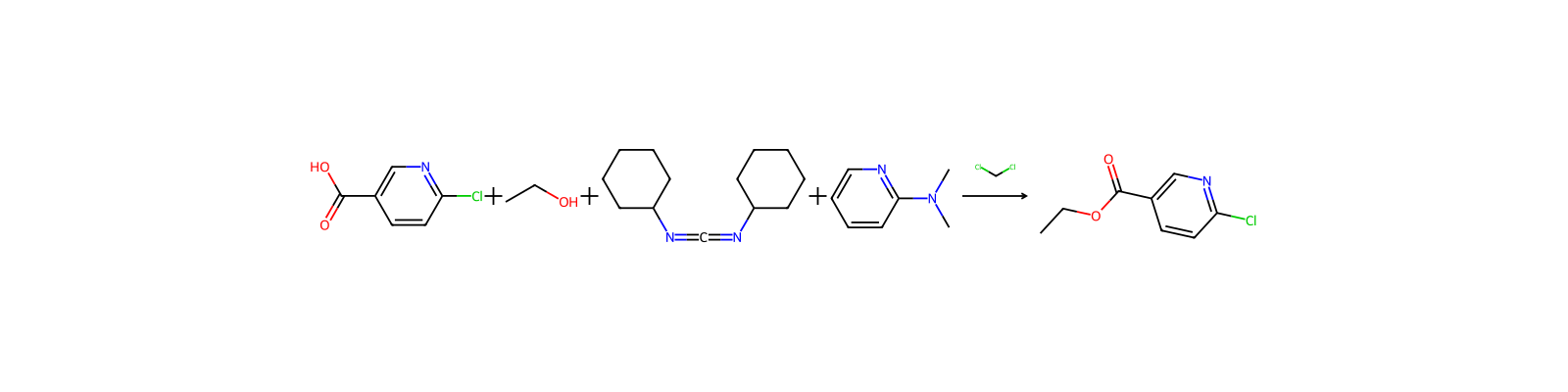
6-Chloronicotinic acid
Completing data — refresh the page later to see the latest

Basic information
- CAS
5326-23-8- Standard SMILES
O=C(O)c1ccc(Cl)nc1- InChIKey
UAWMVMPAYRWUFX-UHFFFAOYSA-N- Molecular formula
- C6H4ClNO2
- Average molar mass
- 157.55 g/mol
- Monoisotopic mass
- 156.9930561
Names & identifiers
- Preferred name
- 6-Chloronicotinic acid
- IUPAC
- 6-chloropyridine-3-carboxylic acid
- English name
- 6-Chloronicotinic acid
- Molecular formula
- C6H4ClNO2
- Molecular weight
- 157.55
Names & synonyms
6-Chloronicotinic acid5326-23-86-Chloropyridine-3-carboxylic acid6-Chloro-3-pyridinecarboxylic acid3-Pyridinecarboxylic acid, 6-chloro-DTXSID6063775NSC-27799V0U0120ARefChem:104444DTXCID2041381226-201-56-Chloro-nicotinic acid
Show more names
6-Chloronicotinic acid (6-CNA)2-chloro-5-pyrdinecarboxylic acid2-chloropyridine-5-carboxylic acid6-ChL6-ChloronicotiTIMTEC-BB SBB004004RARECHEM AL BO 07296 - chlorine niacin6-Chloronicotinic ac
MFCD000062416-Chloronicotinicacid6-chloro nicotinic acidacetamiprid TP3UNII-99V0U0120Aimidacloprid TP2NSC 277EINECS 226-201-5
Database identifiers
- CAS
5326-23-8- PubChem CID
- 79222
- DTXSID
DTXSID6063775- ChEMBL
CHEMBL1723657- ChEBI
CHEBI:180996- UNII
- 99V0U0120A
- EC Number
- 226-201-5
- Nikkaji
- J212G
Properties
Computed structural propertiesFilling in
- XLogP
- 2.7
- Topological polar surface area
- 50.2 Ų
- Hydrogen bond donors
- 1
- Hydrogen bond acceptors
- 3
- Rotatable bonds
- 1
- Heavy atoms
- 10
- Formal charge
- 0
- Complexity
- 140
Physicochemical properties
- Melting point
- 190 °C · 190 °C (dec.)(lit.)
- Boiling point
- 241.15 °C · 241.15°C (rough estimate)
- Density
- 0.5 · 0.5
- refractive index
- 1.587 · 1.5870 (estimate)
- Flash point
- 192 °C · 192°C
- storage temp.
- Keep in dark place,Sealed in dry,Room Temperature
- solubility
- deionized water: soluble
- form
- Crystalline Powder
- pka
- 3.24 · 3.24±0.10(Predicted)
- color
- Off-white to beige
- Water Solubility
- Soluble in water (2 mg/ml at 20°C), ethanol, methanol, DMSO, and slightly soluble in chloroform.
- Decomposition
- 192 · 192 ºC
- BRN
- 115993 · 115993
- Stability
- Stable. Incompatible with strong oxidizing agents.
- InChI
- 1S/C6H4ClNO2/c7-5-2-1-4(3-8-5)6(9)10/h1-3H,(H,9,10)
Safety & regulation
Safety information is for reference only and does not replace the supplier’s Safety Data Sheet (SDS), applicable regulations, or professional assessment.
GHS classification
GHS Classification
Warning
H315 (100%): Causes skin irritation [Warning Skin corrosion/irritation];H319 (100%): Causes serious eye irritation [Warning Serious eye damage/eye irritation];H335 (98.7%): May cause respiratory irritation [Warning Specific target organ toxicity, single exposure; Respiratory tract irritation]
P261, P264, P264+P265, P271, P280, P302+P352, P304+P340, P305+P351+P338, P319, P321, P332+P317, P337+P317, P362+P364, P403+P233, P405, and P501 (click each P-code to see the statement)
Aggregated GHS information provided per 76 reports by companies from 8 notifications to the ECHA C&L Inventory. Each notification may be associated with multiple companies.;Information may vary between notifications depending on impurities, additives, and other factors. The percentage value in parenthesis indicates the notified classification ratio from companies that provide hazard codes. Only hazard codes with percentage values above 10% are shown. For more detailed information, please visit ECHA C&L website.
Hazard information
Regulatory InformationCommission Regulation No 844/2012
Hazard Classes and CategoriesSkin Irrit. 2 (100%);Eye Irrit. 2 (100%);STOT SE 3 (98.7%)
Regulatory information
Regulatory InformationCommission Regulation No 844/2012
Safety data
- PPE
- dust mask type N95 (US), Eyeshields, Gloves
- wgk
- 3
- tsca
- TSCA listed
Chemistry & industry
Uses & manufacturing
Use Classification
Environmental transformation -> Pesticide transformation products (metabolite, successor)
Transformation products
General Manufacturing Information3-Pyridinecarboxylic acid, 6-chloro-: ACTIVE
Applications
Uses6-Chloronicotinic acid is used as building block for different chemical synthesis. It is an intermediate for the synthesis of N-(thiophen-2-yl) benzamide derivatives as BRAFV600E inhibitors, and novel DNA-gyrase B inhibitors.
Uses6-Chloropyridine-3-carboxylic acid (6-chloronicotinic acid/6-CNA) has been used to study its photolytic and photocatalytic degradation. 6-CNA is a degradation product of neonicotinoid insecticides imidacloprid and acetamiprid and is known to appear in different environmental matrices. The product has been used as a media component during the isolation of 6-CNA degrading bacterial strain from imidacloprid-exposed soil samples.
General Description6-Chloropyridine-3-carboxylic acid is a metabolite of the neonicotinoid pesticides, imidacloprid and acetamiprid and occurs in different environmental matrices.(3) It is widely used in agricultural crop protection, domestic insect control and environmental pest management.
Upstream & downstream products
Downstream products
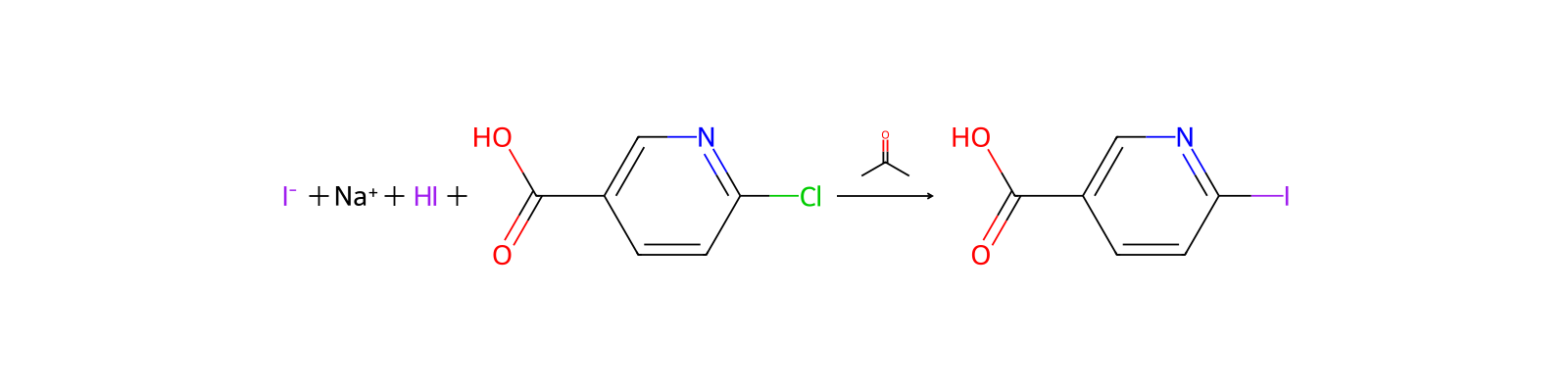
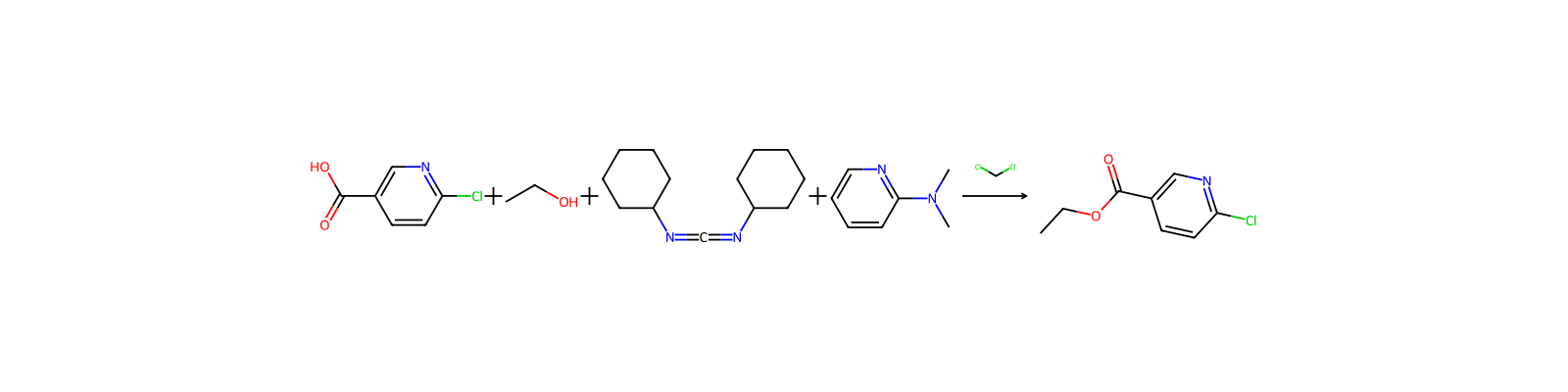
Related reactions
489 records




Compound notes
Loading…