HomeMCPWorkbenchSkills
HomeWorkbenchNotificationsMe
llms.txt · MCP GuidePrivacy Policy · Terms of Service · Supportv1.8.0
  1. Home
  2. /Compound

3-Chlorophenol

HCID 7933
New noteNew reactionRequest quotes
Print preview

Completing data — refresh the page later to see the latest

Basic informationOverviewNames & identifiersPropertiesSafety & regulationChemistry & industryRelated reactionsCompound notes
Substructure searchFind similar structures

Basic information

CAS
108-43-0
Standard SMILES
Oc1cccc(Cl)c1
InChIKey
HORNXRXVQWOLPJ-UHFFFAOYSA-N
Molecular formula
C6H5ClO
Average molar mass
128.55 g/mol
Monoisotopic mass
128.00289246

Overview

M-chlorophenol appears as white crystals with an odor of phenol. Sinks in and slowly dissolves in water. (NTP, 1992)

Names & identifiers

Preferred name
3-Chlorophenol
IUPAC
3-chlorophenol
English name
3-Chlorophenol
Molecular formula
C6H5ClO
Molecular weight
128.56

Names & synonyms

3-Chlorophenol108-43-0m-ChlorophenolPhenol, 3-chloro-Phenol, m-chloro-3-Hydroxychlorobenzenem-Chlorophenic acidmeta-Chlorophenol3-Chloro-1-hydroxybenzeneDTXSID4024800Z2Z7M2FTADNSC-59700
Show more names
MONOCHLOROPHENOL3-Chlorphenol3-MONOCHLOROPHENOL3-Cl-phenol3-chloro-phenom-chloro-phenoPhenol,3-chloro-
DTXCID004800CHEBI:38855m-monochlorophenolmeta-monochlorophenolRefChem:93526203-582-6NSC 597003-Chloro-Phenol

Database identifiers

CAS
108-43-0
PubChem CID
7933
DTXSID
DTXSID4024800
ChEMBL
CHEMBL41172
ChEBI
CHEBI:38855
UNII
Z2Z7M2FTAD
EC Number
203-582-6
Nikkaji
J368I

Properties

Computed structural propertiesFilling in

XLogP
2.5
Topological polar surface area
20.2 Ų
Hydrogen bond donors
1
Hydrogen bond acceptors
1
Rotatable bonds
0
Heavy atoms
8
Formal charge
0
Complexity
74.9

Experimental & physicochemical properties

Chemical Classes · 2 items

Other Classes -> Chlorophenols

Corrosives

DrugsPharmaceuticals -> Listed in ZINC15
SpringerMaterials Properties13C nuclear magnetic resonance spectrum
LogP · 2 items

log Kow = 2.5

2.47/2.52

Odor · 2 items

Odor similar to phenol

Strong medicinal odor

TasteStrong medicinal taste
Density · 4 items

1.245 at 113 °F (NTP, 1992) - Denser than water; will sink

1.245 at 45 °C

Relative density (water = 1): 1.245

1.245 @ 45°C

Viscosity11.55 cP at 25 °C
Color/Form · 2 items

Needles

White crystals

Safety & regulation

Safety information is for reference only and does not replace the supplier’s Safety Data Sheet (SDS), applicable regulations, or professional assessment.

GHS classification

GHS Classification · 6 items

Warning

H302: Harmful if swallowed [Warning Acute toxicity, oral]

P261, P264, P270, P271, P273, P280, P301+P317, P302+P352, P304+P340, P317, P321, P330, P362+P364, P391, and P501 (click each P-code to see the statement)

Warning

H302 (98.3%): Harmful if swallowed [Warning Acute toxicity, oral]

P261, P264, P270, P271, P273, P280, P301+P317, P302+P352, P304+P340, P317, P321, P330, P362+P364, P391, and P501 (click each P-code to see the statement)

Hazard information

Regulatory Information · 3 items

Chemical: Phenol, 3-chloro-

3-Chlorophenol: Does not have an individual approval but may be used under an appropriate group standard

The New Jersey Worker and Community Right to Know Act requires public and private employers to provide information about hazardous substances at their workplaces. (N.J.S.A. 34:5A-1 et. seq.)

DOT LabelPoison
Fire Hazards · 2 items

This chemical is probably combustible. (NTP, 1992)

Combustible. Gives off irritating or toxic fumes (or gases) in a fire.

Health Hazards · 1 item

SYMPTOMS: Symptoms of exposure to this compound include irritation, burns and corrosion of the eyes, skin, mucous membranes and upper respiratory tract. It may also cause restlessness, increase in rate of respiration, motor weakness, tremors, clonic convulsions, dyspnea, coma and death.

Hazards Summary · 2 items

A skin, eye, and respiratory tract irritant; [ICSC] Adverse effects are similar to those of phenol; [HSDB] A corrosive substance that can cause injury to the skin, eyes, mucous membranes, and upper respiratory tract; May cause convulsions; [CAMEO] See Phenol. See CHLOROPHENOLS.

Chemistry & industry

Pharmacology

Metabolism/Metabolites · 3 items

M-CHLOROPHENOL YIELDS M-CHLOROANISOLE IN GUINEA PIGS. YIELDS 4-CHLOROCATECHOL IN RABBITS. YIELDS M-CHLOROPHENYL-BETA-D-GLUCURONIDE & M-CHLOROPHENYL SULFATE IN RABBITS.

... Various chlorophenols are formed as intermediate metabolites during the microbiological degradation of the herbicides 2,4-D & 2,4,5-T and pesticides Silvex, Ronnel, lindane, and benzene hexachloride. /Chlorophenols/

Mammalian metabolism of chlorobenzene yields 3-chlorophenol as /one of/ the major products.

Absorption, Distribution and Excretion... ABSORBED FROM ... GASTROINTESTINAL TRACT & ... PARENTERAL SITES OF INJECTION. ... EXCRETED AS CONJUGATES OF SULFURIC & GLUCURONIC ACID. /CHLOROPHENOLS/

Uses & manufacturing

Uses · 3 items

Used as an intermediate in organic synthesis; [Hawley] Used as a biocide, veterinary antiseptic, and disinfectant for homes, hospitals, and farms; [Merck Index] Used as a soil sterilant; [CHEMINFO]

Using Disinfectants or Biocides [Category: Clean]

Intermediate in organic synthesis

Impurities... Chlorinated 2-phenoxyphenols, chlorinated diphenylethers, and chlorinated dibenzofurans occur as impurities in technical grade[s] of chlorophenols. /Chlorophenols/
U.S. Imports · 2 items

(1977) 7.01X10+6 G (PRINCPL CUSTMS DISTS)

(1986) 3.33X10+5 lb

U.S. Production(1982) PROBABLY GREATER THAN 2.27X10+6 G
Methods of Manufacturing · 3 items

... FROM DIAZOTIZED M-CHLOROANILINE

BY HYDROLYSIS OF 1,3-DICHLOROBENZENE WITH CUPRIC SALTS & HYDROXYLAMINE; BY VAPOR PHASE HYDROLYSIS OF 1,2,4-TRICHLOROBENZENE IN THE PRESENCE OF A PHOSPHATE CATALYST

The mono-, di-, or trihalogenated phenols having at least one chlorine atom in a meta position ... cannot be obtained by the chlorination of phenol, but must be made by other types of reactions, such as hydrolysis, sulfonation, hydrodechlorination, hydroxylation, and alkylation. /Mono-, Di-, and Trichlorophenols with Chlorine in a Meta Position/

Related reactions

292 records
New reaction record
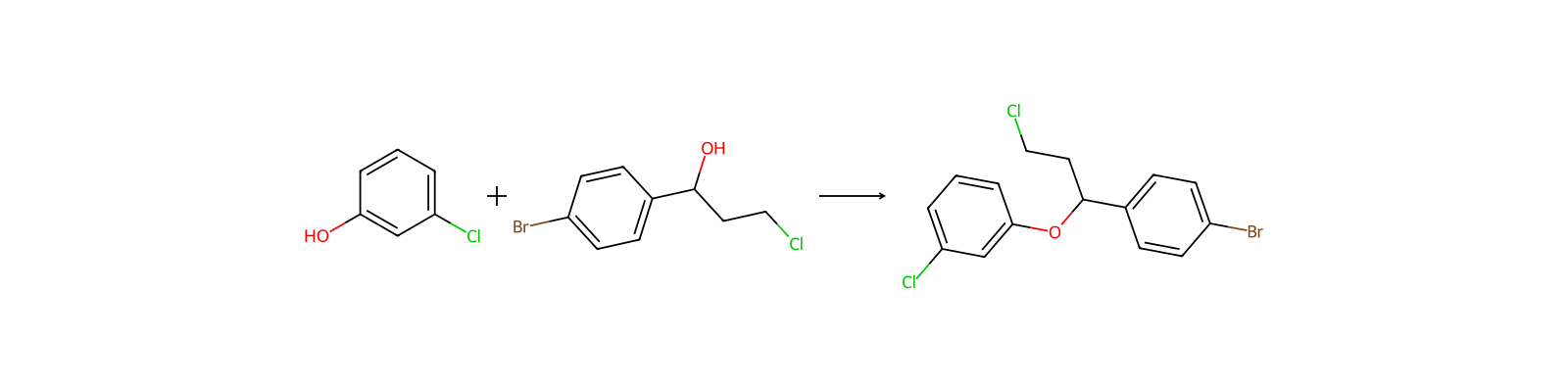
HRID 16280 reaction equation
HRID 16280As reactantuspto-grants-2010_06
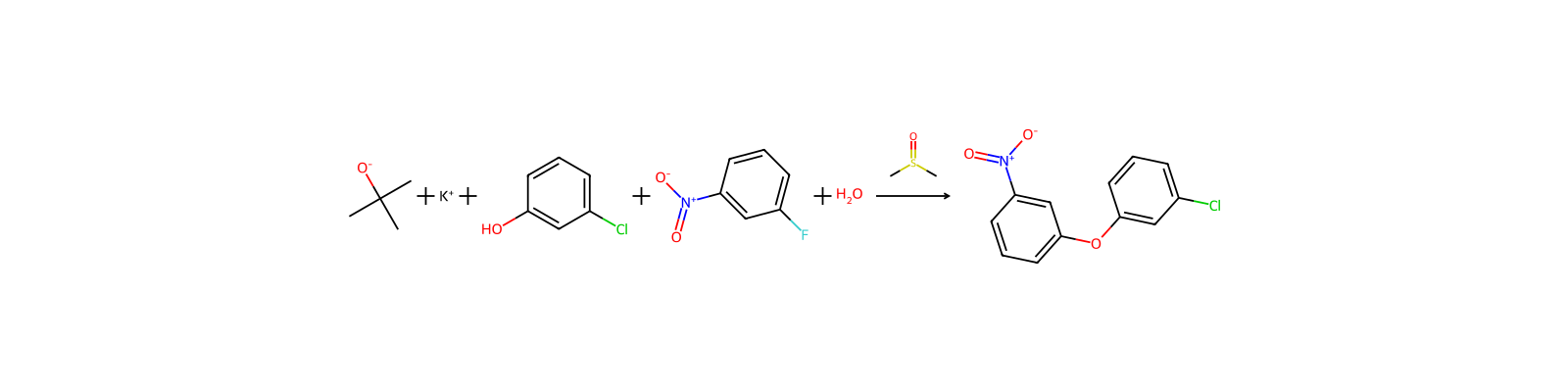
HRID 19264 reaction equation
HRID 19264As reactantuspto-grants-2010_06
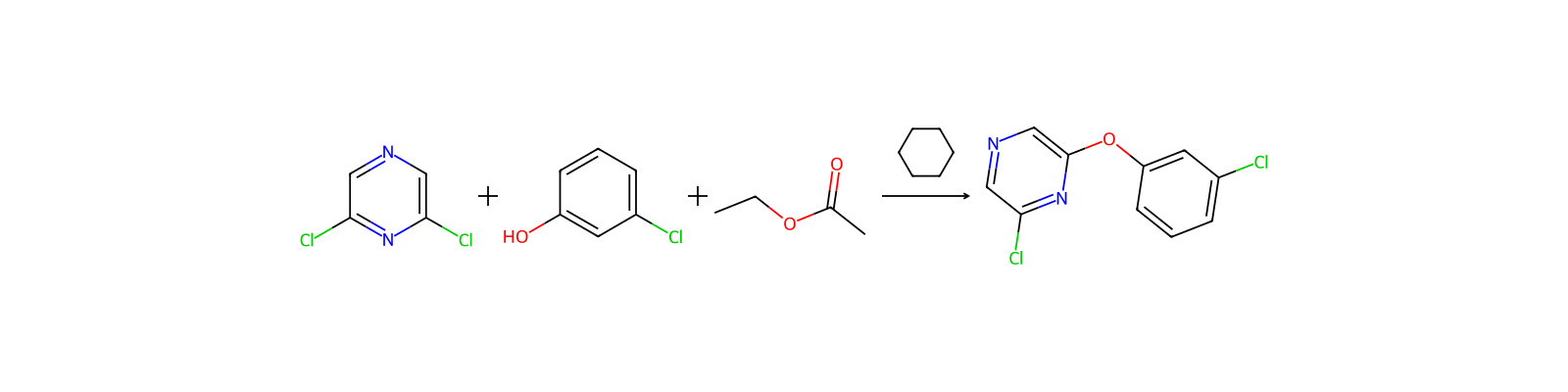
HRID 35430 reaction equation
HRID 35430As reactantuspto-grants-1988_08
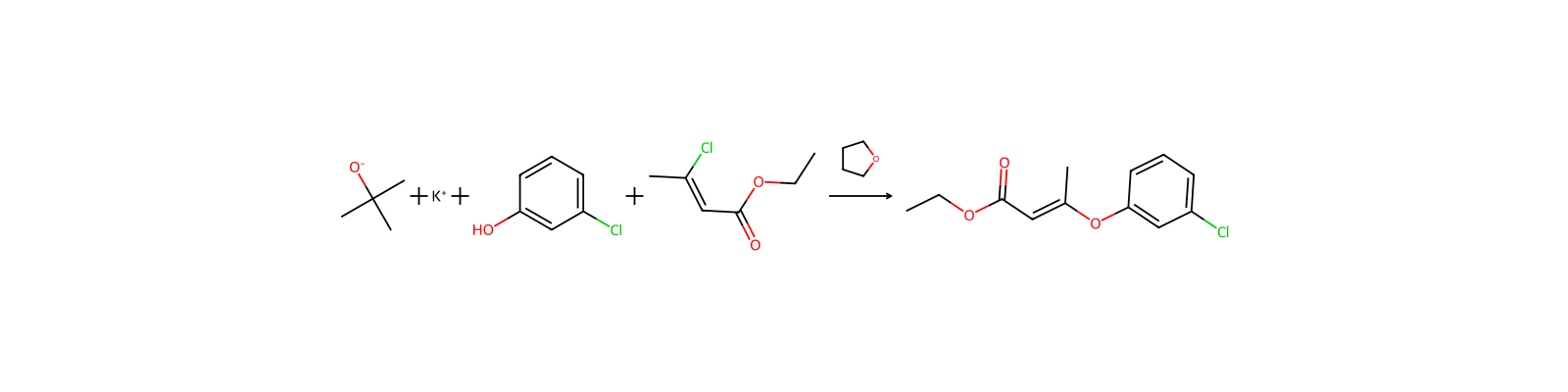
HRID 38241 reaction equation
HRID 38241As reactantuspto-grants-2013_09
HRID 41639 reaction equation
HRID 41639As reactantuspto-grants-2013_09
HRID 45528 reaction equation
HRID 45528As reactantuspto-grants-2013_09
HRID 49433 reaction equation
HRID 49433As reactantuspto-grants-2004_03
HRID 49909 reaction equation
HRID 49909As reactantuspto-grants-2004_03
Page 1 of 37

Compound notes

Loading…

On this pageBasic informationOverviewNames & identifiersPropertiesSafety & regulationChemistry & industryRelated reactionsCompound notes
More actions
New noteNew reactionRequest quotes
Solubility · 5 items

10 to 50 mg/mL at 59 °F (NTP, 1992)

Slightly sol in chloroform; soluble in ethanol and ether; very sol in benzene

Soluble in caustic alkali

In water, 2.60X10+4 mg/L at 20 °C

Solubility in water, g/100ml at 20 °C: 2.6

Flash Point · 4 items

greater than 233.6 °F (NTP, 1992)

Flash point > 112 °C

>112 °C (closed cup)

>112 °C

Boiling Point · 3 items

417 °F at 760 mmHg (NTP, 1992)

214 °C

214 °C

Physicochemical properties

Melting point
31 · 31-34 °C (lit.)
Boiling point
214 °C · 214 °C (lit.)
Density
1.218 g/mL · 1.218 g/mL at 25 °C (lit.)
vapor pressure
1 hPa · 1 hPa (44 °C)
refractive index
20 · n20/D 1.563(lit.)
Flash point
230 °F · >230 °F
storage temp.
30 °C · Store below +30°C.
solubility
Soluble in ethanol and ether.
pka
8.85 · 8.85(at 25℃)
form
Liquid After Melting
color
Clear yellow to brownish
Odor
distinct phenol-like odor
PH
3.5 · 3.5 (27.7g/l, H2O, 20℃)
Relative density, gas (air=1)
1.218 g/cm3 · 1.218 g/cm3 at 25 °C
Water Solubility
27.7 g/L · 27.7 g/L (20 ºC)
Merck
14 · 14,2154
BRN
1634401 · 1634401
Henry's Law Constant
7.2 · 7.2×100 mol/(m3Pa) at 25℃, Chao et al. (2017)
Stability
Stable. Combustible. Incompatible with acid chlorides, oxidizing agents, acid anhydrides. Discolours in air.
InChI
1S/C6H5ClO/c7-5-2-1-3-6(8)4-5/h1-4,8H
InChIKey
HORNXRXVQWOLPJ-UHFFFAOYSA-N
SMILES
Oc1cccc(Cl)c1
CAS DataBase Reference
108 · 108-43-0(CAS DataBase Reference)
FDA UNII
2 Z7M2FTAD · Z2Z7M2FTAD
NIST Chemistry Reference
3 · Phenol, 3-chloro-(108-43-0)
EPA Substance Registry System
m-Chlorophenol (108-43-0)
UNSPSC Code
12352104 · 12352104
NACRES
22 · NA.22
Symbol(GHS)
7 · GHS07,GHS08,GHS09
Signal word
Warning
Hazard statements
302 · H302+H312+H332-H315-H319-H371-H341-H411
Precautionary statements
501 · P501-P273-P260-P270-P202-P201-P271-P264-P280-P391-P337+P313-P305+P351+P338-P308+P311-P362+P364-P332+P313-P301+P312+P330-P302+P352+P312-P304+P340+P312-P405
PPE
95 · dust mask type N95 (US), Eyeshields, Gloves
Hazard Codes
Xn,N
Risk Statements
20 · 20/21/22-51/53
Safety Statements
28 · 28-61-28A
RIDADR
2020 · UN 2020 6.1/PG 3
WGK Germany
2 · 2
RTECS
2450000 · SK2450000
F
9 · 9
Autoignition Temperature
600 °C · >600 °C
TSCA
TSCA listed
HazardClass
6.1 · 6.1
PackingGroup
III
HS Code
29081000 · 29081000
Storage Class
6.1 C · 6.1C - Combustible acute toxic Cat.3toxic compounds or compounds which causing chronic effects
Hazard Classifications
4 DermalAcute · Acute Tox. 4 DermalAcute Tox. 4 InhalationAcute Tox. 4 OralAquatic Chronic 2Eye Dam. 1Skin Irrit. 2
Hazardous Substances Data
108 · 108-43-0(Hazardous Substances Data)
Toxicity
50 orally · LD50 orally in rats: 0.57 g/kg (Deichmann)
Limited Quantities
5 L · 5.0 L (1.3 gallons) (liquid) or 5.0 kg (11 lbs) (solid)
Excepted Quantities
Max Inner Pack (30g or 30ml) and Max Outer Pack (1Kg or 1L)

The major hazards encountered in the use and handling of 3-chlorophenol stem from its toxicologic properties. Toxic by all routes (ie, ingestion, inhalation, dermal absorption), exposure to this white crystalline substance may occur from its use as a chemical intermediate. Effects from exposure can include burns to the skin and eyes, weakness, headache, dizziness, shock, and death from cardiac or pulmonary failure. Contact with 3-chlorophenol should be protected against by wearing a self-contained breathing apparatus, and chemical protective clothing specifically recommended by the shipper or producer. However, if contact does occur, immediately flush affected skin or eyes with running water for at least 15 minutes, and remove and isolate contaminated clothing. While 3-chlorophenol does not ignite easily, it can burn, producing irritating and poisonous gases. For small fires involving 3-chlorophenol, extinguish with dry chemical, CO2, Halon, water spray, or standard foam. Runoff from fire control water may give off poisonous gases, and should be controlled by diking, as necessary. 3-Chlorophenol may be shipped via air, rail, road, or water in containers bearing the label, "Keep away from food." Small spills of 3-chlorophenol may be taken up with sand or other noncombustible absorbent and placed into containers for later disposal. Prior to implementing land disposal of waste residue (including waste sludge), consult with environmental regulatory agencies for guidance.

Reactive GroupPhenols and Cresols
EC ClassificationSymbol: Xn, N; R: 20/21/22-51/53; S: (2)-28-61; Note: C
UN ClassificationUN Hazard Class: 6.1; UN Pack Group: III
Special Reports · 4 items

USEPA; Ambient Water Quality Criteria Doc: Chlorinated Phenols (1980) EPA 440/5-80-032.

Nat'l Research Council Canada; Chlorinated Phenols (1982) NRCC No 18578

Environmental Protection Service; Chlorophenols and Their Impurities in the Canandian Environment Report EPS 3-EC-81-2 (1981).

U.S. Dept Health & Human Services/Agency for Toxic Substances & Disease Registry; Toxicological Profile for Chlorophenols PB/99/166639 (July 1999). Available from the Database Query page at: http://www.atsdr.cdc.gov/toxpro2.html# as of October 28, 2008

Reactivity ProfileM-CHLOROPHENOL is incompatible with acid chlorides, acid anhydrides and oxidizing agents (NTP, 1992).
Atmospheric Standards · 1 item

This action promulgates standards of performance for equipment leaks of Volatile Organic Compounds (VOC) in the Synthetic Organic Chemical Manufacturing Industry (SOCMI). The intended effect of these standards is to require all newly constructed, modified, and reconstructed SOCMI process units to use the best demonstrated system of continuous emission reduction for equipment leaks of VOC, considering costs, non air quality health and environmental impact and energy requirements. Chlorophenols are produced as an intermediate or final product by process units covered under this subpart. /Chlorophenols/

Chemical DangersDecomposes on heating. This produces toxic and corrosive fumes of hydrogen chloride (see ICSC 0163) and chlorine (see ICSC 0126). Reacts with oxidants.

Safety & protection

Fire Fighting · 2 items

Fires involving this material can be controlled with a dry chemical, carbon dioxide or Halon extinguisher. (NTP, 1992)

Use water spray, foam, powder, carbon dioxide.

First Aid Measures · 4 items

Fresh air, rest. Refer for medical attention.

Remove contaminated clothes. Rinse and then wash skin with water and soap. Refer for medical attention .

First rinse with plenty of water for several minutes (remove contact lenses if easily possible), then refer for medical attention.

Rinse mouth. Induce vomiting (ONLY IN CONSCIOUS PERSONS!). Refer for medical attention .

First Aid · 1 item

EYES: First check the victim for contact lenses and remove if present. Flush victim's eyes with water or normal saline solution for 20 to 30 minutes while simultaneously calling a hospital or poison control center. Do not put any ointments, oils, or medication in the victim's eyes without specific instructions from a physician. IMMEDIATELY transport the victim after flushing eyes to a hospital even if no symptoms (such as redness or irritation) develop.

Safe StorageSeparated from strong oxidants and food and feedstuffs. Well closed.
Fire Fighting Procedures · 1 item

Use dry chemical, carbon dioxide, or foam extinguishers. Vapors are heavier than air and well collect in low areas. ...Vapors in confined areas may explode when exposed to fire. Containers may explode in fire. Storage containers and parts of containers may rocket great distances, in many directions. ...From a secure, explosion-proof location, use water spray to cool exposed containers. If cooling streams are ineffective (venting sound increases in volume and pitch, tank discolors, or shows any signs of deforming), withdraw immediately to a secure position. /Monochlorophenols/

Storage Conditions · 1 item

Store in tightly closed containers in a cool, well ventilated area. Metal containers involving the transfer of this chemical should be grounded and bonded. Where possible, automatically pump liquid from drums or other storage containers to precess containers. Drums must be equipped with self-closing valves, pressure vacuum bungs, and flame arresters. Use only non-sparking tools and equipment, especially when opening and closing containers of this chemical. Sources of ignition such as smoking and open flames, are prohibited where this chemical is used, handled, or stored in a manner that could create a potential fire or explosion hazard. /Monochlorophenols/

Cleanup Methods · 2 items

Phenolic cmpd in wastewater are oxidized with hydrogen peroxide catalyzed by iron(3+)-iron(2+). When the wt ratio of phenol:hydrogen peroxide is 1:3 and iron 5-100 ppm, more than 95% of the phenols are removed in 30 min from a 500 ppm phenol soln at pH 5-6 and 25-50 °C. /Phenolic cmpd/

Evacuate and restrict persons not wearing protective equipment from area of spill or leak until cleanup is complete. Remove all ignition sources. Ventilate area of spill or leak. Absorb liquids in vermiculite, dry sand, earth, peat, carbon, or a similar material and deposit in sealed containers. Collect powdered material in the most convenient and safe manner and deposit in sealed containers. It may be necessary to contain and dispose of this chemical as a hazardous waste. /Monochlorophenols/

Nonfire Spill Response · 1 item

SMALL SPILLS AND LEAKAGE: If you spill this chemical, you should dampen the solid spill material with water, then transfer the dampened material to a suitable container. Use absorbent paper dampened with water to pick up any remaining material. Seal your contaminated clothing and the absorbent paper in a vapor-tight plastic bag for eventual disposal. Wash all contaminated surfaces with a soap and water solution. Do not reenter the contaminated area until the Safety Officer (or other responsible person) has verified that the area has been properly cleaned.

Disposal Methods · 4 items

SRP: The most favorable course of action is to use an alternative chemical product with less inherent propensity for occupational exposure or environmental contamination. Recycle any unused portion of the material for its approved use or return it to the manufacturer or supplier. Ultimate disposal of the chemical must consider: the material's impact on air quality; potential migration in soil or water; effects on animal, aquatic, and plant life; and conformance with environmental and public health regulations.

Chemical Treatability of m-Chlorophenol; Concentration Process: Biological Treatment; Chemical Classification: Phenols; Scale of Study: Laboratory Scale Type of Wastewater Used: Pure Compound (one solute in a solvent) Results of Study: 100% reduction in 28 hours; (Biodegradation by mutant Pseudomonas species).

Chemical Treatability of m-Chlorophenol with 13% NaCl Concentration Process: Resin Absorption; Chemical Classification: Phenols; Scale of Study: Unknown; Type of Wastewater Used: Industrial Wastewater Results of Study: At zero leakage sorption capacity was 0.07 lb/lb; (15 minute contact time Amberlite XAD-4 used).

A) Dissolve in such combustible solvent as alcohols, benzene etc. Spray the solvent into the furnace with afterburner and scrubber. B) Pour into sodium bicarbonate or a mixture of sand-soda ash (9:1). After mixing, transfer into a paper carton filled with packing paper. Burn more efficiently in the furnace with an afterburner and scrubber. Recommendable method: Incineration. Not recommendable method: Discharge to sewer.

Spillage Disposal · 1 item

Personal protection: particulate filter respirator adapted to the airborne concentration of the substance. Do NOT let this chemical enter the environment. Sweep spilled substance into covered containers. If appropriate, moisten first to prevent dusting. Carefully collect remainder. Then store and dispose of according to local regulations.

Preventive Measures · 3 items

SRP: Contaminated protective clothing should be segregated in such a manner so that there is no direct personal contact by personnel who handle, dispose, or clean the clothing. Quality assurance to ascertain the completeness of the cleaning procedures should be implemented before the decontaminated protective clothing is returned for reuse by the workers. Contaminated clothing should not be taken home at end of shift, but should remain at employee's place of work for cleaning.

Immediately wash contaminated areas of skin with concentrated soap solution. Contaminated gloves, clothing, shoes should be removed without delay and disposed by incineration.

SRP: Contaminated protective clothing should be segregated in such a manner so that there is no direct personal contact by personnel who handle, dispose, or clean the clothing. Quality assurance to ascertain the completeness of the cleaning procedures should be implemented before the decontaminated protective clothing is returned for reuse by the workers. Contaminated clothing should not be taken home at end of shift, but should remain at employee's place of work for cleaning.

Isolation and EvacuationExcerpt from ERG Guide 153 [Substances - Toxic and/or Corrosive (Combustible)]:

Toxicology

Ecotoxicity Values · 5 items

EC50; Species: Pseudokirchneriella subcapitata (Green algae, exponential growth phase, 50000 cells/mL); Conditions: freshwater, static, 21 °C; Concentration: 29000 ug/L for 96 hr; Effect: growth, general /formulated product/

EC50; Species: Daphnia magna (Water flea, age <72 hr) Conditions: freshwater, static, 20 °C, pH 7.8-8.2, hardness 200 mg/L CaCO3, dissolved oxygen > or = 2.27 mg/L; Concentration: 15780 ug/L for 24 hr (95% confidence interval: 13800-17750 ug/L); Effect: intoxication, immobilization />95% purity/

LC50; Species: Oncorhynchus mykiss (Rainbow trout); Conditions: freshwater, renewal,14.5-15.5 °C, pH 8.0, dissolved oxygen 9.5-10.4 mg/L; Concentration: 10,000 ug/L for 48 hr /formulated product/

LC50; Species: Oryzias latipes (Medaka); Conditions: freshwater, static; Concentration: 4500 ug/L for 96 hr (95% confidence interval: 3300-6100 ug/L) /formulated product/

LD50 Oncorhynchus mykiss (Rainbow trout, weight 10-40 g) injection, ip, 5.04 mmol/kg

Environmental Fate · 3 items

TERRESTRIAL FATE: Based on a classification scheme(1), an experimental Koc value of 350(2) indicates that 3-chlorophenol is expected to have moderate mobility in soil(SRC). The pKa of 3-chlorophenol is 9.12(3), indicating that this compound will partially exist in an anion form in the environment and anions generally do not adsorb more strongly to soils containing organic carbon and clay than their neutral counterparts(4). Volatilization of 3-chlorophenol from moist soil surfaces is not expected to be an important fate process(SRC) given a Henry's Law constant of 3.45X10⁻⁷ atm-cu m/mole for the neutral species(5). 3-Chlorophenol is not expected to volatilize from dry soil surfaces(SRC) based upon a vapor pressure of 0.125 mm Hg(6). 3-Chlorophenol is expected to biodegrade in both aerobic and anaerobic soils with biodegradation half-lives ranging from 15 to 160 days(6-8).

AQUATIC FATE: Based on a classification scheme(1), an experimental Koc value of 350(2) and a regression-derived equation(3), indicates that 3-chlorophenol is not expected to adsorb to suspended solids and sediment(SRC). Volatilization from water surfaces is not expected(3) based upon a Henry's Law constant of 3.45X10⁻⁷ atm-cu m/mole for the neutral species(4). According to a classification scheme(5), a measured BCF range of 5.1 to 16(6) suggests the potential for bioconcentration in aquatic organisms is low(SRC). 3-Chlorophenol has a reported half-life of 36 days in water(7), degraded 6% after 40 days in farm stream water, degraded 56% after 30 days in farm stream sediments(8), and degraded 31.7% after 5 days in Chinese river water(9), indicating that biodegradation of 3-chlorophenol in aquatic environments may be limited under certain conditions(SRC).

ATMOSPHERIC FATE: According to a model of gas/particle partitioning of semivolatile organic compounds in the atmosphere(1), 3-chlorophenol, which has a vapor pressure of 0.125 mm Hg at 25 °C(2), is expected to exist solely as a vapor in the ambient atmosphere. Vapor-phase 3-chlorophenol is degraded in the atmosphere by reaction with photochemically-produced hydroxyl radicals(SRC); the half-life for this reaction in air is estimated to be 1.4 days(SRC), calculated from its rate constant of 2.4X10⁻¹¹ cu cm/molecule-sec at 25 °C(SRC) that was derived using a structure estimation method(3). 3-Chlorophenol absorbs light in the deep UV, but since there is some overlap between its absorption spectrum and the tropospheric solar spectrum, degradation by natural sunlight is possible(4).

Adverse EffectsNeurotoxin - Other CNS neurotoxin
Exposure RoutesThe substance can be absorbed into the body by inhalation of its vapour, through the skin and by ingestion.
Ecotoxicity Excerpts/AQUATIC SPECIES/ EC50 Chlorella pyrenoidosa (algae) exposed to concn at 500,000 ug/l, /time not specified, resulted in/ complete destruction of chlorophyll. /Monochlorophenols/
Signs and Symptoms · 3 items

Cough. Sore throat.

Redness. Pain.

Redness. Pain.

Effluent Concentrations · 1 item

3-Chlorophenol has been detected in the effluent of a pulp mill in Canada at concentrations of 90, 91 and 93 ug/L(1). In the analysis of chlorinated sewage treatment plant effluents, 3-chlorophenol was found at a concentration of 0.5 ug/L(2).

ICSC Environmental DataThis substance may be hazardous to the environment. Special attention should be given to fish.
Soil Adsorption/Mobility · 1 item

The Koc of 3-chlorophenol in soil was reported as 350(1). According to a classification scheme(2), this Koc value suggests that 3-chlorophenol is expected to have moderate mobility in soil(SRC). The pKa of 3-chlorophenol is 9.12(3), indicating that this compound will partially exist in the anion form in the environment and anions generally do not adsorb more strongly to soils containing organic carbon and clay than their neutral counterparts(4). Chlorophenols can be irreversibly immobilized by covalent bonding to soil organic matter (SOM). Irreversible binding increased with the addition of hydrogen peroxide and under anoxic conditions(5).

Natural Pollution Sources3-CHlorophenol's presence in soil may be due to natural de novo synthesis or chloroperoxidase (CPO)-catalyzed chlorination of aromatic structures(1).
Human Toxicity Excerpts · 2 items

/SIGNS AND SYMPTOMS/ Caution: ingestion causes incr then decr of respiration, blood pressure, urinary output; fever; increased bowel action; motor weakness; collapse with convulsions & death. Causes lung, liver, kidney damage; contact dermatitis. ... Dust causes sneezing.

/SIGNS AND SYMPTOMS/ 1. Burning pain in mouth and throat. White necrotic lesions in mouth, esophagus and stomach. Abdominal pain, vomiting, ... and bloody diarrhea. 2. Pallor, sweating, weakness, headache, dizziness, tinnitus. 3. Shock: Weak irregular pulse, hypotension, shallow respirations, cyanosis, pallor, and a profound fall in body temperature. 4. Possibly fleeting excitement and confusion, followed by unconsciousness ... 5. Stentorous breathing, mucous rales, rhonchi, frothing at nose and mouth and other signs of pulmonary edema are sometimes seen. Characteristic odor of phenol on the breath. 6. Scanty, dark-colored ... urine ... moderately severe renal insufficiency may appear. 7. Methemoglobinemia, Heinz body hemolytic anemia and hyperbilirubinemia have been reported ... 8. Death from respiratory, circulatory, or cardiac failure. 9. If spilled on skin, pain is followed promptly by numbness. The skin becomes blanched, and a dry opaque eschar forms over the burn. When the eschar sloughs off, a brown stain remains. /Phenol/

Artificial Pollution Sources · 2 items

Chlorination of polluted & natural water can produce ... chlorophenols. /Chlorophenols/

3-Chlorophenol's production and use in organic synthesis(1) may result in its release to the environment through various waste streams(SRC).

Regulatory information

Atmospheric Standards · 1 item

This action promulgates standards of performance for equipment leaks of Volatile Organic Compounds (VOC) in the Synthetic Organic Chemical Manufacturing Industry (SOCMI). The intended effect of these standards is to require all newly constructed, modified, and reconstructed SOCMI process units to use the best demonstrated system of continuous emission reduction for equipment leaks of VOC, considering costs, non air quality health and environmental impact and energy requirements. Chlorophenols are produced as an intermediate or final product by process units covered under this subpart. /Chlorophenols/

Clean Water Act RequirementsToxic pollutant designated pursuant to section 307(a)(1) of the Federal Water Pollution Control Act and is subject to effluent limitations. /Chlorinated phenols/
State Drinking Water Guidelines(FL) FLORIDA 10 ug/l

Safety data

F
9
PPE
dust mask type N95 (US), Eyeshields, Gloves
wgk
2
tsca
TSCA listed
rtecs
SK2450000
ridadr
UN 2020 6.1/PG 3
hs_code
29081000
Toxicity
LD50 orally in rats: 0.57 g/kg (Deichmann)
risk_code
20/21/22-51/53
Signal word
Warning
Symbol(GHS)
GHS07,GHS08,GHS09
hazard_code
Xn,N
safety_code
28-61-28A
hazard_class
6.1
Storage Class
6.1C - Combustible acute toxic Cat.3toxic compounds or compounds which causing chronic effects
packing_group
III
Hazard statements
H302+H312+H332-H315-H319-H371-H341-H411
Limited Quantities
5.0 L (1.3 gallons) (liquid) or 5.0 kg (11 lbs) (solid)
Excepted Quantities
Max Inner Pack (30g or 30ml) and Max Outer Pack (1Kg or 1L)
Hazard Classifications
Acute Tox. 4 DermalAcute Tox. 4 InhalationAcute Tox. 4 OralAquatic Chronic 2Eye Dam. 1Skin Irrit. 2
Autoignition Temperature
>600 °C
Precautionary statements
P501-P273-P260-P270-P202-P201-P271-P264-P280-P391-P337+P313-P305+P351+P338-P308+P311-P362+P364-P332+P313-P301+P312+P330-P302+P352+P312-P304+P340+P312-P405
Hazardous Substances Data
108-43-0(Hazardous Substances Data)
General Manufacturing Information · 2 items

Phenol, 3-chloro-: ACTIVE

The preparation of agricultural chemicals consumes 80-90% of chlorophenol production. /Chlorophenols/

Applications · 4 items

Uses3-Chlorophenol is a halophenol with antifungal activity. 3-Chlorophenol is commonly used as a building block in the preparation of variety of biologically active compounds. Studies suggest that 3-Chlo rophenol can be used in the regeneration of vegetal activated carbons.

Uses3-Chlorophenol is widely used in the pharmaceutical, dyes and organic synthesis industry. It is an important intermediate in the synthesis of chemicals.

Uses3-Chlorophenol is generally used in building various polycyclic aromatic systems. It is also employed in palladium-catalyzed coupling reactions to synthesize aryl intermediates in synthetic organic chemistry.

General DescriptionWhite crystals with an odor of phenol. Sinks in and slowly dissolves in water.

Upstream & downstream products

Upstream raw materials

2-ChlorophenolSodium hypochloriteDesiccantSodium nitriteSulfuryl chloride4-Chloroaniline3-Chloroaniline

Downstream products

4-Chloro-2-hydroxybenzaldehyde2-Chloro-6-hydroxybenzaldehyde3-Chlorophenoxyacetyl chloride2,4,6-tribromo 3-chlorophenol2,4-dibromo-5-chlorophenol3-Chloro-2-iodophenol3-Chlorophenoxyacetic acid(+)-Cloprostenol3-Chloro-4-iodophenol2-Bromo-3-chlorophenol

Additional notes

DefinitionChEBI: 3-chlorophenol is a monochlorophenol carrying the chloro substituent at position 3.