HomeMCPWorkbenchSkills
HomeWorkbenchNotificationsMe
llms.txt · MCP GuidePrivacy Policy · Terms of Service · Supportv1.8.0
  1. Home
  2. /Compound

Bromobenzene

HCID 7961
New noteNew reactionRequest quotes
Print preview

Completing data — refresh the page later to see the latest
Basic informationOverviewNames & identifiersPropertiesSafety & regulationChemistry & industryRelated reactionsCompound notes
Substructure searchFind similar structures

Basic information

CAS
108-86-1
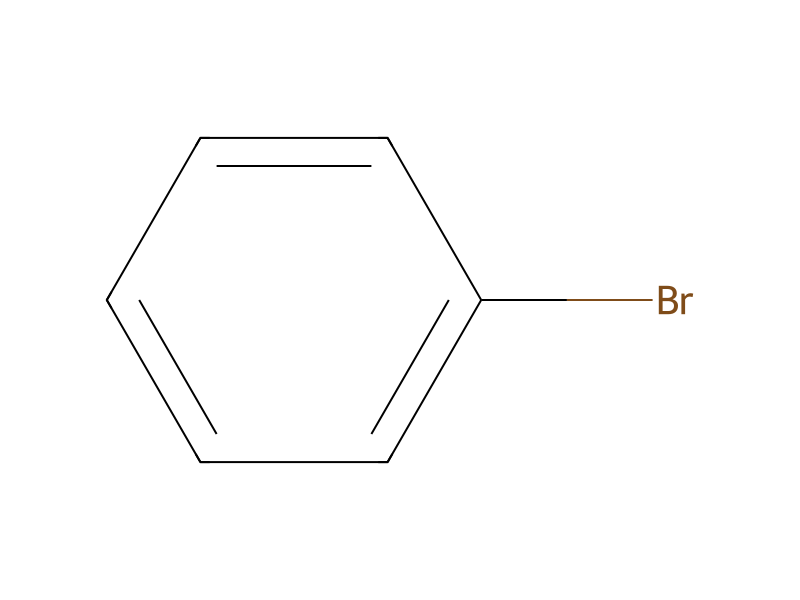
Standard SMILES
Brc1ccccc1
InChIKey
QARVLSVVCXYDNA-UHFFFAOYSA-N
Molecular formula
C6H5Br
Average molar mass
157.01 g/mol
Monoisotopic mass
155.95746226

Overview

Mobile clear colorless liquid with a pungent odor. Flash point 124 °F. Denser than water and insoluble in water. Hence sinks in water. Vapors are heavier than air. A skin irritant.

Names & identifiers

Preferred name
Bromobenzene
IUPAC
bromobenzene
English name
Bromobenzene
Molecular formula
C6H5Br
Molecular weight
157.01

Names & synonyms

BROMOBENZENE108-86-1MonobromobenzenePhenyl bromideBenzene, bromo-C6H5BrPhBrNCI-C55492BROMO-BENZENEDTXSID5024637CO4D5J547LNSC-6529
Show more names
BrombenzolBromobenzolbromo-benzenBenzene,bromo-romobenzene
CHEBI:3179DTXCID304637RefChem:5616203-623-81-Bromobenzene4-bromobenzenePhenylbromidePirfenidone EP Impurity D

Database identifiers

CAS
108-86-1、52753-63-6
PubChem CID
7961
DTXSID
DTXSID5024637
ChEMBL
CHEMBL16068
ChEBI
CHEBI:3179
UNII
CO4D5J547L
EC Number
203-623-8
Nikkaji
J2.867C

Properties

Computed structural propertiesFilling in

XLogP
3
Topological polar surface area
0 Ų
Hydrogen bond donors
0
Hydrogen bond acceptors
0
Rotatable bonds
0
Heavy atoms
7
Formal charge
0
Complexity
46.1

Experimental & physicochemical properties

Chemical Classes · 2 items

Flammable agents - 2nd degree

Volatile Organic Compound (VOC)

SolventsSolvents -> Brominated Solvents
SpringerMaterials Properties13C nuclear magnetic resonance spectrum
PesticidesPesticide -> EPA IRIS
LogP · 2 items

log Kow = 2.99

2.99

Odor · 2 items

AROMATIC ODOR

Pungent odor

Density · 4 items

1.49 at 77 °F (USCG, 1999) - Denser than water; will sink

@ 10 °C/4 °C: 1.5083; @ 15 °C/4 °C: 1.5017; @ 20 °C/4 °C: 1.4952; @ 30 °C/4 °C: 1.4815; @ 71 °C/4 °C: 1.426; @ 0 °C/4 °C: 1.5220

Relative density (water = 1): 1.5

1.495 @ 20°C

Viscosity1.124 CP @ 20 °C
Color/Form · 2 items

Safety & regulation

Safety information is for reference only and does not replace the supplier’s Safety Data Sheet (SDS), applicable regulations, or professional assessment.

GHS classification

GHS Classification · 6 items

Warning

H226: Flammable liquid and vapor [Warning Flammable liquids]

P210, P233, P240, P241, P242, P243, P264, P273, P280, P302+P352, P303+P361+P353, P321, P332+P317, P362+P364, P370+P378, P391, P403+P235, and P501 (click each P-code to see the statement)

Warning

H226 (100%): Flammable liquid and vapor [Warning Flammable liquids]

P210, P233, P240, P241, P242, P243, P264, P273, P280, P302+P352, P303+P361+P353, P321, P332+P317, P362+P364, P370+P378, P391, P403+P235, and P501 (click each P-code to see the statement)

Hazard information

Regulatory Information · 6 items

Chemical: Benzene, bromo-

Benzene, bromo- is listed on the EPA's Chemical Data Reporting (CDR) system. Manufacturers and importers of Benzene, bromo- are required to report information about their production and use of this chemical to the EPA under the Toxic Substances Control Act (TSCA). (40 eCFR Part 711)

TP - indicates a substance that is the subject of a proposed TSCA section 4 test rule.

Status: Active Update: 27-01-2023 https://echa.europa.eu/registration-dossier/-/registered-dossier/19680

Bromobenzene: Does not have an individual approval but may be used under an appropriate group standard

The New Jersey Worker and Community Right to Know Act requires public and private employers to provide information about hazardous substances at their workplaces. (N.J.S.A. 34:5A-1 et. seq.)

Other Safety InformationIMAP assessments - Benzene, bromo-: Human health tier I assessment
DOT LabelFlammable Liquid
Fire Hazards · 3 items

Special Hazards of Combustion Products: Irritating hydrogen bromide and other gases may be produced in fire. (USCG, 1999)

Chemistry & industry

Pharmacology

Mechanism of Action · 3 items

FOLLOWING BROMOBENZENE (1.0 MMOL) ADMIN TO RAT HEPATOCYTES, LIPID PEROXIDATION OCCURRED ONLY AT A LATER STAGE, COMPARED TO TREATMENT WITH CCL4, AND ONLY AFTER CELL DEATH. APPARENTLY LIPID PEROXIDATION DURING BROMOBENZENE TOXICITY WAS MERELY A CONSEQUENCE OF GSH DEPLETION AND CELL DEATH. APPARENTLY, ARYLATION OF CRITICAL CELLULAR NUCLEOPHILES IS MORE IMPORTANT THAN LIPID PEROXIDATION IN BROMOBENZENE HEPATOTOXICITY.

FRESHLY ISOLATED HEPATOCYTES FROM PHENOBARBITAL-TREATED RATS WERE INCUBATED IN THE PRESENCE OR ABSENCE OF EXTRACELLULAR CALCIUM WITH BROMOBENZENE. IN THE ABSENCE OF CALCIUM IT WAS FAR MORE TOXIC TO THE CELLS THAN IN ITS PRESENCE. THIS RESULT IS INCONSISTENT WITH THE HYPOTHESIS THAT AN INFLUX OF EXTRACELLULAR CALCIUM IS REQUIRED AS THE FINAL STEP IN TOXIC LIVER CELL INJURY.

A NOVEL METHOD IS DESCRIBED FOR MEASURING THE COVALENT BINDING OF BROMOBENZENE TO MACROMOLECULES IN RAT HEPATIC MICROSOMES OF HEPATOCYTES. COVALENT BINDING IN HEPATOCYTES SUGGESTS THAT THE BINDING OCCURS FIRST WITH MACROMOLECULES IN 20000-40000 DALTON RANGE.

Metabolism/Metabolites · 6 items

IT APPEARS THAT IN BROMOBENZENE NECROSIS /OF LIVER/, THE TOXIC /SRP: BROMOBENZENE EPOXIDE METABOLITES, MAINLY THE 3,4-EPOXIDE, ARE/...DEGRADED THROUGH THE ACTION OF GLUTATHIONE TRANSFERASE & EPOXIDE HYDRATASE.

BROMOBENZENE IS METABOLIZED VIA THE HEPATIC MIXED-FUNCTION OXIDASE SYSTEM TO REACTIVE INTERMEDIATES 2,3- AND 3,4-BROMOBENZENE EPOXIDES. THESE METABOLITES PRESUMABLY BIND TO TISSUE MACROMOLECULES. THE SPECIFIC SITES OF MACROMOLECULAR PROTEINS WERE INVESTIGATED. THE 3,4-EPOXIDE IS MORE REACTIVE, BINDING COVALENTLY TO MICROSOMAL PROTEIN AT THE SITE OF ITS SYNTHESIS, WHEREAS BROMOBENZENE 2,3-EPOXIDE IS MORE STABLE, LEAVING THE MICROSOMAL PROTEIN COMPARTMENT AND BINDING COVALENTLY TO SOL PROTEIN, IE THE HEMOGLOBIN BETA CHAIN.

BROMOBENZENE YIELDS N-ACETYL-S-(4-BROMO-1,2-DIHYDRO-2-HYDROXYPHENYL)-L-CYSTEINE IN RABBIT & RAT; N-ACETYL-S-(P-BROMOPHENYL)-L-CYSTEINE IN DOG & IN MOUSE. /FROM TABLE/

BROMOBENZENE MAY BE METABOLIZED TO AN EPOXIDE...EXCRETED IN BILE, REABSORBED THROUGH ENTEROHEPATIC CIRCULATION, & METABOLIZED IN SEVERAL STEPS TO S-P-BROMOPHENYL MERCAPTURIC ACID, WHICH IS THEN EXCRETED IN URINE.

For more Metabolism/Metabolites (Complete) data for BROMOBENZENE (13 total), please visit the HSDB record page.

Bromobenzene is converted to either the 3,4-oxide derivative catalyzed primarily by phenobarbital-induced cytochrome isozymes (e.g., CYP 450 1A2, 2A6, 2B6, and 3A4), or the 2,3-oxide derivative catalyzed primarily by 3-methylcholanthrene and β-naphthoflavone-induced CYP isozymes (e.g., CYP 450 1A1, 1A2, and 1B1). This is followed by urinary excretion as premercapturic and mercapturic acids.

Related reactions

1,033 records
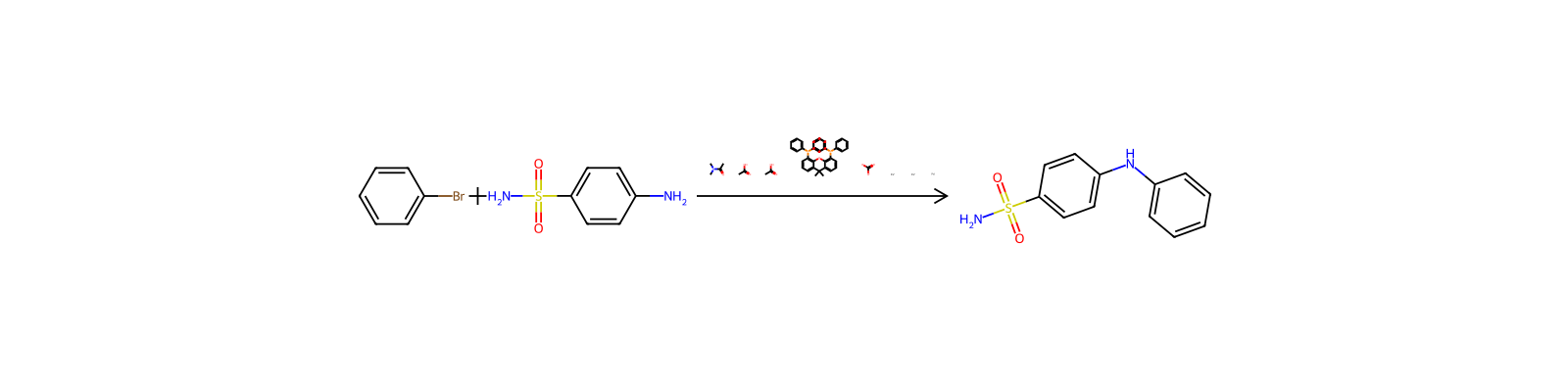
New reaction record
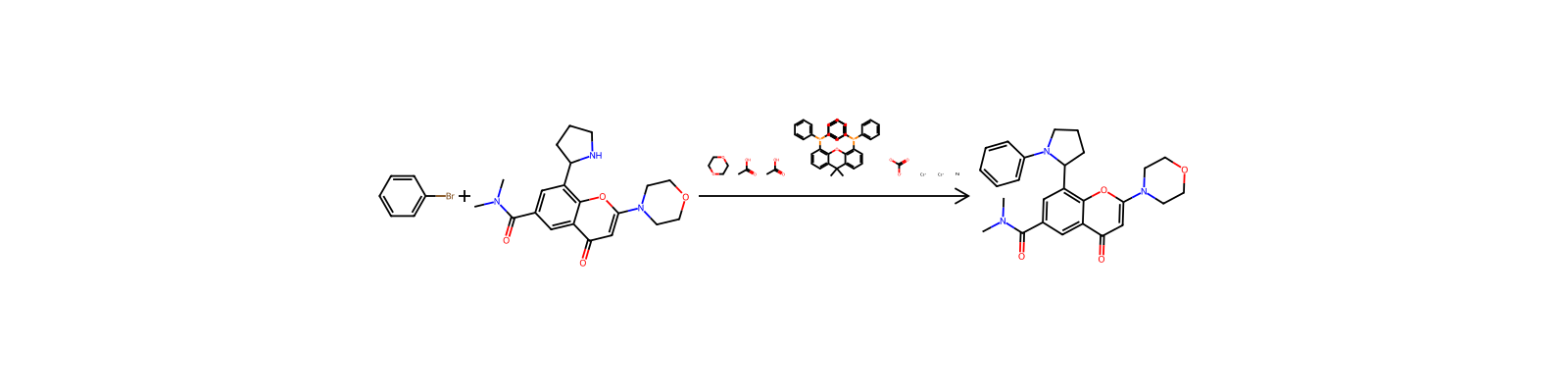
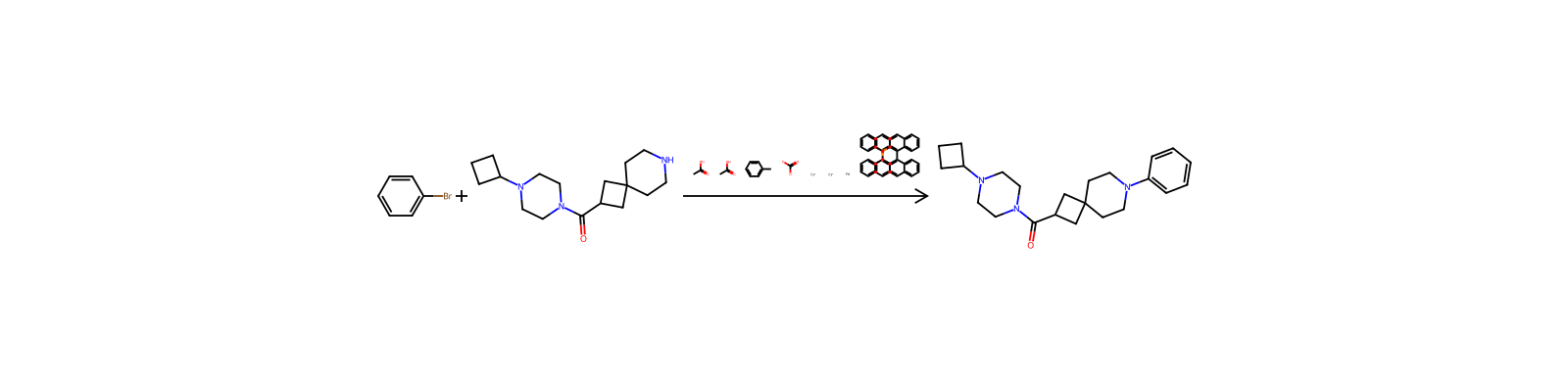
HRID 223 reaction equation
HRID 223As reactant750 AstraZeneca ELN dataset
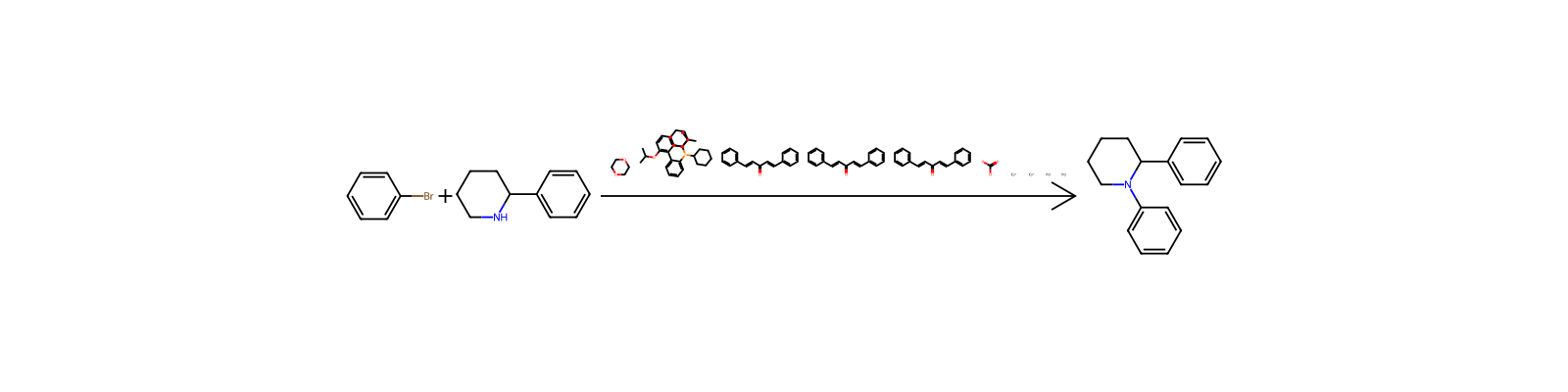
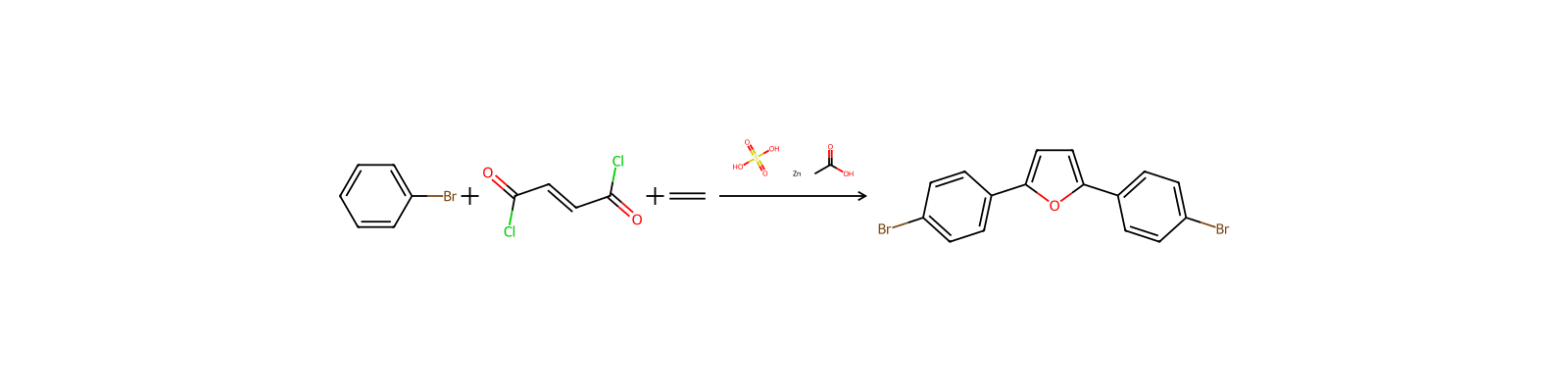
HRID 400 reaction equation
HRID 400As reactant750 AstraZeneca ELN dataset
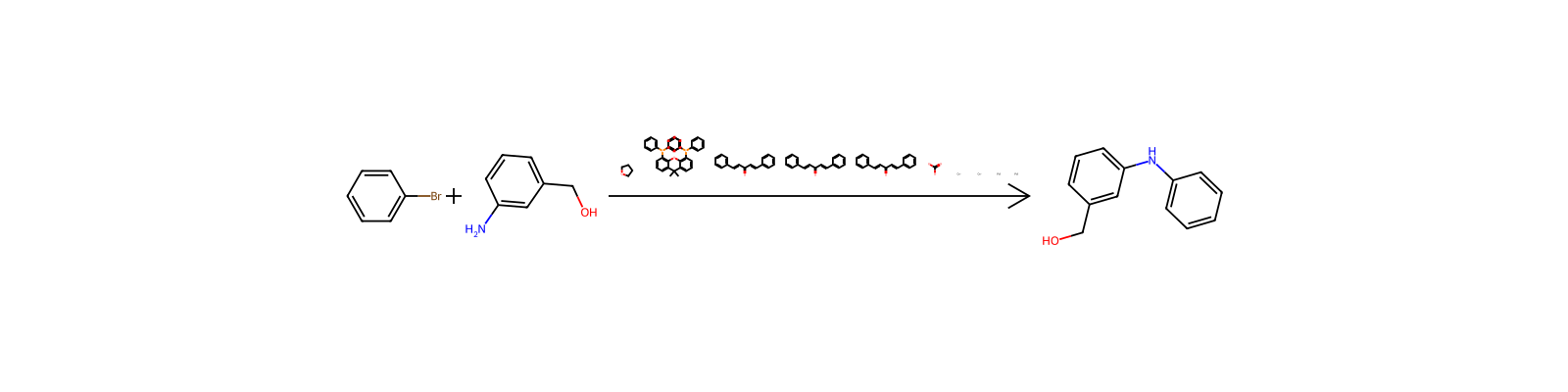
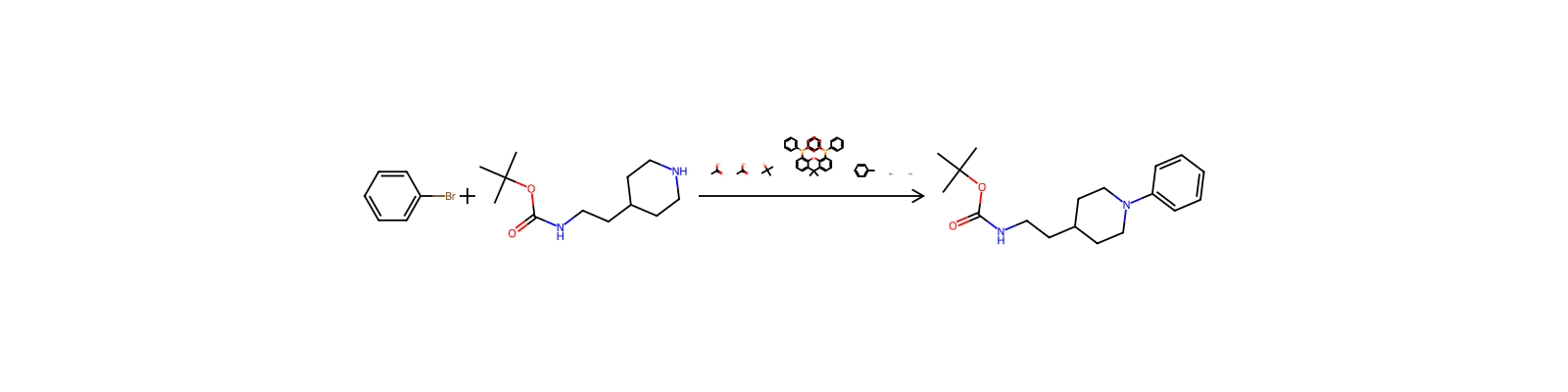
HRID 460 reaction equation
HRID 460As reactant750 AstraZeneca ELN dataset
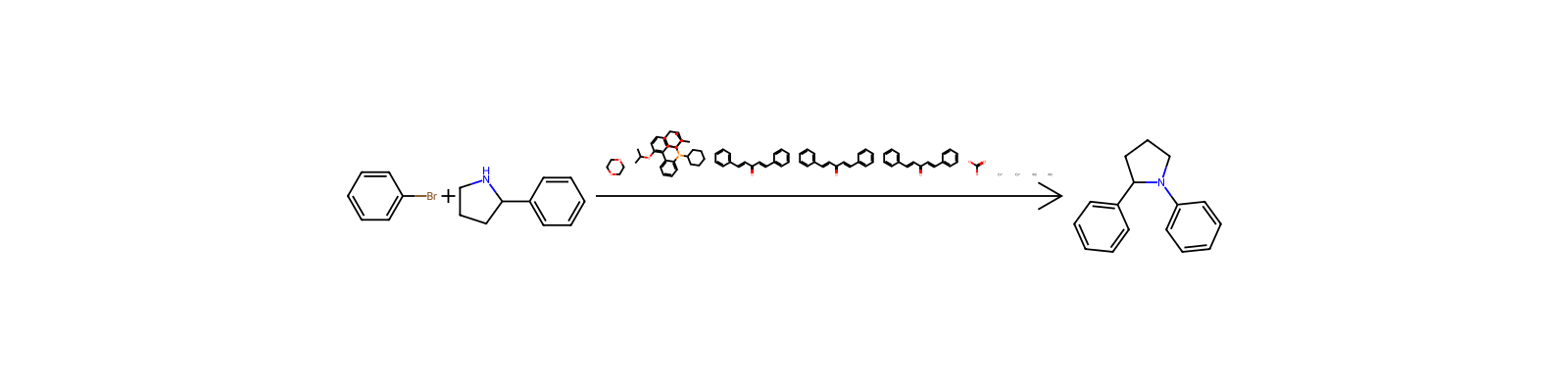
HRID 569 reaction equation
HRID 569As reactant750 AstraZeneca ELN dataset
HRID 610 reaction equation
HRID 610As reactant750 AstraZeneca ELN dataset
HRID 618 reaction equation
HRID 618As reactant750 AstraZeneca ELN dataset
HRID 674 reaction equation
HRID 674As reactant750 AstraZeneca ELN dataset
HRID 790 reaction equation
HRID 790As reactantuspto-grants-1998_03
Page 1 of 130

Compound notes

Loading…

On this pageBasic informationOverviewNames & identifiersPropertiesSafety & regulationChemistry & industryRelated reactionsCompound notes
More actions
New noteNew reactionRequest quotes

MOBILE LIQUID

Heavy, mobile, colorless liquid

Solubility · 6 items

less than 1 mg/mL at 68.9 °F (NTP, 1992)

MISCIBLE WITH CHLOROFORM, BENZENE, PETROLEUM HYDROCARBONS; SOL IN ALCOHOL (10.4 G/100 G @ 25 °C), IN ETHER (71.3 G/100 G @ 25 °C); PRACTICALLY INOL IN WATER (0.045 G/100 G @ 30 °C)

SOL IN CARBON TETRACHLORIDE

Miscible with most organic solvents; insoluble in water

Very soluble in ethanol, ethyl ether, and benzene

Solubility in water = 410 mg/l @ 25 °C

Flash Point · 4 items

123.8 °F (NTP, 1992)

Flash point equals 124 °F

51 °C (124 °F) (CLOSED CUP)

51 °C c.c.

Boiling Point · 6 items

313 °F at 760 mmHg (NTP, 1992)

boiling point equals 313 °F

156.2 °C @ 760 MM HG

Boiling point: 132.3 °C @ 400 mm Hg; 110.1 °C @ 200 mm Hg; 68.6 °C @ 40 mm Hg; 53.8 °C @ 20 mm Hg; 40.0 °C @ 10 mm Hg; 27.8 °C @ 5 mm Hg; 2.9 °C @ 1 mm Hg

156.2 °C

156.06 °C @760 [mm Hg]

Physicochemical properties

Melting point
-31 °C · -31 °C
Boiling point
156 °C · 156 °C(lit.)
Density
1.491 g/mL · 1.491 g/mL at 25 °C(lit.)
vapor density
5.41 · 5.41 (vs air)
vapor pressure
10 mm · 10 mm Hg ( 40 °C)
refractive index
20 · n20/D 1.559(lit.)
Flash point
124 °F · 124 °F
storage temp.
30 °C · Store below +30°C.
solubility
Miscible with diethyl ether, alcohol, carbon tetrachloride, chloroform and benzene.
form
Liquid
color
Clear colorless to faintly yellow
Odor
pleasant smell
explosive limit
0.5 · 0.5-2.5%(V)
Water Solubility
0.1 g/100 · insoluble. <0.1 g/100 mL at 20.5 ºC
Thermal Conductivity
0.111 W/ · 0.111 W/(m·K) at 25 ℃
Specific Heat Capacity
0.98 J/ · Cp(liquid): 0.98 J/(g·K), at 25℃
Merck
14 · 14,1406
BRN
1236661 · 1236661
Henry's Law Constant
2.47 at · 2.47 at 25 °C (gas stripping-GC, Shiu and Mackay, 1997)
Dielectric constant
5.4 · 5.4(20℃)
Stability
Stable. Combustible. Incompatible with strong oxidizing agents.
InChI
1S/C6H5Br/c7-6-4-2-1-3-5-6/h1-5H
InChIKey
QARVLSVVCXYDNA-UHFFFAOYSA-N
SMILES
Brc1ccccc1
LogP
3.14 at · 3.14 at 25℃
Surface tension
33.5 mN/m · 33.5mN/m at 303.15K
CAS DataBase Reference
108 · 108-86-1(CAS DataBase Reference)
EWG's Food Scores
2 · 2
FDA UNII
4 D5J547L · CO4D5J547L
NIST Chemistry Reference
Benzene, bromo-(108-86-1)
EPA Substance Registry System
Bromobenzene (108-86-1)
UNSPSC Code
12352101 · 12352101
NACRES
22 · NA.22
Symbol(GHS)
2 · GHS02,GHS07,GHS08,GHS09
Signal word
Warning
Hazard statements
303 · H303-H315-H373-H411-H226
Precautionary statements
501 · P501-P273-P240-P260-P210-P233-P243-P241-P242-P264-P280-P370+P378-P312-P391-P362+P364-P303+P361+P353-P332+P313-P403+P235
PPE
Eyeshields, Faceshields, Gloves, type ABEK (EN14387) respirator filter
Hazard Codes
Xi,N,F,T
Risk Statements
10 · 10-38-51/53-39/23/24/25-23/24/25
Safety Statements
61 · 61-45-36/37
RIDADR
2514 · UN 2514
WGK Germany
2 · 2
RTECS
9000000 · CY9000000
Autoignition Temperature
565 °C · 565 °C
TSCA
TSCA listed
HS Code
2903 · 2903 99 80
HazardClass
3 · 3
PackingGroup
III
Storage Class
3 · 3 - Flammable liquids
Hazard Classifications
2 Flam · Aquatic Chronic 2Flam. Liq. 3Skin Irrit. 2
Hazardous Substances Data
108 · 108-86-1(Hazardous Substances Data)
Toxicity
50 orally · LD50 orally in Rabbit: 2383 mg/kg
REACH Registrations
Active
Limited Quantities
5 L · 5.0 L (1.3 gallons) (liquid)
Excepted Quantities
Max Inner Pack (30g or 30ml) and Max Outer Pack (1Kg or 1L)

· HIGHLY FLAMMABLE: Will be easily ignited by heat, sparks or flames.

Flammable. Above 51 °C explosive vapour/air mixtures may be formed.

Fire PotentialMODERATE, WHEN EXPOSED TO HEAT OR FLAME...
Health Hazards · 2 items

Contact with liquid causes irritation of eyes and mild irritation of skin. Ingestion causes mild irritation of mouth and stomach. (USCG, 1999)

· May cause toxic effects if inhaled or absorbed through skin.

Hazards SummaryA skin and eye irritant; [CAMEO] Anesthetic properties at high concentrations; Toxic to the liver in animal studies; Very toxic by ingestion with an estimated lethal dose of 50-500 mg per kilogram; [HSDB]
DOT ID and Guide2514 130
Reactive GroupAryl Halides
EC ClassificationSymbol: Xi, N; R: 10-38-51/53; S: (2)-61
UN ClassificationUN Hazard Class: 3; UN Pack Group: III
TSCA Requirements · 1 item

Pursuant to section 8(d) of TSCA, EPA promulgated a model Health and Safety Data Reporting Rule. The section 8(d) model rule requires manufacturers, importers, and processors of listed chemical substances and mixtures to submit to EPA copies and lists of unpublished health and safety studies. Bromobenzene is included on this list.

Safety & protection

Fire Fighting · 2 items

Excerpt from ERG Guide 130 [Flammable Liquids (Water-Immiscible / Noxious)]:

Use water spray, powder, alcohol-resistant foam, carbon dioxide.

First Aid Measures · 4 items

Fresh air, rest. Refer for medical attention.

Remove contaminated clothes. Rinse and then wash skin with water and soap. Refer for medical attention .

First rinse with plenty of water for several minutes (remove contact lenses if easily possible), then refer for medical attention.

Do NOT induce vomiting. Refer for medical attention .

Accidental Release Measures · 2 items

· CALL 911. Then call emergency response telephone number on shipping paper. If shipping paper not available or no answer, refer to appropriate telephone number listed on the inside back cover.

· ELIMINATE all ignition sources (no smoking, flares, sparks or flames) from immediate area.

First Aid · 2 items

EYES: First check the victim for contact lenses and remove if present. Flush victim's eyes with water or normal saline solution for 20 to 30 minutes while simultaneously calling a hospital or poison control center. Do not put any ointments, oils, or medication in the victim's eyes without specific instructions from a physician. IMMEDIATELY transport the victim after flushing eyes to a hospital even if no symptoms (such as redness or irritation) develop.

General First Aid:

Safe StorageFireproof. Ventilation along the floor.
Firefighting Hazards · 1 item

A MIXT OF PIPERIDINE, CYCLOHEXANONE, AND BROMOBENZENE WAS BURNED IN A HOUSE TO SIMULATE A FIRE IN A PHENCYCLIDINE LAB. BROMOBENZENE WAS DETECTED IN/ON THE DEBRIS HEADSPACE, SHOES WORN DURING THE INCIDENT, AND LIQ DISTILLATE FROM THE DEBRIS. IT WAS ALSO DETECTED IN A VACUUM GRAB SAMPLE AND ON VAPORS TRAPPED ON A CHARCOAL TUBE.

Exposure Control and Personal Protection· Wear positive pressure self-contained breathing apparatus (SCBA).
Fire Fighting Procedures · 1 item

If material on fire or involved in fire: Do not extinguish fire unless flow can be stopped or safely confined. Use water in flooding quantities as fog. Solid streams of water may be ineffective. Cool all affected containers with flooding quantities of water. Apply water from as far a distance as possible. Use foam, dry chemical or carbon dioxide.

Nonfire Spill ResponseExcerpt from ERG Guide 130 [Flammable Liquids (Water-Immiscible / Noxious)]:
Disposal Methods · 1 item

SRP: At the time of review, criteria for land treatment or burial (sanitary landfill) disposal practices are subject to significant revision. Prior to implementing land disposal of waste residue (including waste sludge), consult with environmental regulatory agencies for guidance on acceptable disposal practices.

Spillage Disposal · 1 item

Personal protection: filter respirator for organic gases and vapours adapted to the airborne concentration of the substance. Remove all ignition sources. Absorb remaining liquid in sand or inert absorbent. Then store and dispose of according to local regulations. Do NOT let this chemical enter the environment. Collect leaking and spilled liquid in sealable containers as far as possible.

Preventive Measures · 2 items

If material not on fire and not involved in fire: Keep sparks, flames, and other sources of ignition away. Keep material out of water sources and sewers. Build dikes to contain flow as necessary. Use water spray to knock-down vapors.

Personnel protection: Avoid breathing vapors. Keep upwind. ... Do not handle broken packages unless wearing appropriate personal protective equipment. Wash away any material which may have contacted the body with copious amounts of water or soap and water.

Toxicology

Body BurdenThe concentration of total bromobenzenes in human adipose tissue for three specimens from Japan was 2.1, 2.9, and 4.1 ng/wet,g(1).
Treatment · 1 item

EYES: irrigate opened eyes for several minutes under running water. INGESTION: do not induce vomiting. Rinse mouth with water (never give anything by mouth to an unconscious person). Seek immediate medical advice. SKIN: should be treated immediately by rinsing the affected parts in cold running water for at least 15 minutes, followed by thorough washing with soap and water. If necessary, the person should shower and change contaminated clothing and shoes, and then must seek medical attention. INHALATION: supply fresh air. If required provide artificial respiration.

Interactions · 5 items

...BROMOBENZENE...CENTRILOBULAR NECROSIS. ...COULD BE PREVENTED BY COADMINISTRATION OF CYSTEINE & METHIONINE... PIPERONYL BUTOXIDE /ALSO/ PREVENTED LIVER NECROSIS...

IN ISOLATED RAT HEPATOCYTES, METHIONINE PREVENTED BROMOBENZENE TOXICITY, PRESUMABLY BY STIMULATING GSH SYNTHESIS & THEREBY DECR AMT OF REACTIVE METABOLITES AVAILABLE. HEPATOCYTES FROM DIETHYLMALEATE-TREATED RATS WERE SENSITIVE TO BROMOBENZENE TOXICITY UNDER INCUBATION CONDITIONS.

PRIOR CONSUMPTION OF A DIET CONTAINING BUTYLATED HYDROXYANISOLE BY FEMALE MICE PREVENTED THE DEVELOPMENT OF OR MINIMIZED THE ACUTE LIVER DAMAGE CAUSED BY BROMOBENZENE.

CHOLESTYRAMINE-FED RATS AND PAIR-FED CONTROLS WERE ADMIN BROMOBENZENE IP FIVE DAYS LATER. CHOLESTYRAMINE PREVENTED LIVER NECROSIS.

For more Interactions (Complete) data for BROMOBENZENE (8 total), please visit the HSDB record page.

Target OrgansHepatic
Health Effects · 1 item

The toxic effects of bromobenzene following acute exposure have been extensively studied in animals. Liver, kidney, and lung have been identified as the target organs for this chemical by a variety of routes. It can cause liver and nervous system damage if inhaled, ingested, or absorbed through the skin (L1987).

Environmental Fate · 3 items

TERRESTRIAL FATE: Based on a recommended classification scheme(1), an estimated Koc value of 268(SRC), determined from an experimental log Kow(2,SRC) and a recommended regression-derived equation(3), indicates that bromobenzene will have moderate mobility in soil(SRC). Volatilization of bromobenzene may be important from moist soil surfaces(SRC) given an experimental Henry's Law constant of 2.08X-3 atm-cu m/mole(4,SRC). Based on limited screening test data, bromobenzene is resistant to biodegradation; after a period of four weeks, 0% biodegradation occurred(5).

AQUATIC FATE: Based on a recommended classification scheme(1), an estimated Koc value of 268(SRC), determined from an experimental log Kow(2,SRC) and a recommended regression-derived equation(1), indicates that bromobenzene may adsorb to suspended solids and sediment in water(SRC). Bromobenzene will volatilize from water surfaces(1,SRC) based on an experimental Henry's Law constant of 2.08X10⁻³ atm-cu m/mole(3,SRC). Estimated half-lives for a model river and model lake are 4 hours and 5 days, respectively(1,SRC). According to a classification scheme(4), experimental BCF values in the range of 8.8 to 190(5,6,SRC) suggests that bioconcentration in aquatic organisms is low to moderately high(SRC). Based on limited screening test data, bromobenzene is moderately resistant to biodegradation; after a period of four weeks, 0% biodegradation occurred(5).

ATMOSPHERIC FATE: According to a model of gas/particle partitioning of semivolatile organic compounds in the atmosphere(1), bromobenzene, which has an experimental vapor pressure of 4.18 mm Hg at 25 °C(2,SRC), will exist solely as a vapor in the ambient atmosphere. Vapor-phase bromobenzene is degraded in the atmosphere by reaction with photochemically produced hydroxyl radicals(SRC); the half-life for this reaction in air is estimated to be about 21 days(SRC) from the experimentally measured hydroxyl radical rate constant of 7.7X10⁻¹³ at 25 °C(3). Particulate-phase bromobenzene may be physically removed from the air by wet and dry deposition(SRC).

Food Survey ValuesUsing EPA Method 524.2, bromobenzene was detected in two of 234 table foods(1). The concentration ranged from 4.69 ppb to 9.06 ppb. The highest level food item was cake doughnuts.
Adverse EffectsNeurotoxin - Acute solvent syndrome
Exposure Routes · 2 items

The substance can be absorbed into the body by inhalation and by ingestion.

Oral (L626) ; inhalation (L626) ; dermal (L626)

Toxicity Summary · 1 item

The hepatotoxicity of bromobenzene is due to the production of reactive metabolites that modify or alkylated DNA, RNA and proteins. These reactive metabolites arise from the action of the CYP enzymes that are concentrated in the liver that lead to the production of cytotoxic compounds such as the 2,3- and 3,4-oxides of bromobenzene, the oxides of the bromophenols, 1,4-benzoquinone, and the radicals and quinones derived from redox cycling of the 2- and 4-bromocatechols. Similar reactive metabolites lead to renal damage, albeit at higher doses.

Signs and Symptoms · 4 items

Dizziness.

Redness.

Nausea. Diarrhoea.

If inhaled, bromobenzene causes irritation to the respiratory tract. Symptoms may include coughing, shortness of breath. Affects central nervous system causing dizziness, incoordination and unconsciousness. May be absorbed into the bloodstream with symptoms similar to ingestion. If the compound is ingested it can cause abdominal pain, nausea, vomiting, diarrhea, headache, dullness, central nervous system effects and liver damage. Estimated lethal human dose is 50 - 500 mg/kg. Contact with skin or eyes causes irritation, redness and pain.

Ongoing Test Status · 1 item

The following link will take the user to the National Toxicology Program (NTP) Test Agent Search Results page, which tabulates all of the "Standard Toxicology & Carcinogenesis Studies", "Developmental Studies", and "Genetic Toxicity Studies" performed with this chemical. Clicking on the "Testing Status" link will take the user to the status (i.e., in review, in progress, in preparation, on test, completed, etc.) and results of all the studies that the NTP has done on this chemical. [http://ntp-apps.niehs.nih.gov/ntp_tox/index.cfm?fuseaction=ntpsearch.searchresults&searchterm=108-86-1]

Regulatory information

TSCA Requirements · 1 item

Pursuant to section 8(d) of TSCA, EPA promulgated a model Health and Safety Data Reporting Rule. The section 8(d) model rule requires manufacturers, importers, and processors of listed chemical substances and mixtures to submit to EPA copies and lists of unpublished health and safety studies. Bromobenzene is included on this list.

State Drinking Water Guidelines(FL) FLORIDA 4,000 ug/l
Federal Drinking Water GuidelinesEPA 70 ug/L

Safety data

PPE
Eyeshields, Faceshields, Gloves, type ABEK (EN14387) respirator filter
wgk
2
tsca
TSCA listed
rtecs
CY9000000
ridadr
UN 2514
hs_code
2903 99 80
Toxicity
LD50 orally in Rabbit: 2383 mg/kg
risk_code
10-38-51/53-39/23/24/25-23/24/25
Signal word
Warning
Symbol(GHS)
GHS02,GHS07,GHS08,GHS09
hazard_code
Xi,N,F,T
safety_code
61-45-36/37
hazard_class
3
Storage Class
3 - Flammable liquids
packing_group
III
Hazard statements
H303-H315-H373-H411-H226
Limited Quantities
5.0 L (1.3 gallons) (liquid)
Excepted Quantities
Max Inner Pack (30g or 30ml) and Max Outer Pack (1Kg or 1L)
REACH Registrations
Active
Hazard Classifications
Aquatic Chronic 2Flam. Liq. 3Skin Irrit. 2
Autoignition Temperature
565 °C
Precautionary statements
P501-P273-P240-P260-P210-P233-P243-P241-P242-P264-P280-P370+P378-P312-P391-P362+P364-P303+P361+P353-P332+P313-P403+P235
Hazardous Substances Data
108-86-1(Hazardous Substances Data)
Absorption, Distribution and Excretion · 3 items

ABSORBED THROUGH LUNGS, GI TRACT & INTACT SKIN. EXCRETED AS CATECHOL DERIVATIVES BOTH FREE & CONJUGATED WITH SULFATE OR MERCAPTURIC ACID.

BROMOBENZENE MAY BE METAB TO AN EPOXIDE...EXCRETED IN BILE, REABSORBED THROUGH ENTEROHEPATIC CIRCULATION, & METAB IN SEVERAL STEPS TO S-(P-BROMOPHENYL)MERCAPTURIC ACID, WHICH IS THEN EXCRETED IN URINE.

This investigation was designed to determine whether biliary excretion of bromobenzene-glutathione conjugate can be used as an index of in vivo activation of bromobenzene. To test this hypothesis, the effect of chemicals known to alter the toxicity and biotransformation of bromobenzene (ie, cytochrome p450 inducers and inhibitors) on the biliary excretion of bromobenzene-glutathione was studied in rats. Bromobenzene-glutathione was the major bromobenzene metabolite in bile. A linear relationship was observed between the dosage of bromobenzene administered and bromobenzene-glutathione excreted into bile, up to a dosage of 250 umol/kg of bromobenzene. Of the inducers tested, Phenobarbital, which is known to increase the toxicity of bromobenzene, dramatically increased 1700 m1 the rate of biliary excretion of bromobenzene-glutathione over that in control animals. In contrast, 3-methylcholanthrene, which is known to decrease the hepatotoxicity of bromobenzene, decreased the biliary excretion of bromobenzene-glutathione (56%). Inhibitors of p450, such as SKF 525-A and piperonyl butoxide which are known to decrease the activation and hepatotoxicity of bromobenzene, also decreased the biliary excretion of bromobenzene-glutathione. These findings are in agreement with the hypothesis that the biliary excretion of bromobenzene-glutathione reflects the formation of the reactive bromobenzene metabolite in liver and the rate of biliary excretion can be used to determine factors that are important in determining the toxicity of bromobenzene.

Uses & manufacturing

Uses · 4 items

Used as a solvent and in organic synthesis; [Merck Index]

IN ORG SYNTHESIS, ESP TO MAKE PHENYL MAGNESIUM BROMIDE; AS ADDITIVE TO MOTOR OILS; AS SOLVENT, ESP FOR CRYSTALLIZATIONS ON A LARGE SCALE & WHERE A HEAVY LIQ IS DESIRABLE

Solvent; top-cylinder compounds; crystallizing solvent; organic synthesis; lubricating-oil additive

Used as an industrial chemical for production of Grignard reagents. Also used as an additive in certain motor oils.

U.S. Imports(1984) 2.00X10+6 g
U.S. Production · 3 items

2020: <50,000 lb

(1972) PROBABLY GREATER THAN 4.54X10+5 GRAMS

(1975) GREATER THAN 4.5X10+5 GRAMS

Industry UsesOther
Methods of Manufacturing · 2 items

BROMINATION OF BENZENE IN THE PRESENCE OF IRON

PREPD INDUSTRIALLY BY ACTION OF BROMIDE ON BENZENE IN PRESENCE OF IRON POWDER; ALTERNATE PROCEDURE USING PYRIDINE AS HALOGEN CARRIER.

Formulations/PreparationsGRADES: TECHNICAL; PURE.
General Manufacturing Information · 2 items

All Other Chemical Product and Preparation Manufacturing

Benzene, bromo-: ACTIVE

Applications · 2 items

DescriptionBromobenzene is a flammable, clear, colorlessmobile liquid with a pleasant odor. Molecularweight=157.02. Specific gravity (H2O:1)=1.48; Boilingpoint=156℃; Freezing/Melting point=2 31℃; Flashpoint=51℃; Autoignition temperature=565℃. Explosivelimits in air: LEL=6%; UEL=36.5%[icsc]. HazardIdentification (based on NFPA-704 M Rating System):Health 2, Flammability 2, Reactivity 0. Very slightly soluble in water; solubility=0.04% at 25℃.

UsesBromobenzene is an additive to motor oils and used as a crystallizing solvent. It is used as an ingredient in the manufacture of phencyclidine, a recreational drug.

Preparation methods · 1 item

PreparationBromobenzene is obtained by reacting benzene with bromine. First add iron powder and benzene into the reactor, slowly add bromine under stirring, keep the reaction at 70-80°C for 1 h after adding, the obtained crude product is washed with water and 5% sodium hydroxide solution, left to stand for stratification, distillation, Drying, filtering, and finally fractional distillation under constant pressure, taking the fraction at 155-157°C to obtain the finished product.

Upstream & downstream products

Upstream raw materials

Bromine

Downstream products

Nimesulide2-(HYDROXYETHYL)-6-METHYLPYRIDINE(-)-Taddol1-Bromo-4-(trifluoromethoxy)benzenePhenylsilaneEthyl N-(diphenylmethylene)glycinatePHENYLSELENOL1-Bromo-4-nitrobenzene1-Phenylimidazole4-BromobenzenesulfonamideN-Phenylanthranilic acidButylbenzeneDiphenyl(4-pyridyl)methanolEthyl benzoylformate3-PHENYLBUTYRIC ACIDCLOTRIMAZOLE IMP. A (PHARMEUROPA): (2-CHLOROPHENYL)DIPHENYLMETHANOLDOXEPIN1,3-DIMETHYL-4-PHENYL-4-PIPERIDINOL4-Bromo-2,2-diphenylbutyric acidSodium tetraphenylboronPhenyltriethoxysilane4-N-OCTYLBENZALDEHYDETriphenyltin acetateISOPROPYLDIPHENYLPHOSPHINE(+)-Taddol4-Phenoxyphenol4-Bromomandelic acid2-PHENYLBENZYLAMINE HYDROCHLORIDE3-CHLORO-2-METHYLBIPHENYLTriclosanALPHA,ALPHA-DIPHENYL-GAMMA-BUTYROLACTONE2-Phenylquinolinebrofluthrinatebrofenvalerate2-METHOXYACETOPHENONE9-phenylanthraceneDiphenyl diselenideAllylbenzenep-Terphenyl2-Chlorotrityl chloride
Additional notes · 1 item

DefinitionChEBI: Bromobenzene is the simplest member of the class of bromobenzenes, that is benzene in which a single hydrogen has been substituted by a bromine. A liquid at room temperature (m.p. -30℃; b.p.760 156℃), it is used as a solvent, particularly for large-scale crystallisations, and for the introduction of phenyl groups in organic synthesis. It has a role as a non-polar solvent, a hepatotoxic agent and a mouse metabolite. It is a member of bromobenzenes, a bromoarene and a volatile organic compound.