
3,3-Diphenylpropylamine
Completing data — refresh the page later to see the latest

Basic information
- CAS
5586-73-2- Standard SMILES
NCCC(c1ccccc1)c1ccccc1- InChIKey
KISZTEOELCMZPY-UHFFFAOYSA-N- Molecular formula
- C15H17N
- Average molar mass
- 211.3 g/mol
- Monoisotopic mass
- 211.13609954
Overview
has antiextensor effect & worsens clonic seizure produced by pentylenetetrazole; RN given refers to parent cpd
Names & identifiers
- Preferred name
- 3,3-Diphenylpropylamine
- IUPAC
- 3,3-diphenylpropan-1-amine
- English name
- 3,3-Diphenylpropylamine
- Molecular formula
- C15H17N
- Molecular weight
- 211.3
Names & synonyms
3,3-Diphenylpropylamine5586-73-23-3-DiphenylpropylamineC31E561S64NSC-137832J56.243BDTXSID30204458IEM-2011RefChem:485623DTXCID30126949226-984-33,3-diphenylpropan-1-amine
Show more names
3,3-diphenylpropylammoniumIEM 2011TIMTEC-BB SBB000517RARECHEM AL BW 0746DiphenylpropylaMineLABOTEST-BB LT000530923-diphenylpropyl amine3,3-diPHENYLPROPOLAMINE
Propylamine, 3,3-diphenyl-Benzenepropanamine, .gamma.-phenyl-MFCD00008202UNII-C31E561S64EINECS 226-984-3NSC137832NSC 1378323.3-diphenylpropylamine
Database identifiers
- CAS
5586-73-2- PubChem CID
- 79698
- DTXSID
DTXSID30204458- ChEMBL
CHEMBL609579- UNII
- C31E561S64
- EC Number
- 226-984-3
- Nikkaji
- J56.243B
Properties
Computed structural propertiesFilling in
- XLogP
- 3.1
- Topological polar surface area
- 26 Ų
- Hydrogen bond donors
- 1
- Hydrogen bond acceptors
- 1
- Rotatable bonds
- 4
- Heavy atoms
- 16
- Formal charge
- 0
- Complexity
- 160
Physicochemical properties
- Melting point
- 29 · 29-31 °C (lit.)
- Boiling point
- 166 °C · 166°C 2mm
- Density
- 1.0382 · 1.0382 (rough estimate)
- refractive index
- 20 · n20/D 1.583(lit.)
- Flash point
- 230 °F · >230 °F
- storage temp.
- Room Temperature, Under Inert Atmosphere
- solubility
- DMSO (Slghtly), Methanol (Slightly)
- form
- Oil
- pka
- 9.91 · 9.91±0.13(Predicted)
- color
- Yellow to Light Brown
- BRN
- 1958595 · 1958595
- InChI
- 1S/C15H17N/c16-12-11-15(13-7-3-1-4-8-13)14-9-5-2-6-10-14/h1-10,15H,11-12,16H2
- InChIKey
- KISZTEOELCMZPY-UHFFFAOYSA-N
- SMILES
- NCCC(c1ccccc1)c2ccccc2
- CAS DataBase Reference
- 5586 · 5586-73-2(CAS DataBase Reference)
Safety & regulation
Safety information is for reference only and does not replace the supplier’s Safety Data Sheet (SDS), applicable regulations, or professional assessment.
GHS classification
GHS Classification
This chemical does not meet GHS hazard criteria for 4.1% (2 of 49) of reports.
Warning
H315 (95.9%): Causes skin irritation [Warning Skin corrosion/irritation]
P261, P264, P264+P265, P271, P280, P302+P352, P304+P340, P305+P351+P338, P319, P321, P332+P317, P337+P317, P362+P364, P403+P233, P405, and P501 (click each P-code to see the statement)
Aggregated GHS information provided per 49 reports by companies from 7 notifications to the ECHA C&L Inventory. Each notification may be associated with multiple companies.
Hazard information
Regulatory InformationStatus: Active Update: 10-01-2014 https://echa.europa.eu/registration-dossier/-/registered-dossier/7422
Hazard Classes and CategoriesSkin Irrit. 2 (95.9%)
Safety data
- PPE
- dust mask type N95 (US), Eyeshields, Gloves
- wgk
- 3
- hs_code
- 29214990
- risk_code
- 36/37/38
- Signal word
- Warning
- Symbol(GHS)
- GHS07
- hazard_code
- Xi
- hazard_note
- Irritant
- safety_code
- 26-37/39-36
- Storage Class
- 11 - Combustible Solids
- target organs
- Respiratory system
- Hazard statements
Chemistry & industry
Applications
Uses3,3-Diphenylpropylamine is a metabolite of Prenylamine (P712800). 3,3-Diphenylpropylamine showed antiextensor effects as well as neuroexcitatory effects and antagonized barbital-induced loss of the righting reflex.
Uses3,3-Diphenylpropylamine was used as internal standard for simultaneous determination of D- and L-modafinil in human plasma using stereospecific high-performance liquid chromatographic method. It was used as starting reagent in the synthesis of 3,3-diphenylpropylisocyanate.
Upstream & downstream products
Upstream raw materials
Downstream products
Related reactions
88 records
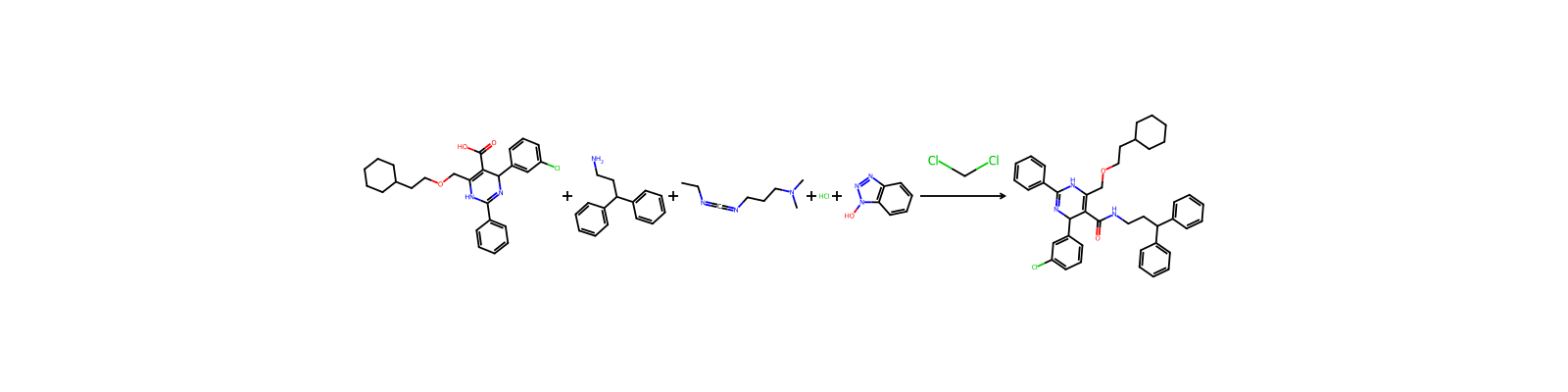

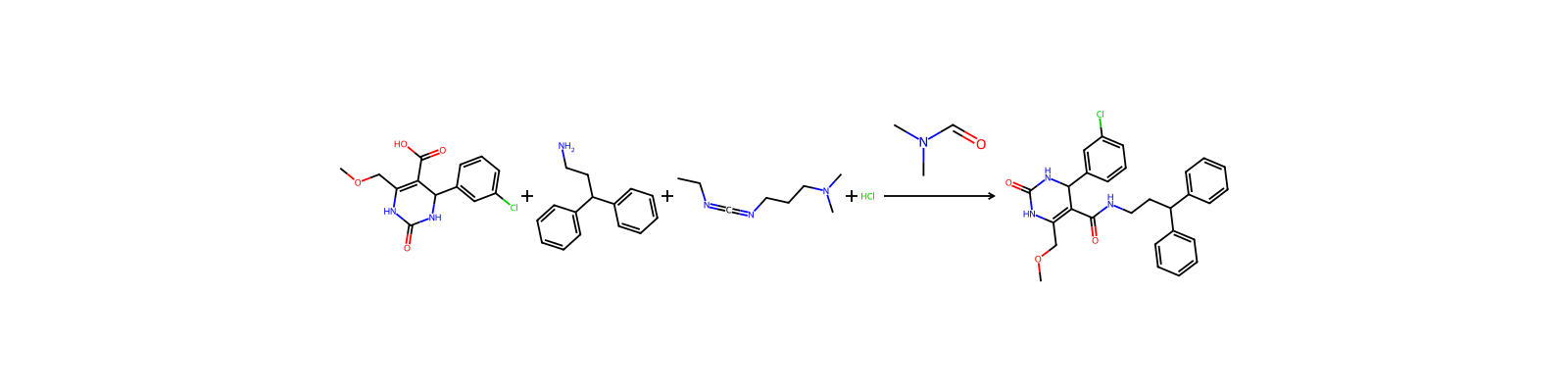
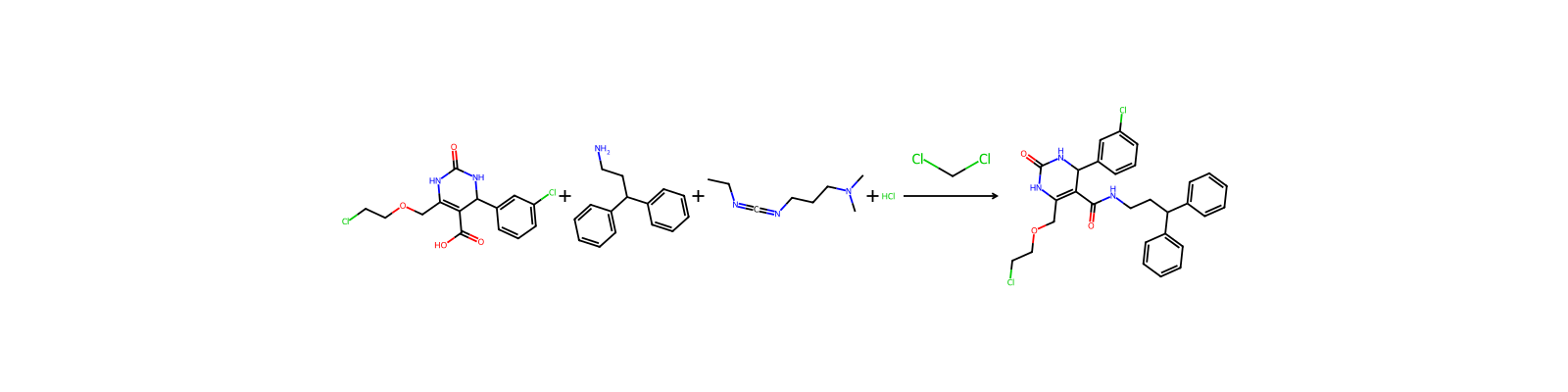


Compound notes
Loading…