
Basic information
- Standard SMILES
Brc1ccccn1- InChIKey
IMRWILPUOVGIMU-UHFFFAOYSA-N- Molecular formula
- C5H4BrN
- Average molar mass
- 158 g/mol
- Monoisotopic mass
- 156.95271123
Overview
2-bromopyridine is a monobromopyridine.
Names & identifiers
- Preferred name
- 2-Bromopyridine
- IUPAC
- 2-bromopyridine
- English name
- 2-Bromopyridine
- Molecular formula
- C5H4BrN
- Molecular weight
- 158
Names & synonyms
2-BROMOPYRIDINE109-04-6o-Bromopyridine2-Pyridyl bromidePyridine, 2-bromo-2-bromopyridinbeta-Bromopyridinealpha-BromopyridinePyridine, 2-bromo-,.beta.-Bromopyridine7Z7MLC4VD8NSC 8031
Show more names
-BromopyridinePyridine,2-bromo-2-BROMOPYRIDINE FOR SYNTHESIS-Bromoazine2-Brompyridin2-bromo-pyridin2-pyridylbromideAKOS BBS-00004324
.alpha.-BromopyridinePyridin-2-yl bromideDTXSID6051564CHEBI:51574UNII-7Z7MLC4VD8NSC-8031EINECS 203-641-6BRN 0105789
Database identifiers
- CAS
109-04-6- PubChem CID
- 7973
- DTXSID
DTXSID6051564- ChEMBL
CHEMBL331374- ChEBI
CHEBI:51574- UNII
- 7Z7MLC4VD8
- EC Number
- 203-641-6
- Nikkaji
- J32.655K
Properties
Computed structural properties
- XLogP
- 1.4
- Topological polar surface area
- 12.9 Ų
- Hydrogen bond donors
- 0
- Hydrogen bond acceptors
- 1
- Rotatable bonds
- 0
- Heavy atoms
- 7
- Formal charge
- 0
- Complexity
- 56
Experimental & physicochemical properties
Chemical ClassesNitrogen Compounds -> Pyridines
SpringerMaterials Properties15N nuclear magnetic resonance spectrum
LogP1.42
Vapor Pressure1.0 [mmHg]
Physical DescriptionColorless oily liquid; [EPA - PPRTV] Pale yellow or colorless liquid; [Alfa Aesar MSDS]
Physicochemical properties
- Melting point
- 193 °C · 193°C
- Boiling point
- 192 · 192-194 °C (lit.)
- Density
- 1.657 g/mL · 1.657 g/mL at 25 °C (lit.)
- refractive index
- 20 · n20/D 1.572(lit.)
- Flash point
- 130 °F · 130 °F
- storage temp.
- Keep in dark place,Sealed in dry,Room Temperature
- solubility
- 20 g/l · 20g/l
- form
- Liquid
- pka
- 1 · pK1: 0.71(+1) (25°C)
- color
- Clear colorless to pale brown
- Water Solubility
- Slightly miscible with water.
- BRN
- 105789 · 105789
- Henry's Law Constant
- 1.3 · 1.3×100 mol/(m3Pa) at 25℃, Duchowicz et al. (2020)
- Dielectric constant
- 24.02 · 24.02
- Stability
- Stable. Flammable. Incompatible with strong oxidizing agents, strong acids, acid chlorides.
- InChI
- 1S/C5H4BrN/c6-5-3-1-2-4-7-5/h1-4H
- InChIKey
- IMRWILPUOVGIMU-UHFFFAOYSA-N
- SMILES
- Brc1ccccn1
- LogP
- 1.42 · 1.42
- CAS DataBase Reference
- 109 · 109-04-6(CAS DataBase Reference)
- FDA UNII
- 7 Z7MLC4VD8 · 7Z7MLC4VD8
- NIST Chemistry Reference
- 2 · Pyridine, 2-bromo-(109-04-6)
- EPA Substance Registry System
- 2 · Pyridine, 2-bromo- (109-04-6)
- UNSPSC Code
- 12352100 · 12352100
- NACRES
- 22 · NA.22
- Symbol(GHS)
- 6 · GHS06
- Signal word
- Danger
- Hazard statements
- 301 · H301-H310-H315-H319-H335
- Precautionary statements
- 262 · P262-P280-P301+P310+P330-P302+P352+P310-P305+P351+P338
- target organs
- Respiratory system
- PPE
- Eyeshields, Faceshields, Gloves, type ABEK (EN14387) respirator filter
- Hazard Codes
- T,Xn,F
- Risk Statements
- 10 · 10-24/25-36/37/38-23/24/25-20/21/22
- Safety Statements
- 16 · 16-36/37-45-38-36/37/39-28A-26
- RIDADR
- 2929 · UN 2929 6.1/PG 2
- WGK Germany
- 3 · 3
- RTECS
- 3850000 · US3850000
- F
- 8 · 8
- Hazard Note
- Toxic
- TSCA
- TSCA listed
- HazardClass
- 6.1 · 6.1
- PackingGroup
- II
- HS Code
- 29333999 · 29333999
- Storage Class
- 6.1 A · 6.1A - Combustible acute toxic Cat. 1 and 2very toxic hazardous materials
- Hazard Classifications
- 2 DermalAcute · Acute Tox. 2 DermalAcute Tox. 3 OralEye Irrit. 2Skin Irrit. 2STOT SE 3
- REACH Registrations
- Active
Safety & regulation
GHS classification
GHS Classification
Danger
H226 (16.7%): Flammable liquid and vapor [Warning Flammable liquids]
P210, P233, P240, P241, P242, P243, P261, P262, P264, P264+P265, P270, P271, P280, P301+P316, P302+P352, P303+P361+P353, P304+P340, P305+P351+P338, P316, P319, P321, P330, P332+P317, P337+P317, P361+P364, P362+P364, P370+P378, P403+P233, P403+P235, P405, and P501 (click each P-code to see the statement)
Aggregated GHS information provided per 60 reports by companies from 15 notifications to the ECHA C&L Inventory. Each notification may be associated with multiple companies.
Hazard information
Regulatory Information
Chemical: Pyridine, 2-bromo-
Status: Active Update: 16-06-2017 https://echa.europa.eu/registration-dossier/-/registered-dossier/18620
2-Bromopyridine: HSNO Approval: HSR006014 Approved with controls
Hazards SummaryA skin and strong eye irritant; Toxic by ingestion; Highly toxic by skin absorption; [Alfa Aesar MSDS]
Hazard Classes and CategoriesFlam. Liq. 3 (16.7%)
Toxicology
Toxicity DataLC50 (rat) < 200,000 mg/m3/1hr
EPA Provisional Peer-Reviewed Toxicity Values
2-Bromopyridine
PDF Document
2011
Safety data
- F
- 8
- PPE
- Eyeshields, Faceshields, Gloves, type ABEK (EN14387) respirator filter
- wgk
- 3
- tsca
- TSCA listed
- rtecs
- US3850000
- ridadr
- UN 2929 6.1/PG 2
- hs_code
- 29333999
- risk_code
- 10-24/25-36/37/38-23/24/25-20/21/22
- Signal word
- Danger
- Symbol(GHS)
- GHS06
- hazard_code
- T,Xn,F
- hazard_note
- Toxic
- safety_code
- 16-36/37-45-38-36/37/39-28A-26
- hazard_class
- 6.1
- Storage Class
- 6.1A - Combustible acute toxic Cat. 1 and 2very toxic hazardous materials
- packing_group
- II
- target organs
- Respiratory system
- Hazard statements
- H301-H310-H315-H319-H335
- REACH Registrations
- Active
- Hazard Classifications
- Acute Tox. 2 DermalAcute Tox. 3 OralEye Irrit. 2Skin Irrit. 2STOT SE 3
- Precautionary statements
- P262-P280-P301+P310+P330-P302+P352+P310-P305+P351+P338
Chemistry & industry
Uses & manufacturing
UsesUsed to make pharmaceuticals, agricultural chemicals, pyrithione-based biocides, and other organic chemicals; [ExPub: EPA - PPRTV]
General Manufacturing InformationPyridine, 2-bromo-: ACTIVE
Applications
Uses2-Bromopyridine is a 2-halogenated pyridine used in the preparation of a variety of biologically active compounds such as antimalarial agents and beta-adrenoceptor agonist.
Preparation methods
Preparation2-Bromopyridine is synthesized from 2-aminopyridine by bromination. In industrial production, hydrobromic acid (over 48%) is first cooled to below 0°C, 2-aminopyridine is slowly added, and then liquid bromine is added dropwise in a salt bath under freezing, and the rate of addition is to control the reaction temperature below -5°C appropriate. After adding, add sodium nitrite aqueous solution dropwise, control the reaction temperature to be below 0°C, stir for 20-30min, dropwise add 50% sodium hydroxide solution, extract the reaction solution with ether, wash with water, dry with anhydrous sodium sulfate, filter, and recover Diethyl ether, the residue was distilled under reduced pressure, and the 88°C-94°C/3333Pa fraction was collected to obtain the finished product of 2-bromopyridine with a yield of 83.8%.
Upstream & downstream products
Upstream raw materials
Downstream products
Suppliers50 total
国药集团化学试剂有限公司86-21-63210123 · [email protected]
梯希爱(上海)化成工业发展有限公司021-67121386 · [email protected]
衢州润东化工有限公司0570-8789886 18892685668 · [email protected]
上海阿拉丁生化科技股份有限公司400-6206333 13167063860 · [email protected]
上海泰矶林实业有限公司02150630626 17717886015 · [email protected]
INTATRADE GmbH+49 3493/605464 · [email protected]
爱斯特(成都)生物制药股份有限公司+86-28-85122536 85324413 · [email protected]
韶远科技(上海)有限公司021-50795510 4000665055 · [email protected]
科瑞迪化学400-821-5857 021-64326257 · [email protected]
上海迈瑞尔生化科技有限公司4006356688 18621169109 · [email protected]
宇瑞(上海)化学有限公司02150456736 18602143071 · [email protected]
北京华威锐科化工有限公司0757-86329057 18934348241 · [email protected]
武汉易泰科技有限公司上海分公司18930552037 · [email protected]
阿法埃莎(中国)化学有限公司400-6106006 · [email protected]
安耐吉化学&3A(安徽泽升科技股份有限公司)400-0056266 · [email protected]
武汉凯威斯科技有限公司86-027-67849912 · [email protected]
阜新四维卤化物有限公司0418-2260776 · [email protected]
上海瀚鸿科技股份有限公司021-54306202 13764082696 · [email protected]
上海景颜化工科技有限公司13817811078 · [email protected]
嘉兴市艾森化工有限公司0573-85285100 18627885956 · [email protected]
Pure Chemistry Scientific Inc.001-857-928-2050 or 1-888-588-9418 · [email protected]
上海盛雄生物科技发展有限公司86-021-64960112 13774219177 · [email protected]
上海隆盛化工有限公司58099637 13585536065 · [email protected]
北京零式京安科技有限责任公司10-61256048 13810278579 · [email protected]
武汉丰泰威远科技有限公司027-87465837 19945049750 · [email protected]
青岛海力诺化工有限公司198 6221 1367 18561921626
杭州东帆化学有限公司86-0571-85151182
孝感深远化工有限公司15527621225; 15527621225 · [email protected]
玛雅试剂+86 (573) 82222445 (0)18006601000 452520369 · [email protected]
四川库利南科技有限公司400-1166-196 18981987031 · [email protected]
上海耐士化工科技有限公司400-188-0725 +86 21 34310725 13611771617
天津希恩思生化科技有限公司400 638 7771 · [email protected]
南京维奥化工有限公司Please Send Email 18652950785 · [email protected]
常州创视电子科技有限公司+86 (519) 8829-2061 · [email protected]
上海思域化工科技有限公司86-21-34053660 · [email protected]
苏州思变化学技术有限公司0512-65617459 18915409046 · [email protected]
赛默飞世尔科技(中国)有限公司800-810-5118 · [email protected]
南京精瑞久安生物技术有限公司025-58196018 800028039 · [email protected]
北京伊诺凯科技有限公司400-810-7969 010-59572699 · [email protected]
上海纳谦化学科技有限公司13598610367 0373-7129549 · [email protected]
上海健超生物科技有限公司150-2103-5486 18017383231 · [email protected]
阜新奥瑞凯精细化工有限公司(沈阳同元素)+86-024-83607930 18640359690 · [email protected]
TCI AMERICA800-4238616 · [email protected]
TOKYO CHEMICAL INDUSTRY CO., LTD.03-36680489 · [email protected]
TCI Europe320-37350700 · [email protected]
上海贤鼎生物科技有限公司4009209199 · [email protected]
深圳康特腾科技有限公司86-0755-86635001 · [email protected]
越林试剂021-62960152 · [email protected]
无锡中坤生化科技有限公司+86 0510-85629785
北京环宇世纪化学科技有限公司hysj_bj.com
Additional notes
DefinitionChEBI: 2-bromopyridine is a monobromopyridine.
Related reactions
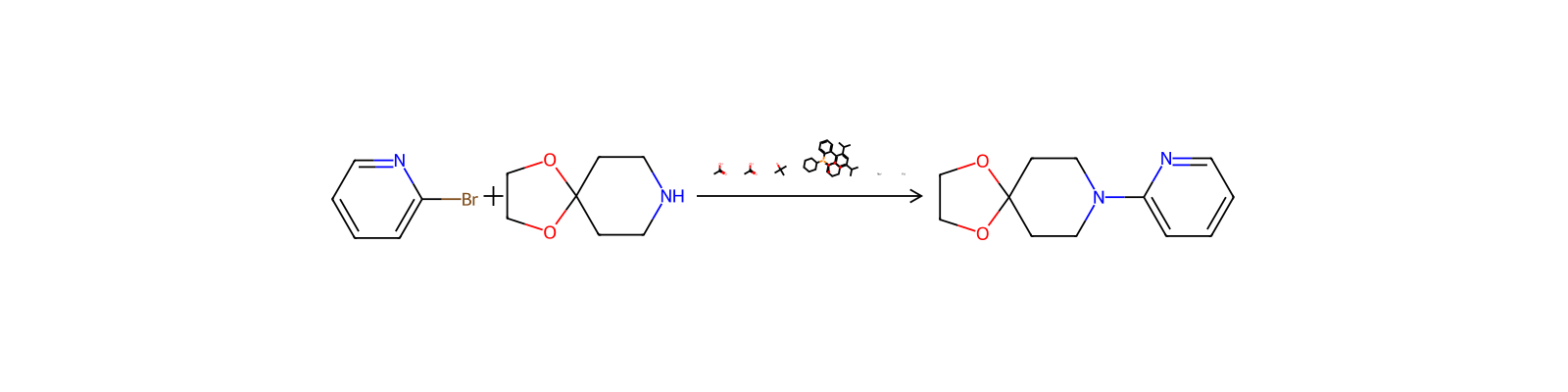
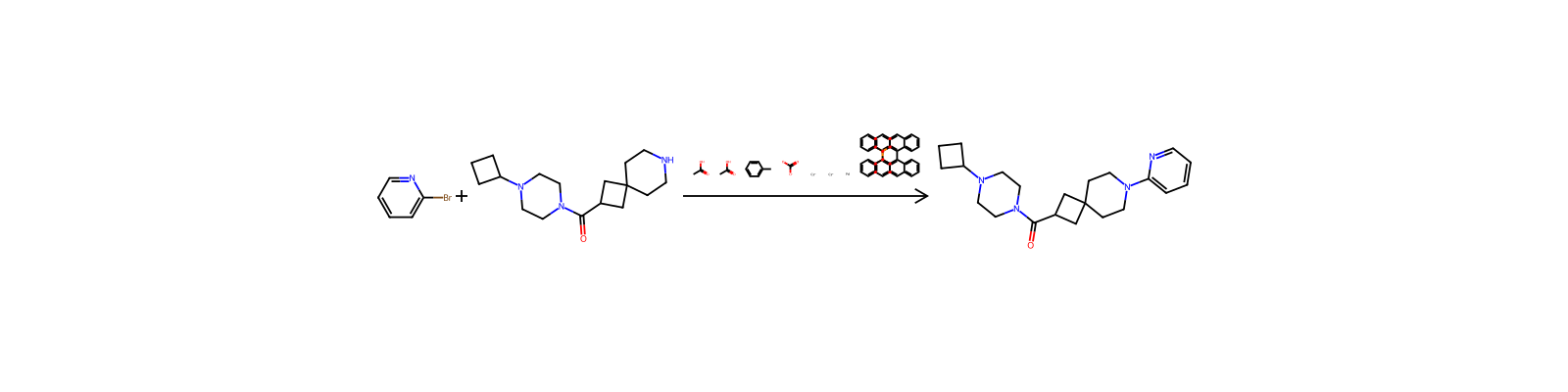
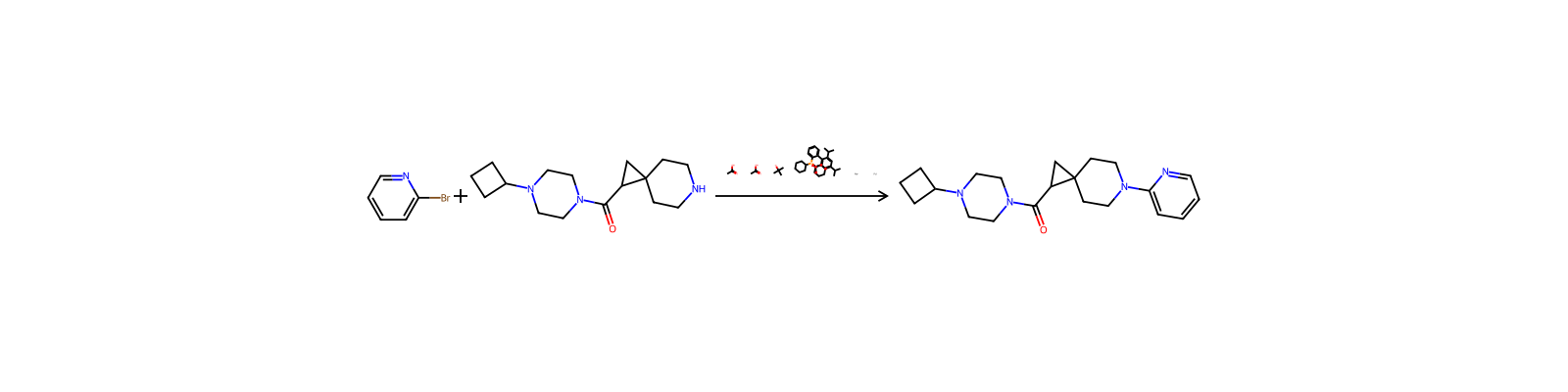
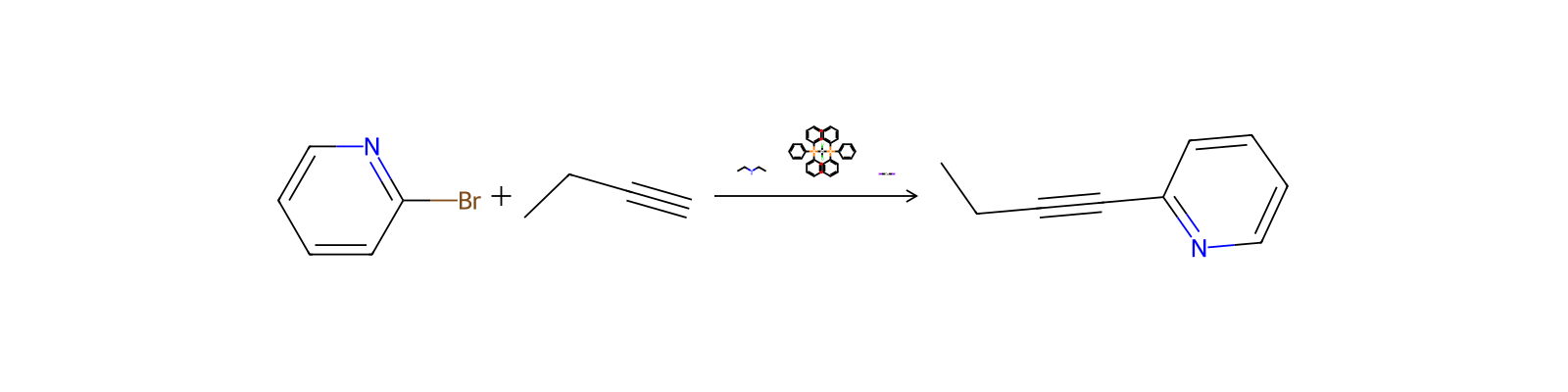
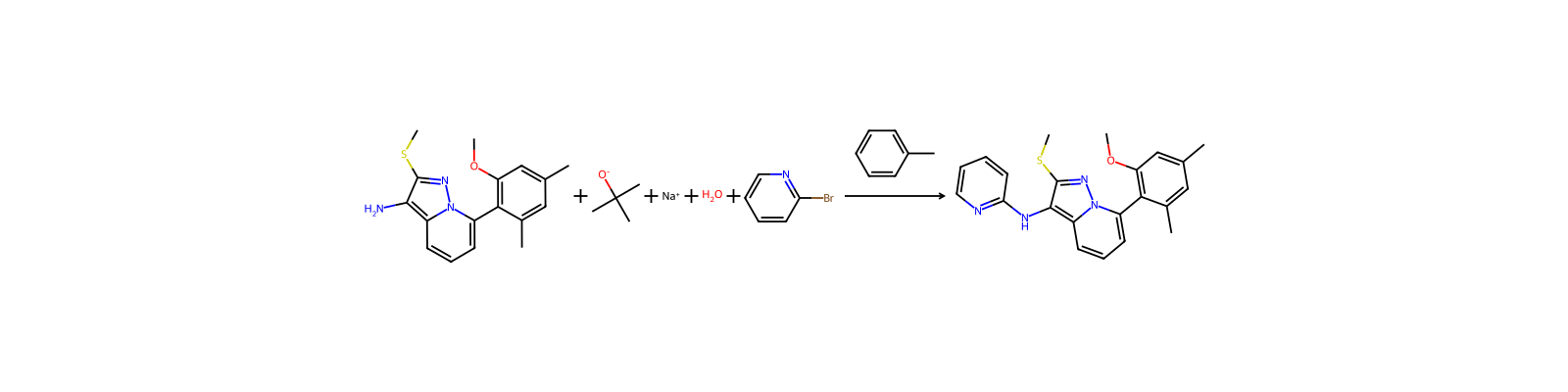
1,619 records



Linked notes
Loading…