
Basic information
- Standard SMILES
CCNCC- InChIKey
HPNMFZURTQLUMO-UHFFFAOYSA-N- Molecular formula
- C4H11N
- Average molar mass
- 73.14 g/mol
- Monoisotopic mass
- 73.08914935
Overview
Diethylamine appears as a clear colorless liquid with an ammonia-like odor. Density 5.9 lb / gal. Flash point -15 °F. A respiratory irritant. Corrosive to the eyes and skin. Vapors heavier than air. Toxic oxides of nitrogen produced during combustion.
Names & identifiers
- Preferred name
- Diethylamine
- IUPAC
- N-ethylethanamine
- English name
- N,N-Diethylamine
- Molecular formula
- C4H11N
- Molecular weight
- 73.14
Names & synonyms
DIETHYLAMINE109-89-7N-EthylethanamineN,N-DiethylamineEthanamine, N-ethyl-DiaethylaminDietilaminaDwuetyloaminaDTXSID6021909B035PIS86WAI3-24215DTXCID501909
Show more names
CHEBI:85259RefChem:5748203-716-3Diethaminediethyl amineDiethyl-amineMelphalan EP Impurity KEt2NH
Database identifiers
- CAS
109-89-7、71247-25-1- PubChem CID
- 8021
- DTXSID
DTXSID6021909- ChEMBL
CHEMBL1189- ChEBI
CHEBI:85259- UNII
- B035PIS86W
- EC Number
- 203-716-3
- Nikkaji
- J807I
Properties
Computed structural properties
- XLogP
- 0.6
- Topological polar surface area
- 12 Ų
- Hydrogen bond donors
- 1
- Hydrogen bond acceptors
- 1
- Rotatable bonds
- 2
- Heavy atoms
- 5
- Formal charge
- 0
- Complexity
- 11.1
Experimental & physicochemical properties
Chemical Classes
Nitrogen Compounds -> Amines, Aliphatic
Corrosives
DrugsPharmaceuticals -> Metabolite of Disulfiram
CosmeticsBuffering
pHSTRONGLY ALKALINE
SpringerMaterials Properties15N nuclear magnetic resonance spectrum
LogP
log Kow = 0.58
0.580
0.58
0.57
OdorFishy, ammonia-like odor
Density
0.708 at 68 °F (USCG, 1999) - Less dense than water; will float
0.7056 g/cu cm at 20 °C
Critical density: 0.246 g/cc
Saturated liquid density: 44.090 lb/cu ft; liquid heat capacity: 0.601 Btu/lb-F; liquid thermal conductivity: 0.850 Btu-inch/hr-sq ft-F; saturated vapor pressure: 3.933 lb/sq in; saturated vapor density: 0.05059 lb/cu ft (all at 70 °F)
Relative density (water = 1): 0.7
0.71
Viscosity0.319 mPa.s at 25 °C; 0.239 mPa.s at 50 °C
Color/FormColorless liquid
Solubility
greater than or equal to 100 mg/mL at 63 °F (NTP, 1992)
In water, infinitely soluble /1X10+6 mg/L/ at 25 °C
Miscible with water, alcohol
Soluble in ether and carbon tetrachloride
Miscible with most organic solvents
For more Solubility (Complete) data for DIETHYLAMINE (6 total), please visit the HSDB record page.
CorrosivityLiquid diethylamine will attack some forms of plastics, rubber, and coatings.
Physicochemical properties
- Symbol(GHS)
- 2 · GHS02,GHS05,GHS06
- Signal word
- Danger
- Hazard statements
- 225 · H225-H302+H332-H311-H314-H335
- Precautionary statements
- 210 · P210-P280-P301+P312-P303+P361+P353-P304+P340+P310-P305+P351+P338
- RIDADR
- 1154 · UN 1154
- HazardClass
- 3 · 3
- PackingGroup
- II
Safety & regulation
GHS classification
GHS Classification
Danger
H225: Highly Flammable liquid and vapor [Danger Flammable liquids]
P210, P233, P240, P241, P242, P243, P260, P261, P264, P270, P271, P280, P301+P317, P301+P330+P331, P302+P352, P302+P361+P354, P303+P361+P353, P304+P340, P305+P354+P338, P316, P317, P321, P330, P362+P364, P363, P370+P378, P403+P235, P405, and P501 (click each P-code to see the statement)
Danger
H225 (100%): Highly Flammable liquid and vapor [Danger Flammable liquids]
P210, P233, P240, P241, P242, P243, P260, P261, P262, P264, P264+P265, P270, P271, P280, P301+P316, P301+P317, P301+P330+P331, P302+P352, P302+P361+P354, P303+P361+P353, P304+P340, P305+P354+P338, P316, P317, P319, P321, P330, P361+P364, P362+P364, P363, P370+P378, P403+P233, P403+P235, P405, and P501 (click each P-code to see the statement)
Hazard information
Regulatory Information
Chemical: Ethanamine, N-ethyl-
Ethanamine, N-ethyl- is listed on the EPA's Chemical Data Reporting (CDR) system. Manufacturers and importers of Ethanamine, N-ethyl- are required to report information about their production and use of this chemical to the EPA under the Toxic Substances Control Act (TSCA). (40 eCFR Part 711)
Status: Active Update: 02-03-2023 https://echa.europa.eu/registration-dossier/-/registered-dossier/13453
Ethanamine, N-ethyl-: HSNO Approval: HSR001127 Approved with controls
The New Jersey Worker and Community Right to Know Act requires public and private employers to provide information about hazardous substances at their workplaces. (N.J.S.A. 34:5A-1 et. seq.)
Other Safety InformationEvaluation - Chemicals that are unlikely to require further regulation to manage risks to environment
DOT LabelFlammable Liquid Corrosive
Fire Hazards
Special Hazards of Combustion Products: Vapors are irritating
· Flammable/combustible material.
Flammable. Gives off irritating or toxic fumes (or gases) in a fire. Vapour/air mixtures are explosive.
Fire PotentialA very dangerous fire hazard when exposed to heat, flame, or oxidizers.
Health Hazards
Irritation and burning of eyes, skin, and respiratory system. High concentration of vapor can cause asphyxiation. (USCG, 1999)
· May cause toxic effects if inhaled or ingested.
Hazards Summary
Diethylamine can cause necrosis to the skin. Rabbits exposed to 100 ppm, 7 hours/day, 5 days/week for 6 weeks have bronchopneumonia; [ACGIH] If left on clothing, can cause reddening of skin; [CHRIS] Corrosive to skin; [Quick CPC] Causes liver damage in high-dose animal studies; [HSDB] A corrosive substance that can cause pulmonary edema; [ICSC]
DOT ID and Guide
1154 132
1154 132
FDA RequirementsDiethylamine is an indirect food additive for use only as a component of adhesives.
Reactive GroupAmines, Phosphines, and Pyridines
EC ClassificationSymbol: F, C; R: 11-20/21/22-35; S: (1/2)-3-16-26-29-36/37/39-45
UN ClassificationUN Hazard Class: 3; UN Subsidiary Risks: 8; UN Pack Group: II
Safety & protection
Fire Fighting
Excerpt from ERG Guide 132 [Flammable Liquids - Corrosive]:
Use powder, alcohol-resistant foam, water in large amounts, carbon dioxide. In case of fire: keep drums, etc., cool by spraying with water. Combat fire from a sheltered position.
First Aid Measures
Fresh air, rest. Half-upright position. Refer immediately for medical attention.
First rinse with plenty of water for at least 15 minutes, then remove contaminated clothes and rinse again. Refer immediately for medical attention.
Rinse with plenty of water (remove contact lenses if easily possible). Refer immediately for medical attention.
Rinse mouth. Do NOT induce vomiting. Refer immediately for medical attention.
Accidental Release Measures
· CALL 911. Then call emergency response telephone number on shipping paper. If shipping paper not available or no answer, refer to appropriate telephone number listed on the inside back cover.
· ELIMINATE all ignition sources (no smoking, flares, sparks or flames) from immediate area.
First Aid
EYES: First check the victim for contact lenses and remove if present. Flush victim's eyes with water or normal saline solution for 20 to 30 minutes while simultaneously calling a hospital or poison control center. Do not put any ointments, oils, or medication in the victim's eyes without specific instructions from a physician. IMMEDIATELY transport the victim after flushing eyes to a hospital even if no symptoms (such as redness or irritation) develop.
General First Aid:
(General first aid procedures)
Safe StorageFireproof. Separated from strong oxidizers, strong acids, organic compounds and food and feedstuffs. Cool. Well closed. Store only in original container. Store in an area without drain or sewer access.
Firefighting HazardsVapors are heavier than air & may travel to a source of ignition & flash back.
Exposure Control and Personal Protection
· Wear positive pressure self-contained breathing apparatus (SCBA).
184.0 [ppm]
2.0 [ppm]
Fire Fighting Procedures
Suitable extinguishing media: Use water spray, alcohol-resistant foam, dry chemical, or carbon dioxide.
Advice for firefighters: Wear self-contained breathing apparatus for firefighting if necessary.
Use water spray to cool unopened containers.
Use water spray to keep fire exposed containers cool. Use water spray, dry chemical, or "alcohol resistant" foam. Aqueous solutions will burn unless diluted thoroughly with spray.
For more Fire Fighting Procedures (Complete) data for DIETHYLAMINE (6 total), please visit the HSDB record page.
Storage Conditions
Keep container tightly closed in a dry and well-ventilated place. Containers which are opened must be carefully resealed and kept upright to prevent leakage. Storage class (TRGS 510): Flammable liquids.
Separate from oxidizing materials, acids, & sources of halogens. Store in cool, dry, well-ventilated, noncombustible location.
Keep well closed.
Cleanup Methods
ACCIDENTAL RELEASE MEASURES: Personal precautions, protective equipment and emergency procedures: Wear respiratory protection. Avoid breathing vapors, mist or gas. Ensure adequate ventilation. Remove all sources of ignition. Evacuate personnel to safe areas. Beware of vapors accumulating to form explosive concentrations. Vapors can accumulate in low areas. Environmental precautions: Prevent further leakage or spillage if safe to do so. Do not let product enter drains. Discharge into the environment must be avoided. Methods and materials for containment and cleaning up: Contain spillage, and then collect with an electrically protected vacuum cleaner or by wet-brushing and place in container for disposal according to local regulations.
1. Remove all ignition sources; 2. Ventilate area of spill or leak; 3. For small quantities, absorb on paper towels. Evaporate in safe place (such as fume hood). Allow sufficient time for evaporating vapors to completely clear the hood ductwork. Burn paper in suitable location away from combustible materials.
Environmental considerations-land spill: Dig a pit, pond, lagoon, holding area to contain liquid or solid material. /SRP: If time permits, pits, ponds, lagoons, soak holes, or holding areas should be sealed with an impermeable flexible membrane liner./ Dike surface flow using soil, sand bags, foamed polyurethane, or foamed concrete. Absorb bulk liquid with fly ash, cement powder, or commercial sorbents. Neutralize with sodium bisulfate (NaHSO4).
Environmental considerations-water spill: Add sodium bisulfate (NaHSO4). If dissolved, in region of 10 ppm or greater concentration, apply activated carbon at ten times the spilled amount. Use mechanical dredges or lifts to remove immobilized masses of pollutants and precipitates.
Environmental considerations-air spill: Apply water spray or mist to knock down vapors. Vapor knockdown water is corrosive or toxic and should be diked for containment.
Nonfire Spill ResponseExcerpt from ERG Guide 132 [Flammable Liquids - Corrosive]:
Disposal Methods
SRP: Recycle any unused portion of the material for its approved use or return it to the manufacturer or supplier. Ultimate disposal of the chemical must consider: the material's impact on air quality; potential migration in air, soil or water; effects on animal, aquatic and plant life; and conformance with environmental and public health regulations. If it is possible or reasonable use an alternative chemical product with less inherent propensity for occupational harm/injury/toxicity or environmental contamination.
SRP: Wastewater from contaminant suppression, cleaning of protective clothing/equipment, or contaminated sites should be contained and evaluated for subject chemical or decomposition product concentrations. Concentrations shall be lower than applicable environmental discharge or disposal criteria. Alternatively, pretreatment and/or discharge to a permitted wastewater treatment facility is acceptable only after review by the governing authority and assurance that "pass through" violations will not occur. Due consideration shall be given to remediation worker exposure (inhalation, dermal and ingestion) as well as fate during treatment, transfer and disposal. If it is not practicable to manage the chemical in this fashion, it must be evaluated in accordance with EPA 40 CFR Part 261, specifically Subpart B, in order to determine the appropriate local, state and federal requirements for disposal.
Product: Burn in a chemical incinerator equipped with an afterburner and scrubber but exert extra care in igniting as this material is highly flammable. Offer surplus and non-recyclable solutions to a licensed disposal company. Contact a licensed professional waste disposal service to dispose of this material; Contaminated packaging: Dispose of as unused product.
Diethylamine is a waste chemical stream constituent which may be subjected to ultimate disposal by controlled incineration.
/Absorb small spills with paper and/ burn the paper in a suitable location away from combustible materials. Large quantities can be reclaimed or collected & atomized in suitable combustion chamber equipped with appropriate effluent gas cleaning device.
Toxicology
Interactions
Infant C57BL and C3HF1 male mice were given diethylamine hydrochloride (DEA-HCl) and sodium nitrite (50 ug/g intragastrically either singly or in combination). Animals were sacrificed periodically up to 110 wk. Histological exam of the liver revealed that mice given DEA-HCl and sodium nitrite had significantly more liver tumors compared to mice given only sodium nitrate or DEA-HCl. This suggests the formation of a potent carcinogen in vivo by the interaction of DEA-HCl and sodium nitrite. /DEA-HCl/
Nitrite ... is used as a food additive in meats and smoked fish. Some fish, vegetables, and fruit juices contain secondary amines. The acidic environment of the stomach facilitates a chemical reaction between nitrite and secondary amines, leading to the formation of carcinogenic nitrosamines. /Secondary amines/
Target OrgansEyes, skin, respiratory system, cardiovascular system
Ecotoxicity Values
LC50; Species: Pimephales promelas (Fathead minnow) age 30 days; Conditions: flow through, 24.7 °C, pH 7.71, dissolved oxygen 7.1 mg/L, hardness 48.5 mg/L CaCO3, alkalinity 49.5 mg/L CaCO3; Concentration: 855 mg/L for 96 hr /98% purity/
LC50; Species: /Oncorhynchus mykiss/ (rainbow trout); Concentration: 25-182 mg/L for 96 hr /conditions of bioassay not specified/
EC50; Species: Anabaena subcylindrica (Blue-green algae) axenic, 1-3x 10+7 cells/mL; Conditions: freshwater, static, 25 °C, pH 7.2; Concentration: 7.8x10⁻⁸ ug/cell for < or = 3 hr; Effect: decreased nitrogen fixation
EC50; Species: Anabaena subcylindrica (Blue-green algae) axenic, 1-3x 10+7 cells/mL; Conditions: freshwater, static, 25 °C, pH 7.2; Concentration: 7.7x10⁻⁸ ug/cell for < or = 3 hr; Effect: decreased photosynthesis, oxygen production
For more Ecotoxicity Values (Complete) data for DIETHYLAMINE (10 total), please visit the HSDB record page.
Environmental Fate
TERRESTRIAL FATE: Based on a classification scheme(1), an estimated Koc value of 27(SRC), determined from a structure estimation method(2), indicates that diethylamine is expected to have very high mobility in soil(SRC). The pKa of diethylamine is 11.09(3), indicating that this compound will exist entirely in the cation form in the environment and cations generally adsorb more strongly to soils containing organic carbon and clay than their neutral counterparts(4). Volatilization of diethylamine from moist soil surfaces is not expected to be an important fate process(SRC) given its cationic state(SRC). Diethylamine is expected to volatilize from dry soil surfaces(SRC) based upon a vapor pressure of 237 mm Hg at 25 °C(5). Between 69 and 89% of the Theoretical BOD was achieved for diethylamine using an activated sludge inoculum digested for 4 weeks(6), suggesting biodegradation may be an important fate process in soil(SRC).
AQUATIC FATE: Based on a classification scheme(1), an estimated Koc value of 27(SRC), determined from a structure estimation method(2), indicates that diethylamine is not expected to adsorb to suspended solids and sediment(SRC). A pKa of 11.09(3) indicates diethylamine will exist entirely in the cation form at pH values of 5 to 9 and, therefore, volatilization from water surfaces is not expected to be an important fate process(SRC). Diethylamine is not expected to undergo hydrolysis in the environment due to the lack of functional groups that hydrolyze under environmental conditions(4). According to a classification scheme(5), an estimated BCF of 3(SRC), from its log Kow of 0.58(6) and a regression-derived equation(2), suggests the potential for bioconcentration in aquatic organisms is low(SRC). Diethylamine, present at 10 ppm, reached 38% of its Theoretical BOD in 12 days using freshwater/sediment inoculum(7). The biodegradation half-life of diethylamine in stream water was 0.9 days at an initial concentration of 10 mg/L(8).
ATMOSPHERIC FATE: According to a model of gas/particle partitioning of semivolatile organic compounds in the atmosphere(1), diethylamine, which has a vapor pressure of 237 mm Hg at 25 °C(2), is expected to exist solely as a vapor in the ambient atmosphere. Vapor-phase diethylamine is degraded in the atmosphere by reaction with photochemically-produced hydroxyl radicals(SRC); the half-life for this reaction in air is estimated to be 5 hours(SRC), calculated from its rate constant of 8.1X10⁻¹¹ cu cm/molecule-sec at 25 °C(SRC) that was derived using a structure estimation method(3). Diethylamine does not contain chromophores that absorb at wavelengths >290 nm(4) and, therefore, is not expected to be susceptible to direct photolysis by sunlight(SRC).
Food Survey Values
Fresh fruit and vegetables, preserved and processed foods purchased from retail outlets were analyzed for the content of diethylamine. It was not detected in fresh cabbage, red cabbage, cauliflower, kale, white or red beet, carrots, large or red radish, celery, rhubarb, corn, green salad, preserved kale, pickled cabbage, cheese, coffee, cocoa, tea or white wine. Other food products contained diethylamine as follows(1):[Table#1504]
Diethylamine has been identified as a volatile component of boiled beef(1).
Adverse EffectsOccupational hepatotoxin - Secondary hepatotoxins: the potential for toxic effect in the occupational setting is based on cases of poisoning by human ingestion or animal experimentation.
Exposure Routes
The substance can be absorbed into the body by inhalation of its vapour, through the skin and by ingestion.
inhalation, skin absorption, ingestion, skin and/or eye contact
Toxicity Summary
IDENTIFICATION AND USE: Diethylamine (DEN) is a colorless liquid with fishy, ammonia-like odor. It is used in petroleum industry, in flotation agents, dyes, pharmaceuticals. It also used as a selective solvent for the removal of impurities from oils, fats, and waxes, and as a corrosion inhibitor in iron, steel, and metal industries. HUMAN EXPOSURE AND TOXICITY: Adult volunteers were exposed to 25 ppm (75 mg/cu m) diethylamine in a climate chamber for 15 min in order to study the acute nasal reactions to an exposure equivalent to the present threshold limit value-short-term exposure limit. Exposure to a concentration increasing from 0 to 12 ppm took place for 60 min, equal to an average concentration of 10 ppm (30 mg/cu m). A moderate to strong olfactory response and distinct nasal and eye irritation were observed. Edema of the epithelium of the cornea, generally without pain, has been produced by diethylamine vapors, causing colored halos to be seen around lights. The edema of the corneal epithelium, which is principally responsible for the disturbance of vision, clears spontaneously by the next day, but after exceptionally intense exposures the edema and blurring have taken several days to clear and have been accompanied by photophobia and discomfort from roughness of the corneal surface. ANIMAL STUDIES: Rabbits were exposed to DEN vapors at 50 and 100 ppm, 7 hours/day, 5 days/week for 6 weeks. All rabbits survived the exposures and had normal body weights without demonstrating any outward signs of response to the chemical. At 100 ppm, lungs contained cellular infiltration and bronchopneumonia; livers had parenchymatous degeneration with evidence of cell regeneration; and kidneys showed nephritis. The same changes, but to a lesser degree, were produced at 50 ppm. A suggestion of very slight cardiac muscle degeneration was seen in rabbits inhaling 50 ppm but was not evident at 100 ppm. Male and female rats were exposed at 0,25 or 250 ppm diethylamine (DEA) vapor, 6.5 hr per day, 5 days per week, for 24 weeks in order to assess cardiac and other organ system toxicity. During the first 2 weeks of exposure, the rats exposed at 250 ppm DEA did not gain weight. After 2 weeks, however, the rate of weight gain of these rats was greater than that of controls. Nevertheless, mean body weights for both sexes of rats exposed at 250 ppm DEA remained depressed compared to controls throughout the study. Sneezing, tearing, and reddened noses were seen in rats exposed at 250 ppm DEA. Histopathologic examinations revealed lesions of the nasal mucosa of rats exposed at 250 ppm DEA. These lesions of the respiratory epithelium consisted of squamous metaplasia, suppurative rhinitis, and lymphoid hyperplasia. There were no pronounced treatment-related effects on organ weights, hematology, or clinical chemistry indices except for blood urea nitrogen which was evaluated in rats of both sexes exposed at 250 ppm DEA for 24 weeks. In contrast to the high-dose animals, no treatment-related effects were observed in rats intermittently exposed at 25 ppm DEA for up to 24 weeks. No evidence of cardiotoxicity was seen in rats exposed to either DEA concentration for up to 24 weeks. Diethylamine was evaluated for mutagenicity in the Salmonella/microsome preincubation assay. Diethylamine was tested at doses of 0, 10, 33, 100, 333, 1000, and 3333 ug/plate in four Salmonella typhimurium strains (TA98, TA100, TA1535, and TA1537) with or without metabolic activation. Diethylamine was negative in these tests. Diethylamine was not mutagenic in either of two independent bacterial mutagenicity assays, each conducted with and without exogenous metabolic activation enzymes. Bacterial strains tested included Salmonella typhimurium strains TA98, TA100, TA1535, and TA1537 and Escherichia coli strain WP2 uvrA/pKM101. In addition to the negative results in the two bacterial assays, no significant increases in the frequencies of micronucleated erythrocytes were seen in peripheral blood of male or female mice from the 3-month study. NTP conducted 2 year inhalation studies in rats and mice. There was no evidence of carcinogenic activity of diethylamine in male or female rats exposed to 31, 62.5, or 125 ppm. There was no evidence of carcinogenic activity of diethylamine in male or female mice exposed to 16, 31, or 62.5 ppm. Exposure to diethylamine resulted in increased incidences of nonneoplastic lesions of the nose in male and female rats and mice, of the cornea in male rats, and of the pleura and lung in female rats.
Plant ConcentrationsDiethylamine has been identified in tobacco leaf at 0.1-35 ppm(1). Diethylamine was identified, not quantified, in various plants and roots from Africa(2).
Signs and Symptoms
Sore throat. Cough. Shortness of breath. Burning sensation behind the breastbone. Symptoms may be delayed.
Redness. Pain. Blisters. Serious skin burns.
Redness. Pain. Burns.
Burning sensation in the throat and chest. Abdominal pain. Diarrhoea. Vomiting. Shock or collapse.
irritation eyes, skin, respiratory system; in animals; myocardial degeneration
Ongoing Test Status
EPA has released the Interactive Chemical Safety for Sustainability (iCSS) Dashboard. The iCSS Dashboard provides an interactive tool to explore rapid, automated (or in vitro high-throughput) chemical screening data generated by the Toxicity Forecaster (ToxCast) project and the federal Toxicity Testing in the 21st century (Tox21) collaboration. /The title compound was tested by ToxCast and/or Tox21 assays/[USEPA; ICSS Dashboard Application; Available from, as of July 7, 2016: http://actor.epa.gov/dashboard/]
The following link will take the user to the National Toxicology Program (NTP) Test Agent Search Results page, which tabulates all of the "Short-Term Toxicity Studies", "Long-Term Carcinogenicity Studies", and "Genetic Toxicology Studies" performed with this chemical. Clicking on the "Testing Status" link will take the user to the status (i.e., in review, in progress, in preparation, on test, completed, etc.) and results of all the studies that the NTP has done on this chemical.[Available from, as of July 28, 2016: http://ntp.niehs.nih.gov/testing/status/agents/ts-10992-k.html]
Effluent Concentrations
Diethylamine was identified, not quantified, in volatiles from a cattle feed yard(1), the exhaust from a gasoline engine(2), furniture coatings(3) and textile floor coverings(4). The emission rate of diethylamine from the interior materials to the air in new cars was 9.6, 8.1 and 5.7 ug/hour after aging 0, 20 and 40 days, respectively(5). Diethylamine was detected in effluent from waste water treatment plants collected from Jiaula River Basin, China at 1.41, 0.22-10.53 and 0.86-1.76 ug/L in samples collected Nov 2010, Jan 2011 and Mar 2011, respectively(6).
Regulatory information
FDA RequirementsDiethylamine is an indirect food additive for use only as a component of adhesives.
TSCA Requirements
Pursuant to section 8(d) of TSCA, EPA promulgated a model Health and Safety Data Reporting Rule. The section 8(d) model rule requires manufacturers, importers, and processors of listed chemical substances and mixtures to submit to EPA copies and lists of unpublished health and safety studies. Ethanamine, N-ethyl- is included on this list. Effective date: 6/1/87; Sunset date: 6/1/97.
Atmospheric Standards
This action promulgates standards of performance for equipment leaks of Volatile Organic Compounds (VOC) in the Synthetic Organic Chemical Manufacturing Industry (SOCMI). The intended effect of these standards is to require all newly constructed, modified, and reconstructed SOCMI process units to use the best demonstrated system of continuous emission reduction for equipment leaks of VOC, considering costs, non air quality health and environmental impact and energy requirements. Diethylamine is produced, as an intermediate or a final product, by process units covered under this subpart.
CERCLA Reportable Quantities
Persons in charge of vessels or facilities are required to notify the National Response Center (NRC) immediately, when there is a release of this designated hazardous substance, in an amount equal to or greater than its reportable quantity of 100 lb or 45.4 kg. The toll free number of the NRC is (800) 424-8802. The rule for determining when notification is required is stated in 40 CFR 302.4 (section IV. D.3.b).
Clean Water Act Requirements
Diethylamine is designated as a hazardous substance under section 311(b)(2)(A) of the Federal Water Pollution Control Act and further regulated by the Clean Water Act Amendments of 1977 and 1978. These regulations apply to discharges of this substance. This designation includes any isomers and hydrates, as well as any solutions and mixtures containing this substance.
Safety data
- ridadr
- UN 1154
- Signal word
- Danger
- Symbol(GHS)
- GHS02,GHS05,GHS06
- hazard_class
- 3
- packing_group
- II
- Hazard statements
- H225-H302+H332-H311-H314-H335
- Precautionary statements
- P210-P280-P301+P312-P303+P361+P353-P304+P340+P310-P305+P351+P338
Chemistry & industry
Uses & manufacturing
Uses
Used in the manufacture of rubber, petroleum products, resins, dyes, and pharmaceuticals; [Merck Index] Used as a corrosion inhibitor, rubber accelerator, and polymerization inhibitor; Also used in electroplating and as an organic intermediate; A metabolite of the drug disulfiram used in the treatment of alcohol abuse; [ACGIH]
Electroplating [Category: Plate]
Rubber chemicals, textile specialties, selective solvent, dyes, flotation agents, resins, pesticides, polymerization inhibitors, pharmaceuticals, petroleum chemicals, electroplating, corrosion inhibitors.
In the rubber and petroleum industry. In flotation agents; resins, dyes, buffer formulations, and pharmaceuticals.
CHEMICAL INT IN SYNTH OF RUBBER-PROCESSING CHEMICALS, DIETHYLAMINO ETHANOL FOR MEDICINALS, & 3-DIETHYLAMINO PROPYLAMINE, 2-DIETHYLAMINO ETHYL METHACRYLATE & N,N-DIETHYL- M-TOLUAMIDE (INSECT REPELLENT)
Used for the manufacture of diethyldithiocarbamate and thiurans (rubber processing accelerators)
U.S. Exports(1972) NEGLIGIBLE
U.S. Imports(1972) NEGLIGIBLE
U.S. Production
2023: 10,000,000 - <50,000,000 lb
(1972) 5.04X10+9 GRAMS
(1975) 5.64X10+9 GRAMS
(1981) 15,932X10+3 lb
(1984) 8.40X10+9 g
For more U.S. Production (Complete) data for DIETHYLAMINE (8 total), please visit the HSDB record page.
Consumer UsesNot Known or Reasonably Ascertainable
Industry UsesIntermediate
Methods of Manufacturing
CATALYTIC REACTION OF AMMONIA AND ETHYL ALCOHOL AT HIGH TEMPERATURE AND PRESSURE
Preparation from ethyl iodide and NH3 with sepn of mono-, di-, and triethylamines formed. ... Manufactured from ethanol and NH3, obtained along with mono- and triethylamines.
Ammonia, alcohol, and hydrogen are passed continuously over a catalyst in a gas-solid heterogenous reaction.
Ammonia, aldehyde or ketone, and hydrogen are passed continuously over a catalyst under careful monitoring.
For more Methods of Manufacturing (Complete) data for DIETHYLAMINE (6 total), please visit the HSDB record page.
Formulations/Preparations
98.5% minimum purity
Grade: Technical
Use ClassificationCosmetics -> Buffering
General Manufacturing Information
Pesticide, Fertilizer, and Other Agricultural Chemical Manufacturing
Ethanamine, N-ethyl-: ACTIVE
Suppliers50 total
国药集团化学试剂有限公司86-21-63210123 · [email protected]
梯希爱(上海)化成工业发展有限公司021-67121386 · [email protected]
上海阿拉丁生化科技股份有限公司400-6206333 13167063860 · [email protected]
山东艾斯曼新材料有限公司13698626386 13698626386
河北创海生物科技有限公司+86-86-13131129325 · [email protected]
爱斯特(成都)生物制药股份有限公司+86-28-85122536 85324413 · [email protected]
Baoji Guokang Healthchem co.,ltd+8615604608665 15604608665 · [email protected]
Syntechem Co.,Ltd[email protected]
上海迈瑞尔生化科技有限公司4006356688 18621169109 · [email protected]
天津中信凯泰化工有限公司022-66880623 · [email protected]
阿法埃莎(中国)化学有限公司400-6106006 · [email protected]
上海德默医药科技有限公司400-021-7337 2355568890 · [email protected]
安耐吉化学&3A(安徽泽升科技股份有限公司)400-0056266 · [email protected]
武汉市恒久化工有限公司17317534732 17671758929 · [email protected]
上海景颜化工科技有限公司13817811078 · [email protected]
山东曜明化工有限公司15550028560 · [email protected]
山东西亚化学有限公司13355009207 13355009207 · [email protected]
玛雅试剂+86 (573) 82222445 (0)18006601000 452520369 · [email protected]
天津希恩思生化科技有限公司400 638 7771 · [email protected]
南京维奥化工有限公司Please Send Email 18652950785 · [email protected]
斯百全化学(上海)有限公司021-021-021-67601398-809-809-809 15221380277 · [email protected]
艾科试剂4008-755-333 18080918076 · [email protected]
上海思域化工科技有限公司86-21-34053660 · [email protected]
赛默飞世尔科技(中国)有限公司800-810-5118 · [email protected]
北京伊诺凯科技有限公司400-810-7969 010-59572699 · [email protected]
上海遐瑞医药科技有限公司+86 21 61551611
TOKYO CHEMICAL INDUSTRY CO., LTD.03-36680489 · [email protected]
北京环宇世纪化学科技有限公司hysj_bj.com
上海将来实业股份有限公司021-61552785 · [email protected]
安徽科迪达化工有限公司0554-2106669 · [email protected]
HBCChem, Inc.+1-510-219-6317 · [email protected]
日照力德士化工有限公司010-51268198 · [email protected]
CovaChem, LLC.+1815.714.8421 (direct) · [email protected]
美岚实业(上海)有限公司021-58958189 · [email protected]
上海爱蝶实业有限公司021-58957966 18930537195 · [email protected]
成都零六生物科技有限公司400-1166-196 13458535857 · [email protected]
广拓化学(上海)有限公司021-60899189-8001 18918189673 · [email protected]
上海御略医药科技有限公司021-60345187 13671753212 · [email protected]
上海麦克林生化科技股份有限公司15221275939 15221275939 · [email protected]
上海有朋化工有限公司021-69005955 13701776567 · [email protected]
上海凯赛化工有限公司021-33516722 13701817765 · [email protected]
上海彤源化工有限公司021-021-69182866 13701855675 · [email protected]
成都润泽本土化工有限公司13096311329 028-88469284 616445927 · [email protected]
凯试(上海)科技有限公司021-50135380 · [email protected]
上海蓝润化学有限公司021-69515658 ; 69515628 13701998368 · [email protected]
上海容立化学科技有限公司021-69992220 13701886816 · [email protected]
上海康拓化工有限公司021-69185552 13701777608 · [email protected]
池州凯隆进出口贸易有限公司[email protected]
Sigma-Aldrich西格玛奥德里奇(上海)贸易有限公司021-61415566 800-8193336 · [email protected]
江苏倍达医药科技有限公司0512-63009836 18994340901 · [email protected]
Related reactions
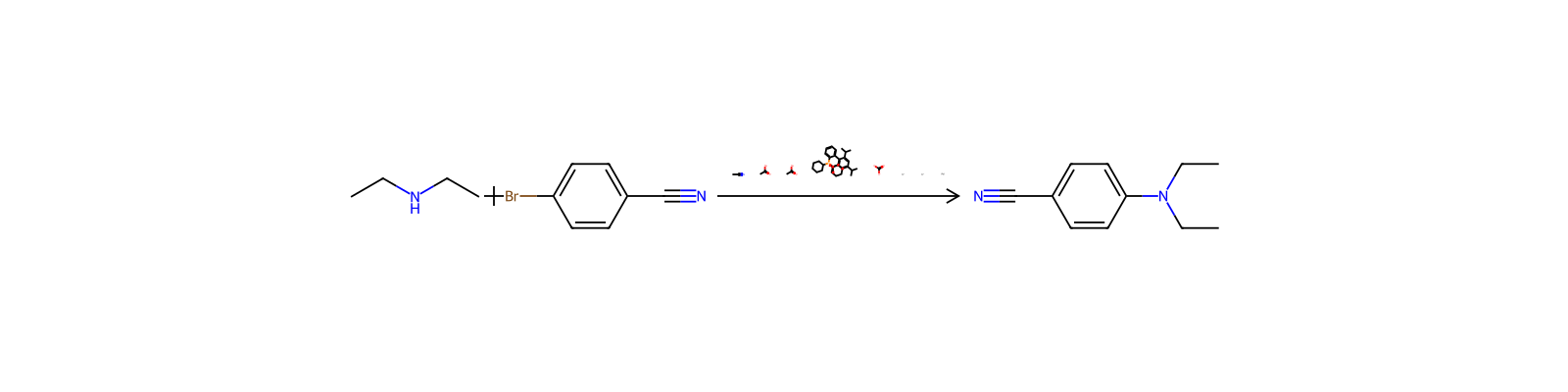
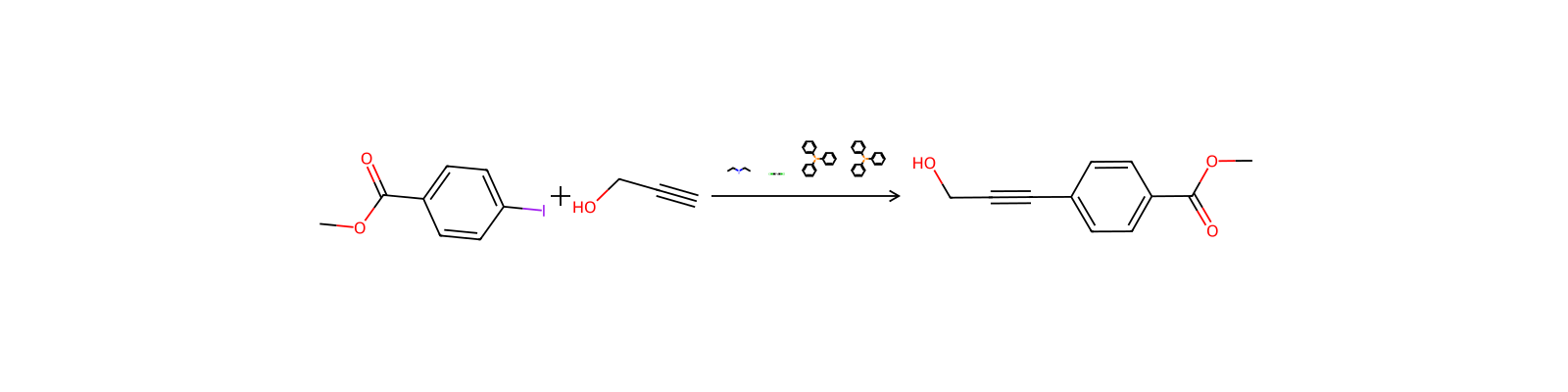
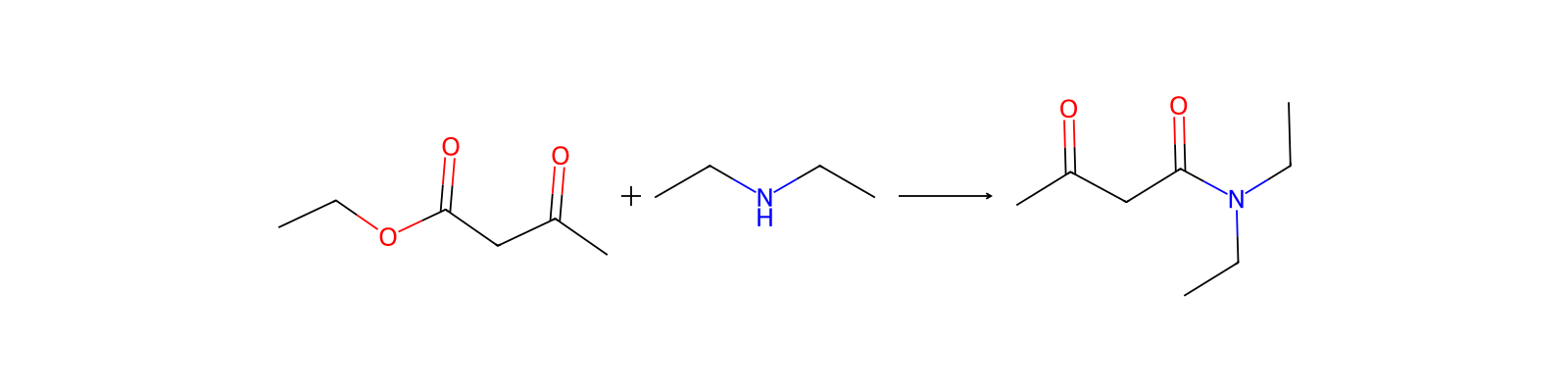
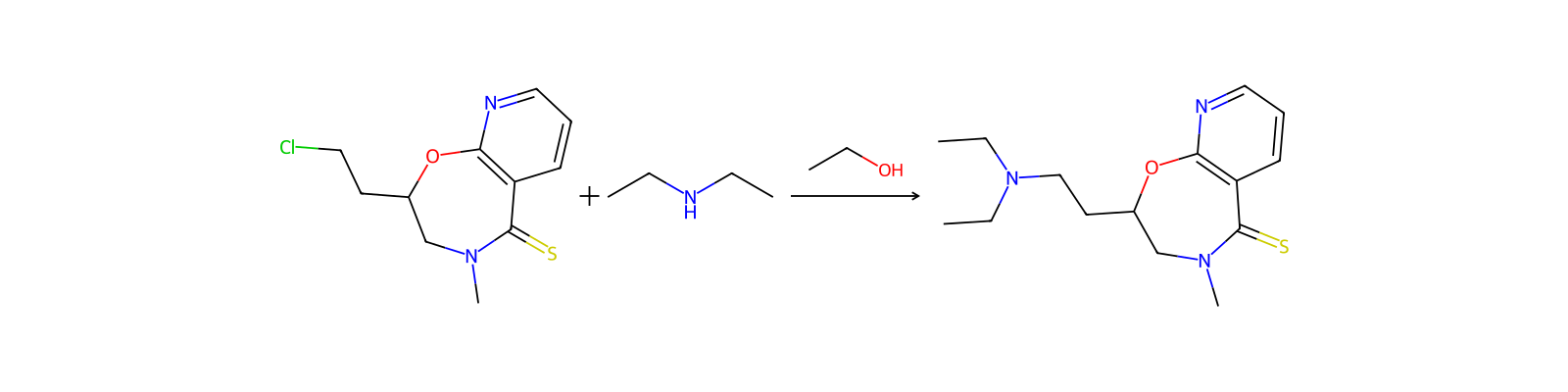
4,064 records



Linked notes
Loading…