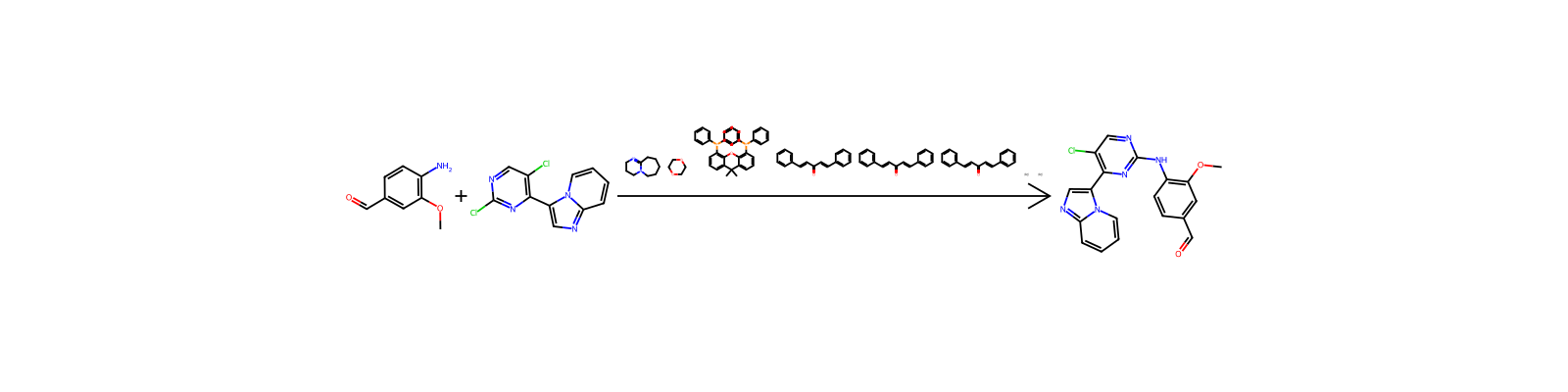

Basic information
- Standard SMILES
C1CCC2=NCCCN2CC1- InChIKey
GQHTUMJGOHRCHB-UHFFFAOYSA-N- Molecular formula
- C9H16N2
- Average molar mass
- 152.24 g/mol
- Monoisotopic mass
- 152.13134851
Names & identifiers
- Preferred name
- 1,8-Diazabicyclo(5.4.0)undec-7-ene
- IUPAC
- 2,3,4,6,7,8,9,10-octahydropyrimido[1,2-a]azepine
- English name
- DBU
- Molecular formula
- C9H16N2
- Molecular weight
- 152.24
Names & synonyms
6674-22-21,8-Diazabicyclo[5.4.0]undec-7-ene1,8-Diazabicyclo(5.4.0)undec-7-enePyrimido[1,2-a]azepine, 2,3,4,6,7,8,9,10-octahydro-DTXSID2049424H1ILJ6IBUXAMICURE DBUEDABCO DBUNSC-111184DTXCID1029384ALCANPOUDRE DBU 70-3KGNSC-230466
Show more names
DBU2,3,4,6,7,8,9,10-OCTAHYDROPYRIMIDO[1,2-A]AZEPINEDiazabicycloundecene1,5-DIAZABICYCLO(5,4,0)UNDEC-5-ENE1,8-DIAZABICYCLO[5,4,0]-7-UNDECENE1,8-Diazabicyclo[5.4.0]undecane-7-ene1,8-DiazabicycL1,8-DIAZABICYCLO[5.4.0]UNDEC-7-ENE (DBU)
1,8-DIAZA-7-BICYCLO(5.4.0)UNDECENEPyrimido(1,2-a)azepine, 2,3,4,6,7,8,9,10-octahydro-1,8-diazabicyclo(5.4.0]undec-7-ene1,8-Diazabicyclo[5.4.0}undec-7-ene1,8-diazabicyclo{5.4.0]undec-7-eneRefChem:737341,8-DBU229-713-7
Database identifiers
- CAS
6674-22-2- PubChem CID
- 81184
- DTXSID
DTXSID2049424- ChEMBL
CHEMBL1489129- UNII
- H1ILJ6IBUX
- EC Number
- 229-713-7
- Nikkaji
- J39.656G
Properties
Computed structural properties
- XLogP
- 1.4
- Topological polar surface area
- 15.6 Ų
- Hydrogen bond donors
- 0
- Hydrogen bond acceptors
- 1
- Rotatable bonds
- 0
- Heavy atoms
- 11
- Formal charge
- 0
- Complexity
- 163
Experimental & physicochemical properties
Chemical ClassesNitrogen Compounds -> Other Nitrogen Compounds
LogP1.38
Density1.018 @25 °C
Vapor Pressure
0.05 [mmHg]
5.3 [mm Hg] @37.700000000000003 °C
Physical Description
Liquid; Dry Powder
Light yellow liquid with unpleasant odor; [MSDSonline]
Ionization Efficiency
Positive
4.24
2.7
Agilent XCT
Electrospray ionization
formic acid (5.3nM)
Physicochemical properties
- Melting point
- -70 °C · -70 °C
- Boiling point
- 80 · 80-83 °C0.6 mm Hg(lit.)
- Density
- 1.019 g/mL · 1.019 g/mL at 20 °C(lit.)
- vapor pressure
- 5.3 mm · 5.3 mm Hg ( 37.7 °C)
- refractive index
- 20 · n20/D 1.523
- Flash point
- 230 °F · >230 °F
- storage temp.
- 30 °C · Store below +30°C.
- solubility
- soluble
- pka
- 13.28 · 13.28±0.20(Predicted)
- form
- Liquid
- color
- Clear colorless to light yellow
- Odor
- Unpleasant
- PH Range
- 12.8 at · 12.8 at 10 g/l at 20 °C
- PH
- 12.8 · 12.8 (10g/l, H2O, 20℃)
- explosive limit
- 1.1 · 1.1-6.5%(V)
- Viscosity
- 10.1 mm2/s · 10.1mm2/s
- Water Solubility
- soluble
- Sensitive
- Air Sensitive
- BRN
- 508906 · 508906
- Stability
- Stable. Incompatible with strong oxidizing agents, acids, acid chlorides, acid anhydrides.
- InChI
- 1S/C9H16N2/c1-2-5-9-10-6-4-8-11(9)7-3-1/h1-8H2
- InChIKey
- GQHTUMJGOHRCHB-UHFFFAOYSA-N
- SMILES
- C1CCN2CCCN=C2CC1
- CAS DataBase Reference
- 6674 · 6674-22-2(CAS DataBase Reference)
- FDA UNII
- 1 ILJ6IBUX · H1ILJ6IBUX
- NIST Chemistry Reference
- 1 · 1,8-diazabicyclo [5.4.0]undec-7-ene(6674-22-2)
- EPA Substance Registry System
- 1 · Pyrimido[1,2-a]azepine, 2,3,4,6,7,8,9,10-octahydro- (6674-22-2)
- UNSPSC Code
- 12352302 · 12352302
- NACRES
- 22 · NA.22
- Symbol(GHS)
- 5 · GHS05,GHS06
- Signal word
- Danger
- Hazard statements
- 290 · H290-H301-H314-H412
- Precautionary statements
- 234 · P234-P273-P280-P303+P361+P353-P304+P340+P310-P305+P351+P338
- PPE
- Faceshields, Gloves, Goggles, type ABEK (EN14387) respirator filter
- Hazard Codes
- C,F
- Risk Statements
- 22 · 22-34-52/53-35-40-37-19-11-67
- Safety Statements
- 26 · 26-36/37/39-45-61-27-16
- RIDADR
- 3267 · UN 3267 8/PG 2
- WGK Germany
- 2 · 2
- F
- 34 · 34
- Autoignition Temperature
- 260 °C · 260 °C
- TSCA
- TSCA listed
- HazardClass
- 8 · 8
- PackingGroup
- II
- HS Code
- 29339930 · 29339930
- Storage Class
- 6.1 A · 6.1A - Combustible acute toxic Cat. 1 and 2very toxic hazardous materials
- Hazard Classifications
- 3 OralAquatic · Acute Tox. 3 OralAquatic Chronic 3Eye Dam. 1Met. Corr. 1Skin Corr. 1B
- Toxicity
- 50 orally · LD50 orally in Rabbit: 215 - 681 mg/kg
- REACH Registrations
- Active
Safety & regulation
GHS classification
GHS Classification
This chemical does not meet GHS hazard criteria for 6.2% (48 of 776) of reports.
Danger
H290 (18.3%): May be corrosive to metals [Warning Corrosive to Metals]
P234, P260, P264, P264+P265, P270, P273, P280, P301+P316, P301+P317, P301+P330+P331, P302+P352, P302+P361+P354, P304+P340, P305+P354+P338, P316, P317, P321, P330, P362+P364, P363, P390, P405, P406, and P501 (click each P-code to see the statement)
Aggregated GHS information provided per 776 reports by companies from 26 notifications to the ECHA C&L Inventory. Each notification may be associated with multiple companies.
Hazard information
Regulatory Information
Chemical: Pyrimido[1,2-a]azepine, 2,3,4,6,7,8,9,10-octahydro-
Pyrimido[1,2-a]azepine, 2,3,4,6,7,8,9,10-octahydro- is listed on the EPA's Chemical Data Reporting (CDR) system. Manufacturers and importers of Pyrimido[1,2-a]azepine, 2,3,4,6,7,8,9,10-octahydro- are required to report information about their production and use of this chemical to the EPA under the Toxic Substances Control Act (TSCA). (40 eCFR Part 711)
Status: Active Update: 19-03-2020 https://echa.europa.eu/registration-dossier/-/registered-dossier/10251
1,8-Diazabicyclo[5.4.0]undec-7-ene: Does not have an individual approval but may be used under an appropriate group standard
Hazards SummaryHarmful after ingestion; Corrosive to skin; Can cause chemical pneumonitis; [MSDSonline]
Hazard Classes and CategoriesMet. Corr. 1 (18.3%)
Safety & protection
Protective Action Criteria (PAC)
1.2 [mg/m3]
13 [mg/m3]
79 [mg/m3]
Toxicology
Adverse EffectsDermatotoxin - Skin burns.
Safety data
- F
- 34
- PPE
- Faceshields, Gloves, Goggles, type ABEK (EN14387) respirator filter
- wgk
- 2
- tsca
- TSCA listed
- ridadr
- UN 3267 8/PG 2
- hs_code
- 29339930
- Toxicity
- LD50 orally in Rabbit: 215 - 681 mg/kg
- risk_code
- 22-34-52/53-35-40-37-19-11-67
- Signal word
- Danger
- Symbol(GHS)
- GHS05,GHS06
- hazard_code
- C,F
- safety_code
- 26-36/37/39-45-61-27-16
- hazard_class
- 8
- Storage Class
- 6.1A - Combustible acute toxic Cat. 1 and 2very toxic hazardous materials
- packing_group
- II
- Hazard statements
- H290-H301-H314-H412
- REACH Registrations
- Active
- Hazard Classifications
- Acute Tox. 3 OralAquatic Chronic 3Eye Dam. 1Met. Corr. 1Skin Corr. 1B
- Autoignition Temperature
- 260 °C
- Precautionary statements
- P234-P273-P280-P303+P361+P353-P304+P340+P310-P305+P351+P338
Chemistry & industry
Uses & manufacturing
UsesUsed as a catalyst in the production of polyurethanes; [Ullmann]
U.S. Production2023: 400,000 - <550,000 lb
Consumer UsesNot Known or Reasonably Ascertainable
Industry UsesOther
General Manufacturing Information
Plastics Material and Resin Manufacturing
Pyrimido[1,2-a]azepine, 2,3,4,6,7,8,9,10-octahydro-: ACTIVE
Applications
DescriptionDBU is a bicyclic amidine base. It is non-nucleophilic, sterically hindered, tertiary amine base in organic chemistry. It is reported to be superior to amine catalyst in Baylis-Hillman reaction.It promotes the methylation reaction of phenols, indoles and benzimidazoles with dimethyl carbonate under mild conditions.
OccurrenceAlthough all commercially available DBU is produced synthetically, it may also be isolated from the sea sponge Niphates digitalis.The biosynthesis of DBU has been proposed to begin with 1,6-hexanedial and 1,3-diaminopropane.
UsesDBU may be used:as catalyst for carboxylic acid esterification with dimethyl carbonatein the synthesis of duocarmycin and CC-1065 analogsas catalyst in aza-Michael addition and Knovenegal condensation reactionas base for dehalogenation of halogenated Diels-Alder adducts and the resulting activated 2,4-dienones were subjected to regio- and stereo-directed Michael additions, using Yamamoto′s reagent (CH3Cu · BF3)in a new synthesis of the ABCD ring system of CamptothecinDBU may be used as an catalyst for the dissolution and activation of cellulose by a reversible reaction of its hydroxyl groups with carbon dioxide. This dissolved cellulose system can be derivatized to form cellulose mixed esters.Used in a new synthesis of the ABCD ring system of Camptothecin.
UsesDBU is used in organic synthesis as a catalyst, a complexing ligand, and a non-nucleophilic base. It is used as a protecting agent for the synthesis of cephalosporin and as a catalyst for polyurethane.
General DescriptionWe are committed to bringing you Greener Alternative Products, which adhere to one or more of The 12 Principles of Greener Chemistry. This product has been enhanced for catalytic efficiency. Click here for more information.
Upstream & downstream products
Upstream raw materials
Downstream products
Suppliers50 total
国药集团化学试剂有限公司86-21-63210123 · [email protected]
梯希爱(上海)化成工业发展有限公司021-67121386 · [email protected]
上海阿拉丁生化科技股份有限公司400-6206333 13167063860 · [email protected]
爱斯特(成都)生物制药股份有限公司+86-28-85122536 85324413 · [email protected]
韶远科技(上海)有限公司021-50795510 4000665055 · [email protected]
科瑞迪化学400-821-5857 021-64326257 · [email protected]
上海将来实业股份有限公司400-0066400 13621662912 · [email protected]
Syntechem Co.,Ltd[email protected]
上海迈瑞尔生化科技有限公司4006356688 18621169109 · [email protected]
宁波亿诺化学品有限公司86-574-27787657 · [email protected]
天津中信凯泰化工有限公司022-66880623 · [email protected]
阿法埃莎(中国)化学有限公司400-6106006 · [email protected]
太原市瑞和丰科贸有限公司+86 351 7031519 · [email protected]
安耐吉化学&3A(安徽泽升科技股份有限公司)400-0056266 · [email protected]
上海柏卡化学技术有限公司400-026-1533/(021) 6478-0600 · [email protected]
上海瀚鸿科技股份有限公司021-54306202 13764082696 · [email protected]
上海柯维化学技术有限公司021-64609169 18901607656 · [email protected]
上海景颜化工科技有限公司13817811078 · [email protected]
嘉兴市艾森化工有限公司0573-85285100 18627885956 · [email protected]
Pure Chemistry Scientific Inc.001-857-928-2050 or 1-888-588-9418 · [email protected]
孝感深远化工有限公司15527621225; 15527621225 · [email protected]
山东西亚化学有限公司13355009207 13355009207 · [email protected]
玛雅试剂+86 (573) 82222445 (0)18006601000 452520369 · [email protected]
四川库利南科技有限公司400-1166-196 18981987031 · [email protected]
天津希恩思生化科技有限公司400 638 7771 · [email protected]
河南萬象化工有限公司(优势生产供应!)0371-56669001 13949088811 · [email protected]
武汉科美沃化工有限公司027-85736489 · [email protected]
湖南汇百侍生物科技有限公司0731-85526065 13308475853 · [email protected]
南京维奥化工有限公司Please Send Email 18652950785 · [email protected]
斯百全化学(上海)有限公司021-021-021-67601398-809-809-809 15221380277 · [email protected]
北京泰亚杰科技有限公司021-33690831-8001 13552411790;18616022633 · [email protected]
艾科试剂4008-755-333 18080918076 · [email protected]
南京爱莉生物科技有限公司025-83208295 18913388297 · [email protected]
上海思域化工科技有限公司86-21-34053660 · [email protected]
苏州思变化学技术有限公司0512-65617459 18915409046 · [email protected]
赛默飞世尔科技(中国)有限公司800-810-5118 · [email protected]
北京伊诺凯科技有限公司400-810-7969 010-59572699 · [email protected]
AdooQ BioScience, LLC+1 (866) 930-6790 · [email protected]
Wuhan NCE Biomedical Co.,Ltd.4000-027-021 |24 +86-13986109188 | +86-15623472865 | +81-08033611988
上海遐瑞医药科技有限公司+86 21 61551611
江苏艾康生物医药研发有限公司025-66113011 13913916777 · [email protected]
TCI AMERICA800-4238616 · [email protected]
TOKYO CHEMICAL INDUSTRY CO., LTD.03-36680489 · [email protected]
TCI Europe320-37350700 · [email protected]
上海贤鼎生物科技有限公司4009209199 · [email protected]
深圳振强药物研发有限公司0755-66853366 13670046396 · [email protected]
深圳康特腾科技有限公司86-0755-86635001 · [email protected]
越林试剂021-62960152 · [email protected]
苏州安尼康药物研发有限公司0512-69369885 · [email protected]
山东博洛达生物科技有限公司0531-68659041 · [email protected]
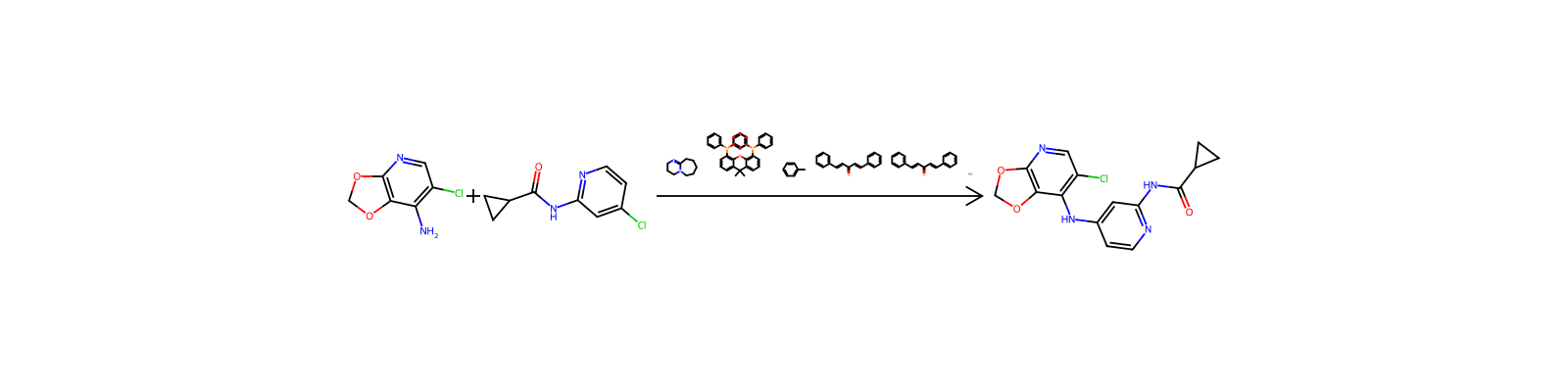
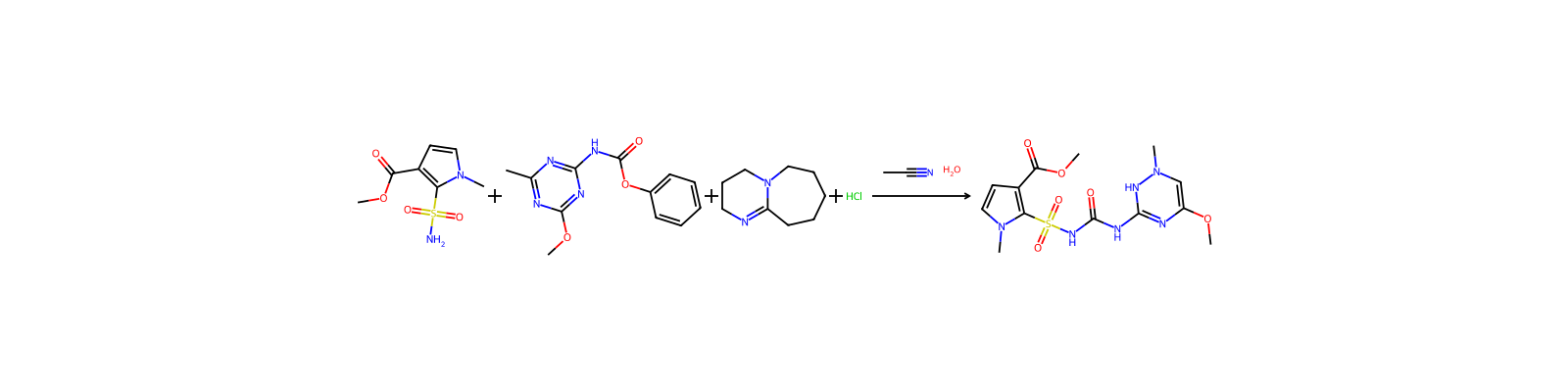
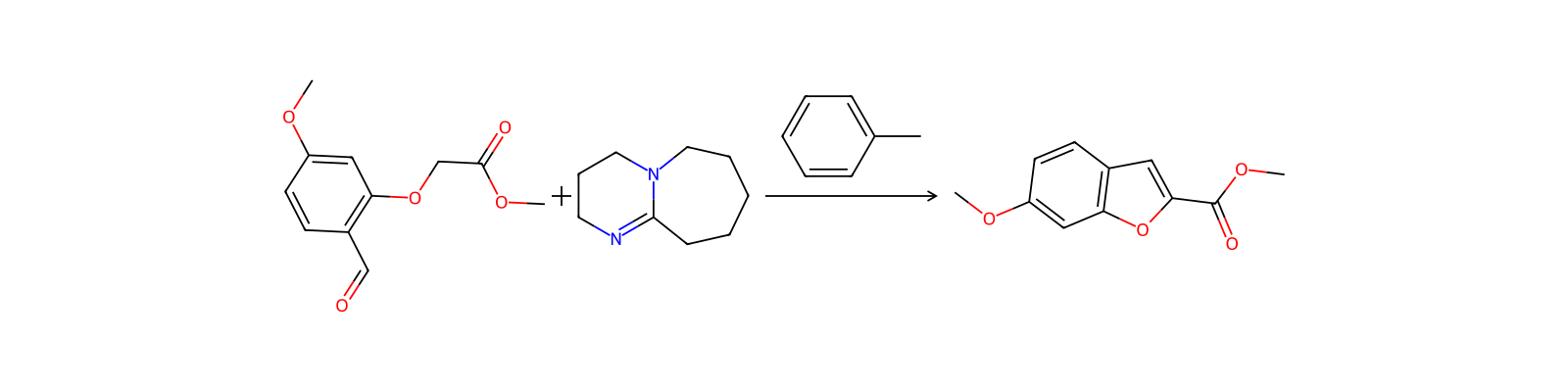
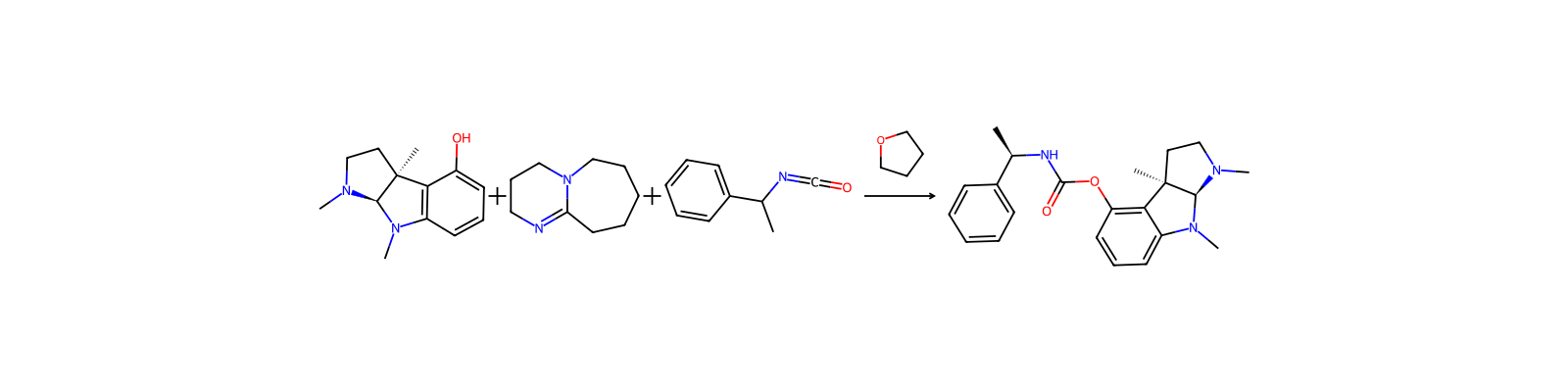
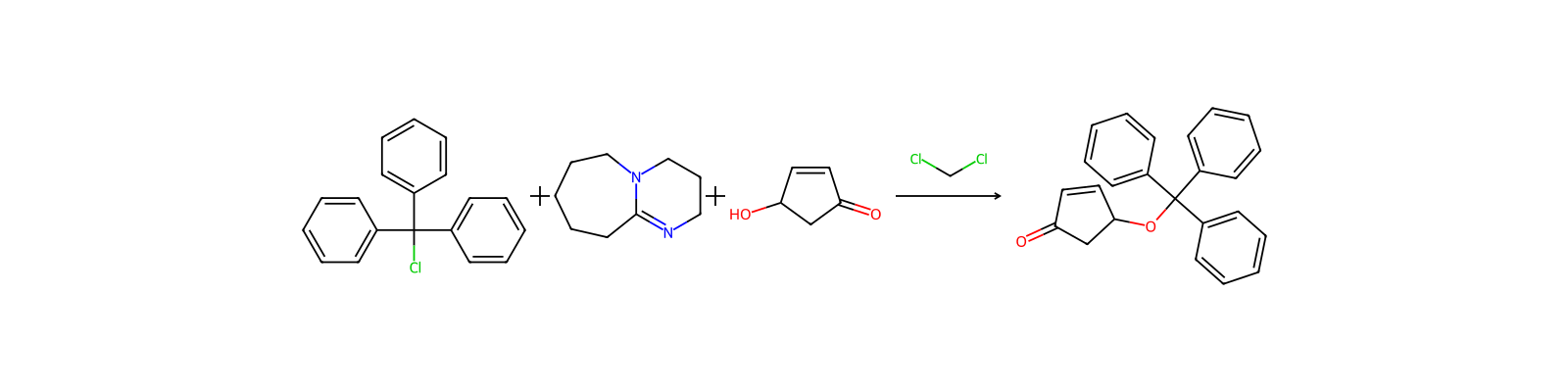
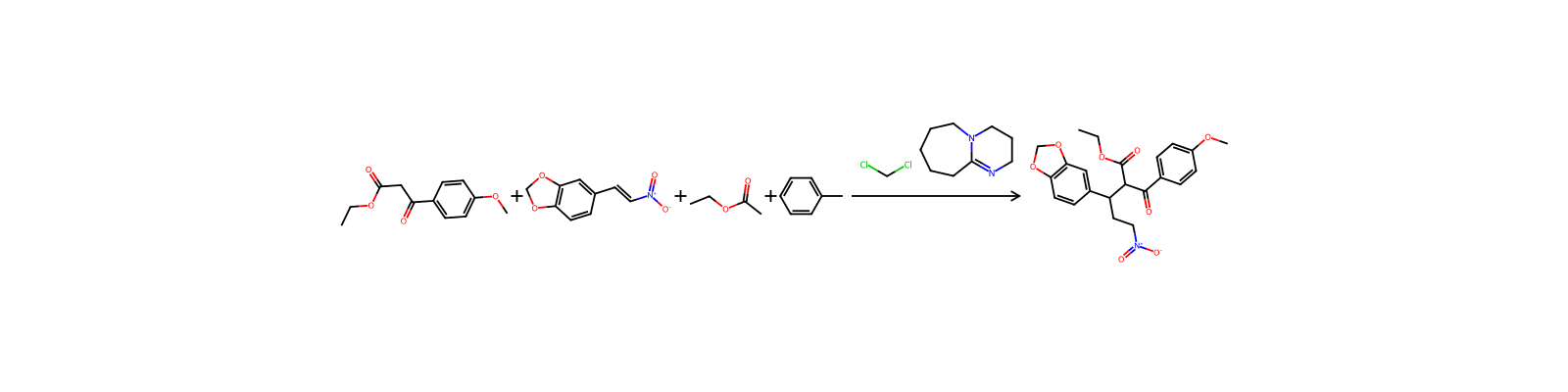
Related reactions
10,318 records

Linked notes
Loading…