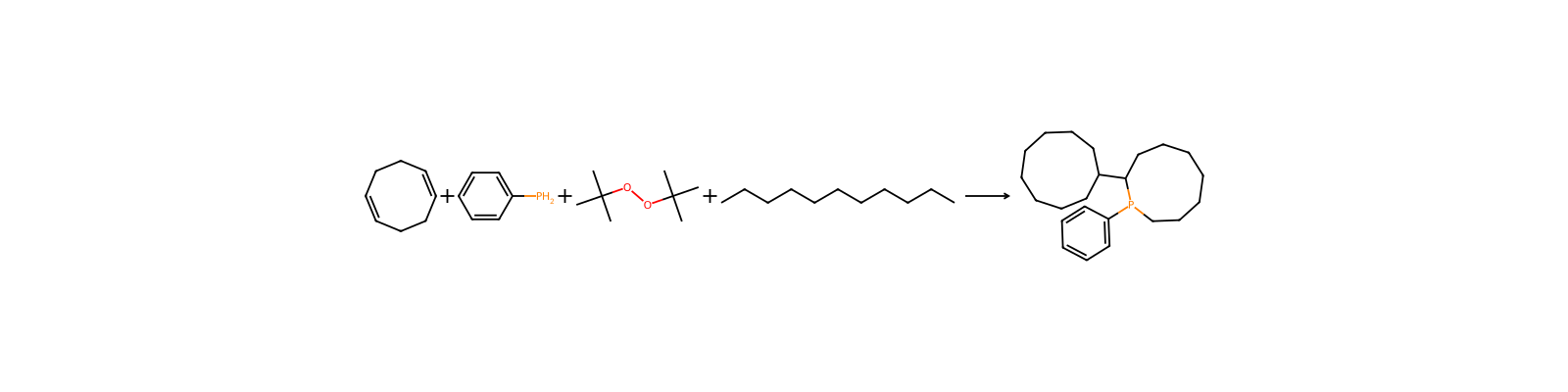

Basic information
- CAS
111-78-4- Standard SMILES
C1=CCCC=CCC1- InChIKey
VYXHVRARDIDEHS-UHFFFAOYSA-N- Molecular formula
- C8H12
- Average molar mass
- 108.18 g/mol
- Monoisotopic mass
- 108.09390038
Overview
See also: 1,5-Cyclooctadiene (annotation moved to); 1,5-Cyclooctadiene (Z,Z) (annotation moved to).
Names & identifiers
- Preferred name
- cis,cis-1,5-Cyclooctadiene
- IUPAC
- cycloocta-1,5-diene
- English name
- 1,5-Cyclooctadiene
- Molecular formula
- C8H12
- Molecular weight
- 108.18
Names & synonyms
cis,cis-1,5-Cyclooctadiene1552-12-11,5cyclooctadieneSCHEMBL24014SCHEMBL835704SCHEMBL83629426353-15-1CODCycloocta-1,5-diene1,5-COD1,5-CycLooctadiene
Show more names
1,5-CYCLOOCTADIENE1.5-cyclooctandiene1,5-CyclooctanedieneCyclooctadiene, 1,5-
Database identifiers
- CAS
111-78-4、1552-12-1- PubChem CID
- 8135
- DTXSID
DTXSID0026888- EC Number
- 216-291-4
Properties
Computed structural properties
- XLogP
- 3.2
- Topological polar surface area
- 0 Ų
- Hydrogen bond donors
- 0
- Hydrogen bond acceptors
- 0
- Rotatable bonds
- 0
- Heavy atoms
- 8
- Formal charge
- 0
- Complexity
- 72.6
Physicochemical properties
- Melting point
- -69 °C · -69 °C (lit.)
- Boiling point
- 149 · 149-150 °C (lit.)
- Density
- 0.882 g/mL · 0.882 g/mL at 25 °C (lit.)
- vapor pressure
- 25.8 mm · 25.8 mm Hg ( 37.7 °C)
- refractive index
- 20 · n20/D 1.493
- Flash point
- 89 °F · 89 °F
- storage temp.
- 2 · 2-8°C
- solubility
- soluble in Chloroform
- form
- Liquid
- color
- Clear colorless
- Odor Threshold
- 0.00084 ppm · 0.00084ppm
- Water Solubility
- 780 mg/L · 780 mg/L (20 ºC)
- BRN
- 2036542 · 2036542
- Henry's Law Constant
- 3.8 · 3.8×10-4 mol/(m3Pa) at 25℃, Hilal et al. (2008)
- Stability
- Stable. Flammable.
- InChI
- 1S/C8H12/c1-2-4-6-8-7-5-3-1/h1-2,7-8H,3-6H2/b2-1-,8-7-
- InChIKey
- VYXHVRARDIDEHS-QGTKBVGQSA-N
- SMILES
- C1CC=CCCC=C1
- LogP
- 3.16 at · 3.16 at 20℃
- CAS DataBase Reference
- 111 · 111-78-4(CAS DataBase Reference)
- EWG's Food Scores
- 1 · 1
- FDA UNII
- 1 E1VVD385Z · 1E1VVD385Z
- NIST Chemistry Reference
- 1 · 1,5-Cyclooctadiene(111-78-4)
- EPA Substance Registry System
- 1 · 1,5-Cyclooctadiene (111-78-4)
- UNSPSC Code
- 12352100 · 12352100
- NACRES
- 22 · NA.22
- Symbol(GHS)
- 2 · GHS02,GHS07,GHS08,GHS09
- Signal word
- Warning
- Hazard statements
- 315 · H315-H319-H373-H317-H336-H410-H226
- Precautionary statements
- 501 · P501-P273-P272-P240-P260-P210-P233-P243-P241-P242-P271-P264-P280-P370+P378-P391-P314-P337+P313-P305+P351+P338-P362+P364-P303+P361+P353-P333+P313-P304+P340+P312-P403+P233-P403+P235-P405
- PPE
- Eyeshields, Faceshields, Gloves, type ABEK (EN14387) respirator filter
- Hazard Codes
- Xn,N,Xi
- Risk Statements
- 10 · 10-36/38-42/43-65-50/53-22-43-19-20/22-52/53-36/37/38
- Safety Statements
- 26 · 26-36-61-60-16-37/39
- RIDADR
- 2520 · UN 2520 3/PG 3
- WGK Germany
- 3 · 3
- RTECS
- 9620000 · GX9620000
- F
- 10 · 10-23
- Autoignition Temperature
- 431 °F · 431 °F
- TSCA
- TSCA listed
- HazardClass
- 3.2 · 3.2
- PackingGroup
- III
- HS Code
- 29021990 · 29021990
- Storage Class
- 3 · 3 - Flammable liquids
- Hazard Classifications
- 4 InhalationAcute · Acute Tox. 4 InhalationAcute Tox. 4 OralAquatic Acute 1Aquatic Chronic 1Asp. Tox. 1Flam. Liq. 3
- Hazardous Substances Data
- 111 · 111-78-4(Hazardous Substances Data)
- REACH Registrations
- Active
- Limited Quantities
- 5 L · 5.0 L (1.3 gallons) (liquid)
- Excepted Quantities
- Max Inner Pack (30g or 30ml) and Max Outer Pack (1Kg or 1L)
Safety & regulation
GHS classification
GHS Classification
Danger
H226 (100%): Flammable liquid and vapor [Warning Flammable liquids]
P210, P233, P240, P241, P242, P243, P261, P264, P270, P271, P273, P280, P301+P316, P301+P317, P303+P361+P353, P304+P340, P317, P330, P331, P370+P378, P391, P403+P235, P405, and P501 (click each P-code to see the statement)
Aggregated GHS information provided per 59 reports by companies from 3 notifications to the ECHA C&L Inventory. Each notification may be associated with multiple companies.
Hazard information
Hazard Classes and CategoriesFlam. Liq. 3 (100%)
Safety data
- F
- 10-23
- PPE
- Eyeshields, Faceshields, Gloves, type ABEK (EN14387) respirator filter
- wgk
- 3
- tsca
- TSCA listed
- rtecs
- GX9620000
- ridadr
- UN 2520 3/PG 3
- hs_code
- 29021990
- risk_code
- 10-36/38-42/43-65-50/53-22-43-19-20/22-52/53-36/37/38
- Signal word
- Warning
- Symbol(GHS)
- GHS02,GHS07,GHS08,GHS09
- hazard_code
- Xn,N,Xi
- safety_code
- 26-36-61-60-16-37/39
- hazard_class
- 3.2
- Storage Class
- 3 - Flammable liquids
- packing_group
- III
- Hazard statements
- H315-H319-H373-H317-H336-H410-H226
- Limited Quantities
- 5.0 L (1.3 gallons) (liquid)
- Excepted Quantities
- Max Inner Pack (30g or 30ml) and Max Outer Pack (1Kg or 1L)
- REACH Registrations
- Active
- Hazard Classifications
- Acute Tox. 4 InhalationAcute Tox. 4 OralAquatic Acute 1Aquatic Chronic 1Asp. Tox. 1Flam. Liq. 3
- Autoignition Temperature
- 431 °F
- Precautionary statements
- P501-P273-P272-P240-P260-P210-P233-P243-P241-P242-P271-P264-P280-P370+P378-P391-P314-P337+P313-P305+P351+P338-P362+P364-P303+P361+P353-P333+P313-P304+P340+P312-P403+P233-P403+P235-P405
- Hazardous Substances Data
- 111-78-4(Hazardous Substances Data)
Chemistry & industry
Applications
Uses1,5-Cyclooctadiene is generally abbreviated COD, this diene is a useful precursor to other organic compounds and serves as a ligand in organometallic chemistry. 1,5-Cyclooctadiene can be prepared by dimerization of butadiene in the presence of a nickel catalyst, a coproduct being vinylcyclohexene. It is also a chemical intermediate in the production of Nylon.
UsesCycloocta-1,5-diene is produced from petroleum distillation fractions and is used as an intermediate in the plastics industry, as a synthetic lubricant, and in numerous other applications.
Upstream & downstream products
Downstream products
Suppliers100 total
山东玖玥生物科技有限公司15553333686
北京华美互利生物化工010-56205725 · [email protected]
梯希爱(上海)化成工业发展有限公司021-67121386 · [email protected]
阿诺西(上海)生物技术有限公司400-1107768 15058188853 · [email protected]
上海阿拉丁生化科技股份有限公司400-6206333 13167063860 · [email protected]
Shandong chuangyingchemical Co., Ltd.18853181302 · [email protected]
南通润丰石油化工有限公司66017690 19952660367 · [email protected]
上海比阳实业有限公司+86-21-52699951; +8613917686115 · [email protected]
合肥翰刚医药科技有限公司+8618062405514 · [email protected]
杭州品高化工有限公司0571-87658025 · [email protected]
江苏星科元信息科技有限公司400-605-7200 15335295587
爱斯特(成都)生物制药股份有限公司+86-28-85122536 85324413 · [email protected]
Hebei Yanxi Chemical Co., Ltd.+86-17531190177 · [email protected]
Syntechem Co.,Ltd[email protected]
上海迈瑞尔生化科技有限公司4006356688 18621169109 · [email protected]
江苏普乐司生物科技有限公司0513-66017706 18551496367 · [email protected]
上海晶抗生物工程有限公司021-54721350 13524668266 · [email protected]
武汉市聚舜化工有限公司027-02783261126 18971318572 · [email protected]
安耐吉化学&3A(安徽泽升科技股份有限公司)400-0056266 · [email protected]
上海瀚鸿科技股份有限公司021-54306202 13764082696 · [email protected]
南通合润生物科技有限公司18362409333 · [email protected]
武汉市皇臻生物化工有限公司13795480948 · [email protected]
上海比阳实业有限公司+86-15021878111 · [email protected]
佛山宝诺生物科技有限公司0757-85921206 18520245316 · [email protected]
上海毕楷科技有限公司18516304666
山东西亚化学有限公司13355009207 13355009207 · [email protected]
玛雅试剂+86 (573) 82222445 (0)18006601000 452520369 · [email protected]
HONG KONG IPURE BIOLOGY CO.,LIMITED86 18062405514 18062405514 · [email protected]
艾科试剂4008-755-333 18080918076 · [email protected]
上海思域化工科技有限公司86-21-34053660 · [email protected]
赛默飞世尔科技(中国)有限公司800-810-5118 · [email protected]
TCI AMERICA800-4238616 · [email protected]
TOKYO CHEMICAL INDUSTRY CO., LTD.03-36680489 · [email protected]
TCI Europe320-37350700 · [email protected]
北京京土恒盛化工科技有限公司00-13911456598 13911456598 · [email protected]
上海倍卓生物科技有限公司021-61119791,13386096464 · [email protected]
HBCChem, Inc.+1-510-219-6317 · [email protected]
成都零六生物科技有限公司400-1166-196 13458535857 · [email protected]
泰安嘉岳生物化工有限公司15318151873 13561760680 · [email protected]
雷丁试剂0510-85629785 18013409632 · [email protected]
上海德榜化工有限公司021-61531158 · [email protected]
上海麦克林生化科技股份有限公司15221275939 15221275939 · [email protected]
陕西缔都医药化工有限公司029-81024372 17792795018 · [email protected]
池州凯隆进出口贸易有限公司[email protected]
Sigma-Aldrich西格玛奥德里奇(上海)贸易有限公司021-61415566 800-8193336 · [email protected]
九鼎化学(上海)科技有限公司4009209199 · [email protected]
德信化学(山东)有限公司15853369661
XIAMEN EQUATION CHEMICAL CO.,LTD+86-5926515854 +86-18060954864 · [email protected]
泰安嘉岳生物化工有限公司15318151873 · [email protected]
广东翁江化学试剂有限公司0751-2886766 13927870850 · [email protected]
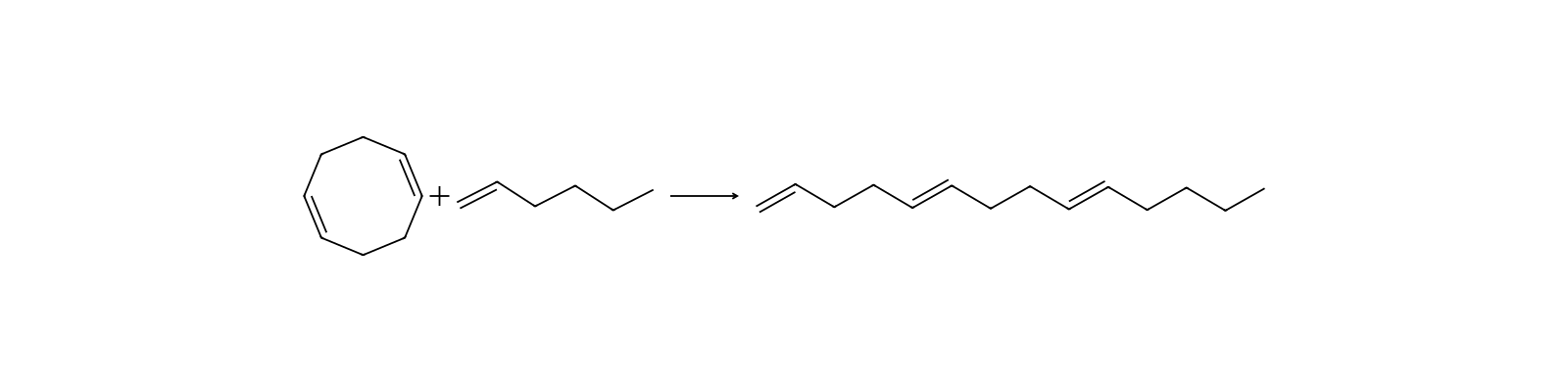
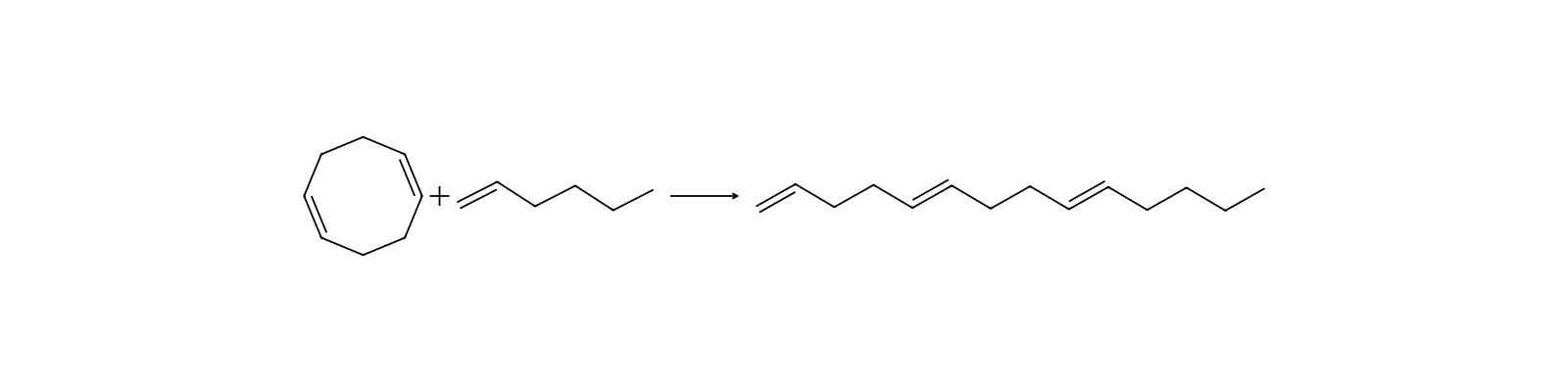
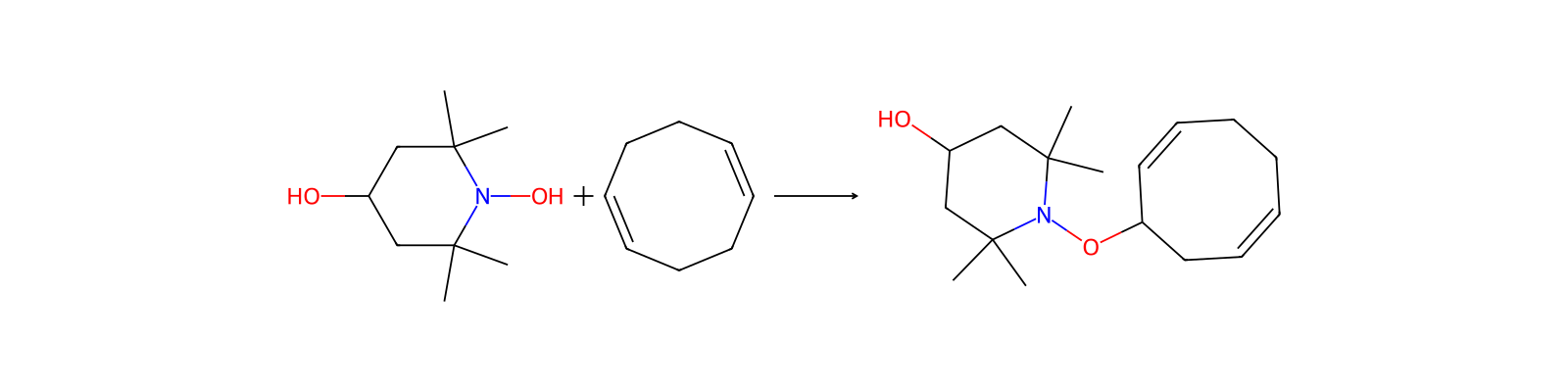
Related reactions
45 records




Compound notes
Loading…