HomeMCPWorkbenchSkills
HomeWorkbenchNotificationsMe
llms.txt · MCP GuidePrivacy Policy · Terms of Service · Supportv1.8.0
  1. Home
  2. /Compound

Diglyme

HCID 8150
New noteNew reactionRequest quotes
Print preview

Completing data — refresh the page later to see the latest
Basic informationOverviewNames & identifiersPropertiesSafety & regulationChemistry & industryRelated reactionsCompound notes
Substructure searchFind similar structures

Basic information

CAS
111-96-6
Standard SMILES
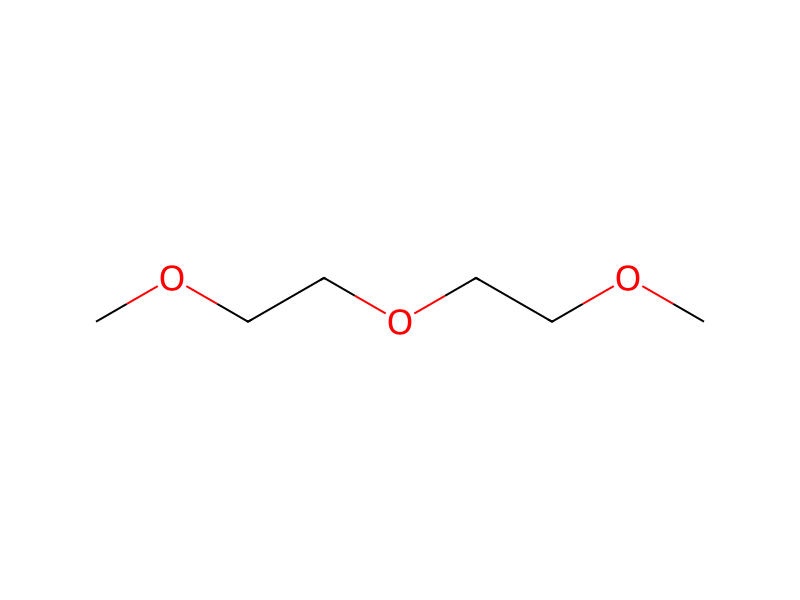
COCCOCCOC
InChIKey
SBZXBUIDTXKZTM-UHFFFAOYSA-N
Molecular formula
C6H14O3
Average molar mass
134.17 g/mol
Monoisotopic mass
134.0942943

Overview

Diethylene glycol dimethyl ether is a colorless watery liquid with a pleasant odor. Floats and mixes with water. (USCG, 1999)

Names & identifiers

Preferred name
Diglyme
IUPAC
1-methoxy-2-(2-methoxyethoxy)ethane
English name
bis(2-Methoxyethyl) ether
Molecular formula
C6H14O3
Molecular weight
134.17356

Names & synonyms

Diglyme111-96-61-Methoxy-2-(2-methoxyethoxy)ethaneBis(2-methoxyethyl) etherDIETHYLENE GLYCOL DIMETHYL ETHERDimethyl carbitol2,5,8-TrioxanonaneDi(2-Methoxyethyl) etherDimethoxydiglycolGlyme 2(2-Methoxyethyl) etherBis(2-methoxyethyl)ether
Show more names
Ether, bis(2-methoxyethyl)MethyldiglymeDiglycol methyl etherDiethyl glycol dimethyl etherEthane, 1,1'-oxybis[2-methoxy-2-(2-Methoxyethoxy)-1-methoxyethaneDTXSID1024621diethylene glycol dimethylether

Database identifiers

CAS
111-96-6
PubChem CID
8150
DTXSID
DTXSID1024621
ChEMBL
CHEMBL1234162
ChEBI
CHEBI:46784
UNII
M4BH3X0MVZ
EC Number
203-924-4
Nikkaji
J5.118G

Properties

Computed structural propertiesFilling in

XLogP
-0.4
Topological polar surface area
27.7 Ų
Hydrogen bond donors
0
Hydrogen bond acceptors
3
Rotatable bonds
6
Heavy atoms
9
Formal charge
0
Complexity
41.6

Experimental & physicochemical properties

DrugsPharmaceuticals -> Listed in ZINC15
SolventsSolvents -> Glycol Ethers (Glymes)
CosmeticsCosmetics ingredient -> Conditioning/Emollient; Fragrance; Moisturizing/Humectant; Solvent
SpringerMaterials PropertiesBoiling point
SurfactantsSurfactant
LogP · 3 items

log Kow = -0.36

-0.36

-0.36

OdorMild odor
Density · 4 items

0.945 at 68 °F (USCG, 1999) - Less dense than water; will float

Sp gr: 0.9451 at 20 °C/20 °C

Relative density (water = 1): 0.95

0.9451 @25 °C

Viscosity1.089 cP at 20 °C
Color/FormColorless liquid

Safety & regulation

Safety information is for reference only and does not replace the supplier’s Safety Data Sheet (SDS), applicable regulations, or professional assessment.

GHS classification

GHS Classification · 6 items

Danger

H226: Flammable liquid and vapor [Warning Flammable liquids]

P203, P210, P233, P240, P241, P242, P243, P280, P303+P361+P353, P318, P370+P378, P403+P235, P405, and P501 (click each P-code to see the statement)

Danger

H226 (93%): Flammable liquid and vapor [Warning Flammable liquids]

P203, P210, P233, P240, P241, P242, P243, P280, P303+P361+P353, P318, P370+P378, P403+P235, P405, and P501 (click each P-code to see the statement)

Hazard information

Regulatory Information · 6 items

Chemical: Ethane, 1,1'-oxybis[2-methoxy-

Hazard Traits - Reproductive Toxicity

Ethane, 1,1'-oxybis[2-methoxy- is listed on the EPA's Chemical Data Reporting (CDR) system. Manufacturers and importers of Ethane, 1,1'-oxybis[2-methoxy- are required to report information about their production and use of this chemical to the EPA under the Toxic Substances Control Act (TSCA). (40 eCFR Part 711)

S - indicates a substance that is identified in a final Significant New Use Rule.

REACH registered substance: Bis(2-methoxyethyl) ether (EC: 203-924-4)

Substance: Bis(2-methoxyethyl) ether

Other Safety InformationIMAP assessments - Ethane, 1,1'-oxybis[2-methoxy-: Human health tier II assessment
DOT LabelFlammable Liquid
Fire Hazards · 2 items

This chemical is combustible. (NTP, 1992)

Flammable. Above 51 °C explosive vapour/air mixtures may be formed.

Fire PotentialCombustible
Health HazardsINGESTION (severe cases): nausea, vomiting, abdominal cramps, weakness progressing to coma. (USCG, 1999)

Chemistry & industry

Pharmacology

Biological Half-LifeThe /diglyme/ metabolite 2-methoxyacetic acid has shown evidence of accumulation in animals and humans. In humans, its half-life was calculated as 77.1 hr.
Metabolism/Metabolites · 5 items

The effect of enzyme induction on the metabolism of bis(2-methoxyethyl)ether (diglyme) was studied in rats. Male Sprague-Dawley rats were administered 5.1 mmol/kg diglyme or 0.1% phenobarbital in their drinking water for 22 days. Other rats were pretreated with 5.1 mmol/kg diglyme or 0.1% phenobarbital administered in their drinking water for 22 days, and then given a single oral dose of 5.1 mmol/kg (14)C labeled diglyme. Urine samples were collected at 6 to 96 hours post dosing and analyzed for diglyme metabolites. Phenobarbital and diglyme caused significant decreases in hexobarbital sleeping time, phenobarbital showing the greater effect. Pretreatment with phenobarbital or diglyme did not significantly affect cumulative excretion of (14)C activity. Cumulative excretion of methoxyacetic acid, a minor metabolite, was significantly increased by both phenobarbital and diglyme, phenobarbital showing the greater effect. /It was concluded/ that pretreating rats with diglyme or phenobarbital increases the extent of cleavage of the ether bond in diglyme, forming 2-methoxyethanol, a precursor of methoxyacetic acid, a putative reproductive toxicant.

The testicular toxicity of bis(2-methoxyethyl)ether (diglyme) was studied in rats. Male Sprague-Dawley-rats were given 0.051, or 5.1 mmol/kg (14)C labeled diglyme orally. Approximately 86 to 90% of each dose was excreted in the urine over 96 hours. Less than 5% of the doses was excreted in the feces. Only trace amounts of radiolabel were found in the expired air as volatile organic compounds. The principal urinary metabolites were (2-methoxyethoxy)acetic acid and methoxyacetic acid which accounted for around 70 and 6% of the doses, respectively. Smaller amounts of N-(methoxyacetyl)glycine, diglycolic acid, 2-methoxyethanol, and 2-(2-methoxyethoxy)ethanol were found. Only unchanged diglyme was found in the volatile organic fraction of the expired air. ... Diglyme metabolism proceeds primarily through an O-demethylation pathway, followed by oxidation to (2-methoxyethoxy)acetic acid. The lack of toxicity of 2-(2-methoxyethoxy)ethanol and (2-methoxyethoxy)acetic acid suggests that the testicular toxicity of diglyme may be due to methoxyacetic acid, a minor metabolite.

The metabolism of ... bis(2-methoxyethyl)ether (diglyme) was studied in isolated rat hepatocytes and in the intact rat. Male Sprague-Dawley rats (190-220 g) were used in both studies. Hepatocytes, isolated by a two-step in situ collagenase perfusion of the liver, were cultured as monolayers and incubated with [14C]diglyme at 1, 10, 30, and 50 uM for up to 48 hr. For the in vivo study, rats were given single oral doses of [14C]diglyme at 5.1 mmol/kg bw, and urine was collected for up to 96 hr. Radioactive compounds in the culture medium or in the urine were separated by high performance liquid chromatography and quantified with an in-line radioactivity monitor. Metabolites were identified by comparison of their chromatographic retention times and their mass spectra with those of authentic compounds. The principal metabolite from hepatocytes and in the urine was (2-methoxyethoxy)acetic acid (MEAA). This metabolite accounted for approximately 36% of the radioactivity in the 48-hr culture medium and about 67% of the administered dose in the 48-hr urine. Other prominent metabolites common to both systems included 2-(2-methoxyethoxy)ethanol, methoxyacetic acid (MAA), 2-methoxyethanol, and diglycolic acid. The diglyme metabolite profiles from urine and from hepatocytes were qualitatively similar, demonstrating that, in the rat, hepatocytes serve as a good model system for predicting the urinary metabolites of diglyme. Moreover, MEAA was shown to be the metabolite best suited for use as a short-term biological marker of exposure to diglyme.

Related reactions

20,025 records
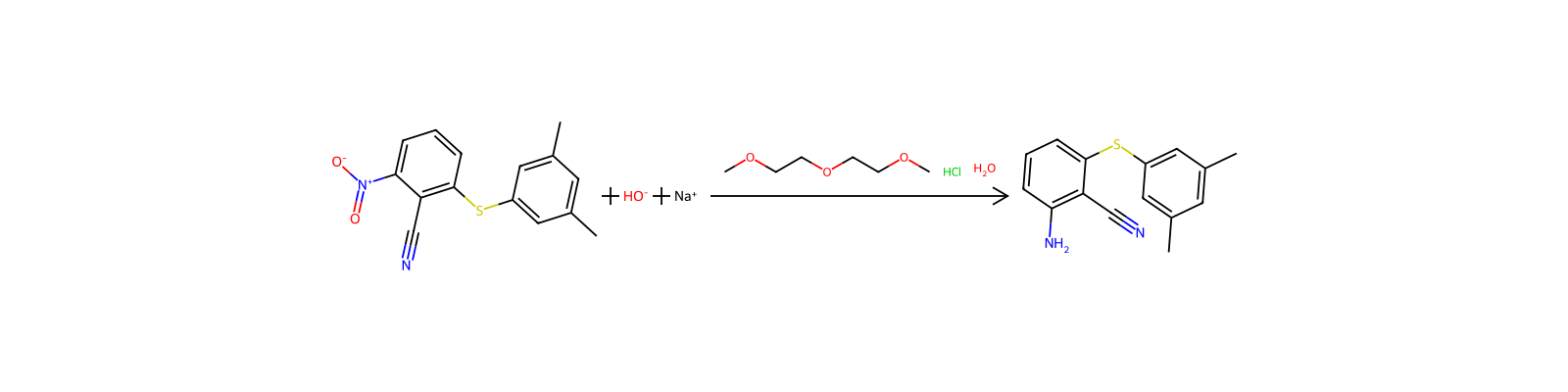
New reaction record
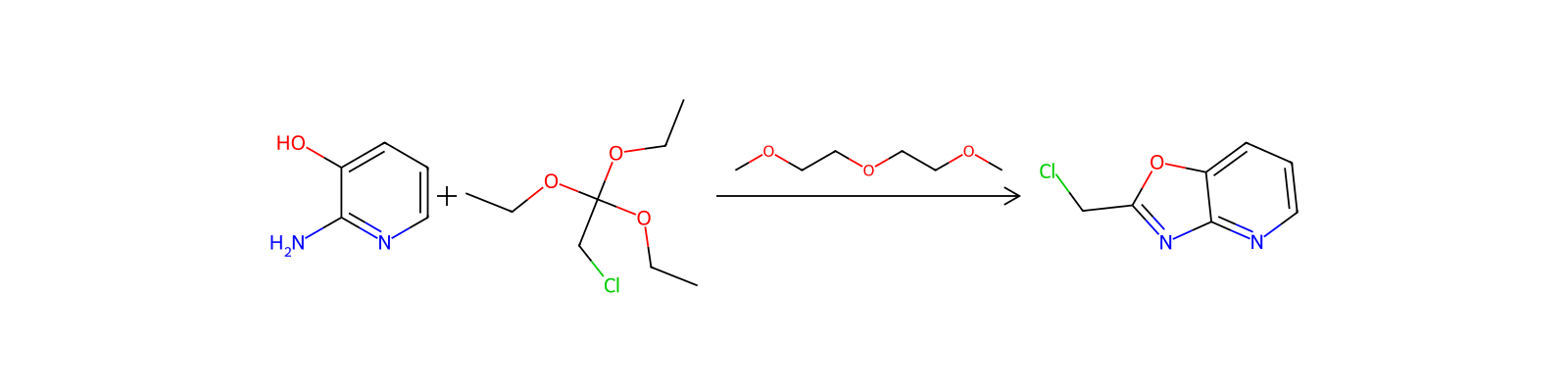
HRID 834 reaction equation
HRID 834As solventuspto-grants-1998_03
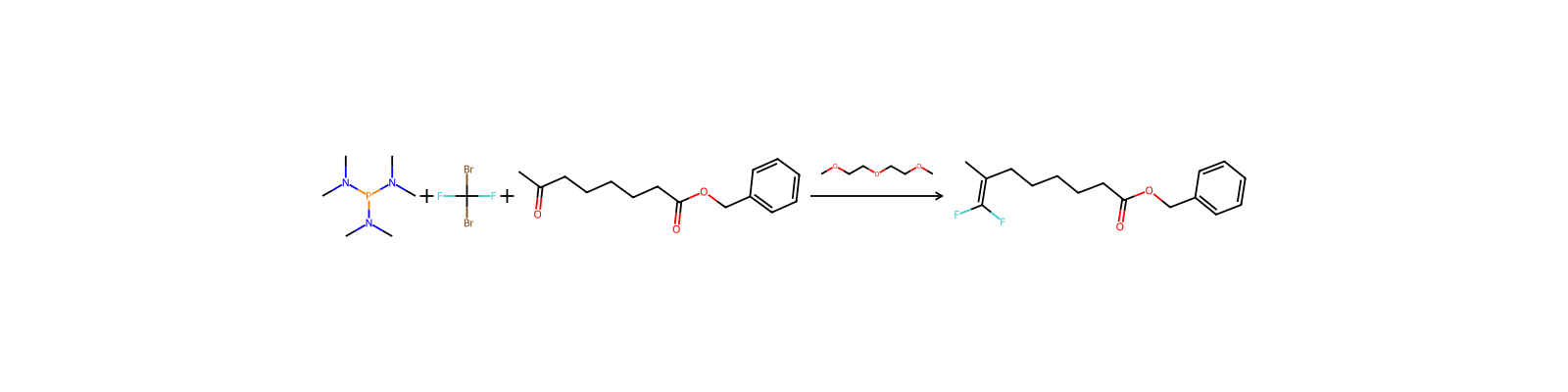
HRID 836 reaction equation
HRID 836As solventuspto-grants-1998_03
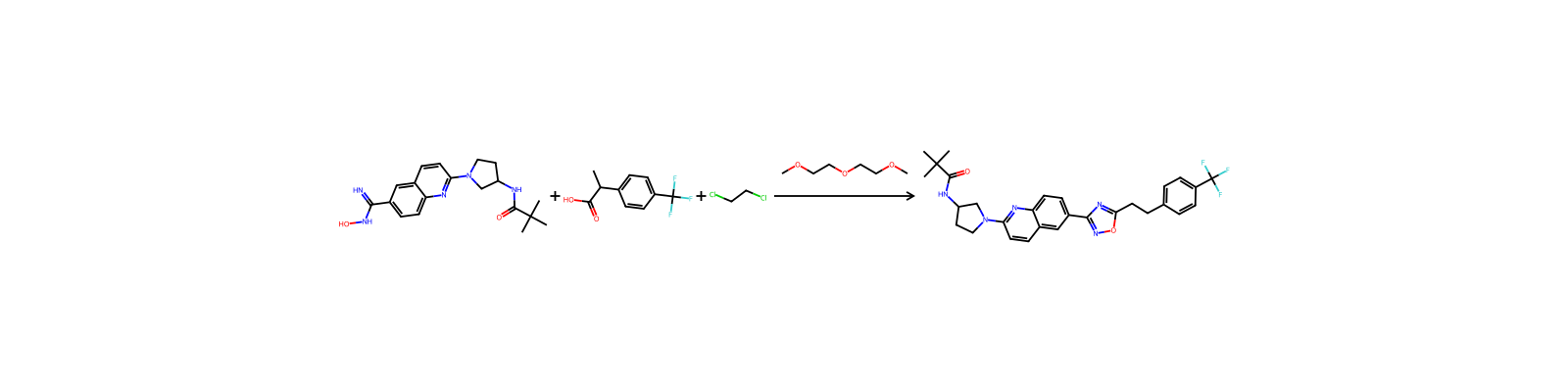
HRID 3209 reaction equation
HRID 3209As reactantuspto-grants-1998_03
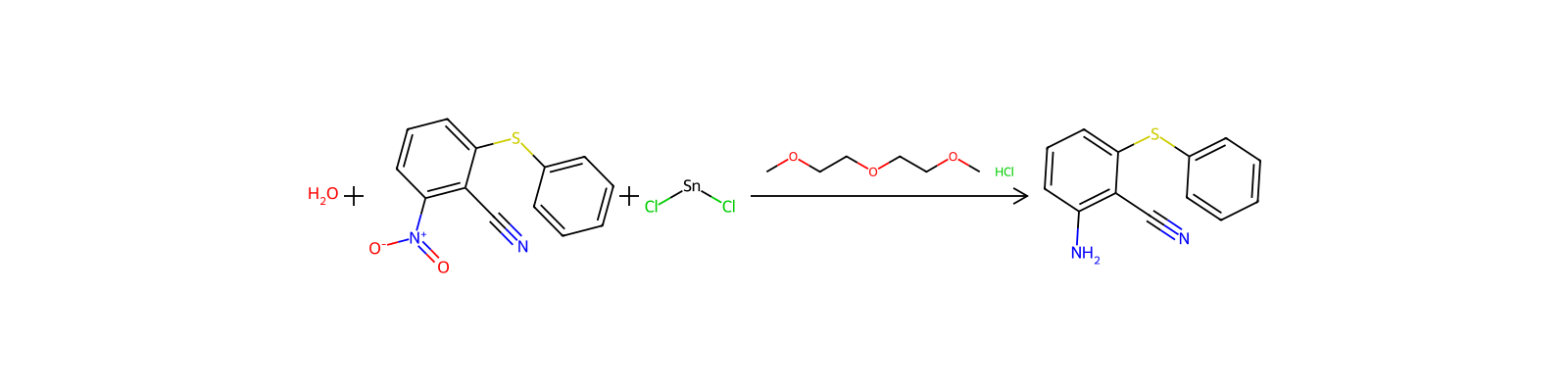
HRID 3923 reaction equation
HRID 3923As solventuspto-grants-1988_02
HRID 6468 reaction equation
HRID 6468As solventuspto-grants-1993_09
HRID 6472 reaction equation
HRID 6472As solventuspto-grants-1993_09
HRID 6815 reaction equation
HRID 6815As solventuspto-grants-2006_08
HRID 11230 reaction equation
HRID 11230As reactantuspto-grants-2006_08
Page 1 of 500

Compound notes

Loading…

On this pageBasic informationOverviewNames & identifiersPropertiesSafety & regulationChemistry & industryRelated reactionsCompound notes
More actions
New noteNew reactionRequest quotes
Solubility · 5 items

Miscible (NTP, 1992)

Miscible with alcohol, ether, hydrocarbon solvents

Soluble in benzene

In water, miscible

Solubility in water: miscible

Flash Point · 4 items

153 to 158 °F (NTP, 1992)

Flash point equals 153 to 158 °F

153 °F (67 °C) (CLOSED CUP)

51 °C c.c.

Physicochemical properties

Substances of Very High Concern (SVHC) Candidate List
Bis(2-methoxyethyl) ether (111-96-6)
RIDADR
1993 · 1993
HazardClass
3 · 3
PackingGroup
III
Hazards Summary · 1 item

Toxic after ingestion; [CAMEO] A reproductive toxin in experimental animals; [HSDB] A possible human reproductive toxin based on animal testing; A skin, eye, and respiratory tract irritant; [ICSC] Low acute toxicity to mammals but evidence of developmental toxicity and toxicity to blood forming organs in repeated-dose animal testing; A potential reproductive toxin; [Reference #1] Labeled as May impair fertility and May cause harm to the unborn child by EU regulations; [Glycol Ethers Online]

Reactive GroupEthers
EC ClassificationSymbol: T; R: 60-61-10-19; S: 53-45
UN ClassificationUN Hazard Class: 3; UN Pack Group: III
Special Reports · 4 items

Hardin BD, Lyon JP; Environmental Health Perspectives 57: 273-5 (1984). Proceedings from a NIOSH symposium on the toxic effects of glycol ethers are reviewed.

European Chemicals Bureau; IUCLID Dataset, bis (2-methoxyethyl) ether (CAS # 111-96-6) p.28-9. Available from the Database Query page at: http://ecb.jrc.it/esis/esis.php as of February 7, 2007.

EPA/Office of Pollution Prevention and Toxics; High Production Volume (HPV) Challenge Program's Robust Summaries and Test Plans. Available from the Database Query page at: http://www.epa.gov/hpv/pubs/hpvrstp.htm on Diglyme as of February 7, 2007

International Programme on Chemical Safety; Concise International Chemical Assessment Document Number 41: Diethylene Glycol Dimethyl Ether (2002). Available from the Database Query page at: http://www.inchem.org/pages/cicads.html as of February 20, 2007.

TSCA Requirements · 2 items

Section 8(a) of TSCA requires manufacturers of this chemical substance to report preliminary assessment information concerned with production, exposure, and use to EPA as cited in the preamble in 51 FR 41329.

Pursuant to section 8(d) of TSCA, EPA promulgated a model Health and Safety Data Reporting Rule. The section 8(d) model rule requires manufacturers, importers, and processors of listed chemical substances and mixtures to submit to EPA copies and lists of unpublished health and safety studies. Diethylene glycol dimethyl ether is included on this list.

Safety & protection

Fire Fighting · 2 items

Fire Extinguishing Agents: Dry chemical, foam, carbon dioxide (USCG, 1999)

Use water spray, powder, foam, carbon dioxide. In case of fire: keep drums, etc., cool by spraying with water.

First Aid Measures · 4 items

Fresh air, rest.

Remove contaminated clothes. Rinse skin with plenty of water or shower.

First rinse with plenty of water for several minutes (remove contact lenses if easily possible), then refer for medical attention.

Rinse mouth. Give one or two glasses of water to drink.

First Aid · 1 item

EYES: First check the victim for contact lenses and remove if present. Flush victim's eyes with water or normal saline solution for 20 to 30 minutes while simultaneously calling a hospital or poison control center. Do not put any ointments, oils, or medication in the victim's eyes without specific instructions from a physician. IMMEDIATELY transport the victim after flushing eyes to a hospital even if no symptoms (such as redness or irritation) develop.

Safe StorageFireproof. Separated from strong oxidants.
Exposure Control and Personal Protection1.0 [ppm]
Nonfire Spill Response · 1 item

SMALL SPILLS AND LEAKAGE: If you should spill this chemical, use absorbent paper to pick up all liquid spill material. Seal the absorbent paper, as well as any of your clothing which may be contaminated, in a vapor-tight plastic bag for eventual disposal. Wash any surfaces you may have contaminated with a strong soap and water solution. Do not reenter the contaminated area until the Safety Officer (or other responsible person) has verified that the area has been properly cleaned.

Disposal Methods · 1 item

SRP: The most favorable course of action is to use an alternative chemical product with less inherent propensity for occupational exposure or environmental contamination. Recycle any unused portion of the material for its approved use or return it to the manufacturer or supplier. Ultimate disposal of the chemical must consider: the material's impact on air quality; potential migration in soil or water; effects on animal, aquatic, and plant life; and conformance with environmental and public health regulations.

Spillage Disposal · 1 item

Personal protection: filter respirator for organic gases and vapours adapted to the airborne concentration of the substance. Remove all ignition sources. Ventilation. Collect leaking and spilled liquid in sealable containers as far as possible. Absorb remaining liquid in sand or inert absorbent. Then store and dispose of according to local regulations.

Isolation and EvacuationExcerpt from ERG Guide 127 [Flammable Liquids (Water-Miscible)]:
Eye PreventionWear safety spectacles.
Fire PreventionNO open flames, NO sparks and NO smoking. Above 51 °C use a closed system and ventilation.
Inhalation RiskA harmful contamination of the air can be reached rather quickly on evaporation of this substance at 20 °C.

Toxicology

Ecotoxicity Values · 2 items

LC50 Rana brevipoda porosa /(Frog)/ 8300 mg/kg bw for 48 hr /Conditions of bioassay not specified in source examined/

LC50 Leuciscus idus /(Ide)/ >2000 mg/L for 96 hr /Conditions of bioassay not specified in source examined/

Environmental Fate · 3 items

TERRESTRIAL FATE: Based on a classification scheme(1), an estimated Koc value of 15(SRC), determined from a log Kow of -0.36(2) and a regression-derived equation(3), indicates that diethylene glycol dimethyl ether is expected to have very high mobility in soil(SRC). Volatilization of diethylene glycol dimethyl ether from moist soil surfaces is not expected to be an important fate process(SRC) given an estimated Henry's Law constant of 5.2X10⁻⁷ atm-cu m/mole(SRC), derived from its vapor pressure, 2.96 mm Hg(4), and assigned value for water solubility of 1X10+6 mg/L (miscible)(5). Diethylene glycol dimethyl ether is expected to volatilize from dry soil surfaces(SRC) based upon its vapor pressure(4). Diethylene glycol dimethyl ether was degraded 33% after 25 days and a 7 day lag period using an activated sludge from an industry producing the chemical(6), indicating that biodegradation may be an important environmental fate process in soil(SRC).

AQUATIC FATE: Based on a classification scheme(1), an estimated Koc value of 15(SRC), determined from a log Kow of -0.36(2) and a regression-derived equation(3), indicates that diethylene glycol dimethyl ether is not expected to adsorb to suspended solids and sediment(SRC). Volatilization from water surfaces is not expected(3) based upon an estimated Henry's Law constant of 5.2X10⁻⁷ atm-cu m/mole(SRC), derived from its vapor pressure, 2.96 mm Hg(4), and assigned value for water solubility of 1X10+6 mg/L (miscible)(5). According to a classification scheme(6), an estimated BCF of 3(SRC), from its log Kow(2) and a regression-derived equation(7), suggests the potential for bioconcentration in aquatic organisms is low(SRC). Diethylene glycol dimethyl ether was biodegraded 33% after 25 days and a 7 day lag period using an activated sludge from an industry producing the chemical(8), indicating that biodegradation may be an important environmental fate process in water(SRC).

ATMOSPHERIC FATE: According to a model of gas/particle partitioning of semivolatile organic compounds in the atmosphere(1), diethylene glycol dimethyl ether, which has a vapor pressure of 2.96 mm Hg at 25 °C(2), is expected to exist solely as a vapor in the ambient atmosphere. Vapor-phase diethylene glycol dimethyl ether is degraded in the atmosphere by reaction with photochemically-produced hydroxyl radicals(SRC); the half-life for this reaction in air is estimated to be 22 hours(SRC), calculated from its rate constant of 1.75X10⁻¹¹ cu cm/molecule-sec at 25 °C(3). Diethylene glycol dimethyl ether does not contain chromophores that absorb at wavelengths >290 nm and therefore is not expected to be susceptible to direct photolysis by sunlight(4).

Adverse EffectsNeurotoxin - Acute solvent syndrome
Exposure RoutesThe substance can be absorbed into the body by inhalation of its vapour, by ingestion and through the skin.
Signs and Symptoms · 4 items

Cough. Shortness of breath.

MAY BE ABSORBED! Redness.

Redness. Pain.

Burning sensation.

Effluent Concentrations · 2 items

Diethylene glycol dimethyl ether was found at concentrations of 400 mg/L in activated sludge from the waste treatment facility of the industry producing the chemical(1).

Diethylene glycol dimethyl ether in diluted vehicle exhaust from a light-duty truck using different fuel types(1). [Table#203]

Soil Adsorption/Mobility · 1 item

The Koc of diethylene glycol dimethyl ether is estimated as 15(SRC), using a log Kow of -0.36(1) and a regression-derived equation(2). According to a classification scheme(3), this estimated Koc value suggests that diethylene glycol dimethyl ether is expected to have very high mobility in soil.

TSCA Test Submissions · 2 items

Subchronic toxicity was evaluated in 5 groups of 20 male CD rats exposed nose-only by inhalation to diglyme (diethylene glycol dimethyl ether) at air concentrations of 0, 3.1, 9.9, 30, and 98 ppm for 6 hours/day, 5 days/week, over 2 weeks. An interim sacrifice of 10 rats from each treatment group was performed immediately after the last dosing. The remaining 10 rats were sacrificed after a 14-day observation period. No mortalities were reported. A slight depression in body weight and body weight gain was observed during days 1 to 12 of the study in the group exposed to 98 ppm (p < 0.05). After the 2-week recovery period, testicular atrophy and exfoliated degenerative germ cells were observed among the rats exposed to 98 ppm. No treatment-related clinical signs, gross lesions, or organ weight changes were observed. Hematology, urinalysis, and clinical chemistry results were not reported.

Reproductive toxicity was evaluated in groups of 10 pregnant Charles River CD female mice receiving an oral gavage dose of diethylene glycol dimethyl ether at 10 ml/kg body weight on gestation days 7 through 14. Maternal mortality, clinical observations and gross necropsy were not reported. There was a significant reduction (p<0.05) in the number of live pups per litter.

Human Toxicity Excerpts · 4 items

/GENOTOXICITY/ 2-Methoxyethanol and bis(2-methoxyethyl)ether were subjected to the ... unscheduled DNA synthesis (UDS) assay in human embryo fibroblasts ... UDS in fibroblasts were not increased by either compound.

/OTHER TOXICITY INFORMATION/ The ethers of diethylene glycol are lower in toxicity than the ethers of ethylene glycol, but they have many similar characteristics. /Diethylene glycol ethers/

/EPIDEMIOLOGY STUDIES/ Ethylene glycol ethers (EGEs) including diglyme are used in the manufacture of semiconductors. Epidemiological studies of semiconductor populations evaluated potential adverse reproductive outcomes. ... In each of these studies, workers were exposed to mixtures including diglyme but not to diglyme alone. ... Exposure to EGEs was determined using questionnaires from subjects about the work performed and an assessment of the work environment by industrial hygienists, but no measurements of personal or area exposures were made. Workers in the fabrication area were considered exposed to EGEs. For the retrospective study, information on pregnancy outcomes and potential confounders (age, smoking, ethnicity, education, income, year of pregnancy, and stress) was obtained through a comprehensive interviewer-administered interview of female employees. The prospective study of early fetal loss and fecundity (probability of conception per menstrual cycle) was conducted in a subset of female employees from five plants. Daily diaries and measurements of daily urinary human chorionic gonadotrophin (hCG) levels for 6 months were collected in addition to the comprehensive interview. Of the 891 medically verified pregnancies identified for the retrospective study, 774 (86.9%) were live births, 113 (12.7%) were spontaneous abortions, and 4 (0.4%) were stillbirths. The overall unadjusted relative risk (RR) for spontaneous abortions was 1.45 (95% confidence interval [CI] = 1.02-2.05) and changed little after adjusting for confounders (adjusted RR =1.43; 95% CI = 0.95-2.09). When stratified by work group, the risk of spontaneous abortion was statistically significantly increased for female workers in the photolithography group (RR = 1.67; 95% CI = 1.04-2.55) and in the etching group (RR = 2.08; 95% CI = 1.27-3.19). For women working with higher levels of EGE only in masking, the risk for spontaneous abortion was increased 3-fold (RR = 3.38; 95% CI = 1.61-5.73). In the prospective study, no statistically significant differences were detected in the overall rate of spontaneous abortions between fabrication and non-fabrication workers or when pregnancy outcomes were examined by work group. However, the ability to conceive was lower among female workers exposed to EGEs (fertility rate [FR] = 0.37; 95% CI = 0.11-1.19). /Ethylene glycol ethers/

/EPIDEMIOLOGY STUDIES/ Painters exposed to the solvent 2-methoxyethanol, which is also a metabolite of diglyme, were found to have an increased prevalence of oligospermia and azoospermia. ... Semen samples from 73 painters and 40 controls from a shipyard were analysed. The painters were exposed by inhalation to 0-17.7 mg 2-methoxyethanol/ cu m (mean 2.6 mg/cu m) and to 0-80.5 mg 2-ethoxyethanol (= ethylene glycol monoethyl ether)/cu m (mean 9.9 mg/cu m). Skin contact with 2-methoxyethanol and 2-ethoxyethanol was also considered possible. Exposure to numerous other substances, including organic solvents and metals, was also known to occur. While no effects were seen in hormone levels or in sperm viability, motility, and morphology, the prevalence of those with oligospermia differed between the groups. The proportion of men with a sperm density 100 million/cm3 was higher in the exposed group than in the unexposed group (33% vs. 20%; P = 0.20). The proportion of those with oligospermia among painters who did not smoke compared with controls was 36% vs. 16% (P = 0.05). The proportion of those with oligospermia was similar between painters and controls who smoked (30% vs. 38%; P = 0.49). The proportion of painters with azoospermia was 5% compared with 0% in the controls. /2-Methoxyethanol/

Artificial Pollution SourcesDiethylene glycol dimethyl ether's production and use as a solvent and an anhydrous reaction medium for organo-metallic synthesis(1) or as a solubilizer(2) may result in its release to the environment through various waste streams(SRC).
Environmental Biodegradation · 1 item

AEROBIC: Diethylene glycol dimethyl ether had a 37.0% COD removal at 30 °C from a starting concentration of 600 mg COD/L (time period not given) indicating little degradation compared to 95% degradation of ethylene glycol monophenyl ether(1). Diethylene glycol dimethyl ether was degraded 33% after 25 days and a 7 day lag period using an activated sludge from an industry producing the chemical(2). 40% was removed in a 1% salt solution after 25 days with a 20 day lag period, higher salt concentrations inhibited the degradation of diethylene glycol dimethyl ether(2).

Environmental Bioconcentration · 1 item

An estimated BCF of 3 was calculated in fish for diethylene glycol dimethyl ether(SRC), using a log Kow of -0.36(1) and a regression-derived equation(2). According to a classification scheme(3), this BCF suggests the potential for bioconcentration in aquatic organisms is low(SRC).

Regulatory information

TSCA Requirements · 2 items

Section 8(a) of TSCA requires manufacturers of this chemical substance to report preliminary assessment information concerned with production, exposure, and use to EPA as cited in the preamble in 51 FR 41329.

Pursuant to section 8(d) of TSCA, EPA promulgated a model Health and Safety Data Reporting Rule. The section 8(d) model rule requires manufacturers, importers, and processors of listed chemical substances and mixtures to submit to EPA copies and lists of unpublished health and safety studies. Diethylene glycol dimethyl ether is included on this list.

Atmospheric Standards · 1 item

This action promulgates standards of performance for equipment leaks of Volatile Organic Compounds (VOC) in the Synthetic Organic Chemical Manufacturing Industry (SOCMI). The intended effect of these standards is to require all newly constructed, modified, and reconstructed SOCMI process units to use the best demonstrated system of continuous emission reduction for equipment leaks of VOC, considering costs, non air quality health and environmental impact and energy requirements. Diethylene glycol dimethyl ether is produced, as an intermediate or final product, by process units covered under this subpart.

Safety data

ridadr
1993
hazard_class
3
packing_group
III

An embryotoxic oral dose of bis(2-methoxyethyl) ether (DGDME), 3.73 mmol/kg bw (500 mg/kg), administered on the 11th day of gestation to pregnant CD-1 mice was metabolized predominantly by O-demethylation to 2-(2-methoxyethoxy)ethanol with subsequent oxidation to (2-methoxyethoxy)acetic acid. Urinary excretion of this metabolite over 48 hr amounted to 63 +/- 2% of the dose. A smaller percentage of the administered dose was metabolized at the central ether linkage to produce 2-methoxyethanol, which was further metabolized by alcohol dehydrogenase to methoxyacetic acid. Urinary excretion of methoxyacetic acid, a potent developmental toxicant, amounted to 28 +/- 1% of the administered dose by 48 hr and was the second most prominent urinary metabolite. Unchanged DGDME and methoxyacetic acid were detected in the embryonic tissues from these animals, and embryos harvested after the initial 6-hr period showed detectable amounts of only methoxyacetic acid. The average amount of methoxyacetic acid per embryo was calculated to be 1.5 +/- 1.0 umol (5.9 mmol/kg bw) at the 6-hr termination time. This finding suggests that the reported teratogenic effects of DGDME are due to methoxyacetic acid formed, either in the fetus or by hepatic metabolism in the dam with subsequent distribution to the embryonic tissue. ...

For more Metabolism/Metabolites (Complete) data for DIETHYLENE GLYCOL DIMETHYL ETHER (6 total), please visit the HSDB record page.

Absorption, Distribution and Excretion · 3 items

The major route of elimination is through the urine. Ninety-six hours after oral application of 6.84 mg diglyme/kg body weight to male Sprague-Dawley rats, 90% of the dose was excreted via urine, 3.6% as carbon dioxide, and 2.9% in the feces. Only 1.7% of the dose remained in the carcass.

Although the main metabolite in rat urine is 2-methoxyethoxyacetic acid, numerous studies indicate that 2-methoxyacetic acid is the metabolite responsible for the toxicity of diglyme for the male reproductive organs. 2-methoxyacetic acid was transferred to the fetus and found as the sole metabolite in the fetus (no parent compound was detected in the fetus either) after dosing diglyme to mice at day 11 or 12 of pregnancy. The highest levels for the average embryo (whole embryos analysed) were detected at 6 hr after dosing. Significantly lower amounts were detected in blood taken from the dam at that time point.

... The skin absorption rates of a group of glycol ethers /were evaluated/ in vitro ... using the Franz cell method with human skin. ... A permeation profile was obtained and steady state, lag time and permeation constant flux was calculated for ... ethylene glycol diethyl ether (EGDEE) and diethylene glycol dimethyl ether (DEGDME). ... solvents were tested in their pure form and with 70% acetone. ... For all solvents tested the lag time was less than 2 hr, and for the majority of them was about 60 min ... Flux at steady state ranged between 0.017 +/- 0.005 and 3.435 +/- 1.897 mg/cm(2)/hr and permeation rate was from 0.0192 to 1.02 x 10(-3) cm/hr ...

Uses & manufacturing

Uses · 6 items

Used as a solvent and chemical intermediate; [Merck Index] Used in the coating industry and in photolithography to make semiconductor chips; Also used in adhesives, sealants, and automotive care products; [Reference #1]

Semiconductor Manufacturing [Category: Industry]

Solvent; reaction medium for Grignard and similar syntheses.

Diethylene glycol dimethyl ether is used as a solvent in chemical reactions involving metals and organometallic compounds.

Solubilizer

Used in production of plastics.

U.S. Imports(1984) 9.43X10+9 g /Diethylene glycol esters, ethers, etc/
U.S. Production · 6 items

2023: 850,000 - <1,000,000 lb

(1972) PROBABLY GREATER THAN 4.54X10+5 GRAMS

(1975) PROBABLY GREATER THAN 4.54X10+5 GRAMS

(1982) 4.72X10+10 g /Diethylene glycol ethers/

(2006) 1,612 million lb annual capacity /Glycol ethers/

For more U.S. Production (Complete) data for DIETHYLENE GLYCOL DIMETHYL ETHER (6 total), please visit the HSDB record page.

Consumer UsesPlasticizer
Industry UsesSolvent
Methods of Manufacturing · 3 items

Ethylene glycol ethers are produced by reacting ethylene oxide with alcohols in the presence of either acidic or basic catalysts. Temperature, pressure, mole ratios of reactants, and catalysts are chosen to yield the desired product mix.

Diethylene glycol + dimethyl sulfate (ether formation)

Ethylene glycol monoethers are usually produced by reaction of ethylene oxide with the appropriate alcohol. A mixture of homologues is obtained ... The glycol monoethers can be converted to diethers by alkylation with common alkylating agents, such as dimethyl sulfate or alkyl halides ( Williamson synthesis). Glycol dimethyl ethers are formed by treatment of dimethyl ether with ethylene oxide. /Ethers/

Formulations/PreparationsGrade: Technical
Household ProductsCosmetics product ingredient: Bis(2-methoxyethyl) ether (Dimethoxydiglycol, Diethylene glycol monomethyl ether (2-(2-methoxyethoxy)ethanol, Methoxydiglycol)
General Manufacturing Information · 3 items

Electrical Equipment, Appliance, and Component Manufacturing

Ethane, 1,1'-oxybis[2-methoxy-: ACTIVE

Diglyme can be effectively used as an odor-attractant solvent without reducing the attractiveness of the chemical additive, eg, decanoic acid, trimethylammonium decanoate, and trimethylamine. Odorants dissolved in diglyme can be added to aqueous solutions, such as coyote urine. Also, diglyme has a low freezing point so its use as an odor solvent increases the temperature range in which an odor can be effectively used.

Additional notes

DefinitionChEBI: Diglyme is a polyether that is the dimethyl ether derivative of diethylene glycol. It has a role as a solvent, a xenobiotic and an environmental contaminant. It is functionally related to a diethylene glycol.