Basic information
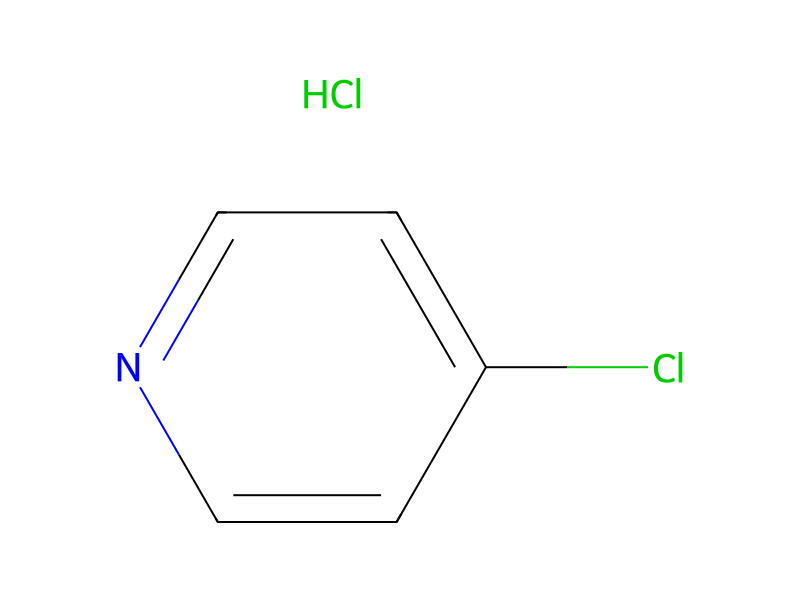
- Standard SMILES
Cl.Clc1ccncc1- InChIKey
XGAFCCUNHIMIRV-UHFFFAOYSA-N- Molecular formula
- C5H5Cl2N
- Average molar mass
- 150 g/mol
- Monoisotopic mass
- 148.97990452
Names & identifiers
- Preferred name
- 4-Chloropyridine hydrochloride
- IUPAC
- 4-chloropyridine;hydrochloride
Names & synonyms
4-Chloropyridine hydrochloride7379-35-3Pyridine, 4-chloro-, hydrochlorideNSC 78418CCRIS 1716EINECS 230-946-1Pyridine, 4-chloro-, hydrochloride (1:1)DTXSID7064651RefChem:98616DTXCID0047589Pyridine, 4chloro, hydrochloride230-946-1
Show more names
4-CHLOROPYRIDINE HCl4-Chloropyridinium chloride4-chloropyridine;hydrochloride4-chloro-pyridine hydrochlorideMFCD000128294-chloropyridine-HClNSC-784184chloropyridine hydrochloride
Database identifiers
- CAS
7379-35-3- PubChem CID
- 81852
- DTXSID
DTXSID7064651- UNII
- MQ68UJ9S26
- EC Number
- 230-946-1
Properties
Computed structural properties
- Topological polar surface area
- 12.9 Ų
- Hydrogen bond donors
- 1
- Hydrogen bond acceptors
- 1
- Rotatable bonds
- 0
- Heavy atoms
- 8
- Formal charge
- 0
- Complexity
- 50
Experimental & physicochemical properties
Chemical ClassesNitrogen Compounds -> Pyridines
Physical DescriptionOff-white powder with a mild odor; [Alfa Aesar MSDS]
Safety & regulation
GHS classification
GHS Classification
Warning
H302 (56%): Harmful if swallowed [Warning Acute toxicity, oral]
P261, P264, P264+P265, P270, P271, P280, P301+P317, P302+P352, P304+P340, P305+P351+P338, P319, P321, P330, P332+P317, P337+P317, P362+P364, P403+P233, P405, and P501 (click each P-code to see the statement)
Aggregated GHS information provided per 100 reports by companies from 11 notifications to the ECHA C&L Inventory. Each notification may be associated with multiple companies.
Hazard information
Regulatory Information
Status: Active Update: 04-09-2018 https://echa.europa.eu/registration-dossier/-/registered-dossier/25403
4-Chloropyridinium chloride: Does not have an individual approval but may be used under an appropriate group standard
Hazards SummaryA mild skin and strong eye irritant; Harmful by ingestion; [Alfa Aesar MSDS]
Hazard Classes and CategoriesAcute Tox. 4 (56%)
Chemistry & industry
Uses & manufacturing
General Manufacturing InformationPyridine, 4-chloro-, hydrochloride (1:1): ACTIVE
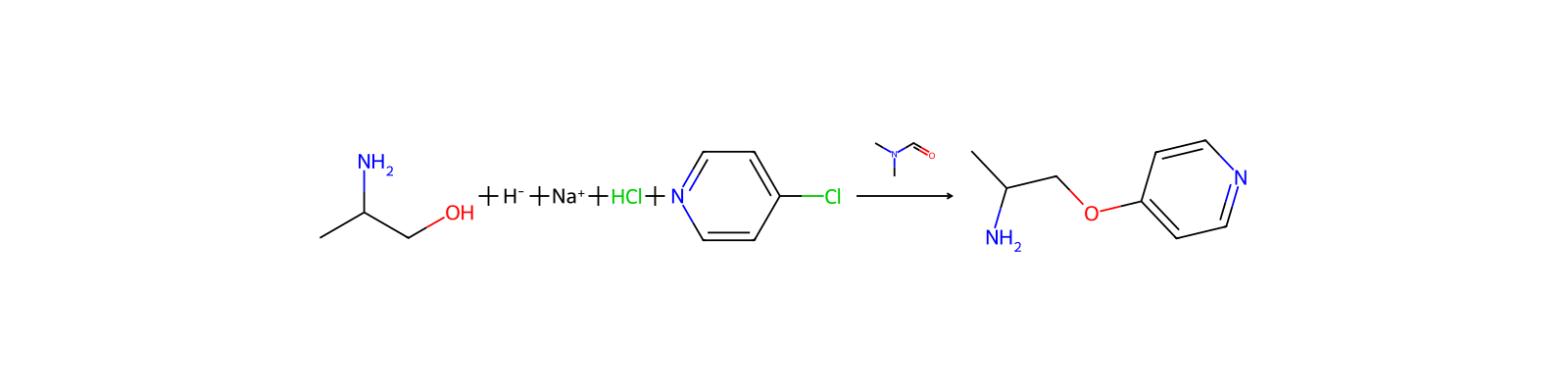
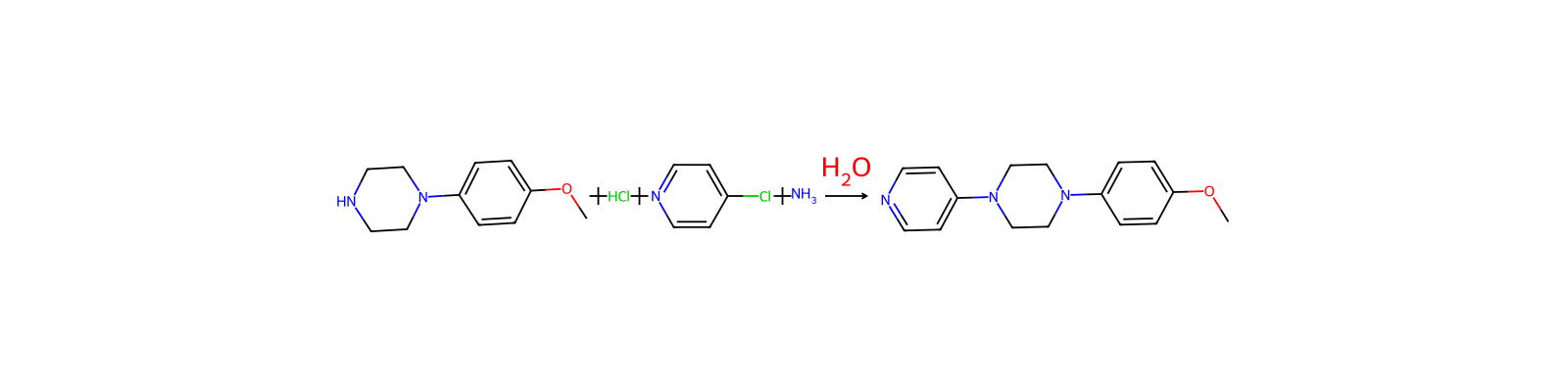
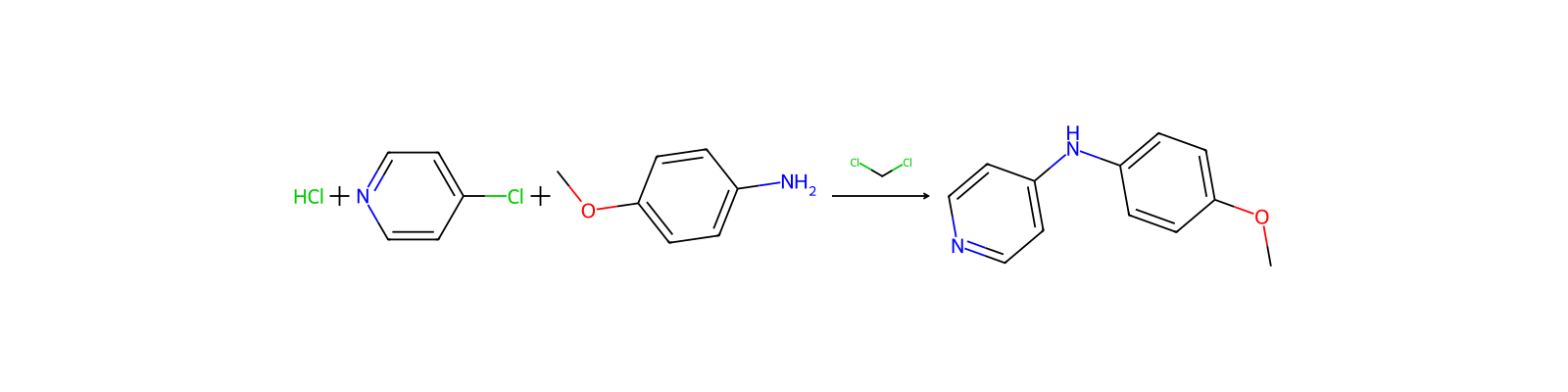
Related reactions
234 records



Linked notes
Loading…