Reaction equation

Cl.Cl[C:3]1[CH:8]=[CH:7][N:6]=[CH:5][CH:4]=1.[NH2:9][C:10]1[CH:11]=[C:12]2[C:16](=[CH:17][CH:18]=1)[N:15]([CH3:19])[CH:14]=[CH:13]2.O.C(=O)([O-])[O-].[Na+].[Na+]>CN1CCCC1=O>[CH3:19][N:15]1[C:16]2[C:12](=[CH:11][C:10]([NH:9][C:3]3[CH:8]=[CH:7][N:6]=[CH:5][CH:4]=3)=[CH:18][CH:17]=2)[CH:13]=[CH:14]1Participants





Procedure
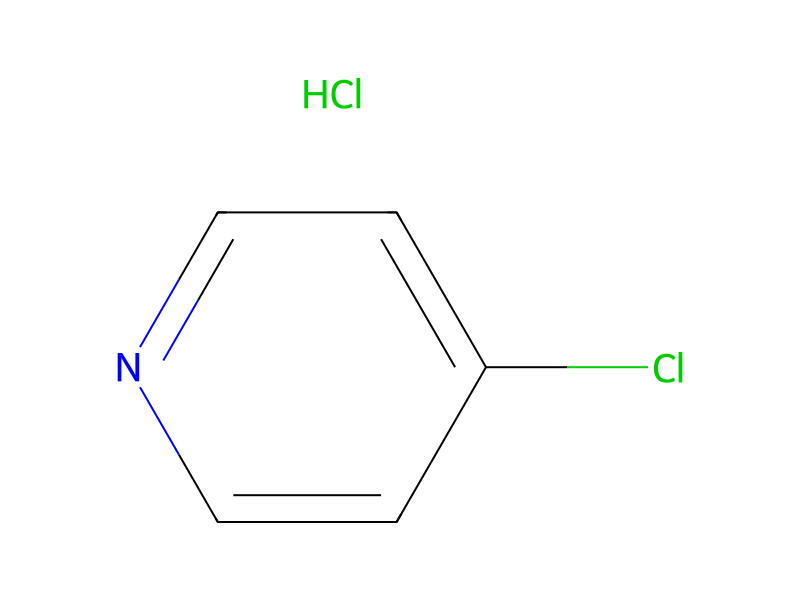
4-Chloropyridine hydrochloride (8 g) was added to a solution of 5-amino-1-methylindole (7 g) in 75 ml 1-methyl-2-pyrrolidinone preheated to 100° C. The addition of 4-chloropyridine hydrochloride (4 g) after one hour caused no further reaction as determined by TLC. After two hours the reaction mixture was cooled, stirred with water, basified with sodium carbonate and extracted with ethyl acetate. The dried (anhydrous magnesium sulfate) organic layer was filtered and evaporated to 12.7 g of an oil. The oil was eluted through silica with 10% methanol in dichloromethane via flash column chromatography to give the product which was triturated with ether to yield 5.7 g of a solid, m.p. 202°-203° C. Recrystallization from acetonitrile yielded 5 g of product as crystals, mp 209°-211° C.
Workup
- custompreheated to 100° C
- customno further reaction
- temperatureAfter two hours the reaction mixture was cooled
- extractionextracted with ethyl acetate
- dry with materialThe dried (anhydrous magnesium sulfate) organic layer
- filtrationwas filtered
- customevaporated to 12.7 g of an oil
- washThe oil was eluted through silica with 10% methanol in dichloromethane via flash column chromatography
- customto give the product which
- customwas triturated with ether
Sources & evidence
- ORD record
- ord-5f7c51d628ad4fcda89d3d4a2d4eafae
- Source dataset
- uspto-grants-1993_09
- Patent number
- US05246947
Linked notes
Loading…