Tributylvinyltin
Completing data — refresh the page later to see the latest

Basic information
- CAS
7486-35-3- Standard SMILES
C=[CH][Sn]([CH2]CCC)([CH2]CCC)[CH2]CCC- InChIKey
QIWRFOJWQSSRJZ-UHFFFAOYSA-N- Molecular formula
- C14H30Sn
- Average molar mass
- 317.1 g/mol
- Monoisotopic mass
- 318.13694566
Overview
structure in first source
Names & identifiers
- Preferred name
- Tributylvinyltin
- IUPAC
- tributyl(ethenyl)stannane
- English name
- Tributyl(vinyl)tin
- Molecular formula
- C14H30Sn
- Molecular weight
- 317.1
Names & synonyms
Tributyl(vinyl)tin7486-35-3Tributylvinyltin2FA6XM467XDTXSID40225836RefChem:899118DTXCID70148327231-291-4EthynyltributylstannaneVinyltributyltintributyl(ethenyl)stannaneVinyltributylstannane
Show more names
VINYLTRI-N-BUTYLTINTRIBUTYLETHENYLSTANNANESKL992Tri-butylvinylTIN VINYLTRIBUTYLtribytyl(vinyl)tin
Tributyl(vinyl)stannaneStannane, tributylethenyl-Stannane, tributylvinyl-TributylvinylstannaneTributylstannylethylene(Tributylstannyl)ethyleneMFCD00009421TRI-N-BUTYL(VINYL)TIN
Database identifiers
- CAS
7486-35-3- PubChem CID
- 81998
- DTXSID
DTXSID40225836- UNII
- 2FA6XM467X
- EC Number
- 231-291-4
- Nikkaji
- J108.509C
Properties
Computed structural propertiesFilling in
- Topological polar surface area
- 0 Ų
- Hydrogen bond donors
- 0
- Hydrogen bond acceptors
- 0
- Rotatable bonds
- 10
- Heavy atoms
- 15
- Formal charge
- 0
- Complexity
- 130
Physicochemical properties
- Melting point
- 0 °C · <0°C
- Boiling point
- 104 · 104-106 °C/3.5 mmHg (lit.)
- Density
- 1.085 g/mL · 1.085 g/mL at 25 °C (lit.)
- refractive index
- 20 · n20/D 1.478(lit.)
- Flash point
- 230 °F · >230 °F
- storage temp.
- Refrigerator
- solubility
- Chloroform (Soluble), Ethyl Acetate (Sparingly)
- form
- liquid
- Specific Gravity
- 1.085 · 1.085
- color
- Colourless
- Water Solubility
- Not miscible or difficult to mix in water.
- Hydrolytic Sensitivity
- 1 · 1: no significant reaction with aqueous systems
- BRN
- 3537662 · 3537662
- Exposure limits
- 0.1 mg/m3; · ACGIH: TWA 0.1 mg/m3; STEL 0.2 mg/m3 (Skin)NIOSH: IDLH 25 mg/m3; TWA 0.1 mg/m3
- Stability
- Light sensitive
Safety & regulation
Safety information is for reference only and does not replace the supplier’s Safety Data Sheet (SDS), applicable regulations, or professional assessment.
GHS classification
GHS Classification
Danger
H226 (82%): Flammable liquid and vapor [Warning Flammable liquids]
P210, P233, P240, P241, P242, P243, P260, P264, P264+P265, P270, P273, P280, P301+P316, P302+P352, P303+P361+P353, P305+P351+P338, P317, P319, P321, P330, P332+P317, P337+P317, P362+P364, P370+P378, P391, P403+P235, P405, and P501 (click each P-code to see the statement)
Aggregated GHS information provided per 50 reports by companies from 9 notifications to the ECHA C&L Inventory. Each notification may be associated with multiple companies.
Hazard information
Hazard Classes and CategoriesFlam. Liq. 3 (82%)
Safety data
- F
- 13
- PPE
- Eyeshields, Faceshields, Gloves, type ABEK (EN14387) respirator filter
- wgk
- 3
- tsca
- No
- ridadr
- UN 2788 6.1/PG 3
- hs_code
- 29312000
- risk_code
- 21-25-36/38-48/23/25-50/53-10
- Signal word
- Danger
- Symbol(GHS)
- GHS02,GHS06,GHS08,GHS09
- hazard_code
- T,N
- safety_code
- 35-36/37/39-45-60-61
- hazard_class
- 6.1
- Storage Class
- 3 - Flammable liquids
- packing_group
- III
Chemistry & industry
Applications
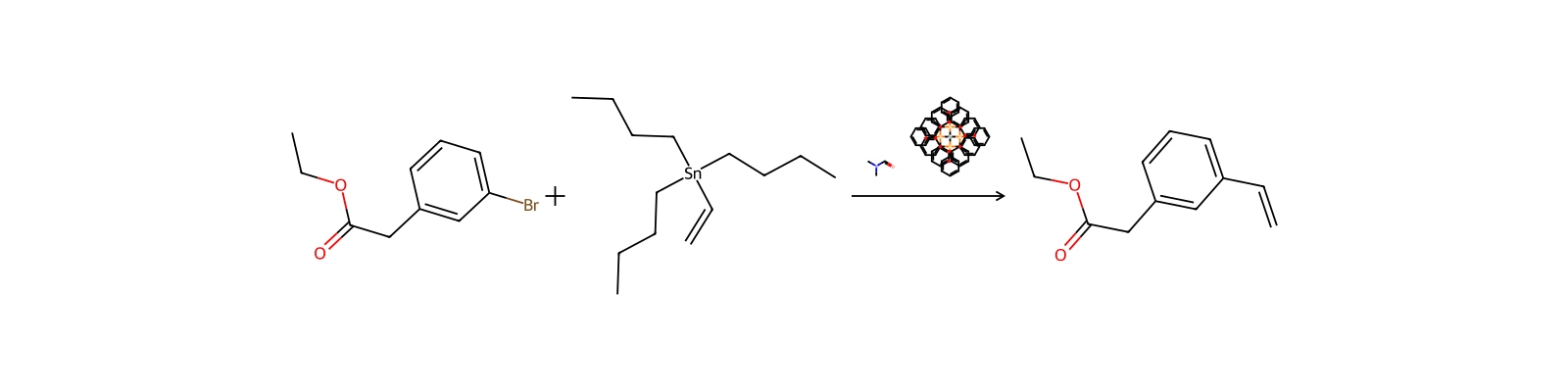
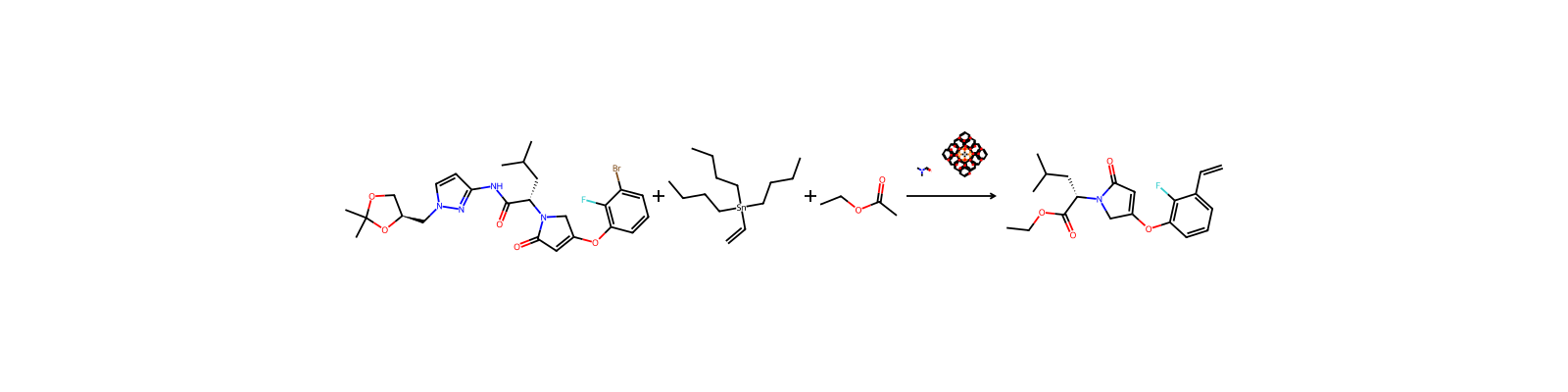
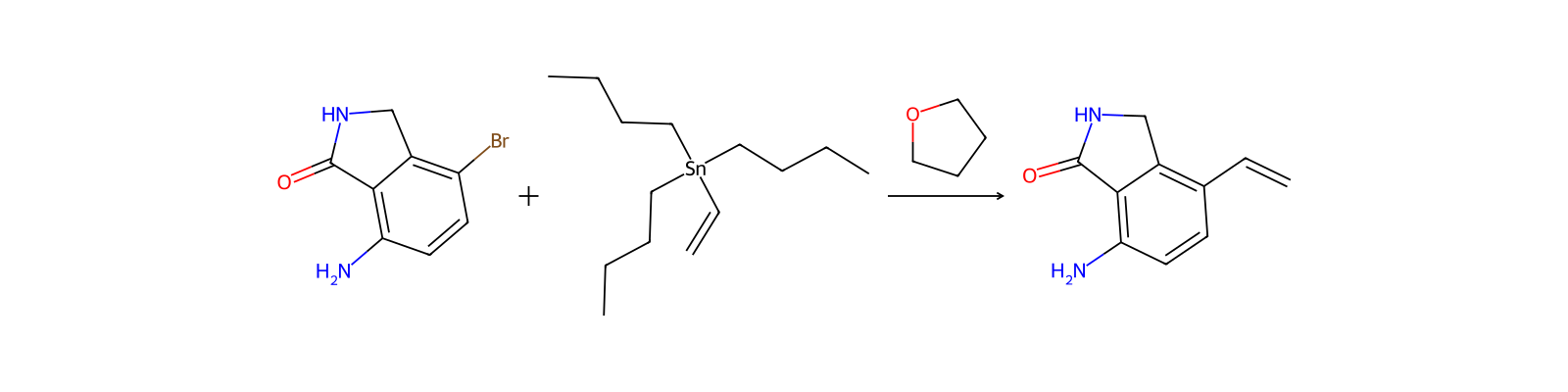
UsesTributyl(vinyl)tin is used as a reagent in the palladium catalyzed synthesis of allyl and benzyl ethers. It is also a vinyl nucleophile for bromoacetylene and bromoaromatics.
Preparation methods
PreparationTributyl(vinyl)tin is conveniently prepared by the reaction of Vinylmagnesium Bromide with Tri-n-butylchlorostannane.
Upstream & downstream products
Upstream raw materials
Downstream products
Related reactions
929 records



Compound notes
Loading…