Trimethylsilyl cyanide
Completing data — refresh the page later to see the latest

Basic information
- CAS
7677-24-9- Standard SMILES
C[Si](C)(C)C#N- InChIKey
LEIMLDGFXIOXMT-UHFFFAOYSA-N- Molecular formula
- C4H9NSi
- Average molar mass
- 99.21 g/mol
- Monoisotopic mass
- 99.05042582
Overview
Trimethylsilyl cyanide is a chemical compound of cyanide. It is used in organic synthesis. (L106)
Names & identifiers
- Preferred name
- Trimethylsilyl cyanide
- IUPAC
- trimethylsilylformonitrile
- English name
- Trimethylsilyl cyanide
- Molecular formula
- C4H9NSi
- Molecular weight
- 99.21
Names & synonyms
Trimethylsilyl cyanide7677-24-9TrimethylsilanecarbonitrileSilanecarbonitrile, trimethyl-TrimethylsilylnitrileTMSCNTrimethylsilylcarbonitrileDTXSID9064766RefChem:899908DTXCID4047915231-657-3Cyanotrimethylsilane
Show more names
trimethylsilylmethanenitrileDK897TrimethylsilanecarTrimethyl cyanogen
TrimethylsilylcyanidetrimethylsilylformonitriletrimethylcyanosilaneC4H9NSiMFCD00001765trimethylsilane carbonitrileTrimethylsilylCyanide-13C,15NTMS cyanide
Database identifiers
- CAS
7677-24-9- PubChem CID
- 82115
- DTXSID
DTXSID9064766- UNII
- X7M2DZS7WZ
- EC Number
- 231-657-3
- Nikkaji
- J81.438E
Properties
Computed structural propertiesFilling in
- Topological polar surface area
- 23.8 Ų
- Hydrogen bond donors
- 0
- Hydrogen bond acceptors
- 1
- Rotatable bonds
- 0
- Heavy atoms
- 6
- Formal charge
- 0
- Complexity
- 81.5
Experimental & physicochemical properties
Chemical ClassesNitrogen Compounds -> Nitriles
SpringerMaterials Properties29Si nuclear magnetic resonance spectrum
Physical DescriptionColorless liquid; mp = 11-12 deg C; [MSDSonline]
Physicochemical properties
- Melting point
- 8 to · 8 to 11 °C (46 to 52 °F; 281 to 284 K)
- Boiling point
- 114 to · 114 to 117 °C (237 to 243 °F; 387 to 390 K)
- Density
- 0.793 g/mL · 0.793 g/mL at 20 °C
- refractive index
- 1.392 · 1.392
- Flash point
- 1 °C · 1 °C (34 °F; 274 K)
- storage temp.
- 2 · Inert atmosphere,2-8°C
- solubility
- Miscible with organic solvents.
- form
- liquid
- color
- Colorless
- Specific Gravity
Safety & regulation
Safety information is for reference only and does not replace the supplier’s Safety Data Sheet (SDS), applicable regulations, or professional assessment.
GHS classification
GHS Classification
Danger
H225 (100%): Highly Flammable liquid and vapor [Danger Flammable liquids]
P210, P233, P240, P241, P242, P243, P260, P262, P264, P270, P271, P273, P280, P284, P301+P316, P302+P352, P303+P361+P353, P304+P340, P316, P320, P321, P330, P361+P364, P370+P378, P391, P403+P233, P403+P235, P405, and P501 (click each P-code to see the statement)
Aggregated GHS information provided per 82 reports by companies from 8 notifications to the ECHA C&L Inventory. Each notification may be associated with multiple companies.
Hazard information
Regulatory Information
Chemical: Silanecarbonitrile, trimethyl-
Status: Active Update: 25-10-2022 https://echa.europa.eu/registration-dossier/-/registered-dossier/34122
Trimethylsilyl cyanide: HSNO Approval: HSR004750 Approved with controls
Hazards SummaryReacts violently with water; Highly toxic by inhalation, skin absorption, and ingestion; An irritant; [MSDSonline] See NITRILES.
Hazard Classes and CategoriesFlam. Liq. 2 (100%)
Toxicology
Treatment
Antidotes to cyanide poisoning include hydroxocobalamin and sodium nitrite, which release the cyanide from the cytochrome system, and rhodanase, which is an enzyme occurring naturally in mammals that combines serum cyanide with thiosulfate, producing comparatively harmless thiocyanate. Oxygen therapy can also be administered. (L97)
Health Effects
Exposure to high levels of cyanide for a short time harms the brain and heart and can even cause coma, seizures, apnea, cardiac arrest and death. Chronic inhalation of cyanide causes breathing difficulties, chest pain, vomiting, blood changes, headaches, and enlargement of the thyroid gland. Skin contact with cyanide salts can irritate and produce sores. (L96, L97)
Chemistry & industry
Pharmacology
Metabolism/Metabolites
Organic nitriles are converted into cyanide ions through the action of cytochrome P450 enzymes in the liver. Cyanide is rapidly absorbed and distributed throughout the body. Cyanide is mainly metabolized into thiocyanate by either rhodanese or 3-mercaptopyruvate sulfur transferase. Cyanide metabolites are excreted in the urine. (L96)
Uses & manufacturing
UsesTrimethylsilyl cyanide is used in organic synthesis. (L106)
General Manufacturing InformationSilanecarbonitrile, trimethyl-: ACTIVE
Applications
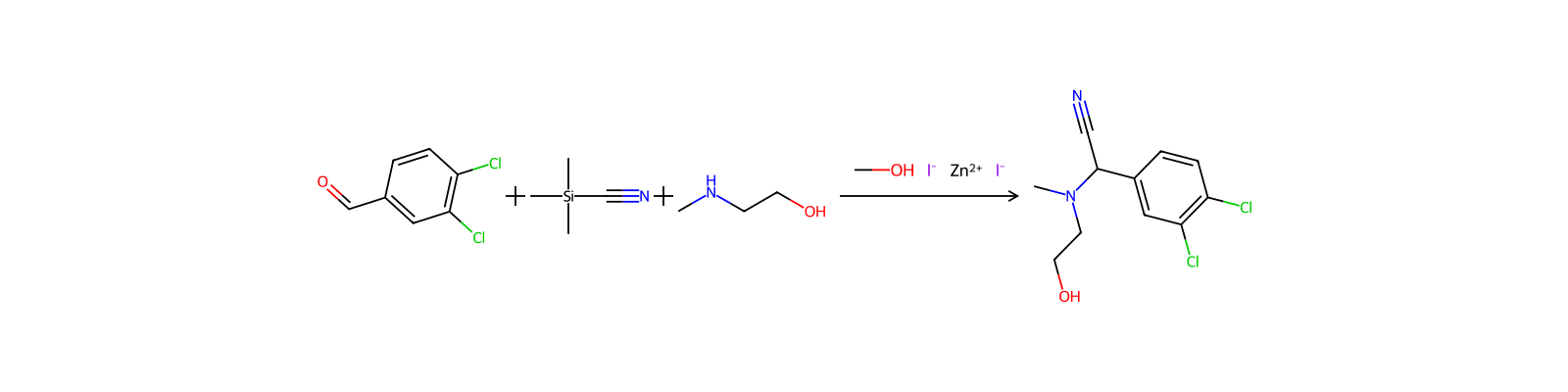
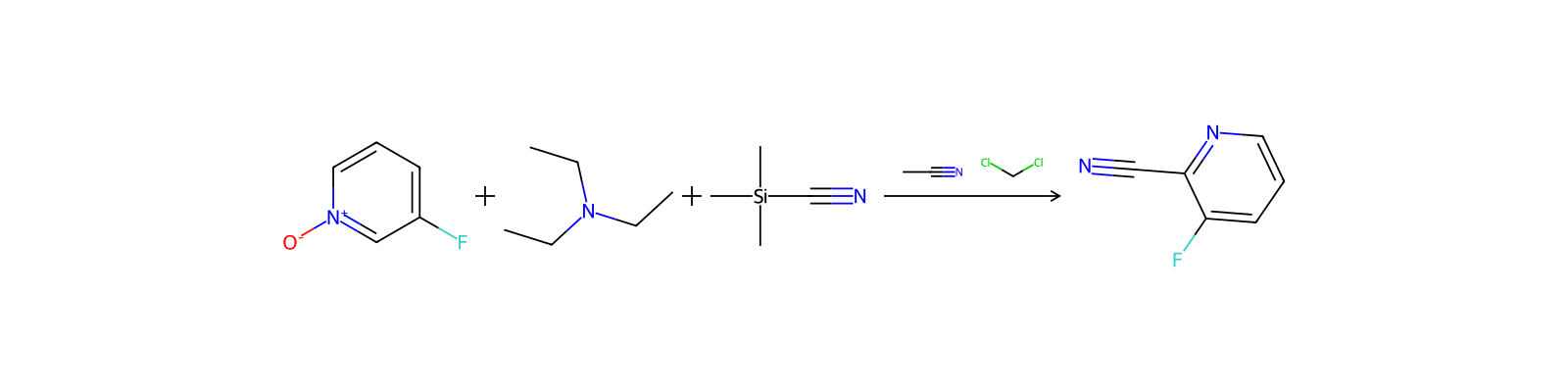
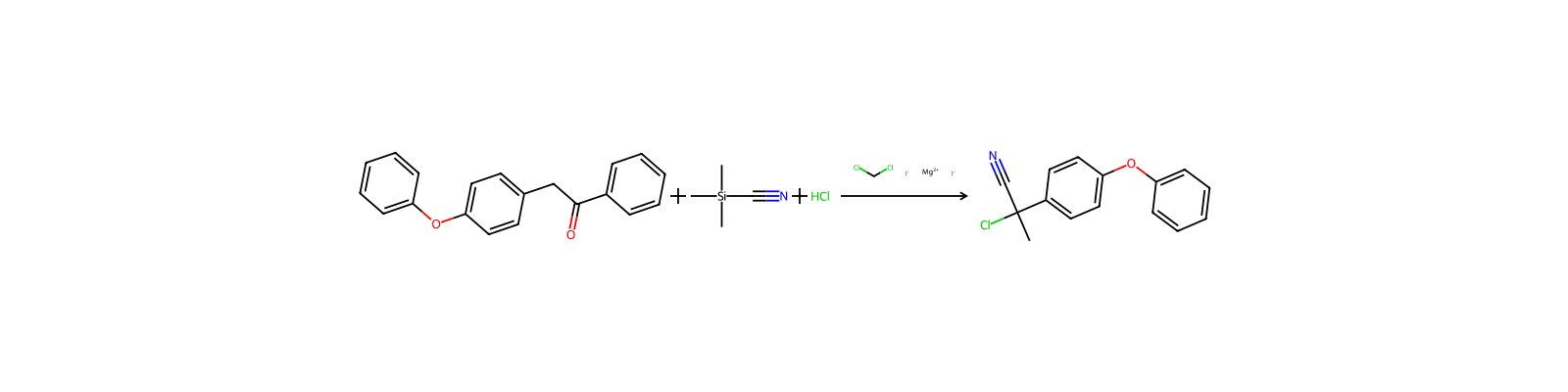
UsesReacts with aldehydes and ketones to give cyanohydrin-TMS ethers which can be reduced to β-aminoethyl alcohols.Trimethylsilyl cyanide (TMSCN) participates in carbonyl aminomethylation via α-silyloxy nitriles.TMSCN can be used as a reagent in the:Trimethylsilyl cyanide was used in the second step of an oxidative Michael addition of cyanide anion to Baylis–Hillman adducts. The importance of the addition of cyanide to α,β-unsaturated carbonyl derivatives is that the products can be converted into a variety of compounds including γ-aminobutyric acids. The reaction took place in a liquid ionic medium ([bmim]Br), which was reused several times without losing its activity. The β-cyano carbonyl compounds were obtained with high regioselectivity and yields (>79%).Cyanosilylation of carbonyl compounds using various catalysts.Synthesis of α-aminonitriles by one-pot, three-component Strecker reaction of ketones with various amines using Brønsted acid catalyst.Cyanation of aryl halides using palladium-complex as a catalyst.
UsesCyanotrimethylsilane is a highly versatile reagent that reacts with a multitude of functional groups to yield an array of products and/or highly valuable synthetic intermediates. Aldehydes and ketones are readily transformed into the corresponding cyanohydrin trimethylsilyl ethers when treated with cyanotrimethylsilane in the presence of Lewis acids (eq 1), triethylamine,or solid bases such as CaF2 or hydroxyapatite. The products can be readily hydrolyzed to the corresponding cyanohydrins. The cyanosilylation of aromatic aldehydes can be achieved with high enantioselectivity in the presence of catalytic amounts of a modified Sharpless catalyst consisting of titanium tetraisopropoxide and L-(+)-diisopropyl tartrate (eq 2).Catalysis with chiral titanium reagents yields aliphatic and aromatic cyanohydrins in high chemical and optical yields (eq 3). Cyanohydrins can be subsequently transformed into a variety of useful synthetic intermediates (eq 4).
Related reactions
1,368 records



Compound notes
Loading…