
Basic information
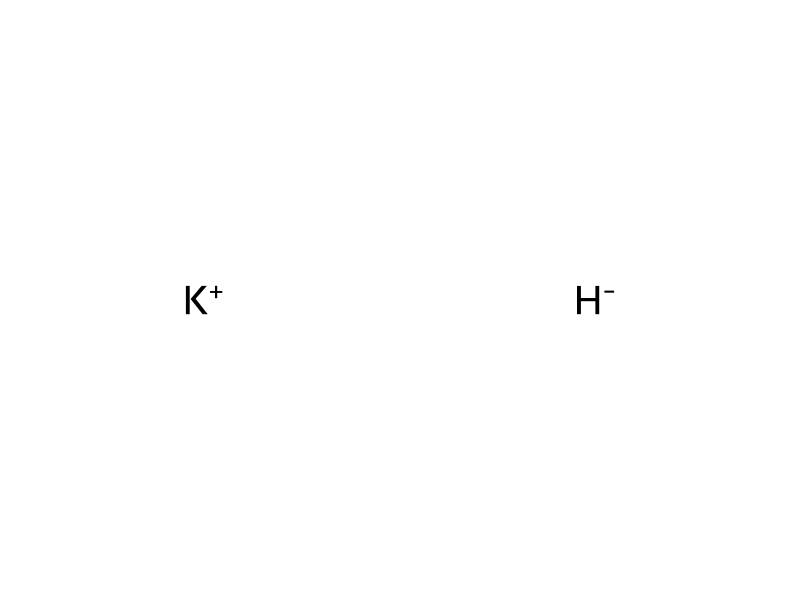
- Standard SMILES
[H-].[K+]- InChIKey
OCFVSFVLVRNXFJ-UHFFFAOYSA-N- Molecular formula
- HK
- Average molar mass
- 40.1063 g/mol
Overview
Potassium hydride is an alkali metal hydride.
Names & identifiers
- Preferred name
- Potassium hydride
- IUPAC
- potassium hydride
- English name
- Potassium hydride
- Molecular formula
- HK
- Molecular weight
- 40.11
Names & synonyms
PotassiumhydridePotassium hydride7693-26-7potassium;hydridePotassium hydride (KH)KaliumhydridSCHEMBL266SCHEMBL3334[KH]CHEBI:32589DTXSID10894770CS0062
Show more names
KHHK-9PotassiuM hydridpotassiumhydride(kh)Potassium monohydrideHydrogen potassium saltPotassiumhydride,30-35%inoilPotassiuM hydride in paraffin
MFCD00011357AKOS015833247Q6036
Database identifiers
- CAS
7693-26-7- PubChem CID
- 82127
- ChEBI
CHEBI:32589
Properties
Computed structural properties
- Topological polar surface area
- 0 Ų
- Hydrogen bond donors
- 0
- Hydrogen bond acceptors
- 1
- Rotatable bonds
- 0
- Heavy atoms
- 1
- Formal charge
- 0
- Complexity
- 0
Physicochemical properties
- Melting point
- 10 · decomposes [CRC10]
- Boiling point
- 316 °C · 316 °C
- Density
- 1.54 · 1.54
- Flash point
- 113 °C · 113 °C
- storage temp.
- Flammables + water-Freezer (-20°C)e area
- solubility
- Insoluble in benzene, diethyl ether and carbon disulfide.
- form
- dispersion (in mineral oil (~35%))
- color
- Grayish beige
- Water Solubility
- 2 O · decomposed by H2O [CRC10]
- Sensitive
- Moisture Sensitive
- InChI
- 1S/K.H
- InChIKey
- NTTOTNSKUYCDAV-UHFFFAOYSA-N
- SMILES
- [K]
- EPA Substance Registry System
- Potassium hydride (KH) (7693-26-7)
- UNSPSC Code
- 12352302 · 12352302
- NACRES
- 22 · NA.22
- Symbol(GHS)
- 2 · GHS02,GHS05
- Signal word
- Danger
- Hazard statements
- 260 · H260-H314
- Precautionary statements
- 223 · P223-P231+P232-P280-P260-P264-P370+P378-P301+P330+P331-P303+P361+P353-P363-P304+P340-P310-P305+P351+P338-P402+P404-P405-P501
- PPE
- Faceshields, Gloves, Goggles, type ABEK (EN14387) respirator filter
- Hazard Codes
- F,C
- Risk Statements
- 11 · 11-14/15-34
- Safety Statements
- 16 · 16-26-27-36/37/39-45-43
- RIDADR
- 1409 · UN 1409 4.3/PG 1
- WGK Germany
- 3 · 3
- Autoignition Temperature
- Ignites spontaneously at room temperature in moist air
- TSCA
- TSCA listed
- HazardClass
- 4.3 · 4.3
- PackingGroup
- I
- HS Code
- 28500090 · 28500090
- Storage Class
- 4.3 · 4.3 - Hazardous materials which set free flammable gases upon contact with water
- Hazard Classifications
- 1 Skin · Eye Dam. 1Skin Corr. 1BWater-react 1
- Excepted Quantities
- Not Permitted as Excepted Quantity
Safety & regulation
Safety data
- PPE
- Faceshields, Gloves, Goggles, type ABEK (EN14387) respirator filter
- wgk
- 3
- tsca
- TSCA listed
- ridadr
- UN 1409 4.3/PG 1
- hs_code
- 28500090
- risk_code
- 11-14/15-34
- Signal word
- Danger
- Symbol(GHS)
- GHS02,GHS05
- hazard_code
- F,C
- safety_code
- 16-26-27-36/37/39-45-43
- hazard_class
- 4.3
- Storage Class
- 4.3 - Hazardous materials which set free flammable gases upon contact with water
- packing_group
- I
- Hazard statements
- H260-H314
- Excepted Quantities
- Not Permitted as Excepted Quantity
- Hazard Classifications
- Eye Dam. 1Skin Corr. 1BWater-react 1
- Autoignition Temperature
- Ignites spontaneously at room temperature in moist air
- Precautionary statements
- P223-P231+P232-P280-P260-P264-P370+P378-P301+P330+P331-P303+P361+P353-P363-P304+P340-P310-P305+P351+P338-P402+P404-P405-P501
Chemistry & industry
Applications
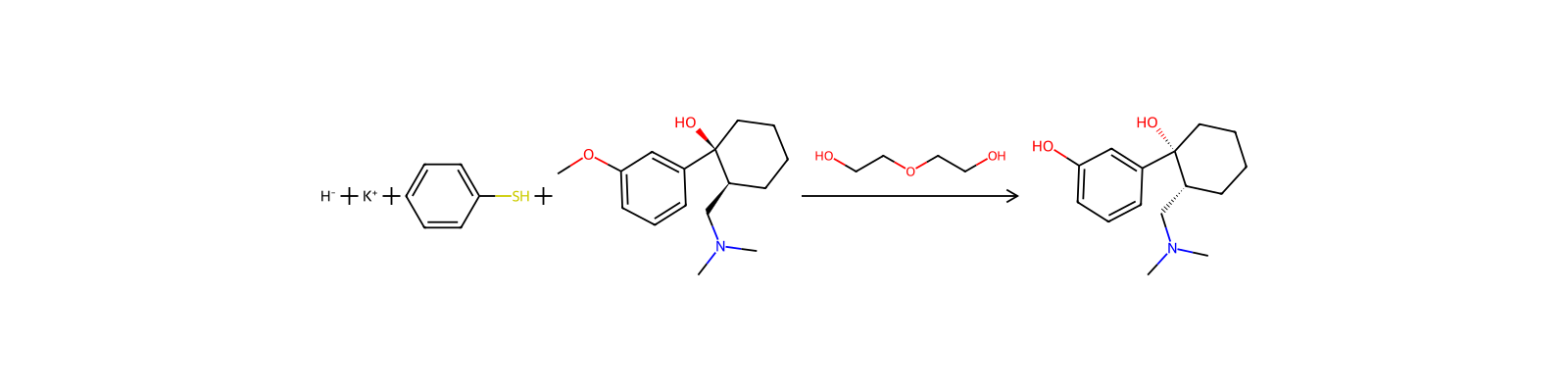
UsesOrganic condensations and alkylations.
UsesIt is used as a strong reducing agent and inmaking super bases RNHK and ROK(whereRis an alkyl group) (Sullivan andWade 1980).It is sold as 35 wt% dispersion in mineral oil.
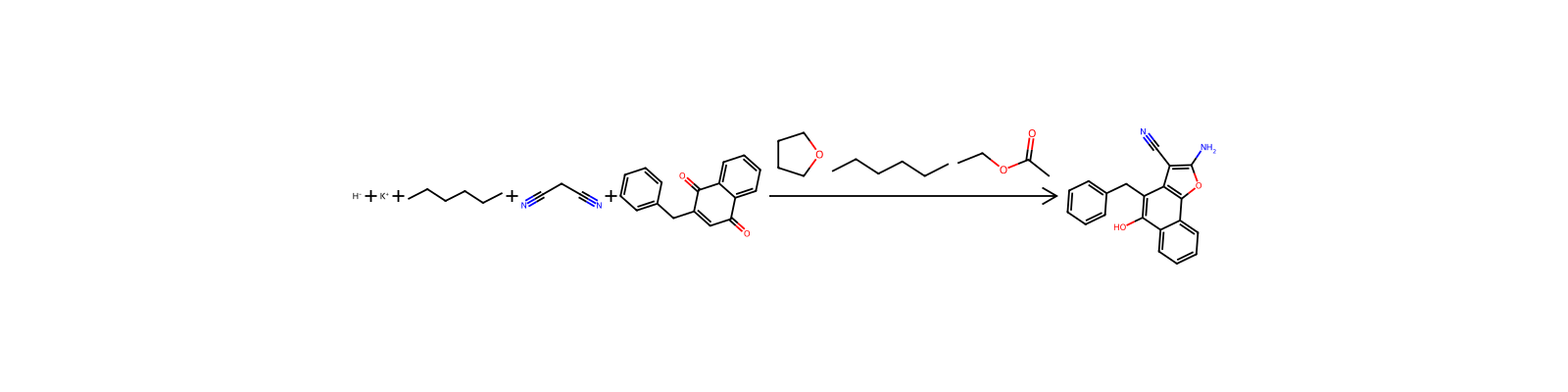
UsesPotassium Hydride is used in preparation of Hydroxy-Xanthone derivatives via Isoprenylation followed by Claisen rearrangement starting from Fluoroxanthone derivatives.
General DescriptionThis product has been enhanced for energy efficiency.
Preparation methods
PreparationPreparation of a dipyrazolylborate -K[(C3N2H3)2BC8H14]. [(C3N2H3)2BC8H14]- (abbreviated as Pz2BBN) is a bidentate ligand used to prepare catalysts with hydrogen-bonding capabilities, and has potential applications. However, the currently reported methods for preparing this ligand are not easy to industrialize. Therefore, developing a method that is easy to industrialize is of great significance for further expanding the application of this ligand. The key points of the technical solution are: under anhydrous and oxygen-free conditions, 9-boron bicyclic [3.3.1]nonane dimer, potassium hydride, and pyrazole are reacted under stirring and reflux in anhydrous toluene or anhydrous tetrahydrofuran to prepare dipyrazolylborate -K[(C3N2H3)2BC8H14]. Using 9-boronbicyclo[3.3.1]nonane dimer, pyrazole, and potassium hydride as raw materials, dipyrazolyl borate -K[(C3N2H3)2BC8H14] was prepared by a one-step synthesis method. The role of H- is the same as that of OH- reported in the literature, but the product after combination with H+ is H2 instead of H2O, thus eliminating the need for dehydration. Furthermore, this invention also features short reaction time, fewer types of solvents required that can be recycled and reused, simple method, high product purity, low production cost, and ease of large-scale production.
Upstream & downstream products
Upstream raw materials
Downstream products
Suppliers41 total
上海迈瑞尔生化科技有限公司4006356688 18621169109 · [email protected]
上海晶抗生物工程有限公司021-54721350 13524668266 · [email protected]
阿法埃莎(中国)化学有限公司400-6106006 · [email protected]
安耐吉化学&3A(安徽泽升科技股份有限公司)400-0056266 · [email protected]
上海瀚鸿科技股份有限公司021-54306202 13764082696 · [email protected]
湖北扬信医药科技有限公司0714-3999001 19171453112 · [email protected]
玛雅试剂+86 (573) 82222445 (0)18006601000 452520369 · [email protected]
艾科试剂4008-755-333 18080918076 · [email protected]
赛默飞世尔科技(中国)有限公司800-810-5118 · [email protected]
北京伊诺凯科技有限公司400-810-7969 010-59572699 · [email protected]
上海遐瑞医药科技有限公司+86 21 61551611
北京环宇世纪化学科技有限公司hysj_bj.com
上海将来实业股份有限公司021-61552785 · [email protected]
成都零六生物科技有限公司400-1166-196 13458535857 · [email protected]
上海嵩爰化工科技有限公司010-1234567 18521000990 · [email protected]
Sigma-Aldrich西格玛奥德里奇(上海)贸易有限公司021-61415566 800-8193336 · [email protected]
九鼎化学(上海)科技有限公司4009209199 · [email protected]
sgtlifesciences pvt ltd+91-8790379245 · [email protected]
成都叮当时代医药科技有限公司028-86040038 · [email protected]
南京艾比克斯生化科技有限公司025-87193546 18652950785 · [email protected]
成都艾娜华化学制剂有限公司028-86612776; 13699069380 · [email protected]
山东西亚化学有限公司4009903999 13395398332 · [email protected]
安泰精细化工技术有限公司18503026267 · [email protected]
上海新平精细化学品有限公司18221735425 · [email protected]
Shaanxi Didu New Materials Co. Ltd+86-86-17392712779 +86-13289823923 · [email protected]
厦门盈融达化工有限公司+86-0592-6210733 · [email protected]
career henan chemical co+86-0371-86658258 · [email protected]
上海弗霓生物科技有限公司021-54252912-8903 · [email protected]
上海吉至生化科技有限公司021-4009004166/18616739031 18616739031 · [email protected]
海蔚化学86-21-51086038 · [email protected]
XIAMEN AMITY INDUSTRY AND TRADE CO., LTD.+8618950047208 · [email protected]
SHANGHAI KEAN TECHNOLOGY CO., LTD.+8613817748580 · [email protected]
南京一览生物科技有限公司13851808754 · [email protected]
山东天铭生物科技发展有限责任公司400-9019001 400-901-9001
重庆卡兰医药有限公司[email protected]
山东众泰合化工有限公司13223931914 13864082898 · [email protected]
DAYANG CHEM (HANGZHOU) CO.,LTD+86-88938639 +86-17705817739 · [email protected]
Richest Group Ltd18017061086 · [email protected]
亚索试剂400-873-6778 18660992876 · [email protected]
Henan Fengda Chemical Co., Ltd+86-371-86557731 +86-13613820652 · [email protected]
浙江昂拓莱司生物技术有限公司0571-88760729 18072970094 · [email protected]
Additional notes
Definitionpotassium hydride: A white orgreyish white crystalline solid, KH;r.d. 1.43–1.47. It is prepared by passinghydrogen over heated potassiumand marketed as a light grey powderdispersed in oil. The solid decomposeson heating and in contact withmoisture and is an excellent reducingagent. Potassium hydride is a firehazard because it produces hydrogenon reaction with water.
Related reactions
365 records





Linked notes
Loading…