
Basic information
- Standard SMILES
[I][Cu][I]- InChIKey
GBRBMTNGQBKBQE-UHFFFAOYSA-L- Molecular formula
- CuI2
- Average molar mass
- 317.35 g/mol
- Monoisotopic mass
- 316.7385435
Names & identifiers
- Preferred name
- Copper iodide
- IUPAC
- diiodocopper
Names & synonyms
Copper iodide (CuI2)Cupric iodide13767-71-0copper(II) iodidecopper diiodide873DWP8N8JDTXSID3065619RefChem:578802DTXCID5034438215-625-61335-23-5COPPER IODIDE
Show more names
EINECS 215-625-6diiodocoppercopper(2+) diiodidecopper-iodideiodide coppercopper iodidcopper(II)iodideKupfer(II)-iodid
Database identifiers
- CAS
1335-23-5、13767-71-0- PubChem CID
- 83717
- DTXSID
DTXSID3065619- UNII
- 873DWP8N8J
- EC Number
- 215-625-6
Properties
Computed structural properties
- Topological polar surface area
- 0 Ų
- Hydrogen bond donors
- 0
- Hydrogen bond acceptors
- 0
- Rotatable bonds
- 0
- Heavy atoms
- 3
- Formal charge
- 0
- Complexity
- 2.8
Experimental & physicochemical properties
Chemical ClassesMetals -> Metals, Inorganic Compounds
Safety & regulation
Hazard information
Hazards SummaryAcute copper poisoning after ingestion can cause liver injury, methemoglobinemia, and hemolytic anemia. Acute renal failure may result, secondary to massive hemoglobinuria. [Goldfrank, p. 1259] See Copper. See Iodine for the TLV of Iodides.
Safety & protection
Exposure Control and Personal Protection0.01 [mg/m3], respirable fraction (Cu, inorganic cmpnds)[German Research Foundation (DFG)]
Threshold Limit Values (TLV)1.0 [mg/m3], as Cu [0.01 ppm, inhalable fraction and vapor (iodides)]
Permissible Exposure Limit (PEL)1.0 [mg/m3], as Cu
Immediately Dangerous to Life or Health (IDLH)100.0 [mg/m3], as Cu
Toxicology
Adverse EffectsOccupational hepatotoxin - Secondary hepatotoxins: the potential for toxic effect in the occupational setting is based on cases of poisoning by human ingestion or animal experimentation.
Chemistry & industry
Uses & manufacturing
General Manufacturing InformationCopper iodide (CuI2): INACTIVE
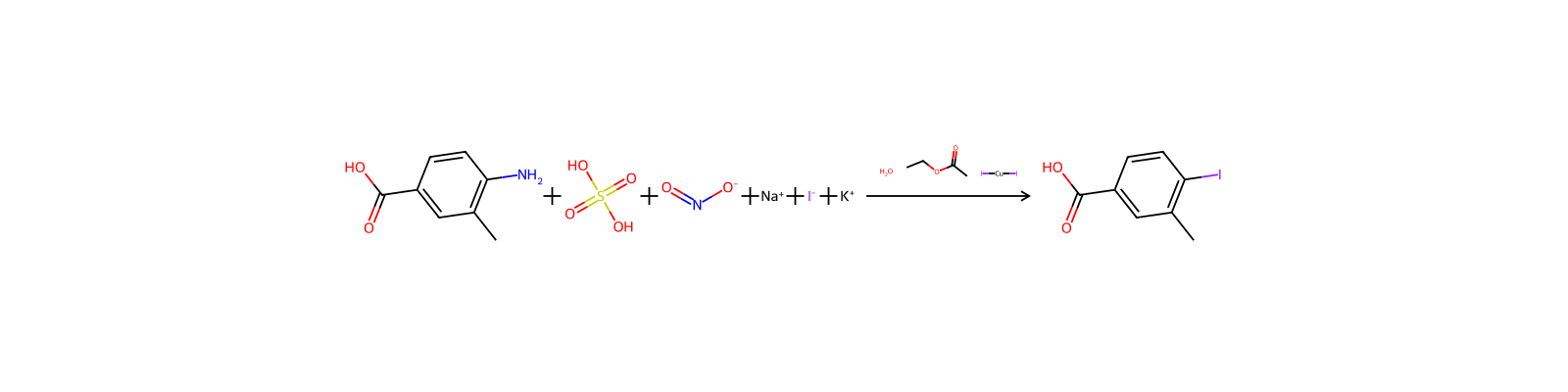
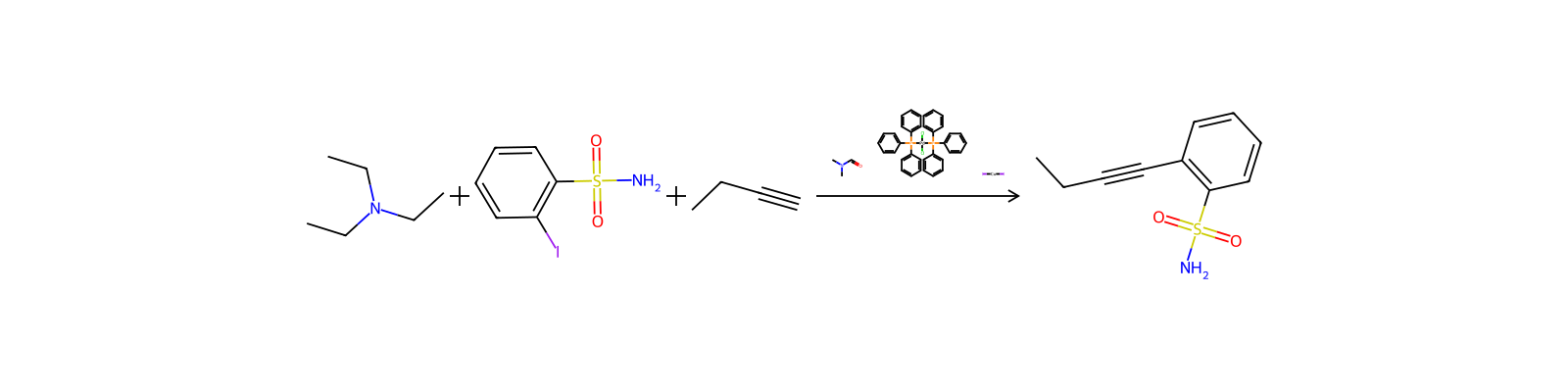
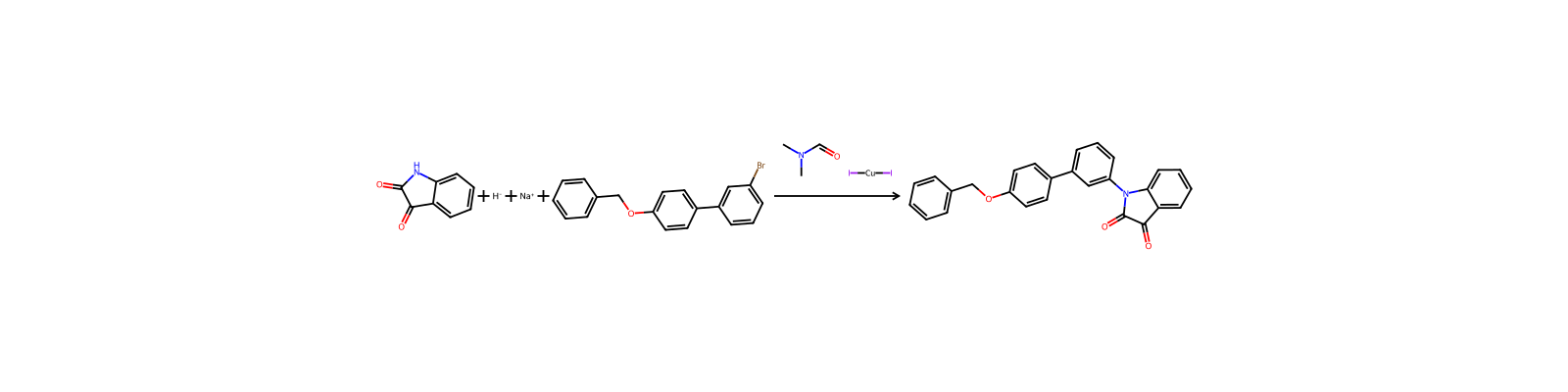
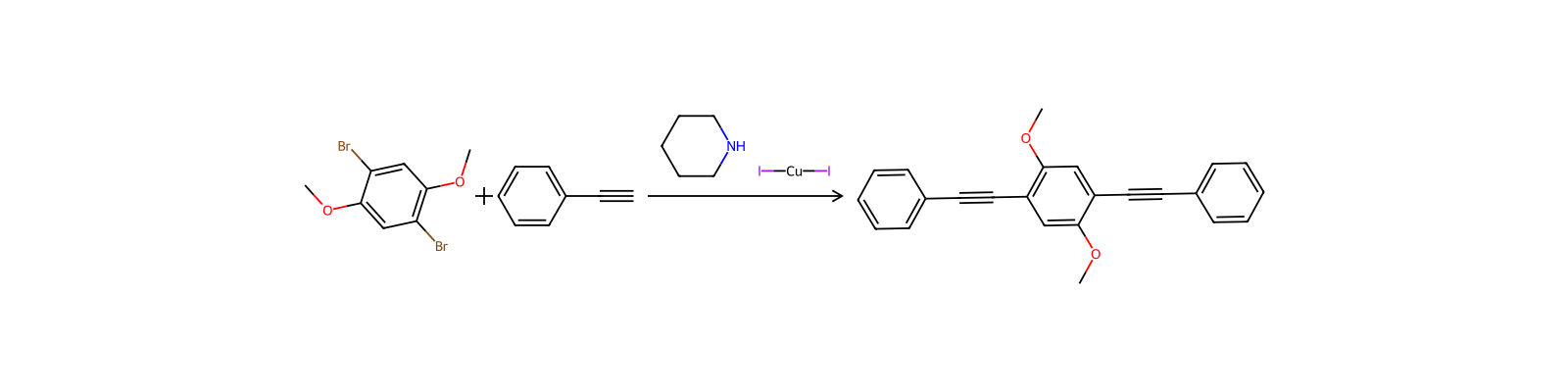
Related reactions
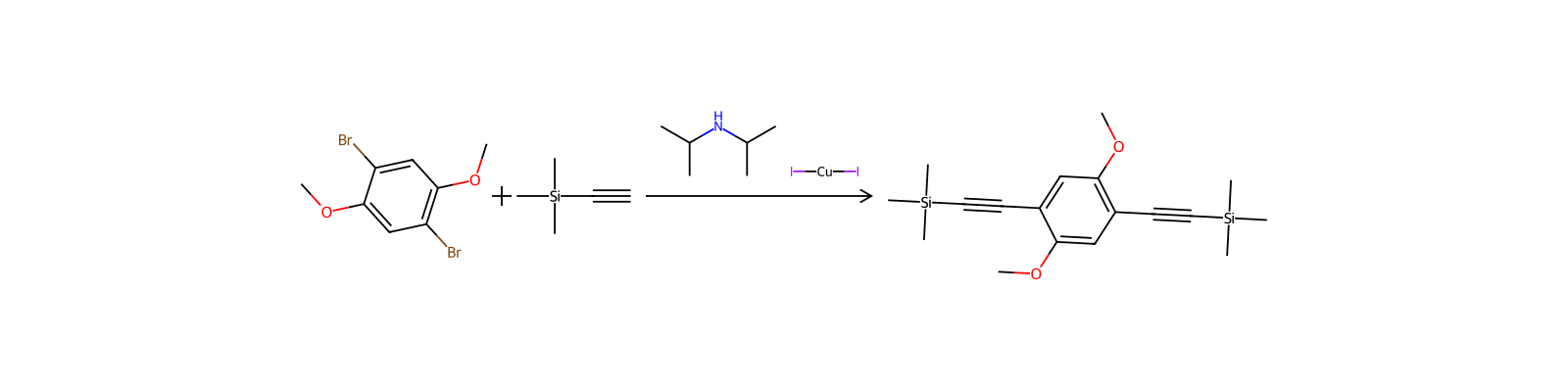
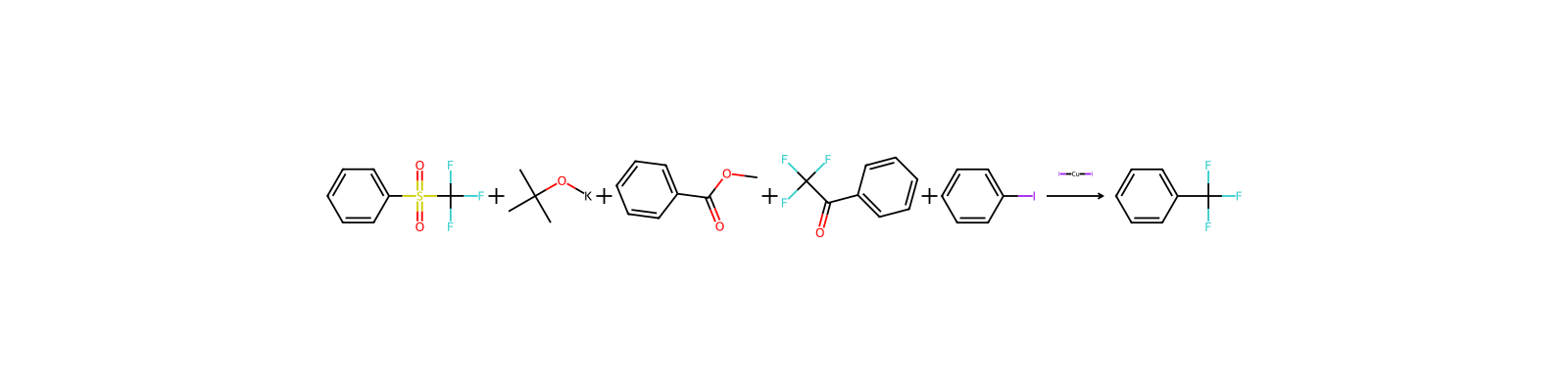
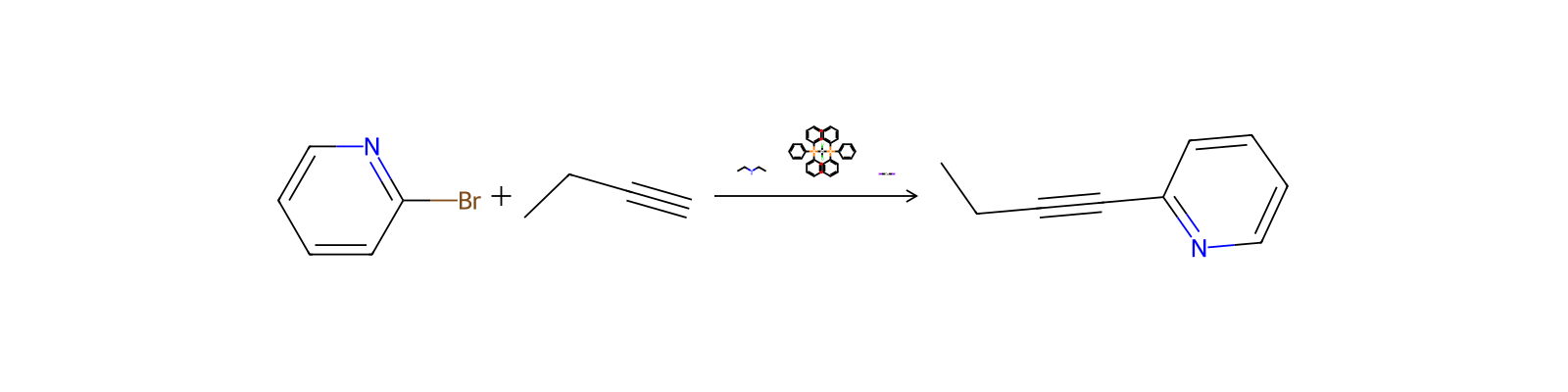
3,065 records

Linked notes
Loading…