

Basic information
- Standard SMILES
COc1ccccc1C=O- InChIKey
PKZJLOCLABXVMC-UHFFFAOYSA-N- Molecular formula
- C8H8O2
- Average molar mass
- 136.15 g/mol
- Monoisotopic mass
- 136.0524295
Overview
2-Methoxybenzaldehyde is a carbonyl compound.
Names & identifiers
- Preferred name
- 2-Methoxybenzaldehyde
- IUPAC
- 2-methoxybenzaldehyde
- English name
- o-Anisaldehyde
- Molecular formula
- C8H8O2
- Molecular weight
- 136.15
Names & synonyms
2-METHOXYBENZALDEHYDEo-AnisaldehydeBenzaldehyde, 2-methoxy-o-Methoxybenzaldehyde2-methoxy-benzaldehydeFormylanisole, o-DTXSID1051690EINECS 205-171-7UNII-7CP821WF2WNSC 58960BRN 06063017CP821WF2W
Show more names
ortho-anisaldehyde2-ANISALDEHYDEo-Anisaldehyde, 98% 100GRo-Anisaldehyde:2-MethoxybenzaldehydeNc 064O-formylanisole
o-methoxy benzaldehydeo-methoxy-benzaldehydeO-Anisaldehyde, 8CIAI3-01375NSC-58960O-ANISALDEHYDE [FHFI]METHOXYBENZALDEHYDE, O-DTXCID0030245
Database identifiers
- CAS
135-02-4- PubChem CID
- 8658
- DTXSID
DTXSID1051690- ChEMBL
CHEMBL396295- ChEBI
CHEBI:172139- UNII
- 7CP821WF2W
- EC Number
- 205-171-7
- Nikkaji
- J5.602B
Properties
Computed structural properties
- XLogP
- 1.7
- Topological polar surface area
- 26.3 Ų
- Hydrogen bond donors
- 0
- Hydrogen bond acceptors
- 2
- Rotatable bonds
- 2
- Heavy atoms
- 10
- Formal charge
- 0
- Complexity
- 112
Experimental & physicochemical properties
Chemical ClassesOther Classes -> Benzaldehydes
SpringerMaterials Properties13C nuclear magnetic resonance spectrum
FragrancesFragrance Ingredient (o-Methoxybenzaldehyde) -> IFRA transparency List
LogP1.72
Food AdditivesFLAVORING AGENT OR ADJUVANT -> FDA Substance added to food
Flavoring AgentsEU Flavoring substances
Solubility
Soluble in water and propylene glycol
Soluble (in ethanol)
Boiling Point238.00 °C. @ 760.00 mm Hg
Melting Point39 °C
Vapor Pressure0.12 [mmHg]
Physical Description
Light yellow solidified mass or fragments; mp = 34-40 deg C; [Sigma-Aldrich MSDS]
Solid
Light yellow solid; Sweet powdery hawthorn, vanilla and almond aroma
Ionization Efficiency
Positive
1.18
2.7
Agilent XCT
Electrospray ionization
formic acid (5.3nM)
Physicochemical properties
- Melting point
- 34 · 34-40 °C(lit.)
- Boiling point
- 238 °C · 238 °C(lit.)
- Density
- 1.127 g/mL · 1.127 g/mL at 25 °C(lit.)
- refractive index
- 1.5608 · 1.5608
- FEMA
- 4077 · 4077 | O-ANISALDEHYDE
- FLAVIS Number
- 5.129 · 05.129 | 2-Methoxybenzaldehyde
- Flash point
- 244 °F · 244 °F
- storage temp.
- 2 · 2-8°C
- solubility
- Solubility Slightly soluble in water; soluble in ethanol
- form
- Low Melting Crystalline Mass
- color
- Light yellow to pale brown
- Specific Gravity
- 1.127 · 1.127
- PH Range
- 1 uorescence · Non1 uorescence (3.1) to green 1 uorescence (4.4)
- Odor
- 10 % · at 10.00 % in propylene glycol. sweet powdery hawthorn guaiacol vanilla acetophenone almond
- Odor Type
- anisic
- biological source
- synthetic
- Water Solubility
- insoluble
- Sensitive
- Air Sensitive
- JECFA Number
- 2062 · 2062
- BRN
- 606301 · 606301
- Henry's Law Constant
- 1 · 1.0×101 mol/(m3Pa) at 25℃, Ji et al. (2008)
- Major Application
- Battery, hair dyes, bird repellents, cosmetics, antibacterial, antipyretic
- Cosmetics Ingredients Functions
- PERFUMING
- InChI
- 1S/C8H8O2/c1-10-8-5-3-2-4-7(8)6-9/h2-6H,1H3
- InChIKey
- PKZJLOCLABXVMC-UHFFFAOYSA-N
- SMILES
- [H]C(=O)c1ccccc1OC
- LogP
- 1.72 · 1.72
- Substances Added to Food (formerly EAFUS)
- O-METHOXYBENZALDEHYDE
- FDA 21 CFR
- 172.515 · 172.515
- CAS DataBase Reference
- 135 · 135-02-4(CAS DataBase Reference)
- EWG's Food Scores
- 1 · 1
- FDA UNII
- 7 CP821WF2W · 7CP821WF2W
- NIST Chemistry Reference
- 2 · Benzaldehyde, 2-methoxy-(135-02-4)
- EPA Substance Registry System
- 2 · Benzaldehyde, 2-methoxy- (135-02-4)
- UNSPSC Code
- 41116107 · 41116107
- NACRES
- 24 · NA.24
- Symbol(GHS)
- 7 · GHS07
- Signal word
- Warning
- Hazard statements
- 315 · H315-H319-H335
- Precautionary statements
- 261 · P261-P264-P271-P280-P302+P352-P305+P351+P338
- target organs
- Respiratory system
- PPE
- 95 · dust mask type N95 (US), Eyeshields, Gloves
- Hazard Codes
- Xi
- Risk Statements
- 36 · 36/37/38-36/38
- Safety Statements
- 26 · 26-36-37/39
- WGK Germany
- 2 · 2
- RTECS
- 2610000 · BZ2610000
- F
- 9 · 9-23
- TSCA
- TSCA listed
- HS Code
- 29124900 · 29124900
- Storage Class
- 11 · 11 - Combustible Solids
- Hazard Classifications
- 2 Skin · Eye Irrit. 2Skin Irrit. 2STOT SE 3
- Toxicity
- 50 orally · LD50 orally in Rabbit: 2500 mg/kg LD50 dermal Rabbit > 5000 mg/kg
Safety & regulation
GHS classification
GHS Classification
This chemical does not meet GHS hazard criteria for 0.2% (3 of 1457) of reports.
Warning
H315 (99.8%): Causes skin irritation [Warning Skin corrosion/irritation]
P261, P264, P264+P265, P271, P280, P302+P352, P304+P340, P305+P351+P338, P319, P321, P332+P317, P337+P317, P362+P364, P403+P233, P405, and P501 (click each P-code to see the statement)
Aggregated GHS information provided per 1457 reports by companies from 13 notifications to the ECHA C&L Inventory. Each notification may be associated with multiple companies.
Hazard information
Regulatory Information
Chemical: Benzaldehyde, 2-methoxy-
Commission Regulation (EC) No 1565/2000 (Repealed by Com. Implementing Reg. (EU) No 872/2012)
2-Methoxybenzaldehyde: Does not have an individual approval but may be used under an appropriate group standard
Other Safety InformationIMAP assessments - Benzaldehyde, 2-methoxy-: Human health tier I assessment
Hazards SummaryCauses lacrimation, somnolence, and changes in salivary glands in oral lethal-dose studies of mice; [RTECS] An irritant; [Sigma-Aldrich MSDS] See Benzaldehyde.
Hazard Classes and CategoriesSkin Irrit. 2 (99.8%)
Safety data
- F
- 9-23
- PPE
- dust mask type N95 (US), Eyeshields, Gloves
- wgk
- 2
- tsca
- TSCA listed
- rtecs
- BZ2610000
- hs_code
- 29124900
- Toxicity
- LD50 orally in Rabbit: 2500 mg/kg LD50 dermal Rabbit > 5000 mg/kg
- risk_code
- 36/37/38-36/38
- Signal word
- Warning
- Symbol(GHS)
- GHS07
- hazard_code
- Xi
- safety_code
- 26-36-37/39
- Storage Class
- 11 - Combustible Solids
- target organs
- Respiratory system
- Hazard statements
- H315-H319-H335
- Hazard Classifications
- Eye Irrit. 2Skin Irrit. 2STOT SE 3
- Precautionary statements
- P261-P264-P271-P280-P302+P352-P305+P351+P338
Chemistry & industry
Pharmacology
Cellular LocationsCytoplasm
Uses & manufacturing
UsesUsed as flavoring agent or adjuvant; [FDA]
Use Classification
Fragrance Ingredients
Flavouring Agent -> FLAVOURING_AGENT -> JECFA Functional Classes
Flavoring Agents -> JECFA Flavorings Index
General Manufacturing InformationBenzaldehyde, 2-methoxy-: ACTIVE
Applications
DescriptionO-Anisaldehyde (also 2-methoxybenzaldehyde) is found in cassia oil, cinnamon bark, and cinnamon bark oil. It is a clear colorless liquid with a strong aroma. O-Anisaldehyde is used as a flavor agent in foods including nonalcoholic/alcoholic beverages, baked goods, chewing gum, confections, frozen dairy, fruit ices, hard/soft candy, instant coffee, tea, Jams, jellies, and milk products. O-Anisaldehyde has been used to examine the acaricidal activity of Periploca sepium oil and its active component against Tyrophagus and to obtain good enantioselectivities using Cu(OAc)(2)-bis(oxazolines) via hydrogen bonding in asymmetric Henry reaction.
Descriptiono-Methoxybenzaldehyde has a faint, sweet, floral odor. It blends well with cassia. It has a spice-like flavor, quite bitter above 30 - 40 ppm. May be prepared from salicylaldehyde and dimethyl sulfate in weak alkaline solution.
OccurrenceReported found in Cassia oil, cinnamon bark, and Cinnamon bark oil (Cinnamomum zeylanicum Blume), Sri Lanka (0.09–0.15%)
Uses2-Methoxybenzaldehyde has been used to examine the acaricidal activity of Periploca sepium oil and its active component against Tyrophagus. It has also been used to obtain good enantioselectivities using Cu(OAc)(2)-bis(oxazolines) via hydrogen bonding in asymmetric Henry reaction.
Uses2-Methoxybenzaldehyde has been used to obtain good enantioselectivities using Cu(OAc)(2)-bis(oxazolines) via hydrogen bonding in asymmetric Henry reaction.
UsesIntermediate.
Upstream & downstream products
Upstream raw materials
Downstream products
Suppliers50 total
国药集团化学试剂有限公司86-21-63210123 · [email protected]
梯希爱(上海)化成工业发展有限公司021-67121386 · [email protected]
衢州润东化工有限公司0570-8789886 18892685668 · [email protected]
淄博泰立泽化工有限公司0533-5200592 13173271895 · [email protected]
上海阿拉丁生化科技股份有限公司400-6206333 13167063860 · [email protected]
爱斯特(成都)生物制药股份有限公司+86-28-85122536 85324413 · [email protected]
韶远科技(上海)有限公司021-50795510 4000665055 · [email protected]
科瑞迪化学400-821-5857 021-64326257 · [email protected]
北京华威锐科化工有限公司0757-86329057 18934348241 · [email protected]
河南英田生物科技有限公司0370-4053511; 18339993703 · [email protected]
阿法埃莎(中国)化学有限公司400-6106006 · [email protected]
安耐吉化学&3A(安徽泽升科技股份有限公司)400-0056266 · [email protected]
石家庄斯迪亚诺精细化工有限公司0311-89250318 13582355795 · [email protected]
上海瀚鸿科技股份有限公司021-54306202 13764082696 · [email protected]
上海相辉医药科技有限公司13761987713 · [email protected]
上海景颜化工科技有限公司13817811078 · [email protected]
上海尚饮思生化医药有限公司021-021-57872719 13761402923 · [email protected]
Pure Chemistry Scientific Inc.001-857-928-2050 or 1-888-588-9418 · [email protected]
上海隆盛化工有限公司58099637 13585536065 · [email protected]
武汉丰泰威远科技有限公司027-87465837 19945049750 · [email protected]
山东西亚化学有限公司13355009207 13355009207 · [email protected]
玛雅试剂+86 (573) 82222445 (0)18006601000 452520369 · [email protected]
四川库利南科技有限公司400-1166-196 18981987031 · [email protected]
天津希恩思生化科技有限公司400 638 7771 · [email protected]
常州创视电子科技有限公司+86 (519) 8829-2061 · [email protected]
河南多贝化工有限公司0370-2785118 17550508557 · [email protected]
斯百全化学(上海)有限公司021-021-021-67601398-809-809-809 15221380277 · [email protected]
艾科试剂4008-755-333 18080918076 · [email protected]
上海思域化工科技有限公司86-21-34053660 · [email protected]
北京世纪裕立化学有限公司010-64446226 13146983882 · [email protected]
赛默飞世尔科技(中国)有限公司800-810-5118 · [email protected]
北京伊诺凯科技有限公司400-810-7969 010-59572699 · [email protected]
上海纳谦化学科技有限公司13598610367 0373-7129549 · [email protected]
TCI AMERICA800-4238616 · [email protected]
TOKYO CHEMICAL INDUSTRY CO., LTD.03-36680489 · [email protected]
TCI Europe320-37350700 · [email protected]
上海贤鼎生物科技有限公司4009209199 · [email protected]
深圳康特腾科技有限公司86-0755-86635001 · [email protected]
越林试剂021-62960152 · [email protected]
上海睿升化工科技有限公司+86-021-50935922
上海洪创医药科技有限公司18151128828 · [email protected]
上海湄水化工科技有限公司021-60549325 18616193163
上海将来实业股份有限公司400-0066400 13621662912 · [email protected]
上海将来实业股份有限公司021-61552785 · [email protected]
安徽科迪达化工有限公司0554-2106669 · [email protected]
HBCChem, Inc.+1-510-219-6317 · [email protected]
上海笛柏生物科技有限公司400-008-9730,021-54359730 400-008-9730 · [email protected]
日照力德士化工有限公司010-51268198 · [email protected]
美岚实业(上海)有限公司021-58958189 · [email protected]
上海石洋化工有限公司021-56795766 · [email protected]
Additional notes
DefinitionChEBI: 2-Methoxybenzaldehyde is a carbonyl compound.
Related reactions
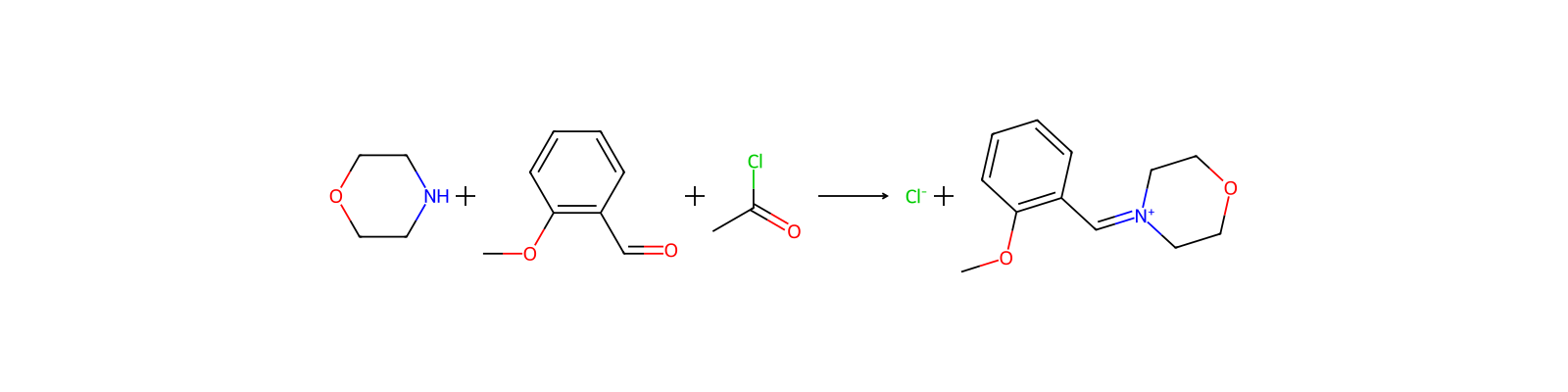
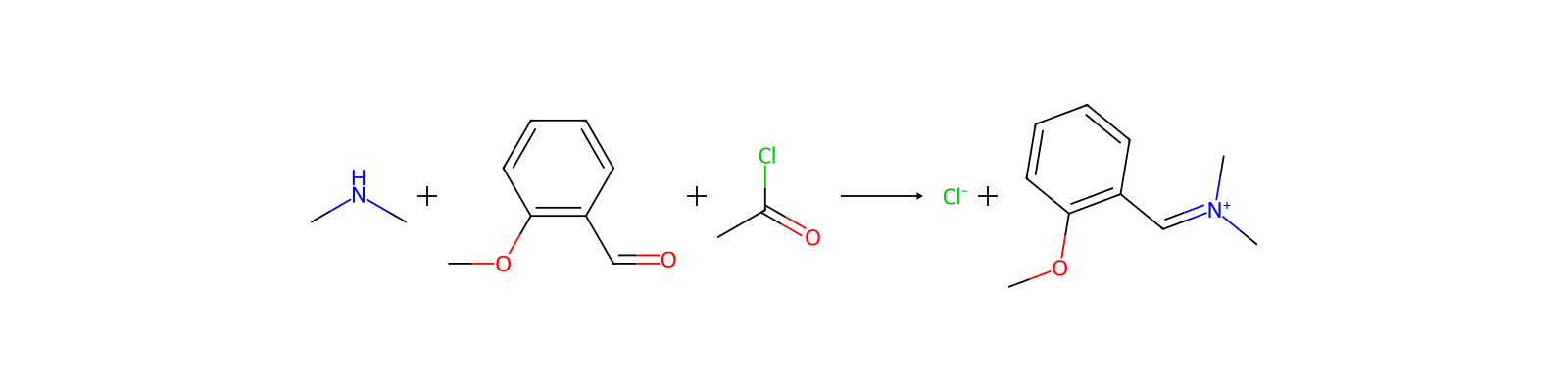
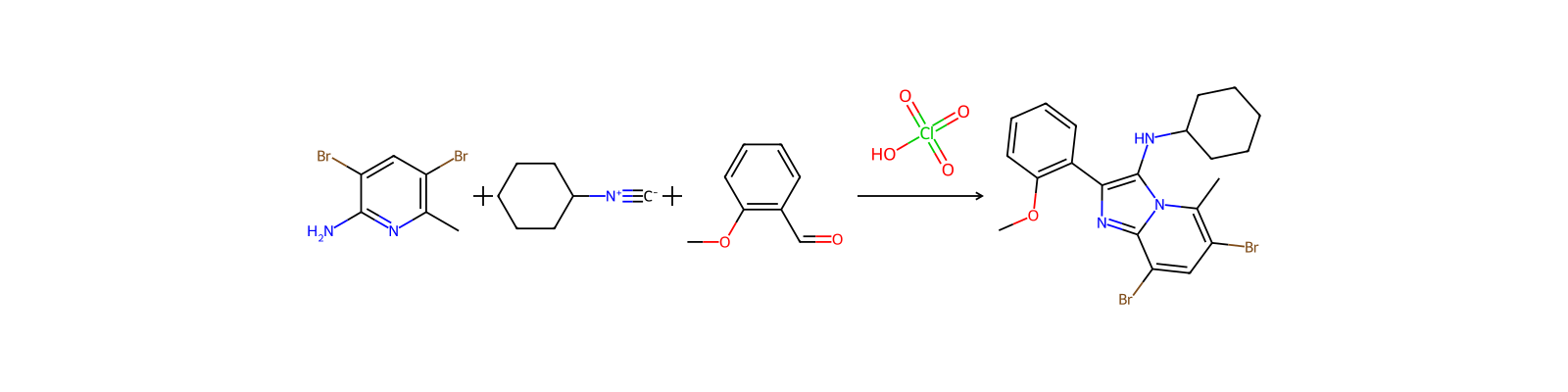
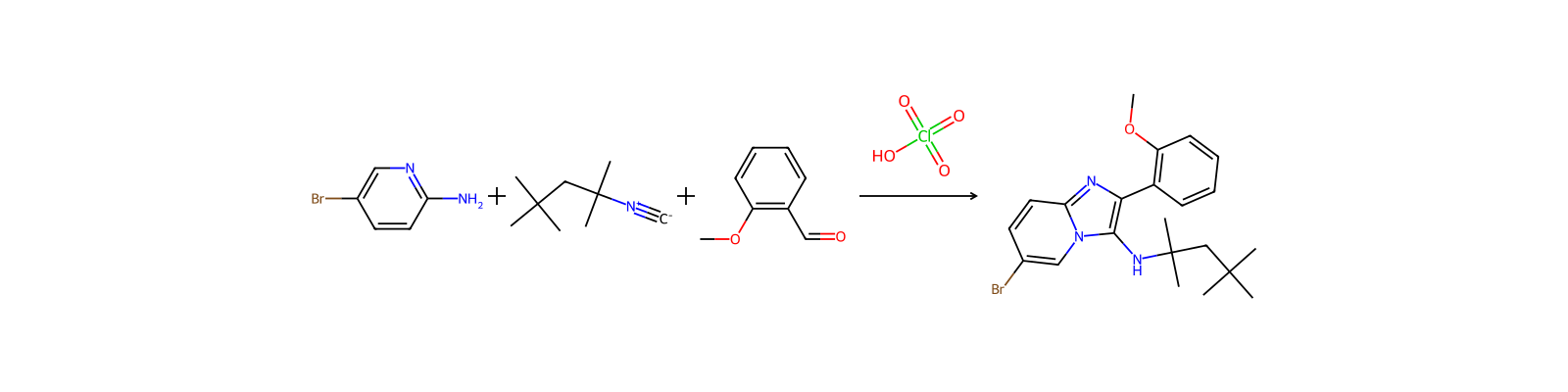
328 records



Linked notes
Loading…