

Basic information
- Standard SMILES
CCCCC(CC)C(=O)O- InChIKey
OBETXYAYXDNJHR-UHFFFAOYSA-N- Molecular formula
- C8H16O2
- Average molar mass
- 144.21 g/mol
- Monoisotopic mass
- 144.11502975
Overview
Ethylhexoic acid is a colorless to light yellow liquid with a mild odor. It will burn though it may take some effort to ignite. It is slightly soluble in water. It is corrosive to metals and tissue. It is used to make paint dryers and plasticizers.
Names & identifiers
- Preferred name
- 2-Ethylhexanoic Acid
- IUPAC
- 2-ethylhexanoic acid
- English name
- 2-Ethylhexanoic acid
- Molecular formula
- C8H16O2
- Molecular weight
- 144.21
Names & synonyms
2-ETHYLHEXANOIC ACID149-57-52-Ethylcaproic acidHexanoic acid, 2-ethyl-Ethylhexanoic acidEthylhexoic acid2-Ethylhexoic acidButylethylacetic acid2-Butylbutanoic acid3-Heptanecarboxylic acid2-ethyl-hexoic acidalpha-Ethylcaproic acid
Show more names
2-ethylhexanoic2-ETHYLCAPRONIC ACID(RS)-2-EthylhexansαureCAPRYLIC ACID(SG)2-Ethyl-1-hexanoicacid
DTXSID90252932-Ethyl-1-hexanoic acid01MU2J7VVZalpha-Ethylhexanoic acidNSC-8881DTXCID805293RefChem:909811(+-)-2-ETHYLHEXANOIC ACID
Database identifiers
- CAS
149-57-5、56006-48-5、61788-37-2- PubChem CID
- 8697
- DTXSID
DTXSID9025293- ChEMBL
CHEMBL1162485- ChEBI
CHEBI:89058- UNII
- 01MU2J7VVZ
- EC Number
- 205-743-6
- Nikkaji
- J36.965I
Properties
Computed structural properties
- XLogP
- 2.6
- Topological polar surface area
- 37.3 Ų
- Hydrogen bond donors
- 1
- Hydrogen bond acceptors
- 2
- Rotatable bonds
- 5
- Heavy atoms
- 10
- Formal charge
- 0
- Complexity
- 99.4
Experimental & physicochemical properties
Chemical Classes
Other Classes -> Organic Acids
Phthalate
LipidsFatty Acyls [FA] -> Fatty Acids and Conjugates [FA01] -> Branched fatty acids [FA0102]
LogP
log Kow = 2.64
2.64
2.64
OdorMild odor
Density
0.903 (USCG, 1999) - Less dense than water; will float
0.9031 g/cu cm at 25 °C
Relative density (water = 1): 0.90
0.903
0.9031 @25 °C
Flavoring AgentsEU Flavoring substances
Viscosity7.8 mPa s
Color/FormClear liquid
Solubility
less than 1 mg/mL at 84 °F (NTP, 1992)
Soluble in ethyl ether, carbon tetrachloride; slightly soluble in ethanol.
Solubility in water = 1.4 g/L water at 25 °C.
In water at 20 °C, 0.2 wt %. /2,000 mg/L/
2 mg/mL at 20 °C
Solubility in water, g/100ml: 0.14 (very poor)
Flash Point
260 °F (NTP, 1992)
118 °C
114 °C (closed cup)
245 °F (118 °C) (OPEN CUP)
118 °C o.c.
260 °F
Boiling Point
442 °F at 760 mmHg (NTP, 1992)
228 °C
220.00 to 223.00 °C. @ 760.00 mm Hg
227 °C
442 °F
228 °C @760 [mm Hg]
DecompositionWhen heated to decomposition, it emits acrid and irritating fumes.
Physicochemical properties
- Melting point
- -59 °C · -59 °C
- Boiling point
- 228 °C · 228 °C(lit.)
- Density
- 0.906 · 0.906
- vapor density
- 4.98 · 4.98 (vs air)
- vapor pressure
- 0.01 mm · <0.01 mm Hg ( 20 °C)
- refractive index
- 20 · n20/D 1.425(lit.)
- FLAVIS Number
- 8.078 · 08.078 | 2-Ethylhexanoic acid
- Flash point
- 230 °F · 230 °F
- storage temp.
- 30 °C · Store below +30°C.
- solubility
- 1.4 g/l · 1.4g/l
- form
- Liquid
- pka
- 1 · pK1:4.895 (25°C)
- color
- Clear
- PH
- 3 · 3 (1.4g/l, H2O, 20℃)
- Odor
- Mild odour
- PH Range
- 3 at · 3 at 1.4 g/l at 20 °C
- biological source
- synthetic
- Viscosity
- 7.73 cps · 7.73 cps
- explosive limit
- 1.04 %, · 1.04%, 135°F
- Water Solubility
- 2 g/L · 2 g/L (20 ºC)
- BRN
- 1750468 · 1750468
- Henry's Law Constant
- 3.5 · 3.5×100 mol/(m3Pa) at 25℃, HSDB (2015)
- Exposure limits
- 5 mg/m3 · ACGIH: TWA 5 mg/m3
- Stability
- Stable. Combustible. Incompatible with strong oxidizing agents, reducing agents, bases.
- InChI
- 1S/C8H16O2/c1-3-5-6-7(4-2)8(9)10/h7H,3-6H2,1-2H3,(H,9,10)
- InChIKey
- OBETXYAYXDNJHR-UHFFFAOYSA-N
- SMILES
- CCCCC(CC)C(O)=O
- LogP
- 2.7 at · 2.7 at 25℃
- CAS DataBase Reference
- 149 · 149-57-5(CAS DataBase Reference)
- EWG's Food Scores
- 2 · 2
- FDA UNII
- 1 MU2J7VVZ · 01MU2J7VVZ
- NIST Chemistry Reference
- 2 · Hexanoic acid, 2-ethyl-(149-57-5)
- EPA Substance Registry System
- 2 · 2-Ethylhexanoic acid (149-57-5)
- UNSPSC Code
- 41116107 · 41116107
- NACRES
- 24 · NA.24
- Symbol(GHS)
- 8 · GHS08
- Signal word
- Warning
- Hazard statements
- 361 d · H361d
- Precautionary statements
- 280 · P280
- PPE
- Eyeshields, Faceshields, Gloves, type ABEK (EN14387) respirator filter
- Hazard Codes
- Xn
- Risk Statements
- 63 · 63-41-37/38-20/21/22
- Safety Statements
- 36 · 36/37-36/37/39-26-2
- RIDADR
- 3265 · UN 3265 8/PG 2
- WGK Germany
- 1 · 1
- RTECS
- 7700000 · MO7700000
- F
- 13 · 13
- Autoignition Temperature
- 699 °F · 699 °F
- TSCA
- TSCA listed
- HazardClass
- 8 · 8
- PackingGroup
- III
- HS Code
- 29159080 · 29159080
- Storage Class
- 6.1 C · 6.1C - Combustible acute toxic Cat.3toxic compounds or compounds which causing chronic effects
- Hazard Classifications
- 1 B · Repr. 1B
- Hazardous Substances Data
- 149 · 149-57-5(Hazardous Substances Data)
- Toxicity
- 50 orally · LD50 orally in Rabbit: 3640 mg/kg LD50 dermal Rabbit > 2000 mg/kg
- REACH Registrations
- Active
Safety & regulation
GHS classification
GHS Classification
This chemical does not meet GHS hazard criteria for < 0.1% (1 of 1895) of reports.
Danger
H360D (10.4%): May damage the unborn child [Danger Reproductive toxicity]
P203, P280, P318, P405, and P501 (click each P-code to see the statement)
Aggregated GHS information provided per 1895 reports by companies from 23 notifications to the ECHA C&L Inventory. Each notification may be associated with multiple companies.
Danger
Hazard information
Regulatory Information
Chemical: Hexanoic acid, 2-ethyl-
Commission Regulation (EC) No 1565/2000 (Repealed by Com. Implementing Reg. (EU) No 872/2012)
Hexanoic acid, 2-ethyl- is listed on the EPA's Chemical Data Reporting (CDR) system. Manufacturers and importers of Hexanoic acid, 2-ethyl- are required to report information about their production and use of this chemical to the EPA under the Toxic Substances Control Act (TSCA). (40 eCFR Part 711)
Status: Active Update: 17-05-2023 https://echa.europa.eu/registration-dossier/-/registered-dossier/14246
Ethyl hexanoic acid: Does not have an individual approval but may be used under an appropriate group standard
The New Jersey Worker and Community Right to Know Act requires public and private employers to provide information about hazardous substances at their workplaces. (N.J.S.A. 34:5A-1 et. seq.)
Other Safety InformationIMAP assessments - Hexanoic acid, 2-ethyl-: Human health tier II assessment
Fire Hazards
This chemical is combustible. (NTP, 1992)
Combustible.
Health Hazards
Harmful if swallowed, inhaled or absorbed through skin. Material is extremely destructive to tissues of mucous membranes and upper respiratory tract, eyes and skin. Inhalation may be fatal as a result of spasm, inflammation and edema of the larynx, bronchii, chemical pneumonitis and pulmonary edema. Symptoms of exposure may include burning sensation, coughing, wheezing, laryngitis, shortness of breath, headache, nausea and vomiting. (USCG, 1999)
Hazards Summary
Corrosive to skin; [Quick CPC] High inhalation exposure can cause pulmonary edema; Causes liver changes in feeding studies of rats and mice; [HSDB] The TLV is based on teratogenic effects in animal studies. [ACGIH] May cause second-degree skin burns following short-term contact; Vapors cause severe eye and throat irritation (and possibly eye and lung injury) and are intolerable even at low concentrations; Inhalation may cause chemical pneumonitis and pulmonary edema; [CHRIS] A mild skin irritant; May cause severe eye and mucous membrane irritation; [Alfa Aesar MSDS]
Reactive GroupAcids, Carboxylic
EC ClassificationSymbol: Xn; R: 63; S: (2)-36/37
Special Reports
BG Chemie; Toxicological Evaluation No. 275. 2-Ethyl-hexanoic acid (CAS No. 149-57-5). 84 p. (2000) BG Chemie, Heidelberg, Germany. Report available from a search of the BG Chemie website, www.bechemie.de/toxicologicalevaluations as of July 31, 2007. An evaluation of the toxicological information on the subject chemical prepared and reviewed by experts on behalf of BG Chemie.
EPA; Robust Summaries & Test Plans: Metal Carboxylates; Revised Summaries (September 22, 2004) Appendix 1.0. Robust Summaries and SIDS Dossier for 2-Eethvlhexanoic acid. Describes information submitted to the U.S. EPA by industry participating in the HPV Challenge Program.
European Chemicals Bureau; IUCLID Dataset, 2-Ethylhexanoic acid (149-57-5) (2000 CD-ROM edition). Describes information on usage patterns, ecotoxicity and toxicity supplied to the European Union by industry.
TSCA Requirements
Pursuant to section 8(d) of TSCA, EPA promulgated a model Health and Safety Data Reporting Rule. The section 8(d) model rule requires manufacturers, importers, and processors of listed chemical substances and mixtures to submit to EPA copies and lists of unpublished health and safety studies. 2-Ethylhexanoic acid is included on this list.
Reactivity Profile
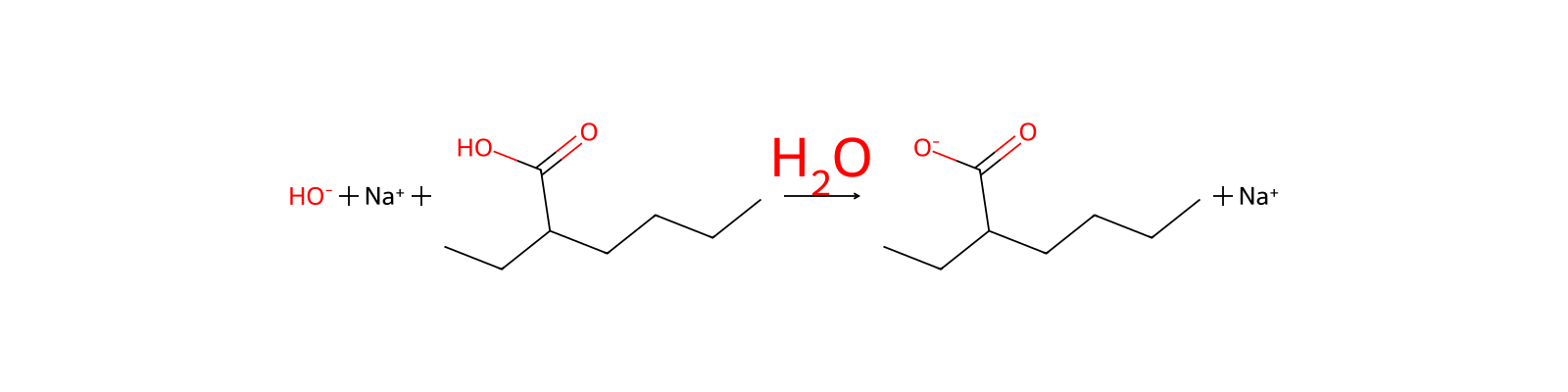
ETHYLHEXOIC ACID is a carboxylic acid. Carboxylic acids donate hydrogen ions if a base is present to accept them. They react in this way with all bases, both organic (for example, the amines) and inorganic. Their reactions with bases, called "neutralizations", are accompanied by the evolution of substantial amounts of heat. Neutralization between an acid and a base produces water plus a salt. Carboxylic acids with six or fewer carbon atoms are freely or moderately soluble in water; those with more than six carbons are slightly soluble in water. Soluble carboxylic acid dissociate to an extent in water to yield hydrogen ions. The pH of solutions of carboxylic acids is therefore less than 7.0. Many insoluble carboxylic acids react rapidly with aqueous solutions containing a chemical base and dissolve as the neutralization generates a soluble salt. Carboxylic acids in aqueous solution and liquid or molten carboxylic acids can react with active metals to form gaseous hydrogen and a metal salt. Such reactions occur in principle for solid carboxylic acids as well, but are slow if the solid acid remains dry. Even "insoluble" carboxylic acids may absorb enough water from the air and dissolve sufficiently in it to corrode or dissolve iron, steel, and aluminum parts and containers. Carboxylic acids, like other acids, react with cyanide salts to generate gaseous hydrogen cyanide. The reaction is slower for dry, solid carboxylic acids. Insoluble carboxylic acids react with solutions of cyanides to cause the release of gaseous hydrogen cyanide. Flammable and/or toxic gases and heat are generated by the reaction of carboxylic acids with diazo compounds, dithiocarbamates, isocyanates, mercaptans, nitrides, and sulfides. Carboxylic acids, especially in aqueous solution, also react with sulfites, nitrites, thiosulfates (to give H2S and SO3), dithionites (SO2), to generate flammable and/or toxic gases and heat. Their reaction with carbonates and bicarbonates generates a harmless gas (carbon dioxide) but still heat. Like other organic compounds, carboxylic acids can be oxidized by strong oxidizing agents and reduced by strong reducing agents. These reactions generate heat. A wide variety of products is possible. Like other acids, carboxylic acids may initiate polymerization reactions; like other acids, they often catalyze (increase the rate of) chemical reactions.
Chemical DangersThe substance is a strong reducing agent. It reacts violently with oxidants. Decomposes on heating. This produces irritating fumes.
Flammable LimitsLower flammable limit: 0.8% by volume; Upper flammable limit: 6.0% by volume
Safety & protection
Fire FightingUse water spray, powder, foam, carbon dioxide.
First Aid Measures
Fresh air, rest.
Remove contaminated clothes. Rinse skin with plenty of water or shower.
First rinse with plenty of water for several minutes (remove contact lenses if easily possible), then refer for medical attention.
Rinse mouth. Give one or two glasses of water to drink. Refer for medical attention .
First Aid
EYES: First check the victim for contact lenses and remove if present. Flush victim's eyes with water or normal saline solution for 20 to 30 minutes while simultaneously calling a hospital or poison control center. Do not put any ointments, oils, or medication in the victim's eyes without specific instructions from a physician. IMMEDIATELY transport the victim after flushing eyes to a hospital even if no symptoms (such as redness or irritation) develop.
Safe StorageSeparated from strong oxidants. Store in an area without drain or sewer access.
Fire Fighting ProceduresCombustible. Water may be ineffective on fire. Wear self-contained breathing apparatus and protective clothing. Extinguish with dry chemical, alcohol foam, or carbon dioxide.
Storage ConditionsSeparated from strong oxidants. Store in an area without drain or sewer access.
Cleanup Methods
Collect leaking and spilled liquid in sealable containers as far as possible. Absorb remaining liquid in sand or inert absorbent and remove to safe place. Do NOT absorb in saw-dust or other combustible absorbents. Do NOT let this chemical enter the environment.
Disposal Methods
SRP: The most favorable course of action is to use an alternative chemical product with less inherent propensity for occupational exposure or environmental contamination. Recycle any unused portion of the material for its approved use or return it to the manufacturer or supplier. Ultimate disposal of the chemical must consider: the material's impact on air quality; potential migration in soil or water; effects on animal, aquatic, and plant life; and conformance with environmental and public health regulations.
Spillage Disposal
Personal protection: filter respirator for organic gases and vapours adapted to the airborne concentration of the substance. Do NOT let this chemical enter the environment. Collect leaking liquid in sealable containers. Absorb remaining liquid in sand or inert absorbent. Do NOT absorb in saw-dust or other combustible absorbents. Then store and dispose of according to local regulations.
Preventive Measures
SRP: The scientific literature for the use of contact lenses in industry is conflicting. The benefit or detrimental effects of wearing contact lenses depend not only upon the substance, but also on factors including the form of the substance, characteristics and duration of the exposure, the uses of other eye protection equipment, and the hygiene of the lenses. However, there may be individual substances whose irritating or corrosive properties are such that the wearing of contact lenses would be harmful to the eye. In those specific cases, contact lenses should not be worn. In any event, the usual eye protection equipment should be worn even when contact lenses are in place.
Eye PreventionWear safety goggles.
Fire PreventionNO open flames.
Toxicology
Ecotoxicity Values
LC50 Lepomis gibbosus /(Pumpkinseed sunfish)/ 270 mg/L/ 48 hr; static
LC50 /Oncorrhynchus mykiss (Rainbow trout)/ 180 mg/L/96 hr; static
LC50; Species: Xenopus laevis (African clawed toad, embryo); Conditions: freshwater, renewal, pH 7.0-7.8; Concentration: 645500 ug/L for 96 hr (95% confidence interval: 496000-759000 ug/L) /> or =98% purity/
LC50 Pimephales promelas (Fathead minnow, adult) 70 mg/L/96 hr; static, pH 5.3-5.5
For more Ecotoxicity Values (Complete) data for 2-ETHYLHEXANOIC ACID (6 total), please visit the HSDB record page.
Environmental Fate
TERRESTRIAL FATE: Based on a classification scheme(1), an estimated Koc value of 650(SRC), determined from a log Kow of 2.64(2) and a regression-derived equation(3), indicates that 2-ethylhexanoic acid is expected to have low mobility in soil(SRC). The estimated pKa of 2-ethylhexanoic acid is 4.70(4), indicating that this compound will partially exist in the anion form in the environment and anions generally do not adsorb more strongly to soils containing organic carbon and clay than their neutral counterparts(5). Volatilization of 2-ethylhexanoic acid from moist soil surfaces is expected to be a slow fate process(SRC) given an estimated Henry's Law constant of 2.8X10⁻⁶ atm-cu m/mole(SRC), derived from its vapor pressure, 0.03 mm Hg(6), and water solubility, 2,000 mg/L(7). 2-Ethylhexanoic acid is not expected to volatilize from dry soil surfaces(SRC) based upon its vapor pressure(6). A biodegradation half-life of approximately 5 days when incubated in river sediment(8) suggests that biodegradation may be an important environmental fate process in soil(SRC).
AQUATIC FATE: Based on a classification scheme(1), an estimated Koc value of 650(SRC), determined from a log Kow of 2.64(2) and a regression-derived equation(3), indicates that 2-ethylhexanoic acid is expected to adsorb to suspended solids and sediment(SRC). Volatilization from water surfaces is not expected(3) based upon an estimated Henry's Law constant of 2.8X10⁻⁶ atm-cu m/mole(SRC), developed using a fragment constant estimation method(4), derived from its vapor pressure, 0.03 mm Hg(5), and water solubility, 2,000 mg/L(6). Using this Henry's Law constant and an estimation method(3), volatilization half-lives for a model river and model lake are 15 and 120 days, respectively(SRC). According to a classification scheme(7), an estimated BCF of 3(SRC), from its log Kow(2) and a regression-derived equation(8), suggests the potential for bioconcentration in aquatic organisms is low(SRC). A biodegradation half-life of approximately 5 days when incubated in river sediment(9) suggests that biodegradation may be an important environmental fate process in water(SRC).
ATMOSPHERIC FATE: According to a model of gas/particle partitioning of semivolatile organic compounds in the atmosphere(1), 2-ethylhexanoic acid, which has a vapor pressure of 0.03 mm Hg at 20 °C(SRC), determined from a fragment constant method(2), is expected to exist solely as a vapor in the ambient atmosphere. Vapor-phase 2-ethylhexanoic acid is degraded in the atmosphere by reaction with photochemically-produced hydroxyl radicals(SRC); the half-life for this reaction in air is estimated to be 2 days(SRC), calculated from its rate constant of 8.2X10⁻¹² cu cm/molecule-sec at 25 °C(SRC) that was derived using a structure estimation method(3). 2-Ethylhexanoic acid does not contain chromophores that absorb at wavelengths >290 nm(4) and therefore is not expected to be susceptible to direct photolysis by sunlight(SRC).
Food Survey Values
After simultaneous distillation-extraction (SDE) of commercial baby foods (n = 20) and fruit juices (n = 15) (among them 15 and eight products labelled 'organic', respectively) from 11 different suppliers, analyses performed by coupled capillary gas chromatography-mass spectrometry (GC-MS) revealed the presence of 2-ethylhexanoic acid (2-EHA), a known teratogenic compound. 2-EHA was found in 80 and 73% of the baby foods and fruit juices, respectively. Amounts ranged from 0.25 to 3.2 mg kg(-1)(average, 0.55 mg kg(-1)) and from 0.01 to 0.59 mg L(-1) (average, 0.18 mg L(-1)) in baby foods and fruit juices, respectively. GC-MS analysis of the SDE extracts obtained from the plastic gaskets inside the metal lids of the samples under study revealed the gaskets to be the origin of 2-EHA.
2-Ethylhexanoic acid was identified as a volatile component in raw beef; the compound may not be representative of raw beef but rather more akin to products produced in cooked fat(1).
Adverse EffectsOccupational hepatotoxin - Secondary hepatotoxins: the potential for toxic effect in the occupational setting is based on cases of poisoning by human ingestion or animal experimentation.
Exposure RoutesThe substance can be absorbed into the body by inhalation of its vapour, through the skin and by ingestion.
Ecotoxicity Excerpts
/AQUATIC SPECIES/ Earlier work with pure cultures had shown that the interaction of microbes with plasticizers leads to the formation of metabolites including 2-ethylhexanoic acid and 2-ethylhexanol that resist further degradation. The presence of these metabolites is now reported in a variety of environmental samples. Thus, even in a complex ecosystem, when plasticizers are degraded, the breakdown is not complete and significant amounts of 2-ethylhexanoic acid and 2-ethylhexanol are observed. These compounds have been shown to exhibit acute toxicity using Microtox, Daphnia, rainbow trout and fathead minnow toxicity assays. Since it is already well established that plasticizers are ubiquitous in the environment, it is expected that their recalcitrant metabolites will also be ubiquitous. This is of concern because, while the plasticizers do not exhibit acute toxicity, their metabolites do.
Signs and Symptoms
Cough.
Redness.
Redness. Pain.
Abdominal pain. Burning sensation. Diarrhoea.
Effluent Concentrations
2-Ethylhexanoic acid was detected in groundwater from a landfill well near Norman, OK at an estimated concn of 4.2 ug/L(1). 2-Ethylhexanoic acid was identified as a volatile compound emitted from bonded urethane carpet cushions(2). 2-Ethylhexanoic acid was identified as a byproduct of chlorine dioxide disinfection of drinking water at a pilot plant in Evansville, IN(3). Leachate samples collected from a Swedish municipal landfill in May 1990 contained 2-ethylhexanoic acid at an unreported concn(4). Water samples from several sampling stations in the "Valley of the Drums" near Louisville, KY were found to contain ethyl hexanoic acid(5). Groundwater samples collected near an area known to be contaminated by wood-preserving chemicals in Pensacola, FL contained 2-ethylhexanoic acid at concns of 0.17, 5.79, and 1.44 mg/L 6.1, 3.3, and 5.8 m below the surface, respectively(6). 2-Ethylhexanoic acid was identified in trench leachate from low-level radioactive waste disposal sites in Maxey Flats, KY and West Valley, NY at an average concn of 5.9 and 140 mg/L, respectively(7). 2-Ethylhexanoic acid was detected in the leachate of a sanitary landfill located in Barcelona, Spain at an unreported concn(8). 2-Ethylhexanoic acid was detected in emissions from a municipal waste incineration plant at a concn of 0.60 ug/cu m(9).
2-Ethylhexanoic acid has been identified in municipal landfill leachate samples from Gryta, Vasteras, Sweden, sampled in May, 1990; the compounds was detected not quantified in 1 of 3 samples(1). The possible origins were identified as detergents and as a hydrolysis product of phthalates(1). The compound was present at a concentration of 155 ug/L in leachate from a landfill for municipal wastes in Japan(2).
ICSC Environmental DataThe substance is harmful to aquatic organisms.
Soil Adsorption/Mobility
The Koc of 2-ethylhexanoic acid is estimated as 650(SRC), using a log Kow of 2.64(1)((1,SRC) and a regression-derived equation(2). According to a classification scheme(3), this estimated Koc value suggests that 2-ethylhexanoic acid is expected to have low mobility in soil. The estimated pKa of 2-ethylhexanoic acid is 4.70(4), indicating that this compound will partially exist in the anion form in the environment and anions generally do not adsorb more strongly to soils containing organic carbon and clay than their neutral counterparts(5).
TSCA Test Submissions
2-Ethylhexanoic acid (CAS # 149-57-5) was evaluated for corrosive dermal irritation under exposure conditions prescribed in adjunctive dermal pharmacokinetic study. Four groups of 2 female Fischer 344 rats were exposed with undiluted injections of approximately 1 g/kg through an occluded containment device (2 x 2 cm exposure area) attached to shaved dorsal skin. A pair of treated rats and one of four control rats, similarly attired without treatment, were sacrificed at 24, 48, 72, and 96 hours post-injection for gross and microscopic assessments of dermal corrosion. Gross changes associated with treatment were minimal at 96-hour final necropsy. A white powdery deposit on treated skin and one incidence of focal (2 mm diameter) erythema were observed in the 2 treated rats. Histopathological review, however, revealed a profound dermal response at 24 hours, characterized by necrosis with inflammation of underlying dermal and hypodermis indicative of a breakdown of epidermal integrity. Serial examinations revealed healing by regeneration of necrotic areas from adjacent, less damaged areas' increasing thickness at 48 hours, and a progressive reversal of epidermal thickening at 72 and 96 hours. At 48 hours, acanthosis and keratosis were apparent in most samples, as were prominent keratohyalin granules and parakeratosis. Mitotic figures gave testimony to regeneration from basal layer cells. The study authors offered the lack of residual test substance in the containment device at 24 hours with subsequent amelioration of dermal corrosion as evidence of rapid (24 hour) dermal absorption of 2-ethylhexanoic acid.
2-Ethylhexanoic acid was evaluated for corrosive dermal irritation under exposure conditions prescribed in adjunctive dermal pharmacokinetics study. Four groups of 2 female Fischer 344 rats were exposed with undiluted injections of approximately 1 g/kg through an occluded containment device (2 x 2 cm exposure area) attached to shaved dorsal skin. A pair of treated rats and one of four control rats, similarly attired without treatment, were sacrificed at 24, 48, 72, and 96 hours post-injection for gross and microscopic assessments of dermal corrosion. Gross changes associated with treatment were minimal at 96-hour final necropsy. Histopathological review, however, revealed a profound dermal response at 24 hours, characterized by necrosis with inflammation of underlying dermal and hypodermis indicative of a breakdown of epidermal integrity. Serial examinations revealed healing by regeneration of necrotic areas from adjacent, less damaged areas' increasing thickness at 48 hours, and a progressive reversal of epidermal thickening at 72 and 96 hours. At 48 hours, acanthosis and keratosis were apparent in most samples, as were prominent keratohyalin granules and parakeratosis. Mitotic figures gave testimony to regeneration from basal layer cells. The study authors offered the lack of residual test substance in the containment device at 24 hours with subsequent amelioration of dermal corrosion as evidence of rapid (24 hour) dermal absorption of 2- ethylhexanoic acid.
2-Ethylhexanoic acid (2-EHA) was evaluated for toxicity in female Fischer 344 rats (4/dose group) administered single measured doses of 0 (vehicle control), 90, 722, 1445, or 2890 mg 2-EHA/kg bw/day by gavage in corn oil. Animals were observed for 14 days after dosing, then sacrificed. All rats treated with 2890 mg/kg died on day 1. The cause of death was not determined. The remaining rats survived the observation period. Rats given 722 mg/kg or higher exhibited weakness on the day of dosing. Weight loss was observed (14/16) during the first 24 hours after dosing, but by day 7, all had regained and exceeded their original weight. Absolute and relative liver (only organ examined) weight of the surviving rats did not differ from controls. An histopathological examination was not conducted. An LD50 of 2043 mg/kg bw/day was calculated.
Acute dermal toxicity was evaluated in 4 rabbits (sex and strain not reported) receiving single occluded applications of 2-ethylhexanoic acid as a 40% solution in DMSO at a dose level of 6.4 g/kg of body weight. Mortality was observed in 1 animal; the LD50 value was reported to be 6.4 g/kg. Clinical observations were not reported. Gross necropsy revealed extensive autolysis.
For more TSCA Test Submissions (Complete) data for 2-ETHYLHEXANOIC ACID (8 total), please visit the HSDB record page.
Atmospheric ConcentrationsURBAN/SUBURBAN: 2-Ethylhexanoic acid was identified but not quantitated in air samples collected along the Niagara River in Sept 1982(1).
Regulatory information
TSCA Requirements
Pursuant to section 8(d) of TSCA, EPA promulgated a model Health and Safety Data Reporting Rule. The section 8(d) model rule requires manufacturers, importers, and processors of listed chemical substances and mixtures to submit to EPA copies and lists of unpublished health and safety studies. 2-Ethylhexanoic acid is included on this list.
Safety data
- F
- 13
- PPE
- Eyeshields, Faceshields, Gloves, type ABEK (EN14387) respirator filter
- wgk
- 1
- tsca
- TSCA listed
- rtecs
- MO7700000
- ridadr
- UN 3265 8/PG 2
- hs_code
- 29159080
- Toxicity
- LD50 orally in Rabbit: 3640 mg/kg LD50 dermal Rabbit > 2000 mg/kg
- risk_code
- 63-41-37/38-20/21/22
- Signal word
- Warning
- Symbol(GHS)
- GHS08
- hazard_code
- Xn
- safety_code
- 36/37-36/37/39-26-2
- hazard_class
- 8
- Storage Class
- 6.1C - Combustible acute toxic Cat.3toxic compounds or compounds which causing chronic effects
- packing_group
- III
- Hazard statements
- H361d
- REACH Registrations
- Active
- Hazard Classifications
- Repr. 1B
- Autoignition Temperature
- 699 °F
- Precautionary statements
- P280
- Hazardous Substances Data
- 149-57-5(Hazardous Substances Data)
Chemistry & industry
Pharmacology
Mechanism of Action
A mouse model for the induction of exencephaly with sodium (+ or -)-2-ethylhexanoate has been developed using multiple administration regimes. With three consecutive administrations one-half-day intervals, the most sensitive time to induce exencephaly was Gestational Days 8-9. Using the racemic substance it was determined that the SWV strain was more sensitive to the induction of exencephaly than the C57BL/6NCrlBR strain. The enantiomers of 2-ethylhexanoic acid were separated via preparative HPLC to greater than 99.8% optical purity, and greater than 99% purity according to a gas chromatographic analysis. It was demonstrated that the (R)-enantiomer is a more potent teratogen than the (S)-enantiomer for the induction of exencephaly as well as malformations of other organ systems. Pharmacokinetic analyses for each of the enantiomers were performed in maternal plasma, maternal muscle, and embryo. The pharmacokinetics showed that the peak concentration (Cmax) for both enantiomers in the three compartments was approximately equivalent and was attained within 15 min following the third administration. The area under the concentration versus time curve values for the two enantiomers were approximately 10 higher for the (R)-antipode because of a slightly slower elimination of this compound. There was negligible (or no) racemization of the two enantiomers in the biological samples. The results suggest that teratologic differences in the enantiomers of sodium 2-ethylhexanoate are not due to differences in the concentrations of these antipodes in the embryo, but more likely result from the specific interaction of the enantiomers with chiral molecules in the embryo.
Biological Half-Life
/In female FIscher rats/ Blood levels after iv injection appear to decay in a triphasic manner with half-lives of 0.19 +/- 0.11 hrs, 6.6 +/- 3.9 hrs, and 117 +/- 47 hrs. After oral administration, peak blood levels were achieved after 15 or 30 minutes, and also declined triphasically with half-lives similar to what had been estimated from intravenous administration (0.32 +/- 0.04 hrs, 6.8 +/- 3.5 hrs, and 98.2 +/- 32.8 hrs). Dermal application resulted in slower absorption with peak blood levels occurring 5.7 +/- 0.4 hours after application and a half-life of 3.2 +/- 0.1 hr. Elimination was biphasic with half-lives of 4.2 +/- 0.2 and 251 +/- 135 hrs.
Metabolism/Metabolites
Male Wistar rats receiving 2-ethylhexanoic acid in drinking water (600 mg/kg daily) for 9 weeks eliminated 10 different metabolites, including 2-ethyl-1,6-hexanedioic acid, 2-ethyl-6-hydroxyhexanoic acid, five other hydroxylated metabolites and two lactones, the unsaturated 5,6-dehydro-2-ethylhexanoic acid, and parent compound (partly as the glucuronic acid conjugate).
Major urinary metabolites included the glucuronide of 2-ethylhexanoic acid, the glucuronides of 2-ethyl-6-hydroxyhexanoic acid and 2-ethyl-1,6-hexanedioic acid, and unmetabolized 2-ethylhexanoic acid. The proportions of each metabolite changed with the dose and route of administration.
... Liver microsomes were extracted from male Han/Wistar rats, male DBA/2N/Kuo mice, and humans undergoing liver surgery. 2-Ethylhexanoic acid metabolism was determined in-vitro by incubating the microsomes in the presence and absence of the cytochrome P450 inhibitors triacetyloleandomycin, metyrapone, quinidine, and SKF-525A. In-vivo, 2-ethylhexanoic acid metabolism was determined by administering 2-ethylhexanoic acid to rats with and without the cytochrome P450 inhibitors, and by assessing metabolite levels in human urine samples taken from 2-ethylhexanoic acid exposed sawmill workers. The main 2-ethylhexanoic acid metabolite produced in all microsomes was 2-ethyl-1,6-hexanedioic acid. Production of this metabolite was prevented by triacetyloleandomycin, metyrapone, quinidine, and SKF-525A. /It was/ concluded that some cytochrome P450s may contribute to 2-ethylhexanoic acid metabolism in the liver, that the same 2-ethylhexanoic acid metabolites are formed in rats and humans, and that 2-ethylhexanoic acid resembles the hepatotoxicant 2-envalproic acid.
The metabolites of 2-ethylhexanoic acid ... were investigated in rat urine. Male Wister rats were give 2-ethylhexanoic acid in drinking water 1600 mg/kg daily for nine weeks, and then urine specimens were collected and analysed. ... In addition to 2-(ethylhexyl)adipate, ten different 2-(ethylhexyl)adipate related metabolites were found in the urine of 2-(ethylhexyl)adipate treated rats. The main metabolite was 2-ethyl-1,6-hexanedioic acid. Urine also contained 2-ethyl-6-hydroxyhexanoic acid and five other hydroxylated metabolites and two lactones, the detailed structures of which have not yet been elucidated. The unsaturated 5,6-dehydro-di-2-(ethylhexyl)adipate was also identified; this is the metabolite corresponding to 2-n-propyl-4-pentenoic acid, the hepatotoxic metabolite of valproic acid. At least part of the 2-(ethylhexyl)adipate is present in urine as a glucuronide conjugate.
For more Metabolism/Metabolites (Complete) data for 2-ETHYLHEXANOIC ACID (6 total), please visit the HSDB record page.
Absorption, Distribution and Excretion
The disposition of di-2-(ethylhexyl)adipate in humans following administration of the stable isotope labeled test substance was investigated. Blood and urine samples were collected from six male volunteers following the administration of 46 mg of 2H10 labeled di-2-(ethylhexyl)adipate. Blood was collected at 0.5, 1, 2, 3, 4, 5, 6, 8, and 12 hours after administration. Urine was collected for up to 96 hours after administration. No adverse effects were observed in any of the volunteers and no significant changes in biochemical or hematological parameters were seen. The plasma contained no parent molecule; however, the metabolite 2-ethylhexanoic-acid was detected, but levels were below the limit of quantitation. 2-ethylhexanoic-acid, as a conjugated product, was also the principal metabolite detected in urine. Urinary elimination of the di-2-(ethylhexyl)adipate metabolites peaked within 8 hours of dosing in all volunteers; beyond 36 hours, no metabolites were detected in urine. The conjugated 2-ethylhexanoic acid in urine accounted for an average of 8.6% of the administered dose. A further 3.5% of the dose was accounted for by 2-ethyl-5-hydroxyhexanoic acid, 2-ethylhexanedioic acid, 2-ethyl-5-keto-hexanoic acid, and 2-ethylhexanol. /It was/ concluded that 2-ethylhexanoic acid is an appropriate marker for biological monitoring in estimating the dietary di-2-(ethylhexyl)adipate intake as it is the major metabolite identified and as its rate of elimination is similar to that of other measured di-2-(ethylhexyl)adipate metabolites.
... 2-(14)C-ethylhexanoic acid in rat blood, brain, liver and kidney was quantitated by liquid scintillation analysis and by wholebody autoradiography in mice. A single intraperitoneal dose of 2-(14)C-ethylhexanoic acid was injected in both species. Animals were sacrificed 30 min, 2 and 6 hr after the administration of 2-(14)C-ethylhexanoic acid in autoradiography experiments. The highest uptake of 2-(14)C-ethylhexanoic acid was observed in the liver, kidney and blood in mice. In contrast, low uptake of 2-(14)C-ethylhexanoic acid was seen in the brain. 2-(14)C-ethylhexanoic acid was well detectable in the olfactory bulb and in the salivary gland. In rats, at 2 hr after administration the highest concentration of 2-(14)C-ethylhexanoic acid occurred in blood (0.3%; of the total dose/g tissue). The radioactivity in the liver (0.2%) and kidney (0.1%) was also relatively high. The concentrations of 2-(14)C-ethylhexanoic acid was low in the brain (0.02%). By 6 hr, the radioactivity had decreased rapidly and was hardly measurable at 24 hr after the administration. The results suggest that 2-ethylhexanoic acid is rapidly cleared from the tissues.
[2-14(C)-Hexyl]2-ethylhexanoic acid in corn oil was administered to female Fischer 344 rats either as a single oral gavage at 100 or 1000 mg/kg, or after 14 days of oral unlabeled 2-ethylhexanoic acid (100 mg/kg only). An aqueous solution of [2-14(C)-hexyl]2-ethylhexanoic acid was applied topically at either 100 or 1000 mg/kg and another group of rats received 2-ethylhexanoic acid by intravenous injection (1 mg/kg). Urine, feces, and blood were collected at various intervals for 96 hr. Approximately 72 to 75 percent of the oral dose was excreted in the urine within 24 hr, and <10 percent was excreted after 24 hr. About 50% of the 14(C) was excreted in the first 8 hr after the 100-mg/kg dose versus 20 percent after the 1000 mg/kg dose. Fecal excretion accounted for 7 to 12 percent of both doses. After intravenous injection, 64 percent of the l4(C) was excreted in the urine and 2 percent in the feces. Repeated dosing with unlabeled 2-ethylhexanoic acid (100 mg/kg) appeared to reduce the urinary elimination of 14(C) slightly to 55 percent in urine, whereas the fecal excretion increased to 15 percent in the first 24 hr. After dermal application, approximately 30 percent of the applied dose was excreted in the urine during the first 24 hr, followed by an additional 8 and 17 percent from 24 to 96 hr for the 100- and 1000-mg/kg doses, respectively. Fecal excretion was 7 percent for both dose levels. Dermal absorption was estimated to be 63 to 70 percent relative to intravenous administration. After dermal application, peak blood levels of 14C occurred about 5.7 hr after application and the absorption half-life was 3.2 hr. Major urinary metabolites included the glucuronide of 2-ethylhexanoic acid, the glucuronides of 2-ethyl-6-hydroxyhexanoic acid and 2-ethyl-1,6-hexanedioic acid, and unmetabolized 2-ethylhexanoic acid. The proportions of each metabolite changed with the dose and route of administration.
Nine sawmill workers were divided into two groups according to their exposure to 2-ethylhexanoic acid, a pesticide which has replaced the older pentachlorophenol. The men with lower exposure excreted 30 + or - 10 nmol 2-ethylhexanoic acid/mmol creatinine (mean SD, n = 4) in urine samples taken after the workshift, whereas men with higher exposure excreted 1.8 + or - 1.6 umol 2-ethylhexanoic acid/mmol creatinine (mean + - SD, n = 5, p < 0.01). The urinary ornithine and arginine concentrations were at the lower exposure 1.4 0.4 and 1.5 + or - 0.8 umol/mmol creatinine, respectively (mean + or - SD, n = 4), and they increased significantly (p < 0.01) to 4.5 2.5 and 3.2 + or - 1.5 umol/mmol mean + or - SD, n = 5), respectively, at the higher exposure. This might have been caused by the inhibitory effect of 2-ethylhexanoic acid on urea synthesis which was partially compensated for by elevated arginine and ornithine concentrations to drive the urea cycle more efficiently.
... The hypothesis that infants undergoing exchange transfusion are exposed to toxic levels of di-(2-ethylhexyl)-phthalate and the presumed metabolite 2-ethylhexanoic acid was tested by measuring serum levels of di-(2-ethylhexyl)-phthalate in 16 newborn infants (gas-liquid-chromatography) and urine concentrations of 2-ethylhexanoic acid in 6 of these infants (gas chromatography-mass spectrometry). Di-(2-ethylhexyl)-phthalate levels were undetectable (< 1 ug/mL) before exchange but ranged from 6.1 to 21.6 ug/mL of serum (average, 12.5 to 6.2 ug/mL) after a single exchange transfusion. Di-(2-ethylhexyl)-phthalate uptake did not result in cholestasis. 2-Ethylhexanoic acid peak levels were 127 to 416 ng per mL of urine, with a median of 174 ng per mL. Concentrations of 2-ethylhexanoic acid were lower than anticipated, which indicates that 2-ethylhexanoic acid is not a major metabolite in the neonatal infant.
Cellular LocationsExtracellular
Uses & manufacturing
Uses
Used as a chemical intermediate for many products; Approximately 400 workers in US manufacturing are potentially exposed; Used in alkyd resins; Used in the mid-1980s as a wood preservative to replace chlorophenols; [ACGIH] Used to make plasticizers, lubricants, detergents, flotation aids, corrosion inhibitors, and alkyd resins; Also used as a co-solvent and defoamer in pesticides, as the active ingredient in the wood preservative Sinesto B (not used in the US), in paint dryers, heat stabilizers for PVC, and as a catalyst for polyurethane foaming, solvent extraction, and dye granulation; [HSDB] Not found in any pesticide products registered in the US; [NPRIS]
Applying Wood Preservatives [Category: Other]
Cosolvent and defoamer in pesticides
The metallic salts /of 2-Ethylhexanoic acid/ are used as driers for paints & varnishes and as gelling agents for hydrocarbons.
CHEM INT FOR PLASTICIZERS (EG, GLYCOL ESTERS)
CHEM INT FOR ITS ACID CHLORIDE (INT FOR PEROXY ESTERS)
U.S. Production
2023: 100,000,000 - <250,000,000 lb
(1979) PROBABLY GREATER THAN 4.54X10+6 GRAMS
12X10+3 tons (1988-91)
Production volumes for non-confidential chemicals reported under the Inventory Update Rule. [Table#5481]
This chemical is listed as a High Production Volume (HPV) (65FR81686). Chemicals listed as HPV were produced in or imported into the U.S. in >1 million pounds in 1990 and/or 1994. The HPV list is based on the 1990 Inventory Update Rule. (IUR) (40 CFR part 710 subpart B; 51FR21438).
Consumer UsesChemical reaction regulator
Industry UsesChemical reaction regulator
Methods of Manufacturing
Produced by the aldol route from butyraldehyde in three steps: aldol condensation; hydrogenation of the carbon-carbon double bond; and oxidation of the branched-chain saturated aldehyde to 2-ethylhexanoic acid.
2-Ethylhexanoic acid is produced by oxidation of 2-ethyl-1-hexanol or 2-ethylhexanal; the latter is obtained in 95% yield by hydrogenation of 2-ethyl-2-hexenal, which is itself formed by the aldol condensation of n-butyraldehyde.
Household ProductsInformation on 6 consumer products that contain 2-Ethylhexanoic acid in the following categories is provided:
General Manufacturing Information
All Other Basic Organic Chemical Manufacturing
Hexanoic acid, 2-ethyl-: ACTIVE
After simultaneous distillation-extraction (SDE) of commercial baby foods (n = 20) and fruit juices (n = 15) (among them 15 and eight products labelled 'organic', respectively) from 11 different suppliers, analyses performed by coupled capillary gas chromatography-mass spectrometry (GC-MS) revealed the presence of 2-ethylhexanoic acid (2-EHA), a known teratogenic compound. 2-EHA was found in 80 and 73% of the baby foods and fruit juices, respectively. Amounts ranged from 0.25 to 3.2 mg/kg (average, 0.55 mg/kg and from 0.01 to 0.59 mg/L (average, 0.18 mg/L) in baby foods and fruit juices, respectively. GC-MS analysis of the SDE extracts obtained from the plastic gaskets inside the metal lids of the samples under study revealed the gaskets to be the origin of 2-EHA.
2-Ethylhexanoic acid (2-EHA), is an industrial chemical and a toxic biotransformation product of the plasticizer di(2-ethylhexyl)phthalate.
Applications
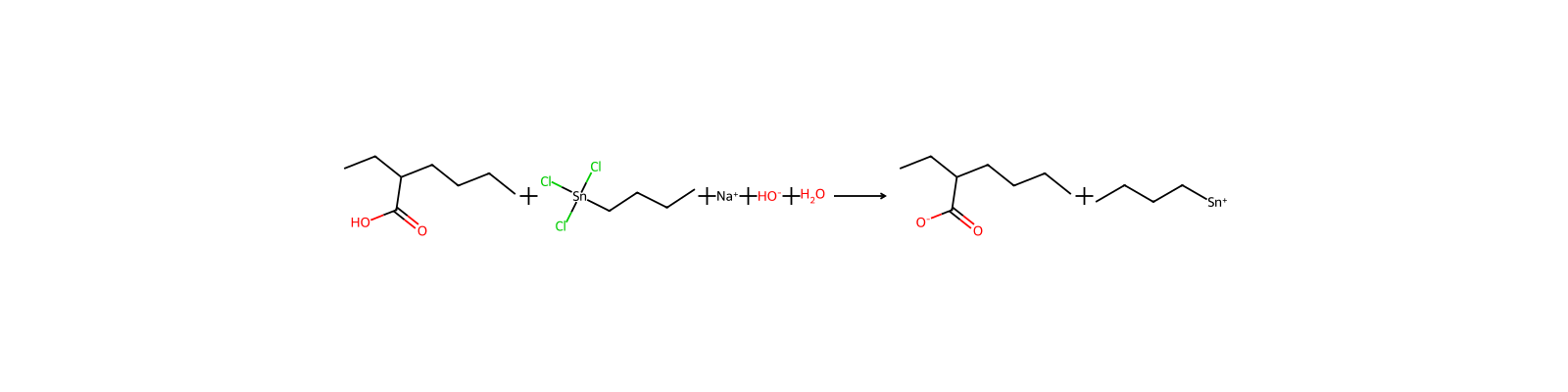
Uses2-Ethylhexanoic acid is used in the preparation of metal derivatives, which act as a catalyst in polymerization reactions. For example, tin 2-ethylhexanoate is used in the manufacturing of poly(lactic-co-glycolic acid). It is also used as a stabilizer for polyvinyl chlorides. It is also involved in solvent extraction and dye granulation. Further, it is used to prepare plasticizers, lubricants, detergents, flotation aids, corrosion inhibitors and alkyd resins. In addition to this, it serves as a catalyst for polyurethane foaming.
Uses2-Ethylhexanoic acid can be used: As a reactant in esterification , decarboxylative alkynylation , and preparation of alkyl coumarins via decarboxylative coupling reactions.In the organocatalytic medium for the preparation of various 3,4-dihydropyrimidin-2(1H)-ones/thiones by Biginelli reaction.
UsesPaint and varnish driers (metallic salts). Ethylhexoates of light metals are used to convert some mineral oils to greases. Its esters are used as plasticizers.
General Description2-Ethylhexanoic acid is a colorless to light yellow liquid with a mild odor. 2-Ethylhexanoic acid will burn though 2-Ethylhexanoic acid may take some effort to ignite. 2-Ethylhexanoic acid is slightly soluble in water. 2-Ethylhexanoic acid is corrosive to metals and tissue. 2-Ethylhexanoic acid is used to make paint dryers and plasticizers.
Preparation methods
PreparationIn a dry 1L three-neck bottle, Add isooctyl aldehyde (80g, 0.62mol) And the solvent 2-ethylhexanoic acid (240g, 1.66mol), ligand L8 (5.24mg, 0.007mmol), cesium carbonate (18.24mg, 0.056mmol), potassium acetate 160mg, placed in a water bath, mechanical under nitrogen atmosphere Stir, after the temperature rises to 30 ° C, Air flow was started at a flow rate of 11.9 g/h, and the reaction temperature was maintained at 30-35 ° C by adding cooling water to the water bath. After 6 hours of reaction, the conversion of isooctyl aldehyde was calculated to be 99.6%. The selectivity of 2-ethylhexanoic acid was 99.5%, and the yield was 99.10%.
Upstream & downstream products
Upstream raw materials
Downstream products
Suppliers50 total
国药集团化学试剂有限公司86-21-63210123 · [email protected]
梯希爱(上海)化成工业发展有限公司021-67121386 · [email protected]
上海阿拉丁生化科技股份有限公司400-6206333 13167063860 · [email protected]
河北创海生物科技有限公司+86-86-13131129325 · [email protected]
Dayang Chem (Hangzhou) Co.,Ltd.+86-0571-88938639 17705817739 · [email protected]
Hebei Yanxi Chemical Co., Ltd.+86-17531190177 · [email protected]
Syntechem Co.,Ltd[email protected]
武汉易泰科技有限公司上海分公司18930552037 · [email protected]
天津中信凯泰化工有限公司022-66880623 · [email protected]
阿法埃莎(中国)化学有限公司400-6106006 · [email protected]
安耐吉化学&3A(安徽泽升科技股份有限公司)400-0056266 · [email protected]
济南和信化工有限公司18764033565 18764033565 · [email protected]
上海瀚鸿科技股份有限公司021-54306202 13764082696 · [email protected]
山东洛克化工有限公司17653113209 13065062079 · [email protected]
嘉兴市艾森化工有限公司0573-85285100 18627885956 · [email protected]
南京蓝白化工有限公司025-85499326 15366059326;13813836665 · [email protected]
山东西亚化学有限公司13355009207 13355009207 · [email protected]
玛雅试剂+86 (573) 82222445 (0)18006601000 452520369 · [email protected]
四川库利南科技有限公司400-1166-196 18981987031 · [email protected]
天津希恩思生化科技有限公司400 638 7771 · [email protected]
斯百全化学(上海)有限公司021-021-021-67601398-809-809-809 15221380277 · [email protected]
上海思域化工科技有限公司86-21-34053660 · [email protected]
赛默飞世尔科技(中国)有限公司800-810-5118 · [email protected]
北京伊诺凯科技有限公司400-810-7969 010-59572699 · [email protected]
上海遐瑞医药科技有限公司+86 21 61551611
江苏艾康生物医药研发有限公司025-66113011 13913916777 · [email protected]
TCI AMERICA800-4238616 · [email protected]
TOKYO CHEMICAL INDUSTRY CO., LTD.03-36680489 · [email protected]
TCI Europe320-37350700 · [email protected]
深圳振强药物研发有限公司0755-66853366 13670046396 · [email protected]
上海倍卓生物科技有限公司021-61119791,13386096464 · [email protected]
北京环宇世纪化学科技有限公司hysj_bj.com
上海将来实业股份有限公司400-0066400 13621662912 · [email protected]
上海将来实业股份有限公司021-61552785 · [email protected]
HBCChem, Inc.+1-510-219-6317 · [email protected]
日照力德士化工有限公司010-51268198 · [email protected]
郑州鸿晟医药科技有限公司0371-0371-13526885213 15637198702 · [email protected]
美岚实业(上海)有限公司021-58958189 · [email protected]
成都零六生物科技有限公司400-1166-196 13458535857 · [email protected]
广州三旺化工材料有限公司020-31078496 13533399418 · [email protected]
湖南华腾制药有限公司400-8592883 · [email protected]
上海麦克林生化科技股份有限公司15221275939 15221275939 · [email protected]
上海孚一生物科技有限公司+86 (21) 61124340
成都润泽本土化工有限公司13096311329 028-88469284 616445927 · [email protected]
池州凯隆进出口贸易有限公司[email protected]
Sigma-Aldrich西格玛奥德里奇(上海)贸易有限公司021-61415566 800-8193336 · [email protected]
九鼎化学(上海)科技有限公司4009209199 · [email protected]
Ring Specialty Chemicals Inc.+1 416 493 6870 · [email protected]
杭州鼎燕化工有限公司0571-87157530-8003 18267553885 · [email protected]
厦门志信化学有限公司+86-5922680277 +86-13806087780 · [email protected]
Additional notes
DefinitionChEBI: 2-Ethylhexanoic acid is a branched-chain fatty acid.
Related reactions
94 records




Linked notes
Loading…