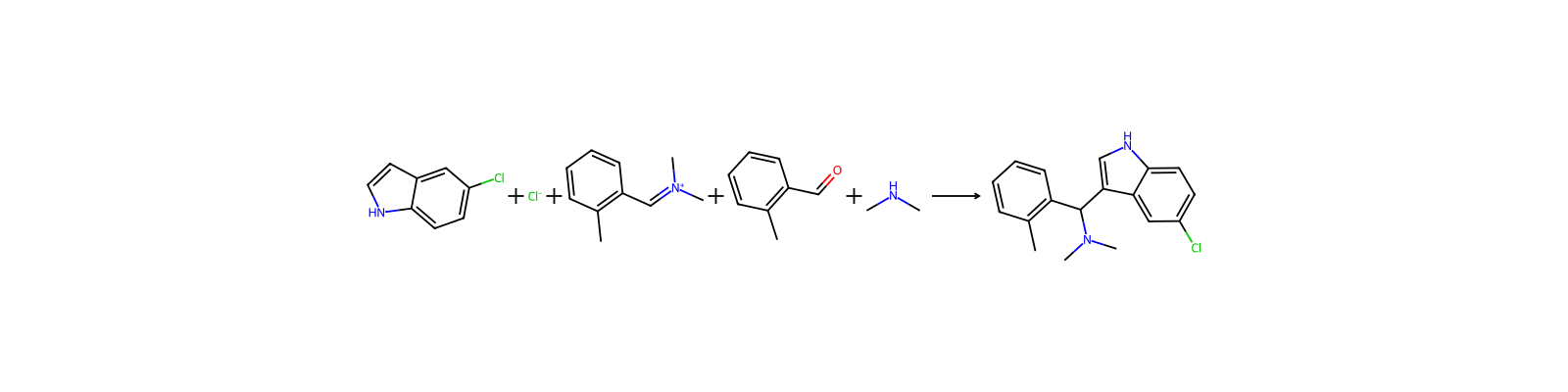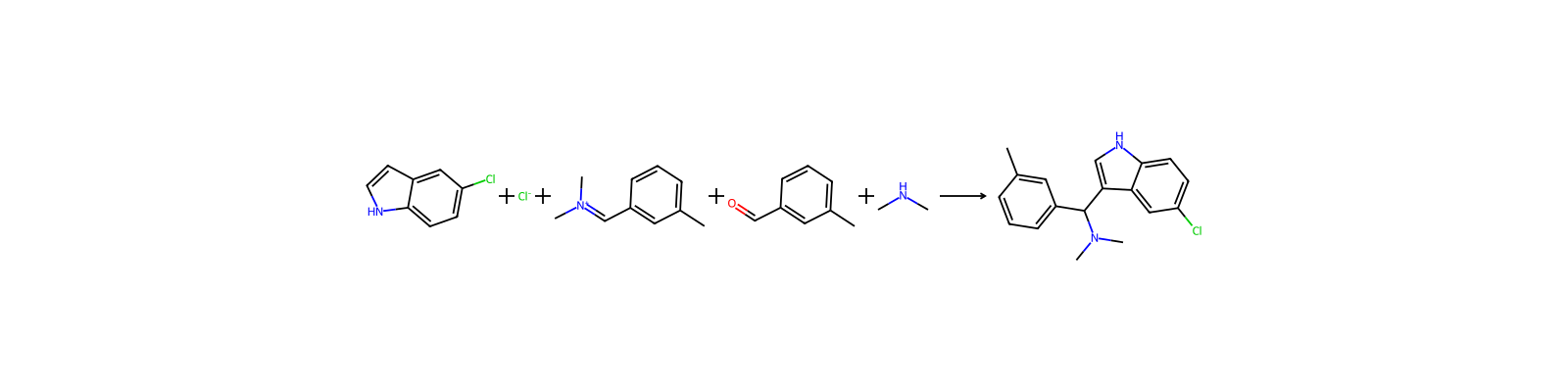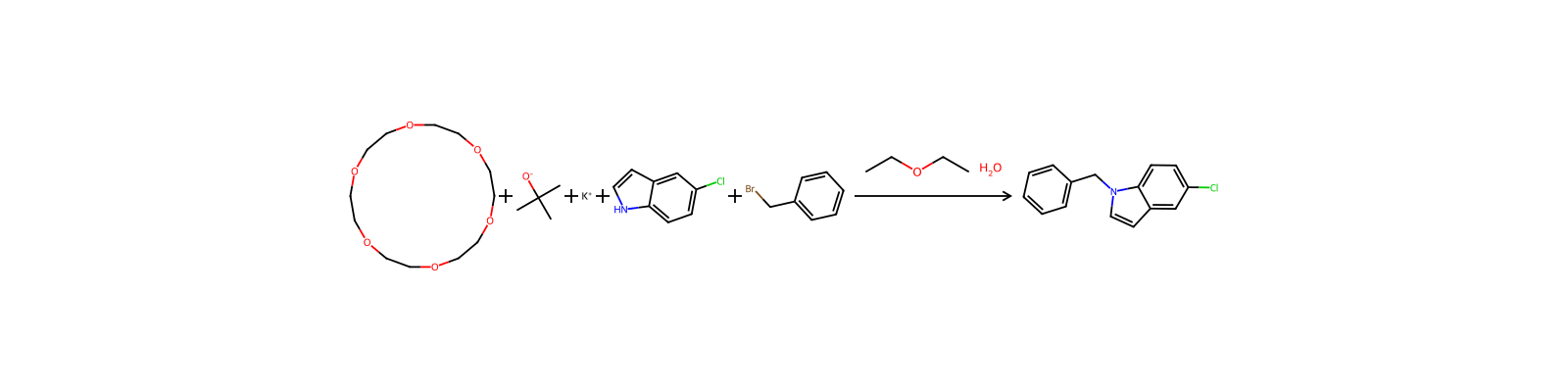
HRID 5596As reactant

17422-32-1Clc1ccc2[nH]ccc2c1MYTGFBZJLDLWQG-UHFFFAOYSA-Na positive allosteric modulator of the 5-HT3 receptor
17422-32-1DTXSID10169793CHEMBL555013Safety information is for reference only and does not replace the supplier’s Safety Data Sheet (SDS), applicable regulations, or professional assessment.
Warning
H302 (16.7%): Harmful if swallowed [Warning Acute toxicity, oral]
P261, P264, P264+P265, P270, P271, P280, P301+P317, P302+P352, P304+P340, P305+P351+P338, P317, P319, P321, P330, P332+P317, P337+P317, P362+P364, P403+P233, P405, and P501 (click each P-code to see the statement)
Aggregated GHS information provided per 12 reports by companies from 8 notifications to the ECHA C&L Inventory. Each notification may be associated with multiple companies.
Uses5-Chloroindole is a halo-substituted indole used in the preparation of neurologically active compounds such as atypical antipsychotic agents. 5-Chloroindole has been shown to depress serotonin levels in the brainstem and telencephalon.
Uses5-Chloroindole has been used in the synthesis of 5-chloro-3-indole-N,N- dimethylglyoxalamide and 5-chloro-N,N-dimethyltryptamine. It may be used in the synthesis of dyestuffs in the presence of biocatalysts. 5-Chloroindole can be synthesized by using 3-chlorobenzaldehyde as starting reagent
General Description5-Chloroindole is a 5-substituted indole. It undergoes electropolymerization to form a redox-active film consisting of a cyclic trimer and chains of linked cyclic trimer (polymer). It is a potential positive allosteric modulator (PAM) of the 5-HT3 receptor. It has been reported as strong inhibitor of the copper dissolution in acidic sodium chloride solution. It has been tested as corrosion inhibitor of mild steel in 1N deaerated sulphuric acid. Synthesis of 5-chloroindole, via nitration of indoline has been described.