

Basic information
- Standard SMILES
CN(C)C(=S)[S-].CN(C)C(=S)[S-].[Zn+2]- InChIKey
DUBNHZYBDBBJHD-UHFFFAOYSA-L- Molecular formula
- C6H12N2S4Zn
- Average molar mass
- 305.8 g/mol
- Monoisotopic mass
- 303.917475
Names & identifiers
- Preferred name
- Ziram
- IUPAC
- zinc bis(N,N-dimethylcarbamodithioate)
- English name
- Zinc dimethyldithiocarbamate
- Molecular formula
- C6H12N2S4Zn
- Molecular weight
- 305.83
Names & synonyms
ZIRAMZinc dimethyldithiocarbamate137-30-4CarbazincFuclasinMethazateTriscabolAaziraCrittamCymateMezeneTsimat
Show more names
ZDMCMexeneRhodiacidAccelerator PZZinc bis dimethyldithiocarbamateZinc N,N-dimethyldithiocarbamateZCz75
ZarlateMethyl cymateDimethyldithiocarbamic acid zinc saltZinc Bis(dimethyldithiocarbamate)Zinc dimethyl dithiocarbamateZinc, bis(dimethyldithiocarbamato)-THIONICPOMARSOL Z
Database identifiers
- CAS
137-30-4- PubChem CID
- 8722
- ChEMBL
CHEMBL1519327- UNII
- 73D8UA974J
- EC Number
- 205-288-3
- Nikkaji
- J23.401J
Properties
Computed structural properties
- Topological polar surface area
- 72.7 Ų
- Hydrogen bond donors
- 0
- Hydrogen bond acceptors
- 4
- Rotatable bonds
- 0
- Heavy atoms
- 13
- Formal charge
- 0
- Complexity
- 54
Experimental & physicochemical properties
LogP
log Kow = 1.23 @ 20 °C
1.09
OdorOdorless when pure
Density
1.66 at 77 °F (NTP, 1992) - Denser than water; will sink
1.66 @ 25 °C referred to water at 4 °C
1.7 g/cm³
Color/Form
Crystals from hot chloroform + alcohol
White when pure
Colorless powder
Crystalline white solid
Solubility
less than 1 mg/mL at 70 °F (NTP, 1992)
Soluble in carbon disulfide, chloroform, dilute alkalies, and concentrated HCl.
In alcohol: less than 0.2 g/100 ml @ 25 °C; in acetone: less than 0.5 g/100 ml @ 25 °C; in benzene: less than 0.5 g/100 ml @ 25 °C; in carbon tetrachloride: less than 0.2 g/100 ml @ 25 °C; in ether: less than 0.2 g/100 ml @ 25 °C; in naphtha: 0.5 g/100 ml @ 25 °C. sol in diluted caustic soln.
Soluble in alkali.
In water, 65 mg/l @ 25 °C
Solubility in water: very poor
CorrosivityNONCORROSIVE EXCEPT TO IRON & COPPER
Flash Point200 °F (NTP, 1992)
DecompositionWhen heated to decomposition it emits very toxic fumes of /nitrogen oxides and sulfur oxides/.
Melting Point
482 °F (NTP, 1992)
246 °C
MP: 250 °C (crystals); 148 °C (dust).
MP: 240-244 °C /Technical/
240-250 °C
Vapor Pressure
Negligible (NTP, 1992)
0.00000001 [mmHg]
7.5X10⁻⁹ mm Hg @ 0 °C
Physical Description
Ziram is an odorless white powder. (NTP, 1992)
Wet Solid; Other Solid; Dry Powder
White solid; [ICSC] White solid; Formulated as water dispensable granules, flowable concentrate, and wettable powder for dust and spray; [Reference #2] White powder; [Aldrich MSDS]
WHITE POWDER.
Stability/Shelf LifeBiological activity of Mezene remains practically unvaried for 2 yr under environmental conditions, provided stored as directed.
Physicochemical properties
- Melting point
- 248 · 248-257 °C(lit.)
- Boiling point
- 335.83 ℃[at · 335.83℃[at 101 325 Pa]
- Density
- 1.66 · 1.66
- vapor pressure
- -6 Pa · -6 Pa
- storage temp.
- 4 °C · APPROX 4°C
- solubility
- DMSO (Sparingly), Methanol (Sparingly)
- form
- Powder
- Specific Gravity
- 1.71 · 1.71
- color
- White
- Odor
- odorless when pure
- Water Solubility
- 0.0065 g/100 · 0.0065 g/100 mL
- Hydrolytic Sensitivity
- 4 · 4: no reaction with water under neutral conditions
- Merck
- 14 · 14,10172
- BRN
- 3707008 · 3707008
- Henry's Law Constant
- 1.6 · 1.6×104 mol/(m3Pa) at 25℃, HSDB (2015)
- Major Application
- agriculturecleaning productscosmeticsenvironmentalfood and beveragespersonal care
- InChI
- 1S/2C3H7NS2.Zn/c2*1-4(2)3(5)6;/h2*1-2H3,(H,5,6);/q;;+2/p-2
- InChIKey
- DUBNHZYBDBBJHD-UHFFFAOYSA-L
- SMILES
- CN(C)C(=S)S[Zn]SC(=S)N(C)C
- LogP
- 1.65 at · 1.65 at 20℃
- Toxicology and Carcinogenesis
- Carcinogenesis Bioassay of Ziram (CASRN 137-30-4) in F344/N Rats and B6C3F1 Mice (Feed Study)
- FDA 21 CFR
- 175.105 · 175.105; 177.2600; 178.3120
- CAS DataBase Reference
- 137 · 137-30-4(CAS DataBase Reference)
- Indirect Additives used in Food Contact Substances
- ZINC DIMETHYLDITHIOCARBAMATE
- EWG's Food Scores
- 6 · 6
- FDA UNII
- 73 D8UA974J · 73D8UA974J
- IARC
- 3 · 3 (Vol. Sup 7, 53) 1991
- NIST Chemistry Reference
- Zinc, bis(dimethylcarbamodithioato-s,s')-, (t-4)-(137-30-4)
- Pesticides Freedom of Information Act (FOIA)
- Ziram
- EPA Substance Registry System
- Ziram (137-30-4)
- UNSPSC Code
- 41116107 · 41116107
- NACRES
- 24 · NA.24
- Symbol(GHS)
- 5 · GHS05,GHS06,GHS08,GHS09
- Signal word
- Danger
- Hazard statements
- 302 · H302-H318-H317-H330-H335-H373-H410
- Precautionary statements
- 264 · P264-P270-P280-P261-P272-P260-P271-P284-P273-P301+P312-P330-P305+P351+P338-P310-P302+P352-P333+P313-P362+P364-P304+P340-P312-P314-P391-P403+P233-P405-P501
- target organs
- Liver,Blood, Respiratory system
- PPE
- 3 · Eyeshields, Faceshields, Gloves, type P3 (EN 143) respirator cartridges
- Hazard Codes
- T+,N
- Risk Statements
- 22 · 22-26-37-41-43-48/22-50/53
- Safety Statements
- 22 · 22-26-28-36/37/39-45-60-61
- RIDADR
- 2811 · UN 2811 6.1/PG 2
- WGK Germany
- 3 · 3
- RTECS
- 525000 · ZH0525000
- TSCA
- TSCA listed
- HazardClass
- 6.1 · 6.1
- PackingGroup
- II
- HS Code
- 29302000 · 29302000
- Storage Class
- 6.1 B · 6.1B - Non-combustible acute toxic Cat. 1 and 2very toxic hazardous materials
- Hazard Classifications
- 2 InhalationAcute · Acute Tox. 2 InhalationAcute Tox. 4 OralAquatic Acute 1Aquatic Chronic 1Eye Dam. 1Skin Sens. 1STOT RE 2 OralSTOT SE 3
- Hazardous Substances Data
- 137 · 137-30-4(Hazardous Substances Data)
- Toxicity
- 50 orally · LD50 orally in rats: 1.4 g/kg (Hodge)
- REACH Registrations
- Active
- Limited Quantities
- 0.5 Kg · 0.5 Kg (solid)
- Excepted Quantities
- Max Inner Pack (1g or 1ml) and Max Outer Pack (500g or 500ml)
Safety & regulation
GHS classification
GHS Classification
Danger
H302: Harmful if swallowed [Warning Acute toxicity, oral];H317: May cause an allergic skin reaction [Warning Sensitization, Skin];H318: Causes serious eye damage [Danger Serious eye damage/eye irritation];H330: Fatal if inhaled [Danger Acute toxicity, inhalation];H335: May cause respiratory irritation [Warning Specific target organ toxicity, single exposure; Respiratory tract irritation];H373 **: May causes damage to organs through prolonged or repeated exposure [Warning Specific target organ toxicity, repeated exposure];H400: Very toxic to aquatic life [Warning Hazardous to the aquatic environment, acute hazard];H410: Very toxic to aquatic life with long lasting effects [Warning Hazardous to the aquatic environment, long-term hazard]
P260, P261, P264, P264+P265, P270, P271, P272, P273, P280, P284, P301+P317, P302+P352, P304+P340, P305+P354+P338, P316, P317, P319, P320, P321, P330, P333+P317, P362+P364, P391, P403+P233, P405, and P501 (click each P-code to see the statement)
Danger
Hazard information
Regulatory Information
Chemical: Zinc, bis(dimethylcarbamodithioato-S,S')-, (T-4)-
Zinc, bis(N,N-dimethylcarbamodithioato-.kappa.S,.kappa.S')-, (T-4)- is listed on the EPA's Chemical Data Reporting (CDR) system. Manufacturers and importers of Zinc, bis(N,N-dimethylcarbamodithioato-.kappa.S,.kappa.S')-, (T-4)- are required to report information about their production and use of this chemical to the EPA under the Toxic Substances Control Act (TSCA). (40 eCFR Part 711)
Ziram is listed in the dataset of EPA Human Health Benchmarks for Pesticides under the Safe Drinking Water Act (40 eCFR 141)
03/81/EC, Reg. (EU) 2016/2016, Reg. (EU) 2018/524, Reg. (EU) 2019/168, Reg. (EU) 2020/421, Reg. (EU) 2021/566, Reg. (EU) 2022/378, Reg. (EU) 2023/689, Reg. (EU) 2025/99, Reg. (EU) No 540/2011
Status: Active Update: 05-05-2023 https://echa.europa.eu/registration-dossier/-/registered-dossier/2153
Ziram: HSNO Approval: HSR002721 Approved with controls
Other Safety InformationPEC / SN / Other assessments - Common skin sensitisersâhazard classification: Health;IMAP assessments - Short chain zinc dialkyldithiocarbamates: Human health tier II assessment
DOT LabelPoison
Fire Hazards
This chemical is combustible. This compound may form explosive dust-air mixtures. (NTP, 1992)
Combustible. Gives off irritating or toxic fumes (or gases) in a fire. Finely dispersed particles form explosive mixtures in air.
Fire PotentialCAN FORM FLAMMABLE DUST.
Health Hazards
SYMPTOMS: Symptoms of exposure to this compound include irritation of the skin, nose, throat and eyes. It may also cause gastritis, reduced hemoglobin and vegetodystonia. Other symptoms include brain edema and hemorrhage. In vivo, it may be corrosive to the eyes and cause hemolysis, dystrophy of the muscle, liver and kidney damage, emphysema, local necrosis of the intestine, neural and visual disturbances, irritation of the skin and mucous membranes and dermatitis. It can also cause headache, tightness of the chest and irritation of the respiratory tract.;ACUTE/CHRONIC HAZARDS: This compound is a skin and mucous membrane irritant. It may be absorbed through intact skin. When heated to decomposition it emits toxic fumes of carbon monoxide, carbon dioxide, sulfur oxides and nitrogen oxides. (NTP, 1992)
Hazards Summary
Allergic contact dermatitis reported in farmworkers; [Kanerva, p. 1847] Danger of skin sensitization; [MAK] The EBCDCs (ethylenebisdithiocarbamates) can cause irritant and allergic contact dermatitis. EBDCs include ferbam, vapam, maneb, mancozeb, zineb, thiram, and ziram. They are also used as rubber accelerators. Ethylene thiourea (ETU), which may contaminate EBCDCs, is carcinogenic and teratogenic in animal experiments. [LaDou, p. 610] ETU is the major metabolite of EBDCs. [Krieger, p. 1690] A skin, respiratory tract, and severe eye irritant; May cause skin sensitization; Tumors observed in experimental animals with unknown relevance to humans; [ICSC] The primary target organs for toxicity seem to be the nervous system, liver, and thyroid; In rats a single oral dose can cause neurological impairment. Histopathology of the liver (sometimes with corresponding increases in hepatic serum enzyme levels) observed in sub-chronic and chronic rat studies and carcinogenicity study of mice; Classified as suggestive of carcinogenicity in humans; [Reference #2] See the agent, Ethylene thiourea.
FDA RequirementsZiram is an indirect food additive for use only as a component of adhesives.
Reactive GroupThiocarbamate Esters and Salts/Dithiocarbamate Esters and Salts
EC ClassificationSymbol: T+, N; R: 22-26-37-41-43-48/22-50/53; S: (1/2)-22-26-28-36/37/39-45-60-61
UN ClassificationUN Hazard Class: 6.1; UN Pack Group: I
Special Reports
USEPA; Ambient Water Quality Criteria Doc: Zinc (1980) EPA 400/5-80-079
USEPA; Ambient Water Quality Criteria Doc: Zinc (1987) EPA 400/5-87-003
DHHS/NTP; Carcinogenesis Bioassay of Ziram in F344/N Rats and B6C3F1 Mice (Feed Study) Technical Report Series No. 238 (1983) NIH Publication No. 83-1794
Safety & protection
Fire Fighting
Fires involving this material can be controlled with a dry chemical, carbon dioxide or Halon extinguisher. A water spray may also be used. (NTP, 1992)
Use water spray, foam, powder, carbon dioxide.
First Aid Measures
Fresh air, rest. Refer for medical attention.
Remove contaminated clothes. Rinse and then wash skin with water and soap.
First rinse with plenty of water for several minutes (remove contact lenses if easily possible), then refer for medical attention.
Rinse mouth. Give a slurry of activated charcoal in water to drink. Refer for medical attention .
First Aid
EYES: First check the victim for contact lenses and remove if present. Flush victim's eyes with water or normal saline solution for 20 to 30 minutes while simultaneously calling a hospital or poison control center. Do not put any ointments, oils, or medication in the victim's eyes without specific instructions from a physician. IMMEDIATELY transport the victim after flushing eyes to a hospital even if no symptoms (such as redness or irritation) develop.;SKIN: IMMEDIATELY flood affected skin with water while removing and isolating all contaminated clothing. Gently wash all affected skin areas thoroughly with soap and water. If symptoms such as redness or irritation develop, IMMEDIATELY call a physician and be prepared to transport the victim to a hospital for treatment.;INHALATION: IMMEDIATELY leave the contaminated area; take deep breaths of fresh air. IMMEDIATELY call a physician and be prepared to transport the victim to a hospital even if no symptoms (such as wheezing, coughing, shortness of breath, or burning in the mouth, throat, or chest) develop. Provide proper respiratory protection to rescuers entering an unknown atmosphere. Whenever possible, Self-Contained Breathing Apparatus (SCBA) should be used; if not available, use a level of protection greater than or equal to that advised under Protective Clothing.;INGESTION: DO NOT INDUCE VOMITING. If the victim is conscious and not convulsing, give 1 or 2 glasses of water to dilute the chemical and IMMEDIATELY call a hospital or poison control center. Be prepared to transport the victim to a hospital if advised by a physician. If the victim is convulsing or unconscious, do not give anything by mouth, ensure that the victim's airway is open and lay the victim on his/her side with the head lower than the body. DO NOT INDUCE VOMITING. IMMEDIATELY transport the victim to a hospital.;OTHER: Since this chemical is a known or suspected carcinogen you should contact a physician for advice regarding the possible long term health effects and potential recommendation for medical monitoring. Recommendations from the physician will depend upon the specific compound, its chemical, physical and toxicity properties, the exposure level, length of exposure, and the route of exposure. (NTP, 1992)
Safe StorageStore in an area without drain or sewer access. Separated from acids and food and feedstuffs. Keep in a well-ventilated room. Well closed.
Exposure Control and Personal Protection0.01 [mg/m3], inhalable fraction[German Research Foundation (DFG)]
Storage Conditions
Mezene must be stored in its sealed original containers, in well-aired, fresh & dry storehouses or in shaded & possibly well-aired places. It is recommended that the product's temp not exceed 25-30 °C. Container must be stacked in such a way to permit free circulation of air also at bottom & inside of piles.
Nonfire Spill Response
SMALL SPILLS AND LEAKAGE: If you spill this chemical, dampen the solid spill material with 5% ammonium hydroxide, then transfer the dampened material to a suitable container. Use absorbent paper dampened with 5% ammonium hydroxide to pick up any remaining material. Your contaminated clothing and the absorbent paper should be sealed in a vapor-tight plastic bag for eventual disposal. Wash all contaminated surfaces with 5% ammonium hydroxide followed by washing with a soap and water solution. Do not reenter the contaminated area until the Safety Officer (or other responsible person) has verified that the area has been properly cleaned.;STORAGE PRECAUTIONS: You should store this chemical under ambient conditions, and keep it away from all oxidizing materials. (NTP, 1992)
Disposal Methods
SRP: At the time of review, criteria for land treatment or burial (sanitary landfill) disposal practices are subject to significant revision. Prior to implementing land disposal of waste residue (including waste sludge), consult with environmental regulatory agencies for guidance on acceptable disposal practices.
Chemical Treatability of Ziram; Concentration Process: biological treatment; Chemical Classification: pesticide; Scale of Study: respirometer study; Type of Wastewater Used: unknown; Results of Study: slightly degraded.
Spillage Disposal
Personal protection: particulate filter respirator adapted to the airborne concentration of the substance. Do NOT let this chemical enter the environment. Sweep spilled substance into covered containers. If appropriate, moisten first to prevent dusting. Carefully collect remainder. Then store and dispose of according to local regulations.
Preventive Measures
SRP: The scientific literature for the use of contact lenses in industry is conflicting. The benefit or detrimental effects of wearing contact lenses depend not only upon the substance, but also on factors including the form of the substance, characteristics and duration of the exposure, the uses of other eye protection equipment, and the hygiene of the lenses. However, there may be individual substances whose irritating or corrosive properties are such that the wearing of contact lenses would be harmful to the eye. In those specific cases, contact lenses should not be worn. In any event, the usual eye protection equipment should be worn even when contact lenses are in place.
Isolation and Evacuation
Excerpt from ERG Guide 151 [Substances - Toxic (Non-Combustible)]:;IMMEDIATE PRECAUTIONARY MEASURE: Isolate spill or leak area in all directions for at least 50 meters (150 feet) for liquids and at least 25 meters (75 feet) for solids.;SPILL: Increase the immediate precautionary measure distance, in the downwind direction, as necessary.;FIRE: If tank, rail tank car or highway tank is involved in a fire, ISOLATE for 800 meters (1/2 mile) in all directions; also, consider initial evacuation for 800 meters (1/2 mile) in all directions. (ERG, 2024)
Eye PreventionWear safety goggles or eye protection in combination with breathing protection.
Toxicology
TreatmentZinc poisoning is treated symptomatically, often by administering fluids such as water or milk, or with gastric lavage. (L49)
Interactions
Ziram and thiram are wildlife repellents and therefore can be used as agents for agricultural pesticides. Thus, addition of 2% ziram to granular 3% bendiocarb reduced by 50% the mortality caused by the latter to birds in a wildlife park.
Administration of ziram with nitrite in aqueous soln by stomach tube to rats led to the formation of detectable amounts of N-nitrosodimethylamine in the stomach contents after 15 min.
LIKE MOST DITHIOCARBAMATES, ZIRAM INDUCES ACCUM OF ACETALDEHYDE IN BLOOD OF RATS RECEIVING ETHANOL AT SAME TIME. ADMIN OF ZIRAM WITH NITRITE IN AQ SOLN TO RATS BY STOMACH TUBE LED TO FORMATION OF DETECTABLE AMT OF N-NITROSO-DIMETHYLAMINE IN STOMACH CONTENTS 15 MIN LATER.
Female SPF Wistar rats were given /ziram/ by gavage /at/ 16 umol/kg ... . After 90 minutes, 2 gm/kg ethanol was injected ip. Blood was collected at intervals to 4 hr after ethanol administration and analyzed for ethanol concentration. ... Compared to control values, blood ethanol concentration after 4 hr was increased about 70% by 16 umol/kg ... ziram... .
For more Interactions (Complete) data for ZIRAM (7 total), please visit the HSDB record page.
Health EffectsChronic exposure to zinc causes anemia, atazia, lethargy, and decreases the level of good cholesterol in the body. It is also believed to cause pancreatic and reproductive damage. (L49)
Ecotoxicity Values
LC50 Goldfish (Carassius auratus) (5-10 mg/l/5 hr) /Conditions of bioassay not specified/
LC50 Tilapia metanopleura (5-10 mg/l/5 hr) /Conditions of bioassay not specified/
LD50 Japanese quail (Coturnix japonica) oral 3346 ppm (95% confidence limit 2664-4430 ppm), diluent corn oil
Environmental Fate
TERRESTRIAL FATE: According to a classification scheme(1), Rf (retardation factor) values ranging from 0.33 to 0.62(2), indicate that ziram is expected to have slight to moderate mobility in soil(2). Volatilization of ziram from moist soil surfaces is not expected to be an important fate process(SRC) given an estimated Henry's Law constant of 6.2X10⁻¹⁰ atm-cu m/mole(SRC), derived from its vapor pressure, 7.5X10⁻⁹ mm Hg(3), and water solubility, 65 mg/l(4). Ziram is not expected to volatilize from dry soil surfaces(SRC) based upon its vapor pressure(3). Under acidic conditions, dimethyldithiocarbamates readily decompose to form carbon disulfide and dimethylamine(2). Biodegradation in soil environments may occur as the compound ionizes to form dimethyldithiocarbamate ions that biodegrade in soil(2); a %CO2 evolution of 68-79 after 49 days has been reported(1). However, ziram possesses antibacterial properties, particularly for gram positive organisms, which would hinder biodegradation under many situations(5).
AQUATIC FATE: According to a classification scheme(1), Rf (retardation factor) values ranging from 0.33 to 0.62(5), indicate that ziram is expected to adsorb to suspended solids and sediment. Volatilization from water surfaces is not expected(3) based upon an estimated Henry's Law constant of 6.2X10⁻¹⁰ atm-cu m/mole(SRC), derived from its vapor pressure, 7.5X10⁻⁹ mm Hg(4), and water solubility, 65 mg/l(5). This compound is expected to exist in the dissociated form in the environment and therefore volatilization from water surfaces is not expected to be an important fate process. According to a classification scheme(6), a BCF range of 5-90(1), suggests the potential for bioconcentration in aquatic organisms is low to moderate(SRC). Ziram undergos hydrolysis in the environment with hydrolysis half-lives in water of 2 to 18 days(1). Under acidic conditions, dimethyldithiocarbamates readily decompose to form carbon disulfide and dimethylamine(2). Biodegradation in aquatic environments may occur as the compound ionizes to form dimethyldithiocarbamate ions that biodegrade in soil(2); a %CO2 evolution of 68-79 after 49 days has been reported(1). However, ziram possesses antibacterial properties, particularly for gram positive organisms, which would hinder biodegradation under many situations(7).
ATMOSPHERIC FATE: According to a model of gas/particle partitioning of semivolatile organic compounds in the atmosphere(1), ziram, which has a vapor pressure of 7.5X10⁻⁹ mm Hg at 0 °C(2), is expected to exist solely in the particulate phase in the ambient atmosphere. Particulate-phase ziram may be removed from the air by wet and dry deposition(SRC). Ziram is decomposed by acids and UV radiation, but is otherwise stable(4).
Food Survey Values
No ziram residues were reported in tested composite samples of cherries, peaches, and strawberries delivered to farmer's wholesale markets in Leamington and Toronto, Ontario, Canada(1). Ziram was detected in an unspecified number of the 6,325 food samples that tested positive for pesticides (out of a total 27,065 samples) analyzed in 10 state food laboratories in the US during 1988 and 1989(2). Results for ziram reported in the 1989 California Dept of Food and Agriculture analysis of pesticide residues in food crops were as follows (crop, no. samples, no. samples with no residue detection): almond, 63, 61; nectarine, 5, 5; peach, 19, 18(3). Levels detected did not exceed (unspecified) tolerance(3).
Adverse Effects
Neurotoxin - Other CNS neurotoxin;Occupational hepatotoxin - Secondary hepatotoxins: the potential for toxic effect in the occupational setting is based on cases of poisoning by human ingestion or animal experimentation.;Reproductive Toxin - A chemical that is toxic to the reproductive system, including defects in the progeny and injury to male or female reproductive function. Reproductive toxicity includes developmental effects. See Guidelines for Reproductive Toxicity Risk Assessment.;Skin Sensitizer - An agent that can induce an allergic reaction in the skin.
Exposure Routes
The substance can be absorbed into the body by inhalation of its aerosol and by ingestion.
Oral (L49) ; inhalation (L49) ; dermal (L49)
Toxicity Summary
Anaemia results from the excessive absorption of zinc suppressing copper and iron absorption, most likely through competitive binding of intestinal mucosal cells. Unbalanced levels of copper and zinc binding to Cu,Zn-superoxide dismutase has been linked to amyotrophic lateral sclerosis (ALS). Stomach acid dissolves metallic zinc to give corrosive zinc chloride, which can cause damage to the stomach lining. Metal fume fever is thought to be an immune response to inhaled zinc. (L48, L49, A49)
Ecotoxicity Excerpts/AQUATIC SPECIES/ Incubation of Mytilus galloprovincialis /mussels/ with 0.5 mg/l /ziram/... for 1-3 days /halved/ ...muscle lactate dehydrogenase ...activity.
Signs and Symptoms
Cough. Sore throat. Abdominal pain. Nausea. Vomiting.
Redness. Pain.
Redness. Pain.
Abdominal pain. Nausea. Vomiting.
Ingestion of large doses of zinc causes stomach cramps, nausea, and vomiting. Acute inhalation of large amounts of zinc causes metal fume fever, which is characterized by chills, fever, headache, weakness, dryness of the nose and throat, chest pain, and coughing. Dermal contact with zinc results in skin irritation. (L49)
Ongoing Test Status
The following link will take the user to the National Toxicology Program (NTP) Test Agent Search Results page, which tabulates all of the "Standard Toxicology & Carcinogenesis Studies", "Developmental Studies", and "Genetic Toxicity Studies" performed with this chemical. Clicking on the "Testing Status" link will take the user to the status (i.e., in review, in progress, in preparation, on test, completed, etc.) and results of all the studies that the NTP has done on this chemical. [http://ntp-apps.niehs.nih.gov/ntp_tox/index.cfm?fuseaction=ntpsearch.searchresults&searchterm=137-30-4]
Regulatory information
Regulatory Information
Chemical: Zinc, bis(dimethylcarbamodithioato-S,S')-, (T-4)-
Zinc, bis(N,N-dimethylcarbamodithioato-.kappa.S,.kappa.S')-, (T-4)- is listed on the EPA's Chemical Data Reporting (CDR) system. Manufacturers and importers of Zinc, bis(N,N-dimethylcarbamodithioato-.kappa.S,.kappa.S')-, (T-4)- are required to report information about their production and use of this chemical to the EPA under the Toxic Substances Control Act (TSCA). (40 eCFR Part 711)
Ziram is listed in the dataset of EPA Human Health Benchmarks for Pesticides under the Safe Drinking Water Act (40 eCFR 141)
03/81/EC, Reg. (EU) 2016/2016, Reg. (EU) 2018/524, Reg. (EU) 2019/168, Reg. (EU) 2020/421, Reg. (EU) 2021/566, Reg. (EU) 2022/378, Reg. (EU) 2023/689, Reg. (EU) 2025/99, Reg. (EU) No 540/2011
Status: Active Update: 05-05-2023 https://echa.europa.eu/registration-dossier/-/registered-dossier/2153
Ziram: HSNO Approval: HSR002721 Approved with controls
FDA RequirementsZiram is an indirect food additive for use only as a component of adhesives.
RCRA Requirements
P205; As stipulated in 40 CFR 261.33, when ziram, as a commercial chemical product or manufacturing chemical intermediate or an off-specification commercial chemical product or a manufacturing chemical intermediate, becomes a waste, it must be managed according to federal and/or state hazardous waste regulations. Also defined as a hazardous waste is any container or inner liner used to hold this waste or any residue, contaminated soil, water, or other debris resulting from the cleanup of a spill, into water or on dry land, of this waste. Generators of small quantities of this waste may qualify for partial exclusion from hazardous waste regulations (40 CFR 261.5(e)).
FIFRA Requirements
As the federal pesticide law FIFRA directs, EPA is conducting a comprehensive review of older pesticides to consider their health and environmental effects and make decisions about their future use. Under this pesticide reregistration program, EPA examines health and safety data for pesticide active ingredients initially registered before November 1, 1984, and determines whether they are eligible for reregistration. In addition, all pesticides must meet the new safety standard of the Food Quality Protection Act of 1996. Pesticides for which EPA had not issued Registration Standards prior to the effective date of FIFRA, as amended in 1988, were divided into three lists based upon their potential for human exposure and other factors, with List B containing pesticides of greater concern and List D pesticides of less concern. Zinc dimethyldithiocarbamate is found on List B. Case No: 2180; Pesticide type: Fungicide and Antimicrobial; Case Status: OPP is reviewing data from the pesticide's producers regarding its human health and/or environmental effects, or OPP is determining the pesticide's eligibility for reregistration and developing the Reregistration Eligibility Decision (RED) document.; Active ingredient (AI): Zinc dimethyldithiocarbamate; Data Call-in (DCI) Date(s): 10/01/91, 10/02/95, 10/13/95; AI Status: The producers of the pesticide have made commitments to conduct the studies and pay the fees required for reregistration, and are meeting those commitments in a timely manner.
Tolerances for residues of the fungicide ziram (zinc dimethyldithiocarbamate), calculated as zinc ethylenebisdithiocarbamate, in or on raw agricultural commodities are established as follows: ... in or on apples, apricots, beans, beets (with or without tops) or beet greens alone, blackberries, blueberries (huckleberries), boysenberries, broccoli, brussels sprouts, cabbage, carrots, cauliflower, celery, cherries, collards, cranberries, cucumbers, dewberries, eggplants, gooseberries, grapes, kale, kohlrabi, lettuce, loganberries, melons, nectarines, onions, peaches, peanuts, pears, peas, peppers, pumpkins, quinces, radishes (with or without tops) or radish tops, raspberries, rutabagas (with or without tops) or rutabaga tops, spinach, squash, strawberries, summer squash, tomatoes, turnips (with or without tops) or turnip greens, and youngberries.; ... in or on almonds and pecans.
CERCLA Reportable Quantities
Persons in charge of vessels or facilities are required to notify the National Response Center (NRC) immediately, when there is a release of this designated hazardous substance, in an amount equal to or greater than its reportable quantity of 1 lb or 0.454 kg. The toll free number of the NRC is (800) 424-8802; In the Washington D.C. metropolitan area (202) 426-2675. The rule for determining when notification is required is stated in 40 CFR 302.4 (section IV. D.3.b).
Clean Water Act Requirements
Toxic pollutant designated pursuant to section 307(a)(1) of the Federal Water Pollution Control Act and is subject to effluent limitations. /Zinc and compounds/Comment 1: Move to zinc compounds recordComment 2: I agree with Phil. I can see where they were going with putting it here, but...Comment 3: suggest copy not move. What about copper compound?
State Drinking Water Guidelines(ME) MAINE 25 ug/l
Safety data
- PPE
- Eyeshields, Faceshields, Gloves, type P3 (EN 143) respirator cartridges
- wgk
- 3
- tsca
- TSCA listed
- rtecs
- ZH0525000
- ridadr
- UN 2811 6.1/PG 2
- hs_code
- 29302000
- Toxicity
- LD50 orally in rats: 1.4 g/kg (Hodge)
- risk_code
- 22-26-37-41-43-48/22-50/53
- Signal word
- Danger
- Symbol(GHS)
- GHS05,GHS06,GHS08,GHS09
- hazard_code
- T+,N
- safety_code
- 22-26-28-36/37/39-45-60-61
- hazard_class
- 6.1
- Storage Class
- 6.1B - Non-combustible acute toxic Cat. 1 and 2very toxic hazardous materials
- packing_group
- II
- target organs
- Liver,Blood, Respiratory system
- Hazard statements
- H302-H318-H317-H330-H335-H373-H410
- Limited Quantities
- 0.5 Kg (solid)
- Excepted Quantities
- Max Inner Pack (1g or 1ml) and Max Outer Pack (500g or 500ml)
- REACH Registrations
- Active
- Hazard Classifications
- Acute Tox. 2 InhalationAcute Tox. 4 OralAquatic Acute 1Aquatic Chronic 1Eye Dam. 1Skin Sens. 1STOT RE 2 OralSTOT SE 3
- Precautionary statements
- P264-P270-P280-P261-P272-P260-P271-P284-P273-P301+P312-P330-P305+P351+P338-P310-P302+P352-P333+P313-P362+P364-P304+P340-P312-P314-P391-P403+P233-P405-P501
- Hazardous Substances Data
- 137-30-4(Hazardous Substances Data)
Chemistry & industry
Pharmacology
Mechanism of Action
Fungitoxicity is apparently due to chelation of iron (2+) necessary for action of aconitase.
Previously published results demonstrated that ziram has antifertility action in laying hens. The correlation between this action and inhibition of dopamine beta-hydroxylase suggests that the antifertility effects of ziram might result from its antiadrenergic action.
Ziram was reported to inhibit epoxide hydrolase and glutathione S-transferase in rat liver both in vivo and in vitro.
The mechanism of action of ziram induced mutagenicity was investigated by in vitro bacterial reversion assays and an in vivo mouse micronucleus test. ... Ziram exhibited a mutagenic profile in bacterial strains that were deficient in the DNA excision repair system. These strains included Salmonella typhimurium (TA1535) and (TA100), and Escherichia coli WP2 uvrA. The bacterial assay results also indicated that uvr strains with adenine/thymine or guanine/cytosine base pairs at target sites were similarly sensitive to the mutagenic effect of ziram. Ziram was ineffective in the bone marrow micronucleus assay. It was concluded that ziram is directly mutagenic in bacteria.
For more Mechanism of Action (Complete) data for ZIRAM (10 total), please visit the HSDB record page.
Metabolism/Metabolites
PRESENCE OF WATER SOL METABOLITES INDICATES GENERATION OF DIMETHYLDITHIOCARBAMATE ION IN STOMACH AFTER INGESTION OF ZIRAM ... .
Following oral admin of [35]S ziram, rats eliminated a portion in the feces (largely in chloroform-soluble form) but by far the majority was excreted in the urine as water-soluble metabolites. After 24 hrs only small concns, mainly in water-soluble form, remained in the tissues. In addn to ziram, five chloroform-soluble metabolites & five water-soluble metabolites were distinguished by paper chromatography. In the feces, 57% of the chloroform-soluble activity was unchanged ziram. The five chloroform-soluble metabolites were found in the gastric contents, among other locations, suggesting but certainly not proving that part of the breakdown of ziram occurs before absorption.
In studies of ziram in rats, ... production of dimethyldithiocarbamic acid, dimethylamine, and carbon disulfide /was confirmed, as well as/ ... two compounds that lacked zinc but contained four methyl groups...
Water-soluble metabolites were found in the blood, kidneys, liver, ovaries, spleen and thyroid of female rats 24 hrs after oral administration of radiolabelled ziram; unchanged ziram was excreted in the feces.
The major metabolite in plants is dimethylamine salt of dimethyldithiocarbamic acid; tetramethylthiourea, carbon disulfide, and sulfur can also be formed. Dimethyldithiocarbamic acid can be present as DDC-alpha-aminobutyric acid & DDC-alpha-alanine.
Zinc can enter the body through the lungs, skin, and gastrointestinal tract. Intestinal absorption of zinc is controlled by zinc carrier protein CRIP. Zinc also binds to metallothioneins, which help prevent absorption of excess zinc. Zinc is widely distributed and found in all tissues and tissues fluids, concentrating in the liver, gastrointestinal tract, kidney, skin, lung, brain, heart, and pancreas. In the bloodstream zinc is found bound to carbonic anhydrase in erythrocytes, as well as bound to albumin, _2-macroglobulin, and amino acids in the the plasma. Albumin and amino acid bound zinc can diffuse across tissue membranes. Zinc is excreted in the urine and faeces. (L49)
MeSH Pharmacological ClassificationChemicals that kill or inhibit the growth of fungi in agricultural applications, on wood, plastics, or other materials, in swimming pools, etc.
Absorption, Distribution and Excretion
ORAL DOSES POORLY ABSORBED IN ABSENCE OF OILS. MAY BE ABSORBED THROUGH INTACT SKIN.
Water soluble metabolites were found in the blood, kidneys, liver, ovaries, spleen, and thyroid of female rats 24 hr after oral administration of radiolabelled ziram; unchanged ziram was excreted in the feces.
In short term static bioaccumulation experiments... zinc dimethyldithiocarbamate (ziram).../was/ rapidly disseminated through the tissues. Whole body accumulation was low, with bioconcentration factors <100. Whole body elimination was rapid with 45%...of the initial radioactivity ...being retained by the end of the 16 day depuration period. Pigmented tissues appeared to be major distribution sites as well. This may be related to the affinity of /this compound/ and/or /its/ degradation products to melanin or to complexation with phenoloxidase, a copper containing enzyme involved in melanin synthesis. Autoradiography also revealed a high labelling of thyroid follicles. The results show that dithiocarbamates are selectively localized in various tissues, reported to be the target organs for their toxic actions.
The fact that the ip toxicity is substantially greater suggests that absorption of an oral dose is relatively slow &/or incomplete.
Rats that had received ziram at a dietary level of 2500 ppm for 2 yrs had a concn of about 4 ppm of the compound in the liver. Thus an animal that received about 30 mg/day for 2 yrs had at most only 0.03 mg of the substance in its liver. On the contrary, the concn of zinc stored in bone increased in an almost linear fashion corresponding to the logarithm of the concn of ziram in the diet, the means increasing from 180-300 ppm of zinc in bone ash in animals maintained for 2 yrs on diets containing 0 & 2500 ppm of ziram, respectively. Thus, ziram is not stored but the zinc metabolized from it is stored to a slight degree.
Uses & manufacturing
Uses
Used as a fungicide and rubber accelerator; [Kanerva, p. 1847] Also used in adhesives, paper coatings, industrial cooling water, latex coated items, neoprene, paper and paperboard, plastics, textiles, as bird and rodent repellent, and for control of snails; [HSDB] Used as an agricultural fungicide for stone and pome fruits, nuts, vegetables, turf, ornamentals, and other crops; Also used as a rabbit repellent and in industrial adhesives, paper and paper products, textiles, caulking, latex paints, and wall boards; [Reference #2]
Pulp and Paper Processing [Category: Industry];Painting (Pigments, Binders, and Biocides) [Category: Paint];Working with Glues and Adhesives [Category: Other];Farming (Pesticides) [Category: Industry];Textiles (Printing, Dyeing, or Finishing) [Category: Industry]
For Ziram (USEPA/OPP Pesticide Code: 034805) ACTIVE products with label matches. /SRP: Registered for use in the U.S. but approved pesticide uses may change periodically and so federal, state and local authorities must be consulted for currently approved uses./
Ziram is used in the rubber processing industry as an accelerator or promoter ... . Small amounts are used in industrial fungicides, in combination with 2-mercaptobenzothiazole, in adhesives (including those used in food packaging), paper coatings (for non-food contact), industrial cooling water, latex-coated articles, neoprene, paper and paperboard, plastics (polyethylene and polystyrene), and textiles.
Repellent to birds & rodents.
EXTENSIVE USE IN CONTROL OF VEGETABLE DISEASES (CELERY LEAF BLIGHT, DOWNY MILDEW OF CUCURBITS, BEAN ANTHRACNOSE, CABBAGE DOWNY MILDEW, & SQUASH BLACK ROT).
ImpuritiesIn Japan ... technical grade ... /contains/ less than 0.5% water, 0.4-0.5% sodium chloride & 1.0-1.1% other impurities (mostly zinc methyldithiocarbamate).
U.S. Production
2023: 207,084 lb;2022: 245,458 lb;2021: 344,894 lb;2020: 167,577 lb
(1976) 8.59X10+8 G
(1978) 1.01X10+9 G
Consumption Patterns
USE AS A FUNGICIDE, 1.82X10+7 G (1978)
Lbs active ingredient applied: (1992) apples, 2,142,321; apricots, 23,403; blueberries, 11,911; cherries, 10,515; nectarines, 37,851; peaches, 200,517; pears, 130,971; pecans, 158,289; strawberries, 885.
Industry UsesPolymerization promoter;Not Known or Reasonably Ascertainable;Other;Chemical reaction regulator
Methods of Manufacturing
Prepd from zinc oxide, dimethylamine, and carbon disulfide: Olin, Deger, US 2492314 (1949 to Sharples Chemicals)
Reaction of sodium dimethyldithiocarbamate with soluble zinc salt in aqueous soln.
Formulations/Preparations
USEPA/OPP Pesticide Code 034805; Trade Names: Fuklasin, Zerlate, Milam, Vancide MZ-96, Vancide, pomarsolz, ENT-988, Vancide 51Z dispersion, component of (with 051705).
ZIRAM IS AVAILABLE IN THE USA AS DUSTS CONTAINING 3.5 TO 76% OF CHEMICAL, AS WP CONTAINING 30-96% OF THE CHEMICAL, AS AQ SUSPENSIONS CONTAINING 30-40% OF THE CHEMICAL & AS A 0.1% PASTE. IN JAPAN ... ZIRAM IS AVAILABLE AS A TECHNICAL GRADE CONTAINING 98% OF THE CHEMICAL ... .
Powder & oil-coated powder forms.
Flowable liquid
For more Formulations/Preparations (Complete) data for ZIRAM (8 total), please visit the HSDB record page.
Household ProductsInformation on 1 consumer products that contain Ziram in the following categories is provided:;• Pesticides
General Manufacturing Information
All Other Chemical Product and Preparation Manufacturing;Rubber Product Manufacturing;Paint and Coating Manufacturing;Wholesale and Retail Trade;Synthetic Rubber Manufacturing
Zinc, bis(N,N-dimethylcarbamodithioato-.kappa.S,.kappa.S')-, (T-4)-: ACTIVE
The WHO Recommended Classification of Pesticides by Hazard identifies Ziram (technical grade) as Class III: slightly hazardous; Main Use: fungicide.
USEFULNESS OF ZIRAM AS FUNGICIDE WAS FIRST OBSERVED IN 1944. IT IS REGISTERED IN USA FOR USE ON 24 FRUIT & VEGETABLE CROPS & ON SEVERAL COMMERCIAL & HOUSEHOLD ORNAMENTAL FLOWERS.
Incompatible with compounds containing iron, copper, mercury, TEPP, lime, or calcium arsenate
Applications
DescriptionZiram is a carbamate fungicide. It has a low aqueous solubility, is quite volatile and has a low potential for leaching to groundwater. It is not generally persistent in soil or water systems. Ziram is moderately toxic to mammals and is also considered to be mutagenic and a recognised irritant. It is highly toxic to birds, fish and aquatic invertebrates and moderately toxic to algae, honeybees and earthworms.
UsesZiram is a protective fungicide applied to foliage to control diseases on pome fruit, stone fruit, nuts, vines, vegetables and ornamentals. It is used to control scab in apples and pears and Monilia, Alternaria, Septoria, peach leaf curl, shot hole, rusts, black rot and anthracnose. It is also used as a wildlife repellent, smeared as a paste onto tree trunks or sprayed onto ornamentals, dormant fruit trees and other crops.
UsesZinc Dimethyldithiocarbamate is a member of a class of dithiocarbamates, and has been used in agriculture as a fungicide and in the rubber industry as a vulcanization accelerator.
UsesRubber vulcanization accelerator; agricultural fungicide.
Upstream & downstream products
Upstream raw materials
Suppliers50 total
梯希爱(上海)化成工业发展有限公司021-67121386 · [email protected]
上海阿拉丁生化科技股份有限公司400-6206333 13167063860 · [email protected]
武汉欣扬瑞和化学科技有限公司153-07155313 15307155313 · [email protected]
杭州品高化工有限公司0571-87658025 · [email protected]
杭州鼎燕化工有限公司13588754826 13588754826 · [email protected]
武汉绿景丰华生物科技有限公司19972070065 · [email protected]
河北枫嘉新材料科技有限公司+86-0311-87836622 +86-18712993135 · [email protected]
衢州明锋化工有限公司0570-3062502 13819002126;13819008176 · [email protected]
上海迈瑞尔生化科技有限公司4006356688 18621169109 · [email protected]
武汉易泰科技有限公司上海分公司18930552037 · [email protected]
武汉市聚舜化工有限公司027-02783261126 18971318572 · [email protected]
安耐吉化学&3A(安徽泽升科技股份有限公司)400-0056266 · [email protected]
武汉卡诺斯科技有限公司027-83238443 15327105076 · [email protected]
广东云星生物技术有限公司0751-18902340975/189023400307 18902340307 · [email protected]
安阳利源新材料科技有限公司-河南利源集团18830026139 · [email protected]
武汉市皇臻生物化工有限公司13795480948 · [email protected]
上海毕楷科技有限公司18516304666
山东西亚化学有限公司13355009207 13355009207 · [email protected]
玛雅试剂+86 (573) 82222445 (0)18006601000 452520369 · [email protected]
天津希恩思生化科技有限公司400 638 7771 · [email protected]
江苏艾康生物医药研发有限公司025-66113011 13913916777 · [email protected]
TCI AMERICA800-4238616 · [email protected]
TOKYO CHEMICAL INDUSTRY CO., LTD.03-36680489 · [email protected]
TCI Europe320-37350700 · [email protected]
武汉卡诺斯科技有限公司153-37111468 15337111468 · [email protected]
武汉普洛夫生物科技有限公司17612776928 · [email protected]
南京生利德生物科技有限公司025-57798810 18652991625 · [email protected]
上海湄水化工科技有限公司021-60549325 18616193163
天津普西唐生物医药科技有限公司010-60605840 · [email protected]
上海麦克林生化科技股份有限公司15221275939 15221275939 · [email protected]
康迪斯化工(湖北)有限公司13125172151 · [email protected]
Xiamen Eagle Chemical Limited Corporation+86-18900207489 · [email protected]
池州凯隆进出口贸易有限公司[email protected]
九鼎化学(上海)科技有限公司4009209199 · [email protected]
广东翁江化学试剂有限公司0751-2815987 13927875076 · [email protected]
杭州鼎燕化工有限公司0571-87157530-8003 18267553885 · [email protected]
武汉峰耀同辉化学制品有限公司027-87466205 15377579727 · [email protected]
厦门志信化学有限公司+86-5922680277 +86-13806087780 · [email protected]
艾吉析科技(上海)有限公司17721401538;17717235263 17721401538 · [email protected]
启源(广东)医药化工有限公司18026564465 · [email protected]
湖北美钡新材料有限公司18271819653 · [email protected]
南通市苏北化工原料有限公司0513-85290972 18762756250 · [email protected]
上海源叶生物科技有限公司13636370518 · [email protected]
武汉克米克生物医药技术有限公司027-13163388153 13163388153 · [email protected]
山东西亚化学有限公司4009903999 13395398332 · [email protected]
南京罗迈美生物科技有限公司[email protected]
湖北世腾化工科技有限公司19086915685 18971850150 · [email protected]
深圳市森迪生物科技有限公司18126413629 0755-23311925 2355327053 · [email protected]
深圳市森迪生物科技有限公司18124570582 TEL:0755-23574479 2355327139 · [email protected]
广州卡芬生物科技有限公司18029243487 2355327168 · [email protected]
Additional notes
DefinitionChEBI: A dithiocarbamate salt that is the zinc salt of dimethyldithiocarbamic acid. It is a broad-spectrum fungicide and bird and animal repellent that is also used to accelerate the vulcanisation of rubber.
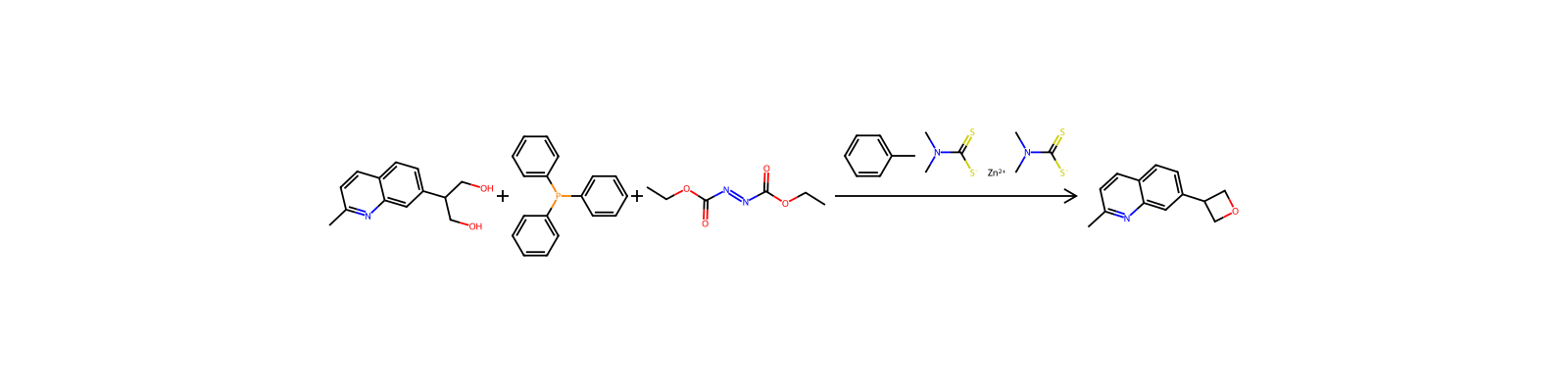
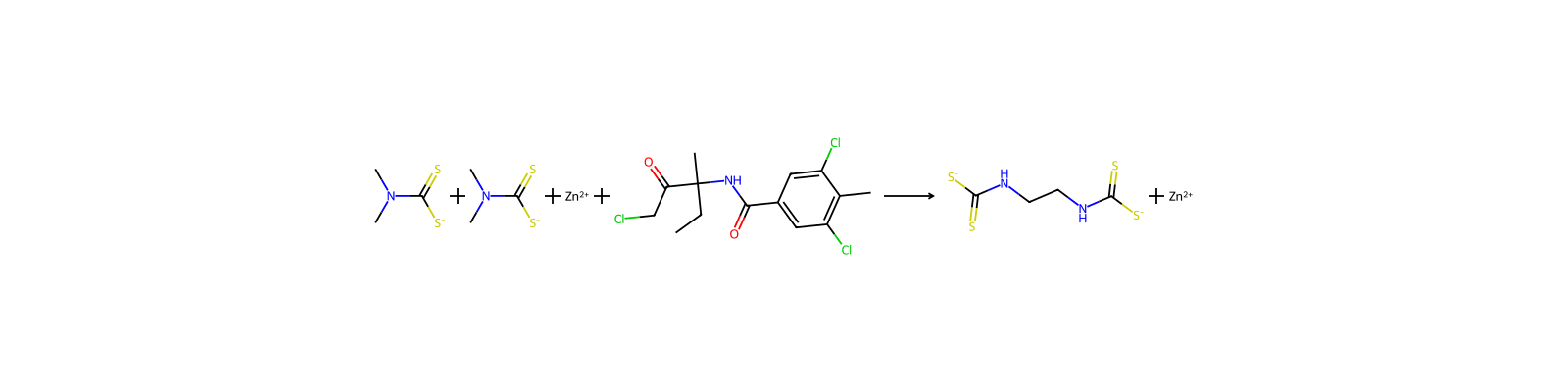
Related reactions
7 records



Linked notes
Loading…