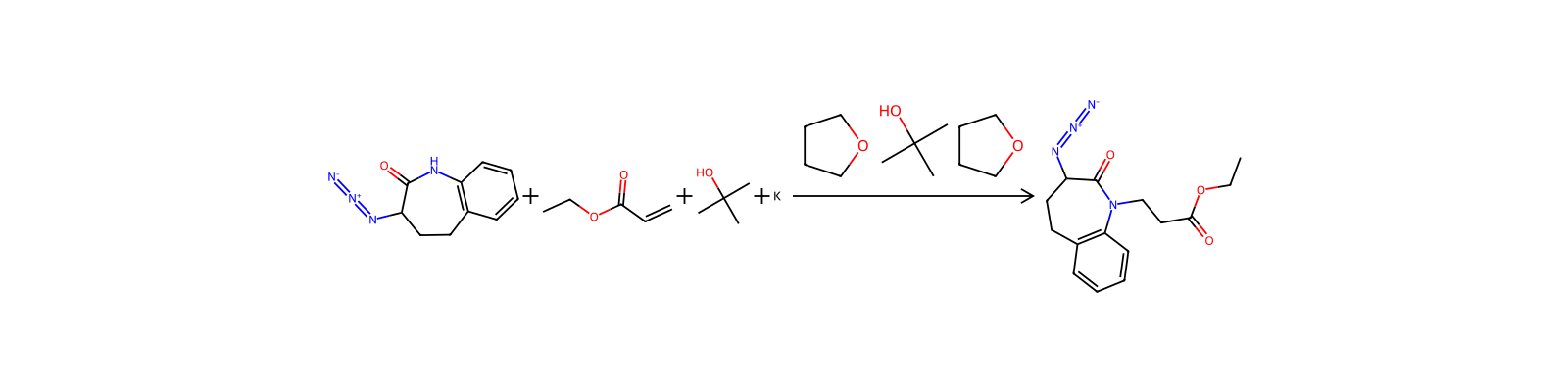

Basic information
- Standard SMILES
C=CC(=O)OCC- InChIKey
JIGUQPWFLRLWPJ-UHFFFAOYSA-N- Molecular formula
- C5H8O2
- Average molar mass
- 100.12 g/mol
- Monoisotopic mass
- 100.0524295
Overview
Ethyl Acrylate can cause cancer according to an independent committee of scientific and health experts.
Names & identifiers
- Preferred name
- Ethyl Acrylate
- IUPAC
- ethyl prop-2-enoate
- English name
- Ethyl acrylate
- Molecular formula
- C5H8O2
- Molecular weight
- 100.12
Names & synonyms
ETHYL ACRYLATE140-88-5Acrylic acid ethyl esterEthyl propenoate2-Propenoic acid, ethyl esterEthyl 2-propenoateEthylacrylaatEthylakrylatEtil acrilatoAcrylic acid, ethyl esterAethylacrylatEtilacrilatului
Show more names
Akrylanem etyluCarboset 511EthoxycarbonylethyleneEthyl acrylate, inhibitedAcrylate d'ethyle2-Propenoic Acid Ethyl EsterAcrylsaeureaethylesterRCRA waste number U113
Database identifiers
- CAS
140-88-5、87605-70-7、9003-32-1- PubChem CID
- 8821
- DTXSID
DTXSID4020583- ChEMBL
CHEMBL52084- ChEBI
CHEBI:82327- UNII
- 71E6178C9T
- EC Number
- 205-438-8
- Nikkaji
- J2.534H
Properties
Computed structural properties
- XLogP
- 1.3
- Topological polar surface area
- 26.3 Ų
- Hydrogen bond donors
- 0
- Hydrogen bond acceptors
- 2
- Rotatable bonds
- 3
- Heavy atoms
- 7
- Formal charge
- 0
- Complexity
- 76.1
Experimental & physicochemical properties
Chemical Classes
Hazardous Air Pollutants (HAPs)
Carcinogens
LipidsFatty Acyls [FA] -> Fatty esters [FA07] -> Short fatty esters [FA0710]
PolymersPlastics & Rubber -> (Meth)acrylates
CosmeticsCosmetics ingredient -> Anticaking/Absorbents; Other (Specify)
SpringerMaterials PropertiesBoiling point
FragrancesFragrance substance (Ethyl acrylate) -> IFRA amendment 40
LogP
log Kow = 1.32
1.32
1.32
1.2
Odor
Acrid penetrating odor
Sour, pungent, hot plastic odor
Food AdditivesFLAVORING AGENT OR ADJUVANT -> FDA Substance added to food
Density
0.923 at 68 °F (USCG, 1999) - Less dense than water; will float
0.9234 g/cu cm at 20 °C
Liquid heat capacity = 0.453 BTU/lb-F at 70 °F; Liquid thermal conductivity = 10149 BTU-in/hr-sq ft-F at 70 °C; Saturated vapor density = 0.01011 lb/cu ft at 70 °F; Ideal gas heat capacity = 0.272 BTU/lb-F at 75 °F
Bulk density: 7.6 lb/gal at 20 °C
Relative density (water = 1): 0.92
0.916-0.919
Flavoring AgentsEU Flavoring substances
Color/Form
Colorless liquid
Clear liquid
Physicochemical properties
- Melting point
- -71.2 °C · -71.2 °C
- Boiling point
- 99.4 °C · 99.4 °C
- Density
- 0.9234 g/cm3 · 0.9234 g/cm3
- Symbol(GHS)
- 2 · GHS02,GHS06
- Signal word
- Danger
- Hazard statements
- 225 · H225-H302+H312-H315-H317-H319-H331-H335-H412
- Precautionary statements
- 210 · P210-P273-P280-P301+P312-P303+P361+P353-P304+P340+P311
Safety & regulation
GHS classification
GHS Classification
Danger
H225: Highly Flammable liquid and vapor [Danger Flammable liquids]
P210, P233, P240, P241, P242, P243, P261, P264, P264+P265, P270, P271, P272, P280, P301+P317, P302+P352, P303+P361+P353, P304+P340, P305+P351+P338, P316, P317, P319, P321, P330, P332+P317, P333+P317, P337+P317, P362+P364, P370+P378, P403+P233, P403+P235, P405, and P501 (click each P-code to see the statement)
This chemical does not meet GHS hazard criteria for < 0.1% (2 of 4896) of reports.
Danger
H225 (> 99.9%): Highly Flammable liquid and vapor [Danger Flammable liquids]
Hazard information
Regulatory Information
Chemical: 2-Propenoic acid, ethyl ester
Hazard Traits - Carcinogenicity; Hepatotoxicity and Digestive System Toxicity; Neurotoxicity; Respiratory Toxicity
Commission Regulation (EC) No 1565/2000 (Repealed by Com. Implementing Reg. (EU) No 872/2012)
2-Propenoic acid, ethyl ester is listed on the EPA's Chemical Data Reporting (CDR) system. Manufacturers and importers of 2-Propenoic acid, ethyl ester are required to report information about their production and use of this chemical to the EPA under the Toxic Substances Control Act (TSCA). (40 eCFR Part 711)
Status: Active Update: 11-05-2023 https://echa.europa.eu/registration-dossier/-/registered-dossier/15431
2-Propenoic acid, ethyl ester: HSNO Approval: HSR001042 Approved with controls
Other Safety InformationIMAP assessments - 2-Propenoic acid, ethyl ester: Human health tier II assessment
DOT LabelFlammable Liquid
Fire Hazards
Special Hazards of Combustion Products: Toxic and irritating vapors generated when heated.
· HIGHLY FLAMMABLE: Will be easily ignited by heat, sparks or flames.
Highly flammable. Vapour/air mixtures are explosive.
Fire PotentialFlammable liquid. A very dangerous fire hazard when exposed to heat or flame.
Health Hazards
May cause irritation and burns of eyes and skin. Exposure to excessive vapor concentrations can also cause drowsiness accompanied by nausea, headache, or extreme irritation of the respiratory tract. (USCG, 1999)
· May cause toxic effects if inhaled or absorbed through skin.
Hazards Summary
Exposure to ethyl acrylate is primarily occupational. Acute (short-term) exposure of workers to ethyl acrylate vapors has been reported to cause drowsiness, lethargy, headache, nausea, convulsions, and respiratory and gastrointestinal irritation. Noncancerous lesions and inflammation of the nasal mucosa and depressed body weight gain have been observed in rats and mice exposed by inhalation for a chronic (long-term) duration. Human studies on occupational exposure to ethyl acrylate/methyl methacrylate have suggested a relationship between exposure to the chemical(s) and colorectal cancer, but the evidence is conflicting and inconclusive. In a study by the National Toxicology Program (NTP), increased incidences of squamous cell papillomas and carcinomas of the forestomach were observed in rats and mice exposed via gavage (experimentally placing the chemical in the stomach). However, the NTP recently determined that these data were not relevant to human carcinogenicity and removed ethyl acrylate from its list of carcinogens. EPA has classified ethyl acrylate as a Group B2, probable human carcinogen, but has not developed a potency estimate to quantify risk by inhalation.
Liquid causes first degree burns on short exposure. [CHRIS] Pulmonary edema may result from inhalation of high concentrations. [NJ-HSFS] A lachrymator; Causes damage to the liver, kidneys, and lungs in high-dose animal experiments; [HSDB] Danger of skin sensitization; [MAK] Ethyl acrylate, stabilized (UN1917) has warning of explosive polymerization; [ERG 2016]
DOT ID and Guide
1917 129P
1917 129P(inhibited)
FDA Requirements
Ethyl acrylate is a food additive permitted for direct addition to food for human consumption in accordance with the following conditions: a) they are used in the minimum quantity required to produce their intended effect, and otherwise in accordance with all the principles of good manufacturing practice, and b) they consist of one or more of the following, used alone or in combination with flavoring substances and adjuvants generally recognized as safe in food, prior-sanctioned for such use, or regulated by an appropriate section in this part.
Homopolymers and copolymers of ethyl acrylate are an indirect food additive for use only as a component of adhesives.
Reactive GroupAcrylates and Acrylic Acids
EC ClassificationSymbol: F, Xn; R: 11-20/21/22-36/37/38-43; S: (2)-9-16-33-36/37; Note: D
UN ClassificationUN Hazard Class: 3; UN Pack Group: II
Safety & protection
Fire Fighting
Excerpt from ERG Guide 129 [Flammable Liquids (Water-Miscible / Noxious); polymerization hazard]:
Use water spray, powder, alcohol-resistant foam, carbon dioxide. In case of fire: keep drums, etc., cool by spraying with water.
First Aid Measures
Fresh air, rest. Refer for medical attention.
Remove contaminated clothes. Rinse skin with plenty of water or shower. Refer for medical attention .
First rinse with plenty of water for several minutes (remove contact lenses if easily possible), then refer for medical attention.
Rinse mouth. Give one or two glasses of water to drink. Do NOT induce vomiting. Refer for medical attention .
Accidental Release Measures
· CALL 911. Then call emergency response telephone number on shipping paper. If shipping paper not available or no answer, refer to appropriate telephone number listed on the inside back cover.
· ELIMINATE all ignition sources (no smoking, flares, sparks or flames) from immediate area.
First Aid
EYES: First check the victim for contact lenses and remove if present. Flush victim's eyes with water or normal saline solution for 20 to 30 minutes while simultaneously calling a hospital or poison control center. Do not put any ointments, oils, or medication in the victim's eyes without specific instructions from a physician. IMMEDIATELY transport the victim after flushing eyes to a hospital even if no symptoms (such as redness or irritation) develop.
General First Aid:
(General first aid procedures)
Safe StorageFireproof. Cool. Keep in the dark. Store only if stabilized.
Firefighting HazardsVapor is heavier than air and may travel a considerable distance to a source of ignition and flash back. Liquid floats on water and may travel to a source of ignition and spread fire. /Ethyl acrylate, inhibited/
Exposure Control and Personal Protection
· Wear positive pressure self-contained breathing apparatus (SCBA).
315.0 [ppm]
2.0 [ppm]
Fire Fighting Procedures
Use water spray to keep fire-exposed containers cool. Use fine spray or fog to control fire by preventing its spread and absorbing some of its heat. Solid streams of water may be ineffective or may cause frothing. Use water spray, dry chemical, foam, or carbon dioxide. Fight fire from protected location or maximum possible distance. /Ethyl acrylate, inhibited/
If material on fire or involved in fire: Do not extinguish fire unless flow can be stopped or safely confined. Use water in flooding quantities as fog. Solid stream of water may spread fire. Cool all affected containers with flooding quantities of water. Apply water from as far a distance as possible. Use foam, dry chemical or carbon dioxide. /Ethyl acrylate, stabilized/
Wear full protective clothing and positive pressure self contained breathing apparatus.
Evacuation: If fire becomes uncontrollable or container is exposed to direct flame, consider evacuation of one-half (1/2) mile radius. /Ethyl acrylate, stabilized/
Storage Conditions
Store in away from heat, oxidizers, and sunlight. Outside or detached storage is preferred. Separate from any oxidizers, peroxides, or other initiators. /Ethyl acrylate, inhibited/
PRECAUTIONS FOR "CARCINOGENS": Storage site should be as close as practicable to lab in which carcinogens are to be used, so that only small quantities required for ... expt need to be carried. Carcinogens should be kept in only one section of cupboard, an explosion-proof refrigerator or freezer (depending on chemicophysical properties ...) that bears appropriate label. An inventory ... should be kept, showing quantity of carcinogen & date it was acquired ... Facilities for dispensing ... should be contiguous to storage area. /Chemical Carcinogens/
The effectiveness of phenolic inhibitors is dependent on the presence of oxygen and the monomers must be stored under air rather than an inert atmosphere. Temp must be kept low to minimize formation of peroxides and other products. ... The acrylic esters may be stored in mild or stainless steel, or aluminum. /Acrylic acid & derivatives/
Cleanup Methods
SRP: Wastewater from contaminant suppression, cleaning of protective clothing/equipment, or contaminated sites should be contained and evaluated for subject chemical or decomposition product concentrations. Concentrations shall be lower than applicable environmental discharge or disposal criteria. Alternatively, pretreatment and/or discharge to a permitted wastewater treatment facility is acceptable only after review by the governing authority and assurance that "pass through" violations will not occur. Due consideration shall be given to remediation worker exposure (inhalation, dermal and ingestion) as well as fate during treatment, transfer and disposal. If it is not practicable to manage the chemical in this fashion, it must be evaluated in accordance with EPA 40 CFR Part 261, specifically Subpart B, in order to determine the appropriate local, state and federal requirements for disposal.
1. Remove all ignition sources. 2. Ventilate area of spill or leak. 3. For small quantities, absorb on paper towels. Evaporate in safe place (such a fume hood). Allow sufficient time for evaporating vapors to completely clear hood ductwork. Burn paper in a suitable location away from combustible material. Large quantities can be collected and atomized in a suitable combustion chamber. Ethyl acrylate should not be allowed to enter a confined space, such as sewer, because of the possibility of an explosion.
PRECAUTIONS FOR "CARCINOGENS": A high-efficiency particulate arrestor (HEPA) or charcoal filters can be used to minimize amt of carcinogen in exhausted air ventilated safety cabinets, lab hoods, glove boxes or animal rooms ... Filter housing that is designed so that used filters can be transferred into plastic bag without contaminating maintenance staff is avail commercially. Filters should be placed in plastic bags immediately after removal ... The plastic bag should be sealed immediately ... The sealed bag should be labelled properly ... Waste liquids ... should be placed or collected in proper containers for disposal. The lid should be secured & the bottles properly labelled. Once filled, bottles should be placed in plastic bag, so that outer surface ... is not contaminated ... The plastic bag should also be sealed & labelled. ... Broken glassware ... should be decontaminated by solvent extraction, by chemical destruction, or in specially designed incinerators. /Chemical Carcinogens/
Nonfire Spill ResponseExcerpt from ERG Guide 129 [Flammable Liquids (Water-Miscible / Noxious); polymerization hazard]:
Disposal Methods
Generators of waste (equal to or greater than 100 kg/mo) containing this contaminant, EPA hazardous waste number U113, must conform with USEPA regulations in storage, transportation, treatment and disposal of waste.
A good candidate for liquid injection incineration at a temperature range of 650 to 1,600 °C and a residence time of 0.1 to 2 seconds. Also, a good candidate for rotary kiln incineration at a temperature range of 820 to 1,600 °C and residence times of seconds for liquids and gases, and hours for solids. Also, a good candidate for fluidized bed incineration at a temperature range of 450 to 980 °C and residence times of seconds for liquids and gases, and longer for solids.
Ethyl Acrylate is a waste chemical stream constituent which may be subjected to ultimate disposal by controlled incineration. /From table/
PRECAUTIONS FOR "CARCINOGENS": There is no universal method of disposal that has been proved satisfactory for all carcinogenic compounds & specific methods of chem destruction ... published have not been tested on all kinds of carcinogen-containing waste. ... summary of avail methods & recommendations ... /given/ must be treated as guide only. /Chemical Carcinogens/
For more Disposal Methods (Complete) data for Ethyl acrylate (10 total), please visit the HSDB record page.
Toxicology
Treatment
For eye contamination, flush eyes immediately with water. Irrigate each eye continuously with normal saline during transport. Do not use emetics. For ingestion, rinse mouth and administer 5 ml/kg up to 200 ml of water for dilution if the patient can swallow, has a strong gag reflex, and does not drool. Administer activated charcoal. (A569)
Cancer Sites[in animals: tumors of the forestomach]
Interactions
Pretreatment of rats with triorthotolyl phosphate potentiated the lethal action of inhaled methyl and ethyl acrylate. Carboxylesterases are important in detoxification of methyl and ethyl acrylate and the exposure to inhibitors of carboxylesterase may potentiate adverse effects of acrylate esters.
Target OrgansEyes, skin, respiratory system
Health EffectsThickened forestomach mucosa, forestomach inflammation and lesions, and abdominal adhesions; swelling of renal tubules and the liver, minor lesions on the liver and lung, and increased kidney weight may result from poisoning (L1242).
Ecotoxicity Values
LC50; Species: Pimephales promelas (Fathead minnow, age 32 days, length 18.7 mm, weight 0.095 g); Conditions: freshwater, flow through, 25.3 °C, pH 7.5, hardness 46.9 mg/L CaCO3, alkalinity 39.7 mg/L CaCO3, dissolved oxygen 6.8 mg/L; Concentration: 2500 ug/L for 96 hr (95% confidence interval: 2310-2700 ug/L) /99% purity/
Bacteria: Pseudomonas putida: inhibition of cell multiplication starts at 270 mg/L
Algae: Microcystis aeruginosa: inhibition of cell multiplication starts at 14 mg/L
Environmental Fate
TERRESTRIAL FATE: Based on a classification scheme(1), a Koc range of 4-85(2) indicates that ethyl acrylate is expected to have very high to high mobility in soil(SRC). Volatilization of ethyl acrylate from moist soil surfaces is expected to be an important fate process(SRC) given an estimated Henry's Law constant of 3.4X10⁻⁴ atm-cu m/mole(SRC), based upon its vapor pressure, 38.6 mm Hg(3), and water solubility, 1.5X10+4 mg/L(4). Ethyl acrylate is expected to volatilize from dry soil surfaces(SRC) based upon its vapor pressure(3). Utilizing the Japanese MITI test, 52% of the Theoretical BOD was reached in 2 weeks(5) indicating that biodegradation is an important environmental fate process in soil(SRC).
AQUATIC FATE: Based on a classification scheme(1), a Koc range of 4-85(2) indicates that ethyl acrylate is not expected to adsorb to suspended solids and sediment(SRC). Volatilization from water surfaces is expected(3) based upon an estimated Henry's Law constant of 3.4X10⁻⁴ atm-cu m/mole(SRC), derived from its vapor pressure, 38.6 mm Hg(4), and water solubility, 1.5X+4 mg/L(5). Using this Henry's Law constant and an estimation method(3), volatilization half-lives for a model river and model lake are 6 hours and 5 days, respectively(SRC). According to a classification scheme(6), an estimated BCF of 3(SRC), from its log Kow of 1.32(7) and a regression-derived equation(8), suggests the potential for bioconcentration in aquatic organisms is low(SRC). A base-catalyzed second-order hydrolysis rate constant of 7.8X10⁻² L/mol-sec was determined at approximately 25 °C for ethyl acrylate(9); this corresponds to half-lives of 3 years, 103 days, and 2.5 hours at pH values of 7, 8 and 11, respectively(SRC). Ethyl acrylate readily biodegrades in screening tests using sewage seed both in fresh and salt water(10); it reached 52% of its theoretical BOD in 2 weeks using an activated sludge inoculum(11).
ATMOSPHERIC FATE: According to a model of gas/particle partitioning of semivolatile organic compounds in the atmosphere(1), ethyl acrylate, which has a vapor pressure of 38.6 mm Hg at 25 °C(2), is expected to exist solely as a vapor in the ambient atmosphere. Vapor-phase ethyl acrylate is degraded in the atmosphere by reaction with photochemically-produced hydroxyl radicals(SRC); the half-life for this reaction in air is estimated to be 1.5 days(SRC), calculated from its rate constant of 1.6X10⁻¹¹ cu cm/molecule-sec at 25 °C(3). A major removal process of ethyl acrylate from the atmosphere is reaction with ozone; major transformation products include glyoxylic acid, ethyl glyoxylate, ethyl formate and epoxides(4). The rate constant for the reaction of ethyl acrylate with ozone is 5.7X10⁻¹⁸ cu cm/molc-sec, corresponding to a half-life of 2 days(5). Ethyl acrylate does not contain chromophores that absorb at wavelengths >290 nm and therefore is not expected to be susceptible to direct photolysis by sunlight(5).
Food Survey Values
FOUND IN THE FRUIT OF ANANAS SATIVUS L.
Ethyl acrylate has been reported to be a volatile component of pineapple concentrate(1). Ethyl acrylate is a volatile component of Beaufort cheese, a Gruyere type cheese manufactured in a limited area of the French Alps(2).
Adverse EffectsOccupational hepatotoxin - Secondary hepatotoxins: the potential for toxic effect in the occupational setting is based on cases of poisoning by human ingestion or animal experimentation.
Exposure Routes
The substance can be absorbed into the body by inhalation, through the skin and by ingestion.
inhalation, skin absorption, ingestion, skin and/or eye contact
Inhalation (T21) ; oral (T21) ; dermal (T21) ; eye contact (T21).
Toxicity Summary
Ethyl acrylate causes gastric lesions depending upon upon the rate of chemical delivery to stomach tissue as a result of interaction of the parent molecule or metabolites (other than hydrolysis products), with subcellular sites in stomach tissue (A2451).
Ecotoxicity Excerpts
/AQUATIC SPECIES/ ... Toxicity tests were conducted using freshwater and marine fish, invertebrates, and algae. Acrylic acid effect concentrations for fish and invertebrates ranged from 27 to 236 mg/l. Effect concentrations (LC50 or EC50) for fish and invertebrates using methyl acrylate, ethyl acrylate, and butyl acrylate ranged from 1.1 to 8.2 mg/lL The chronic MATC for acrylic acid with Daphnia magna was 27 mg/L based on length and young produced per adult reproduction day and for ethyl acrylate was 0.29 mg/L based on both the reproductive and growth endpoints... Overall these studies show that acrylic acid and the acrylic esters studied can rapidly biodegrade, have a low potential for persistence or bioaccumulation in the environment, and have low to moderate toxicity.
Regulatory information
FDA Requirements
Ethyl acrylate is a food additive permitted for direct addition to food for human consumption in accordance with the following conditions: a) they are used in the minimum quantity required to produce their intended effect, and otherwise in accordance with all the principles of good manufacturing practice, and b) they consist of one or more of the following, used alone or in combination with flavoring substances and adjuvants generally recognized as safe in food, prior-sanctioned for such use, or regulated by an appropriate section in this part.
Homopolymers and copolymers of ethyl acrylate are an indirect food additive for use only as a component of adhesives.
RCRA Requirements
U113; As stipulated in 40 CFR 261.33, when ethyl acrylate, as a commercial chemical product or manufacturing chemical intermediate or an off-specification commercial chemical product or a manufacturing chemical intermediate, becomes a waste, it must be managed according to Federal and/or State hazardous waste regulations. Also defined as a hazardous waste is any residue, contaminated soil, water, or other debris resulting from the cleanup of a spill, into water or on dry land, of this waste. Generators of small quantities of this waste may qualify for partial exclusion from hazardous waste regulations (40 CFR 261.5).
TSCA Requirements
Pursuant to section 8(d) of TSCA, EPA promulgated a model Health and Safety Data Reporting Rule. The section 8(d) model rule requires manufacturers, importers, and processors of listed chemical substances and mixtures to submit to EPA copies and lists of unpublished health and safety studies. Ethyl acrylate is included on this list. Effective date 4/13/89; Sunset date: 6/30/98.
FIFRA Requirements
Residues resulting from the use of the following substances, that meet the definition of a polymer and the criteria specified for defining a low-risk polymer in 40 CFR 723.250, as an inert ingredient in a pesticide chemical formulation, including antimicrobial pesticide chemical formulations, are exempted from the requirement of a tolerance under FFDCA section 408, if such use is in accordance with good agricultural or manufacturing practices. Ethyl acrylate is included on this list.
Atmospheric Standards
This action promulgates standards of performance for equipment leaks of Volatile Organic Compounds (VOC) in the Synthetic Organic Chemical Manufacturing Industry (SOCMI). The intended effect of these standards is to require all newly constructed, modified, and reconstructed SOCMI process units to use the best demonstrated system of continuous emission reduction for equipment leaks of VOC, considering costs, non air quality health and environmental impact and energy requirements. Ethyl acrylate is produced, as an intermediate or a final product, by process units covered under this subpart.
CERCLA Reportable Quantities
Persons in charge of vessels or facilities are required to notify the National Response Center (NRC) immediately, when there is a release of this designated hazardous substance, in an amount equal to or greater than its reportable quantity of 1000 lb or 454 kg. The toll free number of the NRC is (800) 424-8802. The rule for determining when notification is required is stated in 40 CFR 302.4 (section IV.D.3.b).
State Drinking Water Guidelines(FL) FLORIDA 5,000 ug/l
Safety data
- Signal word
- Danger
- Symbol(GHS)
- GHS02,GHS06
- Hazard statements
- H225-H302+H312-H315-H317-H319-H331-H335-H412
- Precautionary statements
- P210-P273-P280-P301+P312-P303+P361+P353-P304+P340+P311
Chemistry & industry
Pharmacology
Mechanism of Action
Cytotoxicity is primarily limited to the olfactory epithelium of the dorsal meatus region of the nasal cavity of rodents following inhalation exposure to acrylic monomers. To investigate the biochemical basis for this effect, three regions of the Fischer F344N rat nasal cavity were evaluated for carboxylesterase activity for ... ethyl acrylate. ... No regional difference in carboxylesterase activity was observed between sensitive and non-sensitive regions of olfactory epithelium. Respiratory epithelium (resistant to cytotoxicity) was found to be have a much lower rate of carboxylesterase activity than olfactory epithelium. These results suggest that the regional distribution of cytotoxicity observed in the rat nasal cavity at high concentrations of inhaled acrylic monomers may be due in part to the amount of released organic acid following deposition. However, the observation of the same esterase activity in sensitive and nonsensitive olfactory regions suggests that nasal air flow patterns and regional deposition may also be critical factors.
Quantitative hemolysis assays of acrylate and methacrylate esters provided estimates of the intrinsic hemolytic activity (Hi, the slope of the concentration-response curve) and the concentrations effecting 5% (H5) and 50% (H50) hemolysis. The dependence of hemolytic activity and LD50 (mice) on physical properties (lipophilicity, molar refraction, and molecular volume of the esters was detected by multiple regression analysis. The observed correlations were: Hi, R2 = 0.94; H5, R2 = 0.95; H50, R2 = 0.94; and LD50, R2 (all compounds) = 0.80, R2 (all compounds less the methyl esters) = 0.94. The difference of the methyl esters was associated with the smaller steric volume of the methyl ester substituent and the presence (methacrylates) or absence (acrylates) of the branched methyl group. Associative steric contributions of the branched methyl group and the ester substituents were probably responsible for greater variability in the methyacrylate series ... /It was concluded that/ the mechanism of the action of the esters is membrane-mediated and relatively nonspecific and that in vivo biotransformation was not a significant factor. Also, long-term toxic liability of the esters may be more closely related to intrinsic toxicity than acute toxicity.
Over the past several years, /the authors/ have been evaluating the mutagenicity and clastogenicity of compounds capable of Michael-type reactions. These compounds, including acrylamide, several acrylate and methacrylate esters, vinyl sulfones, and phorone, have been evaluated using TK+/- -3.7.2C mouse lymphoma cells. Mutagenic chemicals induced increases in the number of small colony tk- deficient mutants. This suggested a clastogenic mechanism which was confirmed by demonstrating increases in aberrations and micronucleus frequencies in cultured cells. Vinyl sulfone was found to be the most effective chemical mutagen with induction of genotoxic effects at concentrations as low as 0.25 microgram/ml. The other compounds also produced positive results, but at higher concentrations. Since these compounds are known to deplete glutathione, phorone, a model glutathione depleter, was examined and found to produce similar effects as the other compounds in mouse lymphoma cells. These results suggest that the direct-acting Michael-type reaction has activity relevant to producing a genotoxic effect. Since acrylamide has been found to be a potent germ cell mutagen, this mechanism may be also relevant in the induction of heritable mutagenic risk.
Metabolism/Metabolites
Ethyl 2,3-(14)C-acrylate to rats orally by gavage at doses of 2, 20 and 200 mg/kg bw ...The major metabolite was (14)CO2, with 52-61% exhaled within 24 hr ... Three metabolites were identified: 3-hydroxypropionic acid and two mercapturic acids. N-Acetyl-S-(2-carboxyethyl)cysteine arises by glutathione conjugation of acrylic acid, while N-acetyl-S-(2-carboxyethyl)cysteine ethyl ester derives from the conjugation of intact ethyl acrylate. The percentage of the dose excreted as these mercapturic acids falls with increasing dose, consistent with depletion of glutathione. Although ethyl acrylate does not reduce non-protein sulfhydryls in the liver, marked and dose-dependent depletion occurs in the forestomach and glandular stomach, which is enhanced by pretreatment of rats with the esterase inhibitor tri(ortho-cresyl)phosphate. These data are consistent with the hydrolysis of ethyl acrylate being a systemic detoxication reaction, since acrylic acid has no effect on non-protein sulfhydryl levels.
Increases in urinary levels of 3-hydroxypropanoic, lactic and acetic acids /were reported/ after administration of ethyl acrylate to rats.
Ethyl acrylate reacts spontaneously with glutathione and protein sulfhydryl groups in many tissues: in liver alone, conjugation with glutathione was catalysed by cytosolic glutathione S-transferase.
The liver /plays a major role/ in the hydrolysis of ethyl acrylate, the order of activities among tissues being liver >> blood >> lung > kidney. The hydrolysis of ethyl acrylate in various regions of the nose and respiratory tract was region-dependent ... : high activity was found in homogenates of the dorsal meatus and olfactory septum, with much lower activity in respiratory epithelium. This distribution of activity does not correlate well with the distribution of cytotoxicity of ethyl acrylate after inhalation exposure ... Ethyl acrylate was hydrolyzed in homogenates of mouse nasal epithelium.
For more Metabolism/Metabolites (Complete) data for Ethyl acrylate (13 total), please visit the HSDB record page.
Ethyl acrylate is hydrolized to acrylic acid in liver, kidney, and lung homogenates. It is suggested to bind to glutathione spontaneaoulsy and after catalysis by liver glutathione-S-transferase. The major metabolites of ethyl acrylate are mercapturic acids od ethyl acrylate and acrylic acid. Three metabolites were identified in a study: 3-hydroxypropionic acid and two mercapturic acids. N-Acetyl-S-(2-carboxyethyl)cysteine arises by glutathione conjugation of acrylic acid, while N-acetyl-S-(2-carboxyethyl)cysteine ethyl ester derives from the conjugation of intact ethyl acrylate.(A347, A635, A664, ).
MeSH Pharmacological Classification
Substances that increase the risk of NEOPLASMS in humans or animals. Both genotoxic chemicals, which affect DNA directly, and nongenotoxic chemicals, which induce neoplasms by other mechanism, are included.
Chemical agents that increase the rate of genetic mutation by interfering with the function of nucleic acids. A clastogen is a specific mutagen that causes breaks in chromosomes.
Absorption, Distribution and Excretion
Ethyl 2,3-(14)C-acrylate /was given/ to rats orally by gavage at doses of 2, 20, and 200 mg/kg bw. The total recovery in specific tissues and excreta fell with increasing dose from 108% at 2 mg/kg bw to 73% at 200 mg/kg bw ... The proportion of radioactivity excreted in the urine fell with increasing dose, from 28% at 2 mg/kg bw to 8% at 200 mg/kg bw.
Inhalation exposure of male Wistar rats to 1000 mg/cu m ethyl acrylate for 6 hr led to a significant increase in urinary thioether excretion
Ethyl acrylate is absorbed through the skin.
Absorption of ethyl acrylate vapors by the isolated upper respiratory tract was compared to the isolated lower respiratory tract and intact animal. 30-70% of ethyl acrylate was absorbed when passed through the upper respiratory tract. Similar levels were absorbed by the isolated lower respiratory tract and intact animal. It was estimated that intact animals received 50% of ethyl acrylate via the upper respiratory tract.
For more Absorption, Distribution and Excretion (Complete) data for Ethyl acrylate (15 total), please visit the HSDB record page.
Cellular LocationsCytoplasm
Uses & manufacturing
Uses
Ethyl acrylate is used in the manufacture of water-based latex paints and adhesives, textile and paper coatings, leather finish resins, and in the production of acrylic fibers.
Used to make acrylic resins for fibers, adhesives, binders, surface coatings, textiles, paper, and leather; [ACGIH]
Monomer for acrylic resins
The monomer in the manufacture of water emulsion paint vehicles; the production of emulsion-based polymers used in textile and paper coatings, leather finish resins and adhesives. Imparts flexibility to hard films.
Reported uses
Ethyl acrylate is a major component of straight acrylic emulsion polymers used in latex paints, a major monomer used in straight acrylic emulsion for textile applications, including backcoatings, fabric finishes, pigment binders, dirt release agents, and thickeners. Used to make emulsion polymers for paper coating; as pulp additives in floor polishes and sealants; in shoe polishes; in base coatings and surface impregnation of leather in adhesives, sealants, caulking compound and binders.
ImpuritiesWater: 0.05% by wt (max), acrylic acid: 0.005% by wt (max)
U.S. Exports
(1972) 9.03 X 10+9 g
(1975) 1.84 X 10+10 g
(1984) 3.97 X 10+10 g
(1987) 5.58X10+6 lb
(1988) 7.22 X 10+6 lb
U.S. Imports
(1972) Negligible
(1975) 3.50 X 10+9 g
U.S. Production
2023: 100,000,000 - <500,000,000 lb
(1972) 1.25 X 10+11 g
(1975) 1.09 X 10+11 g
(1983) 1.39 X 10+11 g
Annual production of ethyl acrylate in 1976 was reported to be over 295 million pounds.
For more U.S. Production (Complete) data for Ethyl acrylate (8 total), please visit the HSDB record page.
Consumption Patterns
(All acrylate esters, of which n-butyl acetate is the largest volume): surface coatings 44%; adhesives/sealants 18%; textiles 15%, plastics additives 9%, paper 5%, other 9% (2000)
(All acrylic esters) 47% for surface coatings; 22% for textiles; 7% for paper; 7% for polishes; 3% for leather; 9% for acrylic fibers; 5% for misc applications (1969)
(All acrylic acid esters) 46% as a monomer for emulsion polymers and solution polymers in latex paints; 26% as a monomer for emulsion polymers in textile applications; 6% as a comonomer for acrylic fibers; 6% as a monomer for emulsion polymers in polishes; 6% as a monomer for emulsion polymers in paper applications; 4% as a monomer for emulsion polymers used in base coatings and surface impregnation of natural leather; 6% in misc applications (1973)
45% for coatings, 16% for textiles & leather finishes, 9% for paper coatings, 8% for adhesives, 6% for polyacrylates, 5% for polishes, 5% for acrylic fibers, 6% other (1983 est) /Acrylates and acrylic acid/
Consumer UsesMonomers
Industry UsesWrinkle resisting agent
IFRA Fragrance Standards
Ethyl acrylate
Ethyl propenoate; 2-Propenoic acid, ethyl ester
IFRA_STD_139.pdf
40
IFRA 51st Amendment - Guidance for the use of IFRA Standards
Prohibition: This material should not be used as a fragrance ingredient
Methods of Manufacturing
Reaction of nickel carbonyl and acetylene with ethyl alcohol in the presence of an acid; or esterification of acrylic acid with ethyl alcohol (modified Repp process)
Prepd from ethylene chlorohydrin or acrylonitrile, ethanol, and sulfuric acid.
Vinyl chloride reacts at 270 °C at > 6895 kPa (68 atm) with ethanol in the presence of a cobalt and palladium catalyst to give ethyl acrylate in 17% yield ... .
Ethylene cyanohydrin, ethyl alcohol and dilute sulfuric acid. Oxo reaction of acetylene, carbon monoxide, and ethyl alcohol in the presence of nickel or cobalt catalyst.
In ... propylene oxidation process acrolein is first formed by the catalytic oxidation of propylene vapor at high temp in the presence of steam. The acrolein is then oxidized to acrylic acid. ... The acrylic acid is esterified with alcohol to the ... acrylic ester in a separate process. /Acrylic ester monomers/
Formulations/Preparations
Water: 0.10% by wt, max; acidity, as acrylic acid: 0.009% by wt, max
Typical properties for commercial grade ethyl acrylate available in US are ... purity 99.0%; acidity (as acrylic acid), 0.0008%; water, 0.03%; inhibitors, 15 or 200 mg/kg (ppm) hydroquinone monomethyl ether or 1000 mg/kg (ppm) hydroquinone.
99.5% by wt (min) inhibited with 15-20 ppm hydroquinone
99.5% by wt (min) inhibited with hydroquinone or monomethyl ether of hydroquinone
Grades: Technical (inhibited, usually with hydroquinone or its monomethyl ether); Pure uninhibited
Household Products
Cosmetics product ingredient: Ethyl acrylate
Information on 30 consumer products that contain Ethyl acrylate in the following categories is provided:
Suppliers42 total
北京华美互利生物化工010-56205725 · [email protected]
郑州阿尔法化工有限公司+86-18530059196 · [email protected]
湖北永阔科技有限公司027-59223108 15972152991 · [email protected]
湖北万得化工有限公司15377098680 15377098680 · [email protected]
上海麦克林生化科技股份有限公司021-50706066 15221275939 · [email protected]
咸宁深蓝生物医药研发有限公司18171815831 · [email protected]
江苏艾康生物医药研发有限公司025-66061636 19370895928 · [email protected]
上海赛可锐生物科技有限公司021-58000709 13120558703 · [email protected]
河北枫嘉新材料科技有限公司+86-0311-87836622 +86-18712993135 · [email protected]
广东云星生物技术有限公司0751-18902340975/189023400307 18902340307 · [email protected]
上海维亦特生物科技有限公司15317051735 · [email protected]
湖北广奥生物科技有限公司027-02702759223056 18162699093 · [email protected]
湖北成海化工有限公司027-59220433 18327245847 · [email protected]
天津希恩思生化科技有限公司400 638 7771 · [email protected]
陕西麟邦实业有限公司17709134430 · [email protected]
陕西缔都医药化工有限公司+86-029-81138252 +86-173 9270 1263 · [email protected]
杭州宇昊化工科技有限公司0571-82693216 · [email protected]
湖北巨胜科技有限公司027-59599241 18871490274 · [email protected]
Sigma-Aldrich西格玛奥德里奇(上海)贸易有限公司021-61415566 800-8193336 · [email protected]
郑州九亿时光新材料有限公司+86-15225627621 +86-13213167925 · [email protected]
济南睿遥明志医疗科技有限公司15662630077 15662630077 · [email protected]
广东翁江化学试剂有限公司0751-2815987 13927875076 · [email protected]
上海阿拉丁生化科技股份有限公司6206333 13167063860 · [email protected]
陕西缔都医药化工有限公司029-029-81120477 17792793610 · [email protected]
上海源叶生物科技有限公司13636370518 · [email protected]
湖北齐飞医药化工有限公司027-59322506 18071128681 · [email protected]
Shanghai Acmec Biochemical Technology Co., Ltd.+86-18621343501 · [email protected]
湖北摆渡化学有限公司027-59106051 13627137652 · [email protected]
湖北达豪化工有限公司027-027-59106191 13986034860 · [email protected]
爆牛贸易重庆有限公司+86-023-6139-8061 +86-86-13650506873 · [email protected]
湖北信康医药化工有限公司027-027-59308705 18871579363 · [email protected]
湖北拓邦化工有限公司027-59106185 13986192185 · [email protected]
SHANGHAI KEAN TECHNOLOGY CO., LTD.+8613817748580 · [email protected]
上海贝万塔生物科技有限公司021-67187366 19901745723 · [email protected]
上海万纳巨合高分子技术有限公司13661897211 · [email protected]
BOC Sciences+1-631-485-4226 · [email protected]
广东翁江化学试剂有限公司0751-2815983 13927872582 · [email protected]
溧阳市瑞普新材料有限公司0519-18951201333 18951201333 · [email protected]
DAYANG CHEM (HANGZHOU) CO.,LTD+86-88938639 +86-17705817739 · [email protected]
河南科弘生物科技有限公司0371-55969461 19139748274 · [email protected]
天门恒昌化工有限公司027-59322316 15172518801 · [email protected]
湖北鑫红利化工有限公司027-027-59106151 15172325309 · [email protected]
Additional notes
DefinitionChEBI: Ethyl acrylate is an enoate ester.
Related reactions
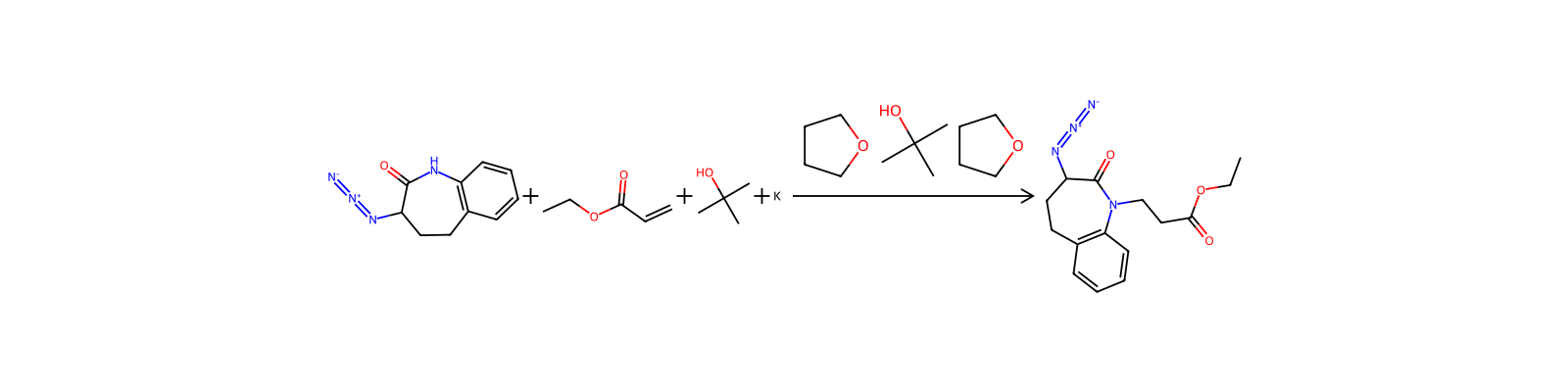
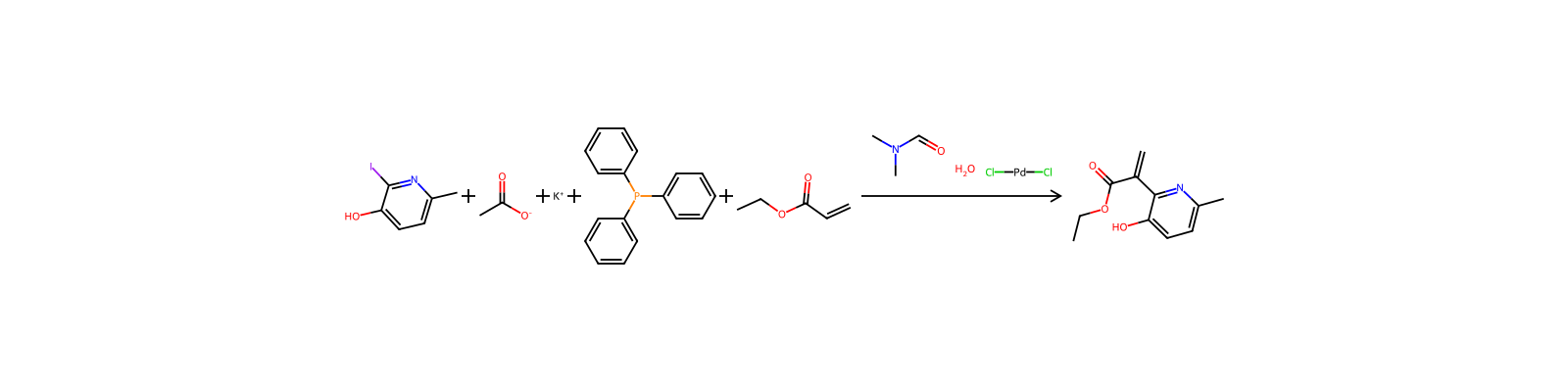
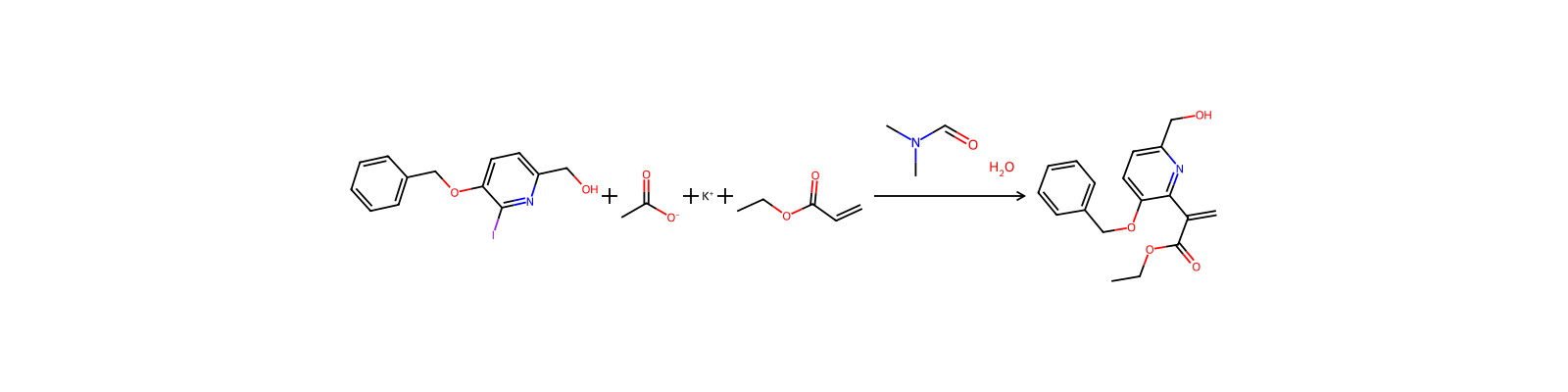
1,381 records



Linked notes
Loading…