
Basic information
- CAS
253-82-7- Standard SMILES
c1ccc2ncncc2c1- InChIKey
JWVCLYRUEFBMGU-UHFFFAOYSA-N- Molecular formula
- C8H6N2
- Average molar mass
- 130.15 g/mol
- Monoisotopic mass
- 130.05309819
Overview
Quinazoline is a mancude organic heterobicyclic parent that is naphthalene in which the carbon atoms at positions 1 and 3 have been replaced by nitrogen atoms. It is a mancude organic heterobicyclic parent, a member of quinazolines, an azaarene and an ortho-fused heteroarene.
Names & identifiers
- Preferred name
- Quinazoline
- IUPAC
- quinazoline
- English name
- Quinazoline
- Molecular formula
- C8H6N2
- Molecular weight
- 130.15
Names & synonyms
QUINAZOLINE253-82-7Phenmiazine1,3-Benzodiazine1,3-Diazanaphthalene5,6-BenzopyrimidineChinazolinBenzo[a]pyrimidineBenzo(a)pyrimidineUNII-UB9QUR18NLUB9QUR18NLBenzo(e)pyrimidine
Show more names
Quinazoline 99%BenzopyrimidineQuinazoline >Quinazoline ,98%Benzo[d]pyrimidine
4.5-BenzopyrimidineQUINAZOLINE [MI]EINECS 205-965-3NSC 72372NSC-72372DTXSID7075214CHEBI:36621RefChem:178168
Database identifiers
- CAS
253-82-7- PubChem CID
- 9210
- DTXSID
DTXSID7075214- ChEMBL
CHEMBL301359- ChEBI
CHEBI:36621- UNII
- UB9QUR18NL
- EC Number
- 205-965-3
- Nikkaji
- J5.442I
Properties
Computed structural properties
- XLogP
- 1
- Topological polar surface area
- 25.8 Ų
- Hydrogen bond donors
- 0
- Hydrogen bond acceptors
- 2
- Rotatable bonds
- 0
- Heavy atoms
- 10
- Formal charge
- 0
- Complexity
- 114
Experimental & physicochemical properties
SpringerMaterials PropertiesAngular frequency
Ionization Efficiency
Positive
3.02
2.7
Agilent XCT
Electrospray ionization
formic acid (5.3nM)
Physicochemical properties
- Melting point
- 46 · 46-48 °C (lit.)
- Boiling point
- 243 °C · 243 °C (lit.)
- Density
- 1.2002 · 1.2002 (rough estimate)
- refractive index
- 1.6231 · 1.6231 (estimate)
- Flash point
- 224 °F · 224 °F
- storage temp.
- Sealed in dry,Room Temperature
- solubility
- 2 O: · H2O: freely soluble
- pka
- 3.43 · 3.43(at 20℃)
- form
- Crystalline Powder, Crystals and/or Chunks
- color
- Yellow to beige to brownish
- Water Solubility
- 2 O: · H2O: freely solubleorganic solvents: soluble
- Merck
- 14 · 14,8053
- BRN
- 109370 · 109370
- InChI
- 1S/C8H6N2/c1-2-4-8-7(3-1)5-9-6-10-8/h1-6H
- InChIKey
- JWVCLYRUEFBMGU-UHFFFAOYSA-N
- SMILES
- c1ccc2ncncc2c1
- CAS DataBase Reference
- 253 · 253-82-7(CAS DataBase Reference)
- FDA UNII
- 9 QUR18NL · UB9QUR18NL
- NIST Chemistry Reference
- Quinazoline(253-82-7)
- EPA Substance Registry System
- Quinazoline (253-82-7)
- UNSPSC Code
- 12352100 · 12352100
- NACRES
- 22 · NA.22
- Symbol(GHS)
- 7 · GHS07
- Signal word
- Warning
- Hazard statements
- 315 · H315-H319-H335
- Precautionary statements
- 271 · P271-P280
- PPE
- 95 · Eyeshields, Gloves, type N95 (US)
- Hazard Codes
- Xi
- Risk Statements
- 36 · 36/37/38
- Safety Statements
- 22 · 22-24/25-36-26-23
- WGK Germany
- 3 · 3
- HS Code
- 29339900 · 29339900
- Storage Class
- 11 · 11 - Combustible Solids
Safety & regulation
GHS classification
GHS Classification
Warning
H315 (100%): Causes skin irritation [Warning Skin corrosion/irritation]
P261, P264, P264+P265, P271, P280, P302+P352, P304+P340, P305+P351+P338, P319, P321, P332+P317, P337+P317, P362+P364, P403+P233, P405, and P501 (click each P-code to see the statement)
The GHS information provided by 1 company from 1 notification to the ECHA C&L Inventory.
Safety data
- PPE
- Eyeshields, Gloves, type N95 (US)
- wgk
- 3
- hs_code
- 29339900
- risk_code
- 36/37/38
- Signal word
- Warning
- Symbol(GHS)
- GHS07
- hazard_code
- Xi
- safety_code
- 22-24/25-36-26-23
- Storage Class
- 11 - Combustible Solids
- Hazard statements
- H315-H319-H335
- Precautionary statements
- P271-P280
Chemistry & industry
Applications
UsesQuinazoline was used to study the electrochemical behaviour of quinazoline using modern polarographic and voltammetric methods. It is the basic structural unit of pharmaceuticals and plays an important role in modern synthesis of antitumor drugs.
General DescriptionQuinazolines has applications in medicinal chemistry due to their antibacterial, antifungal, anticonvulsant, anti-inflammatory and antitumor activities. It is the basic structural unit of pharmaceuticals and plays an important role in modern synthesis of antitumor drugs.
Upstream & downstream products
Upstream raw materials
Downstream products
Suppliers98 total
国药集团化学试剂有限公司86-21-63210123 · [email protected]
梯希爱(上海)化成工业发展有限公司021-67121386 · [email protected]
上海阿拉丁生化科技股份有限公司400-6206333 13167063860 · [email protected]
Hebei Chuanghai Biotechnology Co., Ltd+86-17732866630 · [email protected]
上海麦克林生化科技股份有限公司021-50706066 15221275939 · [email protected]
普善实业(陕西)有限公司029-81310890 18165209495 · [email protected]
Suzhou ARTK Medchem Co., Ltd.+86-18168183658 · [email protected]
爱斯特(成都)生物制药股份有限公司+86-28-85122536 85324413 · [email protected]
Dayang Chem (Hangzhou) Co.,Ltd.+86-0571-88938639 17705817739 · [email protected]
郑州鸿晟医药科技有限公司0371-55695890 15637198702 · [email protected]
毕佳索(上海毕得医药科技股份有限公司)400-6005915 · [email protected]
上海迈瑞尔生化科技有限公司4006356688 18621169109 · [email protected]
北京索莱宝科技有限公司010-50973130 17801761073 · [email protected]
阿法埃莎(中国)化学有限公司400-6106006 · [email protected]
安耐吉化学&3A(安徽泽升科技股份有限公司)400-0056266 · [email protected]
广东元丰化学试剂有限公司0751-2829979 13318593351 · [email protected]
上海瀚鸿科技股份有限公司021-54306202 13764082696 · [email protected]
南京圣亿来化工有限公司19951936396 · [email protected]
上海相辉医药科技有限公司13761987713 · [email protected]
Pure Chemistry Scientific Inc.001-857-928-2050 or 1-888-588-9418 · [email protected]
常州市华阳科技有限公司+8615250961469 · [email protected]
四川库利南科技有限公司400-1166-196 18981987031 · [email protected]
天津希恩思生化科技有限公司400 638 7771 · [email protected]
南京斯贝源医药科技有限公司+86-25-68710855, +86-25-68710897 · [email protected]
TargetMol 中国(陶术生物)400-821-0310 15002144251 · [email protected]
艾科试剂4008-755-333 18080918076 · [email protected]
上海思域化工科技有限公司86-21-34053660 · [email protected]
赛默飞世尔科技(中国)有限公司800-810-5118 · [email protected]
TOKYO CHEMICAL INDUSTRY CO., LTD.03-36680489 · [email protected]
Shanghai Hanhong Scientific Co., Ltd.+undefined17612118332 · [email protected]
金瓯生物医药(南京)有限公司13000000000 · [email protected]
无锡中坤生化科技有限公司+86 0510-85629785
上海汇凯化学科技有限公司021-61995394 18916691159 · [email protected]
上海丽康新材料有限公司+86-16631818819 +86-17736933208 · [email protected]
安徽科迪达化工有限公司0554-2106669 · [email protected]
杭州杰恒化工有限公司0571-87396432 · [email protected]
上海洽凡生化科技有限公司+86-021-61654350 · [email protected]
上海嵩爰化工科技有限公司010-1234567 18521000990 · [email protected]
Sigma-Aldrich西格玛奥德里奇(上海)贸易有限公司021-61415566 800-8193336 · [email protected]
Accela ChemBio Inc.+1(858) 699-3322 · [email protected]
上海谱振生物科技有限公司4001650900 13817534909 · [email protected]
陕西缔都医药化工有限公司029-029-81120477 17792793610 · [email protected]
陕西缔都医药化工有限公司+86-29-81139210 +86-17392587031 · [email protected]
杭州氟药药业有限公司0571-85586753 13336034509 · [email protected]
Guangzhou Yuheng Pharmaceutical Technology Co., Ltd+8613580539051 · [email protected]
上海擎苍化学科技有限公司00000000000 · [email protected]
上海源叶生物科技有限公司13636370518 · [email protected]
成都标样生物科技有限公司028-81700200 13308200041 · [email protected]
南京博米尔生物科技有限公司025-83453382-8005 · [email protected]
山东西亚化学有限公司4009903999 13395398332 · [email protected]
Additional notes
DefinitionChEBI: A mancude organic heterobicyclic parent that is naphthalene in which the carbon atoms at positions 1 and 3 have been replaced by nitrogen atoms.
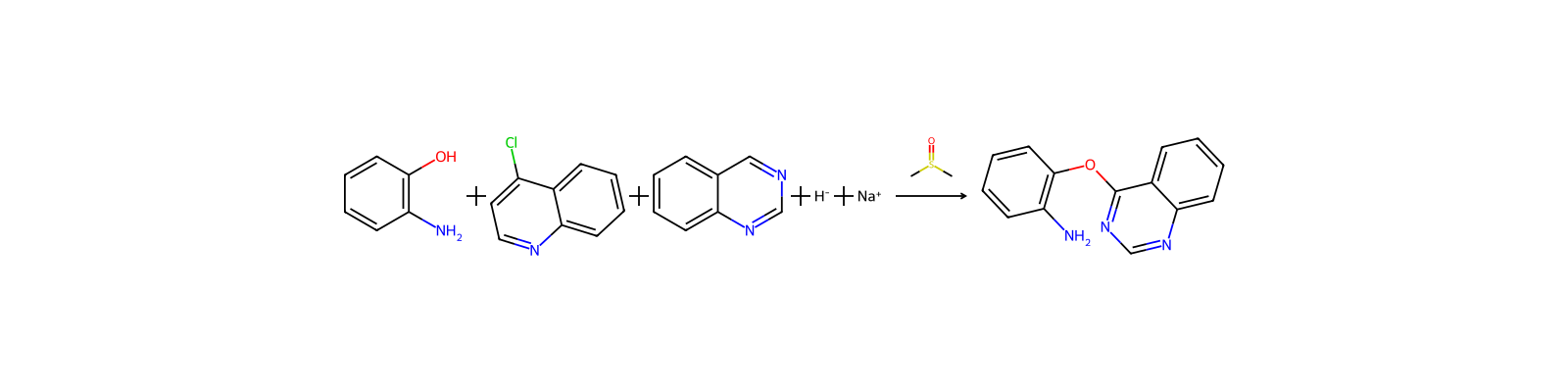
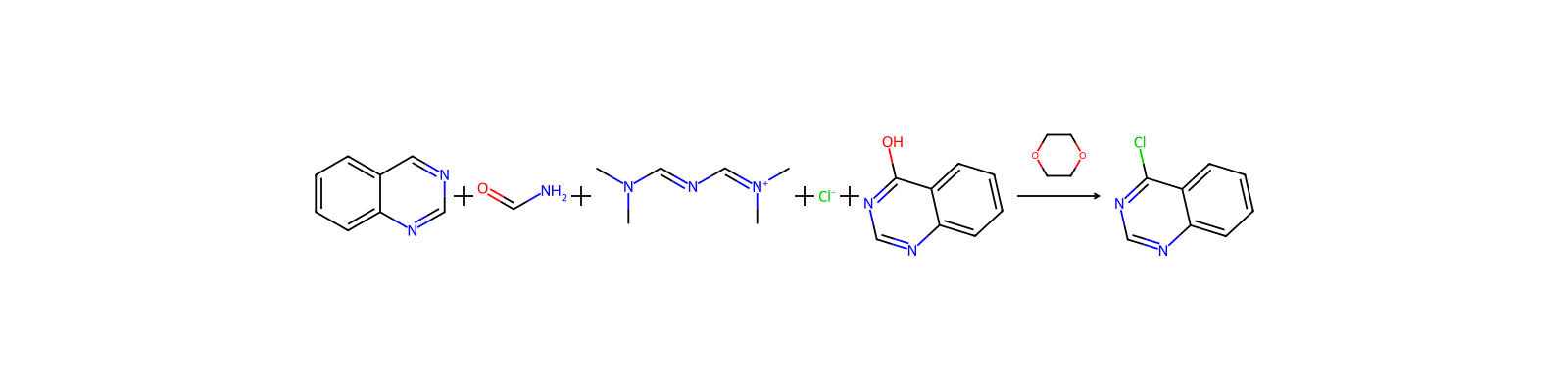
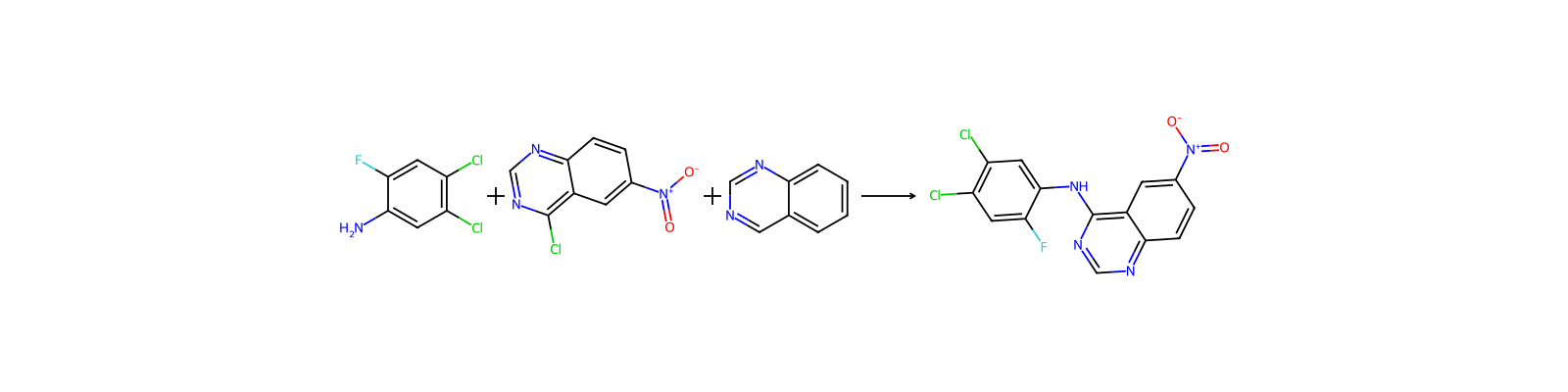
Related reactions
75 records





Compound notes
Loading…