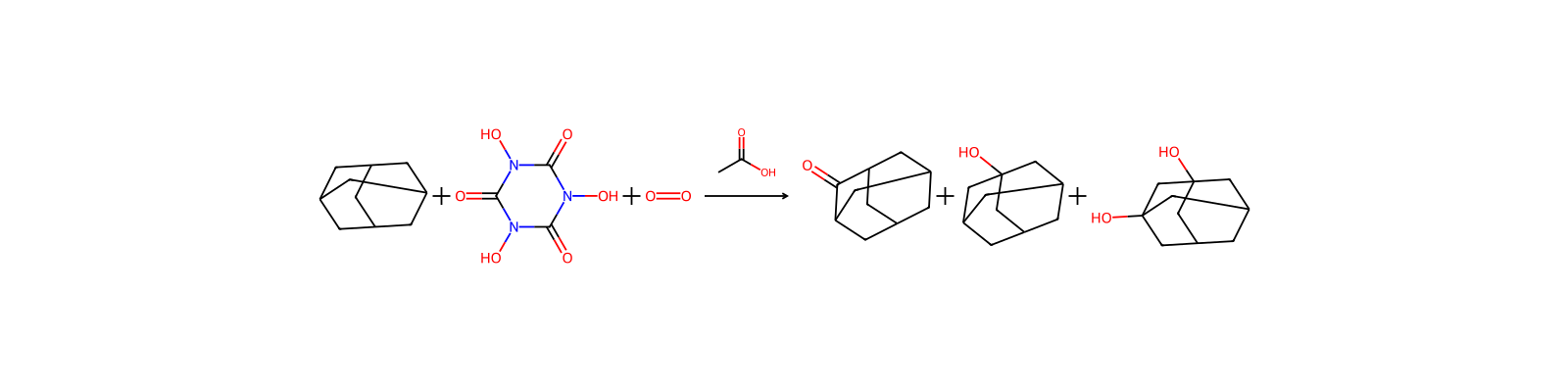
Adamantane
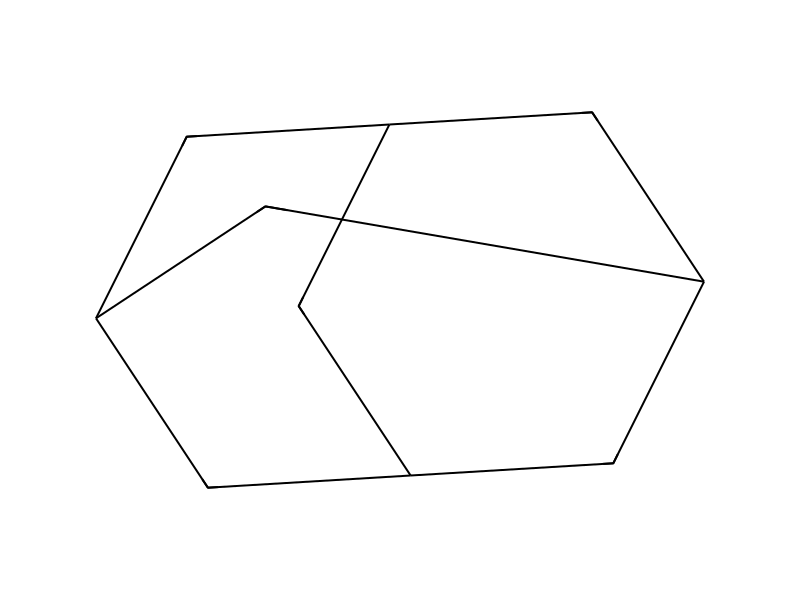
Basic information
- CAS
281-23-2- Standard SMILES
C1C2CC3CC1CC(C2)C3- InChIKey
ORILYTVJVMAKLC-UHFFFAOYSA-N- Molecular formula
- C10H16
- Average molar mass
- 136.23 g/mol
- Monoisotopic mass
- 136.12520051
Overview
Adamantane is a polycyclic alkane and a member of adamantanes.
Names & identifiers
- Preferred name
- Adamantane
- IUPAC
- adamantane
- English name
- Adamantane
- Molecular formula
- C10H16
- Molecular weight
- 136.23
Names & synonyms
ADAMANTANE281-23-2Tricyclo[3.3.1.13,7]decaneTricyclo[3.3.1.1(3,7)]decaneTricyclo(3.3.1.13,7)decanePJY633525UNSC-527913DTXSID5022017CHEBI:40519tricyclo(3.3.1.1(3,7))decaneRefChem:388771DTXCID302017
Show more names
AdamentanediadamantaneTRICYCLODECANEAadamantaneAdamantane,98%HOMOADAMANTANEAdamantane >
206-001-4Adamantantricyclo[3.3.1.1]decanetricyclo[3.3.1.1~3,7~]decaneMFCD00074719A 0696; NSC 527913tricyclo[3.3.1.13,7]decanAdamantane (purified by sublimation)
Database identifiers
- CAS
281-23-2- PubChem CID
- 9238
- DTXSID
DTXSID5022017- ChEMBL
CHEMBL1230831- ChEBI
CHEBI:40519- UNII
- PJY633525U
- EC Number
- 206-001-4
- Nikkaji
- J45.672A
Properties
Computed structural properties
- XLogP
- 3.8
- Topological polar surface area
- 0 Ų
- Hydrogen bond donors
- 0
- Hydrogen bond acceptors
- 0
- Rotatable bonds
- 0
- Heavy atoms
- 10
- Formal charge
- 0
- Complexity
- 75.1
Experimental & physicochemical properties
Chemical ClassesOther Classes -> Other Organic Compounds
DrugsPharmaceuticals -> Listed in ZINC15
SpringerMaterials PropertiesSchoenflies notation
LogP5.2
Physical DescriptionWhite crystalline powder; [Alfa Aesar MSDS]
Physicochemical properties
- Melting point
- 209 · 209-212 °C (subl.) (lit.)
- Boiling point
- 185.55 °C · 185.55°C (rough estimate)
- Density
- 1 · 1,07 g/cm3
- refractive index
- 1.568 · 1.5680
- storage temp.
- 30 °C · Store below +30°C.
- solubility
- 0.00021 g/l · 0.00021g/l slightly soluble
- form
- Crystals or Crystalline Powder
Safety & regulation
Safety information is for reference only and does not replace the supplier’s Safety Data Sheet (SDS), applicable regulations, or professional assessment.
GHS classification
GHS Classification
Warning
H319 (13%): Causes serious eye irritation [Warning Serious eye damage/eye irritation]
P264+P265, P273, P280, P305+P351+P338, P337+P317, P391, and P501 (click each P-code to see the statement)
Aggregated GHS information provided per 54 reports by companies from 5 notifications to the ECHA C&L Inventory. Each notification may be associated with multiple companies.
Hazard information
Regulatory Information
Chemical: Tricyclo[3.3.1.13,7]decane
REACH registered substance: Tricyclo[3.3.1.13,7]decane (EC: 206-001-4)
Tricyclo3.3.1.13,7decane: Does not have an individual approval but may be used under an appropriate group standard
Hazards SummaryA mild eye irritant; Causes abnormal renal function tests in acute inhalation studies of rats; [RTECS] May cause irritation; [Alfa Aesar MSDS]
Hazard Classes and CategoriesEye Irrit. 2 (13%)
Safety data
- PPE
- Eyeshields, Gloves, type N95 (US)
- wgk
- 2
- tsca
- TSCA listed
- rtecs
- YK0493000
- ridadr
- UN 3077 9 / PGIII
- hs_code
- 2902199090
- risk_code
- 36/37/38-50
- Signal word
- Warning
- Symbol(GHS)
- GHS09
Chemistry & industry
Uses & manufacturing
UsesThe diamine compound: used as a curing agent for epoxy resins; [Merck Index]
General Manufacturing InformationTricyclo[3.3.1.13,7]decane: ACTIVE
Applications
UsesAdamantane is a tetrahedral cyclic hydrocarbon containing 10 carbon atoms and 16 hydrogen atoms with its basic structure being the chair form of cyclohexane. It is a highly symmetric and very stable compound. Adamantane has the following characteristics: (1) very stable to light (2) good lubrication force; (3) highly lipophilic: (4) almost tasteless and is sublimate; (5) Although the reactivity is not as active as the reactivity of benzene, but synthesizing of its derivatives is very easy. It is mainly used for the synthesis of special drugs of anti-cancer and anti-tumor. It can also be used to prepare advanced lubricants, the surfactants of photosensitive material, pesticides, catalysts and the like. The hydrogen atom of its bridgehead carbon atoms (i. e. 1, 3, 5, and 7) is easy to have substitution reaction. E.g. adamantane has reaction with an excess amount of bromine, generating 1-bromo-adamantane; reaction with nitrogen dioxide at 175 °C can yield 1-Polynitroadamantanes; oxidation between chromium trioxide and acetic acid can form a 1-adamantyl alcohol. Adamantane can also be obtained through the isomerization between tetrahydro-dicyclopentadiene in the presence of anhydrous aluminum chloride. Its derivative can be used as medicaments, e.g., 1-amino-adamantane hydrochloride and 1-adamantyl triethylamine hydrochloride can prevent the influenza caused by the virus A2. Adamantane can be used for the synthesis of adamantane derivative. It can often be used as pharmaceutical intermediates as well as being used as the raw material of light-sensitive material, cosmetic and surfactant intermediates and also the epoxy curing agent.
Usessynthon for Amantadine, Rimantadine, Somantadine, Tromantadine
UsesAdamantane is mainly used for the synthesis of medicine to treat influenza, serve as NMDA receptor channel blockers. Also be used for preparation of advanced lubricants, photographic material, surface active agents, catalysts and other products.
Related reactions
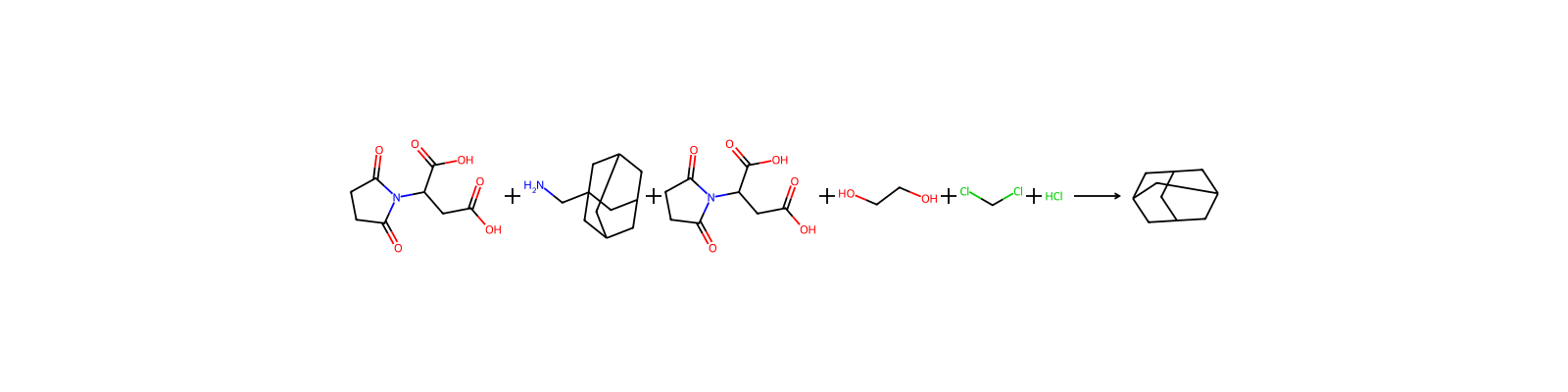
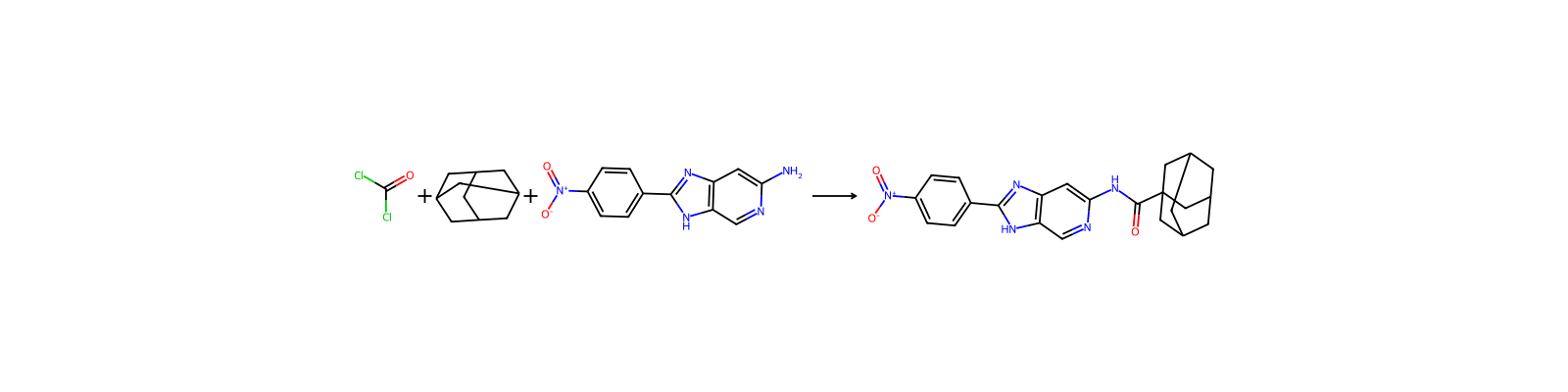
75 records
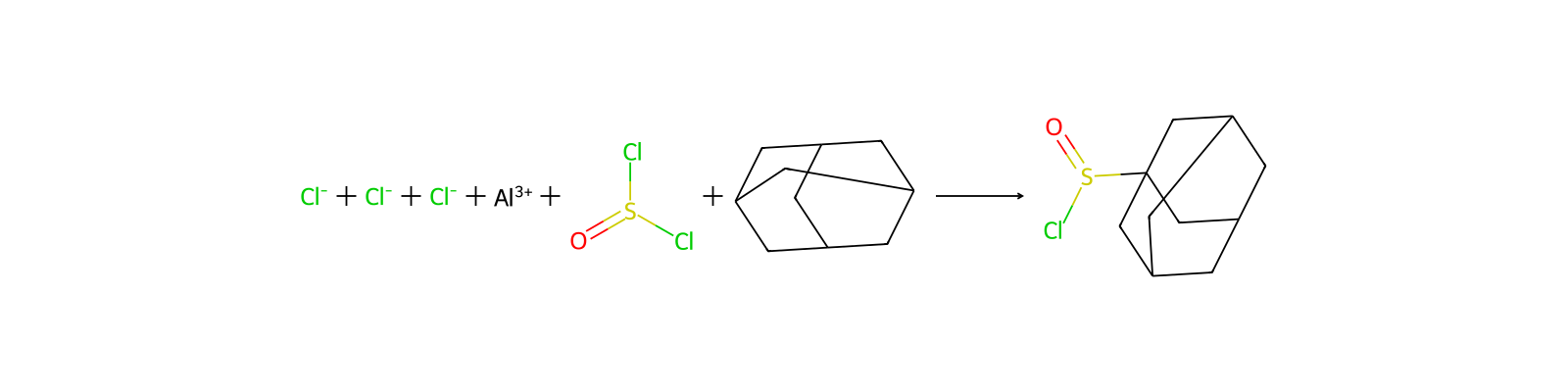
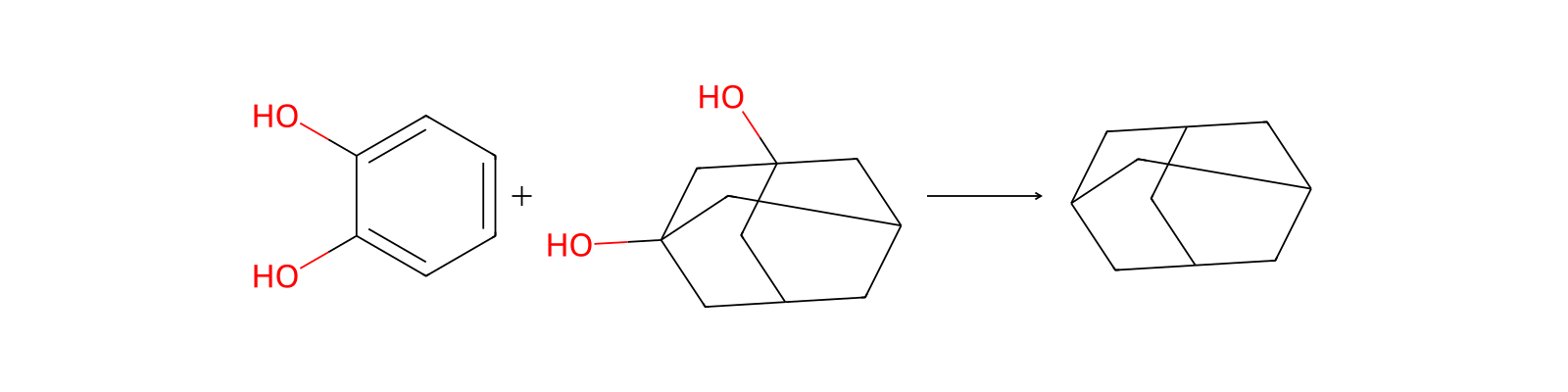



Compound notes
Loading…