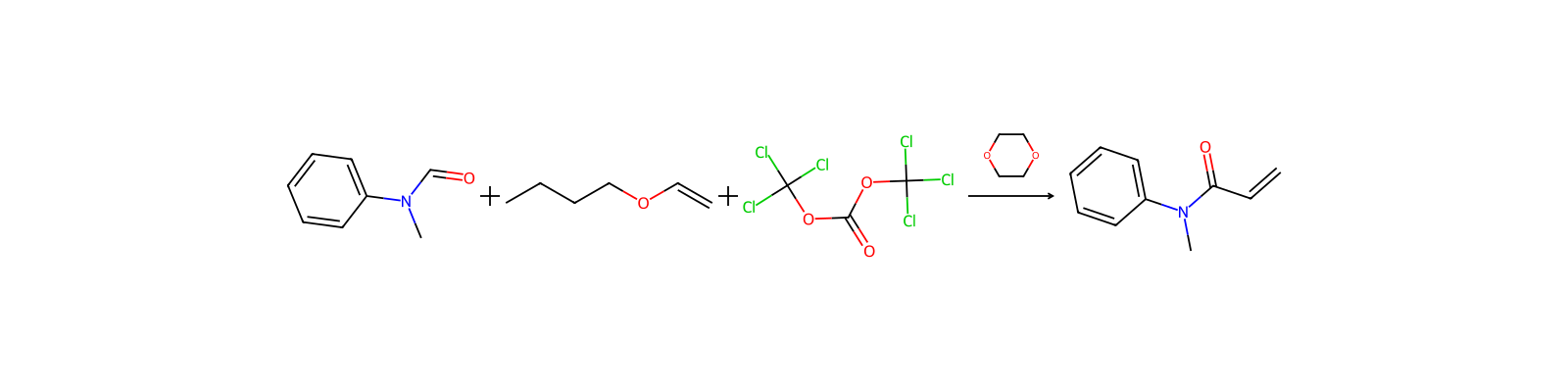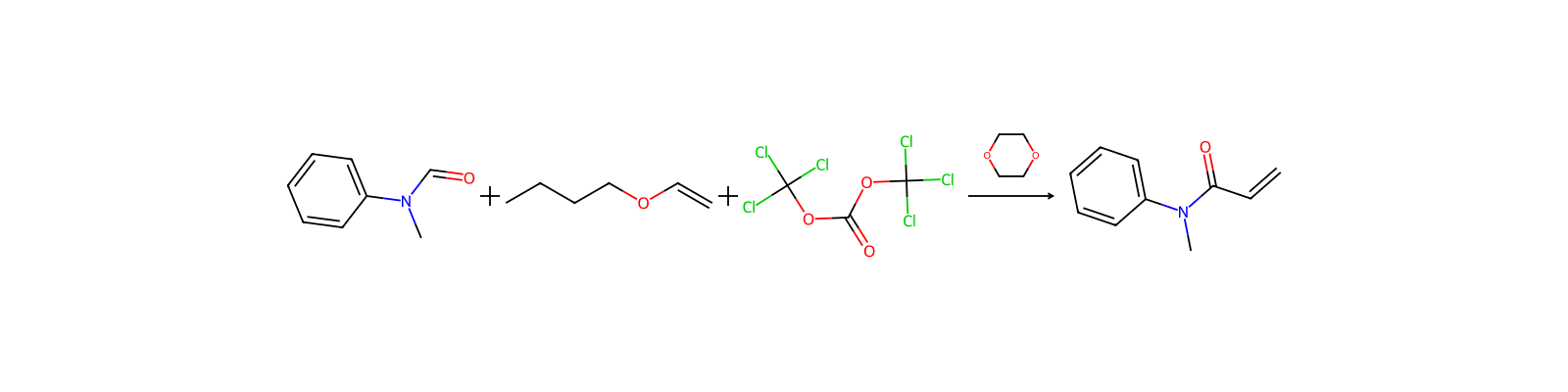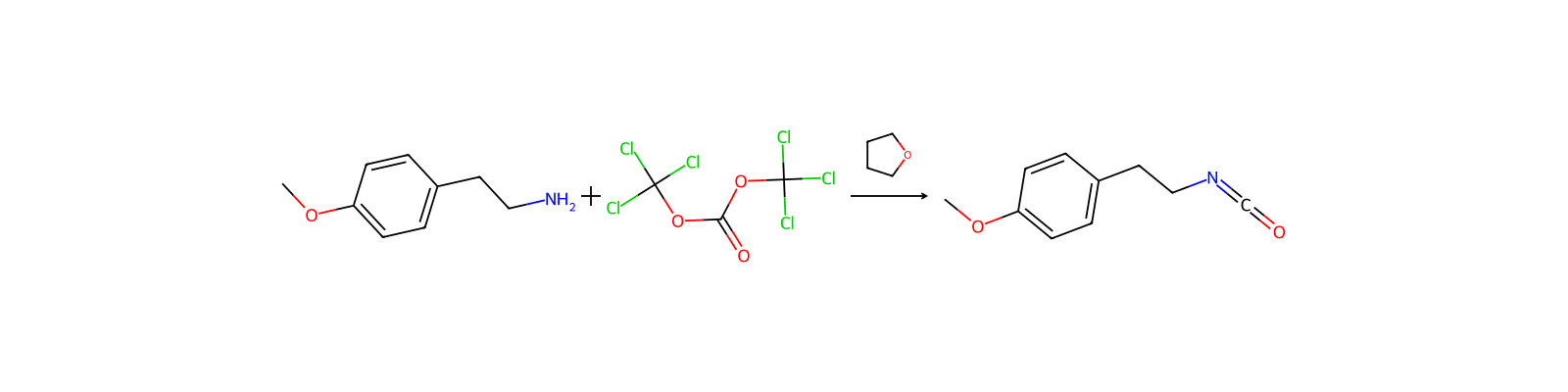
HRID 2837As reactant

32315-10-9O=C(OC(Cl)(Cl)Cl)OC(Cl)(Cl)ClUCPYLLCMEDAXFR-UHFFFAOYSA-N32315-10-9DTXSID00865631Safety information is for reference only and does not replace the supplier’s Safety Data Sheet (SDS), applicable regulations, or professional assessment.
Danger
H314 (93.3%): Causes severe skin burns and eye damage [Danger Skin corrosion/irritation]
P260, P264, P271, P280, P284, P301+P330+P331, P302+P361+P354, P304+P340, P305+P354+P338, P316, P320, P321, P363, P403+P233, P405, and P501 (click each P-code to see the statement)
Aggregated GHS information provided per 60 reports by companies from 9 notifications to the ECHA C&L Inventory. Each notification may be associated with multiple companies.
PMN - indicates a commenced PMN (Pre-Manufacture Notices) substance.
REACH registered substance: Bis(trichloromethyl) carbonate (EC: 250-986-3)
Bis(trichloromethyl) carbonate: Does not have an individual approval but may be used under an appropriate group standard
DescriptionTriphosgene is also known as solid phosgene. Its chemical name is bis (Trichloromethyl) carbonate, and its English name is bisgriehloromethyl) carbonate or triphosgene, abbreviated as BTC. Triphosgene is a white crystal, similar to the smell of phosgene. It is mainly used to synthesize chloroformate, isocyanate, polycarbonate and acyl chloride. It is widely used as an intermediate in plastics, medicine, herbicides and pesticides.
UsesAn efficient carbonylating agent for liquid and solid-phase aza-peptide synthesis.
UsesTriphosgene is used as a carbonylating agent for aza-peptide synthesis. It reacts with several alfa-amino acids to give the corresponding N-carboxyanhydrides. It is involved in the preparation of the esterification coupling reagent, di-2-thienyl carbonate from 2(5H)-thiophenone. Further, it is used as a reagent in organic synthesis and converts an amino group into isocyanate. In addition to this, it is employed in the preparation of 2-chloronicotinaldehydes through cyclization of the corresponding enamides. It is considered as a useful substitute for phosgene.
UsesTriphosgene can be employed as a reagent to prepare: Thiocarbonates from thiols and alcohols by one-pot, three-component reaction.Substituted azetidin-2-ones from acids and imines via ketene–imine cycloaddition reaction. Methyl (S)-2-isocyanato-3-phenylpropanoate from L-phenylalanine methyl ester hydrochloride in the presence of sodium bicarbonate. Acyl azides derivatives from various carboxylic acids and sodium azide. Immunosuppressant agent cyclosporin by solid-phase peptide synthesis.Allyl azides from allyl alcohols and sodium azide in one pot method.Esterification coupling reagent di-2-thienyl carbonate, from 2(5H)-thiophenone.2-Chloronicotinaldehydes via cyclization of the corresponding enamides.
General DescriptionTriphosgene [Bis(trichloromethyl)carbonate] is a versatile organic reagent used in organic synthesis alternative to phosgene. A catalytic amount of triphosgene is particularly used in chloroformylations, carbonylations, chlorinations, and dehydration reactions.