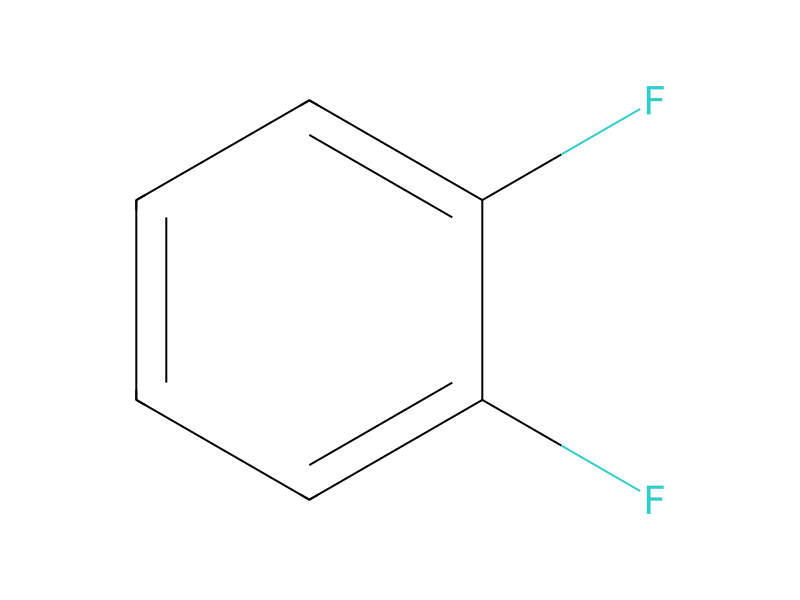
1,2-Difluorobenzene
Completing data — refresh the page later to see the latest
Basic information
- CAS
367-11-3- Standard SMILES
Fc1ccccc1F- InChIKey
GOYDNIKZWGIXJT-UHFFFAOYSA-N- Molecular formula
- C6H4F2
- Average molar mass
- 114.09 g/mol
- Monoisotopic mass
- 114.02810657
Overview
1,2-difluorobenzene is a difluorobenzene carrying fluoro groups at positions 1 and 2. It has a role as an anaesthetic.
Names & identifiers
- Preferred name
- 1,2-Difluorobenzene
- IUPAC
- 1,2-difluorobenzene
- English name
- 1,2-Difluorobenzene
- Molecular formula
- C6H4F2
- Molecular weight
- 114.09
Names & synonyms
1,2-DIFLUOROBENZENE367-11-3o-DifluorobenzeneBenzene, 1,2-difluoro-AW7QGMW29CNSC-10275DTXSID2075390CHEBI:38583RefChem:71885DTXCID1039216206-680-7Benzene, o-difluoro-
Show more names
o-DFB1,2-DifL2-Difluorobenzene1,2-Difluorbenzolo-difluoro-benzen1,2-Dfluorobenzene
ortho-Difluorobenzene1,2-difluoro-benzenedifluorobenzeneTicagrelor Impurity 90MFCD00000284EINECS 206-680-7NSC 10275BRN 1905113
Database identifiers
- CAS
367-11-3- PubChem CID
- 9706
- DTXSID
DTXSID2075390- ChEBI
CHEBI:38583- UNII
- AW7QGMW29C
- EC Number
- 206-680-7
- Nikkaji
- J43.476K
Properties
Computed structural propertiesFilling in
- XLogP
- 2.4
- Topological polar surface area
- 0 Ų
- Hydrogen bond donors
- 0
- Hydrogen bond acceptors
- 2
- Rotatable bonds
- 0
- Heavy atoms
- 8
- Formal charge
- 0
- Complexity
- 62.9
Experimental & physicochemical properties
Chemical ClassesOther Classes -> Halogenated Monoaromatics
SpringerMaterials Properties13C nuclear magnetic resonance spectrum
LogP2.1
Physical DescriptionColorless liquid; Not miscible or difficult to mix in water; [MSDSonline]
Physicochemical properties
- Melting point
- 34 °C · −34 °C(lit.)
- Boiling point
- 92 °C · 92 °C(lit.)
- Density
- 1.158 g/mL · 1.158 g/mL at 25 °C(lit.)
- refractive index
- 20 · n20/D 1.443(lit.)
- Flash point
- 36 °F · 36 °F
- storage temp.
- Flammables area
- solubility
- Chloroform, Methanol
- form
- Liquid
Safety & regulation
Safety information is for reference only and does not replace the supplier’s Safety Data Sheet (SDS), applicable regulations, or professional assessment.
GHS classification
GHS Classification
This chemical does not meet GHS hazard criteria for 0.9% (1 of 109) of reports.
Danger
H225 (98.2%): Highly Flammable liquid and vapor [Danger Flammable liquids]
P210, P233, P240, P241, P242, P243, P260, P264, P280, P301+P330+P331, P302+P361+P354, P303+P361+P353, P304+P340, P305+P354+P338, P316, P321, P363, P370+P378, P403+P235, P405, and P501 (click each P-code to see the statement)
Aggregated GHS information provided per 109 reports by companies from 10 notifications to the ECHA C&L Inventory. Each notification may be associated with multiple companies.
Hazard information
Hazards SummaryAn irritant; [MSDSonline] See o-Dichlorobenzene.
Hazard Classes and CategoriesFlam. Liq. 2 (98.2%)
Toxicology
Toxicity DataLC50 (mice) = 55,000 mg/m3/2h
Safety data
- PPE
- Eyeshields, Faceshields, Gloves, type ABEK (EN14387) respirator filter
- wgk
- 3
- rtecs
- CZ5655000
- ridadr
- UN 1993 3/PG 2
- hs_code
- 29036990
- risk_code
- 11-20-2017/11/20
- Signal word
- Danger
- Symbol(GHS)
- GHS02
- hazard_code
Chemistry & industry
Applications
Uses1,2-Difluorobenzene is used in electrochemical analysis of transition metal complexes. 1,2-difluorobenzene is also a potent inhibitor of NMDA receptor.
Uses1,2-Difluorobenzene(1,2-DFB) has been used to study the mechanism of dissociation of o-, m- and p-difluorobenzene ions by threshold photoelectron photoion coincidence spectroscopy. It has been used to study the room temperature adsorption of 1,2-DFB, 1,2-dichlorobenzene and 1,2-dibromobenzene on Si(100)2x1 by X-ray photoelectron spectroscopy and temperature programmed desorption. It is used as solvent in electrochemical studies on transition metal complexes. It is also applied as a solvent useful for electrochemical studies on transition metal complexes.
General Description1,2-Difluorobenzene undergoes defluorination under very mild conditions by H2 in the presence of NaOAc over rhodium pyridylphosphine and bipyridyl complexes tethered on a silica-supported palladium catalyst.
Upstream & downstream products
Upstream raw materials
Downstream products
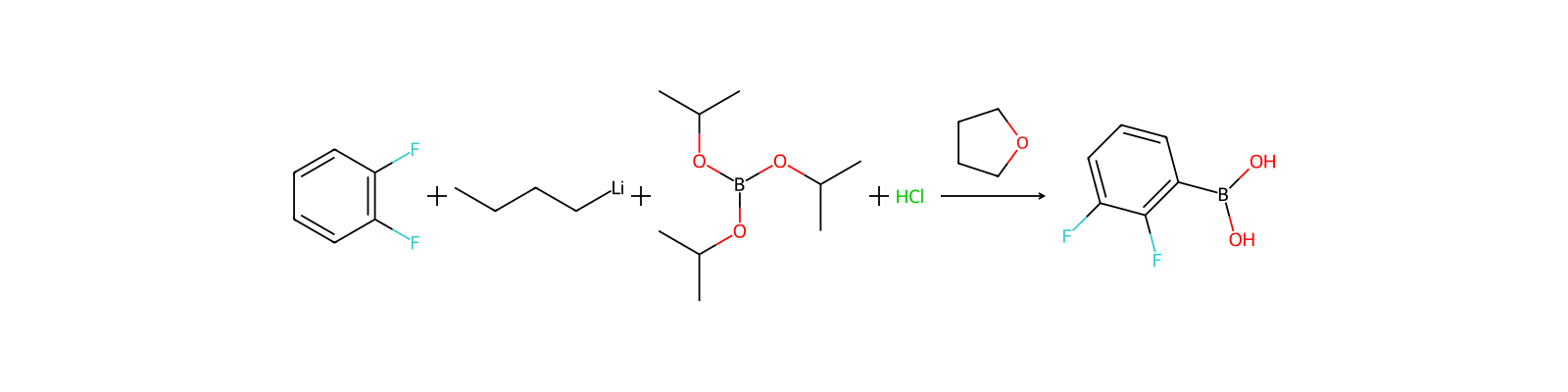
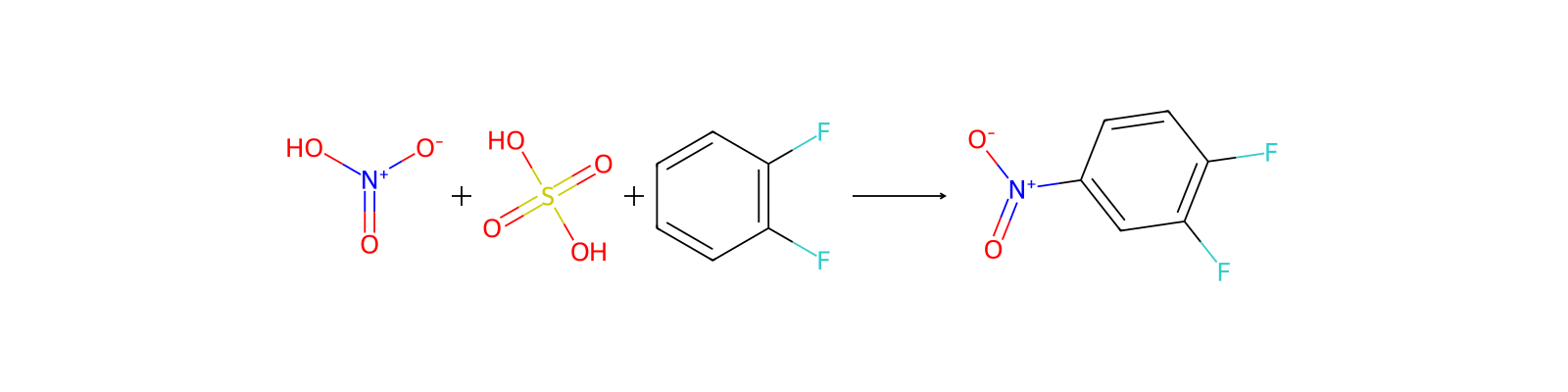
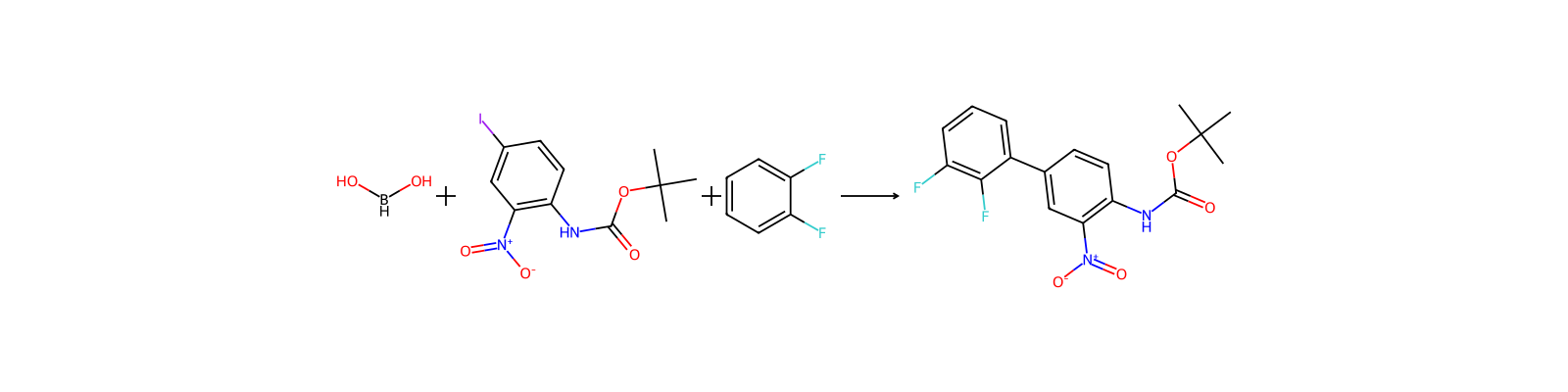
Related reactions
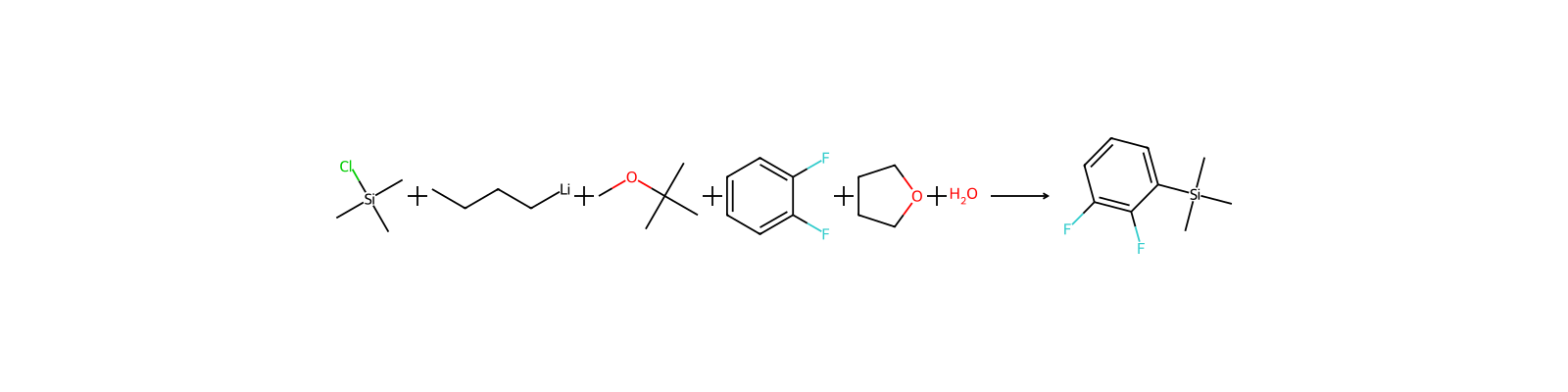
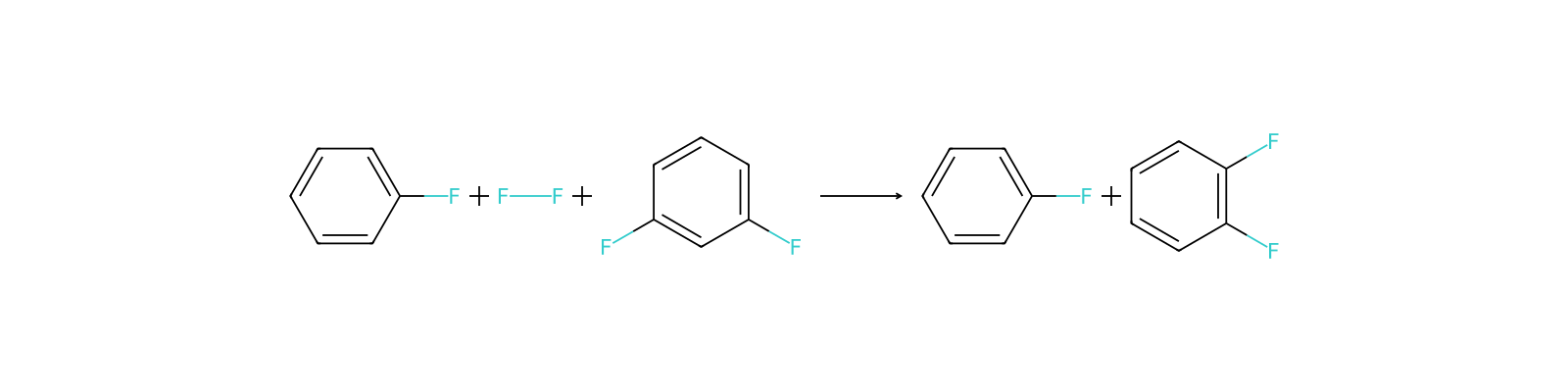
101 records



Compound notes
Loading…