
Basic information
- Standard SMILES
CSc1nccc(Cl)n1- InChIKey
DFOHHQRGDOQMKG-UHFFFAOYSA-N- Molecular formula
- C5H5ClN2S
- Average molar mass
- 160.63 g/mol
- Monoisotopic mass
- 159.98619684
Names & identifiers
- Preferred name
- 4-Chloro-2-methylthiopyrimidine
- IUPAC
- 4-chloro-2-methylsulfanylpyrimidine
- English name
- 4-Chloro-2-methylthiopyrimidine
- Molecular formula
- C5H5ClN2S
- Molecular weight
- 160.62
Names & synonyms
49844-90-84-Chloro-2-methylthiopyrimidine4-Chloro-2-(methylthio)pyrimidinepyrimidine, 4-chloro-2-(methylthio)-DTXSID60198114EINECS 256-500-6NSC 100866RefChem:98390DTXCID90120605256-500-6DFOHHQRGDOQMKG-UHFFFAOYSA-N4-chloro-2-(methylsulfanyl)pyrimidine
Show more names
4-Chloro-2-(methylthio)pyrimidine 97%4-Chloro-2-(Methylthio)py...2-methylthio-4-chloropyrimine2-(Methylthio)-4-chloropyrimidine4-Chloro-2-methylthiopyrimidine,97%4-Chloro-2-(methylmercapto)pyrimidine
4-chloro-2-methylsulfanylpyrimidine4-Chloro-2-methylsulfanyl-pyrimidineMFCD00006083SCHEMBL189476-Chloro-2-methylthiopyrimidinePS-57424-chloro-2-(methylthio) pyrimidineNSC100866
Database identifiers
- CAS
49844-90-8- PubChem CID
- 97113
- DTXSID
DTXSID60198114- EC Number
- 256-500-6
- Nikkaji
- J240.165G
Properties
Computed structural properties
- XLogP
- 2
- Topological polar surface area
- 51.1 Ų
- Hydrogen bond donors
- 0
- Hydrogen bond acceptors
- 3
- Rotatable bonds
- 1
- Heavy atoms
- 9
- Formal charge
- 0
- Complexity
- 91
Physicochemical properties
- Melting point
- 2 °C · −2 °C(lit.)
- Boiling point
- 139 · 139-140 °C36 mm Hg(lit.)
- Density
- 1.381 g/mL · 1.381 g/mL at 25 °C(lit.)
- refractive index
- 20 · n20/D 1.6(lit.)
- Flash point
- 230 °F · >230 °F
- storage temp.
- 2 · under inert gas (nitrogen or Argon) at 2–8 °C
- form
- liquid
- pka
- -0.56 · -0.56±0.20(Predicted)
- color
- Colorless to Red to Green
- Water Solubility
- Not miscible or difficult to mix in water.
- Sensitive
- Hygroscopic
- BRN
- 118042 · 118042
- InChI
- InChI=1S/C5H5ClN2S/c1-9-5-7-3-2-4(6)8-5/h2-3H,1H3
- InChIKey
- DFOHHQRGDOQMKG-UHFFFAOYSA-N
- SMILES
- C1(SC)=NC=CC(Cl)=N1
- CAS DataBase Reference
- 49844 · 49844-90-8(CAS DataBase Reference)
- UNSPSC Code
- 12352100 · 12352100
- NACRES
- 22 · NA.22
- Symbol(GHS)
- 5 · GHS05
- Signal word
- Danger
- Hazard statements
- 314 · H314
- Precautionary statements
- 280 · P280-P303+P361+P353-P304+P340+P310-P305+P351+P338-P363-P405
- PPE
- Faceshields, Gloves, Goggles, type ABEK (EN14387) respirator filter
- Hazard Codes
- C
- Risk Statements
- 34 · 34
- Safety Statements
- 26 · 26-36/37/39-45
- RIDADR
- 1760 · UN 1760 8/PG 2
- WGK Germany
- 3 · 3
- F
- 10 · 10-13-23
- Hazard Note
- Corrosive/Hygroscopic
- HazardClass
- 8 · 8
- PackingGroup
- III
- HS Code
- 29335990 · 29335990
- Storage Class
- 8 A · 8A - Combustible corrosive hazardous materials
- Hazard Classifications
- 1 B · Skin Corr. 1B
- Limited Quantities
- 1 L · 1.0 L (0.3 gallons) (liquid) or 1 Kg (2.2 lbs) (solid)
- Excepted Quantities
- Max Inner Pack (30g or 30ml) and Max Outer Pack (500g or 500ml)
Safety & regulation
GHS classification
GHS Classification
Danger
H314 (97.9%): Causes severe skin burns and eye damage [Danger Skin corrosion/irritation]
P260, P264, P280, P301+P330+P331, P302+P361+P354, P304+P340, P305+P354+P338, P316, P321, P363, P405, and P501 (click each P-code to see the statement)
Aggregated GHS information provided per 48 reports by companies from 6 notifications to the ECHA C&L Inventory.
Hazard information
Hazard Classes and CategoriesSkin Corr. 1B (97.9%)
Safety data
- F
- 10-13-23
- PPE
- Faceshields, Gloves, Goggles, type ABEK (EN14387) respirator filter
- wgk
- 3
- ridadr
- UN 1760 8/PG 2
- hs_code
- 29335990
- risk_code
- 34
- Signal word
- Danger
- Symbol(GHS)
- GHS05
- hazard_code
- C
- hazard_note
- Corrosive/Hygroscopic
- safety_code
- 26-36/37/39-45
- hazard_class
- 8
- Storage Class
- 8A - Combustible corrosive hazardous materials
- packing_group
- III
- Hazard statements
- H314
- Limited Quantities
- 1.0 L (0.3 gallons) (liquid) or 1 Kg (2.2 lbs) (solid)
- Excepted Quantities
- Max Inner Pack (30g or 30ml) and Max Outer Pack (500g or 500ml)
- Hazard Classifications
- Skin Corr. 1B
- Precautionary statements
- P280-P303+P361+P353-P304+P340+P310-P305+P351+P338-P363-P405
Chemistry & industry
Applications
UsesIt finds it application as a building block used in medicinal chemistry synthesis. 4-Chloro-2-methylthiopyrimidine is used in the total synthesis of the marine alkaloid variolin B1 and 2-hydroxy-4-pyrimidinecarboxylic acid. It is also used in the synthesis of 2,4-disubstituted pyrimidines, a novel class of KDR kinase inhibitors.
Uses4-Chloro-2-methylthiopyrimidine was used in the total synthesis of the marine alkaloid variolin B1 and 2-hydroxy-4-pyrimidinecarboxylic acid. It was used in the synthesis of 2,4-disubstituted pyrimidines, a novel class of KDR kinase inhibitors. It was used as building block in medicinal chemistry synthesis.
Upstream & downstream products
Upstream raw materials
Downstream products
Suppliers50 total
梯希爱(上海)化成工业发展有限公司021-67121386 · [email protected]
上海阿拉丁生化科技股份有限公司400-6206333 13167063860 · [email protected]
Hunan Jibang Biological Technology Co., LTD13776644403 · [email protected]
科瑞迪化学400-821-5857 021-64326257 · [email protected]
上海迈瑞尔生化科技有限公司4006356688 18621169109 · [email protected]
北京华威锐科化工有限公司0757-86329057 18934348241 · [email protected]
南部县诚信科技有限公司0838-5675166 15883665058 · [email protected]
阿法埃莎(中国)化学有限公司400-6106006 · [email protected]
安耐吉化学&3A(安徽泽升科技股份有限公司)400-0056266 · [email protected]
Allfluoro Pharmaceutical Company Limited+86-400-0216110 +86-15958047586 · [email protected]
常州安轩化工有限公司13912302692 · [email protected]
上海恩诺生物科技有限公司+86 (21) 6435-5022
上海瀚鸿科技股份有限公司021-54306202 13764082696 · [email protected]
衢州市鸿通生物科技有限公司0571-64067827 13372408495 · [email protected]
上海相辉医药科技有限公司13761987713 · [email protected]
上海景颜化工科技有限公司13817811078 · [email protected]
嘉兴市艾森化工有限公司0573-85285100 18627885956 · [email protected]
Pure Chemistry Scientific Inc.001-857-928-2050 or 1-888-588-9418 · [email protected]
上海隆盛化工有限公司58099637 13585536065 · [email protected]
杰达维(上海)医药科技发展有限公司/J & W PharmLab021-64340559 · [email protected]
常州琦诺生物科技有限公司0519-0519-83812535 · [email protected]
山东西亚化学有限公司13355009207 13355009207 · [email protected]
上海耐士化工科技有限公司400-188-0725 +86 21 34310725 13611771617
南京斯贝源医药科技有限公司+86-25-68710855, +86-25-68710897 · [email protected]
赛默飞世尔科技(中国)有限公司800-810-5118 · [email protected]
上海健超生物科技有限公司150-2103-5486 18017383231 · [email protected]
TCI AMERICA800-4238616 · [email protected]
TOKYO CHEMICAL INDUSTRY CO., LTD.03-36680489 · [email protected]
TCI Europe320-37350700 · [email protected]
上海贤鼎生物科技有限公司4009209199 · [email protected]
上海偕腾生物科技有限公司+86-021-58975553 · [email protected]
越林试剂021-62960152 · [email protected]
上海将来实业股份有限公司400-0066400 13621662912 · [email protected]
HBCChem, Inc.+1-510-219-6317 · [email protected]
Labnetwork lnc.+86-27-50766799 +86-18062016861 · [email protected]
上海石洋化工有限公司021-56795766 · [email protected]
凯方医药科技(上海)有限公司021-67220633 021-54824098 · [email protected]
湖南华腾制药有限公司400-8592883 · [email protected]
上海鑫圭生物科技有限公司15121041756 · [email protected]
杭州杰恒化工有限公司0571-87396432 · [email protected]
上海洽凡生化科技有限公司+86-021-61654350 · [email protected]
上海嵩爰化工科技有限公司010-1234567 18521000990 · [email protected]
上海有朋化工有限公司021-69005955 13701776567 · [email protected]
北京海力扬化学科技有限公司13718199399 · [email protected]
北京欣赛维化学科技有限公司010-56218822 13717722232 · [email protected]
四川海诺威科技有限公司13708085536 13708085536 · [email protected]
江苏艾康生物医药研发有限公司025-66028182 17714375163 · [email protected]
上海凯赛化工有限公司021-33516722 13701817765 · [email protected]
上海彤源化工有限公司021-021-69182866 13701855675 · [email protected]
上海孚一生物科技有限公司+86 (21) 61124340
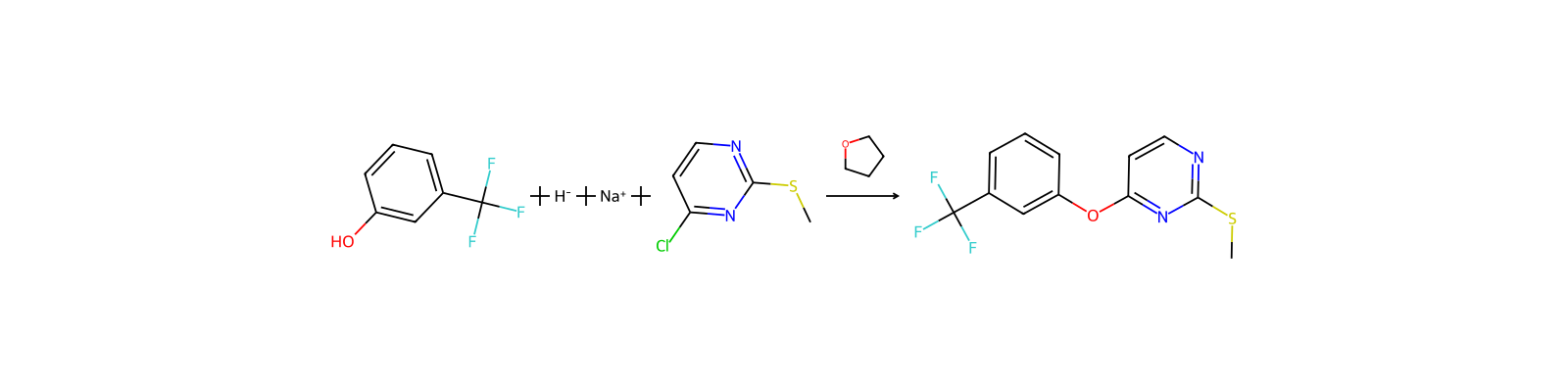
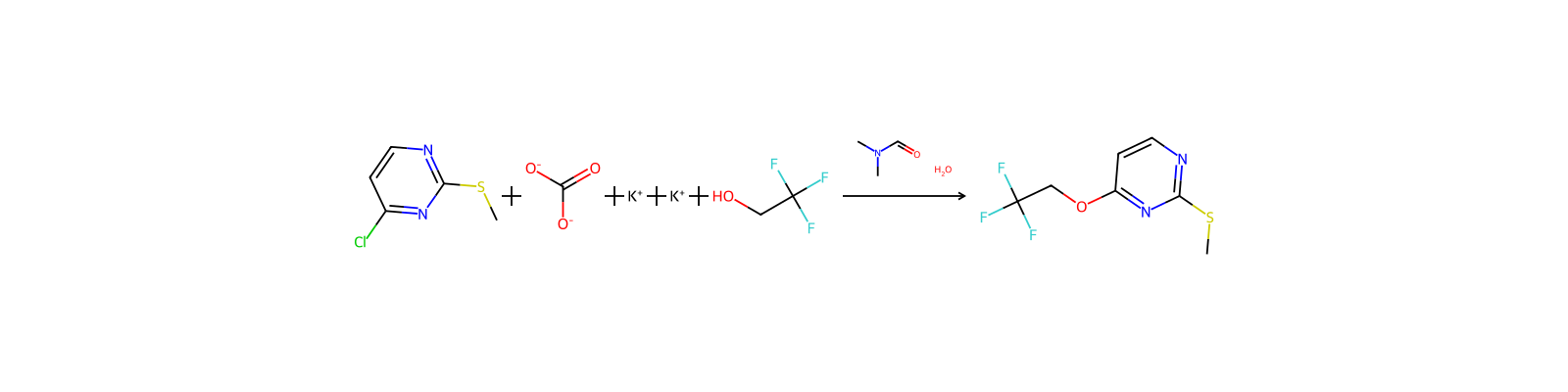
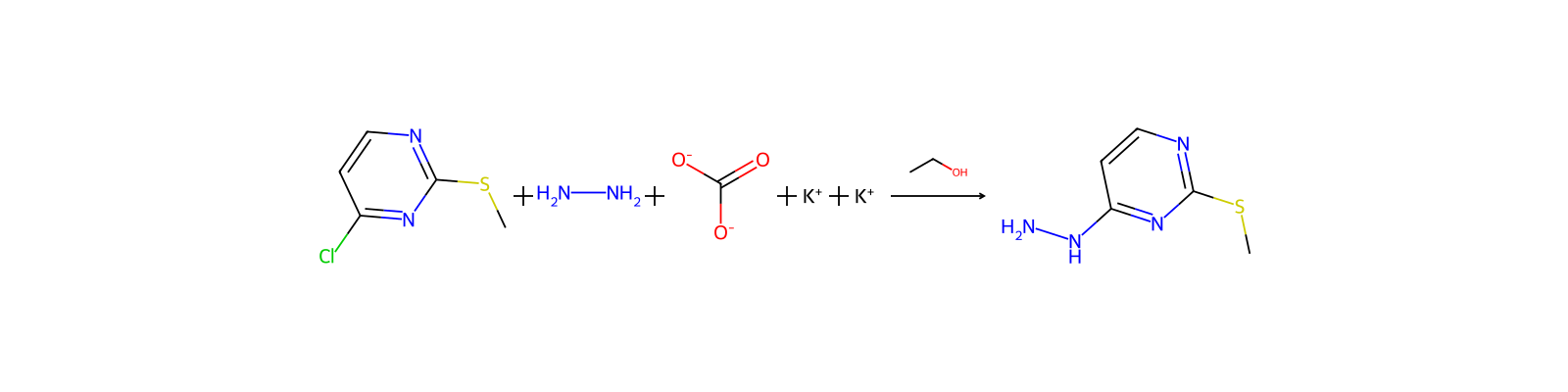
Related reactions
127 records




Linked notes
Loading…