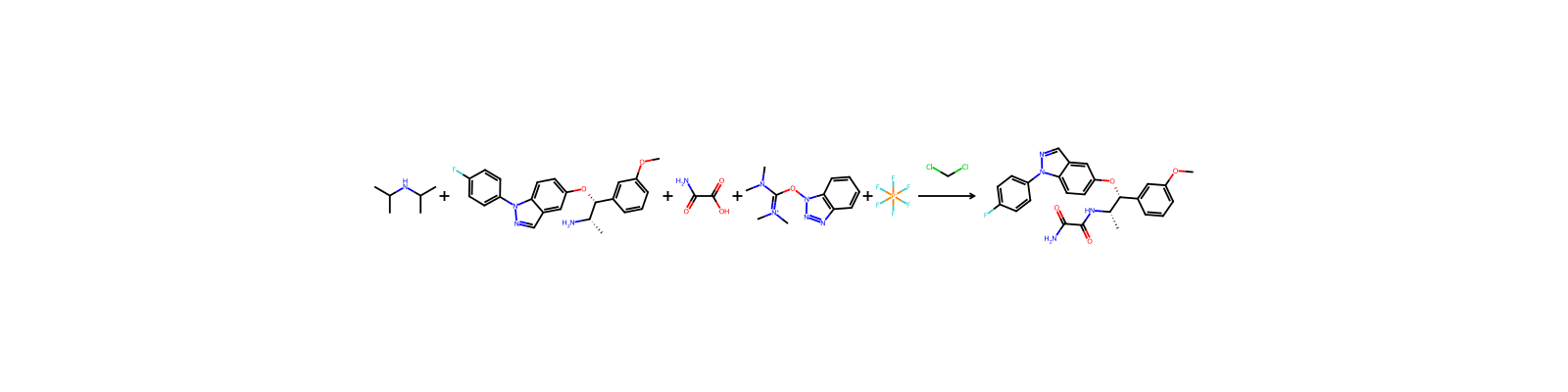
HRID 13086As reactant
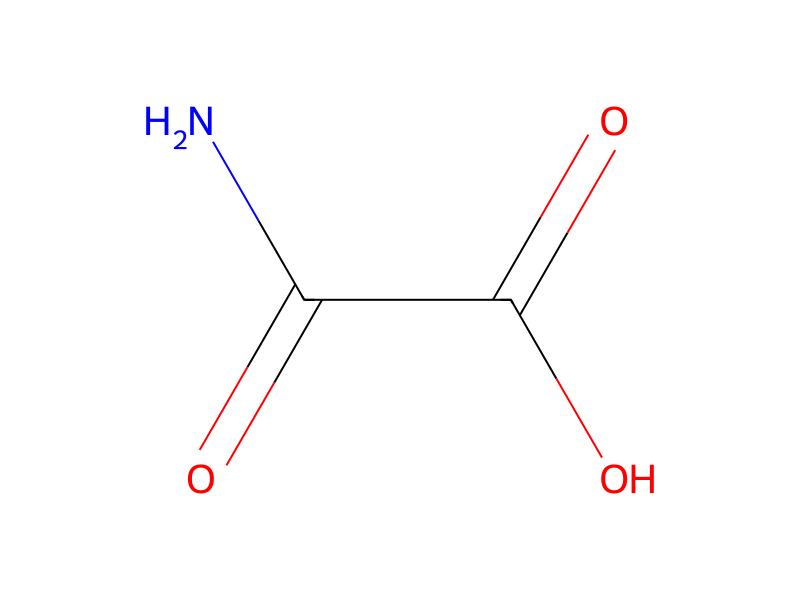
471-47-6NC(=O)C(=O)OSOWBFZRMHSNYGE-UHFFFAOYSA-NOxamic acid is a dicarboxylic acid monoamide resulting from the formal condensation of one of the carboxy groups of oxalic acid with ammonia. It has a role as an Escherichia coli metabolite. It is a conjugate acid of an oxamate.
471-47-6、66257-53-2DTXSID6060052CHEMBL15976CHEBI:18058Pesticides -> Insect Repellents
Environmental transformation -> Pesticide transformation products (metabolite, successor)
Safety information is for reference only and does not replace the supplier’s Safety Data Sheet (SDS), applicable regulations, or professional assessment.
Warning
H315 (100%): Causes skin irritation [Warning Skin corrosion/irritation]
P261, P264, P264+P265, P271, P280, P302+P352, P304+P340, P305+P351+P338, P319, P321, P332+P317, P337+P317, P362+P364, P403+P233, P405, and P501 (click each P-code to see the statement)
Aggregated GHS information provided per 45 reports by companies from 5 notifications to the ECHA C&L Inventory. Each notification may be associated with multiple companies.
See Oxamic acid.
A skin and strong eye irritant; [Alfa Aesar MSDS] See Oxamide. See Acetic acid.
DescriptionOxamic acids also known to as oxalic acid monoamides have emerged as potent precursors for the generation of the carbamoyl radical. Oxamic acids can easily undergo decarboxylation through a single electron oxidation resulting in the generation of the reactive carbamoyl radical, which can then engage in diverse radical reactions or undergo a second single electron oxidation as originally unveiled by Minisci. Oxamic acids are thus versatile intermediates for the synthesis of nitrogen-containing organic molecules[1]. The oxidative decarboxylation of oxamic acids can be mediated through thermal, photochemical, electrochemical or photoelectrochemical means, generating carbamoyl radicals, which may further add to unsaturated systems to provide a broad range of important amides. Oxidative decarboxylation of oxamic acids also offers a straightforward entry for the preparation of urethanes, ureas, and thioureas.
UsesOxamic acid is an ozone oxidation product and is used in the synthesis of hydroxybenzimidazoles preparation as potential anti tumor agents targeting human lactate dehydrogenase A.This compound is suitable for lactate dehydrogenase (LDH) related research.
DefinitionChEBI: Oxamic acid is a dicarboxylic acid monoamide resulting from the formal condensation of one of the carboxy groups of oxalic acid with ammonia. It has a role as an Escherichia coli metabolite. It is a conjugate acid of an oxamate.