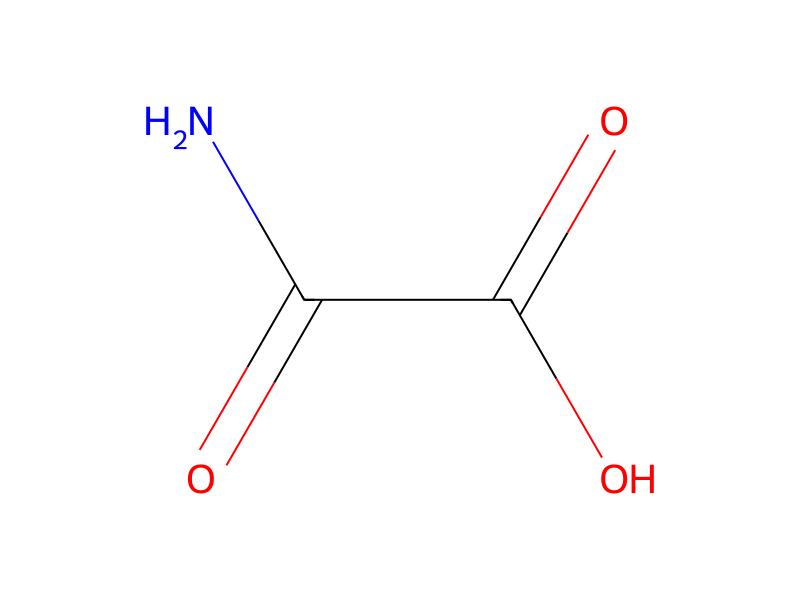
N-[2-(3,4-Dimethoxyphenyl)ethyl]-N-hydroxamide. To a suspension of oxamic acid (195 mg, 2.21 mmol) in 1,2-dimethoxyethane (7 mL) under an argon atmosphere was added dropwise N-methylmorpholine (0.27 mL, 2.42 mmol), followed by ethyl chloroformate (0.23 mL, 2.42 mmol). After stirring for 1 h at room temperature, a solution of N-[2-(3,4-dimethoxyphenyl)ethyl]-N-hydroxyamine (417 mg, 2.10 mmol) in 1,2-dimethoxyethane (5 mL) was added, and the resulting mixture was stirred for 4 h. Saturated aqueous ammonium chloride was added, and the mixture was extracted with methylene chloride (2×). The combined organic extracts were washed successively with 10% hydrochloric acid and water and dried (potassium carbonate). The solvent was removed in vacuo and the residue was purified by flash chromatography, eluting with 5% methanol/methylene chloride, and recrystallized from methanol/methylene chloride to provide the oxamide (98 mg, 17%): m.p. 143°-144° C.