Reaction equation

[O:1]=[C:2]([CH3:10])[CH2:3]P(=O)(OC)OC.[Li+].[Cl-].[N:13]1[C:22]2[C:17](=[CH:18][CH:19]=[CH:20][CH:21]=2)[CH:16]=[C:15]([CH:23]=O)[CH:14]=1.C1CCN2C(=NCCC2)CC1>C(#N)C>[N:13]1[C:22]2[C:17](=[CH:18][CH:19]=[CH:20][CH:21]=2)[CH:16]=[C:15]([CH:23]=[CH:3][C:2](=[O:1])[CH3:10])[CH:14]=1Participants
6
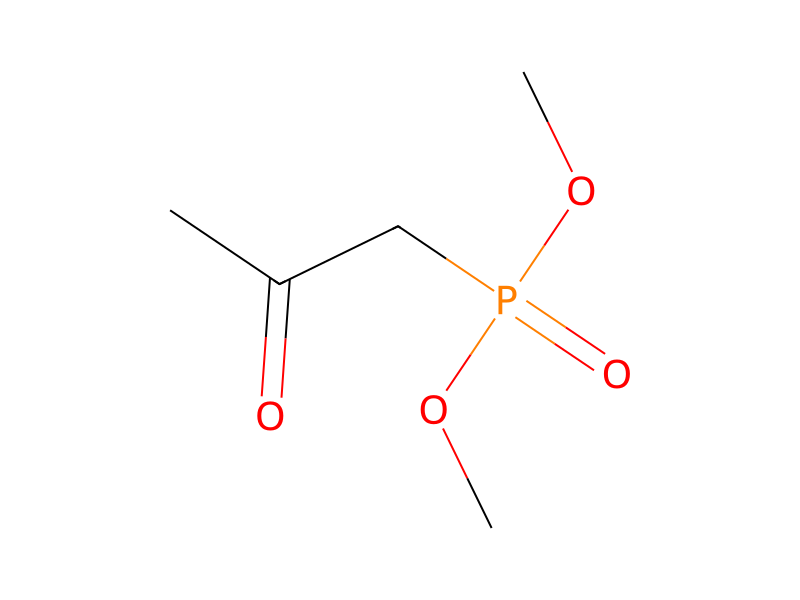



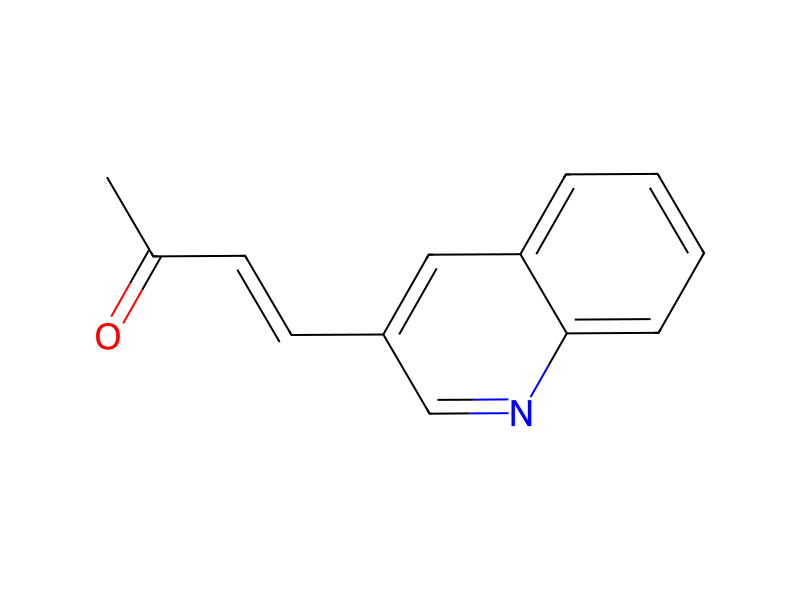

Procedure
Dimethyl (2-oxopropyl)phosphonate (3.1 g,19.1 mmol), anhydrous LiCl (972 mg, 23 mmol), and 3-quinoline carboxaldehyde 6-1 (3.0 g,19.1 mmol) in anhydrous acetonitrile (70 mL), was treated with DBU (2.9 mL, 19.1 mmol) and the resulting suspension stirred at room temperature for 1 h. The solvent was removed at reduced pressure and the resulting residue partitioned between brine and methylene chloride. The organic layer was removed, dried, and concentrated to afford a yellow solid which was recrystallized from ethyl acetate/hexanes to afford 22-1 as an off-white solid.
Workup
- customThe solvent was removed at reduced pressure
- customthe resulting residue partitioned between brine and methylene chloride
- customThe organic layer was removed
- customdried
- concentrationconcentrated
- customto afford a yellow solid which
- customwas recrystallized from ethyl acetate/hexanes
Sources & evidence
- ORD record
- ord-2721a30731df47dbae90a5f4bb17a228
- Source dataset
- uspto-grants-2000_04
- Patent number
- US06048861
Linked notes
Loading…