Lithium hydroxide, monohydrate → HCID 178522445, compound
HRID 1012079
Reaction equation

C[O:2][C:3]([C:5]1[C:13]2[N:12]=[C:11]([C:14]3[C:18]([NH:19][C:20](=[O:29])[C:21]4[C:26]([F:27])=[CH:25][CH:24]=[CH:23][C:22]=4[F:28])=[CH:17][NH:16][N:15]=3)[NH:10][C:9]=2[CH:8]=[CH:7][CH:6]=1)=[O:4].O.[OH-].[Li+]>C1COCC1.O>[F:28][C:22]1[CH:23]=[CH:24][CH:25]=[C:26]([F:27])[C:21]=1[C:20]([NH:19][C:18]1[C:14]([C:11]2[NH:10][C:9]3[CH:8]=[CH:7][CH:6]=[C:5]([C:3]([OH:4])=[O:2])[C:13]=3[N:12]=2)=[N:15][NH:16][CH:17]=1)=[O:29]Participants
4



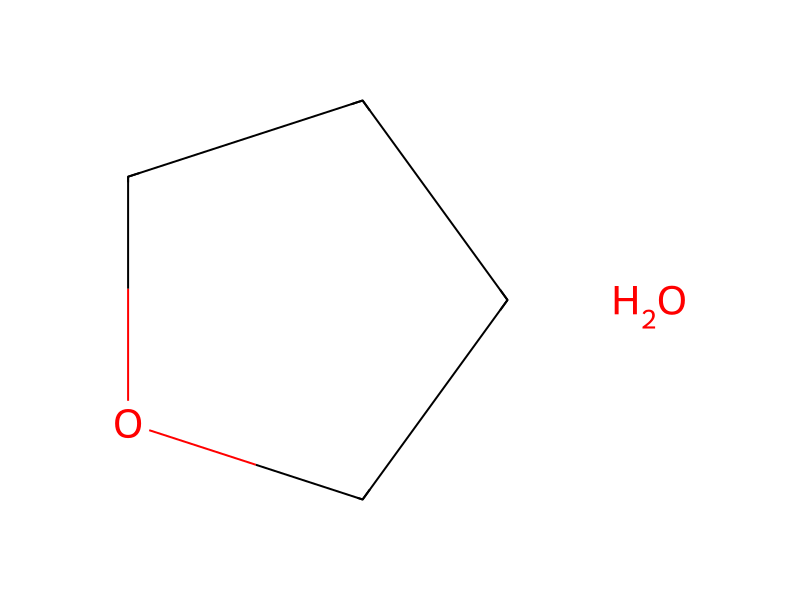
Procedure
A solution of 2-[4-(2,6-difluoro-benzoylamino)-1H-pyrazol-3-yl]-1H-benzimidazole-4-carboxylic acid methyl ester (220 mg, 0.55 mmol) in THF/water (1:1, 10 ml) was treated with lithium hydroxide hydrate (70 mg, 1.66 mmol) and the mixture stirred at ambient temperature for 18 h. The volatiles were removed in vacuo, the mixture acidified to pH5 by the addition of 2M aqueous hydrochloric acid and the solid formed collected by filtration, washed with water then dried under vacuum to give 2-[4-(2,6-difluoro-benzoylamino)-1H-pyrazol-3-yl]-1H-benzimidazole-4-carboxylic acid (165 mg) as a brown solid. (LC/MS: Rt 3.28, [M+H]+ 384).