HomeMCPWorkbenchSkills
HomeWorkbenchNotificationsMe
llms.txt · MCP GuidePrivacy Policy · Terms of Service · Supportv1.8.0
  1. Home
  2. /Reaction

Ammonia → 2,6-Lutidine

HRID 1012370
Notes
Print preview

Reaction equation

HRID 1012370 reaction equation
N.[BH3:2].C([N:5]([CH2:12][CH3:13])[C:6]1[CH:11]=[CH:10][CH:9]=C[CH:7]=1)C.B.[C:15]1([N:21]2[CH2:26][CH2:25][O:24][CH2:23][CH2:22]2)[CH:20]=[CH:19][CH:18]=[CH:17][CH:16]=1.B.[N:28]1C(C)=CC=CC=1C>>[C:15]1([N:21]2[CH2:26][CH2:25][O:24][CH2:23][CH2:22]2)[CH:20]=[CH:19][CH:18]=[CH:17][CH:16]=1.[N:5]1[C:6]([CH3:7])=[CH:11][CH:10]=[CH:9][C:12]=1[CH3:13].[NH3:28].[BH3:2]
ParticipantsProcedureSources & evidenceReaction notes

Participants

7

Reactant 4

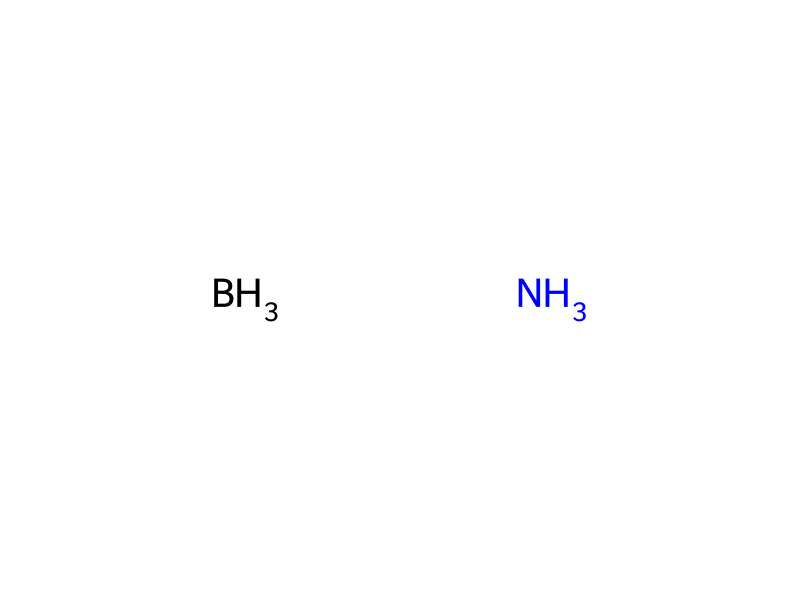
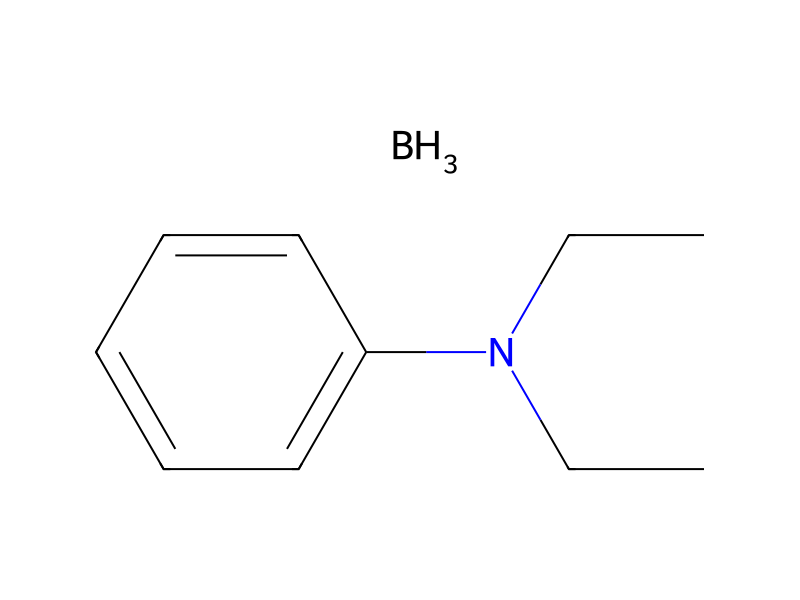
HCID 222Ammonia2×HCID 83312Diethylaniline-boraneHCID 15265529(T-4)-Trihydro(4-phenylmorpholine-kappaN4)boronHCID 178419164HCID 178419164, compound

Product 3

HCID 79372,6-LutidineHCID 623394-Phenylmorpholine
HCID 419330
Ammonia;borane

Procedure

For example, dimethylaniline borane can be reacted with ammonia to produce ammonia borane as shown below. (C6H5)(CH3)2N.BH3+NH3=(C6H5)(CH3)2N+NH3.BH3 In other examples, diethylaniline borane, phenylmorpholine borane or lutidine borane can be reacted with ammonia to form ditethylaniline and ammonia borane, phenylmorpholine and ammonia borane, or lutidine and ammonia borane.

Sources & evidence

ORD record
ord-889a1419970e4c178f8797f81dee20b9
Source dataset
uspto-grants-2011_07
DOI
10.6084/m9.figshare.5104873.v1
Patent number
US07977508B2

Reaction notes

Loading…

On this pageParticipantsProcedureSources & evidenceReaction notes